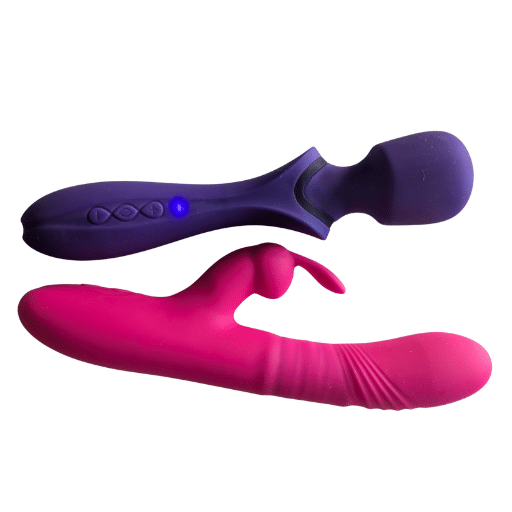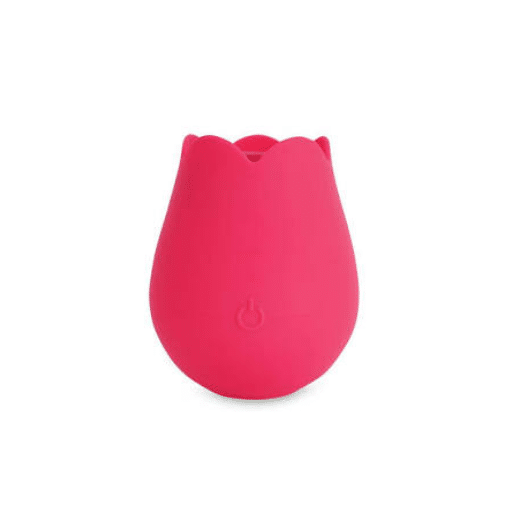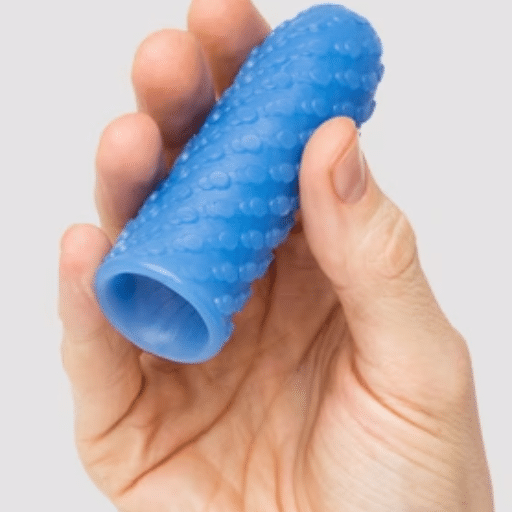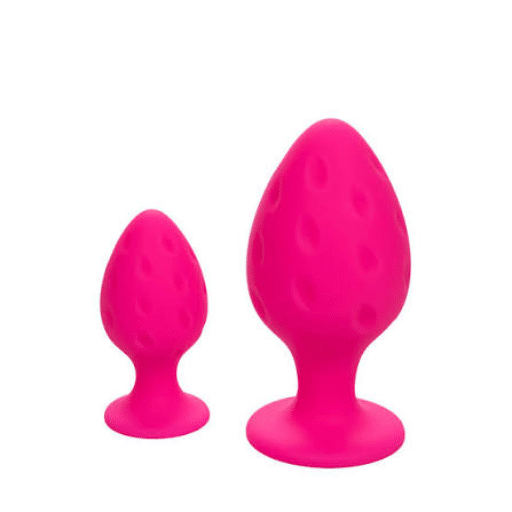
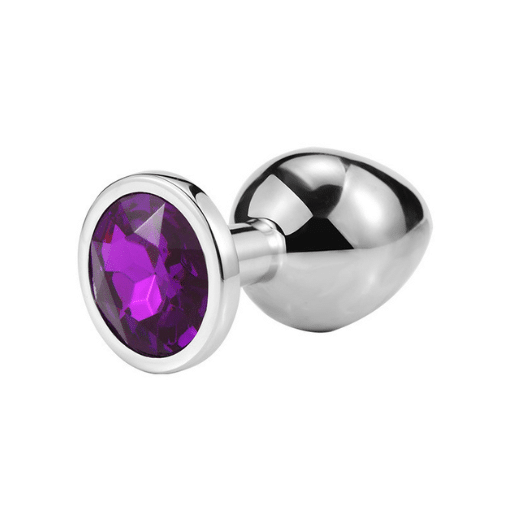
Medical grade silicone sex toys are intimate wellness products made from platinum-cured silicone that meets biocompatibility standards such as ISO 10993 and USP Class VI. They are non-porous, hypoallergenic, and durable enough to withstand boiling sterilization without degrading. For brand founders and procurement managers, choosing the right silicone grade directly affects safety ratings, return rates, and long-term customer trust.
A 2023 NIH study found that PVC and jelly rubber toys released microplastics and phthalates during use, some exceeding thresholds set for children’s toys. The same study highlighted silicone as the lowest-risk material tested. That data is why Maya, a founder in Shenzhen, rejected her first supplier’s “medical-grade” samples after a lab report showed phthalate traces. She switched to a manufacturer that provided certificates of analysis for every batch. Her return rate dropped by 60% within two quarters.
This guide explains what “medical grade” really means, how silicone is manufactured, which certifications matter, and how to verify supplier claims. You’ll also see cost ranges, design considerations, and the most common material mistakes brands make when launching a new product line.
Key Takeaways
- Medical grade silicone sex toys use platinum-cured silicone that meets ISO 10993, USP Class VI, and FDA 21 CFR 177.2600 standards.
- Platinum-cured silicone outperforms peroxide-cured and tin-cured alternatives in purity, odor, and biocompatibility.
- LSR injection molding suits high-volume production; compression molding works well for lower volumes and complex shapes.
- Always request certificates of analysis, mill test reports, and third-party lab results before approving a silicone shipment.
- Silicone lube degrades silicone toys through swelling; design care instructions around water-based lubricants only.
Want help choosing the right silicone grade for your product line? Request a free material consultation →
What Is Medical-Grade Silicone for Adult Toys?
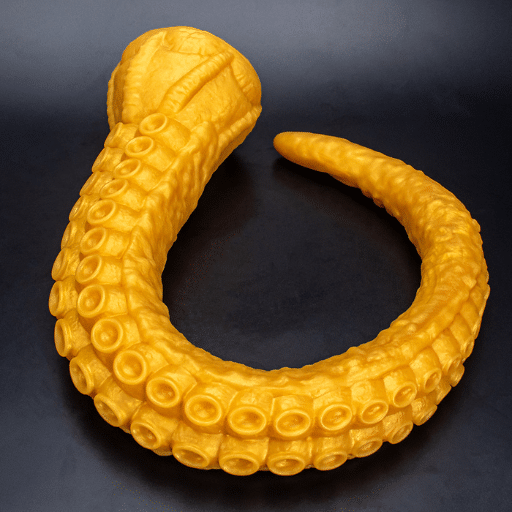
“Medical-grade silicone” is not a single regulated trademark. It describes platinum-cured silicone that has passed biocompatibility testing and is safe for repeated skin or mucous-membrane contact. ElastaPro’s guide to medical-grade silicone notes that the material is valued for its purity, stability, and ability to be sterilized.
For adult toys, the grade usually refers to one of three categories:
- FDA-compliant silicone: meets FDA 21 CFR 177.2600 for repeated-use rubber articles.
- ISO 10993-tested silicone: passes cytotoxicity, sensitization, and irritation tests.
- USP Class VI silicone: meets pharmaceutical-grade verification for implants and long-term contact.
Platinum-Cured vs Peroxide-Cured vs Tin-Cured Silicone
Platinum-cured silicone uses an addition-cure chemistry that produces no harmful byproducts. It cures at room or low heat, remains odorless, and offers the cleanest surface. Peroxide-cured silicone relies on free radicals and can leave volatile residues if not post-cured properly. Tin-cured silicone uses condensation curing and releases acetic acid; it is cheaper but less stable and not suitable for body contact.
Fecision’s comparison clarifies that platinum grade and medical grade overlap but are not identical. A toy can be platinum-cured without meeting USP Class VI. A medical-grade toy should be both platinum-cured and tested.
Liquid Silicone Rubber, High Consistency Rubber, and RTV-2
Liquid Silicone Rubber (LSR) is a two-part platinum-cured material that flows easily into molds. It is ideal for injection molding, tight tolerances, and high-volume runs. High Consistency Rubber (HCR) is thicker and often compression-molded or extruded. RTV-2 is a room-temperature-vulcanizing material used mainly for prototypes, mold making, and small batches.
Why “Medical-Grade” Is Not a Single Regulated Label
No government agency stamps a finished adult toy as “medical grade.” The label only has meaning when backed by specific test reports, batch numbers, and supplier documentation. Brand owners should treat the phrase as a starting point for questions, not as proof of safety.
Why Medical Grade Silicone Sex Toys Are the Gold Standard
Medical grade silicone sex toys dominate the premium market because they solve the four problems buyers care about most: hygiene, allergies, durability, and chemical stability. If you are building a body-safe materials in adult toys strategy, silicone is the benchmark every other material is measured against.
Non-Porous and Hygienic
Silicone has a closed-cell structure. Bacteria cannot penetrate the surface, so cleaning removes nearly all contaminants. TPE and jelly rubber, by contrast, are porous and can trap moisture and microbes even after washing.
Hypoallergenic and Latex-Free
Platinum-cured silicone contains no latex proteins and releases no plasticizers. That makes it suitable for users with latex allergies or chemical sensitivities.
Sterilizable and Durable
Medical-grade silicone tolerates boiling water, steam, and diluted bleach solutions. With proper care, these toys last 10 years or more. The material’s working temperature range spans -60°C to 200°C, so it will not melt during routine sterilization.
Chemically Stable and Odorless
High-purity silicone does not off-gas. It does not react with water-based lubricants, body fluids, or most cleaning agents. A faint chemical smell is often the first warning sign that a product is not platinum-cured.
| Material | Porosity | Sterilization | Lube Compatibility | Lifespan | Best For |
|---|---|---|---|---|---|
| Medical-grade silicone | Non-porous | Boiling, bleach, UV | Water-based only | 10+ years | Premium toys, reusable products |
| TPE/TPR | Porous | Surface wash only | Water-based only | 1-3 years | Budget toys, disposable sleeves |
| Borosilicate glass | Non-porous | Boiling, dishwasher | All lubes | Lifetime | Rigid inserts, temperature play |
| 316L stainless steel | Non-porous | Boiling, autoclave | All lubes | Lifetime | Weighted toys, anal play |
| ABS plastic | Non-porous | Surface wash | Water-based only | 5+ years | Hard shells, battery housings |
How Medical Grade Silicone Sex Toys Are Made
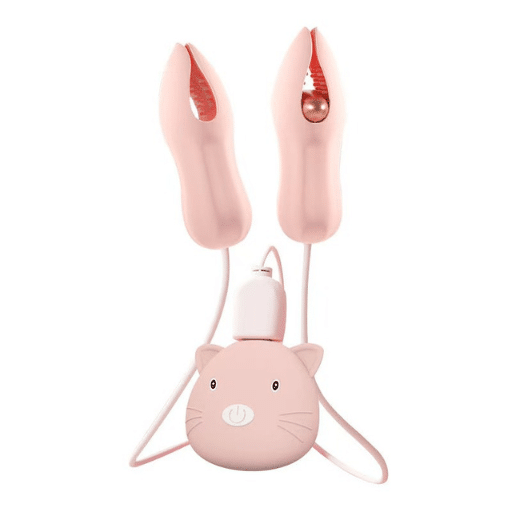
The manufacturing process starts with raw silicone base and platinum catalyst. NewTopSilicone’s process guide walks through mixing, molding, and quality control in detail.
Raw Material Sourcing and Mixing
Suppliers ship Part A (polymer) and Part B (crosslinker with platinum catalyst). The factory mixes them under controlled temperature and humidity. Pigments and additives must also be skin-safe and compatible with the target certifications.
Curing Chemistry: Addition Cure vs Condensation Cure
Addition cure uses platinum and creates strong, stable bonds without byproducts. Condensation cure uses tin and releases alcohol or acid. Adult toys should always use addition-cure chemistry.
Vacuum Degassing and Mold Preparation
Mixed silicone is vacuum-degassed to remove trapped air. Molds are pre-heated and sprayed with a release agent. Even tiny air bubbles can create weak spots or surface defects, so this step is critical.
Demolding and Post-Curing
Parts are demolded, trimmed, and then post-cured in an oven. Post-curing drives off residual volatiles and stabilizes the material. Skipping post-cure can leave an oily surface or residual odor.
*Replace VIDEO_ID_PLACEHOLDER with your Joyflick process video or an authoritative third-party LSR molding video before publishing.*
Manufacturing Methods: LSR Injection Molding vs Compression Molding
Choosing between LSR injection molding and compression molding affects tooling cost, cycle time, surface detail, and per-unit price.
When to Choose LSR Injection Molding
Use LSR when you need high volumes, tight tolerances, or complex geometries. Cycle times range from seconds to a few minutes. LSR parts require less flash and trimming. The upfront mold cost is higher, but the cost per part drops quickly above 10,000 units.
When to Choose Compression Molding
Compression molding suits lower volumes, larger parts, or designs with variable wall thickness. Tooling costs less, often 1,500−1,500−3,000 for a simple mold. Cycle times are longer, and operators trim more flash by hand.
Tooling Cost and Cycle Time Comparison
For a mid-sized vibrator sleeve, expect an LSR mold to cost 4,000−4,000−8,000 and run 20-60 seconds per cycle. A comparable compression mold may cost 2,000−2,000−4,000 but run 3-8 minutes per cycle. The break-even point usually sits between 5,000 and 15,000 units.
Quality Control by Molding Method
LSR uses closed-loop temperature and pressure controls, so batch consistency is easier to maintain. Compression molding depends more on operator skill; brands should audit trimming stations and inspect flash lines.
Shore Hardness and Design Considerations
Shore hardness, measured on a durometer, determines how a toy feels and performs. Adult toys commonly use Shore 00 or Shore A scales.
Understanding Durometer: Shore 00 vs Shore A
Shore 00 measures very soft materials, like gel pads. Shore A measures firmer rubbers. A dual-density toy might use Shore 00-20 for the skin layer and Shore A-20 for the core.
Common Hardness Ranges for Different Toy Types
- Soft insertables: Shore 00-10 to 00-30
- Standard vibrator sleeves: Shore A-10 to A-30
- Firm prostate or anal toys: Shore A-30 to A-50
- Hard shells and buttons: Shore D or ABS plastic
Dual-Density Construction: Firm Core, Soft Skin
Dual-density construction places a firm inner core inside a softer outer layer. It mimics realism, improves structural integrity, and lets designers create larger shapes without floppy walls. The added molding step raises tooling cost by 20%-40%.
How Hardness Affects Manufacturing and Cost
Softer silicone flows more easily but tears more easily during demolding. Firmer silicone holds detail but can feel rigid. Designers should specify a target durometer range before mold steel is cut.
Certifications and Testing Explained
Certifications turn material claims into verifiable proof. Brands selling in the EU, US, UK, or Australia need to understand which standards apply where. Our adult toy certifications guide covers CE, FDA, RoHS, and ISO in more depth.
FDA 21 CFR 177.2600 (Repeated-Use Rubber Articles)
This FDA regulation sets extraction limits for rubber articles intended for repeated use. Silicone used in adult toys must meet the non-volatile residue limit of ≤0.1 mg/in². It does not mean the FDA approves the finished toy as a medical device.
ISO 10993 Biocompatibility Testing
ISO 10993 covers biological evaluation of medical devices. For adult toys, the most relevant tests are cytotoxicity, sensitization, and irritation. A full biocompatibility panel can cost 2,000−2,000−5,000 and take 4-8 weeks.
USP Class VI (Pharmaceutical-Grade Verification)
USP Class VI testing exposes the material to animal tissue and checks for adverse reactions. Passing USP Class VI is stronger than basic FDA compliance and supports premium positioning.
ISO 3533:2021 (Sex Toy Safety Standard)
ISO 3533:2021 is the first international standard written specifically for sex toys. It addresses material safety, mechanical safety, labeling, and packaging. Compliance is not mandatory everywhere, but it signals professional quality to retailers and distributors.
REACH, RoHS, Prop 65, and LFGB
- REACH: EU regulation restricting hazardous chemicals.
- RoHS: limits heavy metals in electronic components.
- Prop 65: California law requiring warnings for listed chemicals.
- LFGB: German food-contact standard sometimes applied to intimate products in the EU.
| Standard | What It Tests | Typical Cost | Timeline | Key Markets |
|---|---|---|---|---|
| FDA 21 CFR 177.2600 | Extractables from silicone | 500−500−1,500 | 2-4 weeks | United States |
| ISO 10993-5 cytotoxicity | Cell toxicity | 800−800−2,000 | 2-4 weeks | Global |
| ISO 10993-10 sensitization | Skin reaction risk | 1,500−1,500−3,500 | 4-6 weeks | Global |
| USP Class VI | Tissue reaction | 2,000−2,000−5,000 | 4-8 weeks | North America |
| ISO 3533:2021 | Product safety and labeling | 3,000−3,000−8,000 | 6-12 weeks | EU, UK, Australia |
Medical Grade Silicone vs Other Body-Safe Materials
Silicone is not the only body-safe option. The right material depends on use case, budget, and brand positioning.
Silicone vs TPE/TPR
TPE is softer and cheaper but porous. It cannot be fully sterilized and usually lasts 1-3 years. Silicone costs more upfront but lasts longer and supports premium pricing.
Silicone vs Borosilicate Glass
Borosilicate glass is non-porous, compatible with all lubricants, and lasts indefinitely. It is rigid, so it suits users who want firm pressure. Silicone offers flexibility and a softer feel.
Silicone vs Medical-Grade Stainless Steel
316L stainless steel is the preferred grade for intimate metal products. It is non-porous, heavy, and compatible with all lubricants. Silicone is lighter, warmer, and easier to mold into complex shapes.
Silicone vs ABS Hard Plastic
ABS is rigid, cheap, and easy to clean. It works well for handles, shells, and clitoral stimulators. It lacks the soft touch of silicone and can crack under impact.
How to Verify Your Manufacturer’s Silicone Claims
Documentation separates real medical-grade silicone from marketing language. James, a QA manager for a UK distributor, once received a shipment whose COA matched a different lot number. He rejected the batch and asked for retesting. The second report showed the material was actually a TPE blend. That one catch saved his company from a product recall.
Reading Certificates of Analysis (COAs)
A COA should list the silicone grade, batch number, test methods, results, and the testing lab’s accreditation. Cross-check the batch number on the COA against the batch number on the raw material packaging.
Understanding Mill Test Reports
Mill test reports come from the raw-material producer. They confirm hardness, tensile strength, elongation, and tear strength. These values should fall within the specification sheet for the grade you ordered.
Simple Verification Tests
- Flame test: Pure silicone burns to white ash and smells faintly of burning hair. TPE or PVC melts, turns black, and smells chemical.
- Pinch test: High-quality silicone returns to shape quickly and evenly. Filled blends may show white stress marks.
- Smell test: Platinum-cured silicone has little to no odor. A strong chemical smell suggests peroxide, tin, or plasticizer contamination.
When to Commission Third-Party Lab Testing
Order third-party testing when launching a new supplier, changing material sources, or entering a regulated market. SGS, TÜV, and Intertek all offer biocompatibility and chemical testing services.
Factory Audit Red Flags for Material Integrity
- Supplier refuses to show mill test reports or COAs.
- Raw materials are stored in unlabeled containers.
- Pigments are mixed in open buckets without batch records.
- The factory cannot explain which curing system it uses.
- Workers handle silicone with bare hands and no gloves.
Cleaning, Care, and Longevity
Proper care instructions protect end users and reduce warranty claims. Brands should print care cards, not just rely on website pages.
Daily Cleaning Best Practices
Wash silicone toys with mild soap and warm water after each use. Let them air dry completely before storage. Avoid harsh solvents or alcohol-based cleaners that can dry out the surface.
Sterilization Methods
- Boiling: Submerge for 3-5 minutes. Safe for solid silicone without electronic parts.
- Bleach solution: Soak in a 10% bleach solution for 10 minutes, then rinse thoroughly.
- UV sterilizers: Convenient but less proven for porous contaminants on textured surfaces.
Storage Recommendations
Store silicone toys separately from TPE, PVC, or jelly rubber. Different materials can react and degrade each other. Use breathable pouches or clean, dry drawers.
Expected Lifespan and When to Replace
A well-made platinum-cured silicone toy can last 10 years or more. Replace any toy that develops tears, sticky surfaces, discoloration, or persistent odors.
Lube Compatibility: The Chemistry Explained
The most common customer complaint about silicone toys is surface degradation from silicone lubricant. The reason is molecular, not mechanical.
Why Silicone Lube Degrades Silicone Toys
Silicone lubricants are low-molecular-weight silicones. They can migrate into the toy’s surface and cause swelling, stickiness, and loss of elasticity. The damage is often permanent. Brands should label products “water-based lubricant recommended.”
Oil-Based Lubes and Material Breakdown
Oil-based lubes can degrade silicone over time, especially with extended contact. They also trap bacteria in textured surfaces. They are not recommended for routine use with silicone toys.
Water-Based Compatibility
Water-based lubricants are safe with all silicone toys. They rinse off easily and do not alter the material’s surface chemistry.
Hybrid Lubes and Uncertain Reactions
Hybrid lubes contain a small amount of silicone. Some brands test as safe, but reactions vary by formula. If your brand recommends hybrid lubes, test the exact product with your specific silicone grade first.
Cost and Budget Planning
Material selection drives more than half of a new toy’s landed cost. Brands that plan budgets early avoid surprises at the sampling stage.
Raw Material Cost Ranges
Medical-grade LSR costs roughly 15−15−40 per kilogram, depending on hardness, color, and certification level. Specialty grades, such as USP Class VI or ultra-soft gels, can reach $60 per kilogram or more.
Mold and Tooling Costs
- Simple compression mold: 1,500−1,500−3,000
- Complex compression mold: 3,000−3,000−6,000
- LSR injection mold: 4,000−4,000−12,000
- Multi-cavity LSR mold: 10,000−10,000−25,000+
Certification and Testing Budgets
For a new product line, plan 3,000−3,000−8,000 for initial certification testing. Annual retesting and batch testing add 500−500−2,000 per year depending on order frequency.
Per-Unit Cost by Volume
A mid-sized silicone toy might cost 3−3−6 per unit at 500 pieces, 2−2−4 at 2,000 pieces, and 1.50−1.50−3 at 10,000 pieces. LSR automation lowers the per-unit cost fastest at high volumes.
Sustainability: Platinum Silicone and the Bigger Picture
Sustainability in adult toys is not just about biodegradability. Durability is the most overlooked environmental feature.
Durability as a Sustainability Strategy
A toy that lasts 10 years replaces ten cheaper toys that might last one year each. Platinum-cured silicone’s long lifespan reduces landfill waste and shipping emissions over time.
Bioplastics and Plant-Based Alternatives
Some suppliers now offer bio-based TPE or plant-derived additives. These materials can lower carbon footprint, but they may not match silicone’s sterilizability or longevity. Verify compostability claims with certification data, not marketing copy.
Recyclability and End-of-Life
Silicone is not biodegradable and is rarely accepted in curbside recycling. Specialized industrial recyclers can grind silicone into filler for construction or insulation. Brands should be honest about end-of-life options on packaging.
Greenwashing Warning Signs
Be wary of vague claims like “eco-friendly” or “natural” without test data. Ask for the specific standard, certificate, and testing lab. A product labeled “green” should still pass ISO 10993 and REACH tests.
Common Material Mistakes to Avoid
Even experienced brands make these errors. Avoiding them protects users, margins, and reputation.
Trusting “Body-Safe” Buzzwords Without Verification
“Body-safe” has no legal definition. Request test reports every time.
Choosing the Wrong Silicone Grade for the Product
A wristband can use FDA-compliant silicone. An insertable toy should use ISO 10993-tested or USP Class VI silicone.
Ignoring Lube Compatibility in Product Design
Include a care card that states which lubricants are safe. It reduces returns and negative reviews.
Skipping Batch Testing for Pigments and Additives
The base silicone may pass tests, but a new colorant might not. Test every new pigment batch.
Selecting Materials Incompatible with Target Certifications
If your target market requires ISO 3533:2021, confirm the material and design can pass before cutting molds. Retrofitting is expensive.
How Joyflick Sources and Verifies Medical-Grade Silicone
At Joyflick, platinum-cured silicone is our standard, not an upgrade. We source raw materials from certified suppliers, run incoming inspections on every batch, and support third-party testing for brand owners who need custom adult toy manufacturing with full traceability.
Our quality process includes:
- COA and mill test report review for every silicone lot.
- In-house Shore hardness, tensile, and tear-strength checks.
- Support for FDA, ISO 10993, USP Class VI, ISO 3533:2021, REACH, and RoHS testing.
- Low MOQs starting at 300 units so emerging brands can test materials without huge inventory risk.
- Fast turnaround: standard products in 7-15 days, custom orders in 15-30 days.
If you are ready to launch a line of medical-grade silicone sex toys, our team can help you choose the right grade, hardness, and molding method. Request a free material consultation →
Frequently Asked Questions
What is medical-grade silicone for sex toys?
Medical-grade silicone for sex toys is platinum-cured silicone that has passed biocompatibility testing, such as ISO 10993 and USP Class VI. It is non-porous, hypoallergenic, and safe for repeated intimate contact.
Is platinum-cured silicone the same as medical-grade silicone?
Not always. Platinum-cured silicone refers to the curing chemistry. Medical-grade silicone refers to the testing and certification. A toy should be both platinum-cured and tested to meet medical-grade standards.
Can you use silicone lube with silicone toys?
No. Silicone lube can swell and degrade silicone toy surfaces. Use water-based lubricants instead.
How do you sterilize silicone sex toys?
Boil solid silicone toys for 3-5 minutes, soak in a 10% bleach solution for 10 minutes, or wash with mild soap and warm water. Do not boil toys with electronic components.
How long do silicone sex toys last?
High-quality platinum-cured silicone toys can last 10 years or more with proper cleaning and storage.
What certifications should silicone sex toys have?
Look for FDA 21 CFR 177.2600 compliance, ISO 10993 biocompatibility testing, and USP Class VI verification. For EU markets, REACH and ISO 3533:2021 add extra credibility.
How can I tell if a toy is real silicone?
Request a COA and mill test report. Simple checks include the flame test, pinch test, and smell test. For certainty, send a sample to a third-party lab.
How much does it cost to manufacture silicone sex toys?
Tooling ranges from 1,500to1,500to12,000+. Raw material costs 15−15−40 per kilogram for standard medical-grade LSR. Per-unit costs typically fall between 1.50and1.50and6 depending on volume and complexity.
Conclusion
Medical grade silicone sex toys earn their reputation through material purity, testing discipline, and manufacturing precision. The brands that win in this market are the ones that verify every batch, choose the right curing and molding methods, and educate customers on care and lube compatibility.
The five decisions that matter most are:
- Insist on platinum-cured, addition-cure silicone.
- Match the certification level to your target market.
- Select LSR or compression molding based on volume and budget.
- Verify every supplier claim with documentation and testing.
- Design care instructions that protect the product and the user.
If you want a manufacturing partner that treats material safety as the foundation of every product, talk to Joyflick →. We’ll help you build a product line that customers trust for years.