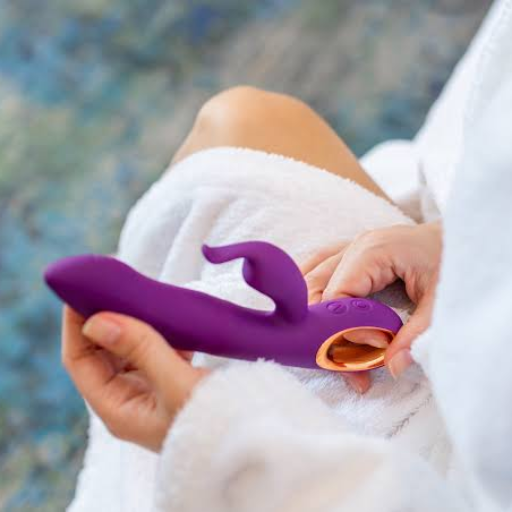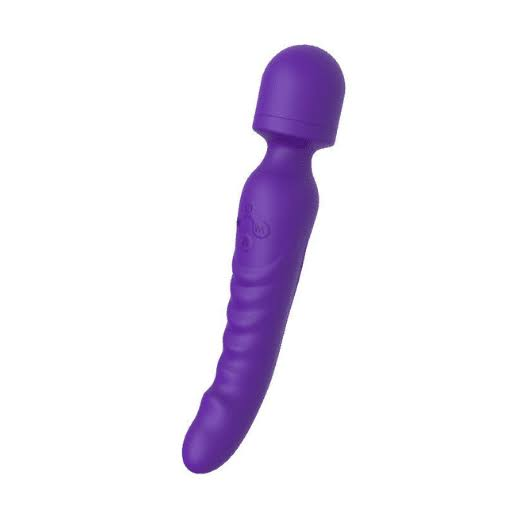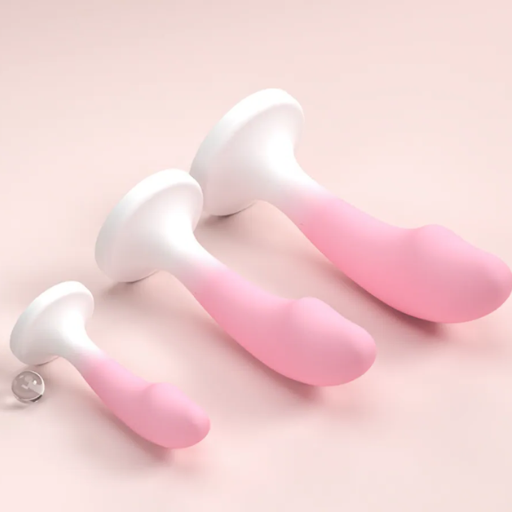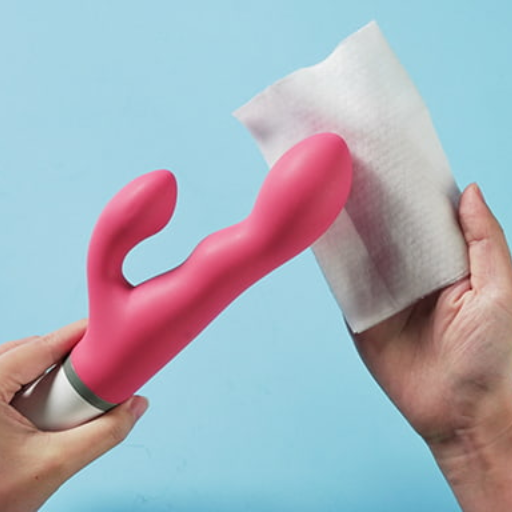

The best way to clean silicone sex toys is to wash them with mild, unscented soap and warm water before and after every use, then air-dry completely before storing. For a deep clean, 100% silicone toys without electronic parts can be boiled for 3 to 5 minutes or soaked in a diluted bleach solution. These steps keep the surface hygienic and extend the toy’s lifespan for years.
A 2023 survey of nearly 30,000 people found that 14% had never cleaned their vibrator at all, and only 22% cleaned it after every use. That gap is exactly where infections, odors, and short lifespans begin. Here is the problem most guides miss: silicone is one of the easiest materials in the world to clean, but only if you use the right method for the right toy.
This guide covers the science behind why silicone is so hygienic, the step-by-step routine, every deep-cleaning method that works, what to avoid, and how to store toys so they last. We also share how manufacturers like Joyflick design care instructions into packaging, because hygiene should start before the customer opens the box.
Key Takeaways
- Clean silicone toys with mild, unscented soap and warm water before and after every use, then dry completely.
- Boil 100% silicone, non-electronic toys for 3 to 5 minutes for a chemical-free deep clean.
- Never boil, bleach, or submerge toys with motors or batteries unless they are rated fully waterproof.
- Store toys separately in breathable pouches away from TPE, PVC, and jelly rubber to prevent damage.
- A well-made platinum-cured silicone toy lasts 10 years or more with proper care; replace it if the surface tears, turns sticky, or keeps odor.
Want care instructions your brand can actually print? Talk to our product team about designing hygiene guidance into your packaging →
Why Cleaning Silicone Toys Actually Matters
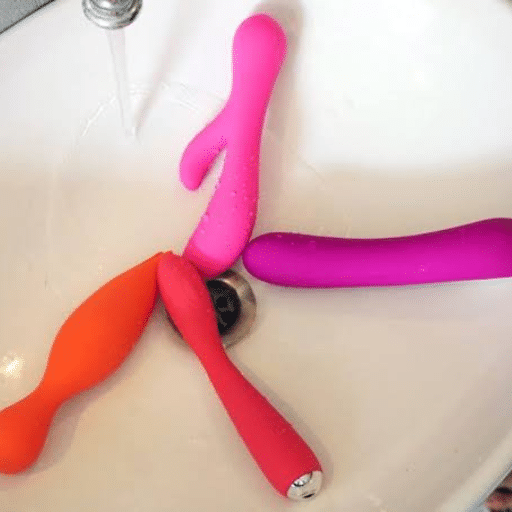
Silicone is a non-porous material. That single property is why it dominates premium adult wellness products. Bacteria and fungi cannot sink below the surface, so a thorough wash removes nearly all contaminants. Medical-grade silicone takes this further with a closed-cell structure that resists moisture and microbial growth even under repeated use.
The risks of skipping that wash are real. A 2023 study that sampled sex toys in a tertiary institution found total bacterial counts as high as 2.9 x 10^7 CFU/ml, along with E. coli, Staphylococcus, and Candida species. Dirty toys have also been linked to bacterial vaginosis, yeast infections, and urinary tract infections. Anal toys can carry hepatitis A and B, Giardia, and Shigella from microscopic fecal particles.
Here is the detail that matters most. A 2014 study in the journal Sexually Transmitted Infections found traces of HPV on 56% of porous TPE toys and 44% of silicone toys immediately after cleaning. Twenty-four hours later, 40% of the TPE toys still tested positive, but none of the silicone toys did.
That’s the non-porous advantage in numbers. Material choice is a hygiene decision, not just a feel decision. Brands building a body-safe materials strategy should treat this as the core argument for silicone.
Silicone Is Non-Porous: What That Means for Cleaning
Non-porous means the material has no microscopic pockets where fluids and microbes can hide. When you wash silicone, you wash everything. Porous materials like TPE, PVC, and jelly rubber absorb moisture, lube, and body fluids into their structure, and no surface wipe can fully remove what is trapped inside. That’s why porous toys can’t be truly sterilized and should be replaced more often.
The Statistics Most People Don’t Know
- Only 1 in 5 adults cleans their sex toys after every use, and 1 in 10 does not know how to clean them at all.
- 1 in 7 people has never cleaned a sex toy, according to a Condoms UK survey.
- Half of all toy owners have never replaced a toy, and 1 in 10 has owned the same one for over a decade.
- A study of 800 sexually active women found 79.8% used sex toys, yet most had never received hygiene guidance from a medical professional.
The takeaway is simple: most people aren’t cleaning enough, and most brands aren’t telling them how. That’s a problem we can fix with better information and better packaging.
Take the case of Mia, who launched a small line of silicone wellness toys in early 2025. Within three months, reviews started mentioning a sticky surface and a faint odor. The toys were fine. Her customers were washing them with scented body wash and storing them damp in a drawer.
Mia added a care card to every box and rewrote her product listing. Returns from hygiene complaints dropped by nearly half the next quarter.
How Often to Clean Silicone Sex Toys
Clean silicone toys before and after every single use. That’s the universal recommendation from experts, retailers, and manufacturers, including LELO’s cleaning guide. Washing after use removes fluids, lube, and bacteria while they are still easy to remove. Washing before use removes dust, lint, and any microbes picked up in storage.
New toys need a wash before first use too. Even though manufacturing is clean, the surface can pick up dust, mold-release residue, or packaging debris on the way to your home.
Deep cleaning follows a different rhythm. Boil or sanitize a non-electronic silicone toy every few weeks, after any illness, or whenever you notice an odor. Between shared uses, always deep clean or use a fresh condom as a barrier.
How to Clean Silicone Sex Toys: The Daily Routine
The daily routine takes about 60 seconds and needs no special equipment.
Step-by-Step Routine Wash
- Rinse the toy under warm running water. Avoid water that is too hot if the toy has any electronic components.
- Apply a small amount of mild, fragrance-free soap. Unscented castile soap or baby soap works well.
- Gently lather the entire surface with your hands or a soft cloth, working into grooves, ridges, and seams for about 20 to 30 seconds.
- Rinse thoroughly to remove every trace of soap, which can irritate sensitive tissue if left behind.
- Pat dry with a clean, lint-free towel, then let it finish air-drying completely.
Toy Cleaners vs Soap and Water
A dedicated toy cleaner is convenient and pH-balanced, making it ideal for splash-proof toys that can’t be submerged. It’s also handy for quick cleanups between uses. The main drawbacks are cost and the risk of added fragrances or alcohols, which can irritate skin and degrade soft silicone. For most users, mild soap and warm water is just as effective and gentler on the wallet.
Cleaning Textured or Grooved Toys
Textured surfaces trap more residue, so pay extra attention to the grooves. Use a soft-bristle toothbrush, a cotton swab, or the corner of a soft cloth to reach deep ridges. Flex silicone toys gently to open the seams and clean between them. Never use an abrasive scrubber, which scratches the surface and gives bacteria a place to hide.
Deep Cleaning and Sterilization Methods
Deep cleaning is where most of the conflicting advice appears. Here is a method-by-method guide, with the exact times and ratios that actually work.
| Method | How To Do It | How Long | Best For | Avoid If |
|---|---|---|---|---|
| Boiling | Submerge in boiling water in a clean pot, add a towel to the bottom to cushion it | 3-5 minutes | 100% silicone, no electronics | Toy has a motor or battery |
| Bleach solution | Mix 1/3 cup (5 tbsp) household bleach per gallon of water | 10-minute soak | Waterproof, non-porous toys | Porous toys; never heat bleach |
| Dishwasher | Top rack, no detergent, gentle cycle | 1 cycle | Non-electronic silicone, glass, steel | Toys with electronics |
| UV sterilizer | Place inside the device per its instructions | Per device cycle | Quick sanitizing | As a replacement for washing |
| Hydrogen peroxide | Mix equal parts 3% peroxide and water | 5-10 minute soak | Non-porous toys | Electronic toys |
| Vinegar soak | Mix equal parts white vinegar and water | 5-10 minute soak | Silicone lube residue | Leave it on the skin afterward |
Boiling Silicone Sex Toys
Yes, you can boil silicone toys. Brown University Health Services confirms that boiling is a reliable way to sterilize non-porous toys. Fill a clean pot with water, bring it to a rolling boil, and submerge the toy for 3 to 5 minutes. Place a clean towel in the bottom first so the silicone doesn’t rest against the metal.
Boiling works because platinum-cured silicone is thermally stable. The material’s working range spans roughly -60°C to 200°C, so boiling water at 100°C won’t melt or warp it. That’s the difference between genuine silicone and cheap blends, which can soften or deform. Let the toy cool completely before handling, and never rinse it with cold water right out of the boiling pot, since the temperature shock can stress the material.
Bleach Solution Sterilization
A diluted bleach soak is the second most effective chemical-free option. The PASS Certified toy cleaning guide recommends 1/3 cup of household bleach per gallon of water, or roughly a 1:10 dilution. Soak the toy for 10 minutes, then rinse it thoroughly and wash it once more with soap and water to remove any bleach residue.
Two warnings matter here. Never heat bleach, because it can release chlorine gas. And never bleach porous toys, since the solution can’t reach trapped microbes and may degrade the material.
The Bleach and Alcohol Debate, Explained
You’ll see experts flatly disagree about bleach and alcohol. Some sources, like LELO, advise avoiding both entirely because they can dry out silicone over time. Others, like PASS Certified and university health services, recommend diluted bleach for sterilization.
Both are right, depending on the toy. The safe rule is this: use diluted bleach or a 70% isopropyl alcohol wipe only on 100% silicone, non-porous toys, rinse thoroughly afterward, and do it occasionally rather than daily. For daily cleaning, stick to mild soap and water. And always follow the manufacturer’s instructions first, since a splash-proof toy can’t be soaked even if it’s silicone.
How to Clean Electronic and Waterproof Silicone Toys
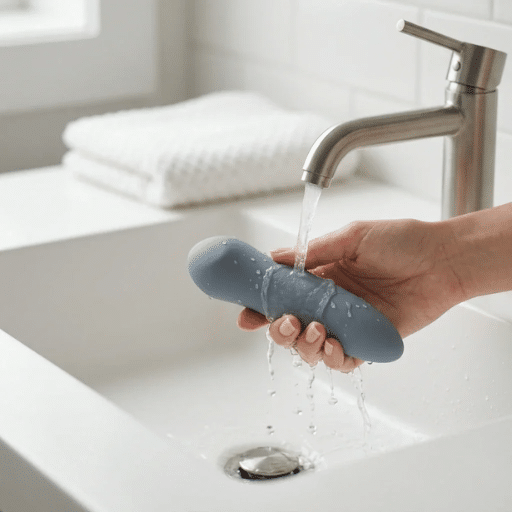
Vibrators and app-connected toys are the most common source of cleaning mistakes. A customer recently told us she had tossed her favorite waterproof vibrator into a pot of boiling water. The motor died within minutes. It was a simple mistake, and it’s why electronic toys need a separate set of rules.
First, know your water resistance rating. A fully waterproof toy can be washed under running water or submerged. A splash-proof toy can only be wiped down, and any toy with a charging port should never sit in standing water.
For electronic toys, use this approach:
- Remove batteries if the toy is not rechargeable.
- Wipe the surface with a damp soapy cloth or a toy cleaner, avoiding the charging port.
- Rinse the cloth and wipe again to remove soap.
- Dry thoroughly, then store in a breathable pouch.
Never boil, bleach, or dishwash an electronic toy unless the manufacturer explicitly says it’s safe. The risk isn’t the silicone, it’s the motor, the seals, and the battery.
Cleaning Between Uses, Sharing, and Cross-Contamination
When a toy moves between partners, or from anal to vaginal use, treat it like a new toy every time. Wash it thoroughly and rinse well, or use a fresh condom as a barrier between uses. This prevents cross-contamination of bacteria between body parts and partners.
The material comparison matters here too. Porous TPE, PVC, and jelly rubber cannot be fully sterilized, so sharing them carries more risk no matter how carefully you wash. Silicone, glass, and stainless steel are the safer choices for shared toys because they can be deep-cleaned between users. If you are weighing materials for a new product, our TPE vs silicone guidance explains the hygiene difference in detail.
Drying and Storing Silicone Toys So They Last
Drying is the step most people rush, and it’s the one that decides whether a toy develops odor. Bacteria and mold thrive in moisture, so a toy stored while damp will quickly develop a smell or a sticky film. After washing, pat it dry with a lint-free towel and let it finish air-drying on a clean surface.
A customer named Tom once wrote to us about a premium silicone toy that turned sticky after two months. His cleaning routine sounded thorough: a weekly soak in rubbing alcohol, then storage in a sealed plastic bag. The alcohol had slowly dried the surface, and the airtight bag trapped the damage. He switched to mild soap and a breathable pouch, and his next toy lasted for years.
Storage follows four rules:
- Store each toy in a breathable pouch, like a cotton bag, or its original packaging.
- Keep toys out of direct sunlight and away from heat sources.
- Store silicone toys separately from TPE, PVC, and jelly rubber, which can chemically react and degrade each other.
- Keep them in a cool, dry drawer, and expect silicone to attract lint and dust, so cover them between uses.
How Long Do Silicone Sex Toys Last?
A well-made platinum-cured silicone toy lasts 10 years or more with proper care. Replace any toy that develops tears, sticky surfaces, discoloration, or persistent odors that cleaning can’t remove. These are signs that the material has degraded, and a damaged surface can no longer be cleaned reliably.
What Not to Use on Silicone Toys
The wrong cleaner damages silicone faster than the right cleaner preserves it. Avoid these:
- Scented or oil-based soaps, which can irritate skin and leave a film.
- Harsh household cleaners, acetone, or solvents.
- Alcohol on soft silicone every day, which can dry and crack the surface over time.
- Boiling, bleaching, or soaking any toy with electronic parts.
- Rough scrubbers or abrasive pads, which scratch the material.
- Heating bleach, which can release dangerous chlorine gas.
When in doubt, use the gentlest option: mild soap, warm water, and a soft cloth.
How Joyflick Builds Hygiene Into Silicone Product Design
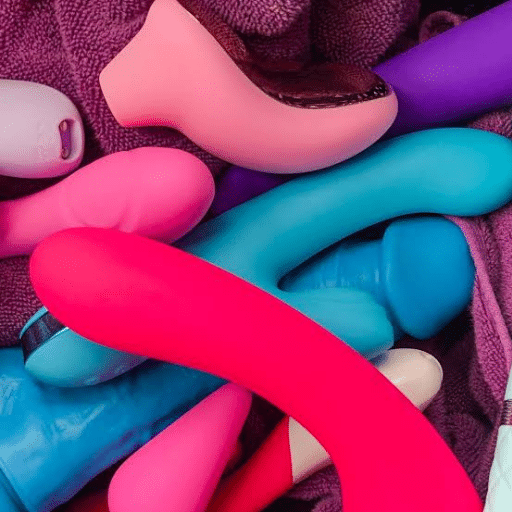
At Joyflick, hygiene is designed into the product before it reaches your shelf, not bolted on after. Every toy we manufacture for brand clients uses medical-grade, platinum-cured silicone chosen for its non-porous structure and thermal stability, so it survives repeated boiling and sanitizing without degrading.
We also help brands ship the right instructions. The international safety standard for intimate products, ISO 3533:2021, requires cleaning and care guidance to be provided to users. Our team works with clients on custom packaging and care cards that turn a compliance requirement into a customer-trust moment. A clear care card reduces returns, builds loyalty, and protects your brand from hygiene-related complaints.
With low minimum order quantities starting at 300 units, even emerging brands can launch with the same documentation rigor as established names. Start a conversation with our team about designing care instructions into your next product line.
FAQ
Can you boil silicone sex toys?
Yes, you can boil 100% silicone toys without electronic parts for 3 to 5 minutes to sterilize them. Place a towel in the pot to cushion the toy, let it cool before handling, and never boil toys with motors or batteries.
Can I use bleach to clean sex toys?
You can use a diluted bleach solution of 1/3 cup household bleach per gallon of water on non-porous, 100% silicone toys. Soak for 10 minutes, then rinse thoroughly and wash with soap and water. Never heat bleach, and never use it on porous toys.
How often should I clean my sex toy?
Clean your silicone sex toy before and after every use. Do a deeper clean, like boiling or a bleach soak, every few weeks, after illness, or when sharing the toy with a partner.
What soap is safe for silicone toys?
Mild, unscented soap is safe. Unscented castile soap and baby soap are popular choices. Avoid scented soaps and oil-based formulas, which can irritate skin and leave residue.
Can silicone sex toys go in the dishwasher?
Non-electronic silicone toys can go on the top rack of a dishwasher without detergent. Never put vibrators or any toy with a motor or battery in the dishwasher.
How do I clean a waterproof vibrator?
Wipe a waterproof vibrator with a damp soapy cloth, avoiding the charging port, then rinse and dry. Only fully waterproof toys can be rinsed under running water. Never boil, bleach, or dishwash an electronic toy.
How long does a silicone sex toy last?
A well-made platinum-cured silicone toy lasts 10 years or more with proper care. Replace it if the surface tears, turns sticky, discolors, or develops a persistent odor.
Conclusion
Cleaning silicone sex toys is simple once you know the rules. Wash with mild soap and warm water before and after every use, dry completely, and store toys separately in breathable pouches. For a deeper clean, boil non-electronic silicone toys for 3 to 5 minutes or use a diluted bleach soak, and never apply those methods to toys with electronics.
The two biggest mistakes we see are skipping the before-and-after routine and treating every toy like it can survive boiling. Match the method to the material, follow the manufacturer’s instructions, and a quality silicone toy will serve your customers for a decade. That’s the whole point of learning how to clean silicone sex toys properly.
If you’re building a product line, remember that care instructions are part of the product. Request a free consultation to learn how Joyflick designs hygienic, ISO 3533-aligned silicone toys and care documentation for brands worldwide.