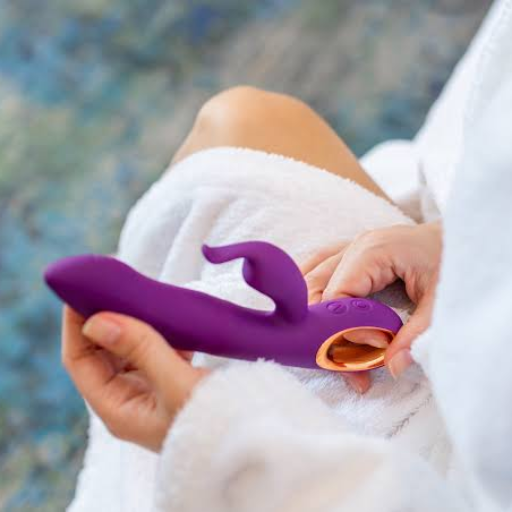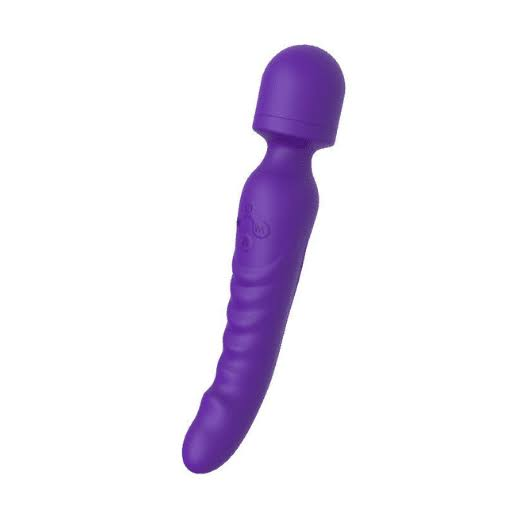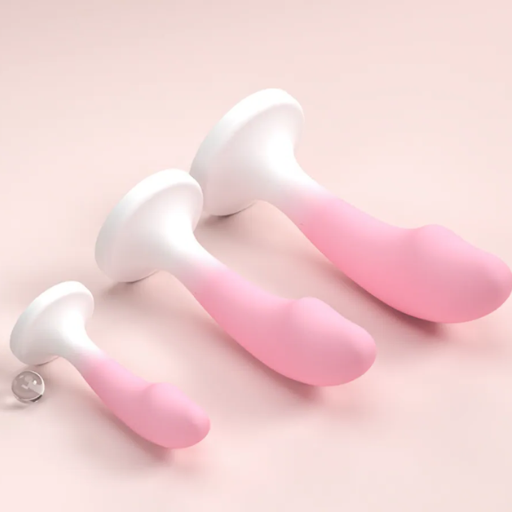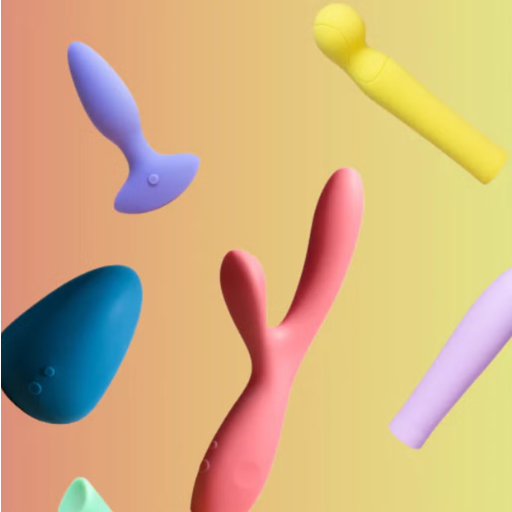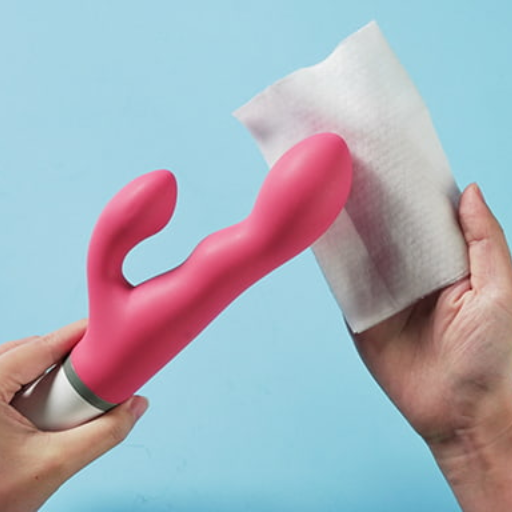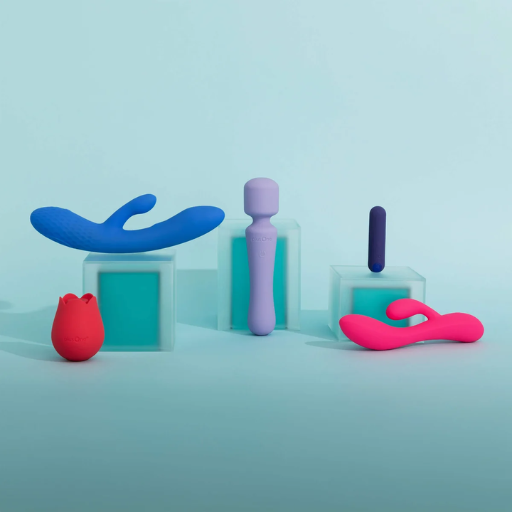

Private label sex toys for small businesses are existing adult products that a manufacturer produces and a small brand sells under its own name, logo, and packaging. This model lets a founder start with a focused SKU, low minimum order quantities, and full control over branding without building a factory.
What if the founders who “fail” in the adult toy space never actually had a product problem? Last year, a boutique owner named Priya spent $18,000 launching a six-SKU catalog she had not tested. She sat on inventory for ten months while payment processing fees and storage costs ate her margin. Meanwhile, a side-hustle founder named Jake ordered 300 private label bullet vibrators, sold through his pre-order list in three weeks, and used the revenue to fund his second SKU. The gap between them was not product quality. It was launch discipline.
If you are a small-business owner, solo founder, or boutique team entering sexual wellness, this guide will show you how to start private label adult toys for small brands without overcommitting capital. You will learn how to budget, choose a first product, vet a manufacturer, handle compliance, and scale from one validated SKU to a product line.
Key Takeaways
- Private label sex toys for small businesses let you control branding and margins while starting with as few as 300 units.
- A capital-light launch is possible: many founders validate demand with a 1,500−1,500−5,000 first order.
- Bullet vibrators, silicone dildos, and small anal plugs are the safest first SKUs because of low MOQ and simple compliance.
- Compliance is not optional; CE, RoHS, FDA, and REACH documentation protect your brand and your customers.
- Joyflick supports small-business launches with 300-unit MOQs, sample programs, and end-to-end compliance guidance.
What Are Private Label Sex Toys for Small Businesses?
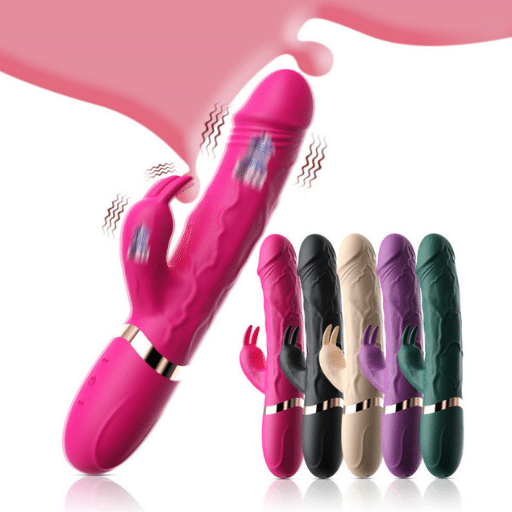
Private label sex toys are products manufactured by one company and sold under another brand’s name. For small businesses, this model is essentially small batch sex toy manufacturing with your brand attached. The small business controls the brand name, packaging design, pricing, and customer experience. The manufacturer handles production, quality control, and usually provides the certificates needed to import and sell the product.
For a small business, this is different from three common alternatives:
- Dropshipping: You sell someone else’s product and never hold inventory. Low risk, but no brand control, thin margins, and limited customer data.
- White label: You add your logo to a generic product. Faster than private label, but harder to differentiate.
- Holding inventory of national brands: You become a retailer. You earn less per unit and build someone else’s brand equity.
Private label adult toys for small brands sit in the sweet spot. You own the customer relationship. You set the price. You build brand value with every sale. And because you are not designing from scratch, you avoid the long development cycles and tooling costs of full OEM.
Why Private Label Makes Sense for Small Businesses
Small businesses face three constraints that large brands do not: limited capital, small teams, and low tolerance for dead stock. Private labeling is built for those constraints.
Control Without the Factory
You choose the product, the color story, the packaging, and the price. You do not need an engineering team or a production facility. That lets a two-person operation look and compete like an established brand.
Higher Margins Than Affiliate or Dropshipping
Dropshipping commissions in sexual wellness often range from 15% to 30%. Affiliate programs can be lower. Private label gross margins commonly land between 40% and 60% when you control packaging and distribution. That margin funds marketing, customer service, and your next SKU.
You Build a Brand Asset
Every sale under a dropshipping model benefits the supplier. Every sale under a private label model benefits you. Over time, repeat purchases, email subscribers, and customer reviews become assets that increase the value of your business.
Scalable From Side Hustle to Full Business
A 300-unit trial order is a side-hustle commitment. A 3,000-unit reorder with three SKUs is a real business. Private label lets you move between those stages based on data rather than guesswork.
How Much Does It Cost to Start?
The honest answer depends on your product choice, market, and how much of the work you do yourself. Below are three realistic paths for founders launching private label sex toys for small businesses.
The $1,500 Starter Path
This path is best for founders who want to validate demand before scaling.
- Samples and shipping: 200−200−400
- First inventory order (300 units at low unit cost): 600−600−900
- Basic packaging (pouches or labels): 200−200−300
- Product photography (DIY or freelancer): 100−100−200
- Store setup (Shopify or WooCommerce): 50−50−100
Total: roughly $1,500.
At this level, you handle your own product photos, write your own descriptions, and use simple packaging. The goal is not a premium launch. It is proof that a specific audience will pay for affordable custom sex toys from your brand.
The $5,000 Standard Launch
This is the most common path for small businesses that want a polished brand from day one.
- Samples and shipping: 300−300−500
- First inventory order (300-500 units): 1,500−1,500−2,500
- Custom printed boxes or pouches: 500−500−1,000
- Professional product photography: 400−400−800
- Compliance review or testing: 300−300−600
- Store, domain, and email setup: 200−200−400
- Initial marketing (influencer seeding, content ads): 500−500−1,000
Total: roughly $5,000.
This budget gives you packaging that matches your brand, photography that converts, and enough inventory to handle a small launch without selling out immediately.
The $15,000 Premium Launch
This path suits small teams with existing audiences or founders who want to enter premium positioning.
- Larger first order (1,000+ units): 4,000−4,000−7,000
- Premium packaging and unboxing design: 1,500−1,500−3,000
- Compliance testing for multiple markets: 1,000−1,000−2,000
- Professional photography and video: 1,500−1,500−3,000
- Website and brand design: 1,000−1,000−2,000
- Launch marketing and influencer campaign: 3,000−3,000−5,000
Total: roughly $15,000.
Even at this level, the smartest founders start with one hero SKU. Spreading $15,000 across six untested products is riskier than focusing it on two validated categories.
Where to Save and Where Not to Cut Corners
Save on: Store themes, early ad spend, and fancy packaging for a first test.
Do not cut corners on: Material safety, compliance documentation, and product photography. A blurry product photo or a missing certificate will cost you more in refunds and lost trust than you saved upfront.
Choosing the Right First Product
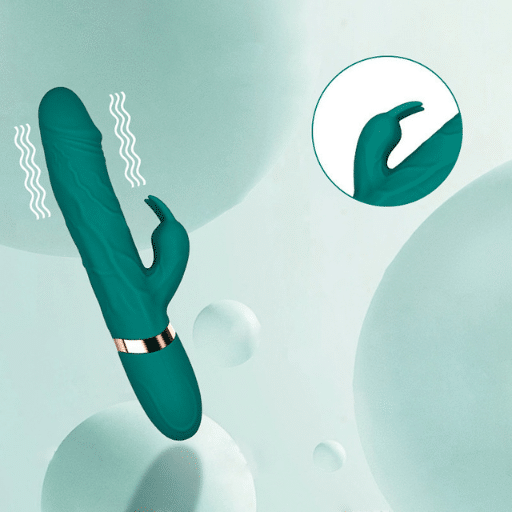
Your first SKU should answer one question: will my audience buy from me? Everything else is secondary.
Criteria for a Small-Business First SKU
- Low MOQ: You should be able to order 300-500 units for your first test.
- Simple compliance: Non-electronic or single-motor products are easier to certify.
- Compact shipping: Smaller products mean lower freight costs and simpler storage.
- Broad appeal: A product with wide demand is easier to test than a niche item.
- Clear value proposition: The customer should understand what it does in one sentence.
Recommended Starter Categories
- Bullet and mini vibrators: Low cost, high perceived value, easy to brand.
- Silicone dildos: Fewer compliance hurdles, strong body-safe story, long lifespan.
- Small anal plugs: Loyal niche audience, but requires careful safety design.
- Basic strokers: Growing men’s wellness market with replacement-sleeve potential.
Categories to Avoid Until You Have Capital or Validation
- App-controlled couples’ toys: high development risk and support costs.
- Large wand massagers: high shipping and packaging costs for a first test.
- Complex multi-motor rabbits: quality-control risk that can generate negative reviews quickly.
Jake, the founder we mentioned earlier, chose a bullet vibrator because it met all five criteria. His total first order fit in two storage bins under his desk. That simplicity let him focus on marketing instead of logistics.
Finding a Small-Business-Friendly Manufacturer
The right manufacturer for a small business is not always the one with the lowest price. It is the small business adult toy supplier that understands your constraints.
What to Look For
- Low MOQ for trial orders: 300-500 units is a reasonable threshold for a first test. Low MOQ adult toys for startups reduce inventory risk and let you validate before scaling.
- Sample flexibility: You should be able to evaluate material, motor quality, and packaging before committing.
- Transparent pricing: No hidden tooling fees for simple private label changes.
- Export documentation: Certificates for CE, RoHS, FDA, REACH, and UKCA depending on your market.
- Clear communication: A responsive account manager who understands small-business timelines.
Red Flags
- MOQs above 1,000 units for a first order.
- Refusal to share material or compliance certificates.
- Pressure to order multiple SKUs before you have tested one.
- Vague answers about lead times or shipping terms.
- No sample process before mass production.
Questions to Ask Before Signing an Agreement
- What is your MOQ for this specific product and packaging style?
- Can you provide certificates for my target market?
- What is your defect rate and quality control process?
- What is the typical lead time for samples and mass production?
- Do you offer custom packaging, logo placement, and color changes?
- Can you support discreet shipping and neutral outer cartons?
How Joyflick Supports Small-Business Launches
Joyflick is a startup-friendly sex toy manufacturer built for brands that need to move fast without sacrificing safety. We offer trial orders starting at 300 units, sample programs, custom packaging, and compliance documentation for CE, RoHS, FDA, and REACH. Our account team works with boutique founders and side-hustle operators, not just enterprise buyers.
If you are comparing manufacturers, our guide on how to choose the right OEM/ODM partner walks through the full vetting process.
Private Label vs. White Label vs. Dropshipping
Choosing the wrong business model is one of the most expensive mistakes a small business can make. Here is how the three models compare.
| Factor | Dropshipping | White Label | Private Label |
|---|---|---|---|
| Upfront cost | Very low | Low | Medium |
| Inventory risk | None | Low to medium | Medium |
| Brand control | Minimal | Low | High |
| Margin potential | Low | Medium | High |
| Customer data | Limited | Partial | Full |
| Differentiation | None | Low | High |
| Time to launch | Days | 2-4 weeks | 4-8 weeks |
Dropshipping makes sense if you want to test whether an audience exists before designing a brand. White label works if speed matters more than differentiation. Private label is the right choice when you are ready to build brand equity and capture higher margins.
Many successful founders use a staged approach. They start with a small pre-order campaign or a sex toy dropshipping private label test to validate demand, then move into private label once they know which product resonates.
Compliance and Safety Basics for Small Brands
Compliance intimidates many first-time founders. It should not. The key is to know which certificates matter for your first market and which can wait until you expand.
Body-Safe Materials Overview
The most common body-safe materials include:
- Medical-grade silicone: Non-porous, hypoallergenic, and durable.
- ABS plastic: Rigid, non-porous, and easy to clean.
- Stainless steel: Heavy, durable, and compatible with all lubricants.
- TPE/TPR: Soft and flexible but porous; requires clear care instructions.
Joyflick uses certified materials and provides documentation for EU REACH, FDA, and RoHS compliance.
Certifications by Priority
- CE marking: Required for the European Economic Area.
- RoHS: Restricts hazardous substances in electronic toys.
- FDA compliance: Needed for U.S. market claims about body safety.
- REACH: Covers chemical safety in the EU.
- UKCA: Required for Great Britain post-Brexit.
For a first launch, focus on the one or two certificates your primary market requires. Adding every possible certificate before you have sold a single unit is a form of overcommitment.
Labeling Requirements
Every product needs clear instructions for use, cleaning, and storage. Electronic toys need voltage and charging information. Products with health claims may face additional scrutiny. Your manufacturer should provide draft labels; you should review them for your target market.
Note: This article provides general guidance. Compliance requirements vary by jurisdiction and product type. Consult a qualified compliance professional before launching.
Branding and Packaging on a Small Budget
You do not need a $10,000 packaging budget to look professional. You need consistency.
Logo Placement and Color Customization
Start with one or two brand colors and a clean logo. Apply them consistently across the product, the packaging, the insert card, and the shipping materials. A simple color-matched silicone toy with a discreet logo often looks more premium than an over-designed box.
Budget-Friendly Packaging Options
- Printed boxes: Best for retail or gift positioning.
- Pouches: Cost-effective and discreet for compact products.
- Insert cards: A low-cost way to add brand story and care instructions.
- Neutral outer cartons: Critical for discreet shipping.
Discreet Shipping and Unboxing Experience
Adult product customers value privacy. Plain outer packaging, a professional inner box or pouch, and a clear care card all build trust. The unboxing experience is part of your brand promise.
Photography and Copywriting Tips
- Use natural light or a small lightbox.
- Show the product from multiple angles and next to a common object for scale.
- Write product descriptions that focus on benefits, not just features.
- Avoid medical claims unless you have supporting documentation.
For more detail, see our guide on private label sex toy packaging.
Marketing Your Private Label Sex Toys
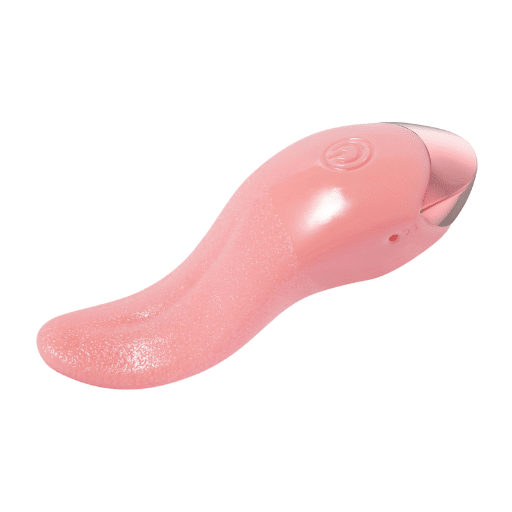
Sexual wellness brands face advertising restrictions on most major platforms. That makes owned and community channels essential.
Owned Channels
- Email list: Your highest-ROI channel once you have customers.
- Content marketing: Blog posts, guides, and educational videos build organic traffic.
- SEO: Target long-tail keywords your audience searches for.
Restricted Advertising Channels
Major platforms restrict or prohibit adult product ads. Workarounds include:
- Advertising educational content rather than product pages.
- Using influencer whitelisting where permitted.
- Building landing pages that comply with platform policies.
Community and Influencer Strategies
- Partner with sex educators and body-positive creators.
- Sponsor podcasts that align with your brand values.
- Engage in Reddit and forum communities by answering questions, not spamming links.
Content Ideas That Comply With Platform Rules
- “How to choose your first vibrator”
- “Body-safe materials explained”
- “A beginner’s guide to solo play”
- “How to clean and store adult toys”
For a deeper marketing playbook, read our guide on how to market sex toys online.
Common Mistakes Small Businesses Make
Most failures in this space come from operational mistakes, not bad products.
Ordering Too Many SKUs at Once
A broad catalog looks impressive but spreads your budget thin. Start with one hero SKU. Add flankers only after you have sales data.
Ignoring Compliance Until After Production
Certificates and labeling cannot be fixed after a container ships. Confirm compliance requirements before you approve mass production.
Choosing a Manufacturer Based Only on Price
The cheapest quote often hides quality risks, slow communication, or missing documentation. A reliable manufacturer saves money over the product lifecycle.
Neglecting Post-Purchase Support
Returns, cleaning questions, and charging issues will happen. Clear instructions and responsive support turn potential refunds into loyal customers.
Underpricing and Eroding Margin
Small businesses cannot compete with mass-market retailers on price. Compete on brand, trust, and customer experience instead.
Scaling From First Order to Product Line
One validated SKU is a test. A product line is a business.
When to Add a Second SKU
Add a second product when your first SKU has consistent sales, positive reviews, and repeat customers. Not before.
How to Use Sales Data to Guide Expansion
Look at which color, size, or feature customers choose most often. Let that data drive your next order. If customers ask for accessories, that is your signal to expand.
Building Bundles and Repeat-Purchase Offers
- Toy cleaner and storage pouch bundles.
- Lubricants compatible with your materials.
- Replacement sleeves or charging cables.
- Seasonal gift sets.
Reorder Timing and Cash-Flow Planning
Track your sell-through rate and lead time. Reorder when you have 6-8 weeks of inventory left. Running out of stock loses momentum. Overordering ties up cash you could spend on marketing.
Priya, the boutique owner from our opening example, eventually recovered by narrowing her six-SKU catalog to two winners. She used the cash from clearance sales to fund a focused reorder and a content marketing campaign. Within a year, her two-SKU line was more profitable than the original six-SKU launch.
Conclusion
Private label sex toys for small businesses work when you treat the launch as a validation exercise, not a gamble. Start with one SKU. Choose a manufacturer that understands small batches and compliance. Control your branding, pricing, and customer data. Then scale based on what sells.
The founders who win in this market are not the ones with the biggest first order. They are the ones who keep their capital safe while they learn what their audience wants.
If you are ready to launch your first private label product, contact Joyflick for a small-business quote and category recommendation. We can recommend the right first SKU, walk you through compliance, and support your launch with 300-unit MOQs and sample programs.