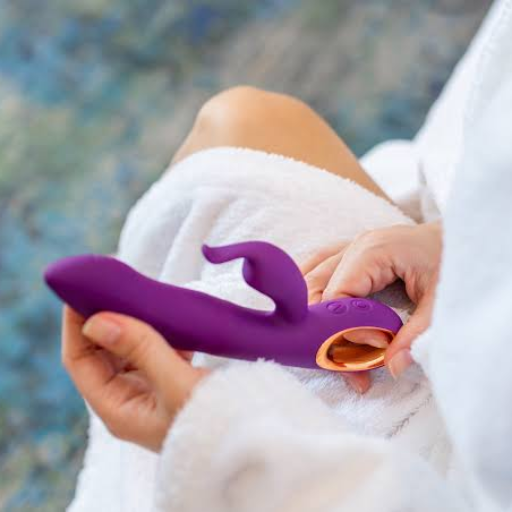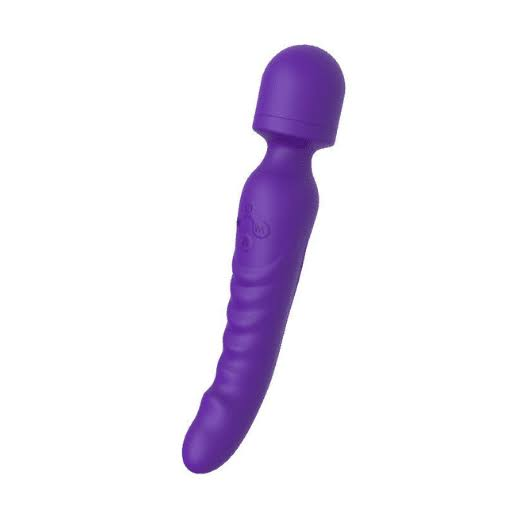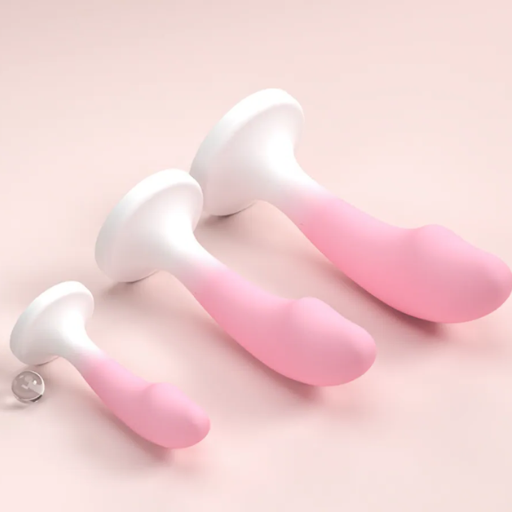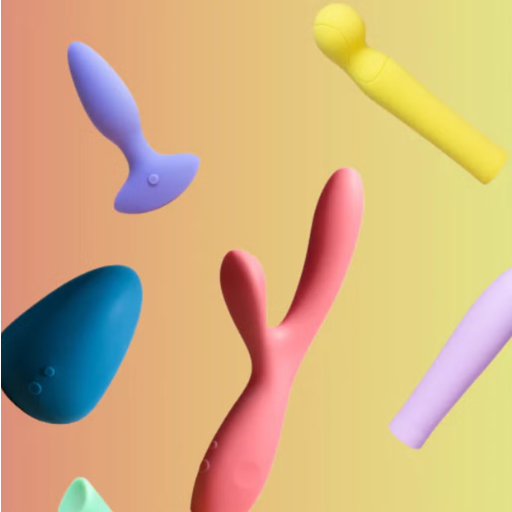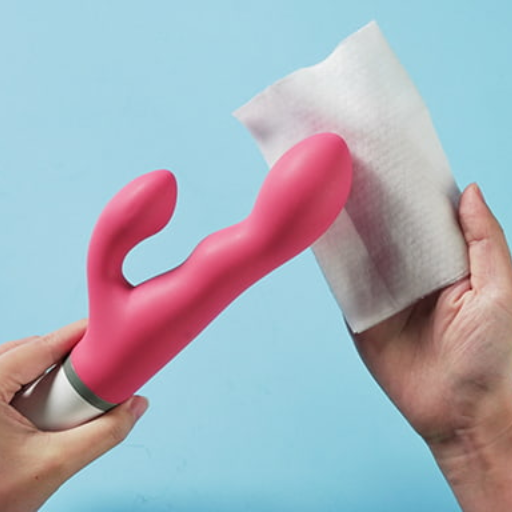
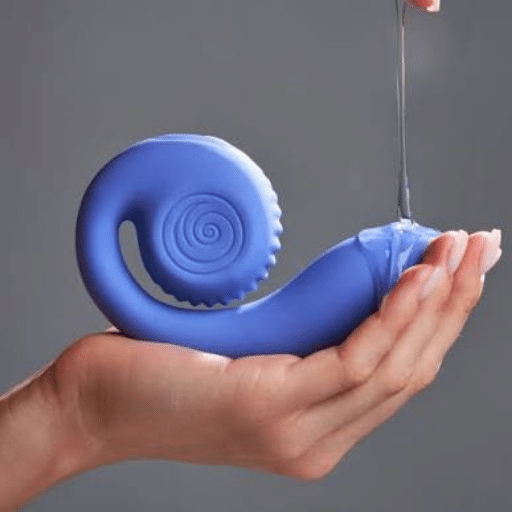
For silicone lube compatibility with silicone toys, the practical rule is simple: generally, do not use silicone-based lube on silicone toys. Both materials share the same polymer chemistry, so the lube can be absorbed into the toy, softening and degrading the surface until it turns sticky, pitted, or porous. Water-based lube is the safe default for silicone toys. High-quality platinum-cured silicone resists this damage better than cheaper blends, but resistance is never guaranteed without a compatibility check.
Tina learned this the hard way. Last winter she bought a premium silicone vibrator and used her favorite silicone lube every week. The toy felt perfect for a month. Then the surface turned tacky, then gummy, and within weeks the finish dulled and pitted. The damage was permanent, and so was the risk: a degraded silicone surface can trap bacteria that ordinary washing can’t remove.
That experience is exactly why this topic deserves a closer look. Most guides stop at “use water-based lube.” This one explains the chemistry behind the reaction, shows you which lubes are actually safe, gives you a home spot-test you can trust, and covers what manufacturers like Joyflick do to make sure the care guidance on the box protects the buyer.
Key Takeaways
- Silicone lube and silicone toys share the same polymer family, so the lube can swell and soften the toy (“like dissolves like”). This is usually irreversible.
- Water-based lube is the safe default for silicone toys and works with almost every other toy material.
- Hybrid lubes contain a small silicone fraction; they can work on some toys but must be patch-tested and read label-by-label.
- Platinum-cured silicone resists silicone lube better than cheap, poorly cured blends, but it is not immune.
- For brands, printing clear lube guidance on care cards and packaging prevents returns and protects customer trust.
Can You Use Silicone Lube with Silicone Toys? The Short Answer
Generally, no. Silicone-based lube should not be used with silicone toys because it can be absorbed into the toy’s surface, causing swelling, softening, stickiness, and permanent damage. Use water-based lube with silicone toys instead, and reserve silicone lube for glass, stainless steel, hard ABS plastic, and skin-on-skin use.
| Lube type | Silicone toys | TPE/TPR toys | Glass/metal / ABS toys | Latex condoms |
|---|---|---|---|---|
| Water-based | Safe (default) | Safe (default) | Safe | Safe |
| Silicone-based | Avoid unless tested | Avoid unless tested | Safe | Safe |
| Hybrid (water + silicone) | Caution, patch-test | Caution, patch-test | Safe | Safe |
| Oil-based | Avoid (plasticizes silicone) | May degrade | Safe | Not safe |
The table above is the fastest way to protect a purchase. If you’re unsure what material a toy is made from, the safest move is water-based lube until you confirm the surface. Even a single exposure can mark a sensitive silicone surface, so it pays to check before first use rather than after.
Want to confirm the material first? Our guide to body-safe materials in adult toys walks through how to identify genuine silicone and what to ask a supplier before you trust a label.
Why Silicone Lube Damages Silicone Toys: The Chemistry Explained
Silicone lube and silicone toys are the same family of materials
Silicone toys are made from cured silicone elastomers, usually liquid silicone rubber (LSR) or high-consistency rubber, built on a backbone of silicon, oxygen, and organic groups. Silicone lube is essentially uncrosslinked polydimethylsiloxane, the same chemical family in a fluid form.
Chemists describe the outcome with a simple phrase: “like dissolves like.” The fluid silicone in the lube is chemically similar to the silicone network in the toy, so instead of sitting on the surface, the lube molecules can migrate into the polymer network. The two materials don’t hate each other. That’s the problem. They get along too well.
Plasticization and swelling
Once lube molecules enter the toy’s polymer network, they act as a plasticizer. Dow, a major silicone producer, documents that exposure to soluble fluids and oils decreases the hardness of silicone elastomers through plasticization. In plain terms, the toy absorbs the lube, expands, and softens.
The effect can be gradual or fast. Some toys react after a single exposure. Others take weeks of repeated use before the surface changes.
Either way, the structural change isn’t reversible. The lube doesn’t evaporate back out; it stays embedded in the material.
Why cure quality changes the outcome
A fully cured, platinum-cured silicone has a denser cross-linked network, which makes it harder for fluids to penetrate. A cheaper blend with a less controlled cure, more filler, or residual uncrosslinked chains is more vulnerable. That is why some people report using silicone lube with premium brands for years without visible damage, while others destroy a toy in weeks.
Resistance is therefore a function of formulation and finish, not a marketing label. “Platinum-cured” describes the curing chemistry. “Medical grade” should describe a defined material specification backed by testing. Neither term means the toy is immune to silicone lube.
What Silicone Lube Damage Looks Like
Surface symptoms to watch for
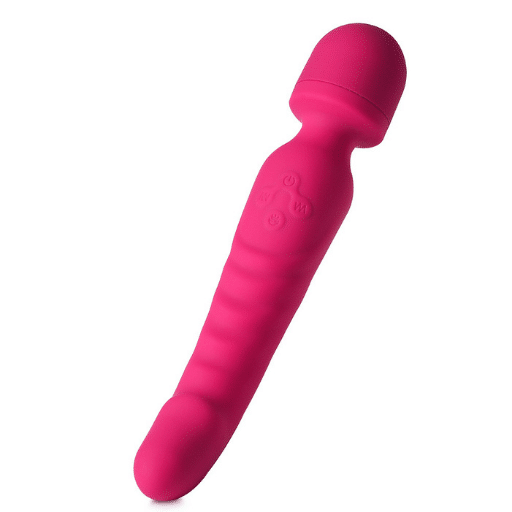
The first sign is usually tackiness. A normally smooth toy becomes slightly sticky to the touch. From there, the surface can develop a gummy or gel-like texture, become dull or discolored, and eventually pit, warp, or peel. Many people notice a change in how the toy feels against the skin before they notice the visual damage.
When surface damage becomes a safety issue
The bigger concern is hygiene. A smooth, fully cured silicone surface is non-porous, which makes it easy to clean and sanitize. A degraded surface becomes porous at a microscopic level, and bacteria can settle into those microscopic gaps where soap and water cannot reliably reach.
This is exactly why international safety standards treat material stability as a requirement. ISO 3533:2021, the international standard for sex toy safety, requires that materials show no cracking, swelling, or leaching of harmful substances when exposed to body fluids and common cleaning agents. Lube compatibility is part of the same material-integrity story.
Can a damaged toy be repaired?
No. Once silicone lube has plasticized a silicone surface, the change is structural and permanent. Cleaning the toy, letting it sit, or trying to strip the surface won’t restore it. The practical guidance is to retire the toy, because a pitted, porous surface is a hygiene risk that can’t be undone.
That is the worst-case outcome, and it is avoidable. A quick spot-test before first use can protect the toy and the buyer’s health.
Which Lube Is Safe with Silicone Toys?
Water-based lube: the default
Water-based lube is the safest choice for silicone toys because it contains no silicone fluid that can plasticize the surface. It also works with glass, metal, ABS plastic, and most condom materials, which makes it a single safe option across a whole drawer of toys.
One caveat: water-based formulas vary. Some contain glycerin, propylene glycol, or preservatives that can irritate sensitive skin. Read the ingredient list and choose a simple, body-safe formula that matches the user’s needs. The trade-off is that water-based lube can dry out faster during long sessions, so users may need to reapply.
Hybrid lube: use with caution
Hybrid lubes combine water-based ingredients with a small fraction of silicone to extend glide. Because they contain some silicone, they carry the same theoretical risk as pure silicone lube, just at a lower concentration.
Some hybrids work fine on many toys. Others can still damage a sensitive silicone surface, and the label does not always make the silicone content obvious. If a user wants to try a hybrid, the safe protocol is a patch-test on the toy’s base first. When in doubt, a pure water-based formula is the better choice.
Silicone and oil-based lubes: avoid on silicone
Silicone lube is best reserved for materials that do not react with it: glass, stainless steel, hard ABS plastic, ceramic, and skin-on-skin play. It also holds up in water and lasts longer, which is why people love it. The problem is only the material it touches.
Oil-based lubes deserve a warning too. Many oils also plasticize silicone elastomers, which is why polymer researchers advise against oil-based lubes with silicone toys as well. Oil-based lube is also not safe with latex condoms, so it is a narrow product that needs clear labeling.
For a fuller breakdown of how silicone compares with other toy materials on hygiene, care, and lubricant behavior, read our TPE vs silicone comparison. The right care instructions depend on the actual material.
How to Spot-Test Lube Compatibility at Home
A spot-test is the practical way to protect a toy you already own. It won’t guarantee long-term compatibility, but it catches the most obvious reactions before they ruin the product.
- Choose a hidden spot. Use the toy’s base, a seam, or an area that will not touch the skin.
- Apply a small drop. Use just enough lube to cover a coin-sized area.
- Wait several hours. Leave the toy undisturbed in a warm, dry place.
- Inspect closely. Look and feel for tackiness, swelling, a sheen change, or softening.
- Judge the result. If anything changed, do not use that lube on that toy. If nothing changed, the toy may tolerate it, but re-check periodically because some reactions build up over time.
A passed spot-test on a small area is not a guarantee. Platinum-cured toys can pass a short test and still react after weeks of repeated exposure. The conservative default remains water-based lube for any toy you care about. For the full care picture, including cleaning and sterilization, see our complete guide to cleaning silicone sex toys.
For Brands: Documenting Lube Compatibility in Care Instructions
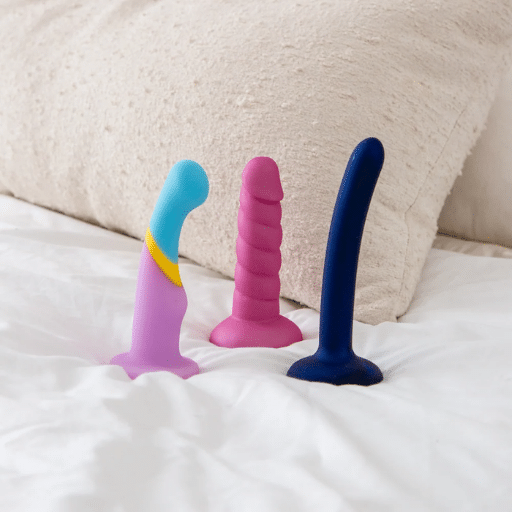
This is where the topic stops being a consumer question and becomes a product-design decision. For Joyflick’s OEM and ODM clients, lube compatibility is a packaging and labeling decision that directly affects return rates and brand trust.
What to print on care cards and packaging
The clearest way to prevent misuse is to tell the customer exactly what to use. A care card should state the recommended lube type, the cleaning routine, storage guidance, and a visible warning such as “avoid silicone-based lubricants” where the product warrants it.
ISO 3533:2021 requires user instructions and warnings as part of product labeling. A brand that prints specific lube guidance not only reduces confusion, it also demonstrates the care that builds premium positioning. If the product is designed for silicone lube, the packaging should say so explicitly, with test evidence to back the claim.
Consider a fictional startup, Vera’s brand, launching a 500-unit first run. Vera printed “water-based lube only” on every care card after a supplier flagged that the selected compound was sensitive to silicone fluids. Six months later, her return rate from material-related complaints was near zero, while a competitor with no lube guidance was replacing sticky toys every week. The label cost pennies. The savings were thousands.
Choosing lube-resistant materials
For brands that want to support premium silicone lubes, the material brief matters from the start. Compound choice, cure quality, cross-link density, and finish testing all affect real-world lube resistance. A brand can work with a manufacturer to select a compound that tolerates the intended lubricant, then verify it with finished-product testing rather than raw-material specs alone.
The industry is already moving this way. Love Not War spent roughly two years in R&D to develop NeoSilicone, a patented compound adapted from aerospace materials that is marketed as compatible with silicone-based lubes. The material exists because enough consumers wanted the glide of silicone lube without the toy damage. For an OEM/ODM manufacturer, this is a design variable, not a fixed constraint.
Supplier documentation to request
If a material claim matters to your market, request documents that prove it. A certificate of analysis (COA), a safety data sheet (SDS), a batch number, and a finished-product chemical or migration test report are the starting points. Some standards now include explicit lube-compatibility checks, such as the QB/T 5857-2023 dimensional-change test for lubricants, which limits length change to 5%. Confirm which standard applies to your product and target market before you cite it.
For a deeper look at the certifications that matter for global distribution, review our adult toy certifications guide. And if you need help selecting a material or designing the care card for a new product, our customization guide explains how Joyflick supports brands from material choice through packaging.
Silicone Lube and Silicone Toys: FAQ
Can you use silicone lube with silicone toys?
Generally, no. Silicone lube can be absorbed into a silicone toy’s surface, causing swelling, softening, stickiness, and permanent damage. Use water-based lube for silicone toys.
Does silicone lube damage TPE toys too?
It can. TPE/TPR compounds vary widely, and silicone fluids may interact with some formulations. Water-based lube is the safer default for TPE toys as well, and specific formulas should be tested.
Is hybrid lube safe for silicone toys?
Sometimes, but not always. Hybrid lubes contain a small silicone fraction, so they carry some risk. Patch-test on the toy’s base first, and prefer pure water-based lube when in doubt.
Is silicone lube safe on glass or metal toys?
Yes. Glass, stainless steel, hard ABS plastic, and ceramic do not react with silicone lube, so silicone lube is safe on those materials and lasts longer.
Why did my silicone toy become sticky?
Stickiness is a common sign of plasticization, where absorbed silicone or oil has softened the surface. The change is usually permanent, and the toy should be retired because a porous surface can trap bacteria.
Does platinum-cured silicone resist silicone lube better?
Yes, a fully cured platinum-cured silicone is more resistant than a cheap, poorly cured blend. But resistance is not immunity. Test before relying on silicone lube with any silicone toy.
What should a brand put on its care label about lube?
The care label should state the recommended lube type, the cleaning routine, storage guidance, and any warning to avoid silicone-based lubricants, backed by finished-product testing where the claim matters.
Conclusion
Silicone lube compatibility with silicone toys comes down to one rule and one reason. The rule: use water-based lube on silicone toys by default. The reason: silicone lube and silicone toys are chemically similar, so the lube can be absorbed into the toy, plasticize it, and permanently turn a smooth surface sticky, pitted, and porous.
For consumers, the practical takeaway is to check the material, default to water-based lube, and spot-test before using anything with silicone in the formula. For brands, the takeaway is that lube guidance belongs on the care card, the material brief, and the finished-product test plan, because a clear label prevents returns and builds the trust that premium positioning depends on.
At Joyflick, we help brands make these material and labeling decisions from the prototype to the final box. Whether you need a lube-resistant compound, ISO 3533-aligned care documentation, or a custom product line starting at a low MOQ, our team works with you on every step. Contact our team to discuss your next product.