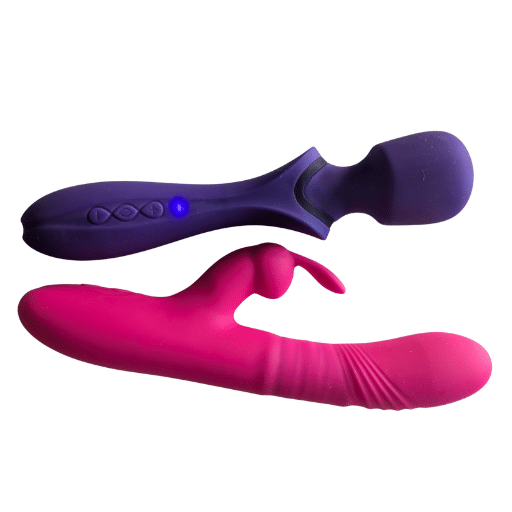

Silicone sex toy certifications depend on your target market, not just the material. FDA 21 CFR 177.2600 material testing matters for US sales. ISO 10993 biocompatibility testing is the core standard for medical-grade claims. USP Class VI, LFGB, and ISO 3533:2021 add credibility in specific markets. No single certification applies everywhere, and most claims you see on supplier datasheets are marketing, not proof.
In early 2025, a brand founder in Toronto ordered 4,000 platinum-cured silicone toys from a new supplier who promised “fully certified, medical-grade silicone.” The supplier emailed a one-page PDF stamped with the words “Silicone Certification.” There was no lab name, no test method, no batch number.
The shipment cleared Canadian customs without issue. Six months later, an EU distributor ran a random migration check and found the material failed the 0.1% phthalate threshold. The founder lost the container, the distributor, and roughly $38,000 in product and freight.
This happens every day in the adult toy industry. The phrase “certified silicone” sounds reassuring, but it tells you almost nothing. Certification is not a single label. It’s a stack of specific tests, each tied to a material, a batch, a lab, and a market.
This guide is written from a manufacturer’s perspective. You’ll learn which certifications actually apply to silicone sex toys, what each test measures, what it costs, and how to verify that a supplier’s claims are real. You’ll also learn the fastest way to get burned: trusting a certificate that doesn’t match the product you received.
Key Takeaways
- FDA does not certify finished sex toys. Material testing against FDA 21 CFR 177.2600 is the real compliance signal for US-bound silicone.
- ISO 10993 is the core biocompatibility benchmark for medical-grade claims, covering cytotoxicity, skin irritation, and sensitization.
- USP Class VI is the pharmaceutical-grade biological reactivity standard, stricter and more recognized than a single ISO 10993 test.
- LFGB is the strictest food-contact standard in the EU and a strong trust signal for silicone toys, with a VOC limit under 0.5%.
- ISO 3533:2021 is the first international safety standard written specifically for sex toys and incorporates ISO 10993 requirements.
- Always verify reports against the exact product batch. Expired, mismatched, or self-issued certificates are the top cause of failed shipments.
Which Certifications Actually Apply to Silicone Sex Toys?
Many brand owners assume there is one “silicone certification” they need to chase. There isn’t. The silicone sex toy certifications you need depend on three things: what the toy does (electronic or not), where you sell it, and what claims you want to make.
Silicone toys fall into two broad categories. Non-electric toys are simple body-contact products, so they are governed by material safety and chemical compliance. Electric or Bluetooth toys add a second layer of electrical and wireless regulation on top of the material requirements.
Material Certifications vs. Finished-Product Compliance
This distinction is where most confusion begins. A material certificate proves that a specific silicone compound passed certain tests. It doesn’t prove that the finished toy is compliant.
For example, a supplier can hold a valid ISO 10993 report for a raw platinum-cured silicone compound. That report says nothing about the pigment added in your custom batch, the mold release used in production, or the printed coating on your product. Those additions can introduce chemicals the base material report never covered.
Finished-product compliance is the full set of tests performed on the actual product you’ll sell. It’s broader and more expensive. It’s also what customs and retailers actually check.
Why “Medical Grade” Is Not a Certification
The term “medical grade silicone” is used everywhere and regulated nowhere. It’s not a certification. It’s a marketing descriptor with no single legal definition.
What manufacturers actually mean by “medical grade” is usually that the material was tested against one or more recognized standards, most commonly ISO 10993, USP Class VI, or FDA 21 CFR 177.2600. If a supplier says “medical grade” but can’t produce a test report from an accredited lab, treat the claim as unverified.
The Certifications That Matter for Silicone
| Certification | What It Tests | Where It Matters | Typical Cost |
|---|---|---|---|
| FDA 21 CFR 177.2600 | Extraction limits for rubber articles in repeated food contact | US market, material-level | 800−800−2,500 |
| ISO 10993 | Biocompatibility: cytotoxicity, irritation, sensitization | Global, core for medical-grade claims | 1,500−1,500−4,000 |
| USP Class VI | Biological reactivity of plastics, Class VI tier | Global, premium credibility | 3,000−3,000−8,000 |
| LFGB | German food-contact: VOC, migration, sensory | Germany and EU, strong trust signal | 1,000−1,000−3,000 |
| ISO 3533:2021 | Complete sex toy safety standard | Global, first sex-toy-specific standard | 5,000−5,000−15,000 |
| REACH | Restricted chemicals, phthalates at 0.1% | EU market | 800−800−3,000 |
| RoHS | Hazardous substances in electronics | EU electronic toys | 500−500−1,500 |
| California Prop 65 | Warning requirements for 900+ chemicals | US, especially California | Compliance-based |
A trustworthy manufacturer should be able to walk you through which of these apply to your product. If they can’t explain the difference between material testing and finished-product testing, that’s a red flag. For more on how material choice affects safety, see our guide to body-safe materials in adult toys.
FDA Compliance for Silicone Sex Toys: The “FDA Approved” Myth
The FDA does not approve sex toys. The agency classifies them as novelty items or general consumer products, not medical devices. FDA jurisdiction only activates if a product makes explicit medical or therapeutic claims.
This is the most persistent myth in the industry, and suppliers exploit it constantly. You’ll see “FDA approved” and “FDA certified” printed on datasheets and product pages. These statements are false for finished toys.
What “FDA compliance” actually means for silicone is material-level testing against FDA 21 CFR 177.2600. This regulation covers rubber articles intended for repeated use in food contact. It sets extraction limits for non-volatile residue, chloroform-soluble extractives, and other substances that could migrate from the material.
A silicone toy tested against this standard can be described as FDA-compliant at the material level. It can’t be described as FDA approved, because the FDA has no approval pathway for novelty toys.
When Daniel sourced silicone toys for a US retail chain in 2024, he asked every candidate supplier for their FDA test reports. Two suppliers sent him glossy “FDA certificate” pages with no test method and no lab accreditation. The third sent a genuine 21 CFR 177.2600 extraction report from an ISO 17025-accredited lab, with the batch number matching his sample.
Daniel chose the third supplier, and that decision saved him later. His competitors who relied on the glossy pages had their shipments delayed at port while regulators requested documentation they could not provide.
The lesson: never accept “FDA approved” on a datasheet. Request the actual test report, confirm the lab is accredited, and confirm the batch number matches the material you are buying.
ISO 10993 Biocompatibility Testing: The Core Standard
If there is one certification that carries real weight for silicone sex toys, it’s ISO 10993. This is the international standard for evaluating the biocompatibility of materials that contact the human body.
ISO 10993 is actually a series of tests, and different parts cover different biological endpoints. For silicone toys in direct body contact, the critical parts are:
- ISO 10993-5 (Cytotoxicity): Tests whether material extracts damage or kill living cells. A material is considered non-cytotoxic when L929 cell survival reaches at least 70%.
- ISO 10993-10 (Skin Irritation and Sensitization): Tests for allergic reaction potential and inflammation on contact.
- Other relevant parts: Hemolysis, genotoxicity, acute systemic toxicity, and pyrogen testing may apply depending on the product’s use.
Passing ISO 10993 doesn’t happen by accident. The material must be formulated without toxic additives, and the manufacturing process must avoid introducing contaminants. This is why batch-level testing matters. A pigment or plasticizer change can invalidate a previous pass.
Medical-grade silicone claims should always be backed by an ISO 10993 report from a recognized third-party lab such as SGS, Intertek, or TUV Rheinland. In-house “certificates” have little credibility. When you see a brand advertising “skin-safe, ISO 10993-10 certified” material, that is a verifiable claim, not a marketing slogan.
For a deeper look at how silicone is manufactured and verified, read our guide to medical-grade silicone sex toys.
USP Class VI: The Pharmaceutical-Grade Benchmark
USP Class VI is one of the most stringent biocompatibility certifications available. It comes from the United States Pharmacopeia and measures the biological reactivity of plastics used in medical devices, including materials that may be implanted or contact blood and tissue.
The testing evaluates how a material reacts across several biological endpoints, including acute systemic toxicity, intracutaneous reactivity, and implantation. Passing USP Class VI signals that a material meets a very high bar for safety and purity.
For silicone sex toys, USP Class VI isn’t legally required. It’s a differentiator. It’s also the certification that distributors and premium retailers often ask about, because it’s widely understood and difficult to obtain.
USP Class VI vs. ISO 10993
These two standards are often confused, so it helps to be precise. ISO 10993 is a broad biocompatibility framework with many parts. USP Class VI is a specific set of biological reactivity tests defined in the USP pharmacopeia.
The practical difference for buyers is simple. Passing ISO 10993 is the baseline for a credible medical-grade claim. Passing USP Class VI goes further and carries stronger prestige, especially in the US market. A material that passes both is about as well certified as a silicone compound can be.
The trade-off is cost. USP Class VI testing typically runs 3,000to3,000to8,000, and the added credibility is not always necessary for every product line. A non-porous, non-electronic silicone toy sold to cost-conscious consumers may not need it. A premium product marketed on safety and quality can justify the investment.
LFGB Certification: The Strictest EU Signal for Silicone
LFGB is the German Food, Commodities and Feed Law, and it is the strictest food-contact standard recognized across the EU. It is based on EU Regulation 1935/2004 but adds requirements that the FDA standard does not include.
For silicone sex toys, LFGB matters because intimate products contact sensitive mucous membranes that absorb substances far more readily than skin. LFGB certification provides strong evidence that a material is safe for that kind of contact.
LFGB testing for silicone includes:
- VOC limit under 0.5%: Volatile organic compounds, including catalyst residues and siloxanes, must stay below this threshold. This is why LFGB-grade silicone has almost no chemical odor.
- Overall migration limit of 10 mg/dm²: The total amount of substances that can migrate from the material.
- Sensory testing: Checks for taste and odor transfer, which the FDA standard does not cover.
- Heavy metal testing: Lead, cadmium, mercury, and total lead content.
- Composition checks: No low-molecular-weight siloxanes and no prohibited REACH substances.
LFGB-grade silicone typically costs 10-20% more than standard silicone because it requires platinum curing, longer post-curing to drive off volatile compounds, and higher raw material quality. Many factories perform secondary vulcanization at around 200 degrees Celsius for at least four hours to reach the VOC threshold.
For EU-bound products, LFGB is a meaningful advantage. German and French customs perform random checks on imported silicone and have been known to seize non-compliant materials. A valid LFGB report from an accredited lab is strong evidence for customs and a compelling trust signal for retailers.
If a supplier cannot explain the difference between LFGB and FDA testing, they probably have not actually tested to LFGB. The two standards are not interchangeable.
ISO 3533:2021: The First Sex-Toy-Specific Standard
ISO 3533:2021 is the first international standard written specifically for sex toys. Its full title is “Sex toys: design and safety requirements for products in direct contact with genitalia, the anus, or both.”
Before this standard existed, sex toy safety was assessed through generic consumer product and medical material standards. ISO 3533 changed that by defining requirements specific to the category, including:
- Rounded edges and no sharp burrs, with a minimum corner radius of 0.5 mm.
- Tensile strength requirements for insertable and detachable parts.
- A maximum heating element temperature of 47.7 degrees Celsius.
- IPX7 waterproofing requirements for products that contact body fluids.
- Incorporation of ISO 10993 biocompatibility requirements for body-contact materials.
Adoption of ISO 3533 is voluntary, since it is an international standard rather than a regulation. But early adopters gain a credibility advantage, because the standard signals that a manufacturer has built safety into design rather than treating it as an afterthought.
For a manufacturer, obtaining ISO 3533 certification involves a full design and safety audit, material testing, and documentation review. Costs typically range from 5,000to5,000to15,000 depending on product complexity and the scope of testing. For brands, asking whether a supplier holds ISO 3533 certification is one of the quickest ways to separate serious manufacturers from resellers.
Chemical Compliance: REACH, RoHS, and Prop 65
Biocompatibility tests prove a material doesn’t harm living cells. Chemical compliance tests prove it doesn’t contain restricted substances. Both are necessary, and they’re not the same thing.
REACH SVHC and the 0.1% Phthalate Threshold
REACH is the EU regulation governing chemicals, and it restricts substances of very high concern. For silicone toys, the critical threshold is phthalates. Restricted phthalates such as DEHP and DBP must not exceed 0.1% by weight.
The gap between certification and reality is wider than most buyers realize. In 2023, the German Federal Institute for Risk Assessment (BfR) tested CE-marked vibrators and found that 28 of 32 exceeded REACH phthalate limits. That means nearly 90% of products that carried the CE mark, the EU’s own compliance signal, still failed chemical testing.
This is why REACH testing must be batch-specific and current. Phthalate screening typically costs 800to800to3,000 and takes a few weeks. An expired or generic REACH report is worthless.
RoHS for Vibrating Silicone Toys
RoHS restricts hazardous substances in electrical and electronic equipment. It applies to the electronic components inside vibrating silicone toys, not the silicone itself. Lead, mercury, cadmium, hexavalent chromium, PBB, and PBDE are all restricted.
If you are importing a silicone vibrator into the EU, you need RoHS compliance for the electronics and REACH compliance for the materials. Suppliers who conflate the two are a red flag.
California Proposition 65
California Proposition 65 requires warnings for products containing any of more than 900 chemicals known to cause cancer or reproductive harm. It applies to any product sold into California, including adult toys.
Prop 65 is a warning requirement, not a ban. Brands can either reformulate to eliminate listed chemicals or provide the required warnings. Selling nationally means complying with the strictest state standard, which is typically California’s.
You can learn more about the full compliance picture in our guide to adult toy certifications, which covers CE, FDA, RoHS, REACH, and GPSR across every major market.
How to Verify Your Manufacturer’s Silicone Certifications
Verifying silicone sex toy certifications is the skill that separates successful brands from those that lose shipments. Any supplier can claim certification. Few can produce documents that survive scrutiny.
Reading a Certificate of Analysis (COA)
A Certificate of Analysis is the document that records the actual test results for a specific material batch. It should name the tested product, the batch number, the test methods, the results, and the acceptance criteria.
Read the results, not just the header. A COA that lists only physical properties like tensile strength and hardness tells you nothing about biological safety. You want migration, extraction, and biocompatibility data.
Matching Batch Numbers and Product Models
This is the single most common verification failure. A supplier may hold a genuine ISO 10993 report for one product line and attach it to an entirely different product you are importing.
Check that the report names your exact product model, material grade, and batch number. If the numbers don’t match, the certificate doesn’t apply to your goods. Customs officers and retailers check this. So should you.
Verifying Third-Party Labs
Legitimate reports come from accredited third-party labs: SGS, Intertek, TUV Rheinland, Eurofins, NAMSA, and similar organizations. These labs issue reports with verification codes or QR codes that can be checked on the lab’s official website.
Red flags include in-house certificates with no lab branding, reports without verification codes, and lab names you can’t find online. When in doubt, contact the lab directly and confirm the report is authentic.
FTIR Spectroscopy vs. the Flame Test
Consumer guides often recommend the “flame test” to identify real silicone. It is unreliable. Fillers and additives can fool the burn test, and a silicone blend can pass it while still failing safety standards.
The professional method is FTIR spectroscopy, which analyzes the material’s molecular structure and can identify fillers and unexpected components. If you want real certainty about material composition, ask your supplier for FTIR results rather than relying on a lighter.
Factory Audit Red Flags
During a factory audit, watch for:
- Certificates that cannot be matched to specific batches or products.
- Reports from labs that do not appear in accreditation databases.
- An inability to explain test methods or acceptance criteria.
- Resistance to sharing documents beyond a glossy summary page.
- Certificates that are years old and never renewed.
A manufacturer that treats certification as a transparent, batch-level process is a manufacturer you can trust. One that treats it as a marketing asset is a risk. If you are evaluating manufacturing partners, our guide to choosing an OEM/ODM partner covers the full selection process.
Silicone Certification Cost and Timeline Reference
Budgeting for silicone sex toy certifications is one of the least-covered topics in the industry, and it is where buyers get surprised. Here is a realistic reference for the tests discussed above.
| Certification | Cost Range | Timeline | Notes |
|---|---|---|---|
| FDA 21 CFR 177.2600 | 800−800−2,500 | 2-4 weeks | Material-level extraction testing |
| ISO 10993 (core parts) | 1,500−1,500−4,000 | 4-8 weeks | Cytotoxicity, irritation, sensitization |
| USP Class VI | 3,000−3,000−8,000 | 4-8 weeks | Biological reactivity, Class VI tier |
| LFGB | 1,000−1,000−3,000 | 3-6 weeks | VOC, migration, sensory, heavy metals |
| ISO 3533:2021 | 5,000−5,000−15,000 | 8-16 weeks | Full design and safety standard |
| REACH screening | 800−800−3,000 | 2-4 weeks | SVHC and phthalate testing |
| RoHS | 500−500−1,500 | 1-2 weeks | Electronics only |
| Prop 65 | Compliance-based | Ongoing | Warning and documentation |
A full compliance stack for a silicone vibrator sold in the EU and US can run from 6,000to6,000to20,000, not counting retesting when formulas change. That is a significant cost, but it is far cheaper than losing a shipment or facing a recall.
Common Silicone Sex Toy Certification Mistakes to Avoid
Trusting “Body-Safe” Without a Report
“Body-safe” has no legal definition for novelty products. Any manufacturer can print it on a package. It means nothing without supporting documentation.
Using an Expired or Mismatched Certificate
Test reports have validity periods because formulations change. An expired report doesn’t prove your current batch is safe. Neither does a report for a different product.
Confusing Material Certificates with Product Compliance
A certified raw material doesn’t make a certified finished product. Pigments, mold release agents, and coatings can introduce new substances. Test the product you’ll sell, not just the base compound.
Skipping Batch Testing for Pigments and Additives
The base silicone may pass every test while a colored version fails. Pigments and additives deserve their own verification. This is a frequent source of failed migration tests.
Overpaying for Overkill Certifications
Not every product needs USP Class VI. Match your certification spend to your market and your claims. A cost-conscious line may only need ISO 10993 and REACH. A premium line can justify USP Class VI and LFGB.
Buying Self-Issued “Certificates”
Some suppliers issue their own certificates with no third-party lab involvement. These have no legal or scientific weight. Third-party accreditation is non-negotiable.
How Joyflick Certifies and Verifies Silicone Sex Toys
At Joyflick, we treat certification as a batch-level process, not a marketing asset. Our production uses platinum-cured silicone as standard, and we apply rigorous post-curing to drive off volatile compounds before any test is run.
Every production run is paired with in-house quality checks and third-party testing through accredited partners such as SGS and TUV. We maintain compliance with CE, FDA, RoHS, and REACH standards, and we provide the export documentation you need for smooth customs clearance. Our six-stage inspection process keeps our defect rate below 0.2%.
Because we are the manufacturer, we can show you the actual reports, not a summary page. We can walk you through which certifications your target market requires, what they cost, and what testing your custom design will need. That transparency is part of our OEM/ODM service, and it extends to everything from custom branding and packaging to material selection.
We also support brands that are just starting out. Our low MOQs begin at 300 units, so you can validate your product line without betting the company on a large run.
If you are evaluating silicone certifications for a new product line, talk to us. We will help you identify the tests your target markets actually require and show you exactly how we verify our materials. Request a certification consultation
FAQ: Silicone Sex Toy Certifications
Does the FDA approve silicone sex toys?
No. The FDA does not approve finished sex toys because they are classified as novelty items. FDA compliance for silicone is demonstrated at the material level, most commonly through testing against FDA 21 CFR 177.2600 for rubber articles in repeated-use food contact.
What certifications should silicone sex toys have?
The minimum depends on your market. EU sales require REACH chemical compliance and, for electronic toys, RoHS and CE marking. US sales benefit from FDA 21 CFR 177.2600 material testing and California Prop 65 compliance. ISO 10993 biocompatibility testing is the core standard that backs any medical-grade silicone claim.
Is ISO 10993 required for sex toys?
ISO 10993 is not legally required for novelty toys, but it is the recognized standard for biocompatibility and the standard behind credible medical-grade claims. Passing ISO 10993-5 (cytotoxicity) and ISO 10993-10 (irritation and sensitization) is the practical benchmark buyers use.
What is the difference between medical grade and food grade silicone?
“Medical grade” is not a regulated label, but it typically implies biocompatibility testing against ISO 10993 or USP Class VI. “Food grade” refers to food-contact standards such as FDA 21 CFR 177.2600 or LFGB. Both can be valid, but they test for different endpoints.
How do I verify a supplier’s certification claims?
Request the actual test report, confirm the lab is accredited (SGS, Intertek, TUV Rheinland, Eurofins), check that the product model and batch number match, and confirm the report is current. A verification code or QR code that works on the lab’s website is a good sign.
Is LFGB better than FDA for silicone toys?
LFGB is stricter than the FDA baseline for silicone. It adds sensory testing and imposes a 0.5% VOC limit, while FDA 21 CFR 177.2600 has no specific VOC threshold. LFGB is a strong trust signal for EU markets.
Conclusion
Silicone sex toy certifications aren’t a single label. They’re a stack of specific tests tied to a material, a batch, a lab, and a market. The brands that succeed are the ones that learn to read the stack, not just collect badges.
Start with the three questions that matter most for silicone sex toy certifications. Where are you selling, and which tests does that market require? What claims do you want to make, and which certifications actually support them? Can your supplier show you batch-matched reports from accredited labs?
Get those three right and you avoid the most expensive mistakes in the industry: trust a “certified silicone” claim that turns out to be a one-page PDF, lose a shipment at customs, or build a brand on a material that was never actually tested.
At Joyflick, we build certification into every production run, and we are happy to show you the reports. If you are planning a silicone product line, reach out and let us help you navigate the requirements for your target markets. Get in touch with Joyflick