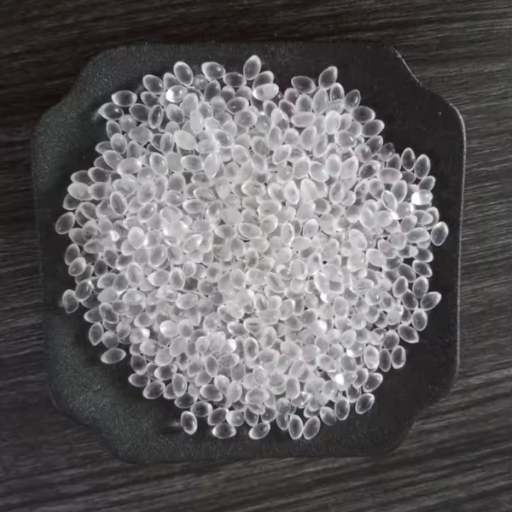
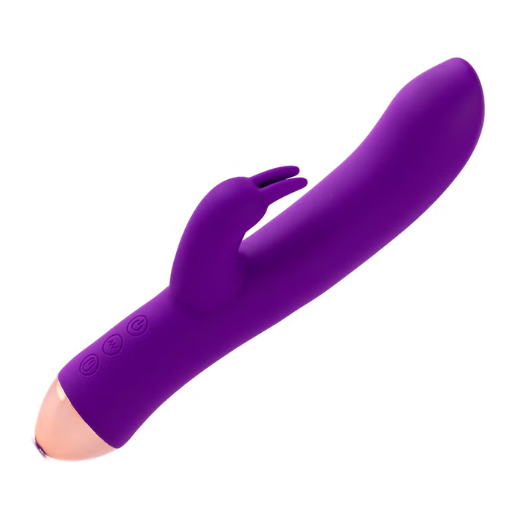
How long do sex toys last? Quality silicone, glass, and stainless steel toys last years, often five or more with basic care. TPE toys typically last 6 to 18 months of regular use, and PVC or jelly blends 3 to 12. In a vibrator, the battery usually gives out before the material does.
But published figures disagree, with silicone quoted anywhere from 6 months to 10 years, because the answer depends on what ends the life.
Maya bought a mid-range silicone vibrator in March 2022. She used it about twice a week, cleaned it properly, and kept it in a drawer rather than the bathroom. By late 2025, it held a charge for maybe ten minutes.
The silicone was in perfect condition. The cell inside it wasn’t. That is the pattern this guide unpacks: a table by material, the mechanism behind each number, and, for brands, how to set a service-life target.
Key Takeaways
- TPE typically lasts 6 to 18 months of regular use; platinum-cure silicone lasts 5 to 10+ years.
- A lithium-ion cell in a toy manages roughly 300 to 500 full cycles, about 2 to 5 years at twice-weekly use. It usually fails before the material.
- No regulator sets an expiry date for sex toys. ISO 3533:2021 covers design, materials, and user information, not service life.
- Replace on signals: cracks, tackiness that cleaning won’t fix, changed odor, or a charge that no longer holds.
- Heat and humidity shorten a battery’s cycle life, so a bathroom is the worst place to store anything with a motor.
How Long Do Sex Toys Last? The Short Answer
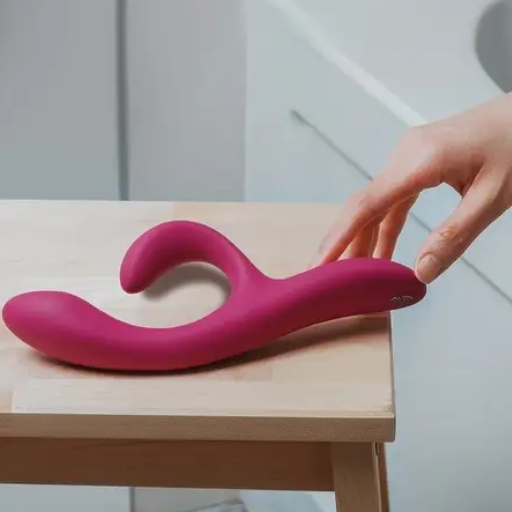
| Material or product | Typical service life | What actually ends it |
|---|---|---|
| Platinum-cure silicone, non-motorized | 5 to 10+ years | Surface wear: nicks, tears, staining |
| Silicone vibrator or motorized toy | 2 to 5 years | Battery capacity loss, motor wear, port corrosion |
| TPE or TPR sleeves and strokers | 6 to 18 months | Oil migration, tackiness, micro-tears |
| PVC, jelly, soft “realistic” blends | 3 to 12 months | Plasticizer leaching, porosity, cannot be cleaned reliably |
| ABS plastic housings | 5 to 10 years | Cracking, warping, motor failure |
| Borosilicate glass | Indefinite | Chipping or cracking, usually thermal shock |
| 316L stainless steel | Indefinite | Finish wear on non-316L alloys |
Most people aren’t replacing on any schedule at all. A survey of roughly 3,000 UK adults found that around half had never replaced a sex toy, and about 1 in 10 had kept the same one for more than a decade, as reported by Women’s Health. The ranges above aren’t what people do. They are what the materials and electronics allow.
Still choosing between materials? Our TPE versus silicone comparison covers safety, cost, and manufacturing.
Why There Is No Expiry Date on a Sex Toy
A food product has a date because a regulator defined shelf life until spoilage. A sex toy doesn’t, because no regulator has defined one.
What ISO 3533:2021 does and does not require
ISO 3533:2021 is the international standard for sex toy design and safety. It addresses risk management, design, materials (including cleaning and maintenance in section 6.4), and the user information that must accompany a product in section 7.
What it doesn’t do is set a service life or require an expiry date. Any date on packaging was chosen by the brand, so it’s a marketing decision, not a safety guarantee.
Shelf life is not service life
An unopened toy in a warehouse and a toy in weekly use age on different clocks. Retail listings for silicone massagers commonly state a 24-month shelf life, and uncured silicone compound is typically specified for around 12 months of storage. Neither tells you how long a used toy will last.
Service life is about use: how often, how hot, how humid, and how well it gets cleaned.
What Actually Ends a Sex Toy’s Life
Two clocks run in the same product: one polymer, one battery. They fail at different rates, and the shorter one sets the answer.
The material clock
Polymers fail in different ways. TPE is a thermoplastic blend held together partly by process oil, and when that oil migrates to the surface the material is literally leaving the product. That is why TPE toys get sticky before they tear. Shore hardness and oil loading decide how fast.
PVC and soft jelly blends behave similarly but faster, because “jelly” describes a feel rather than a polymer you can look up. Plasticizer migration is continuous there, and nothing in the material stops it.
Silicone ages differently. Platinum-cure silicone is cross-linked and contains no plasticizer to lose, so it doesn’t sweat or go tacky the way TPE does. It fails mechanically instead: a nick at the base, a tear at a thin wall, a stain that won’t lift. A silicone toy intact after eight years is usually still safe.
The electronics clock
This is where the answer to “how long does a vibrator last” actually comes from. Lithium-ion cells in small devices are typically specified for roughly 300 to 500 full charge cycles before capacity falls to about 80 percent.
At twice-weekly use, that lands around 2 to 5 years, and heat shortens it further. Alongside the cell, three other parts wear: the motor, the charging port, and the seals around buttons. Water ingress through a worn gasket will kill a toy that passed its immersion test when new.
A silicone dildo and a silicone vibrator are the same material and completely different lifespans. One is a decade-plus object. The other is a 2 to 5 year device whose limit is electrical.
Sex Toy Lifespan by Material
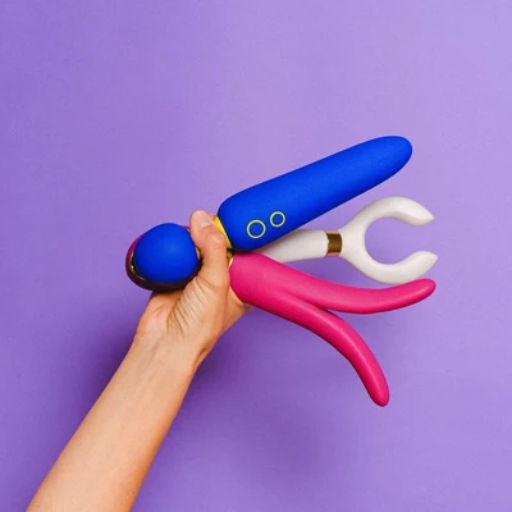
Platinum-cure silicone: 5 to 10+ years, replaced on damage
Silicone’s durability comes from its chemistry. It’s non-porous, tolerates boiling, and doesn’t contain a plasticizer that migrates out. Stored away from heat and sharp edges, a good silicone toy can outlast several cheaper replacements. Replace it when the surface is damaged, not when it’s old.
TPE and TPR: 6 to 18 months, and the oil is the clock
How long does a TPE sex toy last? Plan on 6 to 18 months of regular use. Soft TPE is the right material for thin-walled sleeves and strokers, where high elongation and low hardness matter more than longevity. The trade-off is a defined service window.
Oil exudation usually shows up around 6 to 12 months of regular use, which is the signal to start planning a replacement. A well-formulated product with careful care can reach about two years. A cheap formula in a hot room can fail in three months.
The 1 to 3-year figures sometimes quoted for TPE are best read as an occasional-use tail. If the toy sees weekly use, plan on months.
PVC and jelly: 3 to 12 months
Jelly isn’t a material name. It’s a marketing term for whatever soft plastic a factory used, most often plasticized PVC. Because the plasticizer there isn’t bonded to the polymer at all, the porosity that results can’t be cleaned reliably.
ABS, glass, and stainless steel: the materials that outlive the owner
ABS is rigid, non-porous, and cheap. Its limit isn’t the plastic but the electronics it houses, plus the fact that it warps above roughly 80 °C. Borosilicate glass and 316L stainless steel have no meaningful service life at all. They fail when they chip, crack, or lose their finish, and chipped glass should never be used.
How Long Do Sex Toys Last? Signs It Is Time to Replace
Use this list rather than a date:
- Cracks, tears, or pitting on a surface that contacts the body.
- Tackiness that persists after cleaning and powdering (TPE).
- An odor that survives washing, or a new chemical smell.
- Discoloration that won’t lift, especially on a porous material.
- Visible mold in an internal channel.
- A charge that no longer holds, or vibration that’s noticeably weaker.
- The device feels warm while charging when it didn’t before.
A faded color, a scuff on a non-insertable surface, or simple age aren’t reasons to replace. The test is whether the surface that touches the body is still intact and cleanable.
What Changes How Long a Sex Toy Lasts
A handful of habits move a lifespan more than anything printed on the box.
| Habit | Effect on lifespan | Why |
|---|---|---|
| Cleaning after every use, drying fully | Extends life most | Removes residue before it bonds; prevents mold in channels |
| Storage: cool, dark, breathable | Extends life | Heat, steam, and UV age material and seals |
| Storage: bathroom or sunny windowsill | Shortens life most on motorized toys | Steam attacks seals and electronics; UV discolors and embrittles |
| Oil-based lube on TPE | Shortens life | Accelerates oil migration and surface breakdown |
| Silicone lube on silicone toys | Shortens life | Can degrade the surface over repeated contact |
| Harsh solvents, abrasive scrubbers | Shortens life | Removes material with each wash |
| Frequent use (weekly vs monthly) | Shortens calendar life | More cycles, more cleaning, more load |
Care after every use, dried completely, is the cheapest way to extend life. For TPE, the routine in our TPE cleaning guide is the difference between a toy that fails at eight months and one still comfortable at eighteen. Storage is the habit most people get wrong, and a bathroom is the popular wrong answer.
How Brands Set a Lifespan Target (and Prove It)
If you’re building a product line, lifespan is a design input, not a marketing line. Decide it before tooling. Three questions set it: how often will it be used, how long is the warranty, and what price tier does it sit in?
A toy sold with a one-year warranty and a 2 to 5 year quoted life tells the customer two different things. The category is full of that mismatch.
So test to the claim. Durability work here usually includes transport simulation, motor run-to-failure, water immersion to a stated IPX rating, and, for elastomers, accelerated aging at elevated temperatures with Arrhenius extrapolation, commonly referenced to ISO 11346. Third-party laboratories run these tests, and their reports turn a lifespan claim into something a buyer can check.
Then document it. ISO 3533:2021 expects cleaning and maintenance instructions to reach the user, and a care card stating the realistic replacement window does more for trust than an aspirational claim.
Theo ran a small brand that launched a soft TPE sleeve with a two-year warranty as a selling point. Reviews were strong for a year.
Then the claims arrived in a cluster, most at month fourteen, mostly from weekly users. The material had performed exactly as expected. The promise hadn’t.
He reissued the warranty at twelve months, added a care card with explicit replacement guidance, and complaints dropped by roughly two-thirds the following year.
At Joyflick, that conversation starts in material selection: matching the grade to the use pattern, documenting the batch, and giving brand clients care instructions they can print. Low minimum order quantities mean smaller brands can put proper documentation behind a first run. If you’re scoping a product line, talk to our team about the service-life target before the tooling quote.
FAQ
Do silicone sex toys expire? No. Silicone has no expiry date because there is nothing in it to expire. It degrades when it’s physically damaged, not when a calendar passes, so replace it when the surface is torn, deeply nicked, or can’t be cleaned.
How often should you replace sex toys? Replace on condition, not on a schedule. As a planning guide: TPE every 6 to 18 months, jelly and PVC every 3 to 12, silicone every 5 years or more, and motorized toys when the battery fails.
Can a sex toy last 10 years? Yes, if it has no electronics and no plasticizer. Glass, 316L steel, and undamaged platinum-cure silicone routinely reach a decade. A vibrator rarely does, because the cell and motor are the limit.
How long do sex toys last in storage? Longer than in use, but not indefinitely. Retail listings commonly cite a 24-month shelf life, and heat, humidity, and sunlight are the main threats.
Do expensive sex toys last longer? Usually, but not because of price. They use non-porous materials, better formulations, and better-protected electronics. Price is a proxy for those choices, not a cause.
Does boiling a toy shorten its life? Not for 100% silicone without electronics, which tolerates boiling water and can be sterilized that way. It will destroy a motorized toy, warp ABS, and degrade TPE.
How Long Sex Toys Last Depends on Two Clocks
How long do sex toys last? Long enough that the honest answer depends on which part fails first. Silicone, glass, and steel can last a decade or more. TPE and jelly are closer to consumables, measured in months.
Anything with a battery is a device on a 2 to 5 year electrical clock, however good the silicone around it is.
So skip the calendar and watch the object. A tear, permanent tackiness, a smell that survives washing, or a charge that no longer holds are better signals than any date.
For the buying decision behind all of this, our TPE versus silicone comparison covers which material earns a longer number. When a toy finally goes, our guide to recycling sex toys covers the e-waste options by material.