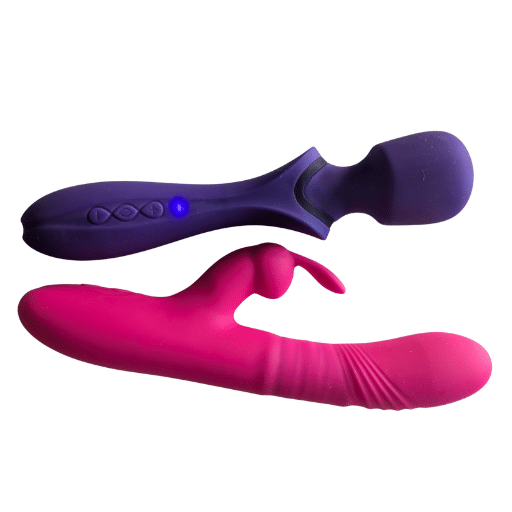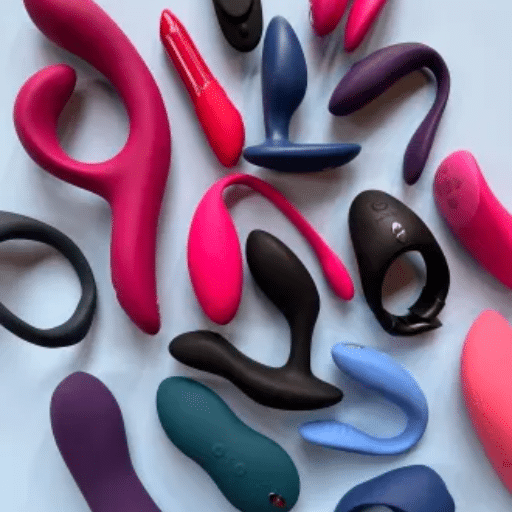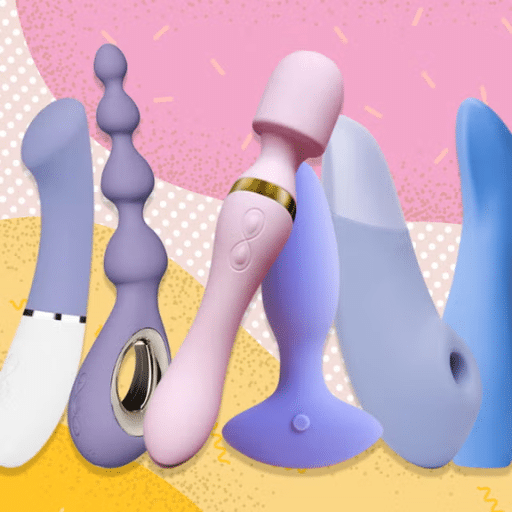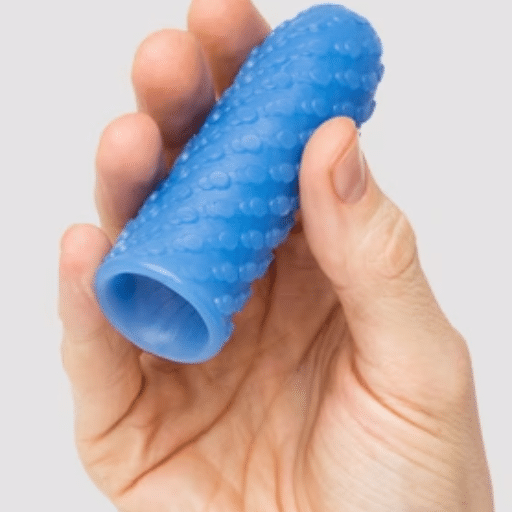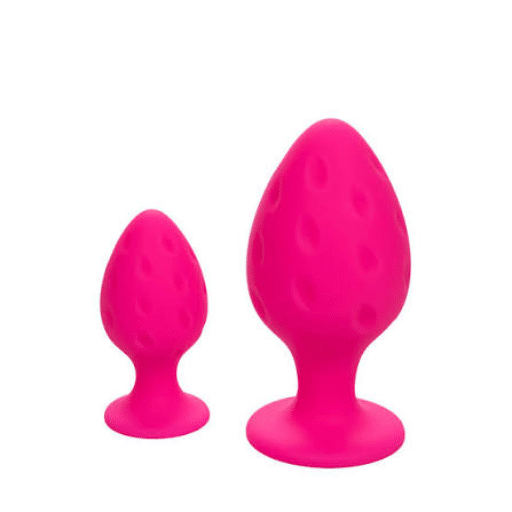
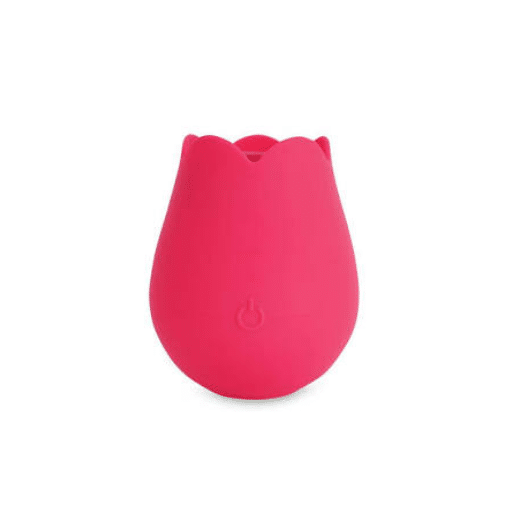
Hypoallergenic silicone sex toys are products made from inert, fully cured silicone that’s free of latex and common skin irritants, and they are the safest mainstream choice for people with latex or nickel allergies and sensitive skin. The catch is that “hypoallergenic” isn’t a regulated term. The FDA has no definition for it, so the word only means something when a manufacturer backs it with real testing.
Every week, someone writes to our team with the same story. They used a new toy, developed redness or itching, and concluded they are allergic to silicone. In most cases, the silicone isn’t the problem. The pigment was, or the lubricant, or a porous material that was labeled as silicone but was not silicone at all.
That distinction matters, whether you’re a shopper protecting your skin or a brand owner building a product line you can stand behind. This guide explains what “hypoallergenic” can and can’t mean for sex toys, who actually needs an allergen-conscious product, which materials carry the least risk, and how a manufacturer proves a safety claim instead of just printing it on a box.
Key Takeaways
- “Hypoallergenic” is an unregulated marketing term. The FDA has no definition for it, so a credible claim must be backed by specific testing such as ISO 10993-10 sensitization and irritation testing.
- Pure, fully cured silicone is chemically inert, so true silicone allergy is uncommon. Reactions are usually caused by pigments, plasticizers, process residues, lubricant ingredients, or poor hygiene.
- The two clinically significant adult-toy allergens are latex and nickel, which is why “latex-free” and “nickel-free” are the labels that matter most for allergic shoppers.
- A raw-material certificate of analysis doesn’t prove the finished toy is hypoallergenic. Only testing on the finished product, with its pigments, adhesives, and hardware, tells you that.
- Medical-grade silicone ranks lowest in allergen risk, followed by borosilicate glass, titanium, and ABS plastic. PVC, jelly rubber, and undocumented TPE blends rank highest.
What Does “Hypoallergenic” Actually Mean for Silicone Sex Toys?

Here’s the part almost no one tells you. “Hypoallergenic” is a claim, not a guarantee. The FDA states plainly that there are “no Federal standards or definitions that govern the use of the term ‘hypoallergenic.'” In plain terms, a manufacturer can print the word on a box without proving a thing.
In the 1970s, the FDA tried to require companies to back up the claim. The rule was challenged, struck down, and never replaced. So the word survives as marketing language today. It suggests a product is less likely to trigger a reaction, and that’s all it suggests.
The concept isn’t useless, though. It just means you have to look past the word and ask a sharper question: what evidence sits behind the claim?
Useful claims are specific and verifiable. Compare these:
- “Hypoallergenic”: no legal meaning, no test required.
- “Latex-free”: a factual statement about material composition, and it can be documented.
- “Nickel-free” or “low nickel release”: verifiable against recognized release limits.
- “ISO 10993-10 tested”: refers to a specific biocompatibility test for irritation and sensitization.
- “Dermatologically tested”: meaningful only if the tester and protocol are named.
When a supplier pairs “hypoallergenic” with one of the specific claims above, you’re looking at a manufacturer that understands the difference. When the word stands alone, treat it as decoration.
If you want the broader safety picture behind these terms, our guide to body-safe materials in adult toys covers how the material categories fit together.
Can You Be Allergic to Silicone?
True allergy to pure, fully cured silicone is uncommon, which is why hypoallergenic silicone sex toys are considered low-risk. Silicone is chemically inert. It doesn’t readily react with the body, which is one reason it shows up in medical implants and food-contact products. When someone reacts to a “silicone” toy, the cause is usually in the full formulation, not the base polymer.
To see why, it helps to separate three problems that people lump together as “an allergy.”
- Irritation is direct damage to the skin barrier. It happens because of friction, trapped moisture, residue, or a harsh ingredient. It isn’t an immune response.
- Allergic contact dermatitis is a genuine immune reaction (a delayed, Type IV hypersensitivity). It often appears only after repeated exposure, because the body has to become sensitized first.
- Immediate hypersensitivity is a fast, sometimes severe reaction (Type I), and latex is the classic example in this category.
That middle point is the one people miss. A toy can feel fine the first ten times and cause a reaction on the eleventh. So if a reaction shows up after repeated use, that doesn’t rule out a silicone allergy. It is actually the pattern an allergy follows.
There’s also a labeling problem. Some products sold as “silicone” are blends of TPE or PVC with a silicone-sounding name. A porous blend can hold bacteria and break down over time, and the result is irritation that a buyer reasonably blames on silicone.
If you’re unsure how to check a material claim, our guide to medical-grade silicone sex toys walks through verification. The TPE vs silicone comparison explains what actually changes between the two materials.
Who Actually Needs Hypoallergenic Sex Toys?
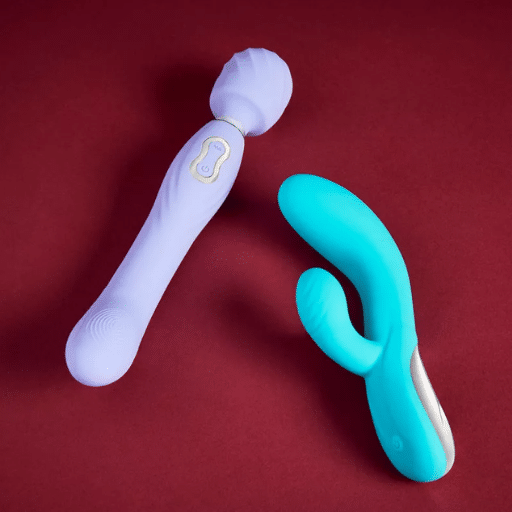
Not everyone needs hypoallergenic silicone sex toys, and knowing your own risk profile saves you money. Four groups benefit most from an allergen-conscious approach.
People with a latex allergy
Natural rubber latex is the most clinically significant allergen in the adult-toy category. It isn’t limited to condoms. Jelly rubber and some realistic-feel materials can contain latex, and reactions range from a localized rash and hives to breathing trouble in severe cases.
If you’re latex-sensitive, confirm “latex-free” in writing on every component, including the packaging insert.
People with a nickel allergy
Nickel is among the most common contact allergens worldwide. It affects a meaningful share of adults, and women more often than men. Any metal part can be a source: cock rings, connectors, decorative hardware, and the metal core inside some toys.
The evidence that matters is nickel-release testing against recognized skin-contact limits, which the EU covers under its chemical restrictions. For nickel-allergic users, titanium is usually the safer metal choice, and silicone alternatives remove the metal entirely.
People with sensitive skin or a dermatological condition
Eczema, psoriasis, lichen sclerosus, vulvodynia, and simply reactive skin all lower the threshold at which irritation appears. For this group, fragrance, dyes, and preservatives in toys, cleansers, and lubricants are frequent triggers, and gentle materials plus fragrance-free products do most of the work.
People who have reacted to a lubricant or cleanser
This is more common than most shoppers realize. Fragrance, preservatives, and other lubricant additives provoke reactions that get blamed on the toy. A fragrance-free, water-based lubricant is the conservative default, and it’s also the only safe pairing for silicone toys.
Not sure which category you fall into? Our team helps brands and buyers spec materials for allergen-conscious products, and we are happy to talk through the options.
Which Materials Make Hypoallergenic Silicone Sex Toys Safe for Sensitive Skin?
Material choice is the single biggest lever you control. The table below ranks the common options by relative allergen risk.
| Material | Relative allergen risk | Why | Best for |
|---|---|---|---|
| Platinum-cured medical-grade silicone | Lowest | Chemically inert when fully cured; no latex; typically no nickel | Insertable toys, sensitive skin, premium lines |
| Borosilicate glass | Very low | Non-porous, inert, latex-free and nickel-free | Temperature play, easy sterilization |
| Medical titanium | Low | Nickel-free, non-porous, corrosion-resistant | Metal toys for nickel-allergic users |
| Medical-grade stainless steel | Low to moderate | Durable, but standard grades can release nickel | Users who verify the nickel grade first |
| ABS hard plastic | Low | Non-porous, phthalate-free, smooth | Rigid housings and hard components |
| TPE / TPR / elastomers | Moderate to high | Porous; formulation quality varies widely | Budget soft-touch items with tight documentation |
| PVC and jelly rubber | Highest | Often contains plasticizers; may contain latex; porous | Best avoided by sensitive users |
| Natural rubber latex | Highest for latex-allergic users | A known, clinically significant allergen | Avoid if latex-sensitive |
Two caveats keep this table honest. First, material is only one variable. A toy made from excellent silicone can still cause a reaction if the pigment is poor or the surface isn’t fully cured.
Second, softer doesn’t mean safer. Softness and allergen risk are unrelated. Plenty of soft toys are perfectly safe, and plenty of firm ones are not.
What Actually Causes a Reaction to a Silicone Toy?
This is where useful diagnosis happens. When a customer reacts to a silicone product, the cause is almost always one of four things, and three of them aren’t the silicone.
Pigments, plasticizers, and process residues
The base polymer can be safe while the colorant or additive is not. Low-quality colorants and undocumented additives are common sources of sensitization. That’s exactly why batch-level testing on the finished product matters.
Independent testing has repeatedly found harmful substances in finished adult products, including phthalates and nickel. Raw-material quality alone doesn’t guarantee a safe finished item.
Lubricant ingredients
Fragrance, preservatives, and certain additives are frequent irritants. This is the single most misdiagnosed cause of “toy reactions.” It’s also the easiest to rule out. Switch to a fragrance-free, water-based lubricant and watch whether the problem stops.
Hygiene, residue, and bacterial irritation
Porous materials hold moisture and harbor bacteria, and incomplete cleaning causes irritation that mimics an allergy. Even on silicone, dried residue can provoke a reaction. Good cleaning and drying habits resolve this category entirely, and our guide to how to clean silicone sex toys covers the routine in detail.
Friction and overuse
Mechanical irritation from prolonged use or insufficient lubrication breaks down the skin barrier. The result, redness and peeling, looks like an allergy but is simply tissue stress. More lubricant and shorter sessions fix it.
Here is a real pattern we see. A brand owner we will call Dana launched a soft-touch line in early 2026 with a supplier who provided a clean raw-silicone certificate. Within two months, she had a cluster of customer complaints about irritation.
The material certificate was genuine. But it covered the base polymer, not the custom pink pigment her brand had specified. Testing on the finished product revealed the colorant was the problem.
Dana reformulated, retested the finished toy, and the complaints stopped. The mistake cost her a quarter of returns. The lesson: verify the finished product, not the raw material.
How Manufacturers Prove Hypoallergenic Silicone Sex Toys Are Safe
A claim is only as good as the test behind it. Here is the evidence that turns “hypoallergenic” from a word into something defensible.
| Test or standard | What it establishes | Applied to |
|---|---|---|
| ISO 10993-5 cytotoxicity | Cell viability above the accepted threshold; no cytotoxic leachables | Material or finished product |
| ISO 10993-10 irritation and sensitization | No significant irritation and no sensitization potential | Finished product, final configuration |
| Pigment and additive migration testing | Colorants and additives don’t leach or migrate | Finished product |
| Nickel-release testing (EN 1811) | Nickel release sits below the skin-contact limit | Metal components |
| REACH SVHC screening | Restricted substances fall below thresholds | Materials and finished product |
| Latex-content declaration | Confirms latex-free status | All components |
The critical nuance is in the second row. ISO 10993 evaluates the finished item in its final form. That includes the pigment, adhesive, and hardware. A raw-material certificate of analysis doesn’t do that job.
This is why a self-declared “hypoallergenic” label and a home flame test are both inadequate. Neither tells you how the assembled product behaves on skin.
For a full breakdown of the certification landscape, see our guide to adult toy certifications. It covers how the marks differ and what each one actually proves.
How to Build a Hypoallergenic Silicone Sex Toy Product Line
If you’re a brand owner, an allergen-conscious line is a real market opportunity, but it has to be built on documentation rather than adjectives. This is the checklist we walk clients through.
- Specify the material explicitly. Platinum-cured medical-grade silicone as the default, with latex-free and nickel-free declared in writing.
- Vet the hardware. Choose nickel-free or low-nickel components, and keep nickel-release test reports on file.
- Test the pigments and additives. Do not accept a base-polymer certificate as proof of a finished-product claim.
- Confirm full cure. A tacky surface or lingering odor can indicate incomplete curing or residue.
- Control the care instructions. Ship fragrance-free, water-based lubricant guidance and clear cleaning steps.
- Substantiate every claim. Pair any allergen claim with the specific test that supports it.
- Keep batch records. Batch-linked certificates and test reports protect you if a customer raises a concern.
Done well, this becomes a genuine differentiator. Sensitive-skin shoppers are loyal when a brand earns their trust, and documented testing is how you earn it. If you want help scoping a line like this, our team handles everything from material selection to customizing adult toys for your brand.
How to Choose and Patch-Test a Toy
If you’re shopping for sex toys for sensitive skin, whether for yourself or a partner, these three steps catch most problems before they happen.
- Patch test first. Apply the material or lubricant to your inner wrist or elbow and wait 24 to 48 hours. Look for redness, itching, or swelling. A patch test isn’t perfect for internal use, but it flags obvious sensitivities before you commit.
- Clean, dry, and store correctly. Wash before and after use, dry fully, and store silicone toys separately from other silicone to avoid surface reactions. Porous materials should have their own storage.
- Know when to stop and see a clinician. If a reaction is persistent, spreading, or accompanied by systemic symptoms such as breathing difficulty, stop using the product and seek medical care. A patch test and careful material selection reduce risk, but they don’t replace professional advice for an ongoing skin condition.
How Joyflick Manufactures Hypoallergenic Silicone Products
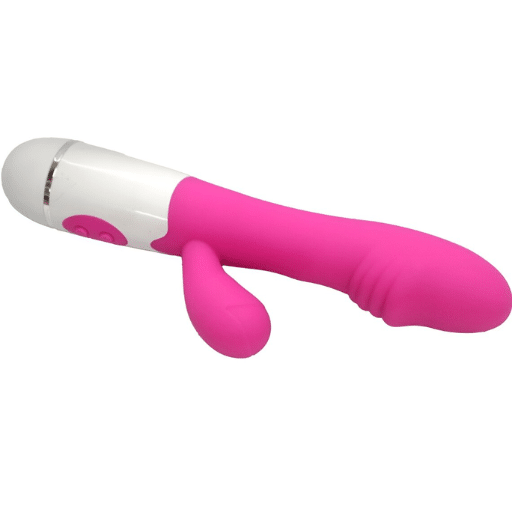
Everything above describes how a responsible manufacturer should operate, so it makes sense to tell you how we do it.
Every hypoallergenic silicone sex toy we make starts with platinum-cured medical-grade silicone as a standard, not a premium upgrade. We source latex-free and nickel-free components. We vet pigments and additives before they enter a mold.
We also pair in-house quality control with third-party testing through partners such as SGS and TUV. That gives brands access to ISO 10993, nickel-release, and REACH documentation for their files. Our production carries ISO-certified quality controls with a documented defect rate below 0.2 percent. We provide the export documentation that allergen-related and safety claims depend on.
We also support trial orders from a low MOQ of 300 units. That matters for a sensitive-skin product, because it lets a brand validate the formula and the claim with real customers before committing to a full run.
Ready to build a sensitive-skin line? Send us your concept and target market, and we will quote materials, testing, branding, and tooling against your order volume. Request a custom quote
Frequently Asked Questions
Are silicone sex toys hypoallergenic?
Hypoallergenic silicone sex toys are made from pure, fully cured silicone, which is chemically inert and isn’t a known contact allergen, so they are a low-risk choice for most people. However, “hypoallergenic” is unregulated, and a toy is only as safe as its pigments, additives, and finish. Look for tested, documented claims rather than the word alone.
Can you be allergic to silicone?
True allergy to pure silicone is uncommon. Reported reactions to silicone toys are usually caused by pigments, plasticizers, process residues, lubricant ingredients, or poor hygiene. That said, reactions do happen, and some people react to trace impurities, so patch testing is a sensible precaution.
Does “hypoallergenic” mean anything legally?
No. The FDA has no definition or standard for the term, and no regulation requires manufacturers to prove it. It functions as a marketing claim, which is why specific labels such as “latex-free,” “nickel-free,” or “ISO 10993-10 tested” are more useful.
Which sex toy materials are best for sensitive skin?
Medical-grade platinum-cured silicone ranks lowest in allergen risk, followed by borosilicate glass, medical titanium, and ABS plastic. TPE and PVC rank higher because porous or undocumented formulations are more likely to irritate, and latex should be avoided entirely by latex-allergic users.
Do sex toys contain latex?
Some do. Jelly rubber and certain realistic-feel materials can contain natural rubber latex, which is a clinically significant allergen. If you’re latex-sensitive, confirm “latex-free” in writing for every component.
Are metal sex toys safe if I have a nickel allergy?
Not automatically. Standard stainless steel can release nickel, so nickel-allergic users should look for titanium or verified nickel-free hardware, and ask for nickel-release testing against skin-contact limits.
How do manufacturers test sex toys for allergies?
The relevant tests include ISO 10993-5 for cytotoxicity and ISO 10993-10 for irritation and sensitization, run on the finished product. Pigment migration testing and nickel-release testing cover the additives and metal parts. Raw-material certificates alone don’t establish finished-product safety.
Can a lubricant cause a reaction?
Yes, and it’s one of the most common causes. Fragrance, preservatives, and additives are frequent irritants. Switch to a fragrance-free, water-based lubricant, which is also the only safe pairing for silicone toys.
The Bottom Line
Hypoallergenic silicone sex toys are the safest mainstream choice for sensitive skin, but the label deserves scrutiny. “Hypoallergenic” is a claim, not a regulation. Pure silicone is rarely the culprit when a reaction occurs. The real risks are pigments, lubricants, nickel hardware, and latex.
Each risk is manageable with the right material and the right documentation. For shoppers, that means patch testing and choosing medical-grade silicone where it matters. It also means reaching for a fragrance-free water-based lubricant. For brands, it means treating allergen claims as testing obligations rather than adjectives, and building a supply chain that can prove what it promises.
Joyflick builds silicone products with platinum-cured medical-grade material, latex-free and nickel-free components, and third-party testing on request, all available from a low MOQ of 300 units. If you’re ready to launch a sensitive-skin line your customers can trust, start a conversation with our team, and we will help you spec it.