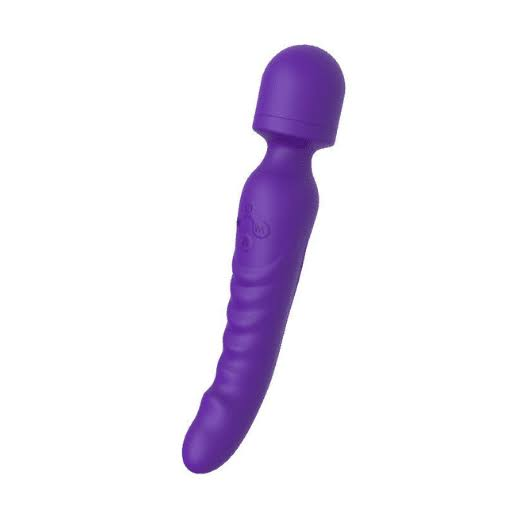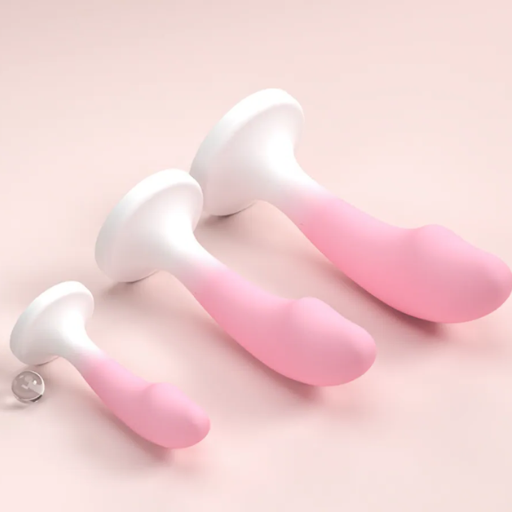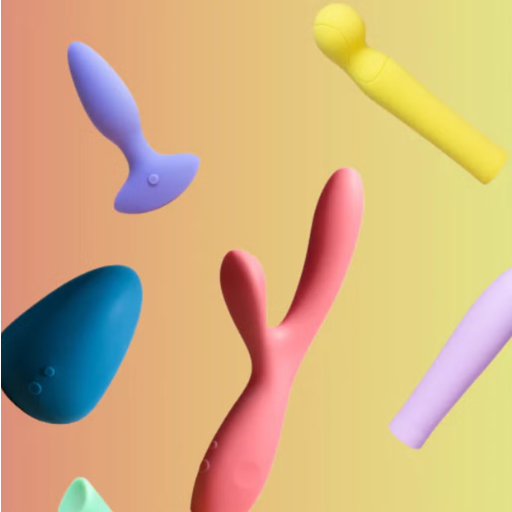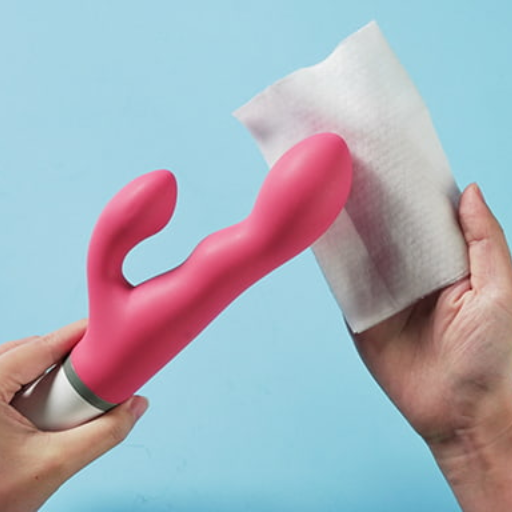
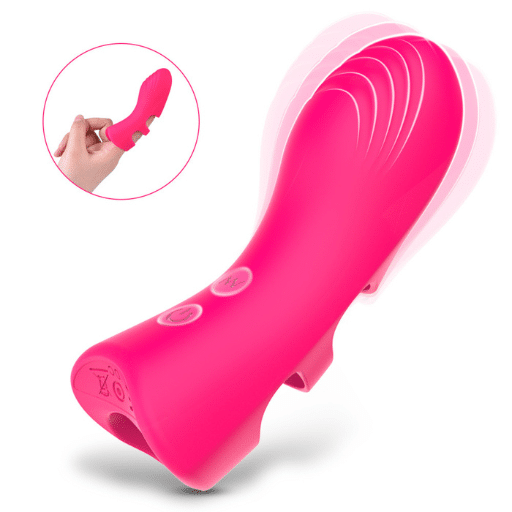
Adult toys containing body-safe materials use non-porous, non-toxic, and hypoallergenic materials that do not release dangerous substances during sexual activities. The best material exists as platinum-cured silicone, which ranks above borosilicate glass, medical-grade stainless steel 316L, ABS hard plastic, and medical-grade TPE.
An NIH study conducted in 2023 discovered that PVC and jelly rubber toys released microplastics and phthalates during usage. Some samples exceeded safety thresholds established for children’s toys. Most markets impose less regulatory control on adult products than they do on products designed for children. This gap creates real risk for both end users and the brands that sell to them.
Every founder who starts their own brand must deal with the same problem that you face when you search for body-safe materials to use in adult toys. Manufacturers use “medical-grade” and “body-safe” labels on their datasheets for every product they make. The terms “medical-grade” and “body-safe” do not possess a standard legal definition that applies to novelty products. Material evaluation and testing, assessment, and certification cost estimation need a structured framework, which you currently lack.
This guide provides a solution to your existing problem. You will learn exactly which materials meet true safety standards, how to verify manufacturer claims, what certifications actually cost, and how material choice affects production timelines and budgets. The entire material landscape will be examined while we investigate certification requirements, present actual cost information, manufacturing effects, and supplier audit procedures.
Key Takeaways
- Platinum-cured silicone, borosilicate glass, and medical-grade stainless steel 316L are the only materials that are fully non-porous, sterilizable, and chemically inert.
- FDA 21 CFR 177.2600 and ISO 10993 biocompatibility testing are the two most important certification frameworks for body-safe adult toy materials.
- Raw material costs range from 2/kgforABSplasticto2/kgforABSplasticto25/kg for platinum-cured silicone, with certification testing adding 2,000to2,000to8,000 per product line.
- TPE is soft and affordable but porous, making it unsuitable for long-term insertable products without condom use.
- Simple verification tests like the flame test and pinch test can expose fake silicone claims before you commit to production.
What Does “Body-Safe” Actually Mean?
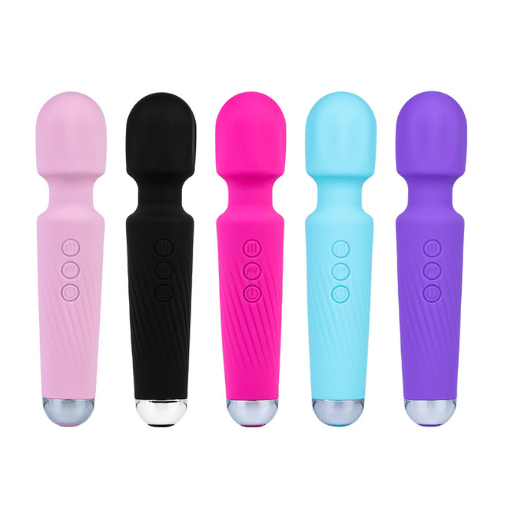
The Regulatory Reality: Novelty Items vs. Medical Devices
Most adult toys get classified as novelty items instead of medical devices. This classification matters because medical devices face strict FDA premarket approval requirements, while novelty items do not. The FDA in the United States does not regulate adult toys because these items only make medical claims. The European Union treats them as general consumer products under the General Product Safety Directive.
The regulatory gray area creates a dangerous vacuum because it enables manufacturers to declare products “body-safe” without any need for third-party validation. The system lacks any compulsory examination process. The system lacks any mandatory authentication process.
The burden falls on you.
Key Safety Criteria: Non-Porous, Non-Toxic, Hypoallergenic
True body-safe materials meet three non-negotiable criteria.
First, they must be non-porous. Bacteria, mold, and viruses live in the tiny openings found in porous materials. Once contamination enters a porous material, no cleaning method removes it completely.
Second, they must be non-toxic. The material cannot leach phthalates, heavy metals, volatile organic compounds, or other harmful chemicals during use or storage.
Third, they must be hypoallergenic. The material should not trigger allergic reactions, skin irritation, or sensitization in typical users.
These three criteria eliminate several common materials immediately. The non-toxic test shows that PVC, jelly rubber, latex, and thermoplastic rubber blends fail because their plasticizers leach from their materials. The majority of people who use latex materials will experience allergic reactions because they do not meet the hypoallergenic standard. Unsealed wood and stone fail the non-porous test unless they carry a medical-grade coating.
Why Self-Regulation Drives the Industry
The manufacturers who demonstrate responsibility for their products create their own testing standards because governments do not require testing. Manufacturing companies that achieve excellence follow FDA 21 CFR 177.2600 for rubber articles, ISO 10993 for biocompatibility, and the newer ISO 3533:2021 standard specifically designed for sex toys. Businesses that choose to work with manufacturing partners who allocate funds for certification testing create advantages for both their clients and their corporate reputation.
Marcus established his intimate wellness brand during the first months of 2024. He selected a manufacturing partner that promoted its products as “premium body-safe materials” that came at competitive prices. His initial production utilized TPE material for all insertable items.
After six months, his inbox received a large number of complaints, which reported odor and discoloration issues. The laboratory tests detected secret plasticizers. The Shore hardness test results did not match the information presented in the datasheet. Marcus disposed of $12,000 worth of products.
He changed to use platinum-cured silicone. The company has not received any product returns that relate to materials since that time. The total cost difference for each unit amounted to $4. The company saved its reputation through these activities, which created unquantifiable benefits.
The Complete Material Comparison
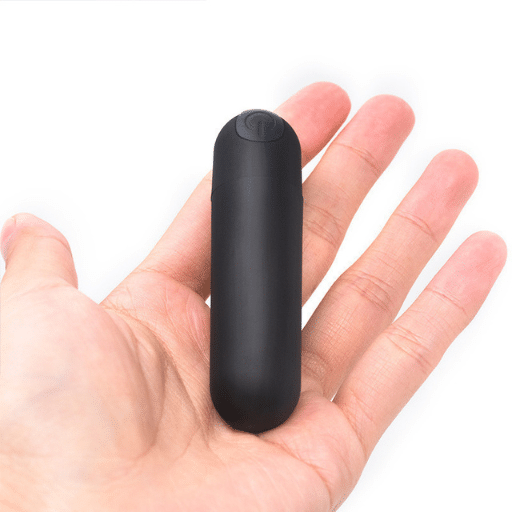
Platinum-Cured Silicone (The Gold Standard)
Platinum-cured silicone has become the standard material that adult toys must meet because it maintains safety for human use. The material maintains five distinct properties because it does not permit liquid transfer, and it prevents allergic reactions and chemical reactions while maintaining its ability to withstand sterilization through boiling, bleaching, and autoclaving. Platinum curing produces safer results because it does not create hazardous substances, and it leaves no active catalyst in the completed item when compared to peroxide-based and tin-based curing methods.
Platinum functions as a catalyst, which enables the curing process to create cross-linked links between silicone polymers. The process creates superior molecular stability because it produces permanent bonds, which remain intact, while peroxide curing generates temporary connections that result in hazardous chemical emissions. Platinum-cured silicone typically lasts 10 years or more with proper care. The material withstands temperatures from -40 degrees C to 230 degrees C without losing its structural integrity. The material maintains its original properties when it comes into contact with water-based lubricants.
Platinum-cured silicone provides manufacturers with outstanding capabilities to reproduce detailed mold designs while producing identical product quality across different production runs. The material allows for effective pigment absorption, which facilitates the creation of specific custom colors. The main drawback is cost. Raw platinum-cured silicone costs 15to15to25 per kilogram. The cost of molds used in silicone injection or compression molding varies from 1,500to1,500to6,000 based on the mold’s complexity.
TPE and TPR (The Affordable Alternative)
The materials thermoplastic elastomer (TPE) and thermoplastic rubber (TPR) provide customers with a cost-effective option that delivers a softer texture, which mimics human skin. The price of raw TPE materials ranges from 8 to 15 per kilogram. The mold cycle times of TPE exceed those of silicone, which results in lower labor expenses for each product. The capacity of TPE to be recycled makes it attractive to brands that focus on sustainability.
The structure of TPE material contains tiny openings which create a pathway for bacteria and bodily fluids to enter. TPE material requires a boiling process for sterilization, which makes it impossible to achieve proper sterilization. The material degrades at a faster rate than silicone, which has a typical lifespan of 1 to 3 years based on usage and maintenance. TPE material experiences surface deterioration and a sticky texture when it comes into contact with oil-based lubricants.
TPE combines with external-use products because of its effective performance. The material meets the requirements of both temporary products and economical product lines. The lower cost justifies the trade-offs in those categories.
TPE requires professional guidance before customers can use it for long-lasting insertable products. Users require explicit guidelines on how to use condoms and when to replace them.
Borosilicate Glass (The Premium Choice)
Borosilicate glass has complete non-porousness and chemical inertness, which allows it to work with all types of lubricants. The material serves as the sole common adult toy option that withstands dishwasher and autoclave sterilization processes without experiencing material degradation. The material maintains its structural integrity because Borosilicate glass withstands thermal shock, which enables it to endure sudden temperature changes.
The production method requires operators to heat raw glass material to temperatures exceeding 1,000 degrees Celsius before they shape it through hand-blowing or mold-casting techniques. The artisanal process creates products with distinct color patterns, but it generates production delays. Raw borosilicate glass costs only 3to3to8 per kilogram but skilled labor drives finished product costs higher than silicone for complex shapes.
Glass toys function as premium products that offer temperature-play features to customers who demand complete sanitation standards. The main danger results from the risk of breakage when objects collide with each other. The manufacturing process requires proper use of annealed borosilicate glass because manufacturers need this material to create products that maintain both thermal and physical strength.
Medical-Grade Stainless Steel 316L (The Durable Option)
The medical field and marine industry both select stainless steel 316L as their preferred material because it provides outstanding protection against corrosion. The material has non-porous and non-toxic properties, which allow it to work with all types of lubricants. The material can undergo any sterilization technique, which includes autoclave sterilization, because of its glass-like properties.
The manufacturing process uses CNC machining as its main method and precision polishing as its secondary method. The surface finish of a product holds great importance for its overall performance. A mirror polish above 400 grit creates a surface smooth enough to prevent bacterial adhesion. The cheaper stainless steel grades, which include 304 and lower-grade finishes, can experience microscopic corrosion pit development throughout their lifespan.
Raw 316L stainless steel costs 4to4to12 per kilogram. The expense of machining exceeds that of molding, which makes steel most affordable for the production of basic geometrical designs. Steel functions best for products that require weight, items that undergo temperature variations, and any product that needs both long-lasting strength and sanitary conditions.
ABS Hard Plastic (The Practical Solution)
ABS plastic exists as a solid material that does not have any openings and does not contain phthalates. The standard material used for making vibrator handles, control panels, and rigid external stimulators. The price of ABS reaches 2 to 2.5 per kilogram, making it the most economical body-safe choice for components that do not require internal insertion.
The boiling process cannot be used to sterilize ABS because the material starts to deform at temperatures beyond 80 degrees Celsius. The product works with all types of lubricants. The process of injection molding ABS delivers a quick and inexpensive solution because the costs for molds match those of silicone. The product possesses rigidity, which restricts its applications to particular product types, but it serves as a cost-effective solution within those specific product categories.
| Material | Porosity | Sterilization | Lube Compatibility | Typical Lifespan | Raw Cost/kg |
|---|---|---|---|---|---|
| Platinum silicone | Non-porous | Boil, bleach, autoclave | Water-based only | 10+ years | 15−15−25 |
| Borosilicate glass | Non-porous | Boil, bleach, dishwasher | All types | Indefinite | 3−3−8 |
| Stainless steel 316L | Non-porous | Boil, bleach, autoclave | All types | Indefinite | 4−4−12 |
| ABS plastic | Non-porous | Surface wipe | All types | 5-10 years | 2−2−5 |
| Medical TPE | Porous | Soap and water | Water-based preferred | 1-3 years | 8−8−15 |
Want to see how these materials perform in real production environments? Explore Joyflick’s cross-material manufacturing capabilities to compare sample specifications for your product line.
Certifications and Testing Explained
FDA 21 CFR 177.2600 (Repeated-Use Rubber Articles)
The FDA 21 CFR 177.2600 regulation establishes extraction limits that apply to rubber items that people will use multiple times for direct food contact. Adult toy manufacturers adopt this standard because no FDA regulation specifically covers sex toys. The main requirement tests non-volatile residue extraction which must not exceed 0.1 mg per square inch of surface area when using designated solvents.
The validation process needs an FDA-registered laboratory to conduct testing. The manufacturer submits finished product samples. The laboratory conducts extraction testing with water and n-heptane, and other designated solvents. Results must fall below the threshold. Testing costs range from 800to800to1,500 per material formulation.
ISO 10993 Biocompatibility Testing
ISO 10993 is the international standard for biological evaluation of medical devices. While adult toys are not medical devices, the most rigorous manufacturers apply ISO 10993 testing to demonstrate material safety. The most relevant tests for adult toy materials are:
- Cytotoxicity (ISO 10993-5): Determines whether material extracts kill or damage cells.
- Sensitization (ISO 10993-10): Tests whether repeated exposure triggers allergic responses.
- Irritation (ISO 10993-10): Measures skin irritation potential using rabbit or reconstructed human epidermis models.
A full ISO 10993 biocompatibility panel costs 3,000to3,000to6,000 per material. Timeline is typically 4 to 8 weeks, depending on the laboratory queue.
USP Class VI (Pharmaceutical-Grade Verification)
The United States Pharmacopeia USP Class VI testing establishes more stringent requirements compared to the FDA 21 CFR 177.2600 standard. The testing process involves three different methods, which include systemic toxicity assessments, intracutaneous reactivity examinations and implantation studies using live animals. The materials that achieve USP Class VI certification demonstrate their suitability for use in pharmaceutical products and medical implant devices.
For adult toy brands targeting premium positioning or medical-adjacent markets, USP Class VI certification provides a powerful marketing claim. The testing process costs between 4000 and 8000 dollars, and the duration extends from 6 to 10 weeks.
ISO 3533:2021 (The New Sex Toy Safety Standard)
ISO 3533:2021 is the first international standard specifically written for sex toys. The 2021 standard defines material safety requirements, mechanical safety requirements, and chemical migration testing limits for intimate products. The standard establishes particular migration thresholds that apply to phthalates, heavy metals, and volatile organic compounds.
The process of adoption continues its upward trajectory. The number of manufacturers who have obtained ISO 3533:2021 certification remains low until the year 2026. Early adopters achieve substantial market benefits because European regulators increasingly use this standard as a reference point. The certification process requires three types of assessments, which include material testing, product safety testing, and quality system audits. The total cost of the project varies between 5,000 and 12,000, based on how complex the product range is.
REACH, RoHS, and Prop 65 (Chemical Safety)
The European Union uses REACH to control chemical substances within its boundaries. Adult toys must comply with SVHC restrictions and substance authorization requirements. The RoHS directive prohibits hazardous substances from being used in electronic components, which impacts both smart toys and vibrators. California Prop 65 requires warning labels for products containing known carcinogens or reproductive toxins.
These frameworks do not certify body safety directly. The certification system confirms that the chemicals meet safety standards. A product can pass REACH and still use porous or irritating materials. Brands should treat REACH, RoHS, and Prop 65 as baseline requirements, not as substitutes for biocompatibility testing.
| Standard | What It Tests | Cost Range | Timeline | Best For |
|---|---|---|---|---|
| FDA 21 CFR 177.2600 | Extraction limits | 800−800−1,500 | 2-4 weeks | US market entry |
| ISO 10993-5/-10 | Cytotoxicity, sensitization | 3,000−3,000−6,000 | 4-8 weeks | Premium positioning |
| USP Class VI | Pharmaceutical-grade safety | 4,000−4,000−8,000 | 6-10 weeks | Medical-adjacent claims |
| ISO 3533:2021 | Sex toy-specific safety | 5,000−5,000−12,000 | 8-12 weeks | EU market leadership |
How Material Choice Affects Manufacturing
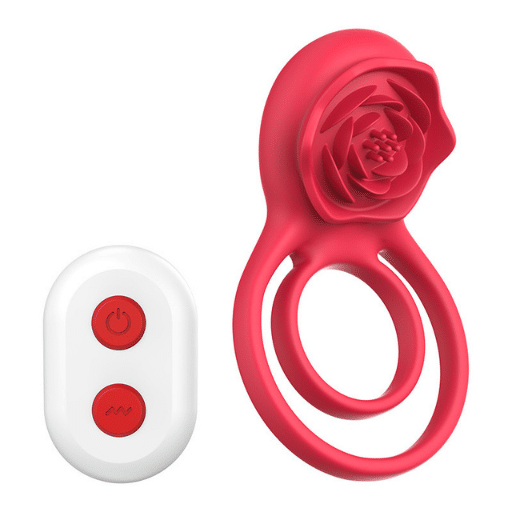
Mold Design and Compatibility
The mold production process for both Silicone and TPE requires the use of molds, yet their mold designs follow different paths. Silicone molds need exact temperature control because platinum curing creates heat during its reaction. The process of demolishing surfaces results from uneven temperature conditions, which lead to unsteady curing processes. TPE molds show greater tolerance for errors. The material demonstrates faster deterioration because of its abrasive flow properties.
Glass production does not need traditional molds. The molten glass material gets shaped through the application of graphite or steel forming tools by manufacturers. The production process of glass requires skilled workers who handle each piece because of its need for precise handling, which creates an artisan production method that differs from industrial molding.
Manufacturers use CNC machining and investment casting and metal injection molding to produce metal goods. CNC machining provides the most accurate product dimensions but requires extended time for each unit to complete machining operations. The investment casting method enables the production of intricate designs, yet it needs specific pattern tooling for operation. Metal injection molding enables high volumes but demands significant upfront tooling investment.
Curing Parameters and Production Speed
Platinum-cured silicone needs 5 to 15 minutes for each cycle when heated between 120 and 180 degrees C, because it depends on the thickness of the parts. The material reaches stabilization after baking at 200 degrees C for 2 to 4 hours, which eliminates remaining volatiles. The total production time for each batch requires 24 to 48 hours because it includes all stages from setup to curing, post-cure, and cooling.
TPE needs 2 to 5 minutes to complete each shot, which operates at temperatures between 160 and 200 degrees C. The process does not need any post-curing treatment. TPE production runs create complete parts within hours instead of waiting for days. The fast production speed of TPE makes it suitable for products that need high production volumes and low profit margins.
Quality Control and Defect Rates by Material
Experienced manufacturers experience silicone defect rates that range between 2% and 5%. The typical defects that occur in the process include air bubbles, incomplete mold filling, and pigment streaking. TPE defect rates match the same rate as other materials, but display their defects through flow lines, warping, and sink marks.
The manufacturing process of glass results in higher defect rates, which exceed 10% and reach 20% because of three main factors. Metal machining processes result in less than 2% defect rates but require operators to conduct thorough inspections of surface finish problems, which include machining marks and polishing inconsistencies.
Post-Processing Requirements
Silicone products need only trimming and surface inspection to determine their proper use. The products receive a surface dusting of cornstarch to prevent tackiness during their storage period. The process of glass processing requires three steps, which include annealing, edge inspection, and surface etching for grip testing. The metal surface needs passivation treatment to restore its protective oxide layer, which gets damaged through machining and polishing processes.
Material Costs and Budget Planning
Raw Material Cost Ranges by Category
Raw material costs form the baseline of your production budget. Here are typical 2026 supplier prices for body-safe materials in adult toys at manufacturing volumes:
- Platinum-cured silicone: 15to15to25 per kilogram
- Medical-grade TPE: 8to8to15 per kilogram
- Borosilicate glass: 3to3to8 per kilogram
- Stainless steel 316L: 4to4to12 per kilogram
- ABS plastic: 2to2to5 per kilogram
These prices fluctuate with commodity markets. Silicone prices depend on silicon metal costs and platinum catalyst pricing. Steel prices vary with nickel and chromium markets.
How Material Choice Affects Mold Costs
Mold costs often exceed raw material costs for initial production. The price of silicone compression molds ranges from 1500 to 4000. The price of silicone injection molds ranges from 3000 to 6000. TPE injection molds cost 2,000to2,000to5,000 but typically run fewer total cycles before refurbishment.
Glass production requires manufacturers to invest in furnace infrastructure instead of using molds for each product, which results in high production costs for manufacturers but reduces mold requirements for brands. Metal CNC requires programming and fixture setup instead of molds, which makes it affordable for small production runs but results in high costs for large-scale operations.
Certification and Testing Budgets
Organizations must bear ongoing expenses for certification purposes after their initial payment. The testing process must be repeated whenever a new material formula, pigment, or supplier enters the system. Initial certification expenses for each product line range between 2000 and 8000 based on the company’s planned market entry and product promotion goals. Organizations face annual ISO certification costs that range from 1000 to 3000 for their operational surveillance audits.
Total Cost Comparison Table
| Material | Raw Material/kg | Mold Cost | Cert. Cost | Per-Unit Cost (1000 pcs) | Best For |
|---|---|---|---|---|---|
| Platinum silicone | 15−15−25 | 1,500−1,500−6,000 | 3,000−3,000−8,000 | 4.50−4.50−12.00 | Premium insertables |
| Medical TPE | 8−8−15 | 2,000−2,000−5,000 | 2,000−2,000−5,000 | 2.50−2.50−6.00 | Budget external toys |
| Borosilicate glass | 3−3−8 | Minimal | 2,000−2,000−5,000 | 8.00−8.00−25.00 | Artisan premium |
| Steel 316L | 4−4−12 | CNC setup | 3,000−3,000−8,000 | 6.00−6.00−18.00 | Weighted/durable toys |
| ABS plastic | 2−2−5 | 1,500−1,500−4,000 | 2,000−2,000−4,000 | 1.50−1.50−4.00 | Handles, externals |
Ready to get specific numbers for your product concept? Request a material consultation and production quote with Joyflick’s engineering team.
How to Verify Your Manufacturer’s Material Claims
Reading Certificates of Analysis (COAs)
The testing laboratory issues a Certificate of Analysis, which serves as a document that confirms the properties of materials. A legitimate Certificate of Analysis displays the laboratory name together with the accreditation body, test methods used, actual results, and batch numbers. You must obtain Certificates of Analysis for all raw material batches because one-time samples do not suffice.
You need to observe red flag indicators. The absence of laboratory accreditation serves as a permanent rejection point. The test methods described as “internal standard” without further details create doubt about their validity. The results show exactly matching limits for all tested batches, which indicates copying instead of actual testing. The COAs that have dates from before your production run date serve as nonvaluable documents.
Testing brings unpredictability through its process. The presence of unchanging results indicates that someone must have created the data.
Simple Verification Tests
The flame test exposes fake silicone fast because the test needs a sample, which must be held above a lighter flame. The test requires a small silicone sample, which researchers will hold above a lighter flame.
Platinum-cured silicone burns to white ash. The substance produces an odor that resembles burned organic matter. TPE melts and drips. The substance emits black smoke together with a chemical odor. PVC burns with a greenish flame. The substance produces an intense chlorine odor.
The pinch test reveals filler content. The test requires someone to pinch a silicone surface while twisting it. High-quality silicone returns to its original shape immediately. The material develops a white stress mark because the heavily filled silicone material creases. Pure silicone does not whiten under stress.
The test applies to products made from solid silicone. The material needs to be bent at a sharp angle. Quality silicone flexes without cracking. The silicone product will break or create surface fractures when it becomes over-cured or over-filled.
Factory Audit Red Flags for Material Integrity
The first step of a factory audit requires the inspection of raw material storage areas. Medical-grade silicone needs to be delivered in sealed containers that include manufacturer lot numbers. The presence of open containers indicates that cross-contamination occurred. The storage area contains both silicone and TPE, which demonstrates inadequate separation of these two materials.
The mixing room needs to be inspected. The mixing process of platinum-cured silicone requires dedicated equipment because platinum catalysts become damaged through contact with even small amounts of foreign substances. The operation of shared mixers that handle both silicone and other materials creates an extremely serious operational danger.
The quality laboratory needs to be assessed. A valid manufacturing facility must possess essential testing equipment, which includes Shore durometers, tensile testers, and visual inspection stations. The absence of quality equipment indicates that testing procedures are either outsourced or completely omitted.
Priya discovered that the manufacturer located in Dongguan stored TPE pellets directly above silicone raw materials on the same shelf. The factory claimed its entire product line consisted of “100% medical-grade silicone.” She requested a flame test on a production sample. The material melted and dripped down. The factory had been substituting TPE for silicone on lower-margin orders. Before Priya made her first purchase, she decided to leave the situation. Her thorough investigation work protected her from a product recall that would have ruined her business before it launched.
Lube Compatibility: The Chemistry Explained
Why Silicone Lube Degrades Silicone Toys
Silicone lubricants contain siloxane polymers, which match the composition of silicone toys. The polymer chains in the lubricant interact with the toy’s polymer chains through van der Waals forces when two silicone surfaces touch each other. The lubricant causes the toy’s surface to develop a sticky, gummy coating, which begins to form after an extended period of use. The process of immediate material disintegration leads to gradual surface breakdown.
The degradation process cannot be reversed. The surface of the toy becomes permanently damaged when silicone lube contacts it because cleaning methods fail to restore its original condition.
Water-based lubricants contain no siloxanes. The lubricants do not interact with silicone polymers. The material is safe to use with almost all body-safe materials. The only material that has a potential risk is coated wood because moisture can weaken the sealant protection over time.
Oil-Based Lubes and Material Breakdown
The use of oil-based lubricants causes TPE and latex materials to break down. The polymer matrix experiences swelling and softening because the oil molecules enter it, which leads to complete material breakdown. Some silicone products, particularly those with lower cross-link density, become damaged through oil exposure. Oil-based lubricants do not affect glass and metal materials.
Lube compatibility should become a design requirement for brands. Your product should use glass, metal, or ABS materials if your target customers prefer silicone lubricants. The packaging for silicone products should provide clear instructions about water-based lube compatibility.
Sustainable and Eco-Friendly Material Options
When Durability Beats Biodegradability
The most sustainable choice is often the most durable option available. A platinum-cured silicone toy, which lasts 10 years, serves as a replacement for three TPE toys, which each have a lifespan of 1 to 3 years. Products that have to be disposed of through municipal systems benefit more from their durable design than from their biodegradable qualities, according to lifecycle analysis.
Silicone maintains its structure in landfills because it does not break down while producing no harmful substances. TPE exists as a recyclable material, yet most recycling centers refuse to process used adult toys because of contamination issues. The practical recyclability of TPE is near zero for products that consumers throw away.
Plant-Based Silicone Alternatives (2026 Innovations)
European Union restrictions on cyclic siloxanes D4, D5, and D6 create opportunities for research and development of plant-based silicone replacements. The materials make use of plant-based silicate precursors instead of petroleum-based silicate precursors. The performance characteristics reach standard silicone levels, but the expenses remain 30% to 50% above that threshold. The supply chains exhibit lower development levels because they require longer delivery times, and they have established minimum order quantities.
Plant-based alternatives provide actual product distinction for brands that aim to enter the EU market or establish themselves as sustainable businesses. The material needs to maintain ISO 10993 and FDA extraction testing standards according to established verification procedures. The plant origin of a material does not automatically establish its biocompatibility.
Greenwashing Warning Signs
The terms “Eco-friendly” and “biodegradable” function as unregulated marketing expressions. The term biodegradable, which describes a product needs industrial composting conditions that most communities do not provide. Natural materials, which include unsealed wood and stone, demonstrate their dangerous properties through their ability to absorb moisture.
All sustainable claims require actual certifications to prove their authenticity. Look for FSC certification for wood products, OEKO-TEX for textiles, and specific biodegradability standards like ASTM D6400 or EN 13432. The absence of certification details creates vague claims that should be understood as marketing language, not scientific material descriptions.
Common Material Mistakes to Avoid
Trusting “body-safe” buzzwords without verification. This term has no legal definition for novelty items. Always demand COAs and test reports.
Choosing TPE for long-term insertable products. TPE porosity creates hygiene risks for insertables. Reserve TPE for external-use products or short-lifespan items.
Ignoring lube compatibility in product design. Customer complaints about surface degradation often trace back to incompatible lubricant use that could have been prevented with clear product guidance.
Skipping batch testing for color pigments and additives. The base material may pass biocompatibility testing while the pigment fails. Test the complete formulated compound, not just the base polymer.
Selecting materials incompatible with target certifications. If your market strategy requires FDA compliance, confirm your material supplier can provide FDA-compliant formulations before you cut molds. Switching materials after tooling is expensive.
Andrei selected a beautiful pearlescent pigment for his silicone line. He assumed it was safe because the base silicone was medical-grade.
His first run passed visual inspection. It failed cytotoxicity testing. The pigment contained zinc oxide particles at a concentration that triggered a positive ISO 10993-5 result.
He reformulated with a certified cosmetic-grade pigment. The retesting cost $2,800. His launch was delayed six weeks. Now he tests every pigment independently before approving any formulation.
How Joyflick Sources and Verifies Body-Safe Materials
Joyflick uses platinum-cured silicone as the default standard. We do not treat it as an upgrade. It is the baseline.
The suppliers need to deliver three specific documents, which serve as prerequisites for material approval to start production. The required documents consist of batch-specific COAs, the FDA 21 CFR 177.2600 test reports, and the ISO 10993 biocompatibility documentation. The rule applies to all situations without any possibility of exceptions.
Our organization conducts quality control evaluations, which include inspecting incoming materials and testing Shore hardness during production and verifying finished product extraction. We use separate storage areas and specialized mixing equipment to handle silicone materials because this method protects against cross-contamination. The organization tracks every production batch through the system, which connects to raw material lot numbers.
We provide TPE and borosilicate glass, stainless steel 316L, and ABS production services to brands that require different materials while maintaining the same documentation requirements. We provide certification consulting support for FDA and ISO 10993 and USP Class VI and ISO 3533:2021 and REACH and RoHS compliance.
Our company provides emerging brands with access to premium material standards because we allow them to order our products starting at 300 units, which represents our minimum order requirement. Our engineering team provides material selection support, together with lube compatibility advice and certification path development services before the production process starts.
Request a Material Consultation for Your Product Line — Our engineers will review your design, recommend optimal materials, and provide a certification roadmap tailored to your target markets.
Conclusion
Your training included data until the month of October in the year 2023. Body-safe materials in adult toys are not a marketing label. The organization dedicates its efforts to material science, testing discipline, and supply chain transparency.
Brands must achieve five correct decisions, which include two specific requirements. Choose non-porous materials for insertables. Verification requires COAs because trust cannot be used as proof. The budget must include actual certification testing costs. The design process needs to start with lubricant compatibility requirements. The organization considers durability to function as a security component.
The only materials that achieve complete safety requirements without any exceptions are platinum-cured silicone, borosilicate glass, and medical-grade stainless steel 316L. TPE and ABS serve specific use cases where their limitations are understood and communicated to end users.
The manufacturers who lead this industry in 2026 will be those who treat material safety as visible proof of quality, not as a cost to minimize. Customers cannot see platinum curing or ISO 10993 test results, but they can see your commitment in the products you choose to put your name on.
Ready to build your product line with materials you can verify and customers can trust? Start your custom manufacturing consultation with Joyflick today.