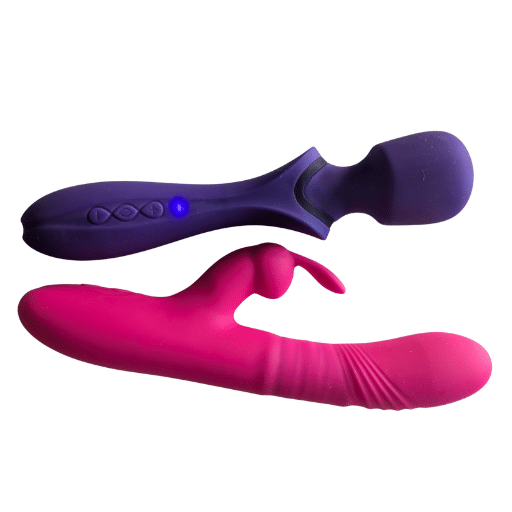
Private label silicone sex toys are silicone designs that a manufacturer produces under your brand name, letting you launch a body-safe product line without funding a new mold on day one. The real decision is the one that follows: do you pick an existing ODM design from a catalog, or pay for a custom silicone mold of your own?
Most early guides stop at “find a supplier and start small.” That advice is fine, but it skips the part that actually determines whether your first order makes money.
When Dana priced her first silicone line, two quotes landed in her inbox a day apart. One factory offered an existing dildo design at $8.40 a unit with a 300-unit order and no tooling fee.
Another offered a shape she loved, but it needed a $2,200 mold and 500 units. She almost paid for the mold. Then she ran the numbers and realized the catalog design would sell out before the custom one ever shipped.
That gap between “what it costs” and “what it earns” is what this guide covers. You’ll learn how to choose your first two to four silicone SKUs, how the ODM-versus-custom decision really works, and how to run the thin margins that decide whether a silicone line survives its first year.
Key Takeaways
- Private label silicone sex toys let you launch a body-safe line with no mold cost, using a factory’s existing ODM designs. Custom molds start around 800to800to1,500 and climb past $8,000 for complex shapes.
- Launch with two to four silicone SKUs, not eight. One flagship, one or two volume sellers, and one upsell keeps cash free while you validate demand.
- A custom mold only pays off after a specific unit volume. Below that break-even, an ODM design earns more because the tooling cost never enters the unit price.
- Silicone’s higher unit cost is an advantage, not a penalty. Body-safe positioning lifts the price your brand can charge, and that gap is where the margin lives.
- Certifications for a private label silicone SKU follow a sequence. Document material safety first, then market-specific compliance, then scale.
What Are Private Label Silicone Sex Toys?
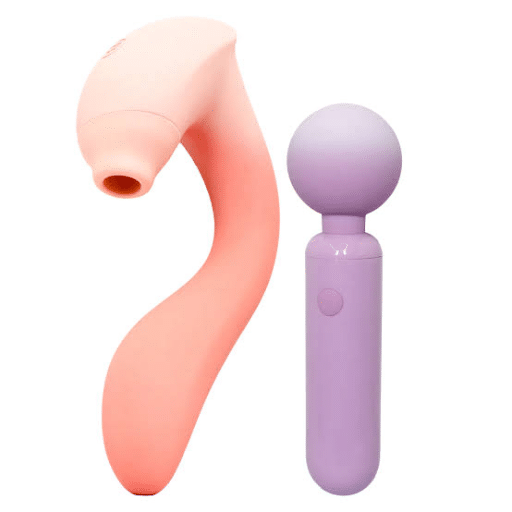
Private label silicone sex toys are products made from body-safe silicone and sold under a retailer’s or brand’s own name rather than the factory’s. You choose the design source, apply your branding, and own the customer relationship. The silicone itself is the constant.
That definition hides a range of options. A private label silicone toy can be a factory’s existing mold with your logo and packaging, a light modification of an existing design, or a proprietary shape built from a mold you own. All three are private label. They differ in cost, speed, and how defensible the product is.
If you’re new to the model itself, our guide to private label sex toys covers the full launch framework, from business setup to marketing. This article assumes you understand the basics and want the silicone-specific detail.
One thing worth settling early: silicone isn’t a single material. The base category spans tin-cured and platinum-cured formulas, and the grade you choose changes both cost and the claims you can make. For the material science behind those grades, see our breakdown of medical-grade silicone sex toys. For the broader category picture, our complete guide to silicone sex toys starts from the ground up.
Why Silicone Is the Default Substrate for a New Private Label Brand
Silicone earns its default status for three practical reasons, and only one of them is about safety.
First, silicone lets you make a claim that cheap materials can’t. Food-grade and medical-grade platinum silicone meet defined standards such as FDA 21 CFR and EU Regulation 10/2011, while TPE and PVC have no equivalent material standard. That difference is why silicone supports a higher retail price and fewer returns than a “soft-touch” mystery blend.
Second, silicone simplifies compliance. A single-material silicone product is easier to document than a multi-material assembly. Fewer materials means fewer tests, fewer certificates, and a shorter path to a defensible safety claim. Our guide to adult toy certifications walks through what each market requires.
Third, silicone builds a brand asset. Customers who search for “body-safe silicone” are already pre-sold on the category. Matching that intent with your own branded product is far easier than teaching a buyer to trust a generic material.
The trade-off is real, though. Silicone costs more per unit than TPE or PVC, and it can be the wrong first choice if your entire positioning is “cheapest option on the shelf.” For a brand building long-term value, the higher unit cost is an investment, not a penalty.
Not sure whether silicone or a soft-touch material fits your price point? Our team helps brands match material to margin before a single unit is ordered.
Choosing Your First 2-4 Silicone SKUs
Resist the urge to launch a full catalog. A silicone line sinks cash faster than most founders expect, because unit costs are higher and inventory is heavier than a TPE line. Launch with two to four SKUs and validate.
Four criteria separate a good first silicone SKU from a risky one:
- Single-material compliance. A pure silicone item with no electronics is the simplest thing to certify and the cheapest to rework.
- Compact shipping. Silicone is dense. A large, heavy product eats into margin through freight long before it reaches a customer.
- Broad appeal. A classic shape sells year-round. A novelty design spikes and dies.
- Low rework risk. Non-powered products have fewer failure points than motorized ones.
A first line usually looks like this: one flagship shape that defines the brand, one or two high-volume staples, and one upsell. That structure gives you a hero product for marketing, steady sellers for cash flow, and a higher-priced item to lift average order value.
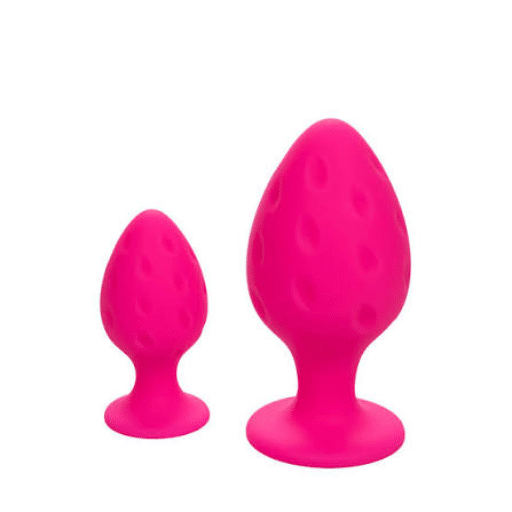
Good silicone starters include non-powered dildos and simple vibrators. Anal toys work too, but only with a proper flared base and safe geometry.
What should you avoid first? Large dual-density pieces, complex electronics, and novelty shapes. Each raises tooling or failure risk before you have revenue to absorb it.
If you want a wider view of which categories convert, our ranking of best private label sex toys compares margin and compliance difficulty across product types.
ODM vs Custom Mold for Private Label Silicone Sex Toys
This is the decision that shapes your budget. Both routes are private label. They differ in who owns the design, what you pay upfront, and how fast you reach market.
| ODM catalog design | Custom mold (OEM) | |
|---|---|---|
| MOQ | From about 100 units for existing house molds | Around 300 units and up, higher for complex shapes |
| Tooling cost | None; the factory’s mold cost is amortized into unit price | Roughly 800−800−1,500 simple, $8,000+ complex |
| Customization | Color, logo, minor geometry | Full control over shape, firmness, construction |
| Lead time | Samples in days, bulk in roughly 15-20 days | Mold in 10-18 days, then sampling, then 20-35 days |
| Design IP | Factory owns the design; usually non-exclusive | You own the design if you pay for the mold |
| Best for | Testing demand, speed, low upfront cash | A signature, defensible flagship product |
The numbers above draw on published manufacturer guidance (Newtop Silicone and MyMitour), and they move with shape complexity, so treat them as planning ranges.
Here’s the trap. A custom mold feels like the “serious” choice, so founders reach for it too early. But tooling is a fixed cost you pay before you know whether anyone wants the product.
Dana’s 2,200moldon500unitsadded2,200moldon500unitsadded4.40 to every unit before a single sale. At that volume, the ODM design was cheaper per unit and carried zero downside if the product flopped.
Do the break-even first. Divide the mold cost by your expected unit volume, then compare that figure to the price difference between the custom unit and the ODM unit. If the custom route costs more per unit than ODM at your likely volume, start on ODM.
There’s a middle path too. “Modified ODM” means you pay a small tooling fee for a partial change, usually a logo cavity or a minor geometry tweak, without commissioning a full mold. It’s a useful way to add a signature touch while staying light on tooling.
Private Label Silicone Sex Toys: MOQ and Cost Math for a Brand Line
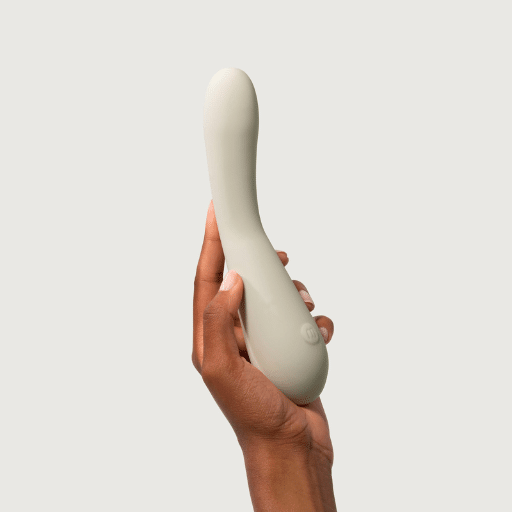
MOQ in silicone isn’t one number. It’s a stack of minimums that decide your true first-order cost.
- Per-SKU minimum. The floor for producing a given design, often set by the mold’s cavity count.
- Per-color minimum. Custom colors usually carry their own minimum, because the factory runs a separate batch for each shade.
- New-mold versus existing-mold. A new design pushes the minimum higher; an existing house mold keeps it low.
Here’s a simplified first-order budget for a three-SKU silicone line, assuming existing molds:
| Line item | Lean launch | Standard launch |
|---|---|---|
| First order (3 SKUs, low MOQ) | 3,000−3,000−4,500 | 6,000−6,000−9,000 |
| Custom packaging | 500−500−1,200 | 1,500−1,500−3,000 |
| Sampling | 250−250−400 | 400−400−700 |
| Certification documentation | 300−300−800 | 800−800−2,000 |
Then run the unit math. If a silicone dildo lands at 6.00perunitall−inandretailsat6.00perunitall−inandretailsat34, gross margin sits near 82% before marketing. That’s the silicone advantage: a higher unit cost paired with an even higher price ceiling.
Founders overspend in predictable places. They order too many colors before knowing which sells, commission tooling before validating demand, and ignore shipping weight on dense silicone products. Each mistake drains the exact cash a young brand needs to survive.
Want a real first-order number instead of a range? Send your target SKUs and volumes, and we will quote a silicone line against Joyflick’s 300-unit trial minimum. Request a quote
Certifications and Compliance for Private Label Silicone Toys
Certifications for a private label silicone SKU follow a sequence, and the order matters because it protects your cash.
Start with material safety. Your factory should supply documentation proving the silicone grade, typically a raw-material certificate of analysis plus finished-product test reports. This is the foundation. ISO 3533:2021, the international standard for sex toy design and safety requirements, is the reference point to ask about.
Next, add market-specific compliance. CE for Europe, FDA-related documentation for the US, RoHS where electronics are involved, and REACH for chemical restrictions. A pure silicone product clears these faster than a multi-material one.
Last, scale the documentation as you grow. Early on, you need enough to sell legally and defend a claim. Extra testing can wait until revenue supports it.
Two cautions keep this honest. First, a raw-material certificate doesn’t prove the finished toy is safe. Pigments, adhesives, and hardware introduce variables, so insist on finished-product testing. Second, requirements vary by market and change over time, so have a professional confirm the specifics for your jurisdiction before you commit to a claim.
Specifying Your Silicone Product to the Factory
A precise silicone brief cuts sampling rounds, and sampling rounds are where small brands quietly lose money.
Your request should specify the shape and dimensions, the Shore hardness (firmness), the surface finish, the colors by reference, the base or core construction, and the packaging. Firmness is the spec founders forget, and it changes the entire feel of the product, so never leave it to chance.
This is where Priya’s first line went wrong. She approved a sample by photo and described it only as “soft.” The production run arrived noticeably firmer than the sample she had held. Reworking the batch cost her $1,400 and a month of launch delay. A single line in her brief, “Shore 00-50, matte finish,” would have prevented all of it.
Red flags in a silicone quote include no mention of cure type, no hardness specification, and no test documentation. Any of those three means the factory is not used to working with brands that ask hard questions.
From Sample to Shelf: Timeline and First-Order Checklist
Silicone follows a predictable timeline once the design is set. For existing ODM molds, expect sampling within days and bulk production in roughly two to three weeks from the purchase order. For a custom mold, add ten to eighteen days for tooling, then a T1 sample, then production.
Before you release a first order, confirm four things:
- The approved sample matches your written spec, including hardness and finish.
- Packaging and insert cards are print-ready and align with your private label packaging plan.
- Certification documents are on file and match the market you intend to sell into.
- Shipping weight and freight costs are quoted, not estimated.
If your volumes are small, our guide to low MOQ adult toy manufacturing covers how to negotiate a trial order without paying premium pricing.
Common Mistakes When Launching a Silicone Private Label Line
Six mistakes account for most stalled silicone launches:
- Choosing ODM or custom before running the break-even. Tooling is a fixed cost, so it only makes sense above a certain volume.
- Launching too many SKUs. Cash trapped in slow inventory cannot fund the SKU that would actually sell.
- Under-specifying hardness and finish. Vague briefs cause rework, and rework costs both money and time.
- Treating silicone like TPE in logistics. Silicone is denser, so freight and packaging assumptions must change.
- Delaying certification paperwork. Compliance gaps surface at the worst moment, usually right before launch.
- Chasing the lowest unit price. The cheapest quote often means undocumented material, which erodes the exact body-safe claim your brand depends on.
The Bottom Line
Private label silicone sex toys reward planning more than capital. The brands that succeed start with two to four SKUs on existing ODM designs, run the break-even before paying for a mold, and treat certification as a sequence rather than a single checkbox.
Silicone is a strategy, not just a spec. Its higher unit cost funds a higher price ceiling, and a body-safe claim gives a new brand something to stand on that a generic material never can. Get the material and the math right, and the rest of the launch gets easier.
Joyflick produces private label silicone lines with platinum-cured medical-grade material, in-house tooling, and documentation on request, all from a 300-unit trial minimum. If you’re ready to plan your first silicone line, start a conversation with our team and we will help you spec it.
Frequently Asked Questions
What are private label silicone sex toys?
Private label silicone sex toys are body-safe silicone products manufactured under your brand name rather than the factory’s. You can build them from a factory’s existing ODM design, a lightly modified design, or a proprietary shape you own through a custom mold. All three are private label; they differ in cost, speed, and how defensible the design is.
Should I choose an ODM catalog design or a custom silicone mold?
Start with ODM unless you have a specific shape you need to own. An ODM design carries no tooling cost, a lower MOQ (sometimes from about 100 units), and a faster launch. A custom mold starts around 800−800−1,500 and only pays off after a certain unit volume. Run the break-even before committing.
What is the MOQ for private label silicone sex toys?
MOQ depends on the mold. Existing house molds can start as low as 100 units, while new custom molds typically begin around 300 units and rise with complexity. Color changes often add their own minimum because each color runs as a separate batch.
How much does a custom silicone mold cost?
Roughly 800to800to1,500 for a simple single-cavity mold, and $8,000 or more for complex multi-cavity tooling. The exact figure depends on shape complexity, cavity count, and finish requirements.
How many silicone SKUs should I launch with?
Two to four. A first line usually works best as one flagship, one or two volume sellers, and one upsell. Silicone ties up more cash than TPE, so a smaller, validated line protects your runway.
Is silicone better than TPE for a private label brand?
For most brands building long-term value, yes. Silicone costs more per unit but supports a higher retail price, easier compliance documentation, and a credible body-safe claim. TPE can make sense for a strictly budget-positioned line, but it limits both positioning and margin.
Can I get exclusivity on private label silicone toys?
Yes, but usually only through a custom mold. ODM designs are typically non-exclusive and may be sold to other brands. If you pay for a dedicated mold, you generally own the design and can negotiate exclusivity.
Do private label silicone toys need their own certifications?
They need documentation appropriate to each market you sell into, such as CE for Europe, FDA-related documentation for the US, RoHS where electronics are involved, and REACH for chemical restrictions. Your factory should supply material and finished-product test reports, and you should confirm requirements for your jurisdiction.