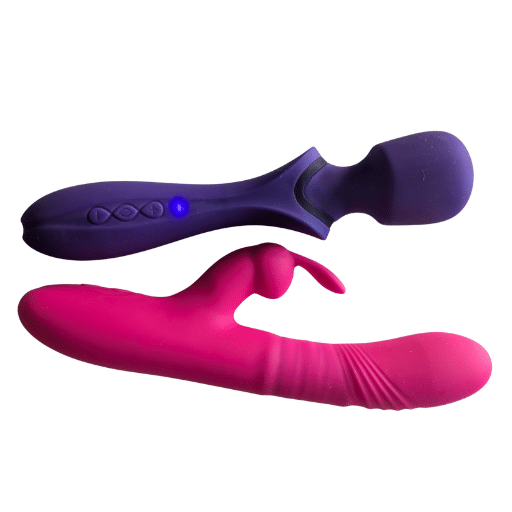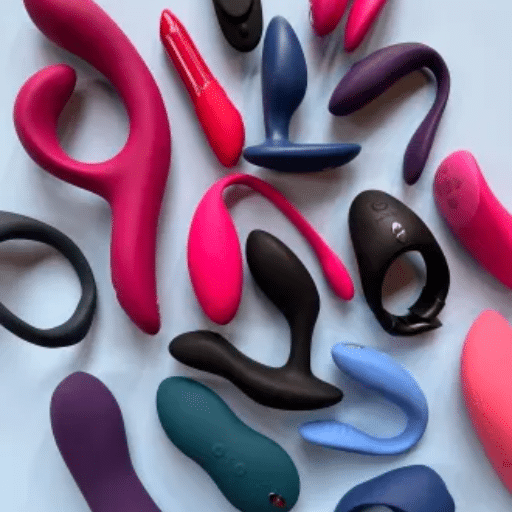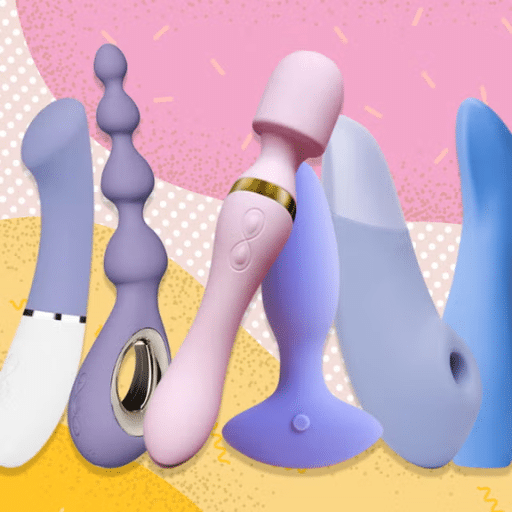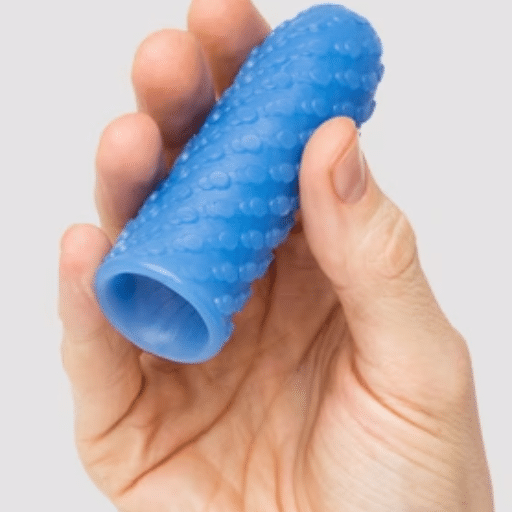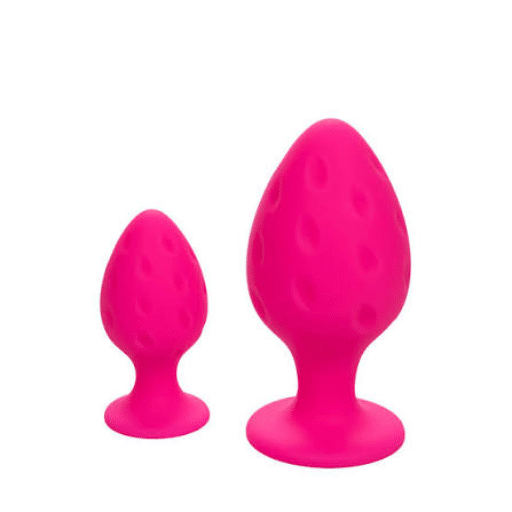

The silicone sex toy trends defining 2026 are dual-density realism, app-connected smart features, mass customization, inclusive design, sustainable sourcing, wellness positioning, discreet aesthetics, and rising compliance pressure. Silicone sits underneath most of them, because it is the body-safe material that supports soft-touch realism and electronics at the same time.
Here is the part most trend articles skip. A trend is not a product line. Every headline in the category implies a decision about material grade, tooling, certification, and cash, and those decisions are where brands win or lose.
Priya launched her first silicone line in 2025 after reading six trend roundups. Three of them called app-connected toys the future. She committed to 5,000 units of a Bluetooth vibrator before running a single test order. The app shipped late, the firmware needed two hardware revisions, and she burned most of her launch budget on tooling she couldn’t reuse. Her next product, a simple dual-density dildo, outsold that vibrator three to one.
This guide separates the eight trends shaping silicone sex toys in 2026 from the noise most adult toy trends 2026 coverage repeats, and translates each one into what it takes to build.
New to the category? Start with our guide to silicone sex toys for the material and product-type basics.
Pressure-testing a trend before you commit? Send us your concept for sampling and a quote.
Key Takeaways
- The eight trends that matter in 2026 are dual-density realism, app-connected features, mass customization, inclusive design, sustainable sourcing, wellness positioning, discreet aesthetics, and compliance pressure.
- Two of them need capital: dual-density construction and electronics integration both raise tooling complexity, per-unit cost, and development time.
- Four are configuration plays. Inclusivity, customization, discreet design, and packaging trends are mostly pigment, geometry, and finish decisions with low marginal cost.
- Market-size claims for this category range from roughly 3.1billionto3.1billionto89 billion depending on how the researcher defines the market. Cite one source with its definition, never a blended number.
- Pick two or three trends, validate with samples and a small trial order, then commit to tooling. Trend selection beats trend chasing every time.
Why Silicone Sits at the Center of Every 2026 Trend
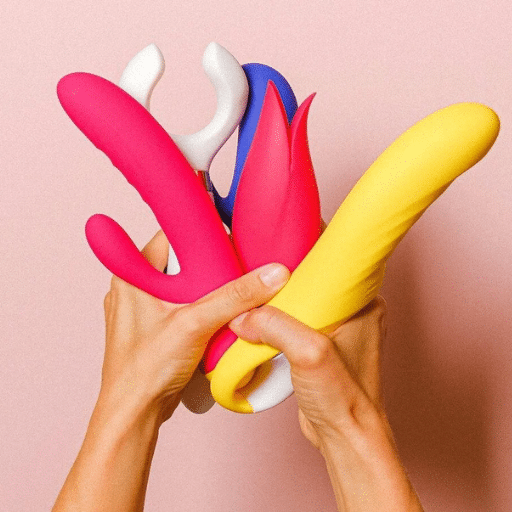
Silicone is not one trend among eight. It is the substrate the other seven run on.
The category has spent a decade moving away from PVC, jelly, and low-cost TPE toward non-porous, body-safe materials. That shift sped up as consumers started asking about material composition and long-term safety instead of novelty features. Silicone answers that: it’s non-porous, hypoallergenic, phthalate-free, and easy to cast at almost any firmness.
That range is the quiet advantage. One material can become a plush outer skin, a rigid core, or a sealed shell around a motor. Few materials do all three, which is why realism and electronics both land on silicone. It is also why body-safe silicone toys now anchor the premium tier across every product type.
Market data backs the direction, but the numbers need care. The Insight Partners values the sex toys market at 45.29 billion in 2025 and projects 45.29 billion in 2025 and projects 89.79 billion by 2034, a 7.9% CAGR. Research and Markets puts 2026 at 45.32billion,risingto45.32billion,risingto64.43 billion by 2030.
Now compare those with a narrow “adult sex toy” definition, which LP Information values near $3.1 billion. Same category, wildly different numbers, because the definitions differ. Treat every market-size claim as definition-dependent, and quote one source at a time.
One honest caveat: TPE still owns the low-cost tier, and it isn’t going anywhere. If your strategy is price-led, silicone isn’t the answer, and pretending otherwise won’t sell units.
The 8 Silicone Sex Toy Trends to Watch in 2026
The biggest silicone sex toy trends in 2026 are dual-density realism, app-connected features, mass customization, inclusive design, sustainable sourcing, wellness positioning, discreet aesthetics, and compliance-driven planning. Each one changes what you build, what it costs, and how long it takes to reach a shelf.
Before the detail, here is how each silicone sex toy trend reads from a manufacturing seat.
| Trend | What’s driving it | Build implication | Build signal |
|---|---|---|---|
| Dual-density realism | Demand for skin-like feel at premium prices | Two materials, core design, longer cycle times | Strong, needs capital |
| App-connected toys | Smartphone control, long-distance use, sensors | Sealed electronics, heat management, separate compliance | Conditions apply |
| Mass customization | Consumers rejecting one-size-fits-all | Flexible tooling and per-unit cost tolerance | Conditions apply |
| Inclusive design | Skin-tone, size, and gender-neutral expectations | Wide pigment library, flexible mold geometry | Strong, low cost |
| Sustainable sourcing | Buyer pressure and eco-positioning | Recycled packaging, honest material claims | Strong, needs evidence |
| Wellness positioning | Pelvic floor, menopause, men’s wellness | Tighter claim language and documentation | Conditions apply |
| Discreet aesthetics | Products that read as lifestyle objects | Finishing and noise control, not new chemistry | Strong, cheapest |
| Compliance pressure | EU GPSR, REACH, test-report expectations | Certification lead time in the product calendar | Strong, mandatory |
1. Realism, Engineered: Dual-Density and Multi-Durometer Construction
Realism stopped being a marketing word and became a construction spec. The clearest example is dual-density silicone: a soft outer shell bonded over a firmer core. The surface feels plush, and the body still holds its shape.
The mechanism is a two-stage cast or a multi-shot molding process, and the quality risk is bonding. If the layers do not fuse cleanly, the shell separates and traps moisture, which is the most common failure mode in budget dual-density products.
For a brand, the implication is cost. Dual-density adds a second material, a core design, and longer cycle times, so it pays off on a hero SKU and rarely across a whole catalog. Our breakdown of dual-density silicone sex toys covers the Shore pairings and the bond tests that separate a real OEM partner from a trading company.
2. Smart, App-Connected Silicone Toys
App control, Bluetooth, and long-distance connectivity are now expectations in the premium tier, not differentiators. Trade coverage of CES 2026 described pleasure tech moving from a marginal niche to a visible consumer-electronics category. Sensors, dual motors, integrated heat, and AI-driven responsiveness led the launches. The Star reported that Chinese makers are approaching the AI wave cautiously, a useful signal for anyone tempted to over-commit.
Here is what the trend means on the factory floor. Electronics change the silicone spec. You need sealed motor bays, correct hardness around the housing, and heat management, plus a separate compliance path for the electronic assembly.
Sensors and AI features also extend development. Firmware revisions can force hardware revisions, which is exactly what caught Priya’s launch. Read how the build works in our guide to custom silicone vibrator manufacturing before you budget for it.
3. Mass Customization and Made-to-Measure Silicone
A small but visible segment sells made-to-order products built from customer measurements or photos, including 3D-printed medical-grade silicone. It’s impressive, and it’s also an operations model more than a product feature.
True one-of-one production demands flexible tooling, tolerance for higher per-unit cost, and a workflow for individual approvals. That’s a different business, not a different SKU.
For most brands, the viable middle ground is semi-custom silicone sex toys: color and skin-tone ranges, texture choices, and size tiers. These deliver the personalization customers say they want at a marginal cost you can absorb. Validation runs start low, which is why a low MOQ adult toy manufacturing setup matters when you’re testing this trend.
4. Inclusivity by Design: Skin Tones, Sizes, and Gender-Neutral Forms
Inclusive design has moved from a statement to a purchasing factor. Buyers expect broader skin-tone ranges, neutral colorways, and gender-neutral forms. They also want products built for trans users, post-surgery bodies, and older adults, a segment the industry still underserves.
In manufacturing terms, this is good news. Most of the work is a pigment library and flexible mold geometry, not a new material system. A wide color range and a couple of size tiers can carry an inclusive line at low marginal cost.
The trap is treating inclusivity as a colorway swap on a product shaped for one body. The meaningful version starts at the concept stage, with the form itself designed for a broader range of users.
5. Sustainability Moves from Marketing to Sourcing
Sustainability is now a sourcing question, and honesty is the whole game. Silicone, including platinum-cured grades, isn’t biodegradable. Brands that imply otherwise get exposed the moment a journalist or a competitor asks a direct question.
The defensible 2026 position is durability as sustainability. A silicone toy that lasts years replaces disposables, which is a real environmental argument. Layer that with recycled or ocean-bound plastic in packaging, rechargeable power instead of batteries, and reduced packaging volume.
Then document the supply chain, because material claims now get audited. Our overview of sustainable materials for adult toys covers what holds up to scrutiny, and what does not.
6. Wellness Positioning and Therapeutic Silicone
The category keeps drifting toward wellness. Pelvic-floor trainers, menopause comfort products, sexual-dysfunction support, and men’s wellness devices are growing faster than novelty SKUs. Buyers increasingly want scientific framing, not hype.
That framing carries risk. Wellness and therapeutic claims invite more regulatory attention than pleasure claims, especially when a product implies a clinical benefit. Keep the language precise, keep material documentation audit-ready, and do not claim a clinical outcome without evidence.
If your line touches therapeutic positioning, verify the material story first. Medical-grade silicone is a raw-material grade with biocompatibility testing, not an FDA device approval, and mixing those two up is the fastest way to lose credibility.
7. Discreet, Aesthetic “Pleasure Design”
Discreet design is having a moment. Expect quiet motors, compact and travel-friendly formats, charging cases, and silhouettes that read as wellness or lifestyle objects instead of obvious adult products.
From a manufacturing view, this is a finish and assembly trend. Soft-touch surfaces, matte finishes, and seamless molding do most of the work, and noise control is an assembly problem as much as a silicone one.
It’s also one of the cheapest trends to adopt. A finish change and a packaging rework can reposition an existing product without new tooling. That makes it a sensible first move for a budget-limited brand.
8. Compliance Pressure as a Defining Trend
The least glamorous trend is the one that decides shelf access. Regulators are tightening expectations on material reporting and product documentation. In the EU, REACH compliance and newer traceability requirements apply to silicone products, and many small brands have never produced the paperwork.
Treat compliance as a design input, not an afterthought. Certification lead time belongs in the product calendar next to tooling and sampling, and the documentation burden lands hardest on electronics-integrated products.
Our guide to silicone sex toy certifications covers what applies where. The short version: plan it before you commit, because retrofitting compliance is expensive and sometimes impossible.
What These Silicone Sex Toy Trends Mean for Brands
Most trend coverage stops before this part, so read it slowly. This is where a silicone sex toy trend turns into a budget line.
Marcus ran a mid-sized brand with existing tooling and decided to move his entire catalog to dual-density in one season. The trend was real and the products sold. But the tooling change ate nearly two quarters of margin and delayed his spring line. One hero SKU would’ve captured the same demand at a fraction of the risk.
The lesson is that trends read differently depending on what you already own. Ask three questions before you build.
Does the trend need capital or configuration? Dual-density and electronics need tooling, engineering time, and certification work. Inclusivity, customization, and discreet design mostly need decisions about pigment, geometry, and finish.
Where does the cost land? Not in the material. Complexity shows up in tooling, assembly steps, cycle time, and testing, which is why a small feature change can double a per-unit cost.
Is the trend durable or a single-season spike? Realism, inclusivity, and compliance are structural. Some AI features are tied to a single app ecosystem and carry platform risk.
Then validate cheaply. Order samples, run a small trial batch, and sell it before you commit to a dedicated mold. If a trend can be served with a standard product and a finish change, do that first.
How to Build a Trend-Aligned Silicone Product Line
Six steps, in order. Skipping one usually costs more than the step itself.
- Pick two or three trends, not eight. Map each to a hero SKU, a core SKU, and one low-risk test product.
- Choose construction per SKU. Single-density silicone for volume, dual-density for the hero, electronics only where the feature earns its price.
- Specify material and hardness in writing. Grade, cure system, and firmness range per part, confirmed on the spec sheet rather than assumed from a sample.
- Design for certification from day one. Build test reports and documentation into the timeline, not on top of it.
- Validate with samples and a trial order before dedicated tooling. This is where a low MOQ turns into real risk reduction.
- Plan packaging and positioning as part of the trend. Discreet, inclusive, and sustainable cues live in the box as much as the product.
When Elena’s team tested app-connected features, they did it with a 300-unit run on an existing shell rather than new tooling. The feature underperformed with their audience, and they walked away from the trend for under $10,000 instead of a full product cycle. That’s the framework working as intended.
Focus on the trends your buyer asks about, and let the others pass. If you’re ready to move, our silicone sex toys wholesale guide covers the sourcing side in detail.
FAQ
What are the biggest silicone sex toy trends in 2026?
The biggest silicone sex toy trends in 2026 are dual-density realism, app-connected smart features, mass customization, inclusive design, sustainable sourcing, wellness positioning, discreet aesthetics, and compliance-driven planning. Silicone anchors most of them because it supports soft-touch realism and electronics integration in one body-safe material.
What is dual-density silicone and why is it trending?
Dual-density silicone bonds a soft outer shell over a firmer core to create a skin-like surface with a shape-holding interior. It is trending because buyers pay a premium for realism. The manufacturing risk is delamination, so bond quality is the test that separates a capable silicone factory from a reseller.
Are app-connected sex toys worth manufacturing?
They are worth manufacturing when the feature earns its price and you can absorb a longer development cycle. Electronics require sealed motor bays, heat management, and a separate compliance path. If your audience is price-led or your budget is tight, treat app connectivity as a later phase, not a launch feature.
Is silicone better than TPE for new products in 2026?
Silicone is better for body-safe, premium, and long-life positioning because it is non-porous, hypoallergenic, and sterilizable. TPE remains more cost-effective for price-led products. Choose by positioning, not by trend. If your margin depends on being the cheapest option, TPE is still the honest answer.
Are sustainable sex toys eco-friendly?
Partly. Silicone isn’t biodegradable, so any claim implying it is won’t hold up. The defensible position combines durability, recycled packaging, rechargeable power, and documented supply chains. Treat sustainability as a sourcing practice with evidence behind it, not a label.
What certifications are needed to sell silicone toys?
Requirements vary by market. In the EU, REACH governs material compliance, GPSR adds traceability and documentation duties, and CE marking applies to the electronic components of powered products. In the US, material-safety and food-contact documentation matters more than an approval. None of this makes a toy an FDA-approved medical device, regardless of the silicone grade used.
How do I choose which trend to build?
Score each trend on three questions: does it need capital or configuration, is it durable or a single-season spike, and can you validate it with a small trial order. Pick the trends that score well on all three, and build no more than two or three at once.
Conclusion
Silicone sex toy trends in 2026 reward brands that read them as build decisions rather than headlines. Realism and app connectivity need capital and engineering discipline. Inclusivity, customization, and discreet design are configuration plays that deliver most of their value at low marginal cost. Sustainability works only when the claims survive scrutiny, and compliance is now a trend of its own.
The through-line is selection. Brands that pick two or three trends aligned with their audience and their tooling budget consistently outperform brands that chase everything the category announces.
Ready to move from trend to product? Send your concept to Joyflick for sampling and a custom quote. MOQs start at 300 units, standard products ship in 7 to 15 days, and custom orders run 15 to 30 days depending on complexity. Request a quote today.