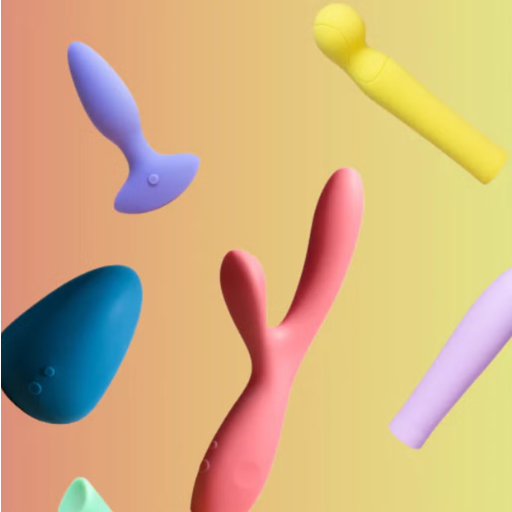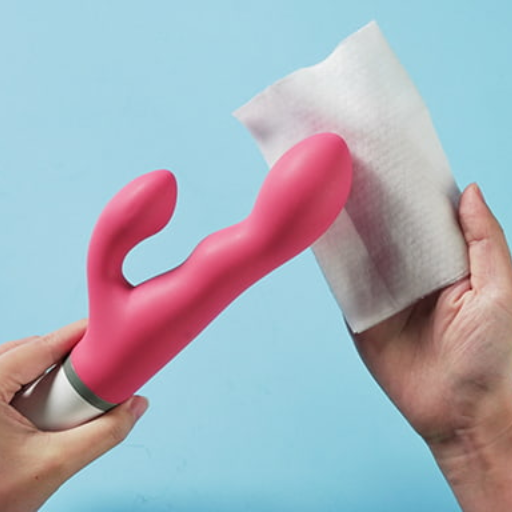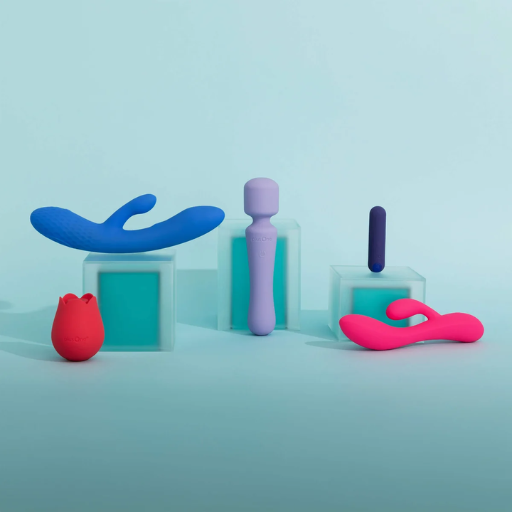
The best private label sex toys for new and growing brands in 2026 are bullet vibrators, wand massagers, rabbit vibrators, silicone dildos, couples’ toys, male masturbators, and anal toys. Each category fits a different brand position, budget, and compliance profile.
What if your first product choice determined whether your brand became a premium name or a forgotten SKU? Last spring, a founder named Elena ordered 2,000 app-controlled couples’ toys before validating her market. She burned through her launch budget, discovered her audience preferred simpler products, and spent six months clearing inventory. Her competitor, Marcus, launched with a 300-unit bullet vibrator order, tested three colorways, and reinvested the profits into a full product line. The difference was not luck. It was category strategy.
In this guide, you’ll learn how to evaluate each category by demand, margin, compliance, and manufacturing complexity. You’ll also see which private label adult toys work best for first-time brands, premium positioning, and repeat purchase growth.
Key Takeaways
- Bullet and mini vibrators are the safest first SKU because of low MOQ, broad appeal, and high perceived value.
- Wand massagers and rabbit vibrators suit premium brands willing to invest in larger packaging and higher testing costs.
- Silicone dildos and non-vibrating toys carry lower compliance complexity, making them ideal for body-safe and eco-friendly positioning.
- Couples’ toys and app-enabled devices offer the strongest differentiation but require longer development cycles and reliable electronics.
- Male masturbators and anal toys serve fast-growing niches but demand precise material transparency and safety design.
- Joyflick supports launches with 300-unit MOQs, ISO-certified production, and export documentation for CE, FDA, and RoHS compliance.
What Are Private Label Sex Toys?
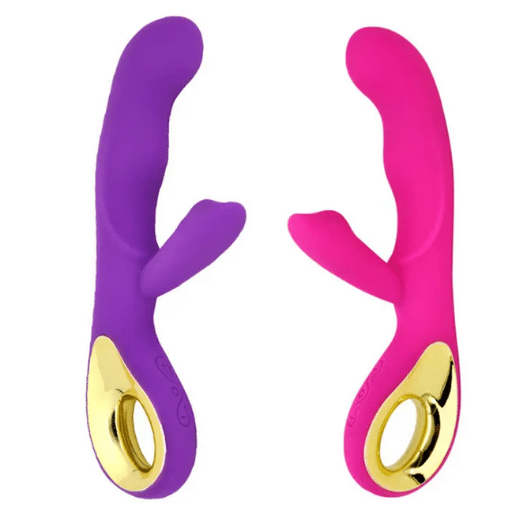
Private label sex toys are products manufactured by one company and sold under another brand’s name. The retailer controls branding, packaging, pricing, and customer experience. The manufacturer handles production, quality control, and often compliance documentation.
This model is different from reselling stock goods. With private label adult toys, you can customize colors, logos, packaging, and sometimes minor features. You build brand equity instead of competing on price alone. For brands that want fully unique shapes, custom sex toys for brands can move from private-label adaptations to full OEM development.
Private Label vs. White Label vs. OEM vs. ODM
Understanding these terms protects your budget and timeline:
- White label sex toys: Pre-designed products with your logo added. Fastest and cheapest path.
- Private label adult toys: Existing designs with custom branding, packaging, and sometimes colors.
- ODM (Original Design Manufacturing): The supplier adapts its existing designs to your specifications.
- OEM (Original Equipment Manufacturing): Fully custom products built from your designs or concepts.
For most startups, private label or ODM strikes the best balance between uniqueness and risk. OEM becomes valuable once you have sales data and capital to invest in proprietary tooling. Many first-time brands begin with OEM vibrators private label programs, then graduate to fully custom designs once they understand their customers.
How to Evaluate a Private Label Sex Toy Category
Choosing the right category is more important than choosing the right supplier. A great manufacturer cannot save a product your audience does not want. Use this framework before you request samples.
Market Demand and Trend Stability
Trendy products can deliver fast wins, but stable categories create durable brands. Vibrators, for example, have represented the largest revenue share of the sexual wellness market for years. Niche products like anal toys or strokers can be highly profitable, but they require stronger audience understanding.
Manufacturing Complexity and Certification Requirements
Electronic toys need battery safety testing, CE marking, and sometimes FCC or UKCA certification. Non-electronic silicone toys face fewer regulatory hurdles but still require material safety testing and proper labeling. More complexity means longer lead times and higher upfront costs.
Margin Potential and Price Point Flexibility
A product with high perceived value and low manufacturing cost gives you pricing power. Bullet vibrators often retail for 8-15x landed cost. App-enabled couples’ toys retail higher but also cost more to develop and support.
Packaging and Branding Potential
Larger products like wands demand premium packaging to justify the price. Smaller products like bullets need compact, discreet packaging. Your packaging strategy affects shipping costs, shelf presence, and unboxing experience.
Repeat Purchase Likelihood
Single-device brands must constantly acquire new customers. Categories with accessory or consumable potential create recurring revenue. Think lubricants, toy cleaners, storage pouches, and replacement sleeves.
Compliance and Safety Considerations
Body-safe materials, flared-base designs, and waterproofing claims are not optional. Each category carries different safety priorities, which we cover in detail below.
The 7 Best Private Label Sex Toys for Brands
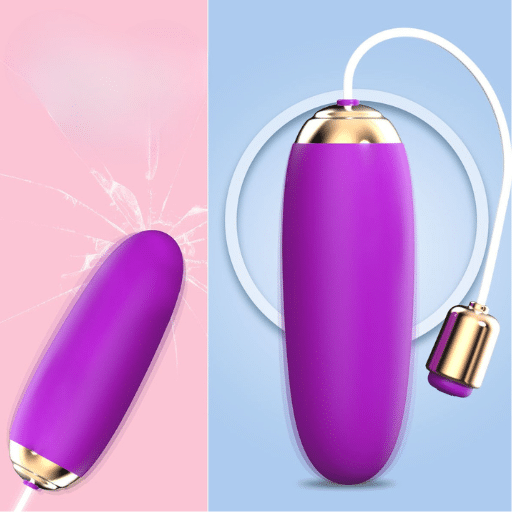
These rankings are based on sourcing practicality, margin potential, compliance complexity, and brand-fit flexibility. They are not personal recommendations; they are business categories for private label launches.
1. Bullet and Mini Vibrators
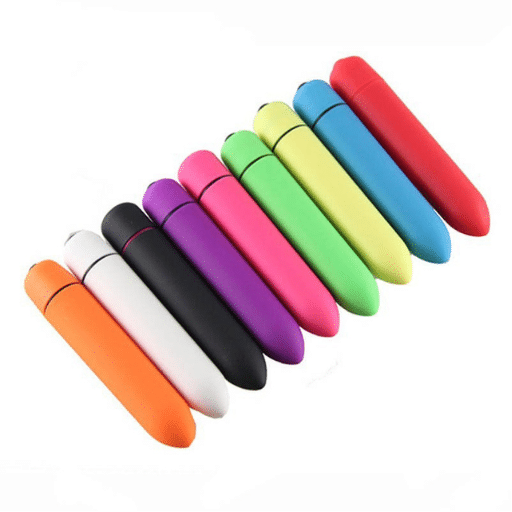
Bullet and mini vibrators are the classic first SKU for emerging brands. They are compact, widely recognized, and easy to brand.
Why they rank first among the best private label sex toys:
- Low MOQ, often starting at 300 units.
- Broad customer appeal across demographics.
- High perceived value relative to manufacturing cost.
- Simple packaging and discreet shipping.
Compliance notes: Rechargeable variants require battery and cable safety testing. Single-use or battery-powered versions face fewer certification hurdles. Always verify CE, RoHS, and FDA material compliance.
Marcus, the founder we mentioned earlier, started here. His 300-unit trial included three colorways and a custom storage pouch. Within eight weeks, he knew which color sold best and reordered 1,000 units with confidence.
Best for: First-time brands, low-risk launches, and testing brand aesthetics.
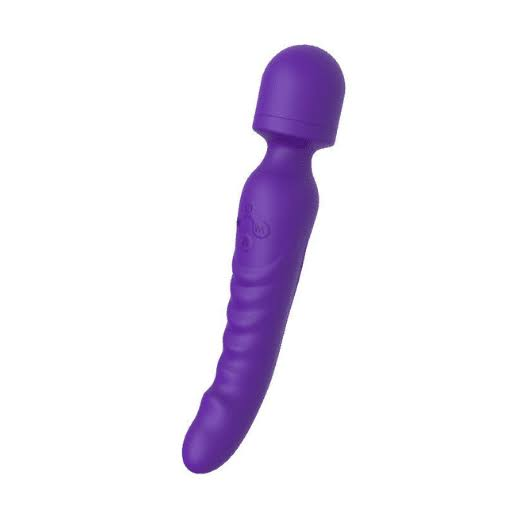
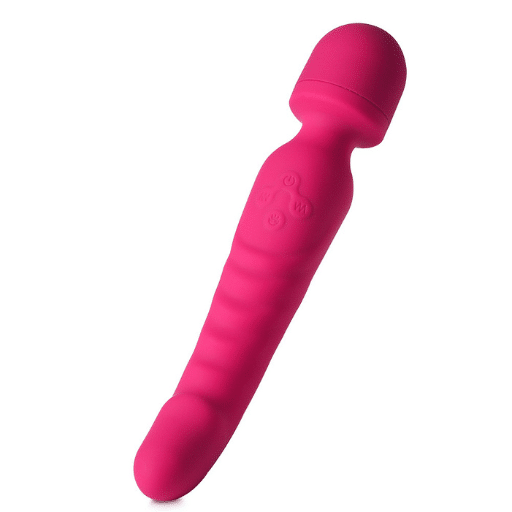
2. Wand Massagers
Wand massagers offer premium positioning and strong wellness crossover appeal. They are larger, more powerful, and often associated with quality.
Advantages:
- High retail price point, often 60−60−150.
- Strong brand loyalty once customers trust the motor quality.
- Wellness positioning broadens advertising channels.
Challenges:
- Larger size increases packaging and shipping costs.
- Heavier units require durable materials and quality motors.
- Premium expectations mean more investment in design and unboxing.
Wands work well for brands that want to enter the market above the budget tier. They also pair naturally with massage oils and accessory bundles.
Best for: Premium positioning, wellness brands, and higher-margin launches.
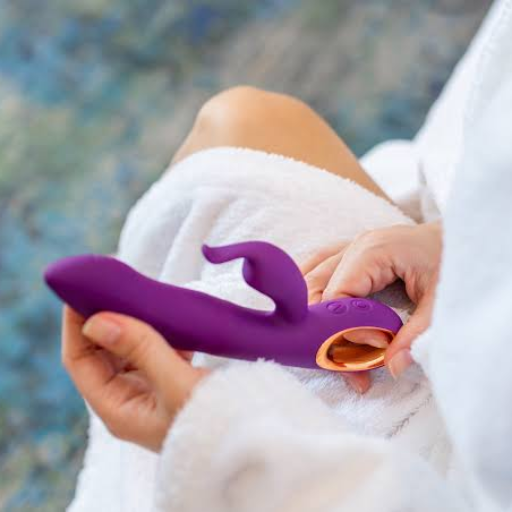
3. Rabbit and Dual-Stimulation Vibrators
Rabbit vibrators sit in the mid-to-premium range. They appeal to customers seeking a single device with multiple stimulation options.
Advantages:
- Higher price point than bullets.
- Strong gift-market appeal.
- Opportunity for distinctive design and color stories.
Challenges:
- More complex assembly with multiple motors.
- Waterproofing and motor reliability are critical.
- Returns rise quickly if quality control is weak.
A well-made rabbit can become a hero SKU. A poorly made one generates negative reviews that hurt the entire brand. Work with a manufacturer that has proven experience with multi-motor assemblies.
Best for: Mid-to-premium brands with strong design focus and quality control.
4. Silicone Dildos and Non-Vibrating Toys
Silicone dildos are the simplest category on this list. No motors, no batteries, no app integrations.
Advantages:
- Lower compliance complexity.
- Strong body-safe and eco-friendly positioning.
- Long product lifespan.
- Easier to manufacture in small batches.
Challenges:
- Lower perceived value unless paired with premium materials and design.
- Competition from low-cost mass-market options.
- Suction-cup, dual-density, and hand-poured features require specialized molds.
Brands that lead with material transparency and artisanal quality can command premium prices here. Platinum-cure silicone, storage pouches, and discreet packaging add value without adding electronics risk.
Best for: Minimalist brands, eco-conscious positioning, and lower-risk manufacturing.
5. Couples’ Toys and Remote-Controlled Devices
Private label couples toys represent one of the fastest-growing segments. Remote control, app connectivity, and shared-experience marketing make these products highly differentiated.
Advantages:
- Strong marketing angle around intimacy and connection.
- Higher price points for app-enabled versions.
- Opportunity for subscription or accessory pairings.
Challenges:
- Higher development complexity.
- Requires reliable Bluetooth or app integration.
- Firmware, privacy, and compatibility issues can create support costs.
- Longer lead times for custom development.
If you choose this category, prioritize a manufacturer with proven app-connected experience. A buggy launch is costly in reviews and refunds.
Best for: Innovative brands with technical resources and a clear app strategy.
6. Male Masturbators and Strokers
The men’s sexual wellness market has grown significantly. Strokers, sleeves, and automated devices now compete directly with vibrators for shelf space.
Advantages:
- Growing, under-served audience.
- Good repeat purchase potential with replacement sleeves or accessories.
- Range from simple TPE sleeves to high-tech automated devices.
Challenges:
- TPE and TPR materials require clear cleaning instructions.
- Customers demand material transparency.
- Automated devices face the same electronics compliance as vibrators.
Success here depends on education. Clear care instructions, body-safe material claims, and discreet packaging build trust faster than flashy features.
Best for: Brands targeting men’s wellness and sexual health niches.
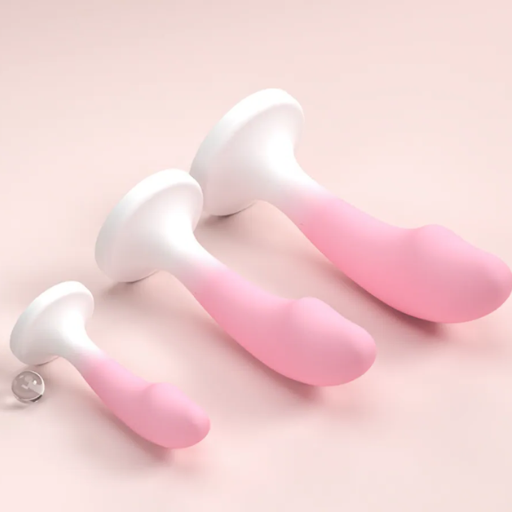
7. Anal Toys and Plugs
Anal toys serve an educated, loyal niche. Customers in this category research materials, safety design, and sizing carefully.
Advantages:
- High community engagement potential.
- Strong educational content marketing opportunities.
- Customers often buy sets or progress through sizes.
Challenges:
- Flared-base design is non-negotiable for safety.
- Sizing and taper must be correct to avoid returns or injury.
- Material quality expectations are high.
This category rewards brands that publish clear guides and prioritize safety. It is not a casual first SKU unless you already understand the audience deeply.
Best for: Niche brands with strong educational content and safety focus.
Comparison: Which Category Fits Your Brand?
| Category | MOQ | Margin Potential | Compliance Complexity | Best For |
|---|---|---|---|---|
| Bullet / Mini Vibrators | Low | High | Medium | First-time brands |
| Wand Massagers | Medium | High | Medium | Premium wellness brands |
| Rabbit / Dual-Stimulation | Medium | High | High | Design-focused brands |
| Silicone Dildos | Low | Medium | Low | Eco/minimalist brands |
| Couples’ / Remote Toys | Medium-High | High | High | Innovative tech brands |
| Male Masturbators | Low-Medium | Medium-High | Medium | Men’s wellness brands |
| Anal Toys | Low-Medium | Medium | Medium-High | Niche educational brands |
This table is a starting point, not a final decision. Your target market, budget, and brand story will shift the weights.
Compliance and Safety by Product Category
Compliance is not a back-office detail. It affects which category is best for your market, your insurance, and your customer trust.
Body-Safe Materials
The most common body-safe materials include:
- Medical-grade silicone: Non-porous, hypoallergenic, durable.
- ABS plastic: Rigid, non-porous, easy to clean.
- Stainless steel: Heavy, durable, and compatible with all lubricants.
- TPE/TPR: Soft and flexible but porous; requires clear care instructions.
Joyflick uses certified materials and provides documentation for EU REACH, FDA, and RoHS compliance.
Certifications to Verify
Depending on your target market, you may need:
- CE marking for the European Economic Area.
- RoHS for electronics with restricted substances.
- FDA compliance for U.S. market claims.
- REACH for chemical safety in the EU.
- UKCA for Great Britain post-Brexit.
Electronic categories like wands, rabbits, and couples’ toys carry more certification requirements than non-vibrating silicone toys. Factor these costs into your landed price.
Labeling and Packaging Requirements
Every category needs clear instructions for use, cleaning, and storage. Electronic toys need voltage, charging, and battery safety information. Products with health claims may face additional scrutiny.
Note: This article provides general guidance. Always consult a compliance professional for jurisdiction-specific requirements.
MOQ, Lead Time, and Cost Considerations
Your first order should answer a business question, not commit your entire budget. That is why low MOQ private label sex toys matter.
How Category Complexity Affects MOQ
Simple silicone items can often be produced in smaller batches because tooling is shared. Electronic items require dedicated motor assemblies, PCBs, and battery configurations, which push minimums higher.
Joyflick offers trial MOQs starting at 300 units for many categories. This lets you validate demand before scaling.
Sample and Prototyping Costs
Before placing a full order, request samples. Evaluate:
- Material feel and finish.
- Motor strength and noise level for vibrators.
- Packaging fit and protection.
- Logo print quality and placement.
Sample costs are small compared to the cost of a failed launch.
Lead Time Ranges
- Stock or white-label products: 7-15 days.
- Private label with packaging changes: 15-30 days.
- Custom OEM development: 45-90 days or longer.
Plan your launch calendar backward from these timelines. Delays in compliance testing are the most common cause of missed launch dates.
Building a Cohesive Private Label Product Line
One SKU can launch a brand, but a product line builds a business. Here’s how to expand without losing focus.
Start With a Hero SKU
Choose one product that represents your brand promise. For a body-safe brand, that might be a premium silicone dildo. For a tech-forward brand, it might be an app-enabled couples’ toy. Everything else should support that hero.
Add Flankers Strategically
Flankers are related products at different price points. A bullet vibrator can flank a rabbit. A small plug can flank a larger plug set. Flankers increase average order value without confusing your brand message.
Bundle Logic
Accessories and consumables improve repeat purchase rates:
- Toy cleaners and storage pouches.
- Lubricants compatible with your materials.
- Replacement sleeves or charging cables.
- Gift sets for seasonal campaigns.
Line Pricing Strategy
Offer three tiers:
- Entry: Affordable, simple, accessible.
- Core: Your hero SKU and best value proposition.
- Premium: Advanced features, premium materials, or exclusive designs.
This structure captures different customer budgets while keeping your brand coherent.
How to Choose the Right Private Label Manufacturer
The right adult toy manufacturers for startups share a few non-negotiable traits.
What to Look For
- Certifications: ISO 9001, CE, FDA, RoHS, and REACH documentation.
- In-house design and R&D: Proven ability to adapt or create products.
- Quality control: Six-stage inspection, defect rates below 0.2%.
- Export documentation: Support for customs, labeling, and regional compliance.
- Clear communication: Responsive account management and transparent timelines.
Red Flags
- No material certifications or unwillingness to share them.
- Vague claims about “FDA approval” without documentation.
- High MOQs for trial orders.
- No sample process before mass production.
- Poor packaging quality on samples.
Questions to Ask Before Ordering
- What is your MOQ for this specific product?
- Can you provide material and compliance certificates?
- What is your defect rate and quality control process?
- Do you offer custom packaging and branding?
- What is the typical lead time for samples and mass production?
- Can you support export documentation for my target market?
If you are evaluating manufacturers, our guide on how to choose the right OEM/ODM partner walks through the full vetting process.
How Joyflick Supports Private Label Launches
Joyflick is an OEM/ODM manufacturer built for brands that want to move fast without sacrificing quality. We combine low MOQs, ISO-certified production, and trend-focused design to help you launch private label adult toys with confidence.
What we offer:
- Trial orders starting at 300 units.
- Custom branding, packaging, and private molding.
- 50+ patented technologies for smart and ergonomic designs.
- Compliance support for CE, FDA, RoHS, and REACH.
- Fast turnaround: standard products in 7-15 days, custom orders in 15-30 days.
Whether you are launching your first bullet vibrator or scaling a premium wand line, we help you choose the right category and bring it to market.
Ready to choose your first SKU? Request a quote and our team will recommend the best private label sex toys for your brand position and budget.
Conclusion
The best private label sex toys for your brand depend on more than popularity. They depend on your budget, target market, compliance target, and brand story. Bullet vibrators offer the lowest-risk entry. Wands and rabbits command premium prices. Silicone dildos simplify compliance. Couples’ toys, male masturbators, and anal toys each serve growing niches with specific requirements.
Start with one category. Validate it. Then build a cohesive line around your hero SKU. The founders who win in this market are not the ones with the biggest first order. They are the ones who choose the right first order.
If you are ready to source the best private label sex toys for your brand, contact Joyflick for a low-MOQ quote and category recommendation.