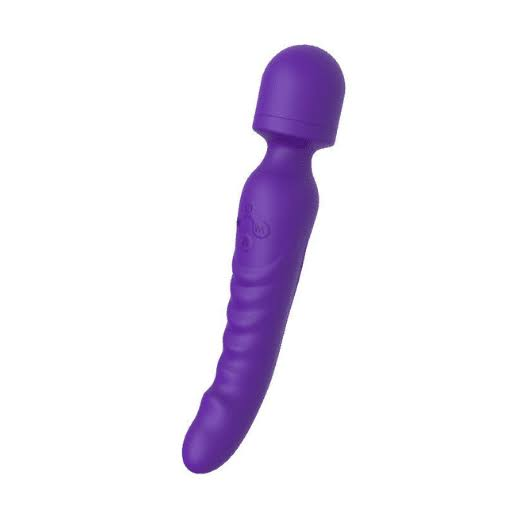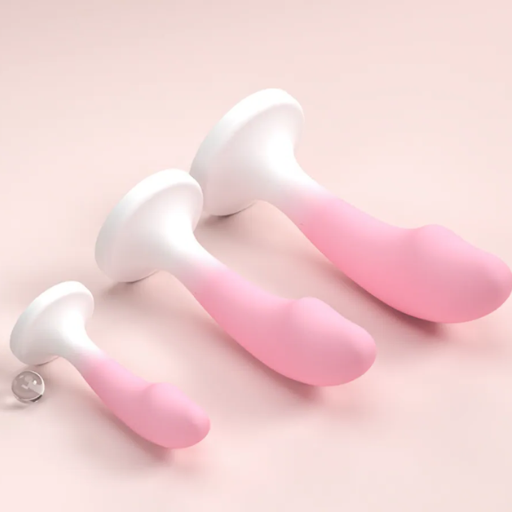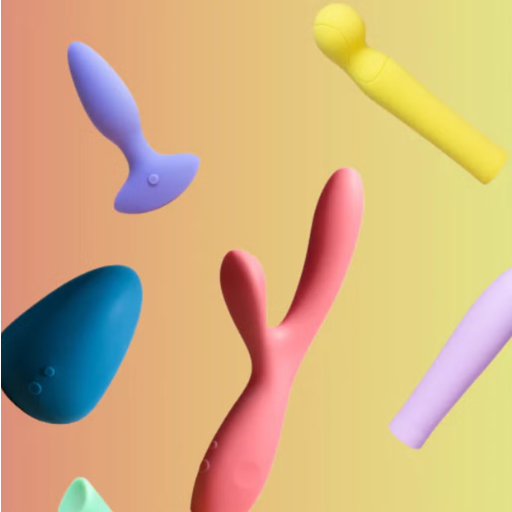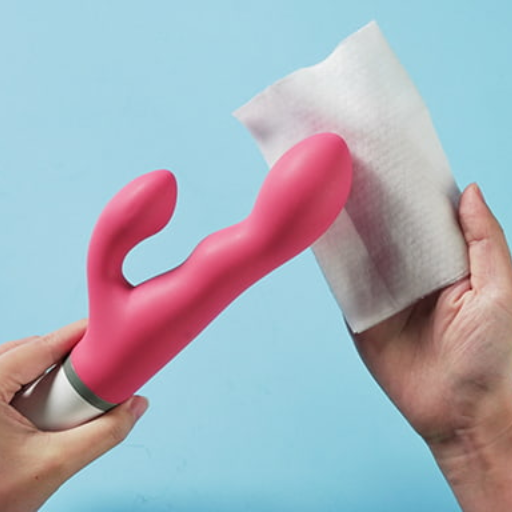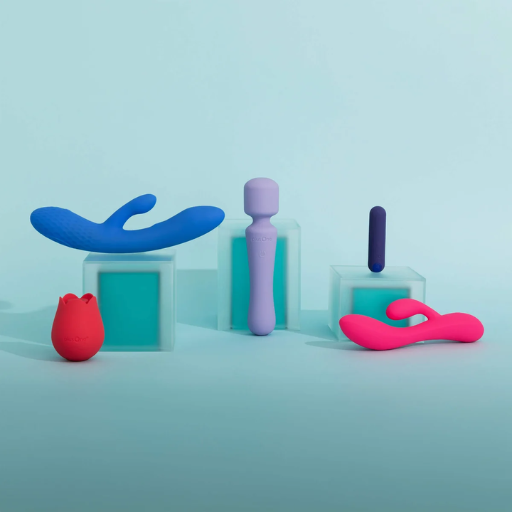
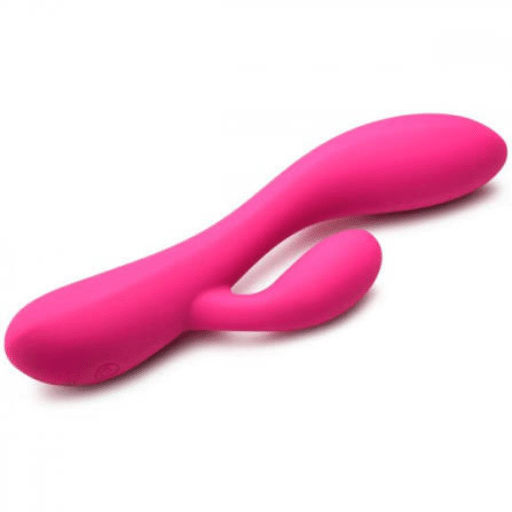
Silicone sex toys are intimate wellness products molded from silicone, the most common body-safe material in the premium adult toy market. The material is non-porous, hypoallergenic, and free of phthalates, which is why it appears across every category, from dildos and vibrators to anal toys and male masturbators. This guide explains what silicone sex toys are, how each product type is engineered, and what it takes to bring a custom silicone line to market.
When Lena launched her boutique adult brand in early 2026, she listed her first product as “silicone” and assumed the label meant safe. The factory sent samples that smelled faintly of plastic and turned tacky within weeks. A third-party lab test later showed her “silicone” toy was actually a TPE blend with a silicone coating. Lena had to recall the run, eat the tooling cost, and rebuild her line around a verified 100% platinum-cured silicone supplier. That mistake is common, and it is exactly why this category guide exists.
Whether you are a founder choosing a custom silicone sex toy for your first order, a product developer comparing material grades, or a retailer deciding which silicone lines to stock, this guide gives you the full picture. You will learn which silicone sex toys sell and why, how the material is chosen and verified, and what to demand from a custom adult toy manufacturer before you sign.
Key Takeaways
- Silicone dominates the premium sex toy market because it is non-porous, hypoallergenic, phthalate-free, and can be sterilized.
- The main silicone toy categories are dildos, vibrators, anal toys, male toys, couples and remote toys, and Kegel balls, each with its own design logic.
- “Medical-grade” and “platinum-cured” describe material quality, not an FDA device approval, so brands must verify test reports rather than trust labels.
- Custom silicone sex toys can be launched at low MOQs (from 300 units) with custom colors, textures, logos, and packaging.
- To verify a supplier, check certifications, request samples, confirm the silicone grade in writing, and arrange third-party testing.
What Are Silicone Sex Toys?
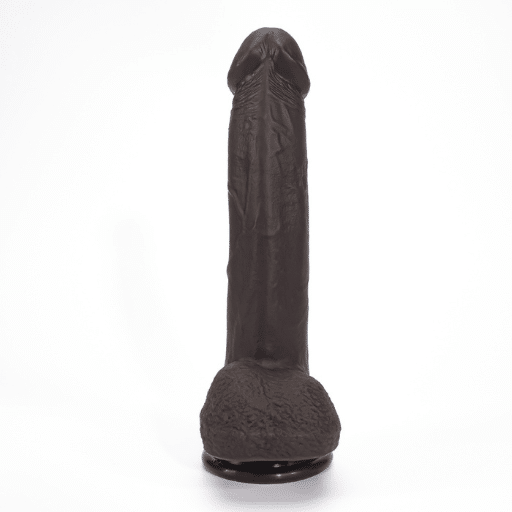
Silicone sex toys are personal wellness products made from silicone, a synthetic polymer that can be cast into almost any shape and firmness. Because silicone is non-porous, it does not absorb bodily fluids or harbor bacteria, which makes it one of the safest and easiest materials to clean in the industry. It is also hypoallergenic, odorless, and phthalate-free, so it suits people with sensitive skin and most common latex or jelly material allergies.
The market treats silicone as the premium default. Analysts at Technavio describe it as the dominant material for premium and medical-grade vibrators, and they project strong growth for body-safe product lines through 2030. In practice, most established brands now build their hero products around silicone, because the material carries a safety story that porous alternatives like PVC and jelly rubber cannot match.
What silicone toys are made of
Toy silicone is a two-part liquid that cures into a solid. Manufacturers mix a base polymer with a catalyst, pour or inject it into a mold, and heat it until it sets. The two common cure systems are platinum cure and peroxide cure. Platinum-cured silicone uses a platinum catalyst, produces almost no byproducts, and is the standard for body-safe toys. Peroxide-cured silicone can still pass safety tests, but it may need post-curing to remove residue.
That distinction matters for brands. When you see a claim of “platinum-cured” or “medical-grade” silicone, you are reading about the raw material and its cure chemistry, not a government seal of approval for the finished toy. Adult toys are generally not FDA-approved medical devices. A responsible supplier will show you material data sheets, cure documentation, and third-party test reports instead of relying on a label.
Why Silicone Is the Best Material for Sex Toys
Silicone earns its reputation through measurable properties rather than marketing. It is the only soft toy material that is fully non-porous, so it resists bacterial growth and deep cleaning without degrading. It tolerates high heat, which allows non-motorized toys to be boiled or run through a dishwasher cycle. It also maintains its shape over years of use, which is why many premium brands can promise long product life.
Let’s compare silicone with the alternatives you will hear about:
| Property | Silicone | TPE/TPR | Jelly/PVC | ABS plastic | Glass/Steel |
|---|---|---|---|---|---|
| Non-porous | Yes | No | No | Yes | Yes |
| Phthalate-free | Yes | Usually | Often no | Yes | Yes |
| Soft/flexible | Yes | Yes | Yes | No | No |
| Can be sterilized | Yes | No | No | Surface only | Yes |
| Body-safe standard | High | Medium | Low | High | High |
| Best for | Insertables, premium | Budget soft toys, sleeves | Cheap novelty | Rigid cases, buttons | Firm, smooth insertables |
The most common comparison is silicone versus TPE. TPE is cheaper and very soft, which makes it popular for budget strokers and sleeves. The trade-off is porosity. TPE absorbs oils and can break down over time, so it cannot be fully sanitized. We cover the full trade-off in our guide to TPE vs silicone sex toys, but the short version is that silicone is the safer, longer-lasting choice for any product that is inserted internally.
Silicone and lube compatibility
One material rule trips up new buyers. Silicone-based lubricant can degrade silicone toys, so silicone toys should be used with water-based lube. Brands that sell insertable silicone products should print this on the insert card, because customer confusion leads to damaged products and returns. Water-based lube is the safe default for every material, and it is compatible with silicone toys, condoms, and body-safe alternatives alike.
Types of Silicone Sex Toys (Product Categories)
Silicone sex toys split into a handful of product families, and each family has its own design and manufacturing logic. The table below gives a quick map of the category before we go deeper into the engineering.
| Product type | What it is | Key engineering factor | Typical firmness | Example uses |
|---|---|---|---|---|
| Dildos | Non-vibrating penetrative toys | Shape, texture, dual-density realism | Soft to firm | Vaginal, anal, strap-on |
| Vibrators | Motorized toys | Motor placement, waterproofing, shell | Medium | Clitoral, G-spot, dual |
| Anal toys | Butt plugs and prostate massagers | Flared base, anatomical curve | Firm to medium | Butt plug, prostate |
| Male toys | Masturbators and strokers | Soft sleeve, internal texture | Ultra-soft | Solo play, realism |
| Couples/remote | App-connected or worn toys | Wireless control, battery life | Medium | Long-distance, couples |
| Kegel/Ben Wa | Pelvic-floor exercise balls | Smooth surface, retrieval cord | Firm | Pelvic health |
For a brand owner, the product type you choose determines the mold, the silicone firmness, the motor (if any), and the certifications you need. The sections below explain what changes between categories so you can brief a manufacturer with confidence.
How firm should a silicone toy be?
Firmness is measured on the Shore durometer scale, and lower numbers mean softer silicone. Ultra-soft toys sit around Shore 00-20, classic medium toys around Shore 00-50, and firm toys climb into Shore A 20 to 40. The right choice depends on the product type and the feel you want. If you want the plain-language version of how firmness works and which range fits which toy, our Shore hardness for silicone sex toys guide breaks it down. A quick visual reference from materials supplier Intertronics shows how the measurement works:
Video: Intertronics explains how Shore hardness is measured and why the scale guides material selection.
Silicone Dildos: Realistic, Textured, and Abstract
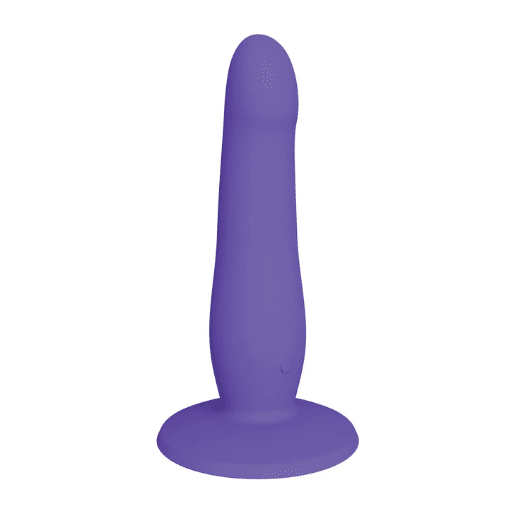
Dildos are the simplest silicone product to understand and one of the most popular categories for new brands. A dildo is a non-vibrating penetrative toy, which means the product is a single piece of silicone with no motor. That simplicity makes it an excellent first product for a startup, because there is no electronics work, no battery compartment, and no waterproofing to solve.
Design decisions for a dildo revolve around shape, surface texture, and realism. Realistic dildos copy human anatomy with veins, glans details, and skin-tone colors. Abstract dildos use smooth, sculptural forms that focus on G-spot or prostate stimulation. Textured dildos add ridges, bumps, and ripples that intensify sensation. The mold must capture every detail, which is why experienced manufacturers use precision steel tooling rather than low-cost molds.
Two features matter for safety and function. A dildo meant for anal play needs a flared base so it cannot be fully inserted and lost. A dildo marketed as strap-on compatible needs a harness-compatible base shape. If you plan a suction-cup base for hands-free use, that surface must be molded flat enough to seal. Every one of these choices changes the mold design, so define them before you approve tooling.
Silicone Vibrators: Motors and Material Working Together
Vibrators add a motor to the silicone equation, and that changes the engineering substantially. A vibrator is not one piece of silicone. It is a silicone shell or surface wrapped around a motor, a battery, and often a control board. Brands can choose silicone-over-ABS, where a rigid plastic body holds the electronics and silicone covers the touch points, or fully silicone-coated bodies that are waterproof and seamless.
The interplay between motor and silicone is the core challenge. Silicone muffles vibration, so the hardness of the shell and the wall thickness around the motor affect how much sensation reaches the user. A shell that is too thick or too soft can dampen the motor. A shell that is too firm can feel harsh. Good vibrator design balances durometer, wall thickness, and motor power, which is exactly the kind of tuning that a manufacturer with real R&D and patent experience handles in-house.
Waterproofing is the other big decision. A waterproof vibrator must seal the motor bay completely, which requires ultrasonic welding, gasket design, or fully molded-in electronics. This adds cost but expands how customers can clean and use the product. App-connected vibrators go further, adding wireless antennas and charging contacts inside the same sealed body. If you plan a smart or app-controlled toy, confirm that your supplier has experience with wireless integration and the certifications those products need.
Silicone Anal Toys: Flared Bases and Prostate Design
Anal toys are a distinct engineering category because they must respect a hard safety rule. Anything inserted anally needs a flared base or stopper wide enough that it cannot slip entirely inside the body. A standard vibrator without a wide base is never safe for anal use. Every silicone butt plug and prostate massager you design must have that anchor built into the mold.
Butt plugs come in graduated sizes and are used for training and extended wear. The design focuses on a tapered tip, a narrow neck that the sphincter can close around, and a wide base. Prostate massagers add a curved shape and often a firmer arm to apply targeted pressure. Because anal tissue is delicate and the product sits internally for longer sessions, manufacturers usually spec a firmer, more stable silicone for the structure while keeping body-safe, non-porous material throughout.
This is also a category where certification depth helps you sell. Retailers in the EU and other regions increasingly ask for evidence that insertable products meet recognized safety standards such as ISO 3533, which sets design and safety requirements for sex toys. A supplier that can provide test reports and export documentation makes market entry far smoother.
Silicone Male Toys: Masturbators and Strokers
The male toy category is dominated by masturbators and strokers, sleeves designed for penetration and stimulation. Here the material debate flips, because many budget brands use TPE sleeves for their soft, skin-like feel and low cost. The catch is that TPE is porous and cannot be fully cleaned, which is a real hygiene concern for a product that is used repeatedly.
Silicone male toys solve the hygiene problem but bring a design challenge. Silicone is firmer and less “sticky” than TPE, so manufacturers must engineer texture and softness to compete on feel. Dual-density silicone is the answer for premium strokers: an ultra-soft inner sleeve over a firmer outer structure. Some brands also design open-ended sleeves so they can be rinsed and dried more easily, reducing the mold and bacteria risks that plague closed TPE products.
If you are building a masturbator, plan for the sleeve to be replaceable or the toy to be fully washable, and design the texture pattern to survive repeated stretching without tearing. Silicone can tear if nicked, so the mold must avoid sharp internal edges that concentrate stress. These details are exactly where a manufacturing partner earns its keep.
How Realism Is Engineered: Dual-Density Silicone
One of the biggest trends in premium silicone toys is dual-density construction. A dual-density toy combines a soft outer layer over a firmer core, mimicking the feeling of skin over firmer tissue. The result is a toy that feels plush on the outside but holds its shape and structure during use.
The manufacturing technique matters here. In multi-shot molding, the toy is molded in two stages so the soft outer layer bonds directly to the firm core. Alternative methods cast or bond the layers in a secondary step. The bond quality is critical. If the two layers do not fuse cleanly, the toy can delaminate or trap air and moisture between layers. A reputable manufacturer will test layer adhesion and use platinum-cured silicone throughout so the final product is a single, cohesive body-safe piece.
Dual-density is not just for dildos. It appears in strokers, plugs, and any product where realism is a selling point. For a brand, dual-density is a premium positioning that justifies a higher price point, but it also demands more complex tooling and higher per-unit cost. Decide whether realism is core to your identity before committing, because once you go dual-density, the mold investment is higher.
Custom Silicone Sex Toys: Colors, Textures, and Branding
Custom silicone sex toys are the heart of the OEM and ODM business. In an OEM project, a brand brings its own design and the manufacturer builds tooling to match. In an ODM project, the brand selects from the manufacturer’s existing designs and customizes color, branding, and packaging. Both routes let you launch a product that carries your identity rather than a generic factory item.
Customization runs deeper than a logo. Brands can specify skin-tone color matching, matte or glossy finishes, surface textures, embossed logos, and even scented or patterned silicone. Private molding gives you an exclusive shape that no competitor can copy from a catalog. Custom packaging carries your brand from the box to the shelf. When you combine these, the toy becomes part of your product line rather than a commodity.
Cost and minimums are the practical gate. Custom color and branding are generally available at low volumes, while a brand-new exclusive mold requires a larger commitment. Joyflick supports trial orders from a low MOQ of 300 units, which lets emerging brands validate a product before scaling.
Ready to spec your own silicone toy? Send your concept or pick an existing design, and Joyflick will quote color, texture, branding, and tooling against your target MOQ. Request a custom quote →
Silicone Grades, Certifications, and Body-Safe Standards
Material grades confuse more buyers than any other topic, so let’s settle it. The terms “medical-grade,” “platinum-cured,” and “food-grade” describe the raw silicone and its testing, and they are not interchangeable. Platinum-cured refers to the cure chemistry. Medical-grade and food-grade refer to safety testing and standards, and both can be platinum-cured.
For insertable toys, 100% platinum-cured silicone is effectively the industry standard for body-safe products. Medical-grade silicone carries the highest assurance because it passes biocompatibility testing such as ISO 10993 or USP Class VI, which are designed for prolonged body contact. Food-grade silicone passes food-contact standards like FDA 21 CFR 177.2600 but is tested for food, not for intimate body contact. Brands often describe their materials precisely for a reason: the more specific the claim, the more confidence it signals.
The certification picture for finished toys is separate from the raw material. Finished adult toys may carry CE, RoHS, and REACH compliance for the European market, and product-specific safety testing is increasingly aligned with ISO 3533. Our guide to adult toy certifications walks through each mark, and our deep dive on medical-grade silicone sex toys explains how to verify the material claims you are quoted. The one rule to remember is this: adult toys are not FDA-approved medical devices, and no responsible manufacturer will tell you otherwise.
How Silicone Sex Toys Are Made
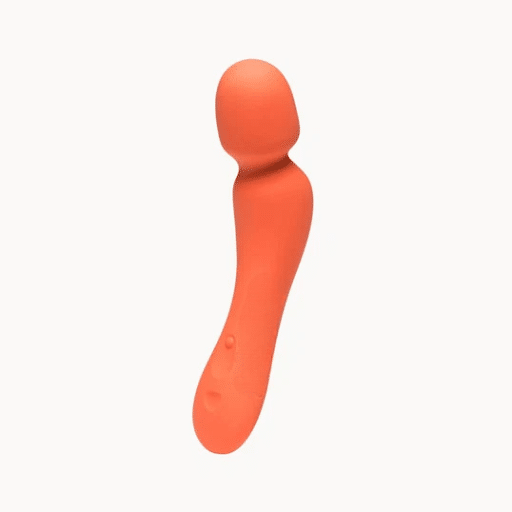
Understanding the production process helps you ask better questions and judge a supplier’s capability. The two dominant methods are compression molding and liquid silicone rubber (LSR) injection molding. Compression molding presses pre-measured silicone into a heated mold and is common for simpler, thicker parts. LSR injection molding injects liquid silicone into a closed mold under pressure, which suits complex shapes, fine detail, and multi-layer designs.
The process starts with raw silicone compound. Manufacturers mix the two-part platinum-cure system with pigments and additives, then vacuum-degas it to remove air bubbles that would create surface defects. The compound is injected or pressed into a steel mold heated to roughly 150 to 170 degrees Celsius, where it cures quickly. Parts are demolded, trimmed, and often post-cured to stabilize the material before inspection and packaging.
Quality control is where a real manufacturer separates from a shell operation. Reputable factories run dimensional checks, visual inspection, material testing, and function tests on motorized products. They maintain documented defect rates and can share test reports. A walkthrough of how a specialist like NewTop Silicone runs its manufacturing process for silicone sex toys gives a realistic sense of the scale and care involved. For a brand, asking about the QC process is not an insult; it is the right first question.
Sourcing a Silicone Toy Manufacturer: A Partner Checklist
Finding the right factory is the difference between a smooth launch and a recall. Use this checklist when you evaluate any silicone toy manufacturer.
- Verify certifications. Ask for ISO, CE, RoHS, REACH, and material test reports, and confirm they apply to your product category.
- Confirm the raw material in writing. The contract should state the exact silicone grade and cure system, not just “silicone.”
- Request samples. Evaluate the feel, finish, and odor of physical samples before you commit to tooling.
- Arrange third-party testing. Use an independent lab such as SGS or TUV to verify material claims and safety compliance.
- Clarify mold ownership and IP. Confirm who owns the mold and what protections apply to your exclusive design.
- Check MOQ and scalability. Look for a partner that supports trial volumes and can scale with you as demand grows.
- Confirm lead times. Standard products should have a defined turnaround, and custom orders should carry a realistic schedule.
- Review QC and defect guarantees. Ask about inspection stages and acceptable defect rates before you place a large order.
This is the same diligence Lena wished she had applied before her recall. She now runs every new material through a lab before it reaches her warehouse, and she works with a partner who documents the silicone grade in every contract.
Silicone Sex Toy Trends for 2026 and Beyond
Brands that build for the trends below will find demand easier to sell against. Realism continues to drive premium sales, with dual-density silicone and skin-tone inclusivity leading the way. Consumers increasingly expect products that reflect a range of bodies and skin tones, not just the default pinks and purples of earlier generations.
Sustainability is moving from a nice-to-have to an expectation. Market researchers note that eco-friendly and recyclable designs now represent a meaningful share of newly introduced products. Brands can respond with recyclable packaging, reduced-material design, and honest material labeling, all of which play well with the body-safe materials message retailers already promote.
Technology is another lever. App-connected and app-controlled silicone toys keep growing, especially in the couples and long-distance segment. For a manufacturer, that means investing in wireless integration, sealed electronics, and smart-control patents, capabilities that position a partner like Joyflick to build products that feel current rather than dated.
Common Mistakes Brands Make with Silicone Toys
Learn from the errors that show up repeatedly in new product launches.
- Trusting a label instead of a test report. “100% silicone” is a claim, not proof. Verify with a lab and require documentation.
- Using one firmness for every product. A stroker and a butt plug need different durometers. Spec hardness per product type.
- Skipping lube-compatibility care inserts. Customers will use the wrong lube unless you tell them, and returns follow.
- Ignoring certification timelines. CE, RoHS, and market-specific testing take time. Plan for them before your launch date.
- Losing mold ownership in the contract. If you paid for tooling, own it. Confirm IP terms in writing.
- Skipping third-party testing to save money. The cost of one recall dwarfs the cost of one lab test.
Each of these mistakes is avoidable with the right partner and a little diligence up front.
FAQ About Silicone Sex Toys
Are silicone sex toys safe?
Yes, when they are made from genuine 100% platinum-cured silicone. Silicone is non-porous, hypoallergenic, and phthalate-free, so it resists bacteria and is easy to clean. The risk comes from products that are labeled silicone but contain porous fillers or blends, which is why independent material testing matters.
Why are sex toys made of silicone?
Silicone is the only soft material that is fully non-porous, which means it will not harbor bacteria; plus, it is body-safe, durable, odorless, and can be sterilized by boiling when the toy has no electronics. Those properties make it the safest premium choice for insertable products.
How do I choose a silicone sex toy?
Choose by product type first: dildos for penetration, vibrators for motorized stimulation, anal toys with a flared base for anal play, and strokers for male toys. Then match firmness and size to the user’s experience level and preferences.
Do silicone sex toys need lube?
Yes. Even though silicone is smooth, a small amount of water-based lubricant makes play more comfortable. Never use silicone-based lube with a silicone toy, because it can degrade the material.
Can you boil a silicone sex toy?
You can boil a non-motorized, 100% silicone toy to sterilize it. Place it in gently boiling water for a few minutes and let it cool before use. Never boil a vibrator or any toy with electronics. Our cleaning guide for silicone sex toys covers daily and deep cleaning in detail.
How long do silicone toys last?
With proper care, silicone toys last for years. Because silicone is durable and resists degradation, most premium toys outlast alternatives by a wide margin. Replace any toy that becomes cracked, torn, sticky, or discolored, since those signs indicate damage.
Build a Silicone Toy Line That Stands Out
Silicone sex toys remain the safest and most versatile category in the adult market, and the brands that win are the ones that verify their materials, choose the right product types, and partner with a manufacturer who can execute. Start with a clear product idea, specify your silicone grade and firmness, and hold every supplier to documented quality standards.
If you are planning a custom silicone product line, Joyflick can help you move from concept to market. We support OEM and ODM builds with low MOQs starting at 300 units, ISO-certified production, and compliance documentation for global distribution. Tell us what you want to create, and we will show you what it takes to make it real.