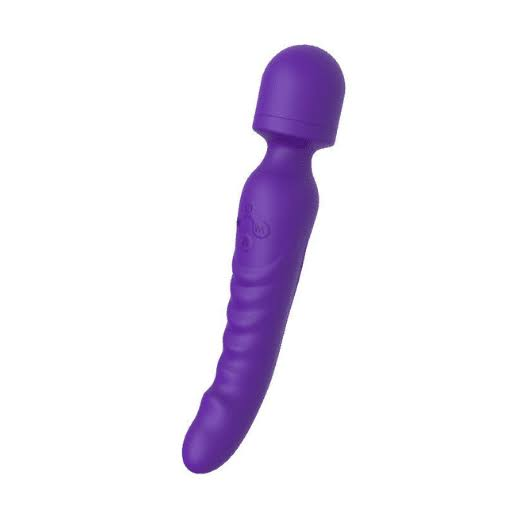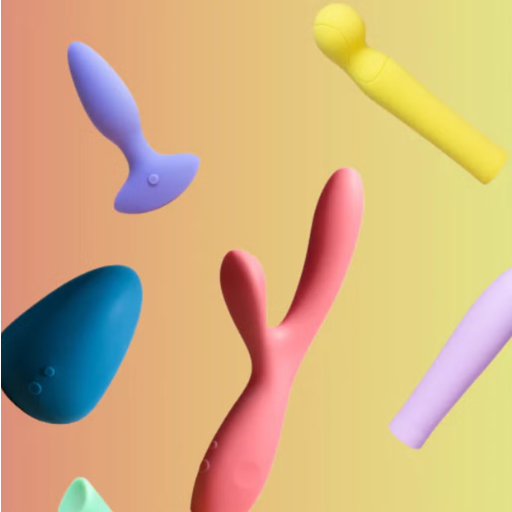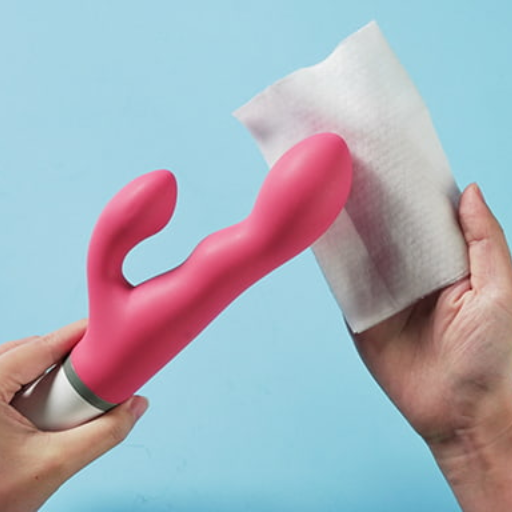

Private label sex toy packaging is custom-branded packaging designed specifically for your adult toy products. It combines brand identity, product protection, legal labeling, and discreet shipping requirements into one cohesive system. Done well, it turns a simple box into a silent salesperson that builds trust before the customer ever touches the product.
Most founders figure this out too late. They invest months perfecting the product, then realize their packaging budget, compliance labels, and minimum order quantity assumptions don’t match what suppliers actually require. By then, launch dates slip and margins shrink.
This guide shows you how to design, source, and launch private label sex toy packaging that protects privacy, passes compliance, and strengthens your brand from the first shipment. You will learn which formats work best for different channels, what labels regulators require, how to keep outer cartons discreet, and how to partner with a manufacturer who can handle both the product and the packaging.
Key Takeaways
- Private label sex toy packaging includes retail presentation, legal labeling, and discreet outer cartons.
- Custom packaging can raise perceived product value by 20-45% compared to plain stock packaging.
- Compliance labels must include manufacturer details, materials, warnings, batch numbers, and country-specific language requirements.
- Discreet outer packaging protects customer privacy and reduces carrier and customs handling issues.
- Low MOQ partners let you test custom adult toy packaging from 300 units rather than committing to 10,000+.
What Is Private Label Sex Toy Packaging?
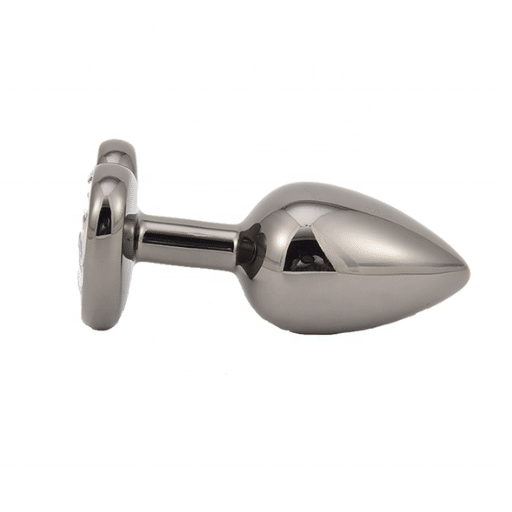
Private label sex toy packaging is any packaging that carries your brand name, design, and required product information rather than the supplier’s generic identity. It covers everything the customer sees and touches, from the retail box and inner pouch to the instruction booklet and shipping carton.
This matters across every sales channel. In retail, packaging is what catches the eye on a shelf. In e-commerce, it shapes the unboxing experience and the review that follows. In wholesale, it signals professionalism to buyers who are deciding whether to reorder.
The goal is not just to look good. Packaging must protect the product, communicate legally required information, reinforce your brand promise, and remain discreet enough for adult-industry logistics. That is why the best packaging decisions are made alongside product design, not after it.
Retail Packaging vs. E-Commerce Packaging
Retail packaging is built for shelf presence. It needs strong structure, clear branding, and enough surface area for mandatory labels. Retail buyers often want hanging tabs, tamper-evident seals, and finishes that stand up under store lighting.
E-commerce packaging is built for the unboxing moment and the shipping journey. The outer carton takes abuse from sorting centers, so the inner retail box must arrive pristine. At the same time, the outer carton must be plain enough to protect the customer’s privacy.
Some brands use two separate packaging layers. Others design one retail-ready box and ship it inside a plain mailer. The right choice depends on your sales mix, product fragility, and carrier requirements.
Custom vs. Stock Packaging
Stock packaging is a pre-made box, pouch, or tube that you label with a sticker or simple print. It is fast, low cost, and requires little or no tooling. For a first test order, stock packaging can get you to market quickly.
Custom packaging is produced to your specifications. You choose the dimensions, materials, colors, finishes, and opening experience. It costs more upfront because of design time, tooling, and higher minimums, but it pays off when brand recognition drives repeat purchases and higher price points.
A common middle path is to start with stock packaging for a 300-unit trial, gather customer feedback, and then move to custom packaging once you have proven demand. This approach protects cash flow without delaying your launch.
Types of Packaging for Private Label Sex Toys
The adult toy industry uses a wide range of packaging formats. Each one serves a different product type, price point, and brand position.
Rigid boxes and magnetic closure boxes create a premium feel. They protect delicate products and communicate quality before the box is opened. These are popular for higher-end vibrators, couples’ sets, and gift-oriented products.
Folding cartons and printed sleeves are lighter and more cost efficient. They ship flat, which saves warehouse space, and they can be printed with vivid branding. These work well for mid-range products and single-item launches.
Blister and clamshell packs show the product through a clear plastic window. They are common in retail environments where customers want to see what they are buying. However, they are less discreet for shipping and can feel mass-market.
Pouches and fabric bags are compact, lightweight, and easy to store. They are ideal for smaller products, accessories, and items where discretion is a priority. Many brands include a branded pouch as a reusable bonus inside a larger box.
Tubes and cylinders offer a distinctive shape that stands out on social media. They work well for products like lubricants, massage oils, or compact devices where the shape becomes part of the brand signature.
Insert cards and instruction booklets are often overlooked, but they carry critical safety, cleaning, and warranty information. They are also a natural place for multilingual content, QR codes, and brand storytelling.
Packaging Format Comparison
| Format | Best For | Cost Range | Discretion | Premium Feel |
|---|---|---|---|---|
| Rigid box | High-end devices, gift sets | $$$ | High | High |
| Folding carton | Mid-range products, single items | $$ | High | Medium |
| Blister/clamshell | Retail visibility, mass market | $$ | Low | Low |
| Pouch/fabric bag | Small items, accessories | $ | High | Low to medium |
| Tube/cylinder | Lubricants, compact devices | $$ | Medium | Medium |
| Insert / booklet | Instructions, compliance info | $ | High | Low |
Use this table as a starting point. Many brands combine formats, such as a rigid outer box with a fabric pouch and multilingual insert inside.
Choosing the Right Format for Your Product
Match the format to the product size, weight, and fragility. A heavy glass toy needs more protection than a small silicone accessory. A premium device deserves a premium box. A budget line may need the lowest-cost format that still protects and complies.
Also consider the customer journey. Will the box sit on a retail shelf? Will it be photographed for social media? Will it be stored in a bedside drawer? Each scenario changes what matters most about the design.
Custom Branding and Design Elements
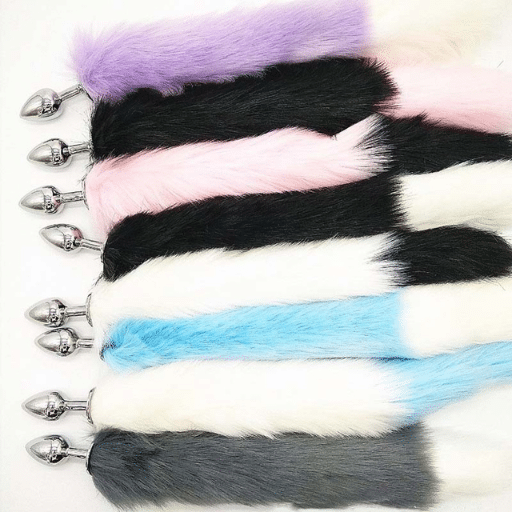
Your packaging is often the first physical expression of your brand. Every element of your sex toy packaging design should work together to create a consistent impression.
Logo placement should be intentional, not accidental. A centered logo on the lid creates formality. An off-center or edge-placed logo feels modern and editorial. The size should be large enough to read in a thumbnail photo but not so large that it overwhelms the design.
Color matching matters more than many founders expect. Colors look different on screen, on coated paper, on uncoated kraft, and under different lighting. Always request a printed proof before approving mass production.
If you have a Pantone code, provide it. If not, work with your manufacturer to match a physical sample.
Finishes add texture and perceived value. Foil stamping adds metallic shine. Embossing raises the surface for a tactile effect. Spot UV creates glossy highlights against matte backgrounds. Soft-touch laminations make the box feel expensive. Each finish adds cost, so choose the one or two that best support your brand position.
Photography and iconography for adult products should be tasteful and platform-safe. Avoid explicit imagery that could trigger ad or marketplace restrictions. Focus on silhouette, texture, color, and lifestyle context. A well-lit product photo on a neutral background often converts better than an overly graphic image.
Creating a packaging design brief for your manufacturer saves time and reduces revisions. Include your logo files, color references, required label copy, material preferences, budget range, and photos of branded sex toy packaging you admire. The more specific you are, the faster the design process moves.
Discreet Packaging Requirements for Adult Products
Discretion is not just a customer preference in the adult industry. It is a practical necessity for shipping, customs, and carrier acceptance. Getting discreet packaging for adult toys right protects both your customers and your business.
Plain outer shipping boxes should contain no product images, no explicit wording, and no brand names that reveal the contents. Many brands use a generic company name or a fulfillment company name as the return address. The goal is that the package could be opened on a porch or in an office without embarrassment.
Customs declarations must accurately describe the contents, but accuracy doesn’t require explicit detail. Descriptions like “personal massage device,” “health and wellness product,” or “silicone personal care item” are commonly accepted. Outright false declarations can lead to seizures, fines, or loss of carrier privileges.
Carrier and marketplace policies for adult products vary. Some carriers restrict certain product categories or require specific labeling. Some marketplaces have strict packaging standards. Verify the rules for every channel you plan to use before you print a single box.
Balancing privacy with legal labeling is one of the trickier parts of adult packaging. Required information like country of origin, manufacturer name, and warnings can appear on an inner retail box while the outer shipping carton remains plain. Your manufacturer or fulfillment partner can help you design this two-layer system.
Elena learned this balance the hard way. Her first e-commerce launch used beautiful retail boxes, but the outer carton carried her playful brand name in large letters. A handful of customers left public reviews complaining about privacy, and one regional carrier refused to accept future shipments until she changed the outer branding. A switch to plain outer cartons solved both problems and her review scores improved within weeks.
Compliance, Labeling, and Safety Information on Packaging
Labels are legal documents, not just decoration. Missing or incorrect information can cause customs delays, retailer rejections, and liability exposure.
Most markets require the following elements on the product or its immediate packaging:
- Manufacturer or importer name and address
- Country of origin
- Material composition
- Care and cleaning instructions
- Safety warnings
- Batch or lot number
- Model or SKU identifier
The exact format and placement depend on the market. The United States emphasizes consumer product safety and state-specific warnings like California Proposition 65. The European Union and United Kingdom require multilingual instructions and detailed economic operator information under GPSR and UK GPSR.
Multilingual requirements for EU and UK sales mean your packaging or inserts must be available in the language of the destination country. A single product sold in Germany, France, and Spain may need three language versions or a multi-language booklet. Plan this into your design from the start; retrofitting labels is expensive.
Prop 65 warnings and U.S. state-level labeling apply if your product contains substances that California lists as carcinogens or reproductive toxins. Even if the risk is minimal, the warning must be worded correctly and placed visibly. Failure to comply can result in enforcement actions from private plaintiffs.
Integrating compliance documents with packaging inserts is a smart practice. The insert can hold full multilingual instructions, warranty terms, and QR codes that link to digital compliance certificates. The outer box carries only the legally required summary. This keeps the packaging clean while ensuring full documentation is available.
Materials and Sustainability Options
Material choice affects cost, printing quality, protection, and environmental perception. Common options include cardboard, art paper, kraft paper, coated stock, PET plastic, and fabric.
Cardboard and paperboard are the most common choices for folding cartons and rigid boxes. They print well, accept many finishes, and are widely recyclable. Thickness is measured in grams per square meter or board points. Heavier board feels more premium but costs more to ship.
Art paper and coated stock produce sharp, vibrant prints. They are ideal for photographic designs and detailed graphics. However, they can show fingerprints and scuffs more easily than matte finishes.
Kraft paper has a natural, eco-friendly appearance. It works well for brands that want a minimalist or sustainable identity. Printing on kraft tends to be softer and less saturated, which can be a deliberate aesthetic choice.
PET and clear plastics are used for windows, blister packs, and tubes. They show the product but add environmental concerns. If you use plastic, consider recycled PET and include recycling instructions on the packaging.
Fabric pouches and bags add a reusable, premium touch. They protect products from dust and scratches and often become part of the customer experience. Choose body-safe, odor-free fabrics that won’t transfer smells to the product.
Body-safe and odor-free packaging considerations are critical in the adult industry. Some inks, glues, and coatings emit volatile compounds that can be absorbed by silicone or TPE over time. Work with your manufacturer to verify that packaging materials will not contaminate the product during storage or shipping.
Recyclable, FSC-certified, and biodegradable options are increasingly important to consumers. FSC certification ensures paper comes from responsibly managed forests. Biodegradable coatings and soy-based inks reduce environmental impact. These certifications can also become selling points if you position your line as eco-friendly sex toy packaging.
MOQ, Lead Time, and Cost Factors
Packaging economics work differently than product economics. Understanding MOQ, tooling, and lead time will help you budget accurately.
Packaging MOQs often differ from product MOQs. A manufacturer may be willing to produce 300 units of a product but require 1,000 or more of a custom box because of print setup costs. Some suppliers offset this by offering stock packaging with a small custom label run, which lowers the effective MOQ.
Custom dies, plates, and molds raise startup costs. A rigid box needs a die-cut mold. Foil stamping needs a metal plate. Embossing needs a counter-die. These one-time charges can range from a few hundred to several thousand dollars depending on complexity. They become economical when spread across larger volumes.
Per-unit cost scaling improves with order volume. A folding carton might cost 0.80at1,000unitsand0.80at1,000unitsand0.40 at 10,000 units. A rigid magnetic box might cost 3.50at1,000unitsand3.50at1,000unitsand2.00 at 10,000 units. Always ask for a tiered quote so you can model different scenarios.
Turnaround expectations vary by manufacturer and complexity. Standard products with simple packaging often ship in 7-15 days. Custom orders with new tooling and printed proofs typically take 15-30 days. Add time for shipping and customs if you are importing from overseas.
When Marcus planned his first adult toy launch, he budgeted 2,000forpackagingbasedonasupplier′sper−unitquote.Whathemissedwerethe2,000forpackagingbasedonasupplier′sper−unitquote.Whathemissedwerethe800 die-cut setup, 300platefees,and300platefees,and500 for printed samples. His actual first packaging run cost nearly double his estimate. A detailed quote request would have surfaced those costs before he committed.
Working with a Private Label Packaging Manufacturer
The right manufacturer does more than print boxes. They help you navigate materials, compliance, cost trade-offs, and production quality. When evaluating adult toy packaging suppliers, look for partners who understand both OEM sex toy packaging requirements and the broader compliance landscape.
What to request in a supplier quote:
- Unit price at several volume tiers
- One-time tooling, die, and plate costs
- Sample and pre-production costs
- Material specifications and certifications
- Label proofing and revision process
- Lead time for samples and mass production
- Quality control and defect rate guarantees
Proofing typically moves through three stages. Digital mockups let you review layout, colors, and placement quickly. Physical samples show how the box feels, opens, and protects the product. Pre-production samples confirm that the mass-production line can match the approved sample.
Quality control checkpoints should cover material defects, print registration, color accuracy, glue strength, and label completeness. A reliable manufacturer will inspect a percentage of units and share reports. At Joyflick, our six-stage inspection process keeps the defect rate below 0.2%.
How Joyflick integrates packaging into OEM/ODM production:
We treat packaging as part of the product, not an afterthought. Our design team works with you to create retail boxes, inserts, and discreet outer cartons that match your brand and meet your target market’s labeling rules. Because we handle both product and packaging, you avoid the delays and miscommunication that come from coordinating two separate suppliers. With MOQs starting at 300 units and turnaround times of 7-15 days for standard products and 15-30 days for custom orders, we support launches at any scale.
If you are ready to explore custom adult toy packaging, request a quote, and we will review your design brief, target markets, and volume needs.
Private Label Packaging Checklist
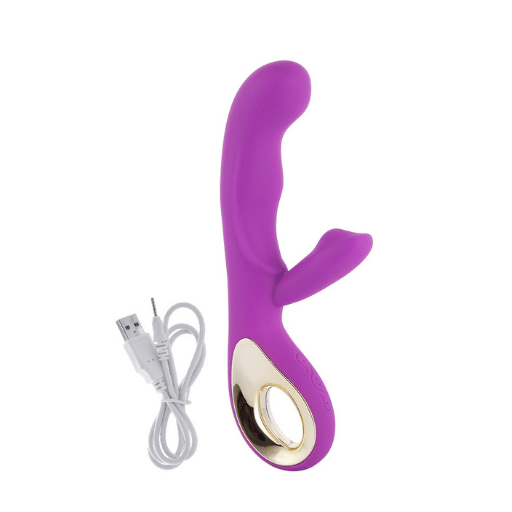
Use this checklist before you approve your final packaging design:
- Logo, colors, and fonts match your brand style guide
- Required labels are included: manufacturer, country of origin, materials, warnings, batch number, and SKU
- Instructions and warnings are available in every target-market language
- The outer shipping carton is plain and protects customer privacy
- The customs description is accurate but not explicit
- Material choice protects the product and will not retain odor
- Samples have been tested under real shipping conditions
- Quote includes tooling, plates, dies, and pre-production sample costs
- The quality control plan is agreed with your manufacturer
- Timeline allows for design proofs, production, shipping, and customs clearance
A checklist like this prevents the small oversights that turn into expensive delays. Share it with your design team and your manufacturer so everyone is aligned before production starts.
Common Private Label Packaging Mistakes to Avoid
Even experienced brands make packaging missteps. Here are the most common ones and how to prevent them.
Designing without legal requirements in mind is expensive to fix. A beautiful box that lacks required warnings or manufacturer information cannot legally ship to many markets. Build the label requirements into the design brief before any artwork begins.
Overpacking adds unnecessary cost and waste. Extra layers, heavy inserts, and oversized boxes increase material, freight, and storage expenses. They also frustrate environmentally conscious customers. Choose protection appropriate to the product, not packaging that looks impressive in a boardroom.
Inconsistent branding across channels weakens recognition. If your website, social media, retail box, and shipping materials use different colors, fonts, or logos, customers will not form a clear brand memory. Create a simple brand style guide and apply it everywhere.
Ignoring the unboxing experience and social sharing potential is a missed opportunity. Adult products rely heavily on word-of-mouth and private community recommendations. A memorable unboxing moment increases the chance that a customer tells a friend or posts a review.
Choosing materials that retain odor or damage easily can ruin a product before it reaches the customer. Cardboard that smells like glue, plastic that scratches easily, or pouches that shed fibers all create negative first impressions. Test materials under real shipping conditions before approving them.
The team at Vela Wellness avoided most of these mistakes by treating packaging as a product feature. They tested three box prototypes with actual customers, recorded unboxing videos, and asked for honest feedback. The winning design used a soft-touch rigid box with a magnetic closure, a fabric pouch, and a multilingual insert. Within six months, customer reviews consistently mentioned the packaging as a reason they trusted the brand enough to reorder.
Conclusion
Private label sex toy packaging is one of the highest-impact decisions a brand can make. It affects first impressions, legal compliance, shipping success, customer privacy, and repeat purchase behavior. Yet many founders treat it as a last-minute detail and pay for that oversight with delays, fines, or weak brand recognition.
The brands that win approach packaging with the same discipline they apply to product design. They choose formats that fit their channel and price point. They build in compliance labels and multilingual inserts from the start.
They also keep outer cartons discreet. They select materials that protect the product and reflect their values. And they partner with manufacturers who can guide the entire process.
You don’t need to figure this out alone. Joyflick partners with brands to deliver ISO-certified production, body-safe materials, and custom packaging solutions with low MOQs and fast turnaround. Whether you are starting a private label adult toy brand or scaling an established line, we can help you create packaging that works as hard as the product inside.
Contact Joyflick today to review your packaging design brief and get a quote tailored to your market and volume.
Disclaimer: This guide is for educational purposes and does not constitute legal, regulatory, or customs advice. Consult qualified professionals for decisions affecting your specific business and target markets.