
Platinum silicone and medical-grade silicone are not the same thing, and they are not competitors. Platinum silicone describes how the material was cured. Medical-grade silicone describes how it was certified. The safest adult toys use silicone that is both.
When Lena launched her brand in March 2026, she specified “platinum silicone” for her first run of 500 toys. It sounded premium. Every supplier listing bragged about it.
Then a US distributor asked for her ISO 10993 report. Lena realized she had never asked what “medical grade” meant, or whether her material had been tested for body contact at all. Her supplier sent a certificate for a different product, from a lab no one had heard of. The order stalled for three weeks.
Lena’s confusion is everywhere in this industry. Buyers see “platinum silicone” and “medical grade silicone” used as if they mean the same thing. They don’t. One describes a chemical process, the other describes a safety standard. Mix them up and you either overpay for a label or under-specify a material that needs real certification.
This guide clears up the difference between platinum silicone and medical-grade silicone once and for all. You’ll learn what each term really means, how they overlap, why the best products use both, and exactly what to specify for your adult toy line.
Key Takeaways
- Platinum silicone is a curing method: platinum-catalyzed addition cure with no chemical by-products. Medical-grade silicone is a certification: the material passed biocompatibility tests like ISO 10993 or USP Class VI.
- They measure different dimensions. Platinum describes how silicone is cured; medical grade describes how it’s certified. Neither term guarantees the other.
- Platinum-cured silicone is not automatically medical grade. Certification depends on the full formulation, not just the catalyst.
- Some medical-grade silicone is peroxide-cured, but for body-contact adult toys, platinum-cured medical-grade is the gold standard.
- Platinum-cured silicone costs roughly 15-50% more, and the premium buys purity, sterilization resistance, and durability that matter for intimate use.
The Short Answer: Two Different Dimensions, Not Competitors
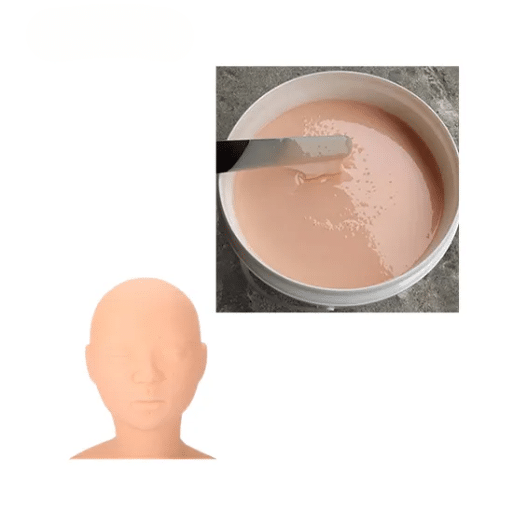
Here’s the distinction in plain terms.
Platinum silicone refers to the curing system. The material is vulcanized using a platinum catalyst in an addition-cure reaction (also called hydrosilylation). That reaction produces zero chemical by-products, which makes the cured material exceptionally pure.
Medical-grade silicone refers to a certification. The material has passed biocompatibility testing against recognized standards such as ISO 10993, USP Class VI, or FDA 21 CFR 177.2600. Passing those tests proves the material is safe for contact with the human body.
So one term answers “how was it made?” and the other answers “is it proven safe?” A silicone can be platinum-cured without being certified medical grade. A medical-grade silicone can be peroxide-cured. The terms overlap often, but they are independent.
What Is Platinum-Cured Silicone?
Platinum-cured silicone gets its name from the catalyst used during curing. It’s a manufacturing process, not a material grade.
The Curing Chemistry: Addition Cure
In two-part silicone, vinyl groups meet hydride cross-linkers. Add a platinum catalyst and they bond into a solid elastomer through hydrosilylation. The reaction is clean. Every vinyl group pairs with a hydride, and nothing is left behind.
This matters because other curing methods leave residue. Peroxide-cured silicone uses organic peroxides that leave acidic by-products, like acetophenone and cumyl alcohol.
Those residues must be baked out at 200-250°C for 2-4 hours. If any remain, they can leach into the body. Tin-cured silicone releases alcohol and can degrade over time.
Platinum-cured silicone skips that whole problem. Its extractables can be up to 10 times lower than peroxide-cured material, and the main trace compounds are low-molecular-weight siloxanes that a post-cure cycle removes further. It’s also odorless, tasteless, and resistant to gamma and E-beam sterilization, which is why medical device makers favor it.
Platinum vs Peroxide vs Tin Curing
| Curing System | By-Products | Post-Cure Needed | Best For |
|---|---|---|---|
| Platinum (addition) | None | Optional (often 200°C / 4h for medical) | Body-contact products, implants, food contact |
| Peroxide | Organic acids, ketones | Yes, 200-250°C for 2-4h | Industrial parts, thick sections, cost-sensitive goods |
| Tin (condensation) | Alcohols | Varies | Mold-making, some consumer goods |
The Catch: Catalyst Poisoning
Platinum is expensive. That’s one reason platinum-cured silicone costs more.
It’s also sensitive. Sulfur, amines, and tin compounds can poison the catalyst and stop the cure. The result is sticky, partially cured surfaces.
That means production needs a clean, controlled environment and careful material handling. See cheap “platinum silicone” from a supplier that can’t describe its quality controls? Treat it as a red flag, not a bargain.
What Does “Medical-Grade Silicone” Actually Mean?
Now for the certification side.
“Medical Grade” Is a Certification, Not a Regulated Label
Here’s the uncomfortable truth: no government agency certifies a material as “medical grade.” The phrase has no single legal definition. In the sex toy industry, it gets printed on boxes and listings because it sounds official. The adult toy category is largely unregulated in most markets, and products are often sold as “novelties” to avoid the safety rules that apply to body-contact goods.
What manufacturers usually mean by “medical grade” is that the material passed testing against a recognized standard. The term earns its meaning through evidence, not through printing it on a label.
The Tests That Define It
Medical-grade silicone typically passes a combination of these:
- ISO 10993 (Biological Evaluation of Medical Devices): A series of tests including cytotoxicity, sensitization, irritation, and systemic toxicity. For cytotoxicity, the pass standard is roughly 70% or higher cell survival, with medical-grade silicone often hitting 90-100%.
- USP Class VI: The highest biocompatibility classification in the US Pharmacopeia, the same bar used for materials in medical implants.
- FDA 21 CFR 177.2600: The US standard for rubber articles intended for repeated use.
- Phthalate screening: Common plasticizers like DEHP, DBP, and BBP must be undetectable or below 0.1% (1,000 ppm), because phthalates can migrate through mucous membranes.
Each test is documented in a Certificate of Analysis (COA) or a third-party test report from an accredited lab. A claim without a report is just marketing.
Why It Matters for Adult Toys
Adult toys touch the body’s most absorbent tissues. Mucous membranes have no protective keratin layer, so they take up chemicals far more readily than skin does. That’s why “food grade” isn’t enough for intimate products, and why certified medical-grade material is the appropriate benchmark.
The risk is real. A 2023 study by the German Federal Institute for Risk Assessment found that 28 of 32 CE-marked vibrators exceeded phthalate limits. A Swedish review of 44 imported sex toys found three with phthalates and one with cancer-linked chlorinated paraffins. Those products passed import checks. Their labels said nothing useful.
Certified medical-grade silicone is the material spec that protects your customers and your brand. For a deeper look at which certifications apply and what each one tests, see our guide to silicone sex toy certifications.
Platinum Silicone vs Medical-Grade Silicone: Side-by-Side Comparison
| Factor | Platinum Silicone | Medical-Grade Silicone |
|---|---|---|
| What it describes | Curing method (catalyst chemistry) | Certification status (biocompatibility) |
| How it’s determined | Manufacturing process | Laboratory testing (ISO 10993, USP Class VI, FDA 21 CFR 177.2600) |
| By-products | None (addition cure) | Depends on formulation and curing |
| Extractables | Ultra-low (up to 10x lower than peroxide) | Tested to acceptable limits |
| Biocompatibility | Excellent, but not guaranteed | Proven by test reports |
| Sterilization resistance | High (gamma, E-beam) | Varies by formulation |
| Cost | Higher (precious metal catalyst) | Higher for certified, documented material |
| Adult toy relevance | Preferred for body-contact purity | Required for safety certification |
Want to see how this plays out across a full product line? Our medical-grade silicone sex toys guide walks through material selection, manufacturing, and certification in depth.
Where They Overlap: Platinum-Cured Medical-Grade Silicone
The two terms are not competitors. They work together.
Is Medical-Grade Silicone Always Platinum-Cured? No
Some peroxide-cured medical-grade silicone exists, mostly in high-consistency rubber (HCR) extrusion and compression-molded parts. It works because the manufacturer runs a strict post-bake cycle to remove residues.
But for liquid silicone rubber (LSR) injection molding of precision body-contact parts, platinum curing is essentially universal. The clean chemistry makes biocompatibility testing far more predictable.
Is Platinum Silicone Always Medical Grade? No
A platinum-cured product is not automatically safe for body contact. Certification depends on the full formulation: the additives, pigments, fillers, and processing conditions. FECISION puts it plainly: a silicone can be platinum-cured yet still fail biocompatibility tests if other ingredients are problematic. The catalyst name doesn’t pass a test. The finished material does.
This is exactly where Marco almost went wrong. In mid-2026 he compared quotes for a line of massagers. Two suppliers offered “platinum silicone” at very different prices.
The cheap one was platinum-cured, but filled with low-cost extenders and no biocompatibility data. The other supplied a COA tied to his batch, with ISO 10993 results and a USP Class VI reference.
Same curing method. Completely different safety story. Marco paid more for the certified option, and it passed the EU import check his distributor required.
The Gold Standard for Adult Toys
For intimate products, the ideal spec is silicone that is both platinum-cured and certified to medical-grade biocompatibility standards, with documentation to prove it. That combination delivers the purity of platinum chemistry and the verified safety of a certified grade.
One honest nuance worth knowing: certified medical-grade silicone is often stiffer and drier than toy brands want. That’s why some products labeled “medical grade” are actually 100% platinum-cured silicone. It’s the highest practical quality for that application. SquarePegToys explains this distinction well.
Either way, the buyer’s job stays the same. Confirm what the material actually is. Ask for proof.
Does Platinum Curing Cost More?
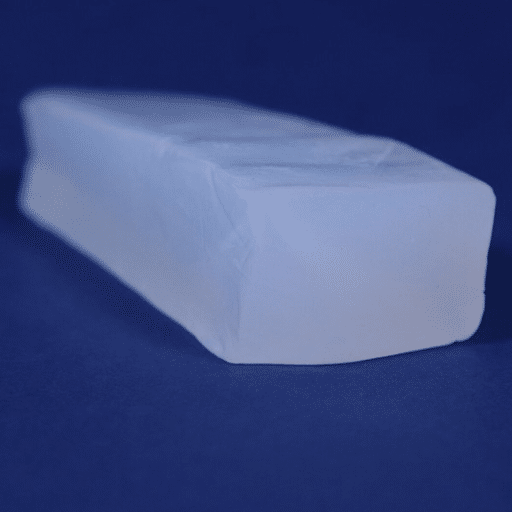
Yes, and by a predictable amount. Sources put platinum-cured silicone at roughly 15-50% more than peroxide-cured, driven by the cost of the platinum catalyst and the cleaner, stricter production it requires.
The premium buys real value for body-contact products:
- Purity: No by-products to remove, lower extractables, no odor or taste.
- Sterilization resistance: Holds up to gamma and E-beam, useful for reusable products.
- Durability: Better long-term performance, fewer returns.
- Compliance: A far cleaner path through biocompatibility testing.
In high-volume LSR molding, platinum materials also cure fast, which can offset part of the material cost. For a premium positioning and a product that touches the body, the price gap is usually worth it. If you’re weighing these costs across your line, our breakdown of adult toy manufacturing costs helps you see where material-grade choices fit.
How to Choose for Your Product Line
There’s no single right answer for every product. Use this decision guide.
When Platinum-Cured Alone Is Enough
Choose platinum-cured silicone without a full medical-grade certification when:
- The product has limited, short body contact.
- You’re prototyping or testing the market and control your risk.
- Your target market doesn’t require certification documentation.
- You’re trading on softness and feel over certified safety claims.
When You Need Certified Medical Grade
Specify platinum-cured medical-grade silicone when:
- The product makes internal or mucosal contact.
- You’re selling into the EU, US, or other markets with stricter scrutiny.
- You want the premium “body-safe” positioning.
- A distributor or retailer requires biocompatibility documentation.
Questions to Ask Your Manufacturer
Send your manufacturer these before you approve anything:
- What curing system do you use, and is it platinum-cured?
- What ISO 10993 tests has the material passed, and from which accredited lab?
- Do you hold USP Class VI or FDA 21 CFR 177.2600 documentation?
- Can you provide a Certificate of Analysis tied to my specific batch?
- What post-curing and quality controls do you run?
If a supplier hesitates on any of these, treat it as a warning. Learning to verify medical-grade silicone turns you from a buyer who trusts labels into one who checks evidence.
How to Verify What You’re Actually Getting
Even the right spec needs proof. Verification comes down to three layers:
- Documentation: A COA for your exact batch, third-party test reports from an accredited lab, and matching batch numbers across the report and the product.
- Material identification: Professional FTIR spectroscopy confirms the material is actually the silicone grade claimed. Simple home tests like the flame test can be fooled by fillers.
- Factory controls: A supplier that runs clean, controlled platinum-cured production can show you its process and its records.
The short version: a supplier that truly uses platinum-cured medical-grade silicone is happy to share the evidence. One that doesn’t, isn’t.
FAQ
Is platinum silicone the same as medical grade?
No. Platinum silicone describes the curing method: a platinum-catalyzed addition-cure process with no by-products. Medical grade describes certification: the material passed biocompatibility tests like ISO 10993 or USP Class VI. Platinum-cured silicone isn’t automatically medical grade, and certified medical-grade silicone isn’t always platinum-cured.
Which is better for sex toys: platinum or medical-grade silicone?
The best choice is silicone that is both: platinum-cured for purity and certified to medical-grade standards for verified safety. If you can only verify one, certified medical grade with documentation is the safer bet for body-contact products.
Is medical-grade silicone always platinum-cured?
No. Some peroxide-cured medical-grade silicone exists in extrusion and compression-molded parts. But for precision LSR-injection-molded body-contact products, platinum curing is the standard.
Is platinum silicone safe for sex toys?
Platinum-cured silicone is the premium choice for body-safe toys because it’s non-porous, hypoallergenic, odorless, and free of peroxide by-products. Safety is proven by certification, so ask for the test documentation.
Does platinum-cured silicone cost more?
Yes, roughly 15-50% more than peroxide-cured, due to the platinum catalyst and stricter production. The premium buys purity, sterilization resistance, and a cleaner compliance path.
What certifications should my silicone sex toy have?
Look for ISO 10993 biocompatibility results, USP Class VI, and FDA 21 CFR 177.2600 compliance, plus phthalate screening below 0.1%. See our certifications guide for the full picture.
Get the Right Material, From the Start
The difference between platinum silicone and medical-grade silicone comes down to two questions: how was it cured, and what is it certified against? Platinum-cured medical-grade silicone answers both, and that’s the standard Joyflick builds to.
We use platinum-cured silicone as standard, back it with ISO 10993 and certification documentation, and provide a COA with every lot. Batch traceability and third-party testing with partners like SGS and TUV come with the package, whether you’re ordering 300 units or 300,000. Our engineers help you match the right grade to each product in your line, and we send the paperwork that proves it.
Ready to spec the right silicone for your line? Talk to our material team and get a free material consultation for your next product.