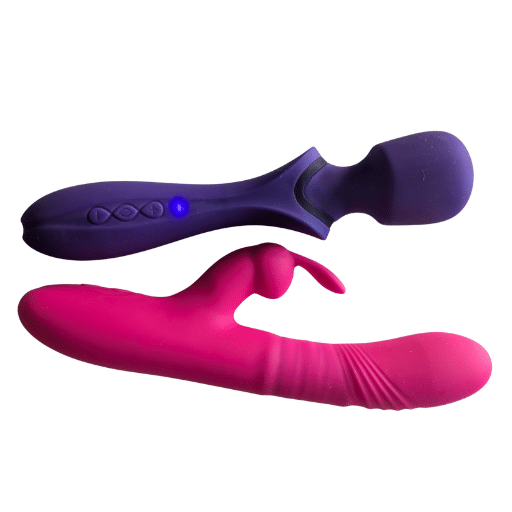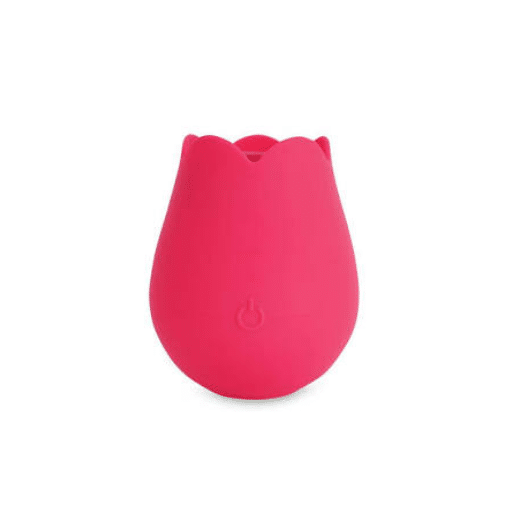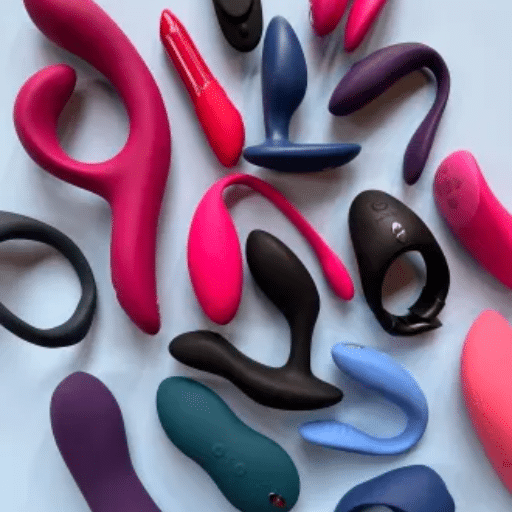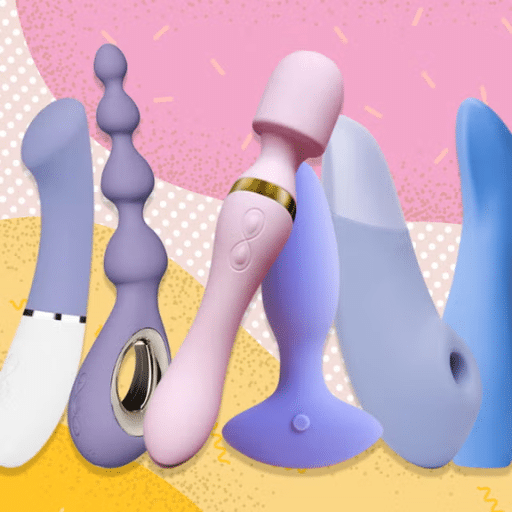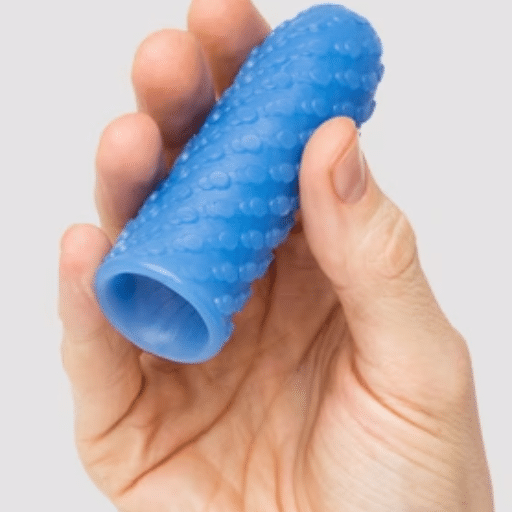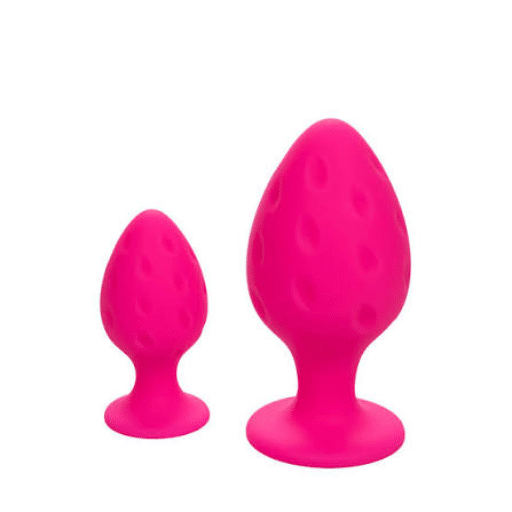
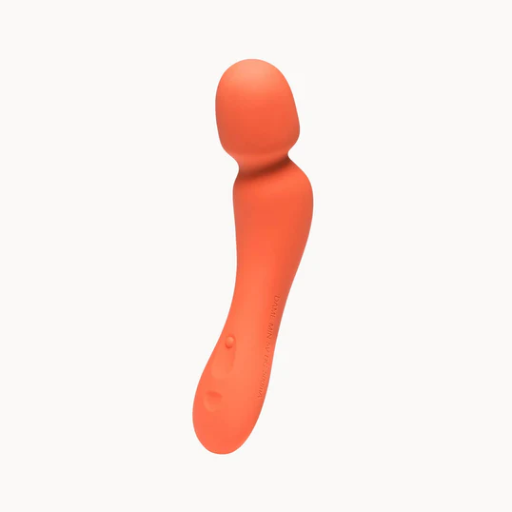
For liquid silicone rubber sex toys, LSR injection molding is the process behind the highest-quality products because it produces a soft, seamless, non-porous surface that is easy to clean and comfortable in use. Liquid silicone rubber stays liquid until two components are mixed and heated, then cures quickly into a durable elastomer inside a precision mold. Compression molding remains a valid lower-cost route, but it cannot match LSR on softness, surface finish, or hygiene.
Ask a consumer why a premium toy feels different and they will usually describe the material. The real reason is often the process. A soft, flawless, seam-free body is not an accident of chemistry. It is the result of liquid silicone rubber (LSR) being injected under pressure into a heated steel mold, where it cures in seconds.
Brand owners already know buyers expect comfort and quality. The difficult part is choosing the right molding process for a specific product line, budget, and volume target. This manufacturer guide explains what LSR is, how it is made, how it compares to compression molding, what it costs, and how to verify a supplier. For broader context, start with our guide to body-safe materials in adult toys.
Key Takeaways
- Liquid silicone rubber sex toys are injection molded from a two-part, platinum-cured liquid that produces flash-free, non-porous surfaces.
- LSR reaches ultra-soft hardness (around Shore A 5-10) that compression molding cannot reliably achieve.
- LSR injection molding is generally the better process for production volumes; compression molding suits prototyping and low-volume runs.
- LSR can be molded directly around motors and electronics, which is how seamless smart toys are made.
- Tooling and per-unit costs are quotation-dependent; a low-MOQ pilot (from 300 units) is the practical way to validate a design.
What Are Liquid Silicone Rubber Sex Toys?
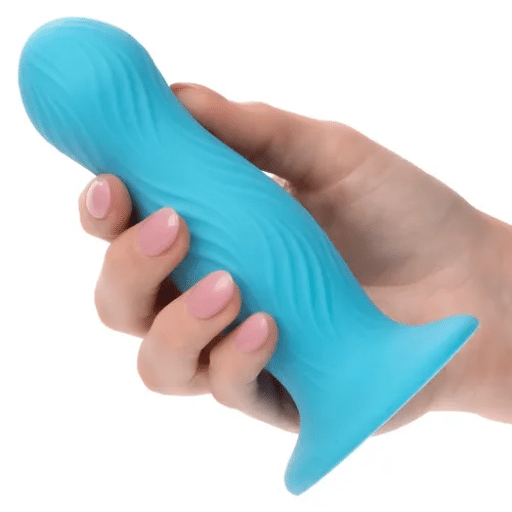
LSR is a process and a material, not a marketing label
Liquid silicone rubber (LSR) is a two-part silicone system. Part A and Part B are mixed in a 1:1 ratio and stay liquid until they are heated. When the mixed liquid is injected into a mold at roughly 130-220°C, a platinum-catalyzed reaction crosslinks the material into a soft, stable elastomer in seconds.
That matters because many toys simply called “silicone” can be made several ways. The molding method, the grade of material, and the quality controls determine what the customer actually receives. LSR is one route to a specific quality outcome: a seamless, hygienic, ultra-soft product at scale.
Why LSR produces the toys consumers prefer
Three properties explain why LSR is the preferred process for premium intimate products:
- Flash-free surfaces. Injection into a tightly sealed mold leaves flash often below 0.1 mm, which is nearly invisible. There are no trimmed edges or parting lines to trap residue.
- Ultra-soft feel. LSR grades can reach Shore A 5-10, far softer than the practical minimum of compression molding. This is how a product mimics the softness of skin.
- Non-porous, cleanable finish. A fully cured LSR part does not absorb fluids or harbor bacteria, which makes cleaning instructions simple and defensible.
When the team at a small brand called Velora ordered their first 500 LSR samples, they did not ask about the molding method. They just wanted “the softest thing possible.” The first compression-molded sample felt close, but it had a visible seam and a faint ridge where the mold halves met. The LSR sample felt identical in softness, yet the surface was completely smooth. That single difference changed their care instructions, their returns, and their packaging claims.
The LSR Injection Molding Process, Step by Step
The factory-floor process is more controlled than most buyers expect. Here is how liquid silicone rubber sex toys move from raw drums to finished parts.
Metering and mixing the A:B components
Precision gear or piston pumps hold the A:B ratio at 1:1, typically within ±0.5% accuracy. The two components pass through a static mixer, and vacuum degassing removes entrapped air before the liquid reaches the mold.
Cold runner systems and mold design
The mixed liquid is kept chilled, usually between 5°C and 40°C, in the machine cylinder, nozzle, and runner. This prevents premature curing. Needle-valve gates allow multiple injection points, and vacuum venting eliminates air bubbles that would otherwise create voids. Because LSR shrinks roughly 2-3% during vulcanization, molds are designed to compensate.
Injection, curing, and demolding
The liquid is injected at high pressure, commonly 100-200 bar, into a heated mold. The platinum catalyst triggers fast crosslinking: roughly 3-5 seconds per millimeter of wall thickness. Cycle times usually run 15-90 seconds per part, depending on size and geometry.
Demolding needs care because soft, slightly tacky parts can deform. Specialized ejector pins, air blasts, or robotic grippers release the part without damaging it.
Post-processing: deflashing, coating, and post-curing
After demolding, parts typically go through cryogenic deflashing, where flash is frozen brittle at about -80°C to -100°C and removed by vibration or blasting. Critical areas may need manual trimming. Plasma treatment improves surface energy, and a thin PU or silicone coating can create matte or velvet textures. Finally, a post-curing step at roughly 150-200°C for 1-4 hours drives off volatile compounds and stabilizes the material.
LSR Injection Molding vs Compression Molding for Adult Toys
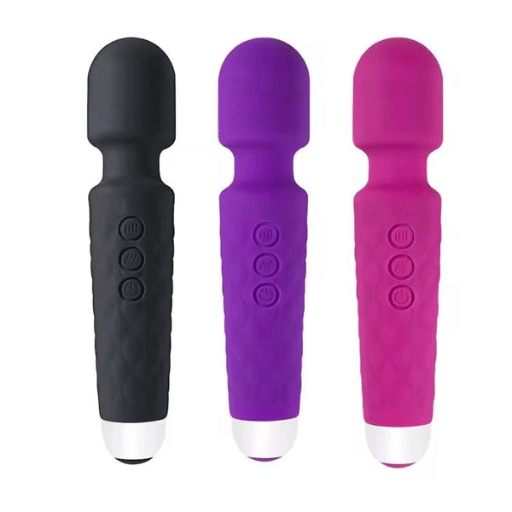
Choosing between LSR injection and compression molding is not about which process is “better” in the abstract. It is about what your product line needs.
| Decision factor | LSR injection molding | Compression molding |
|---|---|---|
| Surface finish | Flash-free, often below 0.1 mm | Flash trimmed manually; visible seams possible |
| Softness range | Shore A 5-80 | Practical minimum around Shore A 20-25 |
| Hygiene | Closed, dust-controlled pipeline | Open manual handling of preforms |
| Tolerances | ±0.05-0.1 mm, highly repeatable | ±0.2-0.5 mm, more operator variability |
| Cycle time | Roughly 15-90 seconds | Roughly 2-10 minutes |
| Electronics overmolding | Yes, cures around 120-150°C | Limited; higher curing temperatures |
| Tooling cost | Higher; roughly 2-4x compression | Lower entry cost |
| Best fit | Production volume, soft/complex parts, smart toys | Prototyping, low volume, budget-limited runs |
Surface finish and hygiene
LSR injection produces near-zero flash and invisible parting lines. Compression molding almost always produces flash that must be trimmed, leaving ridges that can trap residue and are harder to sanitize. For a body-contact product, this is a hygiene decision, not a cosmetic one.
Softness and feel
The softest parts, roughly Shore A 10-25, almost always require LSR. Compression molding uses firmer rubber preforms and has a practical floor around Shore A 20-25. If your brief calls for a skin-like, jelly-soft feel, that alone may decide the process.
Tooling cost, cycle time, and volume
LSR molds cost more to build, but they produce parts faster and with less waste. At production volume, the faster cycle times usually bring per-unit cost below compression molding. The higher tooling investment pays off when volume justifies it.
When compression molding is the right choice
Compression molding remains a legitimate option for prototyping, design validation, very low volumes (roughly under 5,000-10,000 units per year), and budget-constrained first runs. Many brands start with a compression-molded prototype, validate the design, then invest in LSR tooling once demand is proven.
Unsure which process fits your product? Review the decision criteria in our custom adult toy manufacturing guide.
Overmolding Electronics: How LSR Makes Smart Toys Possible
App-connected and motorized toys create a unique manufacturing challenge: how do you seal a motor, a battery, and a circuit board inside a soft, seamless toy?
LSR solves it through insert molding. Because LSR cures at lower temperatures, roughly 120-150°C, the liquid can be molded directly around a motor, PCB, or battery without damaging the electronics. The result is a uniform, waterproof silicone skin that fully encapsulates the internal hardware while still transmitting vibration.
Consider the team at a startup called Pulse & Co. They wanted a Bluetooth toy with a motor, a sealed battery, and no visible seams or screws. A compression-molded approach required separate parts, a gasket, and an assembly step that added cost and failure points.
With LSR insert molding, the electronics were positioned on a locating skeleton inside the cavity, and a single injection molded a seamless, waterproof skin around them. The toy passed its water test on the first attempt.
This is why seamless smart toys exist. Joyflick integrates app connectivity and smart controls across many product lines, backed by 50+ patented technologies, and LSR insert molding is a core part of how those products are built.
LSR Material Grades, Shore Hardness, and Design
Reading the durometer scale
Hardness is measured on the Shore scale. Shore 00 covers very soft, gel-like materials. Shore A is the standard soft-to-firm range for most adult products.
- Shore A 5-20: very soft, lifelike, jelly-like feel; ideal for sensory products and soft inserts.
- Shore A 30-40: soft with structure; common for a balance of comfort and shape retention.
- Shore A 50-70: firmer; useful for rigid housings, bases, and support components.
Choosing the right hardness is a design decision, not just a feel preference. A softer durometer may feel better but can reduce tear strength and structural support in thin-wall designs.
Pigments, additives, and curing compatibility
Not every colorant works in LSR. Sulfur-based colorants inhibit platinum curing, so manufacturers use platinum-compatible color pastes. Brands can also request functional additives, such as silver-ion antimicrobials or thermochromic microcapsules that change color with temperature.
These choices must be documented. A raw material certificate of analysis does not automatically cover the pigment or additive in your finished part. That is why finished-product testing matters.
Quality Control and Testing for LSR Sex Toys
Quality control starts before the first part is molded. LSR attracts dust through static charge, so production typically runs in a cleanroom environment, roughly Class 100,000 or better, with controlled temperature and humidity.
Testing covers three areas:
- Physical tests: Shore A hardness, tensile strength, tear strength, and resilience.
- Chemical safety: VOC content, phthalate residue, and cytotoxicity screening.
- Use simulation: fatigue cycling over tens of thousands of cycles, abrasion, and temperature-humidity cycling.
Certifications to look for
The most relevant references for intimate-product silicone include:
- FDA 21 CFR 177.2600: extraction limits for repeated-use rubber articles. It is a material-compliance reference, not FDA approval of a finished toy.
- ISO 10993: biological evaluation of materials used in medical devices; relevant evidence for biocompatibility when matched to the test plan.
- ISO 3533:2021: an international standard covering sex-toy design and safety requirements.
- REACH, RoHS, LFGB, and Prop 65: market-level compliance requirements for different regions.
Material certifications are evidence, not guarantees. A brand should request batch-linked certificates, safety data sheets, and finished-product test reports, and confirm they match the exact formulation being supplied. Our adult toy certifications guide covers the standards in more depth.
LSR Sex Toy Manufacturing Costs and MOQ
Costs depend on geometry, cavity count, material grade, and order volume, so treat all figures as indicative ranges.
- LSR injection molds: roughly 3,000−3,000−50,000+, depending on complexity and number of cavities.
- Compression molds: roughly 30-70% less, which is why they suit prototyping.
- Per-unit direction: about 3−3−10 at 100-1,000 units, 1−1−3 at 5,000-10,000 units, and under $1 at 50,000+ units.
- LSR material: roughly 8−8−30 per kilogram, depending on grade and certifications.
The real cost story is lifecycle cost, not unit cost. A founder named Naomi quoted a soft LSR toy and a firmer compression-molded version for her pilot line. The LSR tool was more expensive, but the part came out flash-free with no manual trimming, faster cycle times, and a surface that supported a “waterproof, no seams” claim.
The compression part was cheaper to tool but needed trimming, slower cycles, and a gasket for her electronics version. Across her first 10,000 units, LSR was the lower total cost.
A low-MOQ pilot is the practical way to validate this math. Joyflick supports trial orders from just 300 units, so a brand can test a design, hardness, and finish before committing to high-volume LSR tooling.
How to Choose an LSR Injection Molding Partner
A supplier can claim “LSR” and still deliver a different result. Verification matters more than labels.
Verification checklist
- Confirm the exact raw material grade and request its certificate of analysis (COA).
- Ask for batch traceability and material safety data sheets (MSDS).
- Verify the cure system and that pigments are platinum-compatible.
- Audit cleanroom, quality control, and testing protocols.
- Commission independent third-party testing for new markets or a new supplier.
Supplier red flags
- Vague “body-safe” claims with no test reports.
- Refusal to share COAs or lot numbers.
- No documentation for pigments or additives.
- Inconsistent hardness or finish across samples.
FAQ
What is liquid silicone rubber?
Liquid silicone rubber (LSR) is a two-part, platinum-cured liquid silicone that stays liquid until the components are mixed and heated. It is injected into a heated mold, where it cures quickly into a soft, seamless, non-porous elastomer.
Is LSR safe for sex toys?
LSR can be an excellent choice when the grade is documented and the finished product passes appropriate testing. Request certificates of analysis, batch records, and finished-product test reports rather than relying on the material name alone.
Is LSR the same as silicone?
LSR is one form of silicone. Other forms include high-consistency rubber (HCR) and room-temperature vulcanizing (RTV) silicone. They differ in processing, hardness range, and typical applications.
Why are LSR toys smoother than compression-molded toys?
Injection into a tightly sealed mold leaves minimal flash and invisible parting lines. Compression molding uses open preforms and requires flash trimming, which can leave visible seams.
What is the softest silicone available?
LSR grades marketed for adult products reach roughly Shore A 5-10. Compression molding has a practical floor around Shore A 20-25.
Can LSR be molded around a motor?
Yes. LSR cures at lower temperatures, roughly 120-150°C, so it can be molded directly around motors, batteries, and circuit boards, creating a seamless, waterproof encapsulation.
How much does an LSR mold cost?
LSR injection molds typically range from roughly 3,000to3,000to50,000+, depending on complexity and cavity count. Compression molds cost less but have slower cycles and a firmer minimum hardness.
What certifications should LSR sex toys have?
Common references include FDA 21 CFR 177.2600, ISO 10993, ISO 3533:2021, REACH, RoHS, and LFGB. Confirm which standards apply to your target markets and request the matching documentation.
Conclusion
Liquid silicone rubber sex toys represent the quality benchmark for seamless, soft, hygienic products. LSR injection molding delivers the flash-free surfaces, ultra-soft hardness, and non-porous finish that premium consumers expect, and it makes seamless smart toys possible through electronics overmolding. Compression molding remains a valid way to prototype and validate a design on a tighter budget.
Make the decision with evidence. Define the use case, choose the process that matches your volume and softness targets, verify every batch, and test the finished product. When you do, the molding method becomes a source of trust instead of a source of returns.
Joyflick supports brands with LSR material specification, low-MOQ pilots from 300 units, electronics overmolding, and ISO-certified quality control. Start with a clear product brief, then contact Joyflick to bring your LSR product line to life.