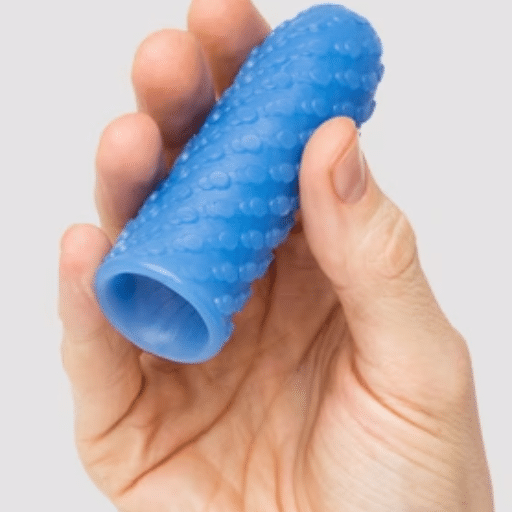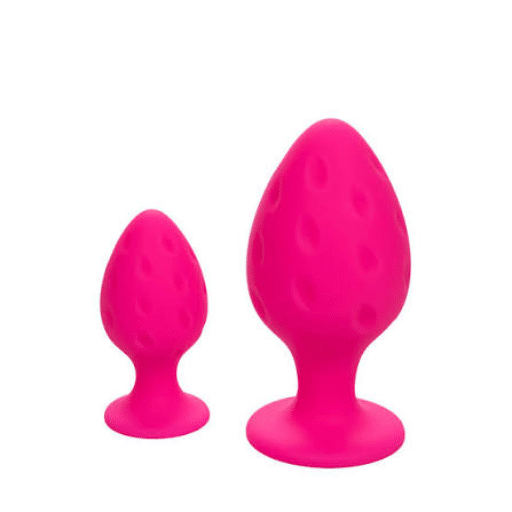

Custom sex toy design creates unique sexual products which match a brand’s goals and target audience and product needs. The process begins with concept development and continues through 3D modeling and material selection, prototyping and tooling work until an idea becomes a product that manufacturers can produce while meeting all international safety requirements.
Most first-time brand founders have a clear vision. They know what they want to build and who they want to serve. The process of transforming a napkin drawing into a production-ready mold requires substantial financial resources and includes various concealed challenges.
Alex Chen learned this the hard way in early 2025. He created a dual-density vibrator design which included an ergonomic curve and sent his hand-drawn sketches to three Shenzhen manufacturers. The two manufacturers provided different tooling cost estimates which ranged from 4,200 to 18,500. The third ghosted him after he asked about CE compliance. Alex spent six weeks confused, $800 on samples that didn’t match his specs, and nearly abandoned the project entirely.
This guide exists so you don’t repeat Alex’s mistakes. You will learn the complete custom sex toy design procedure together with its actual expenses at different stages and methods of safeguarding your intellectual property and material selection process for certification success. You will understand how to create an effective manufacturing brief which defines required deliverables at the end of the process.
Key Takeaways
- Custom sex toy design moves through seven distinct phases, from concept to pre-production approval, with typical timelines ranging from 8 to 24 weeks.
- Total design and tooling costs range from 700forsimplesiliconeshapesto700forsimplesiliconeshapesto50,000+ for complex vibrating devices with custom electronics.
- Medical-grade silicone, platinum-cured formulations, and Shore hardness testing should be specified during the design brief, not after prototyping.
- CE marking, FDA compliance, and RoHS restrictions must be designed into the product from day one to avoid costly redesigns.
- NDAs, tooling ownership agreements, and design patents should be signed before any CAD files or sketches leave your control.
What “Custom Sex Toy Design” Actually Means
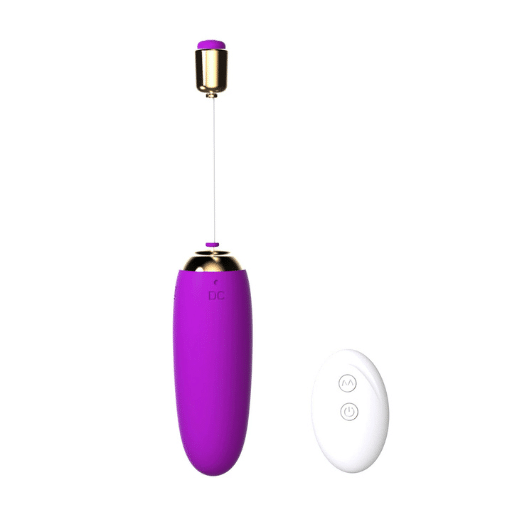
The phrase “custom design” gets used loosely in the adult toy industry. To some manufacturers, it means swapping a color. To others, it means engineering an entirely new mold from your CAD files. Understanding the three main models saves you from mismatched expectations and wasted capital.
OEM Design (You Own the Concept)
Your OEM contract requires you to deliver complete design specifications and all functional requirements for the project. The factory’s responsibility includes product design for manufacturing and production equipment development and manufacturing according to your specifications.
You retain full intellectual property rights, and the mold belongs to you (if your contract states this clearly). When you create a distinctive shape and develop a patented mechanism and design an exclusive feature which makes your brand different from competitors, OEM becomes the appropriate choice.
ODM Design (Factory Collaborates on Design)
Original design manufacturing (ODM) means the factory provides existing design concepts, chassis, or platforms that you adapt. You can modify the color and texture and logo and packaging elements, but the base structure of the product belongs to the manufacturer.
The ODM business model enables private label nipple clamp companies to lower their initial expenses while shortening their product development time, which makes it suitable for companies that want to enter new markets. The trade-off is limited exclusivity. The factory may sell similar designs to other buyers unless you negotiate an exclusivity clause.
Private Label vs. Full Custom: Where Design Fits
The lighter end of customization capabilities exists with private label services. You select an existing product from a manufacturer’s catalog and apply your branding. The process requires no creation of new molds and no CAD design work and only basic design requirements.
A full custom project begins with an empty design space and creates a unique product that does not exist in any other form. Most new companies start their operations with private label products or light ODM manufacturing before they transition to OEM production after they establish market demand and acquire financial resources.
Ready to explore which model fits your budget and timeline? Learn how Joyflick’s OEM and ODM services adapt to brands at every stage.
The 7-Step Custom Sex Toy Design Process
Every custom project follows a similar path. The exact duration and cost depend on complexity, but the sequence rarely changes. Skipping a step is where most founders lose money.
Step 1: Define Your Product Vision and Target Market
Before you sketch a single curve, document who you’re building for and what problem you’re solving. A prostate massager for beginners requires a different form factor, size, and firmness than a device aimed at experienced users.
Your design brief should specify:
- Target demographic and experience level
- Price point and retail channel
- Functional requirements (vibration, app control, heating, etc.)
- Size constraints and ergonomic goals
- Aesthetic direction and brand alignment
Step 2: Create a Design Brief (Even Without Technical Skills)
You don’t need to be an engineer to write an effective brief. Reference images, mood boards, and competitor comparisons communicate intent more clearly than vague adjectives.
Include annotated sketches with approximate dimensions, material preferences, and a prioritized feature list. A strong brief reduces back-and-forth with the design team by 40% or more.
Step 3: Concept Sketching and 3D CAD Modeling
The process starts when you convert your idea into digital format. Industrial designers create 3D models through CAD software which allows them to design precise 3D models that show every aspect of the object including its curves and wall thicknesses and draft angles. The CAD file functions as the complete reference material which designers use to create prototypes and develop manufacturing equipment.
The manufacturer needs to conduct a design-for-manufacturing (DFM) evaluation of your model at this point. This method detects problems such as undercuts and draft angle deficiencies and wall thickness restrictions which would become apparent after you purchase steel.
Sarah Kim established her boutique brand in 2024 when she required her flagship product to have a spiral texture that ran along its entire shaft. The designer appreciated the design element but Joyflick’s engineering team discovered a CAD issue during the review process because the spiral design created deep undercuts which required collapsible core tooling thus increasing the mold expenses by $6400 and extending the production time by three weeks.
Sarah selected a helical design that used a helical pattern which preserved the visual appearance yet enabled her to use straight-pull molding. She achieved the required budget, met her product launch schedule, and her product became the top-selling item in her collection.
Step 4: Material Selection and Body-Safe Specifications
Material choice affects everything from user safety to production cost. The adult toy industry has matured, and consumers now expect transparency about what touches their bodies.
Your design brief should specify:
- Base material: Medical-grade platinum-cured silicone, food-grade TPE, or body-safe ABS
- Shore hardness: Measured on the Shore A scale; softer toys typically range from 00-30 to 20A, while firmer items sit at 40A-70A
- Surface finish: Matte, glossy, satin, or textured
- Color: Pantone match, translucent, pearlized, or dual-tone
For a deeper look at material safety standards, read our guide on body-safe materials in adult toys.
Step 5: Prototyping and Functional Validation
A prototype proves your design works before you commit to expensive production tooling. Most manufacturers start with a soft mold or 3D-printed prototype in silicone-like material.
This stage answers critical questions:
- Does the size feel right?
- Is the curve positioned correctly?
- Do the electronics fit inside the housing?
Expect to iterate two or three times. Each round refines the design and reduces risk.
Step 6: Tooling, Mold Design, and Design for Manufacturing
Manufacturers use CNC machines to create production molds which they build from H13 hardened steel and aluminum materials. Steel molds last longer (500,000+ shots) but cost more upfront. Aluminum costs less than steel and requires shorter machining times but its lifespan extends from 10,000 to 50,000 shots.
The manufacturer needs to create a mold which includes correct gate locations and cooling pathways and ejection mechanisms. A well-designed mold reduces cycle time, minimizes flash, and improves yield. Poor mold design is the silent killer of profit margins.
Step 7: Pre-Production Sampling and Final Approval
Before mass production begins, the manufacturer produces a pre-production sample, often called a “golden sample.” This unit is built using the final mold, final materials, and final production processes.
You test it, measure it, and approve it. Once approved, this sample becomes the quality standard against which all production units are measured. Never skip this step. Mass production without a signed golden sample is a gamble.
Want a manufacturer that guides you through every step? Explore how Joyflick handles design, prototyping, and tooling under one roof.
How Much Does Custom Sex Toy Design Cost?
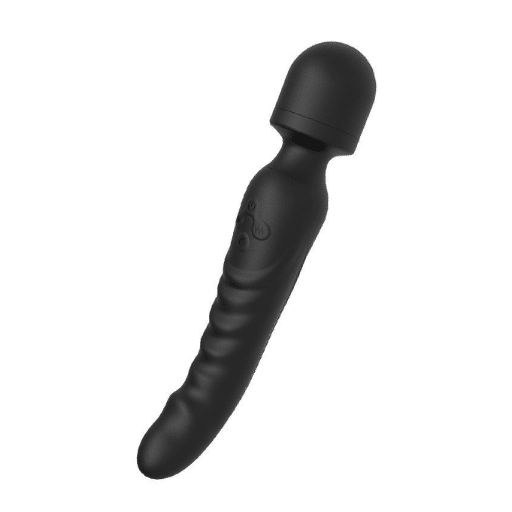
Transparency around cost is rare in this industry. Most manufacturers hide numbers behind “contact us” forms. Here’s what you should actually expect.
| Design Phase | Typical Cost Range | Timeline | What’s Included |
|---|---|---|---|
| Concept and design brief | 0−0−1,000 | 1-2 weeks | Internal documentation, mood boards, reference images |
| CAD modeling | 500−500−5,000 | 2-4 weeks | 3D digital model (.STP or .STL), DFM review, revision rounds |
| Prototype or soft mold | 200−200−3,000 | 2-3 weeks | Physical prototype sample, material validation |
| Production tooling | 100−100−50,000+ | 15-45 days | Steel or aluminum mold, multi-cavity if needed |
| Pre-production sample | Usually included | 1-2 weeks | Golden sample for approval, inspection report |
The basic manufacturing needs, which only require basic tools, can be fulfilled through the production of simple silicone products. The cost of a single-cavity compression mold ranges from 100 to 200.
The production of a multi-function vibrator which combines internal electronics with waterproof sealing and dual-density silicone requires more than 8,000 in tooling expenses. The complete development process for ODM products requires 8,000. The complete development process for ODM products reaches 50,000 or more when you include the costs of app development and PCB design and certification testing.
The production costs for each unit decrease when more units are produced, but the costs for design and tooling remain constant. Your break-even point will determine your required unit sales because of this relationship.
The cost of a 5,000 mold amortization distributes 5,000 mold costs through 300 units which results in 16.67 additional expenses for each unit. The cost decreases to $1.67 across a production volume of 3,000 units. You should establish your minimum order quantity based on your requirements.
Looking for a lower-risk entry point? Learn how Joyflick’s low MOQ options let you test custom designs starting at 300 units.
Designing for Compliance: Certifications Built Into the Process
Compliance isn’t something you add after manufacturing. It’s something you design for from the first sketch. Regulations vary by market, and failing to account for them early creates expensive surprises.
CE, RoHS, and REACH: EU Design Requirements
Products sold in the European Union require CE marking, which shows conformity with health, safety, and environmental protection standards. RoHS restricts hazardous substances like lead, mercury, and cadmium in electronic components. REACH governs chemicals throughout the supply chain.
Your material choices, component sourcing, and labeling must account for all three.
FDA and FCC: U.S. Market Considerations
The FDA doesn’t formally “approve” adult toys, but it regulates them as consumer products. Materials must be safe for intimate contact, and claims about health benefits trigger medical device regulations.
Electronic products sold in the U.S. also require FCC certification for electromagnetic interference. Designing with certified components from the start avoids costly retesting.
Material Safety Standards From Day One
Specify certified materials in your design brief. Medical-grade silicone should meet ISO 10993 or USP Class VI standards. Electronics should carry UL or CE component marks. Pigments and additives should be cosmetic-grade or better.
Request material safety data sheets (MSDS) and certificates of analysis from your supplier. If your manufacturer can’t provide these, find one that can.
Labeling and Packaging Compliance
Design your packaging artwork with regulatory labeling in mind. CE marks, age restrictions, material content disclosures, and care instructions must be legible and accurate.
Some markets require warnings in multiple languages. Build this into your packaging design from the beginning to avoid last-minute delays.
For a complete breakdown of global certification requirements, see our guide to adult toy certifications and compliance.
Protecting Your Intellectual Property During Design
Your design is your most valuable asset. Protect it before you share it.
NDAs Before You Share Anything
Never send sketches, CAD files, or written specifications to a manufacturer without a signed non-disclosure agreement. A proper NDA should cover design concepts, business information, and proprietary technology.
It should be bilateral if you’re sharing information with each other. Keep records of what was shared and when.
Design Patents vs. Utility Patents for Adult Toys
The design patent protects your product’s decorative design elements. The utility patent protects all functional aspects of an invention. Adult toys use design patents as their primary form of protection because these patents safeguard their distinctive visual designs.
Utility patents apply if you’ve invented a novel mechanism, motor configuration, or interactive feature. Consult an IP attorney early. The patent application process requires 12 to 18 months and prohibits you from patenting any invention that has already been publicly revealed.
Tooling Ownership Agreements
If you pay for a mold, you should own it. Period. Your contract should state clearly that the mold is your exclusive property and cannot be used to produce products for other buyers.
Some manufacturers offer shared tooling at a lower cost. This sounds appealing until you discover your “exclusive” product being sold under another brand. Pay full price. Own your tooling.
Trademark Protection for Brand Elements
Trademarks protect your brand name, logo, and distinctive packaging. File trademark applications in your primary markets before launch. Trademark registration is faster than patents, but you still need to clear the name against existing marks.
Your manufacturer should never use your trademarked branding on products sold to other buyers.
Material Selection for Custom Designs
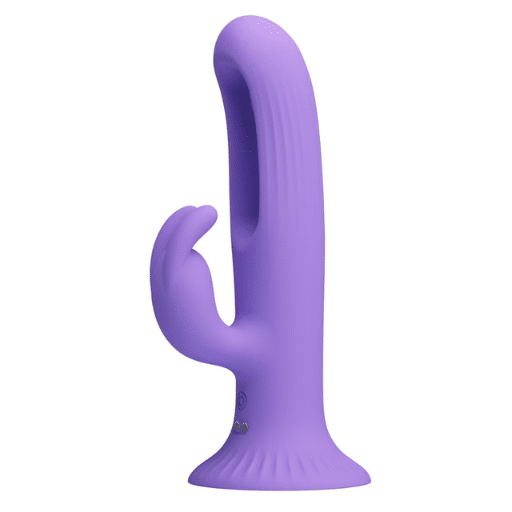
The material defines the user experience. Get this wrong, and no amount of marketing saves the product.
Medical-Grade Silicone: Types and Shore Hardness
The industry considers platinum-cured silicone to be its highest standard material. The material maintains non-porous properties while providing hypoallergenic protection and enduring all temperature conditions. The injection process for liquid silicone rubber (LSR) requires high pressure to achieve both precision and fast results.
Artisan work and lower-volume projects use hand-poured room-temperature vulcanizing (RTV) silicone. People experience material softness through Shore hardness testing which uses the Shore A scale. A dual-density toy might use 00-30 (very soft) for the outer layer and 20A for the core.
TPE and Dual-Density Options
Thermoplastic elastomer (TPE) is softer and less expensive than silicone, but it’s porous and less durable. Some manufacturers use TPE for budget lines and silicone for premium products.
Dual-density construction combines a firm inner core with a soft outer skin. This creates a realistic feel and improved structural integrity.
Electronics and Motor Integration
If your design includes vibration, heating, or app connectivity, material choice affects performance. Motors need secure housing, waterproof sealing, and vibration transfer.
Silicone dampens vibration more than hard plastics, so motor placement and housing material must be balanced. Battery compartments require precise tolerances to prevent leakage and ensure safety.
How Material Choices Impact Mold Cost and Lead Time
Complex materials increase mold complexity. Dual-density requires two-shot molding or overmolding. Translucent or pearlescent pigments need careful mixing ratios and longer cure times.
Metal flake or glitter effects can clog mold vents. Each of these choices affects tooling design, cycle time, and per-unit cost. Discuss material implications with your manufacturer during the CAD phase.
Common Design Mistakes and How to Avoid Them
Experience is expensive. Learn from others’ errors instead of your own.
Ignoring Design for Manufacturing (DFM)
A beautiful CAD model doesn’t guarantee a manufacturable product. Undercuts, zero-draft walls, and extreme aspect ratios create mold challenges.
Work with a manufacturer that provides DFM feedback during CAD review. This single step prevents the most expensive mistake in custom manufacturing: discovering your design can’t be molded after you’ve paid for tooling.
Overcomplicating the First Design
Founders often pack every feature into version one. App control, heating, dual motors, and LED indicators sound impressive, but they multiply risk.
Start with a strong core product. Add complexity in version two after you’ve validated the market.
Skipping Prototype Validation
Marcus, a distributor based in Berlin, rushed his first custom order in 2024. He approved tooling based on CAD renders alone.
When the production samples arrived, the button placement was awkward for one-handed use, and the silicone was firmer than expected. He had two choices: sell a suboptimal product or pay for new tooling.
He chose new tooling. The delay cost him his Christmas retail slot and 7,200inextramoldfees.A7,200inextramoldfees.A300 prototype would have caught both issues.
Designing Without Compliance in Mind
Regulatory requirements should influence material selection, component sourcing, and labeling from the first sketch. Retrofitting compliance onto a finished design is slower and more expensive than building it in.
Underestimating Tooling Lead Times
Steel molds take 15 to 45 days depending on complexity. Aluminum is faster but less durable. Prototyping adds 2 to 3 weeks. Certification testing adds another 2 to 4 weeks.
If you’re targeting a seasonal launch, work backward from your target date and add a 20% buffer. Manufacturers rarely hit optimistic timelines.
How Joyflick Supports Custom Sex Toy Design
Joyflick has guided more than 500 brands through their complete design-to-delivery process. Our company combines 50 patented technologies with ISO-certified manufacturing standards and our research and development team to create products that match your business needs.
Our design process begins with a consultation because we do not use quote forms for our projects. We evaluate your concept to determine its production feasibility before creating the most efficient production path. Our engineers provide DFM feedback during CAD modeling because you will only pay for functional tooling equipment
We create prototypes at our facility while we test materials according to CE and FDA requirements and we produce production molds that maximize yield and cycle time.
Our 300-unit minimum order requirement allows emerging brands to create their custom designs without needing to spend six figures. Our advanced research and development capabilities enable established brands to create app-connected devices and smart controls and ergonomic innovations that create unique product experiences.
Ready to turn your concept into a product? Request a custom design consultation today and discover how Joyflick brings ideas to life with precision, compliance, and care.
Conclusion
The process of designing custom sex toys exists as an established method which people can study. Success comes from understanding each phase, budgeting realistically, and partnering with a manufacturer that educates as much as it produces.
The process begins with the creation of a detailed project description which establishes the boundaries of work. The process requires testing through prototype development for verification purposes. You must establish your intellectual property rights before making any information disclosure. The process requires that you incorporate compliance requirements into all decision-making operations.
The brands that win in this market weren’t the ones that spent the most money. The successful companies achieve their goals through careful planning and smart product development and they select manufacturing partners who view design as a shared process rather than a financial agreement.
Joyflick’s team stands ready to assist you with your custom sex toy design project. Our company supports your product development process starting from your initial design until you reach your first manufacturing stage through our specialized knowledge and complete openness.