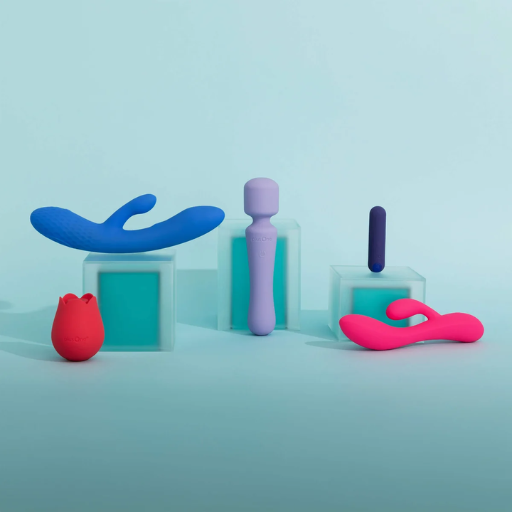

Manufacturing a custom adult toy costs between 3 and 3 and 250 per unit, depending on the product category, plus 150 to 150 to 20,000+ in tooling, 500 to 500 to 20,000 in certifications, and 0.20 to 0.20 to 8 per unit in packaging and shipping. Most first-time founders underestimate their total investment by 40-60% because manufacturers quote base unit prices while omitting the hidden costs that double the budget.
Alex learned this the hard way. In January 2025, he budgeted $8,000 for 500 ODM bullet vibrators.Thefactoryquoted8,000for500ODMbulletvibrators.The factory quoted 4.50 per unit. Simple math: 2,250forproduct,2,250forproduct,5,750 left for branding and launch. Then the real bills arrived. Sample shipping cost 180. Colormatching added 180.Colormatchingadded800. Certification verification was 1,200.Custompackagingsetupran1,200.Custom packaging setup ran 2,500. Air freight from Shenzhen to Los Angeles costs 2,100. When his first batch arrived,172,100.When his first batch arrived, 1714, 1714, 200. His remaining budget: negative.
If you are researching adult toy manufacturing costs for your brand, you have probably seen the same generic ranges. This guide gives you the specific numbers. You will learn what each product category actually costs to manufacture, what factories do not include in their quotes, and how to calculate your true landed cost before you commit a dollar.
Key Takeaways
- Base manufacturing represents only 40-60% of total investment; hidden costs can double your budget.
- Custom vibrator molds range from 3,000−3,000−20,000+ depending on electronics and complexity.
- Certification adds 500−500−20,000+ depending on product type and target markets.
- A 6,000moldcosts6,000moldcosts20 per unit at 300-unit MOQ but drops to $0.60 at 10,000 units.
- Budget manufacturers average 15-20% defect rates; premium manufacturers average 2-3%.
The True Cost Stack: What You Are Really Paying For
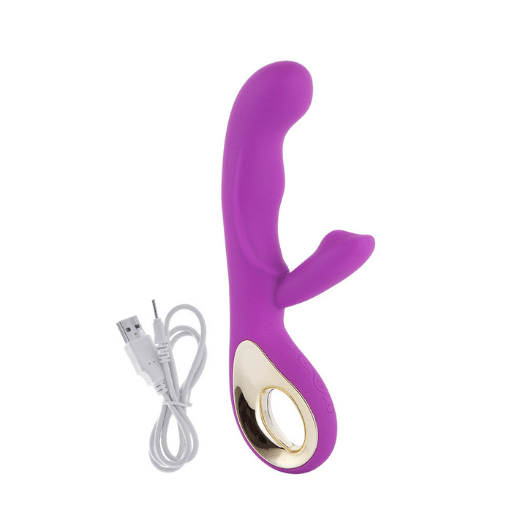
Manufacturing quotes rarely tell the full story. Understanding the complete cost stack helps you budget accurately and avoid the surprises that derail first-time founders.
Base Manufacturing (40-60% of Total)
Base manufacturing covers materials, labor, quality control, and facility overhead. According to industry data, these costs break down as follows:
| Cost Component | Percentage of Base | Details |
|---|---|---|
| Raw materials | 30-40% | Silicone, TPE, ABS plastic, electronics, motors |
| Labor and production | 25-35% | Assembly, finishing, packaging preparation |
| Quality control | 10-15% | In-line inspection, final testing |
| Facility overhead | 15-20% | Utilities, maintenance, equipment depreciation |
Base manufacturing is what factories quote. It is not what you actually pay.
Beyond Base Manufacturing (The Other 40-60%)
The remaining costs separate profitable launches from cash-flow crises. These include tooling and molds, certification and testing, packaging and branding, shipping and logistics, and a long list of hidden fees that manufacturers assume you know about.
The Landed Cost Formula
True cost per unit equals manufacturing cost plus tooling amortization plus certification plus packaging plus shipping plus duties and fees. Most founders stop at manufacturing cost. That is why they run out of money.
For a complete roadmap that connects these costs to the full manufacturing process, see our guide to custom adult toy manufacturing.
Cost Breakdown by Product Category
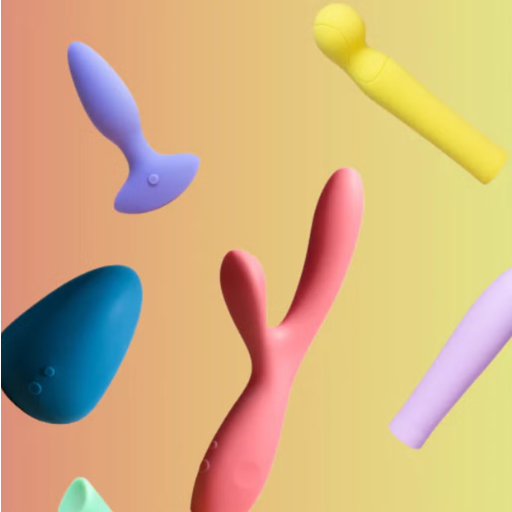
Numbers without context are useless. Here is what adult toy manufacturing actually costs for each major product category in 2026.
Vibrators (Basic to App-Connected)
Vibrators represent approximately 52% of total adult toy usage, making them the most common entry point for new brands.
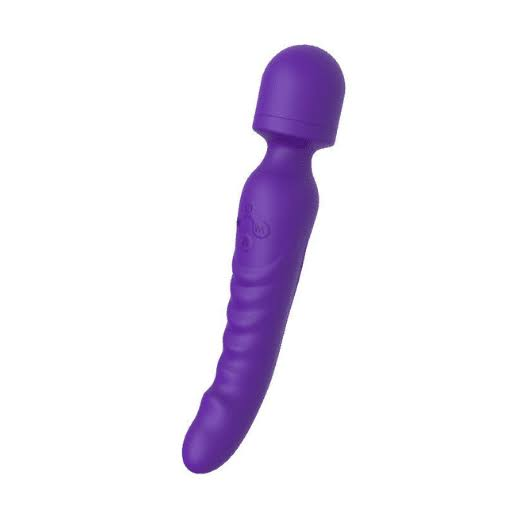
A basic bullet vibrator with a simple motor and ABS housing costs 3−3−5 in materials and labor per unit at 500-unit MOQ. Mold costs run 3,000−3,000−6,000. Total first-product investment with packaging and certification verification: 8,000−8,000−15,000.
A mid-range silicone vibrator with multiple speed settings costs 8−8−15 per unit. Mold costs run 6,000−6,000−10,000. Electronics add 3−3−6 for the circuit board and 2−2−5 for the motor. Total first-product investment: 17,000−17,000−30,000.
An app-connected vibrator with Bluetooth, customizable patterns, and a rechargeable lithium battery costs 15−15−35 per unit. Mold costs exceed 10,000.Electronicsandfirmwaredevelopmentadd10,000.Electronicsandfirmwaredevelopmentadd5,000-15,000.Certificationforwirelessdevicesadds15,000.Certificationforwirelessdevicesadds3,000-8,000forFCCPart15intheUS.Totalfirst−productinvestment:8,000forFCCPart15intheUS.Totalfirst−productinvestment:35,000-$75,000.
Silicone Dildos
Silicone dildos have lower electronics costs but require multiple molds for production efficiency.
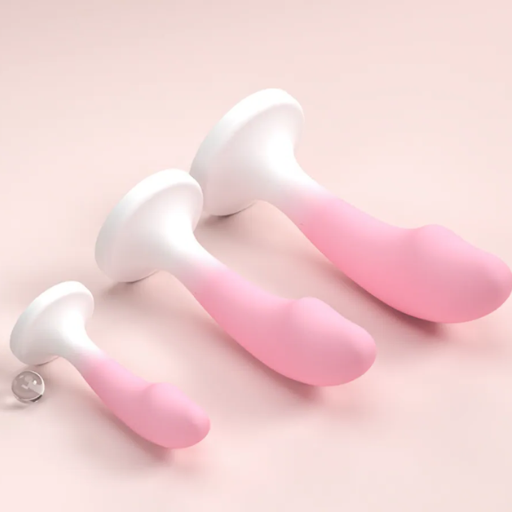
A standard hand-poured silicone dildo costs 4−4−10 per unit at scale. The mother mold costs 150−150−300. Production molds cost 120−120−250 each, and you typically need five to ten for efficient rotation. Pigmentation and effects add 0.50−0.50−3 per unit. Total first-product investment: 3,000−3,000−8,000.
Custom artistic designs with complex color patterns or fantasy shapes cost 12−12−25 per unit. Mold costs run higher due to intricate detailing. Total first-product investment: 8,000−8,000−18,000.
For guidance on selecting safe silicone grades that affect your unit cost, see our guide to body-safe materials in adult toys.
BDSM and Leather Products
BDSM products typically have lower tooling costs but higher labor content.
Leather restraints and cuffs require cutting dies at 200−200−500. Unit costs run 5−5−15 per set, depending on leather grade and hardware quality. Total first-product investment: 2,000−2,000−6,000.
Metal impact toys and collars require CNC machining or casting molds at 300−300−800. Unit costs run 8−8−25. Total first-product investment: 3,000−3,000−8,000.
Full bondage sets with multiple components cost 25−25−75 per set to produce. Setup costs run 500−500−1,500. Total first-product investment: 4,000−4,000−12,000.
For category-specific manufacturing guidance, see our article on BDSM toy manufacturing.
Male Masturbators and Pocket Pussies
These products use TPE, TPR, or silicone for the sleeve material, with plastic housings for electronic versions.
A manual TPE sleeve costs 5−5−12 per unit. Mold costs run 2,000−2,000−4,000. Total first-product investment: 5,000−5,000−10,000.
A silicone sleeve with higher durability and body-safe certification costs 10−10−20 per unit. Mold costs run 3,000−3,000−6,000. Total first-product investment: 8,000−8,000−15,000.
An electric masturbator with suction, heating, or vibration costs 25−25−50 per unit. Mold costs run 8,000−8,000−15,000. Electronics add 5,000−5,000−10,000. Total first-product investment: 25,000−25,000−50,000.
App-Connected and Smart Toys
Smart toys represent the fastest-growing segment, with app-connected devices making up approximately 34% of new product launches.
The manufacturing cost premium comes from three areas: electronics hardware, firmware and app development, and wireless certification. A basic Bluetooth-enabled device costs 35−35−60 per unit to manufacture. Advanced devices with AI, pressure sensors, or video syncing cost 100−100−250+ per unit.
Development timelines are also longer. App development can add 8-16 weeks to the project. Beta testing for connectivity stability across iOS and Android devices requires additional rounds and budget.
Tooling and Mold Costs Explained
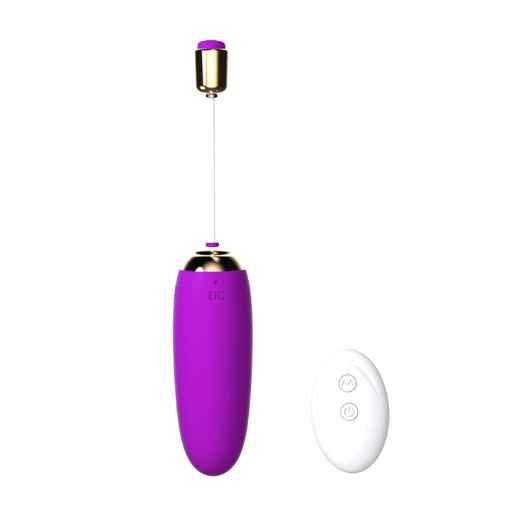
Tooling is where the highest upfront costs appear. Understanding mold types and amortization helps you make smarter volume decisions.
Mold Types and Pricing
| Mold Type | Cost Range | Typical Use Case |
|---|---|---|
| Manual mold (hand-poured) | 150−150−300 | Low-volume silicone products, prototypes |
| Simple injection mold | 2,000−2,000−4,000 | Minor modifications, single-component parts |
| Standard vibrator mold | 4,000−4,000−8,000 | Multi-part vibrator shells, ABS housings |
| Complex custom mold | 8,000−8,000−15,000+ | App-controlled, dual-motor, intricate shapes |
| Electronics housing mold | 3,000−3,000−10,000 | PCB enclosures, button assemblies, charging ports |
Mold Amortization: The Math That Matters
A 6,000moldsoundsexpensive.At10,000units,itadds6,000moldsoundsexpensive.At10,000units,itadds0.60 per unit. At 300 units, it adds $20 per unit. This is why MOQ matters.
| Order Volume | Tooling Cost Per Unit ($6,000 mold) |
|---|---|
| 300 units | $20.00 |
| 500 units | $12.00 |
| 1,000 units | $6.00 |
| 5,000 units | $1.20 |
| 10,000 units | $0.60 |
At Joyflick, our 300-unit MOQ on OEM and Modified ODM programs means you can amortize tooling across a smaller initial order. Most traditional adult toy manufacturers require 1,000+ units, which changes your break-even math significantly.
Mold Ownership
Your contract must explicitly state that you own the molds if you pay for tooling. Some factories retain ownership even when you funded the tooling. Negotiate transfer clauses upfront so you can move production if needed.
Certification and Compliance Costs
Certifications are not optional decorations. They are legal requirements that determine whether you can sell in your target markets.
Required Certifications by Market
| Certification | Cost | Timeline | Applies To |
|---|---|---|---|
| CE marking (EU electronics) | 2,000−2,000−5,000 | 2-4 weeks | Electronic products sold in EU |
| FCC Part 15 (US wireless) | 3,000−3,000−8,000 | 2-4 weeks | Wireless devices sold in US |
| REACH (EU materials) | 1,000−1,000−3,000 | 2-4 weeks | All materials sold in EU |
| RoHS (EU electronics) | 500−500−1,500 | 1-2 weeks | Electronic devices in EU |
| FDA 21 CFR 177.2600 | 1,000−1,000−3,000 | 2-4 weeks | Silicone and rubber materials in US |
| ISO 3533:2021 | 2,000−2,000−5,000 | 2-6 weeks | Adult toy safety standard globally |
Who Pays by Manufacturing Model
With ODM, factories often hold existing certification reports for base designs. Your compliance cost drops to 500−500−2,000 for verification and documentation transfer. With OEM, you bear the full burden. For electronic toys, this can add 8,000−8,000−20,000 and 2-4 months to your timeline.
For a complete breakdown of every certification requirement, see our guide to adult toy certifications explained.
Packaging, Shipping, and Logistics
Packaging transforms a generic product into your brand experience. Shipping gets it to your warehouse. Both add costs that factories rarely include in initial quotes.
Packaging Costs
| Packaging Type | Cost Per Unit | Setup Fee |
|---|---|---|
| Simple polybag | $0.20 | $0 |
| Printed cardboard box | 0.50−0.50−2.00 | 200−200−1,000 |
| Luxury rigid box | 3−3−8 | 1,000−1,000−3,000 |
| Custom insert or foam | 0.30−0.30−1.50 | 500−500−1,500 |
Shipping Methods
| Method | Cost | Timeline | Best For |
|---|---|---|---|
| Sea freight | 2−2−5 per kg | 25-40 days | Large volumes, non-urgent inventory |
| Air freight | 5−5−12 per kg | 7-12 days | Medium volumes, seasonal launches |
| Express courier | 8−8−20 per kg | 3-7 days | Samples, urgent restocks |
Sea freight produces approximately 50 times less CO2 per ton-kilometer than air freight. Planning inventory needs further in advance reduces both cost and environmental impact.
For a deeper explore packaging design and costs, see our guide to custom packaging for adult toys.
Hidden Costs That Double Your Budget
Maya thought she was being smart. She received three factory quotes for her silicone vibrator line. Factory A quoted 6.50perunit.FactoryBquoted6.50perunit.FactoryBquoted5.80. Factory C quoted $4.50. She chose Factory C and celebrated the savings.
Eight weeks after launch, the returns started. Dead motors. Inconsistent vibration. Charging ports that failed after three cycles. Her defect rate was 18%. Returns cost her 3,200inrefunds.Replacementunitscost3,200inrefunds.Replacementunitscost2,800. Negative reviews cost her credibility she is still rebuilding six months later. Factory A’s 6.50 quote would have given her a 26.50 quote, which would have given her a 28,000 quote and her brand reputation.
The cheapest quote is rarely the cheapest total cost. Here are the hidden expenses that manufacturers do not always disclose upfront:
- Prototyping iterations: 100−100−500 each, typically 2-3 rounds
- Color matching: 500−500−1,500 per Pantone color
- Logo and branding setup: 1,000−1,000−3,000 for print plates and tooling
- Third-party inspection: 500−500−2,000 for independent quality verification
- Defect rate buffer: Budget manufacturers average 15-20%; premium manufacturers average 2-3%
- Warranty reserves: Plan 3-5% of revenue for replacements
- Mold maintenance: 10-20% of mold cost annually
- Compliance retesting: 1,000−1,000−3,000 when materials or suppliers change
- Currency fluctuation buffer: 5-10% for USD/CNY exposure
- Sample shipping: 50−50−200 per shipment
- Product liability insurance: 2,000−2,000−10,000 annually
- Storage and warehousing: 0.50−0.50−2 per unit per month
- Customs broker fees: 100−100−300 per shipment
- Import duties: Varies by market and product classification
- Bank transfer fees: 25−25−75 per international wire
Want to avoid surprise costs? Request a detailed cost estimate that includes every line item above before you sign any manufacturing agreement.
Budget Scenarios: What Your Money Gets You
James had 25,000 and asked for a sketch for a proprietary G-spot massager. Instead of creating one expensive custom mold, he designed three complementary SKUs that shared a base shape. One mold. Three products. Histooling costs stayed at 25,000, and a sketch for a proprietary G-spot massager. Instead of creating one expensive custom mold, he designed three complementary SKUs that shared a base shape.Onemold.Three products. Histooling costs stayed at $5,000 instead of $15,000. His break-even timeline dropped from fourteen months to eight.
Here is what three typical budgets actually buy in 2026.
Scenario 1: Startup ODM Launch (4,250−4,250−11,500)
- 3 catalog SKUs with custom colors and packaging
- 100-300 units per SKU
- Basic certification verification
- Air freight for speed
- Simple printed boxes
- Total landed cost per unit: 8−8−18
This is the validation phase. You are proving demand, not building differentiation.
Scenario 2: Growing Brand OEM Transition (29,000−29,000−75,000)
- 2 custom designs with proprietary features
- 500 units per SKU
- Full certification suite (CE, FCC, REACH)
- Sea freight for cost efficiency
- Premium packaging with inserts
- Total landed cost per unit: 12−12−28
This is the scaling phase. You own the design and the customer relationship.
Scenario 3: Established Premium Line (115,000−115,000−320,000)
- 1 advanced app-connected product
- 1,000+ units
- Luxury packaging with rigid boxes
- Global certifications for multi-market launch
- Sea freight plus express backup inventory
- Marketing campaign budget included
- Total landed cost per unit: 35−35−85
This is the market leadership phase. You are competing on innovation, not price.
How Manufacturing Model Affects Cost
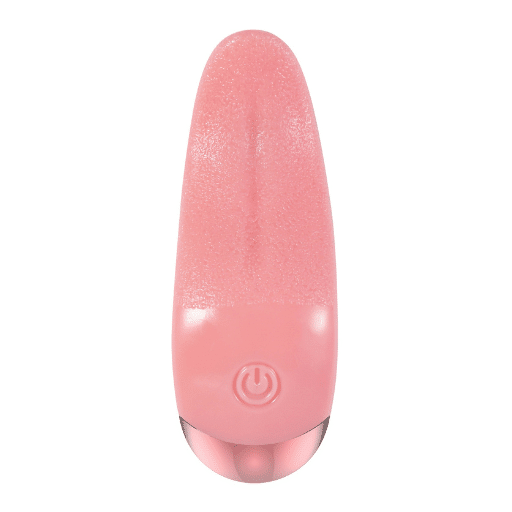
Your choice of manufacturing model changes every number in your budget.
OEM Cost Profile
High upfront investment, low per-unit cost at scale. You pay for design, tooling, and certification. At 5,000+ units, your per-unit cost often drops below ODM because you are not paying the factory’s design markup. You own the molds and the intellectual property.
ODM Cost Profile
Low upfront investment, higher per-unit cost. The factory absorbed the R&D and tooling. You pay a premium per unit for their existing design. No tooling investment means faster cash flow but thinner margins at scale.
Modified ODM Cost Profile
Moderate upfront investment for meaningful customization. You might pay 2,000−2,000−5,000 for texture or motor modifications instead of 8,000−8,000−15,000 for full custom tooling. You get differentiation without full OEM investment.
For a detailed comparison of these models and when to choose each, see our guide to OEM vs ODM manufacturing.
Cost-Saving Strategies Without Sacrificing Quality
Smart cost management is not about cutting corners. It is about spending money in the right order.
Start with ODM to validate demand. Custom tooling for an unproven product is gambling. Prove the market first.
Negotiate mold ownership and transfer rights upfront. If you pay for tooling, the mold is your property. Get it in writing.
Combine SKUs to share tooling costs. Three products that share a base shape mean one mold, not three.
Plan sea freight instead of air for non-urgent inventory. The savings often exceed 50%.
Use sample orders as a bridge to full MOQ. A 50-unit sample run at prototype pricing lets you test sales before committing to 500 units.
Batch certifications for multiple SKUs. Testing five materials at once costs less than five separate tests.
Choose materials that meet multiple market standards simultaneously. Medical-grade platinum silicone satisfies most global requirements. You test once, sell everywhere.
For more tactics on reducing minimum order requirements, see our guide to low MOQ adult toy manufacturing.
How Joyflick Structures Costs
Joyflick is built specifically for brands that want transparent pricing without the hidden fee surprises.
Our quotes include every line item: unit cost, tooling, packaging, certification, and shipping. There are no surprise fees after you sign.
Our 300-unit MOQ on all programs changes the amortization math. A 6,000moldat300unitscosts6,000moldat300unitscosts20 per unit. At most factories requiring 1,000-unit MOQs, that same mold costs 6 per unit.Butyouneed6perunit.But you need 7,000 more in inventory to hit their minimum. We believe emerging brands deserve manufacturing access without six-figure commitments.
Our ODM catalog includes existing certification documentation for major markets. That reduces your compliance costs from 8,000−8,000−20,000 to 500−500−2,000.
Our Modified ODM program lets you customize motors, textures, colors, and packaging on proven platforms. You get meaningful differentiation without the full cost of OEM tooling.
Request a Detailed Cost Estimate — Tell us your product idea, target volume, and markets. We will provide a line-item breakdown with no hidden fees.
Conclusion
Adult toy manufacturing costs are not a mystery. They are a stack of known expenses that most founders fail to add up.
Base manufacturing represents 40-60% of your total investment. Tooling, certification, packaging, shipping, and hidden fees make up the rest. The factory that quotes $4.50 per unit is not lying. They are just not telling you the whole story.
The founders who succeed budget for the full stack. They start with ODM to validate demand. They amortize tooling across shared SKUs. They choose materials that satisfy multiple certification standards at once. They plan sea freight instead of panic-shipping by air.
Alex spent 14,200becauseheplannedfor14,200becauseheplannedfor8,000. Maya lost her reputation because she chased the lowest unit price. James hit break-even in eight months because he designed for shared tooling from day one.
Your product idea deserves a budget that matches reality. Start with the numbers in this guide. Then get a detailed quote that includes every line item. The gap between the factory’s first email and your true landed cost is where most brands fail. Do not let yours be one of them.
FAQ
How much does it cost to manufacture a custom vibrator?
A basic ODM vibrator costs 3−3−8 per unit at scale, with 3,000−3,000−6,000 in mold costs. A mid-range OEM silicone vibrator costs 8−8−15 per unit with 6,000−6,000−10,000 in tooling. An app-connected vibrator costs 15−15−35 per unit with 10,000−10,000−20,000+ in development and tooling.
What is the cheapest adult toy to manufacture?
BDSM leather products and simple silicone dildos typically have the lowest entry costs. Leather cuffs require only 200−200−500 in cutting dies. Hand-poured silicone dildos need just 150−150−300 for a mother mold. Total first-product investments can be under $3,000.
How do I calculate true landed cost?
Add manufacturing cost per unit plus tooling amortization per unit plus certification costs, divided by units plus packaging per unit plus shipping per unit plus estimated duties and fees. Most founders stop at manufacturing cost and underestimate by 40-60%.
Can I reduce mold costs by sharing with other brands?
Generally no. Reputable manufacturers do not share molds between clients for intellectual property reasons. You can reduce mold costs by designing multiple SKUs that share a base shape, or by choosing Modified ODM instead of full OEM.
How much should I budget for certifications?
For ODM products with existing factory documentation, budget 500−500−2,000 for verification. For OEM electronic products requiring full testing, budget 8,000−8,000−20,000 for CE, FCC, REACH, and RoHS compliance.
What hidden costs do manufacturers not quote upfront?
The most common omissions are prototyping iterations, color matching, logo setup, third-party inspection, defect buffers, compliance retesting, currency fluctuation, sample shipping, and import duties. Always request a detailed line-item quote.