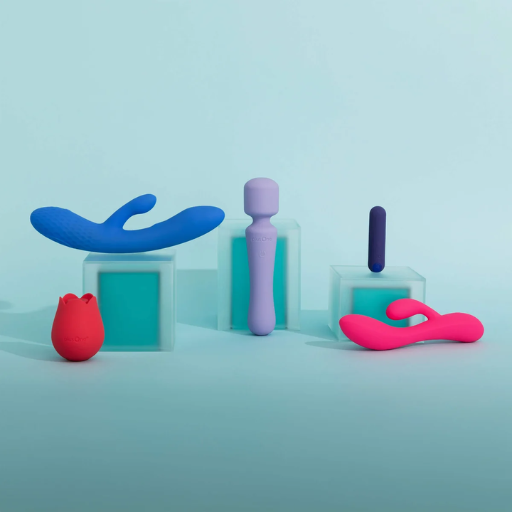
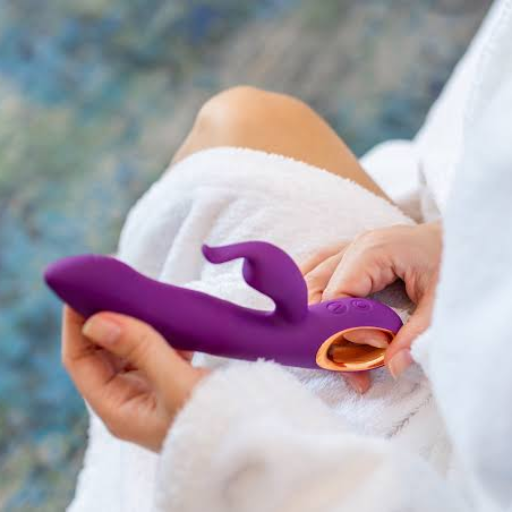
TPE sex toys get sticky because the softening oil inside the material slowly migrates to the surface and evaporates, leaving behind a tacky, degraded film. Heat, sunlight, silicone-based lubricant, harsh cleaners, and incomplete drying all accelerate the process. In most cases, a sticky surface is the first visible sign that the toy’s material is breaking down, not a sign that you cleaned it wrong.
That distinction matters, because the standard advice you’ll find online (“just dust it with cornstarch”) treats the symptom and tells you nothing about why it happened or whether your toy can be saved. It also quietly implies you did something wrong. You almost certainly didn’t.
Here’s the uncomfortable truth most guides skip: TPE is a blend of rubber and oil held together by formulation discipline. When the oil leaves, the material you bought is literally leaving the product. Powder buys you time. The right formula buys you years, and that’s a decision made at the factory, not at the sink.
This article covers the chemistry in plain language, a diagnosis path for your specific toy, the honest fix (including when to stop fixing and replace), and what separates a TPE product that stays silky for a year from one that turns tacky in a month.
Key Takeaways
- The root cause is oil migration. TPE contains softening oil that diffuses to the surface and evaporates over time; plasticiser loss is a documented degradation mechanism of plasticised polymers.
- Five accelerants make it happen faster: trapped moisture, silicone-based lube, heat and sunlight, harsh cleaners, and washing away the toy’s own oils.
- Cornstarch renewing powder is a mask, not a cure. It absorbs surface oil and moisture and restores a dry, silky feel for a while.
- The 48-hour test tells you the truth. If the tack returns within a day or two of powdering, the oil is gone from the bulk material and the toy should be replaced.
- Use cornstarch, never talc or baby powder. Talc has an asbestos-contamination history and IARC classifies perineal talc use as Group 2B, possibly carcinogenic.
Building a TPE product line and watching sticky-toy returns come in? Talk to Joyflick about specifying a formula that resists it
Why TPE Sex Toys Get Sticky: The Short Answer
TPE stands for thermoplastic elastomer. It’s a family of blends, not a single material, and the versions used in soft toys are typically a rubber base mixed with a large proportion of softening oil. That oil is what makes the product feel silky and skin-like instead of hard and rubbery.
Over time, the oil migrates through the polymer toward the surface and evaporates. This is called oil migration, plasticiser migration, or blooming, and it’s one of the main degradation mechanisms of any plasticised polymer product. Research published in npj Materials Degradation identifies plasticiser loss through diffusion and evaporation as a primary driver of material ageing.
What you feel as “sticky” is the residue of that process: partly evaporated oil sitting on a polymer that has lost the flexibility it was formulated with. That’s why the surface also grabs lint, dust, and hair. It’s no longer the smooth, low-energy surface that was moulded.
This is a material behaviour, not a hygiene failure. Our guide to whether TPE sex toys are safe covers the safety side of TPE formulations in depth.
The Real Cause: Oil Migration
What TPE Actually Is
TPE is an umbrella term covering six commercial families, including styrenic block copolymers (SEBS and SBS), olefinic blends, and thermoplastic vulcanisates. TWI’s technical overview of thermoplastic elastomers sets out the taxonomy.
The important point for anyone who owns a toy: “TPE” on a label tells you the material family, not the formula. Two products both labelled TPE can behave very differently, because they were compounded with different base polymers, oil systems, and additive packages. That’s why one sleeve stays silky for a year while its cheaper twin goes tacky in six weeks.
How the Oil Gets Out
Plasticizer migration follows a concentration gradient. The oil is distributed through the bulk of the material at moulding time, then diffuses toward the surface, where it evaporates into the air. ScienceDirect’s overview of plasticizer migration notes the process is temperature-dependent: higher temperatures promote migration, lower temperatures inhibit it.
Two consequences follow. Migration never stops; it only slows down. And anything that raises the material’s temperature speeds it up, which is why a toy stored in a hot car or on a sunny windowsill ages faster than one kept in a drawer.
Why the Surface Turns Tacky
Oil does two jobs in the formula. It keeps the polymer flexible, and it migrates to the surface to create the dry, silky hand feel that well-formulated TPE is known for. Both depend on the oil being present in the right amount and the right places.
As oil is lost, the residual oil that hasn’t yet evaporated behaves like a weak adhesive, and the polymer beneath becomes more cohesive. Together they produce the grabby, lint-attracting feel that signals a toy is ageing.
How Fast It Happens
Industry guidance commonly puts the first appearance of surface oil exudation, sometimes called “sweating,” at around 6 to 12 months of regular use. That’s a general range, not a specification. A well-formulated product with good care can exceed it comfortably, and a low-cost formula with heavy oil loading can fail much sooner.
If your toy went sticky within weeks, that points to one of the accelerants below rather than normal ageing.
Five Accelerants That Make It Happen Faster
Oil migration is the baseline cause, covered above. These five factors speed it up, and they’re ranked by how often they’re actually responsible. The table at the end lets you match your symptom to a cause.
1. Trapped Moisture and Residue
TPE is porous, so it absorbs what sits on it. If the toy isn’t dried completely, inside and out, water and lubricant residue stay in the surface structure. That moisture accelerates oil migration and gives the surface a damp, clingy feel that reads as sticky.
This is the most common accelerant, and the easiest to fix. Our guide to how to clean TPE sex toys covers the drying protocol in full.
2. Washing Away the Toy’s Own Oils
Here’s the cause almost nobody explains, and it catches people out precisely because they’re doing the right thing. The dry, silky hand feel of good TPE depends partly on a thin film of the product’s own oil at the surface. Frequent or aggressive washing strips it.
The result is a toy that feels slightly tacky immediately after cleaning, then recovers a little as oil migrates back. If your toy is stickiest right after a wash, this is your cause, and the fix is gentle cleaning plus renewing powder rather than more washing.
3. Silicone-Based Lubricant
Silicone lube and TPE are a bad combination. Silicone fluids penetrate the porous surface and interact with the oil system, swelling the material and permanently degrading the surface. The damage doesn’t reverse when you wash the lube off.
Water-based lubricant is the safe default for TPE. The full compatibility chemistry is in our guide to the best lube for TPE sex toys.
4. Heat and Sunlight
Heat accelerates migration, and sunlight adds photo-oxidation on top of it. A toy left on a windowsill, in a car, or near a radiator will age measurably faster than the same product stored in a cool drawer.
Sunlight is the more damaging of the two, because UV breaks down the polymer itself rather than just speeding up oil loss. Discolouration alongside stickiness is the usual tell.
5. Harsh Cleaners
Alcohol, acetone, bleach, hydrogen peroxide, and degreasing dish soaps all attack TPE. They strip the surface oil aggressively and can begin breaking down the polymer, which shows up as a sticky, sometimes slightly crusty feel plus fine cracking over time.
Some doll-repair sources recommend 70% isopropyl alcohol, but only for cleaning an area before applying TPE adhesive. That’s a repair step for a damaged product, not surface restoration for a toy you’re still using.
Diagnosing Which Cause Applies to Your Toy
| What you’re seeing | Most likely cause | Reversible? | What to do |
|---|---|---|---|
| Even tack across the whole toy, appeared gradually over months | Normal ageing and oil migration | Temporarily, with powder | Powder it, plan for replacement |
| Stickiest right after washing, recovers somewhat | Own oils stripped by cleaning | Yes | Clean more gently, powder after drying |
| Sticky plus damp smell, or sticky in patches | Trapped moisture and residue | Yes, if caught early | Dry completely, improve storage |
| Sticky plus swollen or permanently altered feel | Silicone-based lube damage | No | Replace, switch to water-based lube |
| Sticky plus discolouration | Heat and sunlight damage | No | Replace, store cool and dark |
| Sticky plus fine cracks or a crusty feel | Harsh cleaner damage | No | Replace, review your cleaning products |
The “Reversible?” column is the one that matters. The first three can be managed with a change in routine. The last three mean the material is finished, and no amount of powder will change that.
Is a Sticky TPE Toy Safe to Use?
For a short while, probably, but stickiness is a warning sign rather than a cosmetic issue, and it should move the toy up your replacement list.
The Hygiene Problem
Tack is adhesive at a microscopic scale. A sticky surface picks up lint, dust, and hair from storage and holds them against the material. Because TPE is porous, that debris sits in and on a surface you can’t fully clean. Bedsider’s guidance on cleaning sex toys makes the underlying point: porous materials can be cleaned but not sanitised.
The Material Problem
There’s a second issue that’s easy to miss. If your toy arrived with safety documentation, that testing was done on the formula as manufactured. A surface that has lost a meaningful share of its oil is no longer the surface that was tested.
That’s not a reason for alarm. It’s a reason to treat stickiness as a degradation marker rather than a cleaning annoyance.
When to Stop Using It Immediately
Replace the toy, don’t try to rescue it, if you see any of the following:
- Mould or mildew anywhere on the surface
- Cracks, splits, or visible tearing
- Discolouration that wasn’t there before
- A strong, sour, or changed odour
- Tack that returns within a day or two of powdering
Persistent stickiness belongs on that list. It’s the most reliable signal that the bulk material has lost enough oil to stop performing.
A quick note on “silicone” toys that go sticky: if a product sold to you as silicone has gone tacky, it was almost certainly TPE. Silicone doesn’t bloom, because it’s a cured elastomer rather than an oil-filled blend. Our guide to how to tell if a sex toy is real silicone walks through the identification tests.
How to Fix a Sticky TPE Toy
Marcus bought a stroker in March and loved it. By August, the surface had gone tacky, and being a conscientious owner, he washed it more often, sometimes twice a day, convinced he was missing something. It got worse.
When he read that the dryness he was scrubbing at was actually oil leaving the material, he switched to a gentler wash, dried it properly, and applied cornstarch renewing powder. The silky feel came back for about three weeks, then faded again. That second fade was the answer: the toy was spent, and no routine was going to change it.
His mistake is the most common one, and it’s worth naming. He treated a material problem as a cleaning problem. Here’s the protocol that actually works.
Step 1: Clean and Dry It Properly First
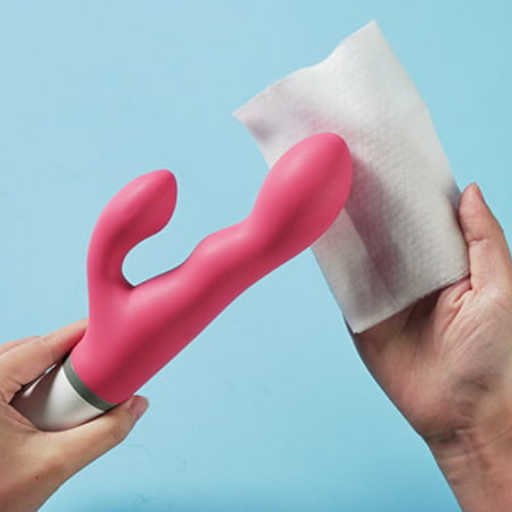
Powder over a dirty toy does nothing useful. Wash with warm water and a mild, fragrance-free cleanser, rinse until residue-free, then dry completely. The full routine is in our TPE cleaning guide.
That last step is the one people skip, and it decides whether the fix holds. Use a lint-free cloth, let it air-dry fully, and for sleeves and strokers use a drying stick to draw water out of internal channels.
Water is TPE’s primary enemy. Powder applied to a damp toy clumps, does nothing for the surface underneath, and creates the moist conditions that lead to mould.
Step 2: Apply Cornstarch or Renewing Powder
Once the toy is fully dry, dust cornstarch or a commercial renewing powder over all surfaces. Massage it in gently, let it sit for a few minutes, then brush or shake off the excess.
The mechanism is worth understanding: the powder absorbs surface oil and moisture trapped in the porous structure rather than simply coating over it, which is why it restores a genuinely dry, silky finish instead of a dusty one. Products like RealRock Revive are sold specifically for this purpose, and 100% cornstarch works just as well.
Never use talc or baby powder. Talc has a documented history of asbestos contamination, and the International Agency for Research on Cancer classifies perineal talc use as Group 2B, possibly carcinogenic. Cornstarch is the safe alternative, and it’s what quality renewing powders are made from.
Step 3: The 48-Hour Test
Powder it, then wait two days and handle the toy again.
If the surface still feels dry and silky, the oil loss was mild, and you’ve bought some time. Keep powdering after each wash as routine maintenance.
If the tack has returned, the oil is gone from the bulk of the material, not just the surface. Powder is masking a symptom on a product that has finished its life. Replace the toy.
That test is the most useful thing in this article, and almost no source mentions it.
How to Keep TPE Sex Toys From Getting Sticky
You can’t stop oil migration, but you can stretch the timeline considerably.
- Use water-based lubricant only. Silicone lube permanently degrades TPE. If you’ve already used it, expect some surface damage.
- Dry completely, every single time. Moisture is the most common accelerant, and it’s entirely within your control.
- Powder after drying as routine maintenance. Don’t wait for stickiness to appear. A light cornstarch dusting after each wash keeps the surface dry and buys months.
- Store cool, dark, and dry. A drawer beats a windowsill or a car. Heat speeds migration; sunlight breaks down the polymer as well.
- Keep it separate from other materials. TPE can degrade on contact with other plastics and rubbers, so a breathable pouch on its own is ideal.
- Wash promptly after use, and wash gently. Residue left to dry sinks in. Aggressive washing strips the surface oil you want to keep.
- Avoid alcohol, acetone, bleach, and degreasing soaps. They strip oil fast and attack the polymer.
Done consistently, this routine is the difference between a toy that fails at eight months and one that’s still comfortable at eighteen.
Why Some TPE Toys Stay Silky, and Others Fail Fast
This is the question brand owners actually ask, and it has a concrete answer. Two products can both be labelled TPE and behave completely differently, because stickiness resistance is set at the formulation stage.
Oil Loading and Compatibility
Soft TPE needs a lot of oil, and there’s a limit to how much the polymer can hold. Exceeding a plasticiser’s maximum usable concentration causes it to exude from the material, a failure mode the polymer literature describes as bleeding, blooming, or leaching.
Industry guidance puts the practical threshold for SEBS and SBS-based TPE at roughly 30% oil content. Above that, low-molecular-weight oils begin migrating on their own, without any help from heat or lube. That figure is practitioner guidance rather than peer-reviewed data, but the direction is consistent: cheap formulas push oil loading high to hit a softness target at a low cost, and those are the products that go tacky first.
Base polymer choice matters too. SEBS absorbs and holds oil better than SBS, so SEBS-based compounds are generally less prone to exudation. Oil selection is the other half of it: naphthenic and paraffinic oils with appropriate flash points and molecular weights behave very differently in the same base resin.
Additive Package and Surface Finish
Antioxidants slow the oxidation that makes surfaces tacky over time, and filler and pigment loading affect surface stability. A formula with a thin additive package will pass a factory QC check on day one and still fail in a customer’s hands by month four.
The skin of a moulded part is the layer that resists tack longest, so mould finish, injection parameters, and cycle time all matter. Our guide to TPE sex toy manufacturing covers the process side in detail.
What This Means for Your Product Line
A sticky-toy complaint is a formulation signal, not a customer-error signal. If returns and support tickets cluster around stickiness, the first place to look is the compound specification, not the care instructions.
That said, care instructions still matter. ISO 3533:2021, the international standard for sex toy design and safety, requires that cleaning and maintenance instructions be provided to users. Our guide to adult toy certifications covers what the standard does and doesn’t prove. Shipping a care card that tells customers to dry fully and use cornstarch reduces complaints regardless of how good the formula is.
How Joyflick Specifies TPE Formulas That Resist Stickiness
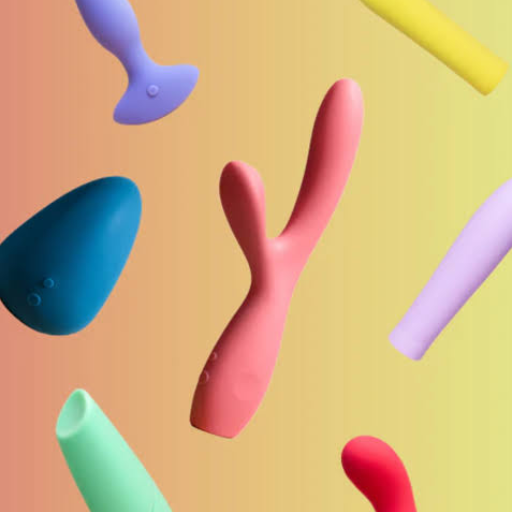
At Joyflick, we treat stickiness as a specification problem before it’s a customer-service problem. Our TPE programmes start with a documented compound: named base polymer, defined oil system, a specified antioxidant package, and controlled pigment and filler loading. Every batch ships with a Certificate of Analysis and Safety Data Sheet, so you can trace exactly what went into the product your brand’s name is on.
We run migration and VOC testing through independent labs including SGS and TÜV, because a formula that feels fine on day one can still shed oil at month six. And we build ISO 3533:2021-aligned care instructions into your packaging, so your customers get accurate guidance instead of guesswork.
Our MOQs start at 300 units, which means a small brand can get the specification right from the first production run rather than learning the lesson on a five-thousand-unit order.
Frequently Asked Questions
Why does my TPE toy get sticky right after washing?
Because washing strips the thin film of the product’s own oil that creates the silky hand feel. Clean more gently, dry completely, and apply cornstarch renewing powder after drying rather than washing more often.
Is a sticky sex toy safe to use?
Briefly, and with caution. Tack traps lint and bacteria, and TPE is porous, so it can be cleaned but not sanitised. More importantly, stickiness means the material is degrading and has drifted from the formula it was tested as. Treat persistent stickiness as a replacement signal.
Can cornstarch fix a sticky TPE toy permanently?
No. Cornstarch absorbs surface oil and moisture and restores a dry feel for a while, but it cannot reverse the chemical degradation happening in the bulk material. If the tack returns within a day or two of powdering, the toy is finished.
Can I use baby powder instead of cornstarch?
No. Talc-based baby powder has a documented asbestos contamination history, and IARC classifies perineal talc use as Group 2B, possibly carcinogenic. Use cornstarch or a commercial renewing powder that is explicitly talc-free.
Does silicone lube ruin TPE toys?
Yes. Silicone-based lubricant penetrates porous TPE, swells the material, and permanently degrades the surface. The damage doesn’t wash out. Use water-based lubricant with TPE, and see our TPE lubricant compatibility guide for the full picture.
How long do TPE toys last before getting sticky?
Commonly around 6 to 12 months for typical TPE products, with a general service life of roughly 6 to 18 months with good care. These are industry ranges, not guarantees. A well-formulated product with careful care can exceed them, and a low-cost formula can fail much sooner.
Why is my “silicone” toy getting sticky?
Because it’s almost certainly TPE. Silicone is a cured elastomer with no oil to migrate, so it doesn’t bloom or go tacky with age. Stickiness is one of the more reliable indicators that a product labelled silicone is actually a TPE blend.
Does heat or sunlight make TPE sticky faster?
Yes, to both. Higher temperatures accelerate oil migration, and sunlight adds photo-oxidation that breaks down the polymer itself. Store TPE in a cool, dark, dry place, never in a car or on a sunny windowsill.
When should I just replace a sticky TPE toy?
Replace it immediately if you see mould, cracks, discolouration, or a changed odour, or if the tack returns within a day or two of powdering. Plan for replacement around the 6 to 18 month mark regardless, because TPE is a consumable material rather than a permanent one.
Conclusion
TPE sex toys get sticky because softening oil migrates to the surface and evaporates, and no amount of care stops that process entirely. What you can control is how fast it happens, and whether you catch the warning signs early.
Four things worth remembering. Moisture, silicone lube, heat, and harsh cleaners are the accelerants, and all four are avoidable. Cornstarch renewing powder applied to a fully dry toy buys time, but it’s a mask rather than a cure.
The 48-hour test tells you honestly whether your toy still has life in it. And cornstarch, never talc.
If you own a TPE toy, the routine in our TPE cleaning guide is the best insurance you have, and our TPE vs silicone comparison explains what you’re trading for the softer feel and lower price.
If you build or sell TPE products, the lesson is different: stickiness resistance is a formulation decision, made before the first unit ships. It’s set by oil loading, base polymer choice, oil compatibility, the antioxidant package, and surface finish, and it’s verifiable with migration testing and batch documentation. That’s a far cheaper place to solve the problem than a returns department.
Ready to specify a TPE formula that stays silky? Talk to the Joyflick team about compound selection, migration testing, and ISO 3533:2021-aligned care documentation. MOQs start at 300 units.