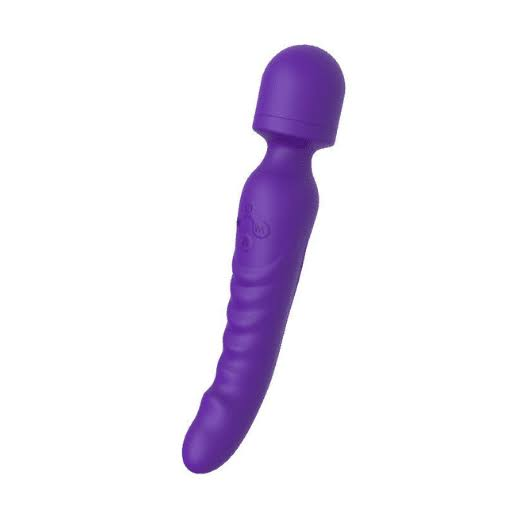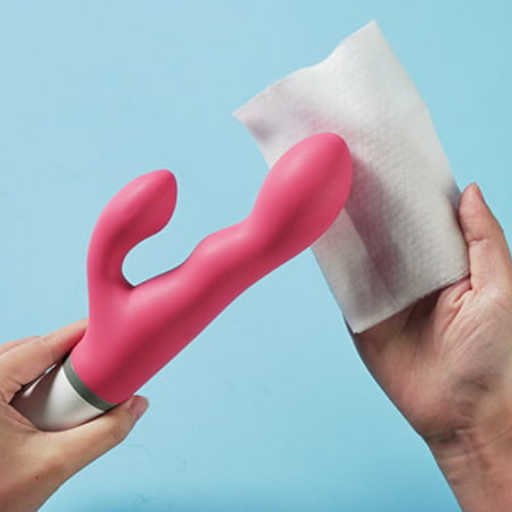
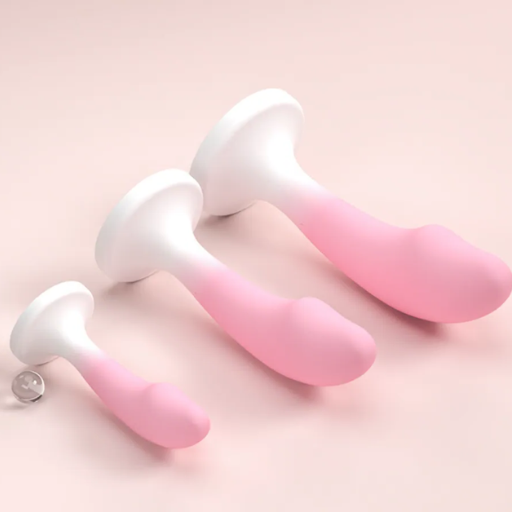
Silicone sex toys cost more than TPE because platinum-cured silicone runs roughly 2 to 4 times the price of TPE per kilogram, requires slower cure-based molding, and cannot recycle its cured waste. TPE injection-molds faster, its scrap can often be reprocessed, and it sells into a lower price tier. But that’s only the opening chapter of the TPE vs silicone sex toy cost story.
Here is the part most buying guides skip. A lower unit cost doesn’t automatically mean a lower total cost. A toy that returns, gets replaced, or lands in a warranty claim can quietly eat the savings you thought you captured at the factory gate.
We’re Joyflick, an OEM/ODM manufacturer that sources and molds both TPE and platinum-cured silicone every day. We don’t sell one material over the other. We quote both, test both, and ask the same question every time a brand founder calls: what are you actually trying to build, and what can your margin support?
This guide gives you the full picture, from raw material to retail shelf, so you can see where TPE vs silicone sex toy cost really lives.
Key Takeaways
- Silicone raw material typically costs roughly 2 to 4 times TPE per kilogram, so finished silicone products often land at a higher unit cost.
- TPE’s fast injection molding and reprocessable scrap lower per-unit cost; silicone’s platinum-cure process and non-recyclable cured waste add cost.
- The cheapest unit cost is rarely the cheapest product once you add tooling, defects, returns, and replacement cycles.
- Cost-per-use frequently favors durable silicone, while up-front cash and soft-touch feel favor TPE.
- Material cost must fit your target retail tier and margin. The wrong material caps your price ceiling.
Not sure which material fits your margin? Talk to our team about a costed material recommendation before you commit to tooling.
TPE vs Silicone Sex Toy Cost: The Short Answer

The direct answer, in about the space a search result gives you:
Is TPE cheaper than silicone? Yes. TPE costs far less per unit and per kilogram, and it molds faster. Silicone costs more up front but usually lasts longer, returns less often, and supports premium pricing. Choose TPE for value, softness, and speed to market; choose silicone when hygiene, longevity, and margin at the top of the range matter most.
The decision rarely comes down to raw material alone. It comes down to six variables: target retail price, target margin, expected lifespan, hygiene expectations, order volume, and how the formula is documented. Get those right, and the material choice usually makes itself.
Put simply:
- Cheaper up front: TPE. Lower material cost, faster molding, lower tooling entry point.
- Cheaper over time: Silicone. Longer service life, fewer returns, premium price ceiling.
Why Silicone Costs More Than TPE
Before we compare price tags, it helps to understand why the gap exists. The difference is not marketing. It is chemistry, tooling, and time.
Raw material and the platinum-cure premium
TPE is a family of thermoplastic blends, usually a polymer mixed with a mineral-oil plasticizer. It behaves like plastic when heated and like rubber when cooled, which makes it fast and forgiving to process.
Silicone is a cured elastomer. Platinum-cured silicone uses a precious-metal catalyst to trigger a chemical cure, and that catalyst is expensive. Across the industry, TPE is commonly reported at roughly one-half to one-quarter of silicone’s cost per kilogram, and finished goods often sell at two to four times the TPE price.
Treat those multipliers as directional, not fixed. Actual pricing shifts with grade, supplier, and volume, so confirm real numbers against your own quotes.
Processing, cure, and cycle time
TPE can be injection-molded on fast cycles. Offcuts and rejected parts are often reprocessable, so your effective material cost drops when you reuse scrap.
Silicone requires vulcanization, a curing step that takes time and energy. Liquid silicone rubber (LSR) injection molding or compression molding runs slower cycles, needs specialized tooling, and produces cured waste that cannot be recycled back into new parts.
Cycle time and scrap are real money. Slower throughput means fewer parts per machine-hour, and non-recyclable waste means every defect carries the full cost of the material.
What you are actually paying for
With silicone, part of the premium buys more than feel. It buys purity, tighter formulation control, and traceability that reduces return and liability exposure. That’s a cost trade, not a pure markup. For a hygiene-led or premium-positioned product, it’s often money well spent.
TPE vs Silicone Cost at a Glance
Use this table as your starting map. Directions are reliable; exact figures vary by product and quote.
| Cost factor | TPE | Platinum-cured silicone |
|---|---|---|
| Raw material (relative) | Lower, roughly 1/2 to 1/4 of silicone per kg | Higher, platinum-cure premium |
| Processing | Injection molding, fast cycles, reprocessable scrap | LSR or compression molding, slower cure cycles, non-recyclable waste |
| Tooling direction | Generally lower and faster to tool | Higher, especially LSR and steel tooling |
| Per-unit cost direction | Lower for mass-market soft designs | Higher material and tooling investment |
| Expected lifespan | Shorter, degrades or turns tacky over time | Long, can last years with care |
| Warranty and return exposure | Higher if the formula or finish is poor | Lower when certified and well-finished |
| Best margin tier | Value and mid-market | Premium |
| Documentation need | COA, SDS, migration and chemical testing | COA, cure system, biocompatibility where relevant |
The Real Cost Stack: More Than the Price per Kilo
A price per kilogram is one line in a longer bill. True landed cost stacks six components. Each behaves differently for the two materials.
| Cost component | TPE (direction) | Platinum-cured silicone (direction) |
|---|---|---|
| Raw material | Lower, roughly 1/2 to 1/4 of silicone per kg | Higher, platinum-cure premium |
| Tooling amortization | Generally lower | Higher, and volume-dependent |
| Yield and scrap | Reprocessable scrap lowers effective cost | Cured waste is a total loss |
| Testing and compliance | Applies to both materials | Applies to both materials |
| Care, replacement, warranty | Higher exposure if the formula is poor | Lower when certified and well-finished |
Raw material
Industry cost breakdowns commonly put raw material at roughly 30 to 40 percent of unit cost. This is the line where TPE wins most clearly, and it’s the line most buyers fixate on. It’s also the line that hides the rest of the story.
Tooling and molds
Tooling is a dominant upfront cost, and it’s easy to underestimate. Silicone tooling, especially for LSR and mirror-finish steel molds, generally costs more than the equivalent TPE tool. But mold cost is a share of landed cost spread across your run, not a product price. We’ll do the amortization math in a moment.
Yield, scrap, and defect rate
The gap between a budget and a premium factory is most visible here. Industry norms commonly cited sit around 15 to 20 percent defect rates for budget manufacturing and 2 to 3 percent for premium manufacturing. Those rejects are not free. TPE’s reprocessable scrap softens the blow; silicone’s cured waste makes each reject a total loss.
Testing and compliance
Certification and testing costs apply to both materials. What changes is scope. Ordinary market compliance, versus biocompatibility testing for a risk-scoped product, moves the number significantly. Budget for testing either way.
Care, replacement, and warranty exposure
This is the hidden multiplier. Care instructions, replacement cycles, and return rates all roll into the true cost of owning a product line. A material that lasts longer and returns less often can offset its higher unit price over the life of the line.
The Cost-per-Use Argument

Here is where the comparison flips. Cost per use is the retail price divided by the estimated number of uses across the product’s working life.
Consider Dana, a retailer we worked with who runs a small online shop. She stocked a low-cost TPE toy at 25 that customers replaced roughly every eight months, and a silicone model at 25 that customers replaced roughly every eight months, and a silicone model at $ 80 that was still in regular use after three years. Per year of use, the “cheap” option wasn’t cheap at all.
More importantly, returns and replacement complaints on the TPE line were eating her support time and eroding her reviews.
Cost per use favors durability. When a product lasts several times longer, the higher sticker price divides down to a lower figure per use. That’s the strongest cost argument for silicone, and it’s the one most competitor articles never make.
The counterpoint matters too. Cost per use only wins if the customer actually keeps and uses the product for years. For a soft-touch concept, a novelty, or a price-sensitive market, a lower entry price is the right call. Match the material to the buyer, not to a slogan.
Ready to test the difference on your own product? Request material samples in both TPE and platinum-cured silicone and compare them against your target price.
Tooling, MOQ, and Amortization
Tooling is where the TPE vs silicone cost gap either compounds or compresses, depending on your volume.
How mold cost spreads across volume
Mold cost is fixed, so it amortizes across your order. Here’s the illustrative math: a 6,000 tool costs 6,000 tool costs 20 per unit across 300 units but just $0.60 per unit across 10,000 units. That’s not a quoted price; it’s the shape of the curve. At low volume, tooling dominates the per-unit number; at high volume, material cost takes over.
Why low MOQ changes the decision
At low order quantities, per-unit penalties dominate everything. TPE’s generally lower tooling and material cost is more forgiving for a first run or a market test. A brand that only needs 300 units of a soft-touch product may find TPE the more rational entry point, even if silicone wins at scale.
Mold ownership and rebates
Before you pay for tooling, settle two questions. Who owns the mold when the project ends, and does the factory rebate tooling cost at higher volumes? Industry data suggests a majority of manufacturers rebate a large share of mold fees on high-volume orders. Negotiate this upfront, in writing.
Retail Tier and Margin: Where Each Material Makes Money
Material cost only matters in the context of the price the product can command. That’s a positioning question.
TPE fits value and mid-market tiers. It lets a brand hit an accessible retail price and still hold healthy gross margin, which is why so many soft-touch and entry products use it.
Silicone supports premium positioning. A higher unit cost is easier to justify when the product sells into a higher tier, carries a hygiene or longevity story, and returns less often. The margin at the top of the range is usually worth the higher material bill.
The mistake to avoid is the mismatch. A premium price point on a material the market doesn’t trust at that level, or a budget price point on a material whose cost structure can’t support it, both destroy margin. Set the retail tier first, then choose the material that fits it.
Choosing the Right Material by Cost and Product Type
Work through these six questions before you commit to either material:
- Target retail price: What will the market pay, and what does that leave for cost?
- Target margin: How much room do you need between landed cost and retail?
- Lifespan and hygiene expectations: Should the product last years, or fill a value niche?
- Volume and MOQ: Are you testing with 300 units or scaling to thousands?
- Market and compliance: Which regions are you selling into, and what testing do they require?
- Formula documentation: Can your supplier provide evidence of the exact formulation and batch?
A quick directional read: soft sleeves, strokers, and value soft-touch items lean TPE because softness, stretch, and unit cost drive the decision. Insertables and hygiene-led premium products lean silicone because cleanliness, longevity, and trust justify the premium. Hybrids exist, and they can be smart, but they also add tooling complexity, so cost them carefully.
Choosing the material is one decision. Building the product around it is another. For the full customization path, see how to customize adult toys for your brand.
How Joyflick Structures Material Cost

Transparent cost starts with an honest material conversation, not a default upsell.
We source and quote both TPE and platinum-cured silicone, and we recommend based on your product brief, target price, and market. Our 300-unit trial MOQ changes the amortization math that locks smaller brands out elsewhere. Standard products ship in 7 to 15 days, and custom orders in 15 to 30 days depending on complexity.
Quality and compliance run through the whole line. Our production holds ISO 9001 certification with a defect rate below 0.2 percent, six-stage inspection, and third-party testing through partners like SGS and TUV. We supply CE, FDA, and RoHS documentation to support multi-market distribution, all of which keeps your landed cost predictable instead of full of surprises.
Want a real number instead of a range? Request a TPE vs silicone cost estimate for your product idea and we will quote both materials side by side.
FAQ
Why are silicone sex toys more expensive than TPE?
Silicone costs more because its raw material is roughly 2 to 4 times the price of TPE, it uses a platinum-cure process with slower cycle times, and its cured waste cannot be recycled. TPE injection-molds faster, and its scrap is often reprocessable.
How much cheaper is TPE than silicone?
At the raw material level, TPE is commonly reported at about one-half to one-quarter of silicone’s cost per kilogram. Finished products often show a two-to-four-times difference. Confirm exact figures against current quotes, since grade and volume move the number.
Is the cheaper material the cheaper product over time?
Not always. A low-cost TPE item replaced every 6 to 12 months can cost more per use than a durable silicone product, especially once returns and replacement costs are included. Calculate cost per use, not just unit price.
Does tooling cost differ between TPE and silicone?
Yes. Silicone tooling, particularly for LSR and steel molds, generally costs more than the equivalent TPE tool. The gap per unit shrinks as volume grows and the tooling amortizes.
Does MOQ change which material is more economical?
It can. At low volumes such as 300 units, tooling and per-unit penalties dominate, and TPE’s lower entry cost is often more forgiving. At high volume, material cost dominates and the comparison shifts.
Which material gives better retail margins?
Neither is automatically better. TPE supports value and mid-market margins at accessible prices. Silicone supports premium margins when the product sells into a higher tier. Margin depends on matching material cost to the retail tier you can command.
Is it worth paying more for silicone?
It is worth it when hygiene, longevity, and low return exposure matter, and when the product supports a premium price. For soft-touch, price-sensitive, or short-cycle products, TPE is often the smarter economic choice.
Conclusion
The gap between TPE and silicone sex toy cost comes down to chemistry, tooling, and time, not marketing. TPE wins on raw material, cycle speed, and up-front cash. Silicone wins on lifespan, return exposure, and the margin available at the top of the range.
The mistake is stopping at the unit price. Add tooling, defects, testing, care, and warranty exposure, and the cheapest quote is often not the cheapest product. Calculate cost per use, fit the material to your retail tier, and let the numbers pick the material.
If you are planning a product line and want both materials costed honestly, reach out to the Joyflick team. We will quote TPE and platinum-cured silicone side by side, flag the hidden costs, and help you build a line that holds its margin from the factory gate to the shelf.