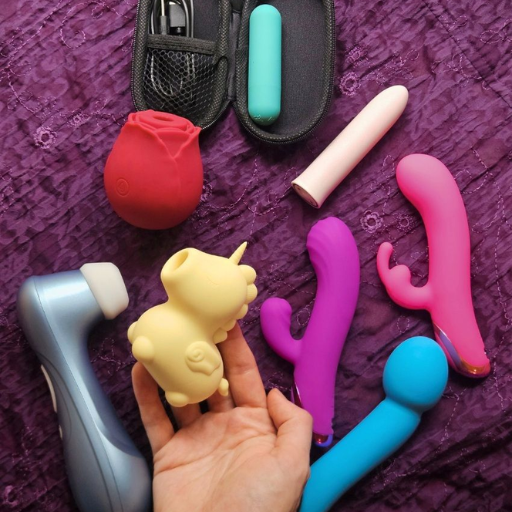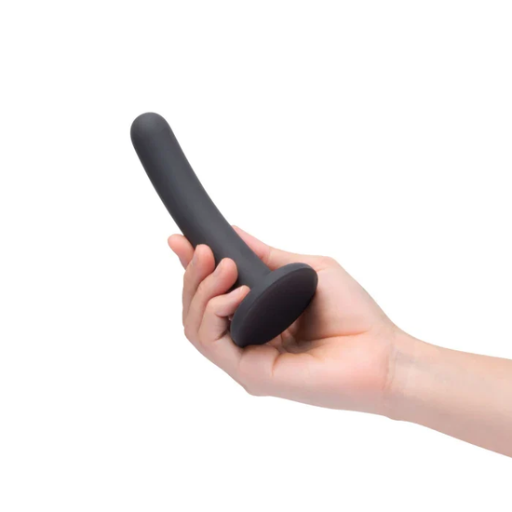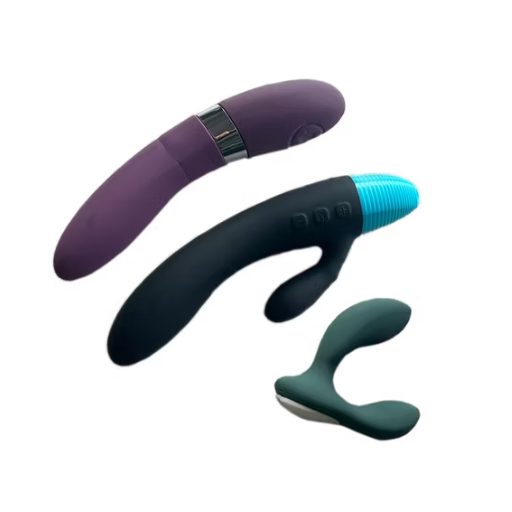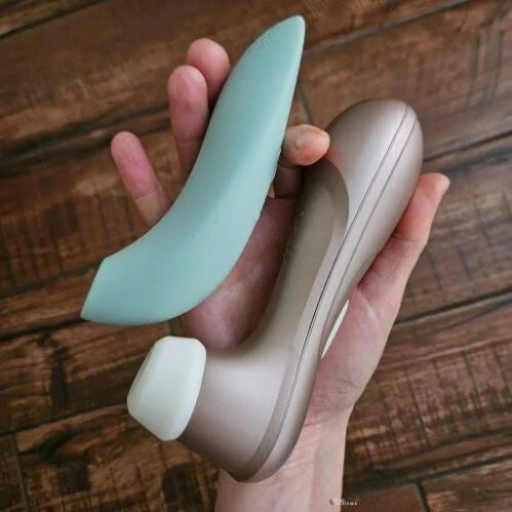
An allergic reaction to sex toys is usually a reaction to something on or in the toy, not proof that the material itself is allergenic. The likely triggers are latex, nickel in metal parts, fragrance and preservatives, residue in a porous surface, and lubricant ingredients.
That distinction matters because it changes what you do next. A latex reaction can escalate within minutes. A fragrance rash may settle in a week. A reaction that appears only after a toy sat in a drawer for months usually isn’t an allergy at all.
Here’s what most guides skip. Allergy, irritation and infection produce nearly identical symptoms: itching, redness, burning, swelling. Timing and location are the clues that separate them.
This guide covers what a real reaction looks like and the six causes worth ruling out. It also covers the tests a clinician can run, and the signs that mean get help now. If you are sourcing rather than buying, ask our materials team to review the formulation and test package before you approve a production run.
Key Takeaways
- Most reactions blamed on sex toys are irritant contact dermatitis, friction, residue or infection. True material allergy is less common, but latex and nickel reactions can be fast and severe.
- Timing is the strongest clue: minutes to an hour points to latex or a Type I reaction, 24 to 72 hours points to a Type IV contact allergy, and immediate burning that eases when you stop points to irritation.
- In a series of 37 patients with genital dermatitis, 41% had at least one positive patch test and 30% had clinically relevant allergic contact dermatitis. Fragrance-related allergens topped the list.
- About 14.5% of European adults are sensitized to nickel, which makes cheap metal hardware on cock rings, clamps and chains a real risk.
- True silicone allergy is uncommon. Most “silicone” reactions trace to pigments, catalysts, cleaning residue or a toy that was never silicone.
What Does an Allergic Reaction to Sex Toys Look Like?
Common symptoms are itching, burning, redness, swelling, hives and, in stronger reactions, small blisters. They appear where the toy or lubricant touched skin and can spread a little beyond it.
Less obvious signs count too: a dry, tight feeling the next day, soreness that outlasts the session, peeling skin a few days later. Those point to a contact reaction, not passing irritation.
The dangerous version looks different: breathing trouble, swollen lips or throat, dizziness, a racing heart, hives spreading across the body. That’s an emergency, not a wait-and-see situation.
The timing tells you which mechanism you are dealing with
| Onset | Likely mechanism | Typical cause |
|---|---|---|
| Minutes to 1 hour | Immediate hypersensitivity (Type I) | Natural rubber latex |
| 12 to 72 hours | Delayed hypersensitivity (Type IV) | Nickel, fragrance, preservatives, some colorants |
| During or right after use | Irritant contact dermatitis | Friction, dryness, residue, a harsh cleanser |
| 1 to 7 days, worsening | Infection | Yeast, bacterial vaginosis, a skin infection |
Immediate reactions are the dangerous ones. Delayed reactions confuse people, because the toy felt fine and the rash showed up two days later.
Allergy, Irritation or Infection? How to Tell the Difference
These three aren’t the same problem, and they don’t need the same response.
Allergic contact dermatitis is an immune reaction. The body must be sensitized first, so it usually appears after repeated exposure, not on first use. After that, a small amount can trigger it.
Irritant contact dermatitis is direct damage to the skin barrier, caused by friction, trapped moisture, soap residue or a drying cleanser. There’s no immune memory, so it can happen on first use and usually settles once the cause is gone.
Infection is microbial growth on the toy or in the body. A damp porous toy is a good home for it. Symptoms build over days and often bring discharge, odor or flu-like feelings.
| Feature | Allergy | Irritation | Infection |
|---|---|---|---|
| Onset | Delayed, often 1 to 3 days | Immediate to hours | 1 to 7 days, worsening |
| Main sensation | Itch, sometimes severe | Burning, stinging, rawness | Itch plus discharge or odor |
| Pattern | Confined to contact area, sharp borders | Patchy, matches friction points | Internal, often with systemic signs |
| Response to stopping the toy | Improves in 1 to 3 weeks | Improves in hours to days | May not improve without treatment |
| Recurrence | Returns with re-exposure | Returns with the same conditions | Can recur if hygiene does not change |
The honest limit: this table helps you think, it doesn’t diagnose. Only a clinician with a history and, where needed, a patch test can confirm an allergy.
A reader we’ll call Priya had a red, itchy vulva two days after using a new toy with a scented cleaner. She assumed she’d developed a silicone allergy. A patch test found a fragrance mix reaction instead.
The toy was fine. The cleaner wasn’t.
The Most Likely Causes of an Allergic Reaction to Sex Toys
Latex and rubber
Natural rubber latex is the most clinically significant allergen in this category, and it isn’t limited to condoms. Jelly rubber, some realistic-feel materials and certain bondage items can contain it.
Latex reactions are usually immediate. Hives, itching, swelling and in severe cases anaphylaxis can start within minutes of contact. A 1992 case report in Contact Dermatitis documented anaphylaxis after use of a latex vaginal vibrator (Effendy et al., 1992). One exposure was enough.
Latex allergy is more common with repeated exposure, such as among healthcare workers, and in people who have other allergies. If you’ve reacted to latex gloves or condoms, treat any unlabelled rubber toy as suspect until the maker confirms it’s latex-free.
Nickel and metal hardware
Nickel is the most common contact allergen in Europe. About 14.5% of adults are sensitized (Wennervaldt et al., 2024). On a sex toy, the metal is usually a cock ring, a clamp, a chain, a rivet or a core under a soft cover.
Nickel reactions, however, are delayed, typically one to three days, and appear as a well-defined itchy rash exactly where the metal sat. Sweat and friction make release worse, so a ring that feels fine for ten minutes can leave a mark two days later.
Cheap plated hardware is the usual culprit. Choose nickel-free or medical titanium parts, or a design with no metal. Brands can specify nickel-release testing using the EN 1811 method.
Fragrance and preservatives
Fragrance is the most underrated cause here. In a series of 37 patients with genital dermatitis, 41% had at least one positive patch test and 30% had clinically relevant allergic contact dermatitis. The top allergens were balsam of Peru, fragrance mix I, tolu balsam, phenylmercuric acetate and neomycin (Bhate et al., 2010).
Three of those five are fragrance-related. That supports one rule for mucosal skin: fragrance-free toys, lubricants, wipes and cleansers.
Preservatives also matter. Methylisothiazolinone, common in liquid soaps and wet wipes, is a frequent cause of allergic contact dermatitis. If your routine includes a scented wash, wipe and lube, a reaction may have nothing to do with the toy.
Silicone, which is rarer than the internet suggests
True allergy to fully cured silicone is uncommon. Published cases are mostly medical devices such as catheters and implants confirmed by patch testing, not toys.
Most reactions blamed on “silicone”, however, trace to a pigment, a catalyst residue, a cleaning product, or mislabelled TPE. That last case is common enough that a sticky, strongly smelling “silicone” toy deserves a second look. Our guide to how to tell if a sex toy is real silicone covers the checks and their limits.
TPE, PVC and jelly: porous does not mean allergenic
By contrast, TPE, TPR, PVC and jelly rubber aren’t automatically allergens. The problem is porosity. A porous surface holds lubricant, skin oil, soap and water, so residue irritates and moisture feeds microbial growth.
Plasticisers are a separate issue. Phthalates have been found in sex toys, but they aren’t a classic contact allergen. The concern with them is exposure over time, not a rash on Tuesday.
Keeping those two questions apart makes the discussion more honest. For the material-level picture, see are TPE sex toys safe.
Lubricant and spermicide
In practice, lubricants cause more reactions than toys do, and they’re easy to forget. Glycerin, glycols, preservatives, warming agents and flavorings can all irritate, and spermicide containing nonoxynol-9 is a known mucosal irritant.
A clinical review lists latex, lubricants, spermicides, topical drugs and cosmetics among the allergens that reach genital skin. It also notes that the exact prevalence is unknown (Caminati et al., 2019). Unknown prevalence is not the same as rare.
What to Do After an Allergic Reaction to Sex Toys
Work through these in order. Most mild reactions settle by step four.
- Stop the toy and the lubricant. Both, not just one. You need a clean baseline before you can tell which was responsible.
- Rinse gently with plain water. No scrubbing, no scented soap, no douching, no vinegar. Those add a second irritation on top of the first.
- Write down the timeline. Note when symptoms started, where they are, what you used, and whether the toy was new, old, washed or stored damp.
- Soothe only with advice. Cool compresses are safe. Ask a pharmacist or clinician before putting any cream, antihistamine or steroid on genital skin.
- Watch for emergency signs. Breathing trouble, throat or facial swelling, dizziness or widespread hives mean emergency care, not a pharmacy run.
- Do not re-test deliberately. Putting the toy back to see what happens is how a mild reaction becomes a serious one.
- See a clinician if it persists past a few days, worsens, or looks like infection. Discharge, odor, sores or fever all point that way.
Is it worth seeing someone? Yes, if it hasn’t settled in a few days. A sexual-health clinic or dermatologist can take a history, examine the skin and arrange patch testing if an allergy seems plausible.
How Doctors Confirm an Allergic Reaction to Sex Toys
There’s no home test that proves a toy allergy. Confirmation is clinical, and it usually follows a sequence.
History first. The clinician asks what touched the skin, in what order, and what happened after. Your timeline matters more than the brand name.
Patch testing for delayed allergy. Small amounts of standard allergens go on the back under patches. They’re read at 48 and 72 hours, sometimes again at a week. A positive reaction to nickel sulfate or a fragrance mix is meaningful because the test controls the exposure.
Skin prick or specific IgE testing for immediate allergy. These are used when latex is suspected. They carry a small risk of reaction, so they happen in a clinical setting.
Semen allergy workup where relevant. A reaction that appears only after intercourse without a toy points somewhere else entirely. Seminal plasma hypersensitivity is uncommon and often missed. In a review of 53 articles, 60.5% described systemic reactions and 39.5% localized ones. Diagnosis rested on history plus skin prick testing (Schacher et al., 2024).
What testing can’t do is tell you a material is safe for everyone. A negative patch test means you aren’t sensitized to the allergens tested. It doesn’t certify the product.
Which Sex Toy Materials Are Least Likely to Cause a Reaction?
Material choice lowers risk, but no material is risk-free. This ranking reflects allergen and irritation potential, not quality.
| Material | Relative reaction risk | Why | Watch for |
|---|---|---|---|
| Platinum-cure silicone | Low | Inert when fully cured; no latex; usually no metal | Pigments, residue, mislabelled blends |
| Borosilicate glass | Low | Non-porous and inert | Chips and cracks |
| Medical titanium | Low | Nickel-free and corrosion-resistant | Plated lookalikes |
| ABS hard plastic | Low | Non-porous, no plasticiser migration | Seams that trap residue |
| Medical stainless steel | Low to moderate | Durable, but some grades release nickel | Unverified grade |
| TPE / TPR | Moderate | Porous; formulation quality varies widely | Trapped residue, damp storage |
| PVC and jelly rubber | Higher | Plasticisers, possible latex, porous | Strong odor, tackiness |
| Natural rubber latex | Highest for latex-allergic users | Known immediate allergen | Unlabelled rubber parts |
Two caveats keep this honest. A well-made TPE toy with good hygiene can suit most people, and a badly finished silicone toy can still irritate. Also, “hypoallergenic” isn’t a regulated term. The US FDA states that there are “no Federal standards or definitions that govern the use of the term.” In practice, it means whatever the seller wants it to mean.
Our guide to hypoallergenic silicone sex toys covers materials, claims and how to read them. The broader body-safe materials guide puts the categories in context.
How to Reduce the Risk Next Time
Change one variable at a time. That rule solves most recurring reactions, because it shows you what mattered.
- Go fragrance-free across the board. Toy, lube, cleanser and wipes. If a reaction stops when you drop fragrance, you have your answer.
- Confirm latex-free in writing. Ask the seller, not the headline.
- Avoid plated metal against skin. Choose titanium, verifiable surgical steel, or no metal.
- Wash before first use and dry completely. Manufacturing residue comes off with one wash. Moisture is what turns a porous toy into a problem.
- Match the lube to the material. Silicone lube can degrade a silicone surface; oil-based lube damages latex. Our silicone cleaning guide covers what each material tolerates.
- Use a condom over a toy you’re unsure about. It’s a cheap barrier while you work out the cause.
For Brands: Designing Products That Do Not Generate “Allergy” Returns
Most “I’m allergic to your product” tickets are about fragrance, nickel, latex or residue, not material allergy. That’s good news, because all four are design decisions.
A brand owner we’ll call Daniel spent two months reformulating before anyone asked what customers were cleaning the toys with. Half the complaints traced to a scented soap. A specification checklist prevents most of them:
- Full material declaration, including latex content, on the product and the insert.
- Fragrance-free compounding by default for insertable products, with scent disclosed when it’s a deliberate choice.
- Colorant and pigment selection reviewed for skin contact, not just appearance.
- Nickel-release testing with the EN 1811 method for any metal that touches skin.
- ISO 10993-10 for sensitization and ISO 10993-23 for irritation, specified by part number, not “biocompatible.”
- Care information meeting the user-information expectations of ISO 3533:2021, a voluntary standard, not a certification.
- A complaint triage script: what else was used, when symptoms started, whether the toy was stored damp.
None of that is exotic. It’s the difference between a spec sheet that says “body-safe” and one a buyer can audit. Our adult toy certifications guide explains how the documents fit together.
If a shipment is generating complaints, start with a formulation and test-package review rather than a reformulation. Send our team the spec and the complaint pattern, and we’ll tell you which cause is most likely.
FAQ
How long after using a sex toy can an allergic reaction appear?
It depends on the mechanism. Latex reactions can start within minutes. Nickel, fragrance and preservative reactions usually appear 12 to 72 hours later. Irritation can start during use and is often immediate.
What does a sex toy allergy rash look like?
Usually an itchy, red, raised rash confined to the area of contact, sometimes with small blisters or a sharp border. A nickel rash often looks like the shape of the metal part that touched the skin.
Can you be allergic to silicone sex toys?
It’s uncommon. Fully cured silicone is chemically inert, and published silicone allergy cases are mostly medical devices. Most reactions blamed on silicone come from pigments, residue, cleaning products or a mislabelled material.
Can a sex toy cause a burning sensation?
Yes. Burning is more often irritation than allergy: friction, dryness, soap residue, a warming lubricant or a harsh cleanser. Burning within minutes of latex contact is the exception and needs attention.
Are TPE sex toys hypoallergenic?
No material is guaranteed hypoallergenic, and “hypoallergenic” is unregulated. TPE isn’t a classic allergen. It’s porous, though, and it holds residue and moisture, which causes irritation and infection more often than allergy.
How can I tell a yeast infection from an allergic reaction?
A yeast infection usually brings discharge and itching that builds over days. An allergic reaction follows contact and improves when you stop. The treatments differ, so ask a clinician.
Can semen cause an allergic reaction during sex?
Yes, though it is uncommon. Seminal plasma hypersensitivity causes local burning and swelling or systemic symptoms after exposure to semen. It’s diagnosed with a history and skin prick testing, not by changing toys.
Conclusion: What to Do About an Allergic Reaction to Sex Toys
An allergic reaction to sex toys is real, but it’s narrower than the internet suggests. Latex and nickel are the scary ones. Fragrance, preservatives and residue are the common ones. Silicone allergy is the over-diagnosed one.
The path is the same every time. Stop the toy and the lube, note the timeline, and let a clinician confirm what your skin is reacting to. If you design products, treat fragrance, nickel, latex and residue as specification decisions, not customer-service problems.