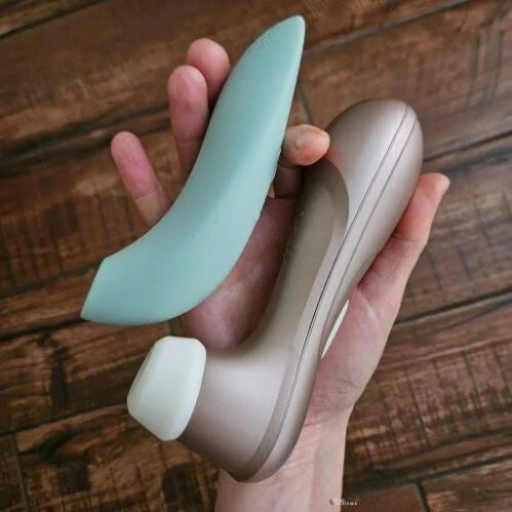

TPE is the better choice for most first-time buyers who want maximum softness at the lowest upfront price and will accept powdering, oil migration and a shorter service life. Platinum-cure silicone is better if easier cleaning, stable sculpted detail and a longer replacement cycle matter more than the extra cost and weight. A hybrid doll, with a silicone head on a TPE body, sits between the two.
This comparison is about full-body dolls, not sex toys in general. If you are choosing a dildo or a stroker, the material trade-offs are similar but the scale is different; our TPE vs silicone sex toy comparison covers that ground.
Here is the number that reframes the whole question. A 2024 analysis in Archives of Sexual Behavior looked at 757 full-body dolls marketed by one US retailer and found that 92.2% were TPE and 7.6% were silicone. The same study put the average female doll at 36.8 kg and 161.2 cm (Hanson, Döring and Walter, 2024).
TPE dominates by unit count. It does not dominate by years of ownership. That gap between what people buy and what lasts is where most of the confusion lives. Most TPE vs silicone sex doll comparisons stop at soft versus firm and never reach it.
This guide separates what is measured from what sellers claim. You’ll get the chemistry behind the feel, an honest cleaning comparison, cost-per-year math, and a spec checklist you can send to a supplier.
If you are sourcing dolls or doll components rather than buying one, send our materials team your draft spec, and we will tell you which tests to request before tooling.
Key Takeaways
- TPE is a soft, oil-extended thermoplastic. It feels closest to skin for the price, but the oil migrates, so it needs powdering and has a shorter service life.
- Platinum-cure silicone is a cross-linked thermoset. It is firmer and heavier, but it does not remelt, cleans more easily and holds detail longer.
- Public-health guidance says some TPE classes may be porous or heat-sensitive, while silicone is typically non-porous and heat-resistant. Neither material is molecularly impermeable.
- Weight decides usability more often than material does. At 158 cm, retailer specs put silicone roughly 3 to 6 kg heavier than TPE.
- At typical vendor lifespans, a 1,200TPEdollanda1,200TPEdollanda2,600 silicone doll can land within about $60 a year of each other. The cheap doll isn’t automatically the cheap decision.
TPE vs Silicone Sex Doll: The Short Answer

Match the material to three things: how often the doll is used, who cleans it, and whether the buyer can move 30 to 40 kg without help.
| Your situation | Better material | Why | Watch out for |
|---|---|---|---|
| First doll, tight budget, softness first | TPE | Lowest entry price, softest touch, warms quickly | Oil migration, tackiness, weekly powdering, shorter life |
| Frequent use, easy cleaning priority | Platinum-cure silicone | Non-absorbent when intact, tolerates heat cleaning, no oil to shed | Firmer feel, higher price, heavier |
| Photography, display or detail work | Platinum-cure silicone | Holds sculpted detail, makeup and paint longer | Weight; seams and paint wear at joints |
| Sensitive skin or hygiene concerns | Silicone, cleaned and dried carefully | Fewer places for residue to sit when the surface is intact | Silicone is not sterile; cleaning still decides |
| Want a silicone face without the full silicone price | Hybrid (silicone head, TPE body) | Best visual detail where it matters, lower weight and cost elsewhere | Neck seam, two cleaning routines, mismatched aging |
The single question that settles most cases: will this doll be used weekly, or will it spend most of its life in a case? Weekly use rewards silicone’s cleaning and durability. Occasional use rewards TPE’s lower price and softer feel.
TPE vs Silicone Sex Doll Materials: What They Actually Are
Most comparisons skip this part, then wonder why the ownership experience differs. The chemistry predicts almost everything that follows.
TPE: a soft gel held together by oil
TPE stands for thermoplastic elastomer. In dolls it is usually a TPE-S compound: a styrenic block copolymer such as SEBS or SBS, mixed with polypropylene and a large dose of mineral oil. A typical TPE-S formulation contains 30 to 70% SEBS/SBS, 20 to 50% polypropylene, and 5 to 30% mineral oil by weight, with a service temperature ceiling around 80 °C (MaterialRef).
That oil is what makes TPE feel soft and skin-like. It’s also what makes it behave the way it does over time.
The oil isn’t chemically locked into the polymer network the way a plasticizer in PVC is, and TPE-S isn’t oil-resistant. Over months, oil migrates to the surface. There it attracts dust, stains fabric and leaves the surface tacky. That’s the mechanism behind why TPE sex toys get sticky.
TPE is thermoplastic, which means it softens with heat and can be re-melted. That has one practical upside: a tear can often be welded shut with heat or a solvent, using matching TPE.
Silicone: a cross-linked thermoset
Silicone is a thermoset. Its polymer chains are chemically cross-linked into a network, so it doesn’t melt and can’t be re-fused. Platinum-cure (addition-cure) silicone reacts without by-products and shrinks very little. Tin-cure (condensation-cure) silicone is cheaper, releases an alcohol during curing, shrinks more, and is less stable at elevated temperature.
For a skin-contact product, platinum cure is the standard to ask for. It isn’t a guarantee of quality on its own, but it removes a class of cure-related problems before the doll is even moulded.
Because silicone is cross-linked, it has no oil load to migrate. It stays dimensionally stable, holds fine sculpt detail, and can be cleaned more aggressively. It also can’t be welded, so repairs use a silicone adhesive. That’s why silicone repair is a different skill from TPE repair.
Why this predicts the ownership experience
| Property | TPE | Platinum-cure silicone |
|---|---|---|
| Structure | Thermoplastic blend with mineral oil | Cross-linked thermoset |
| Feel | Softer, gel-like, warms fast | Firmer, more elastic, cooler at first touch |
| Oil migration | Yes, by design | None |
| Heat tolerance | Softens near 80 °C | High; tolerates hot washing |
| Repair | Weld with heat or solvent | Bond with silicone adhesive |
| Detail retention | Good at moulding, softens with age | Excellent, stable |
| Surface | Tacky without powder | Smooth, low tack |
Feel, Detail and Realism
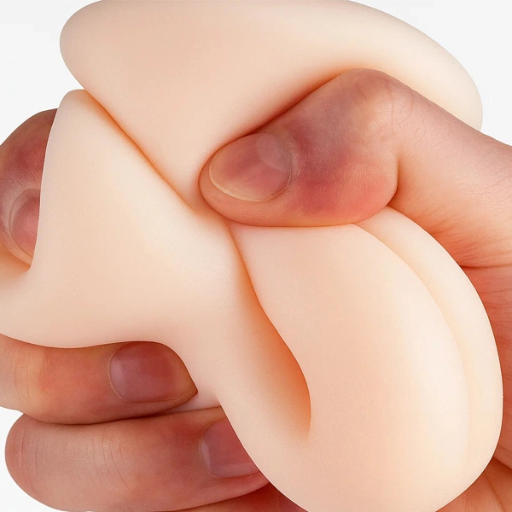
On softness alone, TPE wins for most people. A Shore 00 range of roughly 20 to 40 is common for TPE doll skin, which is softer than most silicone dolls. Silicone usually sits firmer, often around Shore 00 50 or above, though formulators can soften it. These numbers are not standardised across the industry, and a Shore value is only meaningful when it names its scale, so compare Shore hardness with care.
Detail is the other side. Silicone holds a moulded pore, wrinkle or nail bed more crisply, and it keeps that detail as it ages. TPE moulds well when new, but the surface softens and dulls as oil moves. Makeup and paint adhere better and last longer on silicone.
There is also a thermal difference. TPE warms to body temperature quickly. Silicone feels cool at first and takes longer to warm, which some buyers like and others do not.
Consider Nadia, who bought her first doll in 2024 on a $1,100 budget. She chose TPE for the softness and wasn’t disappointed in the first month.
By month eight the shoulders and thighs were tacky, a dark bedsheet had picked up a stain, and she was powdering every week. She didn’t regret the material. She regretted not budgeting for powder, a second cleaning kit and a replacement sooner than she expected.
That is the honest version of the softness argument. TPE delivers the feel. The cost of maintaining that feel is part of the purchase.
Cleaning a TPE vs Silicone Sex Doll: Hygiene and Skin Contact
This is where marketing language does the most damage, in both directions.
The National Collaborating Centre for Environmental Health published a 2020 evidence brief on sex dolls that remains one of the few independent sources on the subject. It describes the construction plainly. An articulated metal frame sits inside, with silicone or TPE moulded around it. A doll is roughly 5 ft tall and 70 to 130 lb, with two or three orifices and seams that complicate cleaning (NCCEH, 2020).
Its material findings are more careful than most vendor pages:
- Silicone dolls are typically non-porous and heat-resistant.
- Some classes of TPE may be porous and/or hygroscopic, and may also be heat-sensitive.
- TPE-based sex toys may harbour infectious agents longer than silicone.
- There is no evidence-based public-health guidance on disinfecting sex toys.
Two corrections follow.
First, “non-porous” doesn’t mean sterile or impermeable. Silicone rubber is gas-permeable, and an intact surface still has seams, hair, eyelashes and orifice edges where residue collects. Cleaning decides the hygiene outcome more than the material label does.
Second, “TPE is porous” is too broad. Porosity depends on the formulation and the foaming or moulding process. The NCCEH says “may” for a reason.
What “medical-grade” does and does not mean
There is no regulated grade called medical-grade silicone for sex dolls. ISO 10993 is a framework for biological evaluation of medical devices, and it applies when the test plan matches the actual contact profile.
A supplier who says “medical-grade” without a test report is using a marketing phrase. Ask for the cure type, the Shore value with its scale, and the specific biocompatibility tests that were run. Our guide to verifying medical-grade silicone walks through the documents.
Additives and the phthalate question
A 2023 study tested four sex toys and found phthalates in all of them, including one product labelled “phthalate-free” (Sipe et al., 2023). The authors are explicit that four products are not representative of the category and that the work is not a risk assessment. Read it as a reason to ask for documentation, not as proof that TPE is toxic.
TPE formulations vary widely. Some use phthalate-free plasticizers; some do not. A migration test and a REACH or phthalate declaration tell you what the material actually contains. That is a purchasing question, not a material-class question.
A cleaning routine that fits both materials
- Use a condom if you want the simplest cleanup. It is not a substitute for washing, but it reduces residue.
- Clean orifices with a mild, fragrance-free cleanser and warm water, then dry thoroughly. Moisture left inside is the real problem.
- Do not boil TPE or put it near a heat source. Silicone tolerates heat much better.
- Powder TPE lightly after drying to control tack. Corn starch or talc-free body powder works; avoid heavy application that cakes in seams.
- Store flat or supported, away from sunlight and pressure points.
- If irritation persists after cleaning, stop using the item and speak to a clinician. That is a medical question, not a materials one.
For step-by-step routines, see our guides to cleaning TPE and cleaning silicone. For a wider comparison of material classes, the body-safe materials guide covers this ground in more depth.
How Long a TPE vs Silicone Sex Doll Lasts, and What It Costs
Buyers ask “how long do sex dolls last?” and the vendor answers conflict, which tells you they are estimates rather than test results. Published guidance ranges from two to five years for TPE and five to ten-plus years for silicone, depending on formulation, use and care. Treat those as planning ranges, not warranties.
| TPE | Platinum-cure silicone | |
|---|---|---|
| Typical retail price (retailer listings, 2026) | 600to600to1,500; entry tiers near 200to200to500 | 1,500to1,500to2,700+ |
| Planning lifespan (vendor ranges) | 2 to 5 years | 5 to 10+ years |
| Routine care | Clean, dry, powder weekly; watch for tack | Clean, dry; no powdering needed |
| Repair method | Weld with heat or solvent; matching TPE patches | Silicone adhesive; patches or filler |
| Failure mode | Tears at joints and orifices, surface breakdown, oil loss | Tears at stress points, seam separation, paint wear |
| Resale and appearance | Softens and dulls | Holds shape and finish longer |
Repair deserves more attention than it gets. A TPE tear can be closed with heat or a solvent weld, and the repair is often strong enough to keep using the doll. The trade-off is a visible scar and a risk of over-softening the surrounding material.
A silicone tear is bonded with silicone adhesive. The bond is weaker than the original material, so it’s a stopgap rather than a restoration. Neither repair is invisible, and neither restores original strength.
Now the math buyers rarely do. Use mid-range prices and vendor lifespans:
- TPE: 1,200upfront,replacedevery2.5years,plusabout1,200upfront,replacedevery2.5years,plusabout60 a year in powder and cleaner. Over five years, that is two dolls and 300 in supplies, or roughly $ 300 in supplies, or roughly 540 a year.
- Silicone: 2,600 up front, used for seven years, plus about $ 2,600 upfront, used for seven years, plus about 30 a year in cleaner. That is roughly $401 a year.
At those assumptions, silicone costs less per year despite costing more than twice as much upfront. Push TPE to its optimistic end (four years) and silicone to its pessimistic end (five years), and the gap closes or reverses. The honest conclusion is that the two materials converge on cost per year somewhere around the two-and-a-half to three-year mark for TPE. If you expect to keep the doll longer than that, silicone’s price premium buys something real.
Priya ran this calculation before her second purchase. Her first TPE doll cost $1,300 and lasted a little over two years before the hips and neck needed repairs she didn’t trust.
Her replacement, a platinum-cure silicone doll at $2,400, is in year four with no structural work. She paid more once and stopped shopping. That isn’t a universal result, but it’s the pattern the numbers predict.
Sex Doll Weight, Size and Daily Practicality
Weight is the most under-discussed specification in the category, and it decides whether a doll gets used.
The 2024 analysis found an average female doll weight of 36.8 kg at 161.2 cm, with male dolls averaging 44.7 kg at 167.9 cm. That is roughly the weight of a large suitcase, held at arm’s length, with no handles.
Silicone is denser than TPE at the same volume. Retailer specs put a 158 cm silicone doll about 3 to 6 kg heavier than a TPE doll of the same height. Skeleton design, cavity size and wall thickness can move that number significantly.
Before buying, answer three practical questions:
- Can you lift 35 kg from floor to bed height without straining?
- Where will it stand or lie when not in use, and can you get it there alone?
- Do you have a stand, hoist or storage case, and does that add to the budget?
If the answer to the first question is no, a lighter doll or a torso model matters more than the material. A heavier doll that stays in a case is worse value than a lighter one that gets used.
Hybrid Dolls: Silicone Head, TPE Body
A hybrid sex doll exists because the face is where detail matters most and the body is where weight and cost matter most. A silicone head holds paint, eyelashes and fine sculpting better. A TPE body keeps the feel soft and the total weight and price down.
It’s a sensible compromise, with caveats. The neck seam joins two materials with different stiffness and different thermal expansion, so it’s a common failure point. The head and body also need different care: silicone tolerates stronger cleaning, TPE doesn’t.
The two materials age differently, too. A hybrid can end up with a pristine head on a body that has gone tacky.
Hybrid is the right answer when photography or face realism is the priority and the body is secondary. It is the wrong answer if you want one simple cleaning routine and even aging across the whole doll.
How to Choose: Five Questions
Work through these in order. The first two usually decide it.
- How often will it be used? Weekly or more points to silicone. A few times a year points to TPE.
- Who cleans it, and how much patience do they have? If powdering and careful drying will not happen, silicone is the safer choice.
- Can you move 35 to 40 kg safely? If not, prioritize weight over material and consider a smaller doll or torso.
- Is visual detail or tactile softness the priority? Detail points to silicone or a hybrid. Softness points to TPE.
- What is your five-year budget, not your upfront budget? Run the cost-per-year math before you decide.
One-sentence recommendations:
- First doll, limited budget: TPE, with powder and a cleaning kit in the same order.
- Frequent use or shared household: platinum-cure silicone.
- Photography or display: silicone, or a hybrid if weight is a problem.
- Hygiene-first buyer: silicone, plus a disciplined drying routine.
- Brand sourcing a doll line: specify the material by test and document, not by adjective.
For Brands: What Belongs in a Doll Material Spec

If you are buying at wholesale, the material name on a listing is not a specification. These are the fields that prevent disputes.
For TPE:
- Base polymer type (SEBS, SEPS or SBS) and supplier
- Oil type (pharmaceutical or technical white mineral oil) and oil load percentage
- Hardness on the Shore 00 scale, with the test method
- Density and nominal wall thickness
- Migration test result, including staining and tack after accelerated aging
- Phthalate and PAH declaration, with test method
- Pigment and colorant disclosure, including heavy-metal content
- Odor and VOC assessment
- Service temperature limit and storage instructions
- Repair kit composition and instructions
For silicone:
- Cure type (platinum addition cure required for skin contact)
- Hardness on the Shore A or Shore 00 scale, with the test method
- Tear strength and elongation at break
- Pigment and paint system, including adhesion test
- Seam construction and neck joint design
- Skeleton material, joint range and corrosion protection
- Insert or orifice material and attachment method
- Biocompatibility test report, with the contact profile it was run against
Documentation to request:
- Certificate of analysis for each material lot
- Safety data sheet
- Migration or extraction report
- Phthalate and heavy-metal declarations
- ISO 10993 report only if the test plan matches the intended contact
- A statement of conformity to ISO 3533:2021 where applicable. The standard is voluntary and covers products intended for direct genital or anal contact; it does not certify a doll (ISO 3533:2021).
A supplier who can answer these questions in writing is a different risk profile from one who answers with adjectives. If you want a second set of eyes on a draft spec, our materials team can review it before you commit to tooling. For the cost side of the same decision, see our TPE vs silicone cost comparison.
Frequently Asked Questions
Is TPE or silicone better for a sex doll?
There is no single best sex doll material. Neither is universally better. TPE is softer and cheaper upfront but needs powdering and has a shorter service life. Platinum-cure silicone is firmer, heavier and more expensive, but it cleans more easily and lasts longer. Match the material to use frequency, cleaning capacity and the weight you can handle.
How long does a TPE sex doll last?
Vendor guidance typically ranges from two to five years, depending on formulation, use and care. Heavy use, heat exposure and poor drying shorten that. No independent test data is establishing a standard lifespan, so treat any single figure as an estimate.
How long does a silicone sex doll last?
Vendor guidance typically ranges from five to ten-plus years. Platinum-cure silicone is more dimensionally stable and has no oil to migrate, which supports a longer life. Seam separation and tears at stress points are the common failure modes, not surface breakdown.
Why does my TPE doll feel sticky?
Mineral oil is migrating from the material to the surface. That is normal for oil-extended TPE, not a defect. Clean with a mild cleanser, dry fully, and apply a light layer of corn starch or talc-free powder. If the surface is also tearing or smells strongly of oil, the material is aging faster than expected.
Can you repair a TPE or silicone sex doll?
Yes, but differently. TPE can be welded with heat or a solvent and matching material. Silicone is bonded with silicone adhesive. Both repairs are visible and weaker than the original material, so they extend life rather than restore it. Practise on a hidden area first.
Is silicone worth the extra money?
It can be. At typical vendor lifespans, a 2,600siliconedollusedforsevenyearscostsabout2,600siliconedollusedforsevenyearscostsabout400 a year, while a 1,200TPEdollreplacedeverytwoandahalfyearscostsabout1,200TPEdollreplacedeverytwoandahalfyearscostsabout540 a year. The answer flips if you expect light use or a short ownership period. Run the math with your own numbers.
Are silicone sex dolls heavier?
Usually, yes. Silicone is denser than TPE at the same volume, and retailer specs put a 158 cm silicone doll roughly 3 to 6 kg heavier than a TPE doll of the same height. Skeleton design and wall thickness can change that by several kilograms.
Can you use silicone lubricant on a sex doll?
Use water-based lubricant as the default for both materials. Silicone lubricant can soften or damage silicone surfaces, and oil-based products can degrade TPE. Check the doll maker’s instructions, because formulations vary.
Conclusion
The TPE versus silicone decision isn’t a test of taste. It’s a forecast of ownership.
Choose TPE if softness is the point, the budget is tight, and you will keep up with powdering and careful drying. Choose platinum-cure silicone if the doll will be used often, cleaned by someone with limited patience for maintenance, or kept for years. Choose a hybrid if the face matters most and the body can compromise.
Then check the two numbers most buyers skip: the weight you can lift safely, and the cost per year rather than the price on the page. Those two answers change more purchases than any material claim. If you are still weighing TPE vs silicone sex dolls after that, start with use frequency and work down.
If you are specifying a doll or a doll component for a brand, send your draft spec to our materials team. We will review the material callouts, flag the tests you are missing, and tell you what to ask a supplier before you commit to tooling.