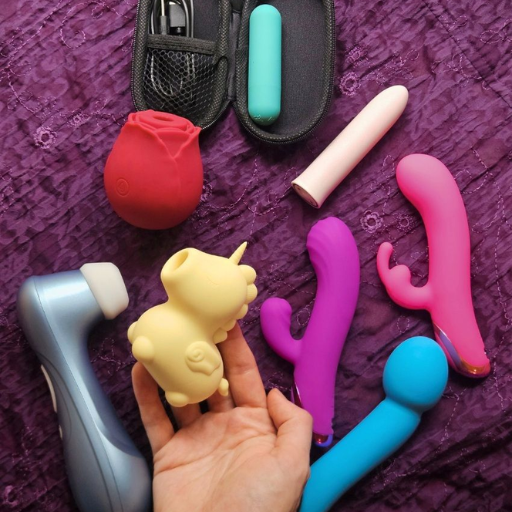
Sex toys rarely melt. What looks like melting is usually plasticizer moving from one material into another, heat softening the polymer, or a lubricant or solvent attacking the surface. True melting needs processing temperatures above 150°C, which no drawer, bathroom or hot car reaches.
The word hides that distinction. In 2003, a Minneapolis sex-toy shop opened a shipment and found oil weeping through the packaging and packing peanuts.
The distributor blamed the truck. The toys hadn’t melted. They were sweating plasticizer, and the problem started long before the truck.
If you own the toy, ask which failure left this pattern, not whether it melted. The answer decides whether you clean it, store it differently or retire it. If you make or sell toys, the pattern points to formulation, packaging or a missed instruction. Ask our materials team to review a compound if you’re seeing this in returns.
Key Takeaways
- Most “melted” sex toys aren’t melted. The usual cause is plasticizer migration between touching soft plastics, which softens and can fuse them.
- Plasticizers aren’t chemically bound. They leave faster when warm, and oil-based lube can increase migration by roughly three orders of magnitude in the Danish EPA’s tests.
- Heat deforms toys at specific limits: flexible PVC softens near 60°C, SEBS-based TPE near 90–100°C, and silicone tolerates about 200°C. A sunlit dashboard reached 69°C in one study.
- Damage that matches a contact point points to migration. Damage that follows heat exposure points to deformation.
- A gooey, warped, cracked or chemically smelly insertable toy should be retired. Solvents aren’t a safe repair.
Why Do Sex Toys Melt? The Short Answer
A sex toy “melts” when its polymer network stops holding shape or its surface chemistry changes. Four things cause that: plasticizer migration, heat softening, solvent attack, and a material that isn’t what the label says. Only heat produces literal melting, and only above normal use temperatures.
The damage pattern is the test. A gooey patch where two toys touched is migration. A toy that slumped in a hot car is heat deformation. A surface that changed after a new lube is solvent attack, and soft-PVC behavior under a silicone label is a material problem.
“Melting” Is Usually Plasticizer Migration
What a plasticizer is, and why it leaves
Flexible PVC is rigid polymer plus plasticizer. The plasticizer slips between chains and lets them slide, which makes jelly soft. It isn’t chemically bonded. It sits in the matrix and moves.
Conservation research on PVC dolls describes the result: plasticizer migrates to the surface and into the surroundings, leaving a tacky, weeping surface that can stick to packaging (Lee et al., Polymers, 2022). It can be half the weight. In the Danish EPA’s 2006 survey, 10 of 15 products contained phthalates; the highest reading was 702 g/kg, or 70.2% by weight.
Why toys fuse in the drawer
Migration runs from high concentration to low. Flexible PVC and jelly are usually donors. TPE and TPR are usually receivers, because their styrenic hard segments and oil phase absorb the ester. The result is a soft, tacky patch that matches the contact area.
Industry guidance says plasticizer from flexible PVC moves into styrenic TPE, making it soft and tacky. The migration runs both ways, and TPE oil can move into polystyrene, ABS or polycarbonate, softening or cracking those rigid plastics. Warmth speeds both directions (Resinbridge, “Sticky TPE Surface? Causes and Fixes”).
Hence the contact-area test. A patch that matches where a toy, vinyl pouch, foam insert or shelf touched is migration until proven otherwise. A toy that’s uniformly tacky, or warped across the body, isn’t.
Does silicone melt silicone?
Cured platinum silicone is a crosslinked network with little mobile plasticizer to donate. Toy-to-toy contact alone isn’t a well-documented way for two silicone toys to melt each other. Most reports involve TPE, TPR or jelly, silicone lube, or a PVC item in the same bag.
If you separate two silicone toys and the goo persists, contact wasn’t the cause. If a toy labelled silicone goes tacky at a contact point, suspect the label first. The tests in how to tell if a sex toy is real silicone can narrow it down, though none is proof.
The phthalate correction
Several ranking pages say phthalates “cause toys to melt and disintegrate.” That isn’t what happens. Phthalates are plasticizers. They don’t liquefy the toy. They leave it, and the material they leave behind can soften.
The donor usually gets harder. As plasticizer leaves PVC, the surface becomes under-plasticized, so old vinyl feels brittle and cracks. The receiver gets softer and tackier. Two toys touching can look like one melted into the other when it was a one-way transfer.
This is why “it smells chemical, so it’s toxic” is a bad rule. A smell and a gooey surface tell you the material is losing additives, not the dose or hazard. For the verification path, see are TPE sex toys safe.
The Danish EPA data shows why lube matters. For one soft PVC sample, DEHP migration was 6 µg/dm² with artificial sweat, 40 with water-based lube, and 5,480 with oil-based lube (Danish EPA, 2006). That’s about 900 times the sweat result and 137 times the water-based result. The test doesn’t prove harm, but it shows that oil-based lube is a powerful migration accelerant.
When Heat Really Does Deform a Toy
Heat damage is real, but narrower than the internet suggests. The temperatures that soften a toy polymer aren’t the temperatures that melt it. Household heat rarely gets close to either.
| Material | What heat does | Practical threshold | What it looks like |
|---|---|---|---|
| Flexible PVC / jelly | Plasticizer softens; the part loses stiffness | Softens around 60°C | Slumping, flattening, a greasy surface |
| SEBS-based TPE / TPR | Polystyrene hard segments stop anchoring the network | Around 90–100°C | Warping, loss of shape, a gummy feel |
| Platinum-cure silicone | Crosslinked network; no melting point | Continuous service around 200°C | Little change at household temperatures |
| ABS / hard plastic | Softens well above boiling water | Grade-dependent | Warping or cracking at the housing |
Sources: Grafix Plastics for flexible PVC; Resinplastics for SEBS; BIW for silicone. Values are formulation-dependent, so treat them as ranges.
Processing temperatures tell the rest. SEBS compounds are injection-molded at 150–220°C, which no drawer, bathroom or car reaches. The softening range is the problem, not melting.
The hot-car problem
A parked car is the likeliest place for deformation. In a study of six vehicles in Tempe, Arizona, the dashboard averaged about 69°C in direct sun after one hour; cabin air averaged 46°C. In shade, the dashboard still reached 48°C (Vanos et al., Temperature, 2018).
That’s above the softening point of flexible PVC and inside the range where TPE can lose its grip. Jelly can slump, TPE can warp, and silicone is unlikely to care, though its motor and battery may.
Heat damage follows exposure, not contact, and there’s no matching gooey patch where another object touched it.
Boiling water, dishwashers and radiators
Boiling water is 100°C. That’s within the range of many silicone toys and above the softening range of flexible PVC and many TPE compounds. Silicone usually takes it if there’s no motor, battery or glued joint. TPE and PVC may not.
A dishwasher adds detergent, mechanical action and a long dwell at roughly 60–70°C. That’s at or above the softening threshold for plasticized PVC and a stress test for TPE. Silicone handles the heat, but not the residue and tumbling.
Radiators, heated floors and windowsills are quieter versions. A few hours can be enough if the material is already soft.
Lubricant and Solvent Attack
Silicone oil can be absorbed into silicone rubber, where it acts as a plasticizer. The surface swells, softens and may turn tacky. The change is usually permanent.
This is the one place where “silicone melts silicone” has a real mechanism, and it’s the lube, not toy-to-toy contact. The chemistry is in silicone lube compatibility with silicone toys.
Oil-based lube does two things to a plasticized toy. It adds mobile oil to the surface and pulls plasticizer out. The Danish EPA numbers show the scale: about 137 times the DEHP migration of water-based lube on the same sample.
The surface feels slick, then tacky, then gooey. It can look like the toy is melting from the outside in. It isn’t. The lube changed the surface chemistry and sped up additive loss.
Alcohol is a common cleaning recommendation and a poor one for TPE. It strips oils, can cause swelling, and leaves the material prone to stress cracking and whitening. LELO’s care guide advises against harsh chemicals such as alcohol and acetone on porous toys. On silicone, alcohol is less damaging, but it isn’t necessary.
Acetone is worse. It dissolves many plastics, including PVC and ABS, and it’s volatile and flammable. Some retailer guides suggest repeated acetone cleaning to stop a “chemical burn.” Even if it removes the goo, it leaves residue on a body-contact product. Treat that advice as a reason to replace the toy, not a repair protocol.
The Other Causes: Bad Formulation, Motor Heat and Mislabeling
A TPE compound needs oil to feel soft. Above a certain loading, the oil isn’t well held, and it migrates on its own. PVC follows the same logic: more plasticizer means a softer toy. A cheap formula can hit a softness target with oil instead of a better base polymer.
Silicone has a different version. A poorly cured platinum silicone can leave unreacted oil or a tacky surface. Mold-release residue can do the same. Both read as melting, and both are manufacturing defects.
A vibrator adds a heat source. A failing motor, shorted battery or blocked vent can soften the housing from inside. The damage is usually a small melted or discolored patch near the motor or battery, not a uniform change. If a toy gets hot, smells of hot plastic or shows a swollen battery, stop using it and dispose of the battery safely.
A toy that turns gooey, fuses to a neighbour or smells of solvent is behaving like a plasticized material. Mislabeling is common enough that the word “silicone” should be a hypothesis until you trust the supplier. Price is a weak signal; the data sheet and the toy’s behavior over time are stronger.
How to Tell What Happened: A Diagnosis Table
| What you see | Likely cause | Typical materials | Fixable? | What to do |
|---|---|---|---|---|
| Gooey or tacky patch exactly where another object touched | Plasticizer migration | PVC/jelly donor, TPE receiver | No, once contaminated | Separate the toys; retire the affected insertable |
| Whole toy uniformly tacky, worsening over months | Plasticizer or oil loss | TPE, TPR, PVC | Temporarily masked | Replace; see the sticky-toy guide |
| Toy warped, slumped or flattened after heat exposure | Heat deformation | TPE, flexible PVC | No | Replace; change storage |
| Surface cracked, whitened or powdery after cleaning | Solvent attack or stress cracking | TPE, ABS | No | Replace; stop using alcohol or acetone |
| Oily film or droplets, strong chemical smell | Plasticizer exudation | PVC, jelly | No | Replace; wash hands after handling |
| Small melted or discolored spot near motor or battery | Motor or battery heat | Any housing | No, and it’s a safety issue | Stop use; dispose of the battery safely |
| Sticky patch on a “silicone” toy that won’t wash off | Mislabeling or PVC contact | TPE, PVC | No | Retire; verify the material before buying again |
Run three checks before you decide.
- Contact check. Does the damage match a contact point? If yes, think migration.
- Heat check. Was the toy in a car, near a radiator or in hot water? If yes, think deformation.
- History check. Did the surface change after a new lube, cleaner or bag? If yes, think solvent or migration.
If two checks point in different directions, trust the pattern over the story. Damage confined to a contact point is rarely heat; damage that follows a heat source is rarely contact.
Is a Melted Sex Toy Safe to Use?
A compromised surface is a hygiene problem first. A gooey, cracked or porous surface can’t be cleaned reliably. Bacteria and residue sit in the material, not on it.
For an insertable toy, retire it. That includes anal, vaginal and shared toys. An external toy with a small cosmetic mark is lower risk, but the material is still degraded.
Don’t salvage a gooey insertable with acetone, alcohol or a kitchen solvent. Don’t sand, melt or glue it either. A repair creates a new place for bacteria to hide.
If a toy caused itching, burning or discharge, stop using it and speak to a clinician. This article can explain the material failure, not diagnose an infection.
How to Store Sex Toys So They Don’t Melt
Storage can’t stop migration forever. It can slow it and keep one toy’s problem from becoming another’s.
- Store soft toys separately. One breathable fabric bag per toy. Don’t let PVC, jelly, TPE and silicone touch for long periods.
- Avoid vinyl, foam and Styrofoam in direct contact. These can donate or absorb plasticizer. A cotton bag beats a clear vinyl pouch.
- Keep the drawer cool, dark and dry. A hot car, windowsill, radiator or steamy bathroom shelf accelerates the chemistry.
- Don’t stack TPE against hard ABS or polystyrene. TPE oil can soften or crack rigid plastics.
- Remove batteries. A leaking battery adds heat and chemicals to the same drawer.
- Dry the toy completely. Moisture drives a different set of problems. The routine for cleaning TPE sex toys covers drying and storage.
A monthly check is enough for most people. Open the bag, feel the surface and look at the contact points. A toy that’s starting to tack is nearing the end of its life, even if it hasn’t deformed.
For Brands: Preventing “Melted Toy” Returns
A “melted in storage” return is usually a compatibility problem designed in. The fix belongs in the spec, not the service script.
Plasticizer choice and loading. A higher-molecular-weight plasticizer is less mobile than a small phthalate or a light process oil. Less mobile means slower migration, less bloom and fewer contact marks. Specify the plasticizer class and loading range, not just the shore hardness.
Cure, oil and mold release. For silicone, verify cure and post-cure. For TPE, specify oil loading and compatibility with the base polymer. For all, specify mold-release residue is removed before packing.
Packaging contact. A PVC window, vinyl insert, foam cradle or Styrofoam shell can interact with a soft toy. Test the finished toy in its packaging at transit and storage temperatures. Use polyolefin or coated paper in direct contact where possible.
Care instructions. Put the material, maximum temperature, lube compatibility, and storage rule on the care card. “Store separately from vinyl” is more useful than “store in a cool, dry place.” ISO 3533:2021 treats user information as part of the product’s safety requirements (ISO 3533:2021).
Documentation. Ask for the data sheet, the plasticizer identification, and any migration testing. If a supplier can’t name the compound, that’s the answer.
If you’re choosing compounds or packaging, talk to our materials team about the contact pairs, storage conditions, and tests that matter. The TPE sex toy manufacturing guide covers the process side in more depth.
FAQ
Do sex toys melt in a hot car?
They can deform, but they rarely melt. A sunlit dashboard can reach about 69°C, above the softening point of flexible PVC and inside the range where TPE can lose shape. Silicone tolerates more heat, though motors and batteries may not. Replace a warped toy.
Why did my toys melt together in the drawer?
The usual cause is plasticizer migration, not heat. Flexible PVC and jelly donate plasticizer; TPE and TPR absorb it. The surfaces soften where they touch and can fuse. Warmth speeds the transfer.
Is a melted sex toy safe to use?
If the surface is gooey, cracked, porous or deformed, retire it. It can’t be cleaned reliably, and residue sits in the material rather than on it. For an insertable toy, replacement is the safe default.
Can I fix a melted sex toy with acetone?
No. Acetone dissolves many plastics and leaves residue on a body-contact product. It may remove the visible goo, but it doesn’t restore the material. Replace the toy instead.
Why did my “silicone” toy melt?
A toy that goes gooey or fuses to a neighbour is behaving like a plasticized material, not platinum silicone. It may be mislabeled TPE or PVC, or it may have absorbed plasticizer from a PVC item stored beside it. Check the data sheet before buying it again.
Conclusion
Why do sex toys melt? Most of the time, they don’t. They lose plasticizer, absorb it from a neighbour, soften in heat or react to a lube or solvent. The damage pattern tells you which one happened, and the pattern is usually more honest than the label.
The contact-area test is the one to remember. A patch that matches where something touched is migration. A toy that warped after heat is deformation. A surface that changed after a new product is solvent attack, and none is safely reversible.
Store soft toys separately, keep them cool and dry, and retire anything that has turned gooey, cracked or misshapen. If you’re sourcing, put the material pair and storage condition in the spec. Contact the Joyflick team to review a compound, a packaging contact or a care instruction before your next production run.