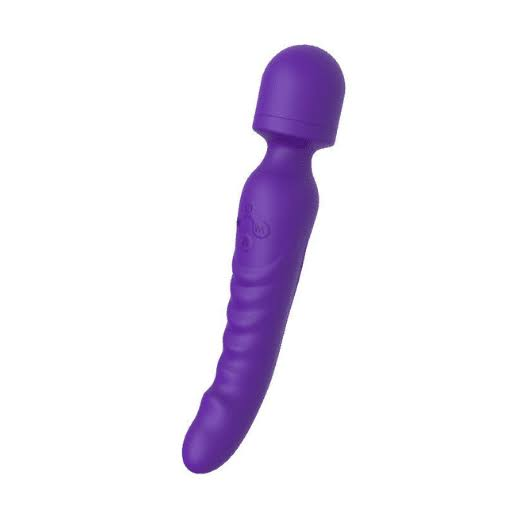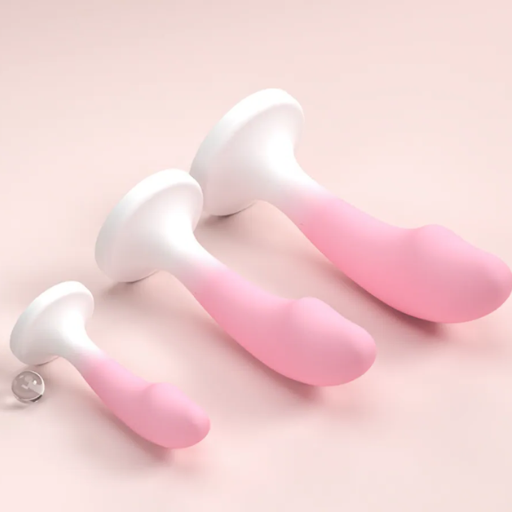
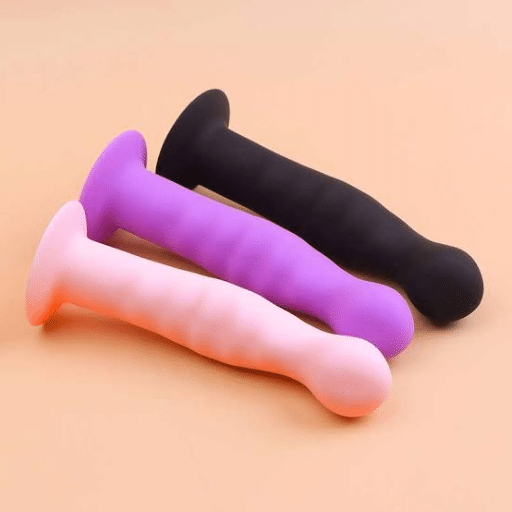
Shore hardness silicone sex toys span a wide range, from ultra-soft Shore 00-20 to firm Shore A 40 and beyond. The durometer measurement behind that range controls how soft or firm a toy feels. Two scales matter for silicone sex toys: Shore 00 for very soft, gel-like silicone and Shore A for soft-to-medium silicone, and the two are not interchangeable. This guide explains how to read Shore hardness for silicone sex toys, how to match firmness to your product line, and what manufacturers actually test and deliver.
When Nina started her private label toy brand in early 2026, she asked her first factory for silicone at “30 hardness.” The samples came back stiff, almost rubbery, nothing like the squishy feel she had pictured. Her factory had quoted Shore A 30. Nina had meant Shore 00-30, a much softer grade. That one missing letter cost her a month of development time and a full round of redesign.
That mix-up happens constantly in the adult toy industry. It’s exactly why understanding the durometer scale matters for anyone building a product line. Whether you’re a brand owner spec’ing your first custom run or a product developer comparing material grades, this silicone toy firmness guide gives you the plain-language version of what Shore hardness means, which firmness fits which use case, and what you should demand from your manufacturer.
Key Takeaways
- Shore hardness is measured with a durometer on a 0-100 scale; lower numbers are softer, higher numbers are firmer.
- Two scales matter for toys: Shore 00 (very soft, gel-like) and Shore A (soft to firm), and they are not interchangeable.
- Most silicone toys range from Shore 00-20 (ultra-soft) to Shore A 40+ (firm), with medium at 00-50 or Shore A 10.
- Dual-density toys combine a soft outer layer (00-20 to 00-30) over a firm core (10A to 30A) to mimic realistic flesh.
- Expect a realistic production tolerance of about ±5 Shore A, and always ask a supplier to state the scale and test method.
What Is Shore Hardness in Sex Toys?
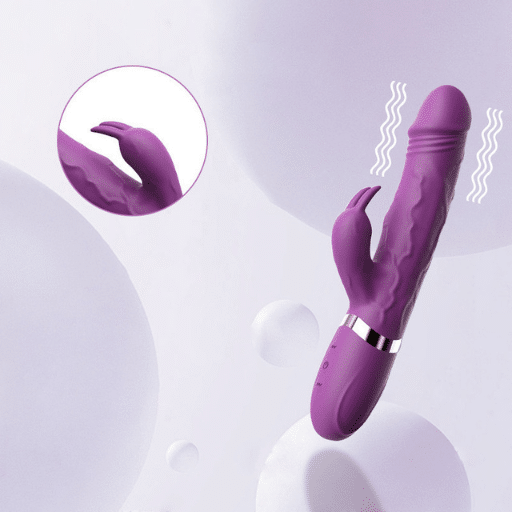
Shore hardness measures how much a material resists indentation. A small device called a durometer presses a metal indenter into the silicone and reads how far it sinks on a scale of 0 to 100. A lower number means the material is soft and squishy. A higher number means it’s firm and resists pressure.
This is a measurement of compressibility, not a measurement of safety. A soft toy and a firm toy can both be made from fully body-safe silicone. The hardness simply changes how the toy feels, how it bends, and how it behaves during use. If you want to verify that your silicone is genuinely body-safe material in adult toys, remember that Shore hardness is one spec among many. It doesn’t replace certifications or test reports.
How a durometer measures softness
The durometer test is simple in concept. A spring-loaded indenter is pressed against the silicone surface, and the depth of penetration is converted into a number. If the indenter barely moves, the reading is high and the material is firm. If it sinks deep, the reading is low, and the material is soft.
The test follows a published standard, ASTM D2240, which defines the indenter shape, the spring force, the sample thickness, and the reading time for each scale. It is a fast, non-destructive check, which is why manufacturers use it on every batch.
Shore 00 vs Shore A: the two scales that matter
Silicone suppliers list dozens of Shore scales, but adult toy brands need to understand two of them. Shore 00 uses a ball-shaped indenter with a light spring force and measures the very soft, gel-like materials used for squishy toys. Shore A uses a truncated cone indenter with more force and measures the soft-to-medium range that covers most conventional silicone.
The critical rule is that the scales are not equivalent. A reading of 00-30 is dramatically softer than a reading of 30A. If a supplier lists only a number without the scale, the spec is meaningless, and you should ask for clarification before you commit to tooling.
Watch the two ends of the market. Ultra-soft toys live below about 00-40 or Shore A 10. Firmer toys climb into Shore A 20 to 40. Knowing where your product should sit on this map is the first step in any firmness decision.
Shore Hardness for Silicone Sex Toys: A Firmness Reference
Different toy categories and market segments have settled into recognizable firmness ranges. These are directional references, not fixed rules, because the same Shore rating can feel different depending on the toy’s size, shape, and wall thickness.
| Firmness | Shore rating | Feel and behavior | Typical use |
|---|---|---|---|
| Ultra-soft | 00-20 | Extremely squishy, compresses effortlessly, may not stand upright | Deep play, large girth, gentle texture |
| Super-soft | 00-30 to 00-40 | Very squishy, skin-like, holds its general shape | Fantasy dildos, soft realism |
| Medium | 00-50 or ~10A | Classic standard, holds its shape, stands upright | Beginners, general use |
| Firm | ~10A to 25A | Little squish, transmits shape and texture intensely | Thin models, anal toys, pronounced texture |
| Strong stimulation | A40+ | Clearly firm, maximum texture transmission | Specialized or intense play |
| Dual density | Soft outer 00-20/00-30 over firm core 10A-30A | Flesh-like, soft outside and firm inside | Realistic dildos, premium lines |
Ultra-soft and extra-soft (00-20 to 00-40)
Ultra-soft silicone compresses and bends almost effortlessly. It feels plush and forgiving, which makes it popular for large toys, deep inserts, and anyone who prefers a gentle, yielding sensation. The trade-off is structural. A thin toy in this range can flop, and many soft toys won’t stand upright on their own.
For brand owners, ultra-soft is a comfort positioning. It signals premium feel, but it also demands careful wall-thickness design so the toy keeps its shape during use.
Medium (00-50 or Shore A 10)
Medium is the industry default. A 00-50 or Shore A 10 toy has a little squish but holds its shape and stands upright. It’s the firmness most people mean when they picture a “standard” silicone toy, and it is the safest starting point for a first product line.
Firm (Shore A 10-25 and up)
Firm silicone has very little give. It transmits bumps, ridges, and texture much more intensely, and it holds its shape even in thin cross-sections. Brands choose firm for slim models that need rigidity, for anal products that require structure, and for designs where texture is the main feature. At Shore A 40 and above, the toy is clearly firm and geared toward intense stimulation.
How to Choose the Right Shore Hardness for Your Product Line

Choosing firmness for a product is a design decision, not a personal preference. You’re deciding what your customer feels, what your product can do, and how much engineering the toy needs to hold up in use.
Matching firmness to use case
Start with the intended experience:
- Realistic and simulation products: Shore A 10 to 20, or an ultra-soft 00-20 to 00-30 outer layer, because body tissue is soft.
- General-purpose toys for beginners: a medium 00-50.
- Intense texture and strong stimulation: Shore A 40 and beyond.
The adult toy customization options at your manufacturer should let you dial in these ranges rather than forcing you into one default grade. A capable OEM/ODM partner will carry several silicone grades and help you match hardness to your market positioning.
Size, shape, and texture effects
Firmness is amplified by size. A thick toy in Shore A 10 feels substantially firmer than a thin toy at the same rating, because there is more material resisting compression. Thin toys feel softer and floppier even at a higher Shore value. This is why experienced designers often spec soft for thick toys and firm for thin ones.
Shape matters too. A knot or pronounced ridge behaves differently by firmness:
- A firmer knot creates more of a “pop” sensation during insertion.
- A softer one yields and slides in more gently.
- Texture reads clearly in firm silicone but can get lost in ultra-soft grades.
Building a firmness portfolio for a brand
Many successful brands don’t pick one firmness. They launch the same core design in two or three Shore variants to serve different customer segments and price points. A soft version captures the comfort shopper, a medium version covers the mainstream buyer, and a firm version appeals to enthusiasts.
This approach is efficient because the tooling is the expensive part. Once a mold exists, producing the same design in different hardness grades is a material change, not a new product. It is a low-cost way to multiply your catalog, and it is worth raising with your manufacturer during the design phase.
Dual-Density Silicone: Soft Outer, Firm Core
Dual-density construction has become the signature of premium realistic toys. Instead of a single hardness, the toy combines a soft outer layer over a firmer inner core, mimicking the feel of erect tissue. The result is flesh-like: soft and squishy on the outside, with a firm skeleton underneath.
Why dual density exists
A single-firmness toy forces a compromise. Go soft and you get a comfortable exterior but a floppy, unstable core. Go firm and you get structure but a hard, unforgiving surface. Dual density solves both problems at once. The outer layer provides the soft, skin-like feel, while the core provides the rigidity that keeps the toy functional and lifelike.
How it is manufactured
The process is a two-stage cast. A mold is loaded with a removable metal core, and the soft outer silicone is poured in and allowed to cure. The core is then removed, and the firmer inner silicone is poured into the cavity it leaves behind. After a final cure, the toy is demolded as a single seamless piece.
This is a premium process. It requires two materials, careful timing, and more complex tooling, which raises both cost and cycle time. It is also a genuine technical capability that not every manufacturer offers. When a brand lists dual density on the packaging, it is usually signaling a top-tier product.
When dual density is worth it
Dual density makes sense for realistic dildos and any product where flesh-likeness is the core value proposition. It supports a premium price point and differentiates your line from single-firmness competitors. For basic insertables or budget-focused launches, a well-chosen single firmness is often the smarter use of your development budget.
Shore Hardness and Manufacturing: What Brand Owners Should Know
Firmness is not only a feel decision. It shapes what your factory can reliably produce, how the toy survives use, and what it costs to make.
What firmness ranges are practical to make
Not every Shore value is equally easy to manufacture. Liquid silicone rubber (LSR) injection molding can reach very soft grades around Shore A 5 to 30 with tight, repeatable control, which is why premium soft toys come from LSR tooling. Compression molding, a lower-cost method, has a practical floor closer to Shore A 20 to 25 because ultra-soft preforms are difficult to handle and demold cleanly.
Ultra-soft silicone below about Shore A 5 to 10 is technically demanding. It tends toward tacky, sticky surfaces, it stretches a great deal, and it can tear during demolding if the wall thickness or release strategy is wrong. If you want a jelly-soft toy, confirm early that your manufacturer has experience molding that grade at your target geometry.
The softness and tear-strength trade-off
Softer silicone stretches further, but it can also tear more easily. Manufacturers balance this by selecting soft grades with high tear strength and non-sticky formulations. Tear strength generally climbs as hardness increases into the Shore A 20 to 40 range, then can drop again at the extreme hard end as the material becomes more brittle.
For a brand owner, the practical takeaway is simple. Don’t assume the softest available grade is the best product decision. A grade that is too soft for the toy’s size and shape can fail in testing, disappoint customers, and drive up returns. Engineering the right hardness for the geometry is part of good product design.
Hardness and cost
Hardness also moves the numbers. Premium soft grades, dual-density tooling, and extra quality-control checks all add cost. Specialty formulations outside the standard range, very soft or very hard, can raise raw material expense because they require custom compounding. These are the kinds of trade-offs a transparent custom adult toy manufacturing partner will walk you through before you commit to tooling.
How Manufacturers Test and Verify Shore Hardness
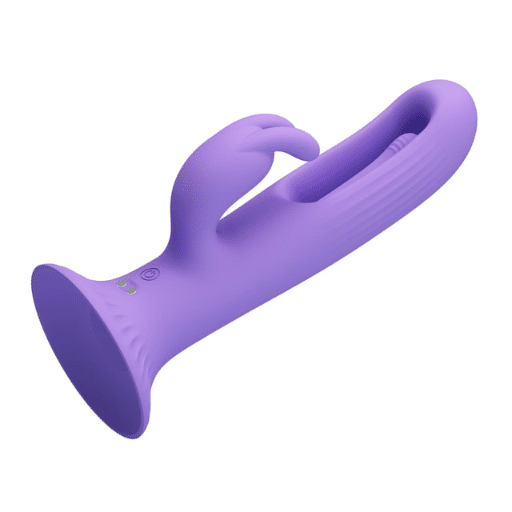
A Shore value on a datasheet is only as good as the testing behind it. Here is what reputable factories do and what you should ask for.
The ASTM D2240 test method
Hardness is verified with a durometer following ASTM D2240. The test is simple, but it has specific requirements. The sample should be thick enough that the durometer foot measures the material rather than the geometry, roughly 6 millimeters or more. It should also be conditioned at a standard temperature. Measuring directly on a thin finished part gives artificially soft readings, which is why factories test molded plaques or stacked slabs.
Realistic tolerances
A realistic production tolerance is about ±5 Shore A. If a supplier promises ±2 across a full run of textured or thin-walled parts, be skeptical. That level of precision is rarely achievable in real factory conditions. Also ask whether a reading is instantaneous or taken after a 15-second dwell; silicone relaxes under load, so the dwell value can run a few points lower.
The honest answer to “what Shore hardness should a sex toy be” is that it depends on the product. But the honest answer to “what tolerance should I expect” is consistent across the industry: plan for ±5 and verify it with documentation.
Documentation to demand from a supplier
A serious manufacturer will back a hardness spec with paperwork. At minimum, request:
- A certificate of analysis listing the Shore value and scale
- The raw material datasheet for the exact grade
- Batch traceability records for the lot
- Third-party test reports for key properties
These documents connect the number on your spec sheet to the material actually shipped. They also connect to the broader adult toy certifications your products will need for global markets.
Frequently Asked Questions About Shore Hardness and Silicone Toys
What is Shore hardness in sex toys? Shore hardness is a durometer measurement of how much a silicone resists indentation, reported on a 0 to 100 scale. Lower numbers mean softer, squishier material. Higher numbers mean firmer material. Sex toys use two scales: Shore 00 for very soft, gel-like silicone and Shore A for soft-to-medium silicone.
What is the difference between Shore 00 and Shore A? Shore 00 measures very soft, gel-like materials with a ball-shaped indenter and light spring force. Shore A measures soft-to-medium rubber with a cone-shaped indenter and more force. The scales are not interchangeable, so a rating is only meaningful when the scale is stated.
What Shore hardness should a sex toy be?
Most toys fall between Shore 00-20 and Shore A 40. Medium firmness is 00-50 or Shore A 10, realistic toys often use Shore A 10 to 20, and firm or textured toys run Shore A 20 and up. The right value depends on the toy’s size, shape, and use case.
What is the softest silicone used for sex toys? Ultra-soft grades reach around Shore 00-20, and some liquid silicone grades go down to Shore A 5 or lower. These are plush and squishy but need careful design and high tear strength to hold up in use.
What does dual density mean in sex toys? Dual density combines a soft outer layer, usually 00-20 to 00-30, over a firmer inner core, usually 10A to 30A. It mimics the feel of real tissue and is common in premium realistic toys.
Can you customize the hardness of a silicone toy? Yes. Hardness is a controllable spec in OEM/ODM production. A manufacturer can produce the same design in multiple Shore grades by changing the silicone material, and this is a common way brands build out a product line.
Conclusion
Shore hardness is the spec that decides how your silicone sex toy actually feels, and it is one of the most misunderstood numbers in the industry. The first rule is to always read the scale: Shore 00 and Shore A are not interchangeable, and a rating without a scale is meaningless. The second rule is to match firmness to use case, size, and market position rather than chasing the softest grade available. The third is to hold your manufacturer to real testing, with documented Shore values and realistic tolerances.
The right Shore hardness for your silicone sex toy line makes the product comfortable, functional, and true to your brand. Getting it wrong shows up in returns, bad reviews, and a product that never finds its audience.
If you’re building a custom product line and want to get firmness right the first time, the Joyflick team can help you select Shore grades, prototype across hardness ranges, and verify the result with proper testing. With low MOQs starting at 300 units and certified production, we make it practical to test and launch your design with confidence. Request a quote today and let’s bring your vision to life.