
The medical-grade silicone sex toy cost breaks down into three parts: raw material at 5.50to5.50to50 per kilogram, tooling at 150to150to20,000 depending on product complexity, and certification testing at 1,000to1,000to40,000 for a full biocompatibility suite. A finished medical-grade silicone toy typically costs 6to6to35 per unit to manufacture, before mold amortization, packaging, and freight. Here is what each of those numbers actually covers and how to budget your first product line.
Maya learned this the hard way. In February 2026, she budgeted 12,000 for a custom medical-grade silicone vibrator. The factory quoted 12,000 for a custom medical-grade silicone vibrator. The factory quoted 9 per unit, which looked reasonable.
Then the material invoice arrived for certified medical-grade LSR at 4x the price of standard silicone. The mirror-finish steel mold for her textured shell ran 8,400. ISO 10993 biocompatibility testing for her chosen certifications added $ 8,400. ISO 10993 biocompatibility testing for her chose ncertification sadded 9,500. By the time her 300-unit trial batch was on the water, Maya had spent $26,000, and her launch was delayed by a month.
If you’re researching medical-grade silicone sex toys for your brand, you’ve probably seen vague ranges and “it depends” answers. This guide gives you the specific numbers. You will learn what medical-grade silicone costs per kg, what molds and certifications add to your total, what per-unit pricing looks like by product type, and how to control costs without cutting corners on safety.
Need a number for your own product before you read on? Send us your spec sheet, and we will map your exact cost stack before you commit to any tooling.
Key Takeaways
- Certified medical-grade silicone costs 25to25to50 per kg, roughly 3 to 5x the price of standard-grade silicone.
- A 6,000moldadds6,000moldadds20 per unit at a 300-unit MOQ but only $0.60 per unit at 10,000 units.
- ISO 10993 biocompatibility testing runs 6,800to6,800to15,800 for the basic three-test suite.
- Finished medical-grade silicone toys run 6to6to35 per unit before tooling, packaging, and freight.
- Medical-grade silicone lasts for years, making it cheaper per use than porous toys replaced every 6 to 12 months.
Why Medical-Grade Silicone Costs More Than Standard Silicone
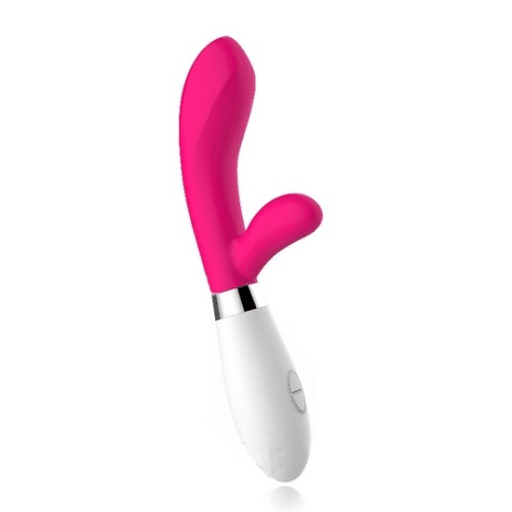
The price gap between a 50siliconetoyanda50siliconetoyanda200 silicone toy is not profit margin. It is material grade, tooling, and testing. Understanding the drivers helps you budget accurately and justify the premium to your own customers.
The Real Difference Between “Silicone” and “Medical-Grade”
Almost every adult toy on the market is labeled silicone. Very few use certified medical-grade material. The term “medical-grade” refers to material that passes biocompatibility testing under standards like ISO 10993 and is safe for prolonged contact with skin and mucous membranes. The same grade is used in catheters, implants, and baby bottle nipples.
Standard silicone and food-grade silicone are cheaper because they skip the rigorous testing and lot traceability that medical certification requires. A manufacturer can pour standard RTV-2 silicone and call it a silicone toy. It is technically true, but the material may not carry the purity guarantees that medical-grade claims imply.
Platinum-Cure Chemistry and the Premium It Adds
Most premium body-safe toys use platinum-cured silicone, meaning the material cures with a platinum catalyst instead of peroxide or tin. Platinum curing produces a chemically pure, odorless, non-porous material that resists degradation. It also costs more, because platinum is expensive and the higher purity requires cleaner production.
Platinum loading alone can add 15 to 30% to raw material cost versus standard industrial silicone. When you combine that with certified medical-grade formulations, you get the 3 to 5x premium over basic grades.
What You Are Actually Paying For
Beyond the material itself, medical-grade silicone carries three hidden costs: purity testing, lot traceability, and biocompatibility documentation. Every batch must be traceable back to its raw material certificate. That documentation is what allows a brand to make a defensible body-safe claim rather than relying on marketing language.
How Much Does Medical-Grade Silicone Cost Per KG?
Certified medical-grade silicone typically costs 25to25to50 per kilogram from established suppliers, while direct-from-China RTV-2 grades for mold-making can be found at 5.50to5.50to9.00 per kilogram. The wide range reflects certification depth, not just markup.
China Supplier Pricing vs. Certified Medical-Grade LSR
Chinese supplier listings show medical-grade and body-safe silicone at 5.50to5.50to9.00 per kg for platinum-cure RTV-2 with ISO, FDA, REACH, and RoHS references. These are real prices for mold-making and small-batch casting material.
Certified liquid silicone rubber (LSR) from established manufacturers runs 25to25to50 per kg for standard medical grades, with premium implantable formulations reaching $100 per kg or more, per current liquid silicone rubber price data. The difference buys verified biocompatibility testing, lot traceability, and consistent supply documentation.
Material Grade Price Comparison
| Material Grade | Price per KG | Porosity | Lifespan | Best Use |
|---|---|---|---|---|
| TPE/TPR | 3−3−6 | Porous | 6-12 months | Low-cost, high-volume products |
| Standard RTV-2 silicone | 5−5−9 | Non-porous | 2-5 years | Budget silicone toys |
| Food-grade silicone | 10−10−20 | Non-porous | 3-7 years | Items needing food-contact approval |
| Certified medical-grade silicone | 25−25−50 | Non-porous | 5-10+ years | Premium body-safe products |
Why Price Per KG Is Not the Whole Story
Raw silicone is only 30 to 40% of your unit cost, per industry breakdowns of what actually goes into adult toy manufacturing cost. Labor and quality control account for another 20 to 30%, equipment amortization 10 to 20%, and the remainder goes to packaging, compliance, and profit. A cheap material quote doesn’t matter if the factory skips QC steps or the certification costs wipe out your savings.
Manufacturing Method Costs: Hand-Pour, Compression, and LSR
Your manufacturing method determines both tooling cost and per-unit price. Choosing the right one for your volume is one of the largest cost levers you control.
Low-Volume Methods for Prototyping and Small Batches
Hand-pouring and compression molding use simple molds that cost 150to150to1,500. These methods are ideal for prototypes, validation runs, and small-batch production up to a few thousand units. Per-unit cost is higher because each piece takes longer, but you avoid the large upfront tooling investment.
3D-printed resin molds are roughly 80% cheaper than steel molds and have cut small-batch sampling costs by 30 to 40% since 2025. If you are testing a design, start here.
LSR Injection Molding for Scale
Liquid silicone rubber (LSR) injection molding carries the highest tooling cost, typically 5,000to5,000to20,000+, but the lowest cost per part at volume, as this LSR vs. compression molding cost comparison details. It is the right choice for complex geometries, tight tolerances, and flawless cosmetic finishes, which matters for premium medical-grade products. If you expect to produce more than 5,000 units, injection tooling usually pays for itself.
Matching Method to Volume and Budget
| Method | Tooling Cost | Per-Unit Cost | Best Volume |
|---|---|---|---|
| Hand-pour | 150−150−1,500 | Higher | 1-1,000 units |
| Compression molding | 500−500−3,000 | Medium | 500-5,000 units |
| LSR injection molding | 5,000−5,000−20,000+ | Lowest at scale | 5,000+ units |
A common strategy is to prototype with 3D-printed or compression molds, validate demand, then invest in LSR tooling once the design is proven.
Mold and Tooling Costs for Medical-Grade Silicone Toys
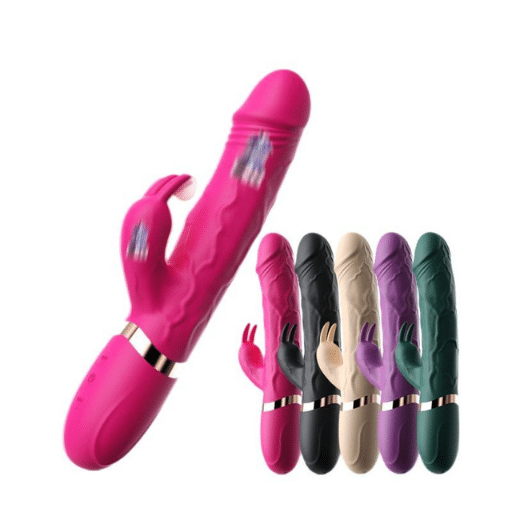
Mold tooling is the dominant upfront cost, representing 60 to 80% of total product development spending. This is where first-time founders under-budget most often.
Mold Cost Ranges by Toy Type
| Product | Mold Cost Range | Notes |
|---|---|---|
| Simple hand-poured dildo | 150−150−300 (mother mold) | Plus 120−120−250 per production mold |
| Standard silicone vibrator | 4,000−4,000−8,000 | Multi-part shell |
| Complex textured toy | 8,000−8,000−15,000 | Intricate detailing, dual-density |
| Mirror-finish steel mold | 2,800−2,800−11,000 | Premium cosmetic finish |
| Ultra-precision mold | Up to $16,700+ | 0.01 mm tolerance, fine texture |
Mold Amortization: How 300 vs. 10,000 Units Changes Per-Unit Cost
Mold cost spreads across your total production volume. A 6,000-mold costs 6,000-mold costs 20 per unit at a 300-unit order, 6 per unit at 1,000 units, and only 6 per unit at 1,000 units, and only 0.60 per unit at 10,000 units. This is why per-unit prices look 3 to 5x higher for small orders under 1,000 units.
That math is exactly why low MOQs matter. If a factory requires a 5,000-unit minimum, you carry that full tooling cost yourself. If you can start at 300 units, your trial order is smaller, and your risk is lower. Our low MOQ adult toy manufacturing guide explains how to structure that first order.
When Factories Rebate Mold Fees
Many manufacturers rebate 50 to 100% of mold fees when your production order reaches 5,000+ units. Ask for this in writing before you pay tooling. It changes your effective per-unit cost significantly and is a standard negotiating point in OEM agreements.
Per-Unit Manufacturing Cost by Product Type
The cost to manufacture a medical-grade silicone toy depends on complexity, electronics, and assembly. Here are realistic 2026 ranges for each major category.
Simple Dildos and Hand-Poured Shapes
A standard hand-poured medical-grade silicone dildo costs 4to4to10 per unit at scale. Custom artistic or fantasy shapes run 12to12to25 per unit due to intricate molds and multi-color effects. These products have no electronics, so certification costs stay relatively low.
Vibrators and Complex Multi-Part Designs
A mid-range medical-grade silicone vibrator costs 8to8to15 per unit, with molds at 6,000to6,000to10,000. Adding a motor, circuit board, and rechargeable battery raises unit cost to 15to15to35 and tooling to 10,000to10,000to20,000. Wholesale pricing on finished medical-silicone vibrators from Chinese suppliers currently runs 12to12to22 per unit at the 1,000+ piece tier.
App-Connected and Smart Toys
Smart toys add electronics hardware, firmware, and app development. A Bluetooth-enabled medical-grade silicone toy costs 35to35to60 per unit to manufacture, with development adding 10,000to10,000to30,000 on top of tooling. If your product line includes smart devices, budget for FCC and wireless testing as well.
For a complete category-by-category breakdown across all materials, see our guide to adult toy manufacturing costs.
Certification and Testing Costs for Medical-Grade Claims
Certification is where medical-grade claims get their legitimacy, and where budgets often blow up. These are the real cost ranges.
ISO 10993 Biocompatibility Testing Costs
The basic ISO 10993 suite covers cytotoxicity, sensitization, and irritation, and runs 6,800to6,800to15,800, based on current biocompatibility testing cost data. A full Class II panel with chemical characterization can reach 15,000to15,000to40,000. Testing takes 6 to 10 weeks for the basic suite and longer for comprehensive panels.
The good news: the 2025 revision of ISO 10993-1 supports a risk-based approach. A well-built biological evaluation plan that uses existing material data can cut biocompatibility costs by 40 to 92%. Involve a toxicologist early and you can avoid paying for tests you do not need.
FDA 21 CFR 177.2600, REACH, and RoHS
Material-level compliance for rubber articles under FDA 21 CFR 177.2600 typically costs 1,000to1,000to3,000. REACH and RoHS testing run 500to500to3,000 depending on your target markets. These are recurring costs, so budget for retesting when you change pigments or formulations.
ISO 3533:2021 and the Sex-Toy-Specific Standard
ISO 3533:2021 is the first international standard written specifically for sex toys. Testing against it costs roughly 2,000to2,000to5,000 and signals serious compliance to retailers and distributors. For a full breakdown of every requirement, see our guide to silicone sex toy certifications.
Who Pays: OEM vs. ODM
Under ODM, the factory often already has test reports for its catalog products, so you pay 500to500to2,000 for verification instead of commissioning new tests. Under a custom OEM program, you bear the full certification burden, which is why the test budget belongs in your total cost stack before you approve tooling.
Total Budget Scenarios: What Your Money Gets You
Putting the numbers together, here is what realistic medical-grade silicone budgets look like in 2026.
| Budget Scenario | Total Investment | What You Get |
|---|---|---|
| Startup ODM launch | 5,000−5,000−12,000 | 3 catalog SKUs at 300 units each, custom colors, standard packaging |
| Custom OEM line | 30,000−30,000−75,000 | 2 custom designs at 500 units each, steel mold, full certification suite |
| Premium flagship | 90,000−90,000−250,000 | 1 advanced dual-density product at 1,000+ units, global certifications |
The startup ODM path validates demand with minimal risk because the factory already owns the molds and certifications. It is the lowest-cost way to enter the market. The custom OEM path lets you own the tooling and the IP, with documentation to prove your body-safe claims.
The flagship path builds brand authority and supports premium retail pricing, but it requires real capital and a longer timeline.
Is Medical-Grade Silicone Worth the Extra Cost?
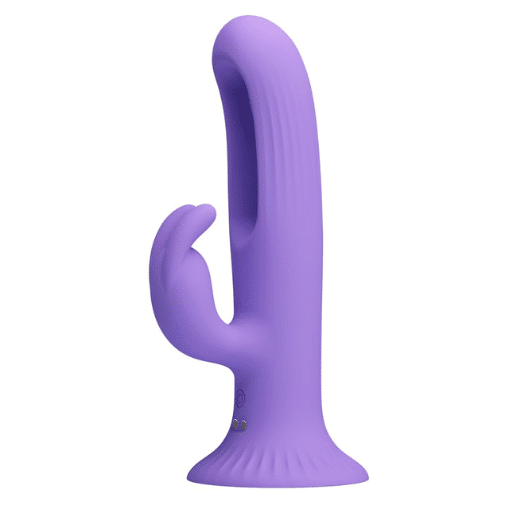
The sticker price on medical-grade silicone is higher, but the total cost of ownership often favors it. Here is why.
The Cost-Per-Use Math
A cheap TPE or jelly toy retails for 15to15to25 and needs replacement every 6 to 12 months as the material degrades, turns sticky, or becomes impossible to sanitize. A medical-grade silicone toy retails for 50to50to100 and lasts for years with proper care. Over three years, the premium toy is usually the cheaper purchase.
The retailer C, a boutique e-commerce owner, tracked this across her catalog. A 25TPEtoysoldtwiceayeartothesamerepeatcustomers.A25TPEtoysoldtwiceayeartothesamerepeatcustomers.A80 medical-grade silicone toy sold once and generated five-star reviews that drove new traffic. The premium product produced higher margin and lower return rates.
Brand Positioning and Premium Pricing
Medical-grade silicone supports a defensible premium price because it solves a real customer concern: safety. Brands that can show ISO 10993 reports, material certificates, and platinum-cured sourcing convert that investment into trust. Cheap materials, by contrast, force you to compete on price, where margins are thin.
When Cheaper Materials Make Sense
TPE has legitimate uses for low-cost, high-volume products where the customer accepts a shorter lifespan. If your product is a disposable novelty or your price point simply cannot support medical-grade silicone, choose the best grade your economics allow and be honest about it. For a side-by-side comparison, see our guide to TPE vs. silicone sex toys.
How to Control Medical-Grade Silicone Costs Without Cutting Corners
You don’t have to sacrifice material integrity to control costs. These five strategies keep your budget in line.
Start with ODM Catalog Products to Validate Demand
Use existing medical-grade silicone catalog products to test your market before investing in custom tooling. You get certified material, proven designs, and low MOQs, with none of the mold or testing burden.
Negotiate Mold Ownership and Rebates Upfront
Agree on mold ownership and transfer rights before you pay tooling. Ask for a written mold rebate tied to a future production volume. These clauses are standard, but only if you request them.
Batch Certifications Across SKUs
Test multiple SKUs that share the same material and colors in one certification program. Laboratories charge per test, not per product, so batching can cut your compliance spend substantially.
Choose the Right Manufacturing Method for Your Volume
Match your molding method to realistic order sizes. Hand-pour and compression for small batches, LSR injection for scale. Do not pay for injection tooling you will not use for two years.
How Joyflick Structures Medical-Grade Silicone Pricing
Joyflick keeps medical-grade silicone accessible by combining certified platinum-cured material with a low 300-unit MOQ. You can launch a trial order without absorbing full tooling cost, get export documentation for CE, FDA, and RoHS compliance, and scale to custom OEM tooling once your product proves itself.
Our team can map your exact budget before you commit. Request a medical-grade silicone cost estimate, and we will show you the full cost stack for your product idea.
FAQ
How much does medical-grade silicone cost per kg?
Certified medical-grade silicone runs 25to25to50 per kg from established suppliers. Direct-from-China RTV-2 grades for mold-making cost 5.50to5.50to9.00 per kg but carry less rigorous certification.
Why are medical-grade silicone sex toys more expensive?
The premium pays for certified biocompatible material, platinum-cure chemistry, lot traceability, and ISO 10993 testing that standard silicone does not require.
How much does it cost to make a custom silicone sex toy?
A simple hand-poured dildo runs 4to4to10 per unit with molds at 150to150to300. A custom vibrator runs 8to8to35 per unit with molds at 6,000to6,000to20,000 and certification adding 1,000to1,000to40,000.
How much does ISO 10993 testing cost?
The basic three-test suite (cytotoxicity, sensitization, irritation) runs 6,800to6,800to15,800. A full Class II panel reaches 15,000to15,000to40,000.
Are medical-grade silicone toys worth the higher price?
Yes for most brands. Medical-grade silicone lasts for years versus 6 to 12 months for porous TPE, making it cheaper per use while supporting higher retail prices and stronger customer trust.
How can I reduce medical-grade silicone manufacturing costs?
Start with ODM catalog products, negotiate mold rebates, batch certifications, and match your molding method to your real production volume.
Conclusion
The medical-grade silicone sex toy cost is real, but it is predictable once you understand the components. Raw material runs 5.50to5.50to50 per kg. Tooling runs 150to150to20,000 depending on complexity. Certification runs 1,000to1,000to40,000. Per-unit pricing runs 6to6to35 before amortization, packaging, and freight. And the single biggest lever is volume: a 6,000moldcosts6,000moldcosts20 per unit at 300 units and $0.60 per unit at 10,000.
You don’t need to fund a 10,000-unit launch to build a premium medical-grade brand. Start small, validate demand with certified catalog products, and scale into custom tooling as your line grows. Every brand that built a trusted name in this category started with a first order and a transparent budget. Talk to Joyflick and get a complete cost estimate for your product idea today.