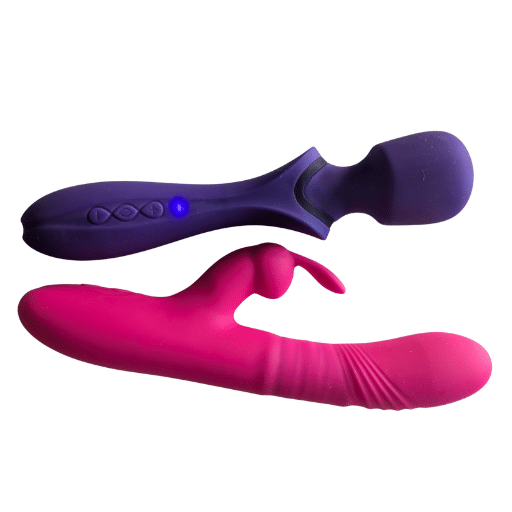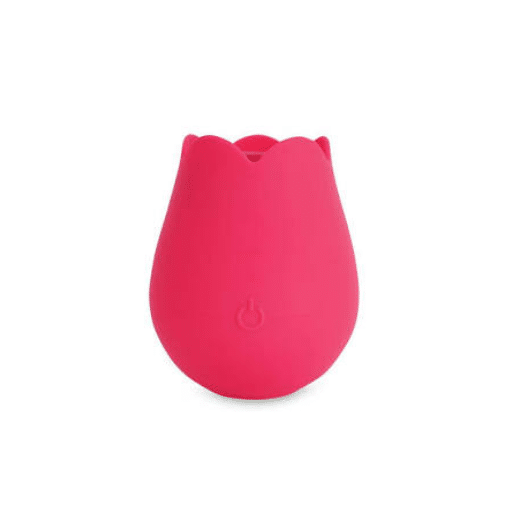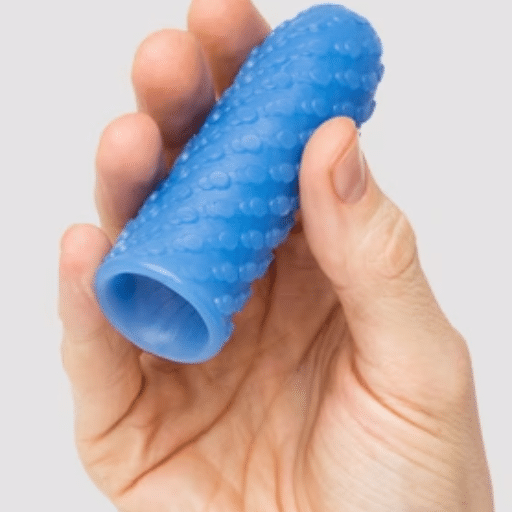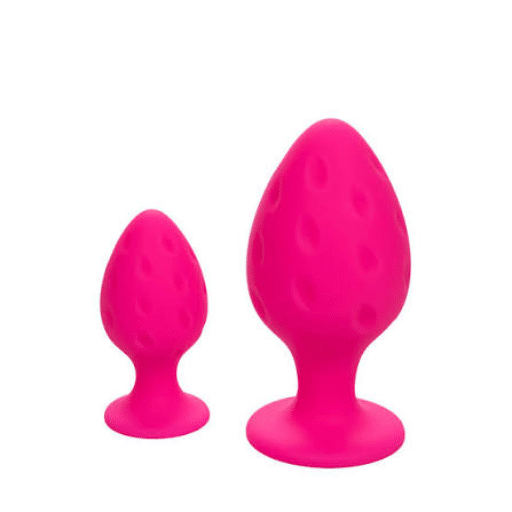
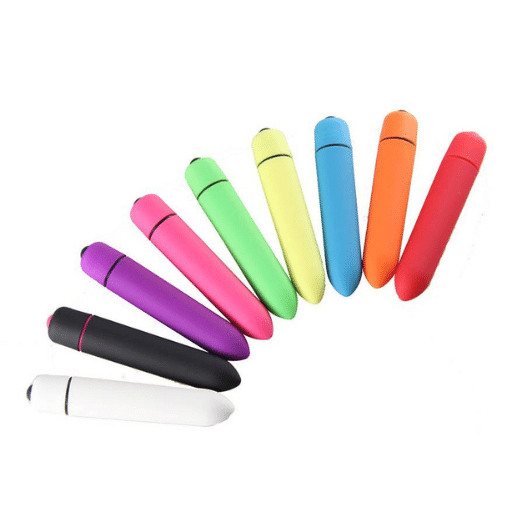
For TPE vs silicone sex toys, silicone is usually the stronger choice for premium, long-life products because a properly cured silicone surface is non-porous and easier to maintain. Well-documented TPE can still be the right choice when a very soft feel and an accessible price point are central to the product brief. Neither label proves safety on its own. The formulation, pigments, batch records, product design, and test evidence matter.
The cheapest material can become the expensive decision. A softer compound may reduce the opening unit cost, yet it can also demand more careful care instructions, storage guidance, testing, and customer support. Brand owners already know buyers expect comfort and value. The difficult part is deciding which trade-off belongs in a specific product line.
This manufacturer guide explains the difference between TPE and silicone, where each material fits, what documentation to request, and how to make a decision your product, quality, and commercial teams can all support. For broader context, start with our guide to body-safe materials in adult toys.
Key Takeaways
- Silicone is generally the better fit for long-life, hygiene-led, premium products when the formula and finished product are appropriately documented and tested.
- TPE is a family of blends, not one standard material. A supplier should document the exact formulation, additives, pigment, and batch.
- Water-based lubricant is the conservative default for both materials; test any silicone-containing lubricant against the specific finished formula.
- Material cost is only one part of landed cost. Tooling, yield, testing, warranty exposure, packaging, and care instructions affect the real decision.
- A certificate of analysis, safety data sheet, batch record, and finished-product testing plan offer more reliable evidence than broad claims such as “body-safe.”
TPE vs Silicone Sex Toys: The Short Answer
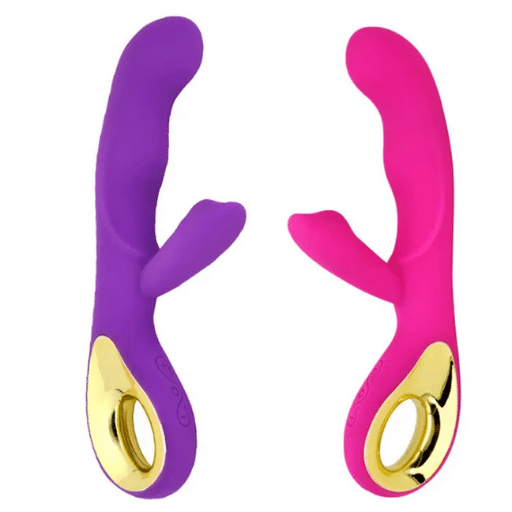
Choose silicone when your product needs a durable, easy-to-clean surface, a premium position, or compatibility with a long service-life promise. Choose TPE when your concept depends on very soft touch and a lower unit-cost target, and you can support it with clear formula documentation, careful care instructions, and quality controls.
| Choose silicone when | Choose TPE when |
|---|---|
| Hygiene, durability, and premium trust lead the brief | Softness and an accessible price point lead the brief |
| You need a fully cured, non-porous exterior | Your chosen TPE formula has documented safety and performance data |
| The product can justify higher material and tooling investment | The product design benefits from thermoplastic injection molding |
| You plan for a longer product lifecycle | You can manage storage, cleaning, and customer-care requirements closely |
A material decision should never be a marketing shortcut. It should be a documented product decision.
Consider a fictional launch team, led by Mia, preparing a 1,000-unit pilot. Her initial brief called for “the softest possible material” and a low retail price. Once the team mapped packaging, returns, cleaning instructions, and testing, they found that TPE still fit one flexible component, while silicone fit the customer-facing surface. The useful outcome was not a universal winner. It was a specification that matched the product’s purpose.
What Are TPE and Silicone?
TPE is a family of thermoplastic blends
Thermoplastic elastomer, commonly called TPE or TPR, combines rubber-like flexibility with thermoplastic processing. Manufacturers can heat it, inject it into a mold, cool it, and process it again. Its feel can range from firm and smooth to very soft and flexible.
That flexibility is also why TPE needs a formula-first review. Two products labeled “TPE” can use different polymer systems, oils, colorants, stabilizers, and surface finishes. One generic TPE claim does not tell a brand whether the exact material can meet its odor, migration, durability, or target-market requirements.
TPE is not automatically unsafe, and silicone is not automatically medical grade. Ask what the compound contains, which testing supports it, and whether the documents match the finished product rather than only a raw-material sample.
Silicone is a cured elastomer
Silicone products for intimate wellness typically use liquid silicone rubber (LSR) or high-consistency rubber (HCR). A platinum-cured addition process forms a stable, cured elastomer. Unlike TPE, silicone does not melt and remold in the same way after curing.
“Platinum-cured” describes the curing chemistry. “Medical grade” should describe a defined material specification supported by appropriate documentation and testing for the intended use. They are related concepts, but they are not interchangeable labels.
Processing changes the final product
TPE sex toy manufacturing commonly relies on injection molding. The process can be efficient for high-volume designs and may allow controlled reuse of production scrap, subject to the material specification and quality plan. Silicone can use LSR injection molding or compression molding, both of which require controlled curing and post-processing.
The choice affects tooling, cycle time, flash trimming, surface finish, tolerance, and yield. It also affects how your team should plan sampling. A material that looks good in a small swatch may behave differently in a detailed part, a thin wall, or an overmolded assembly.
Video production brief: Before publishing, embed a verified Joyflick or authoritative video that shows TPE injection molding beside LSR injection or compression molding. Do not use a placeholder or an unverified video URL.
Silicone vs TPE Sex Toy Safety, Hygiene, and Care
Porosity is a product-level question
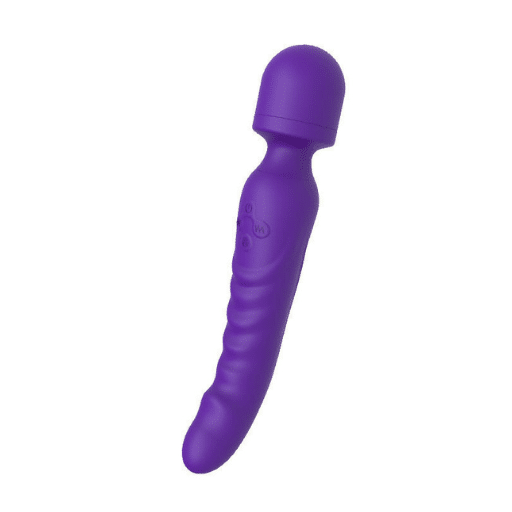
A properly cured silicone surface is generally non-porous, which makes it easier to clean and maintain. Many TPE formulations used in intimate products are more susceptible to surface contamination, oil migration, tackiness, or degradation over time. The exact result depends on the formula, finish, storage, and care.
Avoid blanket claims that every TPE product is porous or that every silicone product is suitable for every type of contact. Product construction also matters. Electronics, adhesives, coatings, seams, and textured areas can change the care instructions for either material.
For solid silicone components without electronics or mixed materials, the manufacturer may permit heat-based cleaning. For TPE products, follow the supplier’s finished-product care guidance rather than assuming boiling or strong cleaning agents are safe.
Additives, odors, and documentation
A strong smell, sticky surface, or inconsistent color should trigger a quality review. These signs do not identify one chemical on their own, but they are reasons to inspect the material specification and test record.
Ask suppliers for:
- A batch-linked certificate of analysis (COA).
- A safety data sheet (SDS) for the relevant raw material.
- A material specification covering hardness, tensile strength, elongation, and tear strength where relevant.
- Documentation for pigments, additives, and coatings.
- Third-party chemical or migration testing that matches the target market and finished-product design.
The FDA rule on repeated-use rubber articles is one material-compliance reference that suppliers may discuss. It does not mean the FDA has approved a finished adult toy as a medical device. Treat regulatory references as part of a broader compliance plan, not as a universal safety badge.
Lubricants and storage
Water-based lubricant is the cautious default for both TPE and silicone products. Silicone-containing lubricants can affect some silicone surfaces, including swelling or tackiness, while TPE compatibility varies by formula. Test the exact lubricant and finished product together before approving a compatibility claim.
Store products clean, dry, and away from incompatible materials. A brand’s care card should explain cleaning, drying, storage, and lubricant recommendations in plain language. Clear instructions reduce avoidable support requests.
TPE vs Silicone Feel, Design, and Product Fit
TPE can achieve a very soft, flexible feel with relatively low hardness. Silicone can also be soft, but its useful hardness range, tear resistance, and structural performance depend on the selected grade and part geometry. Designers often use Shore 00 for very soft elastomers and Shore A for firmer rubber-like materials.
Material feel is only one part of comfort. Wall thickness, internal support, seam location, texture, and temperature all influence the final experience. A flexible material can be uncomfortable if the geometry is wrong. A firmer material can feel refined when it has the right proportions and finish.
Take another fictional example. Omar’s design team selected an ultra-soft TPE prototype for a flexible product cover. It felt excellent in hand, but thin edges tore during repeated sample handling. The revised brief used a firmer compound in high-stress zones and changed the edge geometry. The final design preserved the intended feel while improving manufacturability.
Design questions to answer before tooling
- What level of softness does the product need, measured in a target durometer range?
- Does the design have thin walls, deep undercuts, or high-stress edges?
- Will the product use a rigid core, overmolding, or a dual-density construction?
- What surface texture and visual finish must remain stable after cleaning?
- What care promise will appear on packaging?
- Does the target retail price support the material, tooling, and test plan?
TPE vs Silicone Manufacturing and Cost
TPE injection molding can support efficient production when the part design and formula are stable. Silicone manufacturing adds curing controls and may require more specialized tooling, process setup, and post-cure steps. Neither process is automatically cheaper across every volume or geometry.
Instead of choosing from a raw-material price alone, compare the whole landed-cost picture:
| Cost driver | Questions for TPE | Questions for silicone |
|---|---|---|
| Material | Does the formula meet odor, feel, and performance requirements? | Does the selected grade match the target hardness and test plan? |
| Tooling | How many cavities and what surface finish are required? | Is LSR injection or compression molding the better fit? |
| Yield | Can flash, deformation, or surface defects raise scrap? | Can cure control, demolding, or post-cure affect yield? |
| Quality | Which formula, pigment, and batch checks are required? | Which cure, hardness, and material checks are required? |
| Support | What care instructions and warranty risks should be budgeted? | What lubricant, care, and durability guidance should be budgeted? |
For early-stage brands, the lowest starting price can hide the biggest uncertainty. Becca, a fictional procurement lead, compared two factory quotes that differed by less than a dollar per unit. The less expensive quote did not include lot-level records, finished-sample testing, or a clear pigment specification. Once she added equivalent quality controls, the apparent savings disappeared. She chose the supplier that made the specification visible.
Ready to compare material, mold, and MOQ trade-offs? Use the selection criteria in our custom adult toy manufacturing guide.
Certifications and Supplier Verification
Certifications and standards should be matched to the product, market, and evidence available. They should not be used as shorthand for a promise that the final product is safe for every person or every use.
ISO 3533:2021 is an international standard for sex-toy design and safety requirements. Other evaluations may include chemical restrictions, electrical safety, mechanical safety, labeling, and material assessment. ISO 10993 is a medical-device biocompatibility framework that may inform a material test plan, but a qualified laboratory or regulatory advisor should define the applicable scope.
Five checks before approving a supplier
- Match material to intended use. Define the contact type, product construction, care method, and target market before requesting tests.
- Match documents to the batch. Check that the COA, SDS, and lot numbers refer to the actual material supplied.
- Confirm every added component. Pigments, coatings, adhesives, and fragrances can change the finished-product risk profile.
- Test finished samples. A raw-material report does not always cover the final assembly.
- Plan independent review. Use an accredited lab or qualified compliance advisor when entering a new market, changing suppliers, or making safety claims.
Our guide to adult toy certifications provides a broader starting point for global-distribution planning. Use it alongside product-specific testing and local regulatory advice.
Sustainability and Lifecycle Trade-Offs
Neither material deserves an automatic “eco-friendly” label. TPE may be recyclable through specialized industrial streams in some regions, but a realistic claim requires a documented collection and processing route. Silicone is durable, but it is not widely accepted in curbside recycling.
Durability still matters. A product that performs well for years can reduce replacement demand, packaging use, and repeat shipping. The credible sustainability message is specific: describe the actual material, expected use life, packaging choice, and available end-of-life route.
Avoid claims such as “recyclable” or “biodegradable” unless the product and market have a documented program behind them. Transparency is stronger than green language.
How to Choose the Right Material for Your Product Line
Use this six-question decision framework before moving from concept to sample:
- What is the target retail position? Value-focused, mid-market, or premium.
- What feel and structure does the design need? Specify the desired durometer and stress points.
- What lifecycle promise will your brand make? Consider cleaning, storage, warranty, and replacement expectations.
- What manufacturing volume is realistic? Compare the tooling and process fit at your intended order size.
- Which markets will you serve? Define regulatory, labeling, and test-documentation needs early.
- What proof will you keep? Build COAs, SDS documents, lot records, and finished-product tests into the sourcing process.
Choose documented TPE when it serves a clear soft-touch and value-focused purpose. Choose appropriately tested silicone when your line depends on a premium material story, robust care profile, and long-term brand trust. A thoughtful material choice gives your team something better than a claim: it gives them evidence.
Frequently Asked Questions
Is TPE or silicone better for sex toys?
Silicone is often better for a premium, long-life product because it is generally easier to clean when fully cured. Documented TPE can be a strong option for soft, flexible, value-focused designs. The better choice depends on the formula, design, care requirements, and test evidence.
Are TPE sex toys safe?
TPE is a category of formulations, so there is no universal answer. Brands should request formula-relevant documents, batch records, and finished-product testing. Consumers should follow the maker’s care guidance and avoid relying on broad marketing labels alone.
Can you boil TPE sex toys?
Do not assume that a TPE product can be boiled. Heat tolerance varies by formula and construction. Follow the finished-product instructions provided by the manufacturer.
Does TPE contain phthalates?
Not all TPE formulations contain phthalates, and the material name alone does not prove the additives used. Ask the manufacturer for current chemical documentation and applicable test reports for the exact product.
Can silicone lubricant be used with silicone toys?
Compatibility varies by the silicone formula and lubricant. Water-based lubricant is the conservative default. Test the exact lubricant with the finished product before making a compatibility promise.
Why does a TPE toy become sticky?
Tackiness can result from oil migration, heat exposure, incompatible cleaners or lubricants, storage conditions, or material degradation. Review the care instructions and ask the supplier to investigate the formula and production batch if the issue is widespread.
Is medical-grade silicone worth the higher cost?
It can be worth the investment for brands that need a premium, long-life material position and more robust cleaning guidance. The decision should include tooling, testing, warranty exposure, and customer expectations, not just raw-material cost.
What documents should a brand request from a supplier?
Request batch-linked COAs, SDS documents, raw-material specifications, additive and pigment documentation, finished-sample test reports, and clear lot traceability. The exact evidence should match the product design and target market.
Conclusion
The question behind TPE vs silicone sex toys is not simply “which is safer?” It is “which documented material system best supports this product, market, and customer promise?” Silicone often leads for premium, durable, hygiene-led products. TPE can work well where softness, flexibility, and price are the primary drivers.
Decide with evidence. Define the use case, choose the grade or formula, verify every batch, test the finished product, and give customers care instructions they can follow. When you do, material selection becomes a source of trust instead of a source of returns.
Joyflick supports brands with custom materials, private molding, quality planning, and scalable OEM/ODM production. Start with a clear product brief, then work with a manufacturer that can turn it into a documented, market-ready specification.