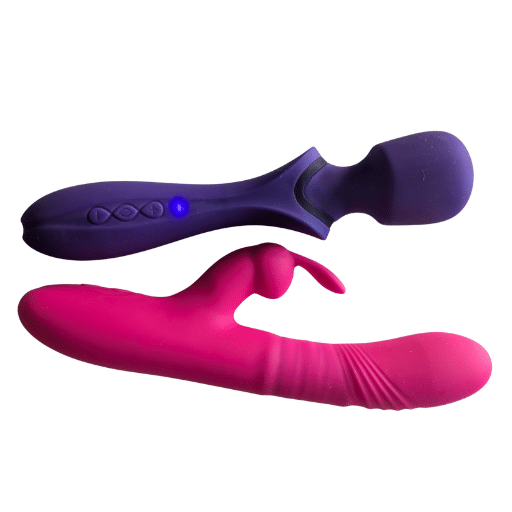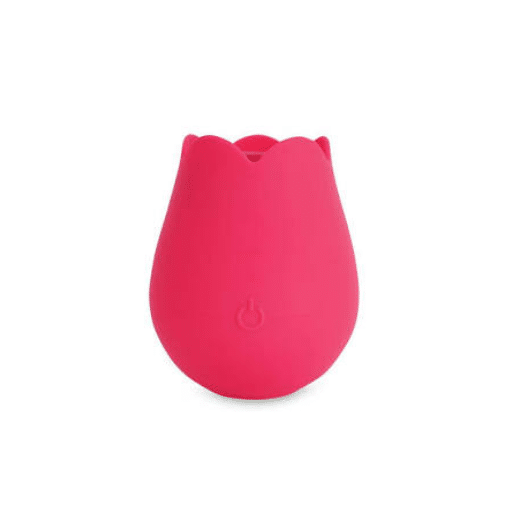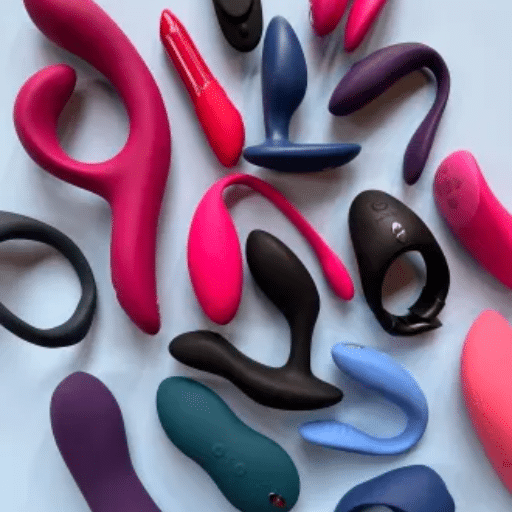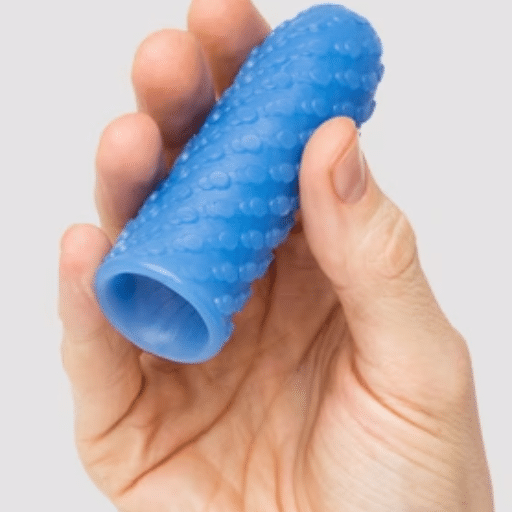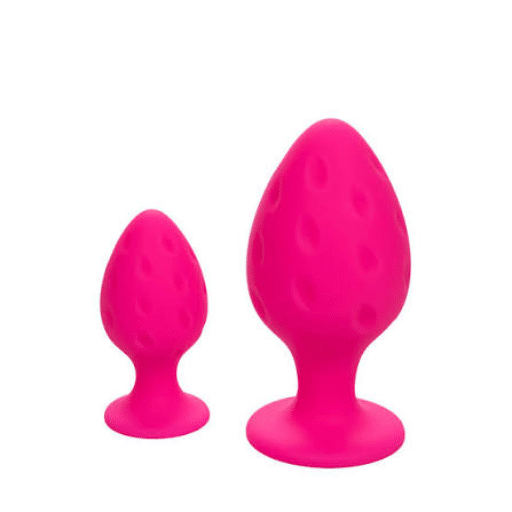
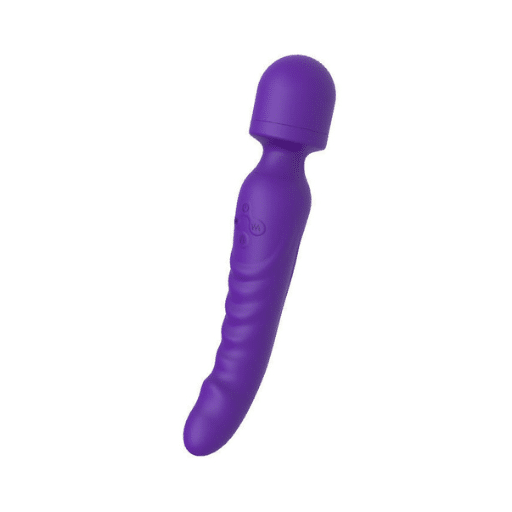
The most sustainable materials for adult toys include platinum-cure silicone, borosilicate glass, recycled aluminum, and FSC-certified wood for durability; plant-based bioplastics like Biolene and BioFeel for biodegradability; and recycled ocean-bound plastics for circular design. The best choice depends on whether you’re optimizing for longevity, end-of-life disposal, or manufacturing footprint.
Here’s a sobering reality most manufacturers don’t talk about: the global sex toy market hit $19.78 billion in 2026, yet the industry produces millions of tons of plastic waste annually with almost no recycling infrastructure. Most of that waste comes from one source — cheap PVC and jelly rubber toys that break within months and sit in landfills for centuries.
If you’re a brand looking to differentiate, or a consumer trying to make better choices, understanding material sustainability isn’t optional anymore. It’s a competitive advantage. In this guide, we’ll break down every major material used in adult toys today — what makes it sustainable, what doesn’t, and how to choose based on real environmental impact rather than marketing claims.
Key Takeaways
- Platinum-cure silicone lasts 10+ years but isn’t biodegradable; bioplastics degrade within 47-90 days in industrial composting but may break sooner during use.
- Glass, stainless steel, and recycled aluminum are infinitely recyclable and create the lowest long-term environmental cost per year of use.
- PVC and jelly rubber are the least sustainable options — toxic to manufacture, non-recyclable, and short-lived.
- Third-party certifications (GRS, FSC, OEKO-TEX) are the only reliable way to verify eco-claims and avoid greenwashing.
- Durability usually wins over biodegradability: one high-quality silicone toy used for a decade creates less waste than ten disposable “eco” replacements.
- Joyflick offers ISO-certified sustainable manufacturing with 300-unit MOQs for brands launching eco-friendly product lines.
What Makes a Sex Toy Material Sustainable?
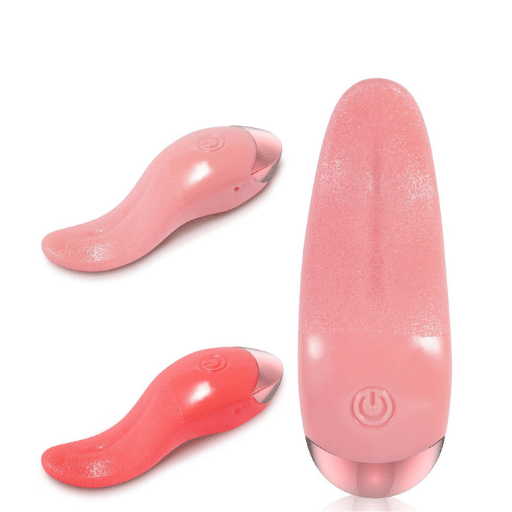
Sustainability in intimate products isn’t about finding one perfect material. It’s about balancing five factors: durability, renewability, biodegradability, recyclability, and manufacturing footprint.
A truly sustainable material minimizes harm across its entire lifecycle — from raw material extraction through production, use, and end-of-life disposal. For adult toys specifically, there’s an added layer: body safety. The most environmentally friendly option isn’t worth much if it leaches harmful chemicals during use.
Here’s where it gets complicated. “Eco-friendly” isn’t a regulated term. Anyone can slap it on a product.
One brand’s “green” toy might be made from conventional plastic with recycled packaging, while another uses 100% plant-based bioplastics. Without a framework for comparison, these claims are meaningless.
That brings us to the central paradox of sustainable materials: durability versus biodegradability. A platinum-cure silicone toy isn’t biodegradable, but it’ll last 10+ years with proper care.
A cornstarch-based bioplastic toy breaks down in months — but may also break during use within weeks. Which is better for the planet? The answer depends on how you measure impact.
Want to see how these materials perform at scale? Joyflick’s sustainable adult toy manufacturing guide covers factory-level processes from renewable energy to closed-loop water systems.
The Sustainability Spectrum: Ranking Adult Toy Materials
Not all “sustainable” materials are created equal. Here’s how they stack up when you weigh environmental impact, body safety, and practical durability together.
The Top Tier: Natural and Renewable
- Hemp, organic cotton, bamboo — Grown without synthetic pesticides, fully biodegradable, minimal water footprint
- FSC-certified wood — Renewable, biodegradable, extremely low manufacturing energy
The High Tier: Durable and Recyclable
- Borosilicate glass — Indefinite lifespan, fully recyclable, inert and non-toxic
- Stainless steel and recycled aluminum — Infinitely recyclable, medical-grade biocompatibility
- Platinum-cure silicone — 10+ year lifespan, non-toxic, but limited recyclability
The Mid Tier: Innovative but Compromised
- Plant-based bioplastics (BioFeel, Biolene) — Biodegradable in industrial facilities, lower carbon footprint, but shorter usable lifespan
- Recycled plastics (rPET, ocean-bound) — Diverts waste from oceans, but microplastic shedding remains a concern
The Bottom Tier: Avoid When Possible
- ABS plastic — Durable but petroleum-based, not biodegradable
- TPE (thermoplastic elastomer) — Porous, shorter lifespan, limited recyclability
The “Never” Tier
- PVC and jelly rubber — Toxic chlorine-based production, phthalate leaching, non-recyclable, landfill-bound
Platinum-Cure Silicone: The Durability Champion
Platinum-cure silicone dominates the premium adult toy market for good reason. It’s non-porous, hypoallergenic, free from phthalates and plasticizers, and can last well over a decade with basic care. For consumers, that means one toy instead of ten. For manufacturers, it means fewer returns and stronger brand loyalty.
But here’s the nuance: silicone isn’t biodegradable. Its silicon-oxygen molecular structure resists decomposition by microorganisms, so once discarded, it persists in landfills for hundreds of years. Specialized silicone recycling facilities exist, but they’re rare and not accessible to most consumers.
So why does silicone still rank as one of the most sustainable choices? Because lifecycle analysis tells a different story than end-of-life disposal alone. A single high-quality silicone toy that replaces ten cheaper alternatives over its lifespan prevents significantly more total waste — even if the toy itself eventually lands in a landfill.
Environmental Profile
Silicone is derived from silica (sand), one of the most abundant materials on earth. Platinum-cure manufacturing is cleaner than peroxide-cure alternatives, producing fewer toxic byproducts during production. The material withstands extreme temperatures without degrading and doesn’t leach chemicals during use.
Recent research has raised one concern: some lower-quality silicone products shed microplastics during use and washing. A 2024 study found that 84% of poor-quality silicone products contained endocrine-disrupting chemicals, including heavy metals and phthalates. The takeaway isn’t that silicone is unsafe — it’s that certified, medical-grade platinum silicone from reputable manufacturers is essential.
Best For
Premium vibrators, dildos, and plugs where longevity and body safety are the top priorities. For manufacturers, silicone offers the best balance of consumer trust, durability, and regulatory compliance.
When Elena launched her intimate wellness brand in 2023, she chose platinum-cure silicone for her first product line despite it costing 35% more than TPE alternatives. Two years later, her customer return rate sits at 0.3% — compared to the industry average of 4-6% for cheaper materials. Her initial material investment paid for itself within eight months through reduced warranty claims and word-of-mouth referrals.
Curious about how material safety intersects with sustainability? Our body-safe materials guide breaks down the certifications and testing standards that separate genuine quality from marketing fluff.
Bioplastics and Biodegradable Materials

The adult toy industry has seen genuine innovation in biodegradable materials over the past five years. Two products stand out as case studies: the Womanizer Premium Eco (using Biolene) and the Blush Gaia Eco line (using BioFeel).
Biolene and BioFeel: What They Actually Are
Biolene is a bioplastic made from approximately 70% renewable raw materials, primarily corn starch. Womanizer markets it as the first biodegradable pleasure air toy from a mainstream manufacturer. The device is fully disassemblable for recycling, features a replaceable rechargeable battery, and comes in FSC-certified recycled cardboard packaging.
BioFeel, used in Blush’s Gaia Eco line, is a PLA (polylactic acid) bioplastic mixed with corn starch. The company claims it’s the world’s first biodegradable vibrator, breaking down in 47-90 days in commercial composting facilities.
The Reality Check
These innovations are real, but they come with significant caveats. First, biodegradability requires industrial composting conditions — temperatures around 55-60°C with specific microbial activity. Home compost bins rarely reach these conditions, meaning most consumers won’t actually achieve biodegradation.
Second, durability is compromised. Reviews of the Womanizer Premium Eco note that the Biolene material feels heavier and harder than conventional ABS plastic. Some users reported durability issues within weeks of purchase. Miss Ruby Reviews conducted an independent assessment and found that while the sustainability credentials are strong, the material trade-offs are noticeable.
Third, price positioning matters. The Gaia Eco retails around $9.95 — making sustainable materials accessible — but at that price point, quality control can be inconsistent.
The Verdict for Manufacturers
Bioplastics work best for external components, disposable accessories, or budget product lines where the biodegradability story aligns with brand positioning. For insertable products or premium lines, the durability trade-off may not be worth it.
Recycled and Upcycled Materials
Recycled materials offer a compelling middle ground: they divert existing waste from landfills and oceans while delivering proven performance.
Recycled Aluminum
Love Not War has become the flagship example here. Their products use recycled aluminum casings with modular, interchangeable heads. Aluminum is one of the most widely recycled materials globally — up to 98% of aluminum can be recovered and reused indefinitely without quality degradation.
The company’s approach goes deeper than material choice. They worked with a sustainability expert from the earliest design stages, accepting higher upfront costs for long-term environmental integrity. Their packaging uses FSC-certified recycled cardboard with soy-based inks. They even accept products back for recycling at end-of-life.
The trade-off? Higher price points. Recycled aluminum manufacturing requires significant energy, and the modular design adds complexity. But for millennial and Gen Z consumers who prioritize ethical spending, the premium is often acceptable.
Recycled Ocean-Bound Plastic
Ohhcean by Sinful uses recycled ocean-bound plastic for their toy casings. The concept is powerful: intercept plastic before it enters oceans, clean and process it, then mold it into new products. But there’s a critical limitation for intimate products.
Recycled plastics — including rPET and ocean-bound materials — carry microplastic shedding risks. They’re best suited for external housings and non-insertable components where body contact is minimal. For manufacturers considering recycled content, GRS (Global Recycled Standard) certification provides verified chain-of-custody documentation.
Glass and Ceramics
Borosilicate glass deserves more attention than it gets. It’s non-porous, inert, withstands thermal shock, and is fully recyclable at end-of-life. Peacelily and other artisan brands have built entire product lines around glass. The limitation is breakage risk — drop a glass toy on tile, and it’s done.
Ceramic and porcelain (exemplified by Désirables) offer similar benefits with a luxury positioning. Local manufacturing and carbon-offset shipping add to the sustainability profile, though scale is limited.
Natural and Renewable Materials
For brands targeting the artisan or luxury market, natural materials offer authenticity that synthetic alternatives can’t replicate.
FSC-Certified Wood
Gendoras, an Austrian manufacturer, combines handcrafted wood (olive, walnut, padauk) with platinum-cure silicone. Their wood is responsibly sourced, finished with non-toxic, saliva-safe coatings certified to DIN EN 71/3 standards. Each piece is unique due to natural grain patterns.
The sustainability profile is excellent: wood is renewable, biodegradable, and requires minimal processing energy. The challenge is scaling. Hand-finishing each piece limits production volume, and wood requires specific care instructions (no soaking, regular oiling) that consumers must follow.
Natural Rubber and Latex
Fair Rubber Association certification ensures that natural rubber is harvested without exploitative labor practices. Sustain Natural condoms use this model. For toys, natural rubber offers flexibility and renewability, but allergen concerns (latex sensitivity affects approximately 1-6% of the population) limit market appeal.
Hemp, Bamboo, and Organic Cotton
These materials shine in accessories rather than toys themselves. Hemp grows without pesticides, improves soil health, and requires minimal water. Bamboo is the fastest-growing woody plant on earth. Organic cotton avoids the synthetic pesticide load of conventional cotton.
Applications include bondage rope, lingerie, toy storage bags, and packaging. For manufacturers, these materials offer strong storytelling opportunities around renewable agriculture.
Materials to Avoid: The Environmental Cost of Cheap Toys
Understanding what not to use is just as important as knowing what to choose. Two material categories dominate the waste problem.
PVC and Jelly Rubber
PVC (polyvinyl chloride) production releases toxic chlorine-based chemicals including dioxins. The material often contains phthalates — endocrine-disrupting plasticizers that leach during use and off-gas volatile organic compounds. When discarded, PVC doesn’t biodegrade and can’t be recycled through standard streams.
Jelly rubber is even worse. It’s a vague term covering various synthetic blends with unknown chemical compositions. These toys are porous (harboring bacteria), short-lived, and consistently test positive for hazardous additives. The environmental cost per year of use is the highest of any material on the market.
Mystery “Silicone” Blends
Here’s a trap even savvy buyers fall into. Products labeled “silicone” without specifying “platinum-cure” or “medical-grade” may contain fillers — often talc or other cheap additives that reduce manufacturing costs while compromising safety. The 2024 study finding EDCs in 84% of low-quality silicone products should be a wake-up call for anyone sourcing materials based on price alone.
The rule is simple: if a deal seems too good to be true, the material probably isn’t what it claims to be.
Marcus runs procurement for a mid-size distributor. In 2024, he sourced a batch of “silicone” toys from a new supplier at 40% below market rate. Within three months, customer complaints about odor and skin irritation flooded in.
Lab testing revealed the toys contained 18% phthalates by weight — marketed as body-safe silicone. The recall cost his company $47,000 in refunds and legal fees, plus permanent damage to a retail partnership. The “savings” from cheap materials nearly bankrupted a product line.
Quality control matters as much as material choice. Our quality control guide explains how to verify material claims before they reach your customers.
Sustainable Packaging Materials
Material sustainability doesn’t stop at the product. Packaging accounts for approximately 40% of plastic waste in the adult toy industry, and discreet shipping requirements have historically justified excessive wrapping.
What’s Actually Available
- FSC-certified cardboard and paper — Responsibly sourced, widely recyclable, cost-competitive
- Cornstarch PLA and PBAT films — Biodegradable in industrial composting, suitable for inner wrapping
- Molded pulp — Egg-crate style protective packaging made from recycled fibers, fully biodegradable
- Soy-based inks and water-based coatings — Replace petroleum-based printing chemicals
Case Study: Adulttoymegastore
In 2020, Adulttoymegastore (New Zealand) switched to fully recyclable and compostable packaging — cornstarch PLA courier bags, paper-based tape, and minimal inner wrapping. They absorbed the extra cost rather than passing it to customers. The move generated significant media coverage and brand loyalty, proving that sustainable packaging can be a marketing asset, not just a cost center.
Cost Reality
Sustainable packaging typically costs 20-50% more than conventional plastic blister packs and bubble wrap. For manufacturers, that translates to roughly 0.15−0.15−0.40 per unit depending on product size. But with 40% of consumers willing to pay a premium for eco-friendly products, the investment often recovers through higher price positioning and retail partnerships.
Certifications That Actually Matter

Certifications are the only reliable defense against greenwashing. Here’s what the major ones prove — and what they cost.
Material Certifications
| Certification | What It Proves | Typical Cost |
|---|---|---|
| GRS (Global Recycled Standard) | Verified recycled content percentage | 1,200−1,200−3,500 per SKU |
| FSC (Forest Stewardship Council) | Responsibly sourced wood/paper | 500−500−2,000 annually |
| OEKO-TEX | Textile safety, free from harmful substances | 300−300−1,500 per product |
| USDA BioPreferred | Verified biobased content | 400−400−1,200 per product |
Manufacturing Certifications
| Certification | What It Proves | Typical Cost |
|---|---|---|
| ISO 14001 | Environmental management systems | 5,000−5,000−15,000 initial audit |
| Carbon Neutral / Net Zero | Measured and offset carbon footprint | 2,000−2,000−10,000 annually |
| B Corp | Comprehensive social and environmental performance | 2,000−2,000−25,000 depending on revenue |
The Certification Strategy
For emerging brands, GRS + FSC covers the two most common eco-claims (recycled content and responsible forestry) at roughly 2,000−2,000−5,000 total. ISO 14001 signals serious environmental commitment but requires ongoing compliance investment. B Corp is the gold standard but overkill for most brands under $1M revenue.
The key is matching certification to claims. If your packaging says “recycled content,” you need GRS. If it says “responsibly sourced wood,” you need FSC. Unverified claims aren’t just ethically questionable — under the EU Green Claims Directive and FTC Green Guides, they’re increasingly legally risky.
The Durability vs. Biodegradability Decision Matrix
For manufacturers, the material decision ultimately comes down to three variables: product type, target market, and brand positioning.
| Material | Durability | Biodegradable | Recyclable | Cost per Unit | Best For |
|---|---|---|---|---|---|
| Platinum Silicone | 10+ years | No | Limited | $$$ | Premium insertable toys |
| Bioplastics (Biolene/BioFeel) | 2-5 years | Industrial only | No | $ | Budget eco-lines, external toys |
| Recycled Aluminum | 10+ years | No | Yes | $$$ | Premium metal toys |
| Borosilicate Glass | 10+ years | No | Yes | $$ | Temperature-play products |
| FSC Wood | 5-10 years | Yes | No | $$ | Artisan/natural positioning |
| rPET/Ocean Plastic | 5-10 years | No | Limited | $$ | External housings only |
| PVC/Jelly | 1-3 years | No | No | $ | Avoid |
Lifecycle Thinking
The most useful metric isn’t whether a material biodegrades — it’s the total environmental cost per year of use. A 120-silicone toy used for 12 years costs 120 silicone toy used for 12 years costs 10 per year. A 15-bioplastic toy placed three times over six years costs 15 bioplastic toys replaced three times over six years costs 7.50 per year but generates three times the manufacturing and disposal impact.
For most product categories, durability wins. The exceptions are disposable accessories, single-use items, and markets where biodegradability is the core selling proposition.
Ready to turn material strategy into product strategy? Our guide to starting a private label adult toy brand walks through how material choices shape your entire brand positioning from day one.
How to Recycle and Dispose of Adult Toys
End-of-life disposal is the most overlooked part of material sustainability. Most consumers don’t know their options — and most manufacturers don’t educate them.
E-Waste Programs
Vibrators and smart toys contain batteries, motors, and circuit boards. These qualify as small electronic waste under most municipal programs. In the United States, the EPA’s electronics recycling database and Call2Recycle locator help consumers find drop-off points. In the UK, Recycle Your Electricals provides similar resources.
Specialized Retailer Recycling
Several companies now offer dedicated programs:
- The Natural Love Company (UK): “The Second Coming” — free mail-in recycling for any brand
- Scarlet Girl (US): Mail-in program with $10 store credit
- Ilo Wellness (Australia): Accepts all silicone toys from any brand
- Love Not War: Repairs when possible, recycles at their green-powered factory when not
Material-Specific Guidelines
- Silicone: General waste unless accepted by specialized programs (Ilo Wellness, some municipal silicone recycling)
- Glass: Clean thoroughly; most recycling centers accept borosilicate, though some reject it
- Metal: Clean and take to metal recycling or e-waste centers
- ABS plastic: E-waste or plastic recycling depending on local facilities
- Batteries: Always remove and recycle separately through battery programs
The Sanitization Requirement
Before recycling any intimate product, thorough cleaning is essential. Most programs require a 10% bleach solution soak for 10 minutes, followed by complete drying. Never ship wet or dirty items — facilities will reject them.
Spotting Greenwashing in the Sustainable Sex Toy Market
As sustainability becomes a selling point, greenwashing has proliferated. Here are the red flags.
Common Greenwashing Tactics
- Vague claims: “Eco-friendly” or “natural” without specifics or certification
- Cherry-picked data: Highlighting one sustainable element while ignoring the rest of the product
- Misleading imagery: Earth tones, leaves, and recycling symbols on conventional plastic products
- Unverifiable sourcing: “Ethically sourced” with no chain-of-custody documentation
How to Verify Claims
- Look for third-party certification numbers (not just logos)
- Check certification databases directly (GRS, FSC, and OEKO-TEX all have public lookup tools)
- Read the full materials list, not just marketing copy
- Be skeptical of “biodegradable” without conditions specified
Regulatory Context
The EU Green Claims Directive (enforced 2026) requires substantiation for all environmental claims with independent verification. The FTC Green Guides in the United States prohibit unsubstantiated eco-claims in advertising. Manufacturers making false claims face fines, recalls, and class-action liability.
When Maya launched her “eco-luxury” intimate brand in 2024, she used the term “biodegradable silicone” on her packaging. The claim was legally indefensible — silicone isn’t biodegradable under any conditions. A competitor flagged it to regulators.
The resulting investigation cost $12,000 in legal fees, forced a packaging redesign, and generated negative press that tanked her Q4 sales. The lesson: if you can’t prove it with certification, don’t say it.
Frequently Asked Questions
What is the most sustainable material for adult toys?
There’s no single answer, but borosilicate glass and recycled aluminum rank highest for overall sustainability. Both are infinitely recyclable, extremely durable, and non-toxic. For flexibility and texture, platinum-cure silicone offers the best long-term value despite limited recyclability.
Is silicone biodegradable?
No. Silicone does not break down through biological processes in any reasonable timeframe. Its durability is its sustainability advantage — one quality toy lasts a decade, replacing multiple disposable alternatives. Specialized silicone recycling exists but isn’t widely accessible.
Are biodegradable sex toys safe for the body?
Generally, yes, if they’re certified body-safe. BioFeel (PLA/cornstarch) and Biolene have passed biocompatibility testing. However, bioplastics are often harder and less flexible than silicone, which can affect comfort. Always verify independent safety testing, not just manufacturer claims.
How much more do sustainable materials cost?
Platinum-cure silicone costs 15-35% more than TPE. Sustainable packaging adds 20-50%. Bioplastics can actually cost less than conventional plastics at scale due to raw material subsidies in some regions. Certification costs range from 1,200to1,200to25,000 depending on scope.
What certifications should I look for?
For recycled content: GRS. For responsible forestry: FSC. For textile safety: OEKO-TEX. For manufacturing environmental management: ISO 14001.
For comprehensive social/environmental performance: B Corp. Match the certification to the specific claim being made.
Can silicone toys be recycled?
Technically yes, but practically almost never through consumer channels. Specialized facilities can recycle silicone into industrial products like lubricants or caulking. A few retailers (Ilo Wellness, Love Not War) accept silicone toys for recycling. Most municipal programs do not.
Are wooden sex toys safe?
Yes, if properly finished. Look for FSC-certified wood with non-toxic, saliva-safe coatings certified to DIN EN 71/3 or equivalent food-contact standards. Wood is porous even when sealed, so it requires more careful cleaning and maintenance than silicone or glass.
How do I know if a brand is actually sustainable?
Check for specific, certified claims rather than vague language. Look up certification numbers in public databases. Review the full materials list.
Research the manufacturer’s supply chain transparency. Be skeptical of brands that talk about sustainability without mentioning certifications, specific materials, or measurable goals.
Conclusion
Sustainable material selection for adult toys isn’t about finding a perfect option. It’s about making informed trade-offs based on your product category, target market, and brand values.
For most manufacturers and consumers, the durability-first approach wins. One platinum-cure silicone toy used for ten years creates less total environmental impact than repeatedly replacing cheaper alternatives — even if that silicone toy eventually sits in a landfill. Glass, recycled aluminum, and FSC-certified wood offer similarly strong lifecycle profiles with different aesthetic and functional characteristics.
Bioplastics and biodegradable materials have a place, especially for external products, budget lines, and brands where the biodegradability story is central to positioning. But understand the limitations: industrial composting requirements, durability trade-offs, and the reality that “biodegradable” doesn’t mean “disposable without consequence.”
The real sustainability risk in this industry isn’t material choice — it’s greenwashing. Unverified eco-claims damage consumer trust, invite regulatory action, and ultimately undermine the brands that are genuinely trying to do better. Third-party certifications aren’t expensive relative to the liability they prevent.
At Joyflick, we help brands navigate these decisions with ISO-certified production, material guidance for custom orders, and 300-unit MOQs that let emerging brands test sustainable product lines without massive inventory risk. Whether you’re refining an existing product or launching something entirely new, the material choices you make today will define your brand’s environmental reputation for years.
Ready to explore sustainable manufacturing for your brand? Contact our team to discuss material options, certification roadmaps, and low-MOQ production for eco-friendly adult toy lines.