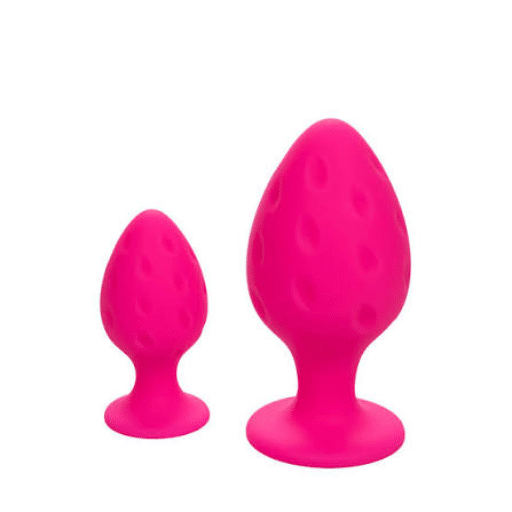
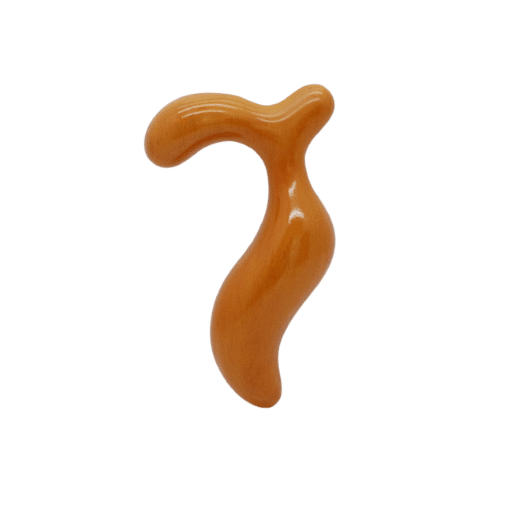
Wood, ceramic, and natural sex toys are pleasure products made from renewable or minimally processed materials such as FSC-certified hardwoods, glazed porcelain, and carved stone. They offer a plastic-free alternative for consumers who prioritize sustainability and artisan craftsmanship, but their safety depends entirely on how each material is sealed, glazed, or finished.
The sex toy industry has spent decades perfecting silicone, ABS plastic, and TPE. Now a quieter movement is gaining ground. Makers and buyers want intimate products built from the same raw materials we trust in kitchens, bathrooms, and jewelry boxes.
Wood brings warmth and organic grain. Ceramic offers weight, temperature play, and sculptural beauty. Natural stone adds permanence and a tactile connection to the earth.
Each material has genuine environmental advantages. Each also carries risks that marketing often glosses over.
In this guide, we’ll cover how these materials are made, which brands are setting the standard, what certifications actually matter, and how manufacturers should evaluate natural materials before adding them to a product line.
Key Takeaways
- Wood, ceramic, and natural stone sex toys are renewable or long-lasting alternatives to plastic, but none are automatically safer than medical-grade silicone.
- Body safety hinges on finish integrity: medical-grade sealants for wood, food-safe lead-free glazes for ceramic, and verified sourcing for stone.
- Leading brands include NobEssence and Gendoras for wood, Persian Palm and Adele Brydges for ceramic, and Chakrubs and Laid for natural stone.
- These materials excel at sustainability and aesthetics but require careful handling, regular inspection, and specific cleaning methods.
- Manufacturers should verify ISO 10993 biocompatibility testing, REACH compliance, and FSC or GIA sourcing documentation before making claims.
What Are Wood, Ceramic & Natural Sex Toys?

The term “wood ceramic natural sex toys” covers three categories of intimate products made from materials found in nature rather than synthesized in a chemical plant. Each category has its own production method, safety profile, and care requirements.
Wooden Sex Toys: Sealed for Safety
Wooden sex toys are carved or turned from hardwoods such as olive, walnut, padauk, birch, or oak. Raw wood is porous. Because of that, every body-safe wooden toy must be sealed with a medical-grade or food-safe coating. The finish creates the non-porous barrier.
In short, the finish is the product.
Ceramic Dildos: Art Meets Function
Ceramic and porcelain sex toys are shaped from clay, fired at high temperatures, and coated with glaze. When the glaze is intact and lead-free, the surface becomes non-porous and easy to sterilize. Vitrified porcelain is especially dense and water-resistant.
Natural Stone Sex Toys: Crystal and Mineral
Natural stone sex toys include carved jade, quartz, obsidian, amethyst, rose quartz, and soapstone. Some are marketed for spiritual or wellness associations. Others are valued simply for being durable, chemical-free, and recyclable.
What unites these categories is a shared promise: fewer petrochemicals, less plastic waste, and a product that can last for years. That promise is real. It is also conditional.
A cracked ceramic glaze, a worn wood seal, or a dyed fake crystal can turn an eco-friendly purchase into a health risk.
How Wood, Ceramic, and Natural Sex Toys Are Made
Wood: From Tree to Toy
Production starts with responsibly sourced lumber. Makers like Gendoras use olive wood from old trees that no longer bear fruit. They also use European walnut from sustainable forestry and padauk from responsible African suppliers. The wood is dried, carved on a lathe or by hand, sanded smooth, and then sealed.
The sealing step determines whether the toy is body-safe. Reputable manufacturers apply multiple coats of a medical-grade, hypoallergenic finish. NobEssence famously used a proprietary coating called Lubrosity. It met USP Class IV and VI medical standards, making the wood non-porous and compatible with all lubricants.
Ceramic: Earth, Water, Fire
Ceramic toys begin as clay. Artisans shape the form by hand, in molds, or on a potter’s wheel. The piece is bisque-fired, glazed, and then fired again at temperatures high enough to vitrify the clay and fuse the glaze. Vitrification means the clay body becomes glass-like and impermeable to water.
The glaze must be lead-free, cadmium-free, and non-toxic. Some makers fill their ceramic forms with resin for added durability. Persian Palm uses this technique. Others, like Adele Brydges, rely on vitrified porcelain and decorative enamel decals.
The result is a product that can be boiled, dishwasher-sterilized, and used with any lubricant type.
Natural Stone: Carved Mineral
Natural stone sex toys are cut and polished from raw mineral. Norwegian soapstone, used by the brand Laid, is soft enough to carve yet dense enough to polish. Crystal products from Chakrubs and Liebelei use rose quartz, amethyst, jade, or obsidian. The manufacturing footprint is small, mostly limited to cutting, polishing, and quality control.
The main risk here is authenticity. Dyed or reconstituted stone can contain resins or dyes that are not body-safe. GIA certification or transparent sourcing documentation helps buyers verify that the stone is genuine and untreated.
Major Brands and Products in Wood, Ceramic, and Natural Sex Toys
NobEssence — The Wood Pioneer
NobEssence helped establish the modern market for wooden sex toys in the United States. The company handcrafted dildos from sustainably sourced exotic hardwoods. It sealed them with Lubrosity, a proprietary coating that was biocompatible, phthalate-free, odorless, and waterproof.
Products like the Romp, Allure, and Seduction became reference points for body-safe wood. While new NobEssence products may be scarce today, its finishing standards still influence the category.
Gendoras — Austrian Wood Craft
Gendoras produces handcrafted wooden dildos in Carinthia, Austria, using olive wood, walnut, and padauk. The company emphasizes short supply chains, fair labor, and DIN EN 71/3 certification, a European toy safety standard that tests for migration of harmful elements. Its products are renewable, biodegradable, and designed to last for years with proper care. For buyers seeking body-safe wood sex toys, Gendoras represents a transparent European option.
Persian Palm — Tuscan Ceramic Art
Persian Palm, founded by Eva Cincar and Luana Giusti, produces hand-painted ceramic dildos and pleasure toys in Tuscany. The pieces use food-grade, non-toxic glazes. They are also filled with resin for added strength.
They are nickel, lead, cadmium, and phthalate-free. With prices around $175 for models like the Caterina, Persian Palm targets buyers who view pleasure products as display-worthy art.
Adele Brydges — Porcelain Sculpture
Based in East London, Adele Brydges creates small-batch porcelain intimate objects. Prices range from £150 charms to £350 sculptures. Her process involves hand-carving or lathe-carving forms.
She then applies pigmented porcelain slip for marbled effects. The pieces are fired until vitrified and immersible in water. The work bridges functional craft and fine art.
Luxury Sex Design — Ceramic With a Mission
Luxury Sex Design is a newer European brand built around a plastic-free erotic industry. Its ceramic toys use lead-free, food-approved glazes, and the packaging is 100% plastic-free. The brand’s motto, “planet before money and people before machines,” captures the ethos driving much of the natural-material movement.
Other Notable Makers
- Teatiamo (Finland) — birch and oak wooden products.
- Chakrubs (USA) — crystal and wood products, often marketed with wellness framing.
- Laid — Norwegian soapstone dildos with minimal processing.
- Liebelei — crystal yoni eggs and dildos in rose quartz, amethyst, jade, and obsidian.
Meet Clara. She bought a hand-turned walnut dildo from a craft fair because she loved the grain and the maker’s story. At home, she learned that the finish needed a simple water-drop test every few months.
If the wood darkened where water touched it, the seal was compromised. The ritual made her feel more connected to the object. It also reminded her that “natural” does not mean “maintenance-free.”
Environmental Benefits of Wood, Ceramic, and Natural Sex Toys

Wood, ceramic, and stone rank among the most promising sustainable sex toy materials available today. Their advantages differ from material to material, but the overall profile is cleaner than that of petroleum-based plastics.
Renewable and Biodegradable Materials
FSC-certified wood is renewable and biodegradable. Responsibly managed forests regrow. Wood scraps can be composted or burned at end of life.
Ceramic is made from clay, one of the most abundant materials on earth. It can be returned to the soil or recycled as aggregate. Natural stone requires no synthetic feedstock and can last indefinitely.
Lower Carbon Footprint
Compared with silicone or plastic manufacturing, wood, ceramic, and stone generally require less energy and fewer chemical inputs. Artisan production often involves shorter supply chains. A wooden toy made in Austria and sold in Europe travels far less than a mass-produced silicone toy shipped from Asia.
Reduced Synthetic Waste
Natural-material toys avoid petroleum-based plastics, phthalates, and volatile organic compounds. At end of life, they do not contribute to microplastic pollution. For consumers trying to reduce bedroom-related plastic waste, these materials are among the cleanest options available.
Safety Considerations for Wood, Ceramic, and Natural Sex Toys
Wood: The Sealing Problem
Raw wood is porous. Without a proper seal, it can absorb fluids, harbor bacteria, and develop mold. A body-safe wooden sex toy depends entirely on the quality and integrity of its finish.
Buyers should look for:
- Medical-grade or food-safe sealants.
- Clear care instructions.
- A simple integrity test, such as placing a water droplet on the surface to see if it beads up.
If the finish wears away, cracks, or absorbs moisture, the toy should be retired.
Ceramic: The Glaze Problem
Glazed ceramic is non-porous and hygienic. A chipped or cracked ceramic toy is not. Any break in the glaze exposes porous clay and creates sharp edges. Lead or cadmium in low-quality decorative glazes can also leach into the body.
Buyers should:
- Purchase only from makers who disclose glaze composition.
- Inspect the toy before each use.
- Store it in a padded pouch.
- Retire it immediately if any damage appears.
Natural Stone: Authenticity and Porosity
Not all “crystal” toys are genuine stone. Some are reconstituted with resins or dyed for color. Even genuine stones vary in porosity. Quartz is relatively non-porous; soapstone is softer and more absorbent.
Without verified sourcing and, ideally, ISO 10993 biocompatibility testing, claims of “natural” safety are just marketing.
Certifications to Look For
| Certification | What It Covers | Relevance |
|---|---|---|
| DIN EN 71-3 | Migration of harmful elements in toys | Baseline safety for wooden and ceramic toys |
| ISO 10993-5 / -10 | Cytotoxicity, irritation, sensitization | Biocompatibility for intimate contact |
| USP Class IV/VI | Medical-grade biocompatibility | Higher standard for coatings and glazes |
| FSC | Responsibly sourced wood | Sustainability claim for wooden toys |
| GIA | Genuine gemstone identification | Authenticity for crystal/stone toys |
| REACH | EU chemical restrictions | Excludes restricted substances |
Meet Mateo. His premium wellness brand wanted to launch a ceramic line. He fell in love with Persian Palm’s aesthetic but discovered that every glaze batch needed third-party heavy-metal testing to satisfy EU distributors.
The testing added cost and lead time. It also gave him a defensible claim. His takeaway: artisan beauty and regulatory rigor are not opposites.
Wood & Ceramic vs Other Sustainable Sex Toy Materials
| Factor | Wood | Ceramic | Natural Stone | Platinum Silicone | Biolene Bioplastic | Borosilicate Glass | Stainless Steel |
|---|---|---|---|---|---|---|---|
| Renewable | Yes | Yes (clay) | No, but abundant | No | Partially | No | No |
| Biodegradable | Yes | No, but inert | No, but inert | No | Some grades | No | No |
| Non-porous | Only if sealed | Only if glazed | Varies | Yes | Yes | Yes | Yes |
| Durability | Moderate | Fragile | High | High | Moderate | High | Very high |
| Temperature play | Limited | Excellent | Good | Limited | Limited | Excellent | Excellent |
| Lube compatibility | All types | All types | All types | Water-based best | Water-based best | All types | All types |
| Aesthetic | Warm, organic | Sculptural, artistic | Minimal, elemental | Smooth, modern | Modern | Elegant | Clinical/luxe |
| Certification needs | FSC, finish testing | Glaze testing | GIA, ISO 10993 | ISO 10993 | Industrial composting | REACH | REACH |
Wood and ceramic make sense when sustainability, aesthetics, and artisan story are central to the brand. They make less sense when low maintenance, impact resistance, or mass production are priorities.
How to Care for Wood, Ceramic, and Natural Sex Toys
Wood
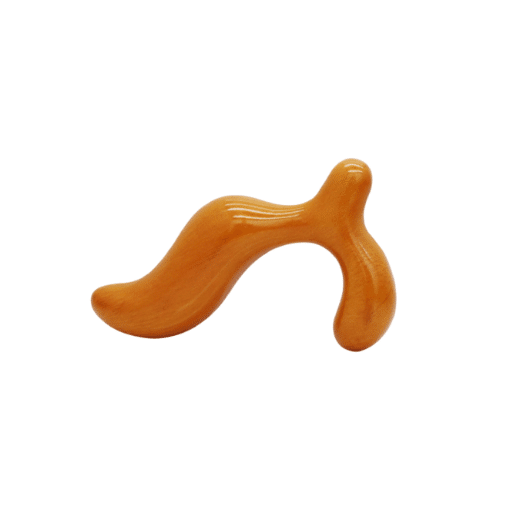
Clean with mild soap and warm water. Do not boil, soak, or use harsh chemicals. Dry thoroughly. Perform a water-drop test regularly to check seal integrity.
Store in a dry place away from direct sunlight.
Ceramic
Wash with soap and water, or boil if there are no electronic components. Dishwasher sterilization is possible for pure ceramic pieces. Inspect for chips or cracks before every use. Store in a padded pouch.
Natural Stone
Use warm water and mild soap. Avoid abrasive scrubbers. Dry completely. Check for cracks or surface damage.
Do not expose delicate crystals to rapid temperature changes.
What Manufacturers Should Consider
Sourcing and Verification
Manufacturers interested in natural materials should start with verified suppliers. FSC-certified wood, lead-free glaze suppliers, and GIA-certified stone vendors reduce risk. Material passports and chain-of-custody documentation support marketing claims. They also prepare brands for EU greenwashing rules under Directive 2024/825.
Testing Beyond “Food-Safe”
Food-safe is not the same as body-safe for intimate products. Food contact standards test different exposure conditions than mucous membranes. ISO 10993-5 cytotoxicity testing and ISO 10993-10 irritation testing provide a stronger foundation for claims.
Design for Durability
Ceramic toys should avoid thin walls or fragile protrusions. Wood toys need complete seal coverage, including in crevices. Stone toys should use minerals that are dense enough to polish without fracturing.
Substantiating Claims
Avoid vague terms like “natural,” “organic,” or “planet-friendly” without specifics. Instead, state the certification, the source, the testing standard, and the end-of-life guidance. This approach builds trust. It also reduces regulatory exposure.
If your brand is evaluating wood, ceramic, or stone for a new product line, Joyflick can help source certified materials, verify body-safe coatings and glazes, and manage low-MOQ production starting at 300 units.
Frequently Asked Questions
What are wood, ceramic, and natural sex toys?
They are intimate products made from natural materials rather than synthetic plastics or silicones. Wood must be sealed, ceramic must be glazed, and stone should be verified for authenticity and porosity.
Are wooden sex toys body-safe?
Yes, when sealed with a medical-grade or food-safe finish that creates a non-porous barrier. The seal must remain intact. Regular water-drop testing helps verify ongoing safety.
Are ceramic dildos safe to use?
Yes, when made with lead-free, cadmium-free glaze and no chips or cracks. Damaged ceramic should be discarded because exposed clay is porous and sharp edges can cause injury.
How do you clean wood and ceramic sex toys?
Wash wood with mild soap and water; do not boil or soak. Ceramic can be washed with soap and water or boiled if it has no electronics. Both should be dried thoroughly and inspected before use.
Are natural stone sex toys sustainable?
Natural stone has a low processing footprint and lasts a long time, but quarrying has environmental impacts. Sustainability depends on responsible sourcing and minimal transport.
What certifications should wood and ceramic sex toys have?
Look for DIN EN 71-3, ISO 10993-5/10, USP Class IV/VI, FSC for wood, lead-free glaze documentation for ceramic, and GIA certification for genuine stone.
Which brands make wood, ceramic, or stone sex toys?
Notable brands include NobEssence and Gendoras for wood; Persian Palm, Adele Brydges, and Luxury Sex Design for ceramic; and Chakrubs and Laid for stone.
Can wood and ceramic sex toys be recycled?
Wood can be composted or burned if untreated. Ceramic can be recycled as aggregate in some areas. Both are more biodegradable or recyclable than silicone and plastic alternatives.
Should manufacturers use natural materials for sex toys?
Natural materials can differentiate a brand and reduce environmental impact, but they require rigorous sourcing, finishing, testing, and care guidance. They are best suited for premium or artisan product lines rather than high-volume disposable toys.
Conclusion
Wood, ceramic, and natural sex toys represent one of the most visually striking corners of sustainable pleasure. They connect users to raw materials, skilled craftsmanship, and a lower-plastic lifestyle. But their environmental appeal should not override safety fundamentals.
The right finish makes wood body-safe. The right glaze makes ceramic hygienic. The right sourcing makes stone trustworthy.
For consumers, that means buying from transparent makers and following care instructions. For manufacturers, it means testing beyond marketing claims and designing for durability from the start.
If you’re building a brand around sustainable adult products, Joyflick offers OEM/ODM support for material verification, compliance testing, and low-MOQ manufacturing. Contact our team to explore how wood, ceramic, or stone could fit your next product line.