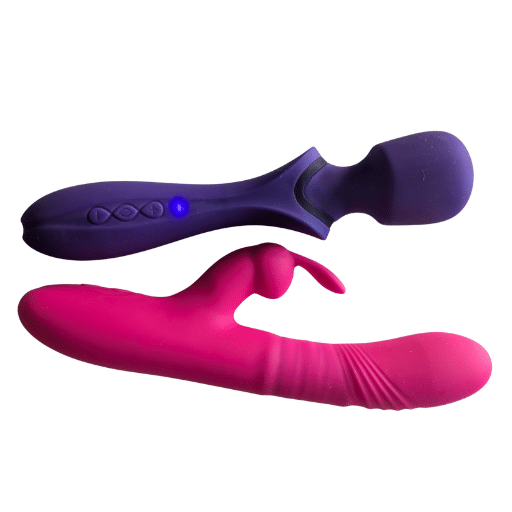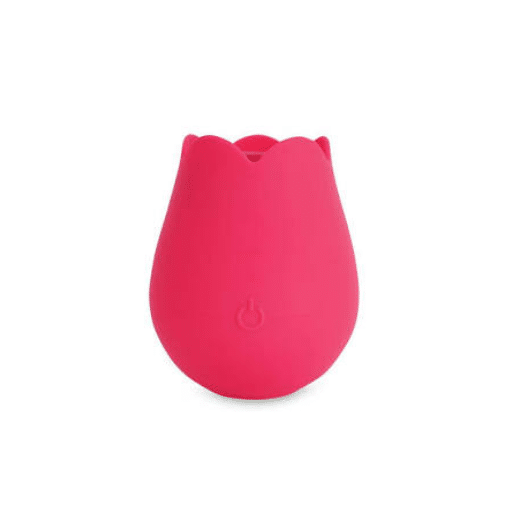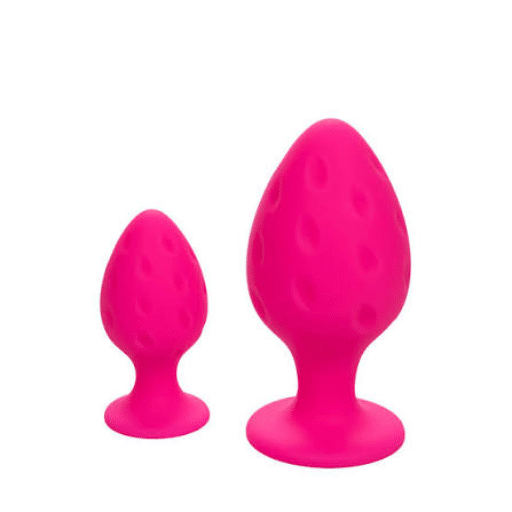

The most effective sustainable sex toy packaging combines three layers, a discreet outer shipper, a protective inner retail box, and a reusable storage accessory, using materials that are recyclable, certified, and compliant with regional regulations. For manufacturers and brand owners, getting this right means balancing privacy, hygiene, sustainability, and cost without greenwashing.
Most advice treats packaging as an afterthought. In reality, it is often the first physical touchpoint a customer has with your brand.
It is also a growing regulatory liability. The EU Packaging and Packaging Waste Regulation (PPWR) entered into force on February 12, 2025, and its core requirements become enforceable on August 12, 2026. Brands that sell into the EU will need recyclable-by-design packaging, limited void space, and proper Extended Producer Responsibility (EPR) registration.
This guide provides a practical framework for designing eco-friendly sex toy packaging that protects your product, respects your customer, and keeps you compliant across major markets.
Key Takeaways
- Sustainable sex toy packaging works best as a three-layer system: outer shipper, retail box, and reusable storage pouch.
- FSC-certified cardboard, molded pulp, organic cotton pouches, and compostable mailers are the most viable materials for 2026.
- The EU PPWR enforces core requirements starting August 12, 2026, including recyclability by design and void space limits.
- Discretion and hygiene are non-negotiable; sustainable materials must still provide tamper evidence and moisture protection.
- FSC-certified packaging typically costs 10–20% more upfront, but retention and brand premium can offset the increase within 18 months.
- Rocks Off, Womanizer, Love Not War, and Adulttoymegastore prove that sustainability and premium unboxing can coexist.
What “Sustainable Sex Toy Packaging” Actually Means
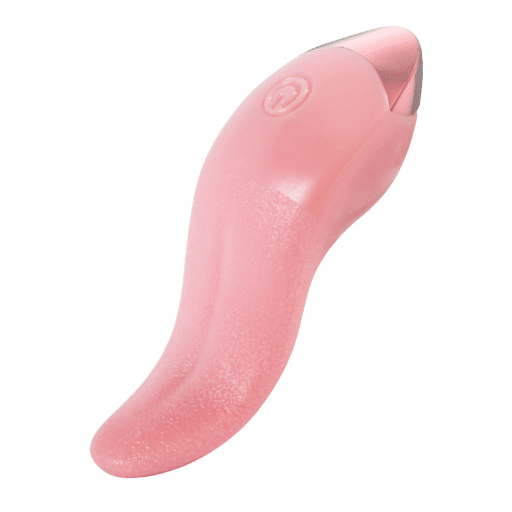
Sustainable sex toy packaging refers to packaging systems that reduce environmental impact across the full lifecycle, from raw material sourcing and manufacturing to shipping, use, and end-of-life disposal. For sex toys, this is more complex than simply swapping plastic for paper.
The industry faces a unique constraint. Packaging must remain discreet, protect intimate products from contamination, survive shipping, and create a premium experience, all while minimizing waste. This means sustainability is not a single material choice. It is a design strategy.
Think of packaging in three layers:
- Outer shipping packaging, the plain mailer or box that arrives at the customer’s door.
- Inner retail packaging, the branded box or sleeve that holds the product and instructions.
- Reusable storage or accessories, pouches, tins, or cases the customer keeps.
Each layer has different sustainability priorities. The outer shipper should be minimal and recyclable. The retail box should be protective and premium.
The storage layer should be reusable. A truly sustainable system optimizes all three rather than greening just one.
Why Sustainable Packaging Matters for Sex Toy Brands
Consumer expectations have shifted. According to 2025 data from Shorr, 54% of US consumers deliberately chose products with sustainable packaging in the previous six months. Industry surveys suggest 90% of shoppers are more likely to purchase from a brand that uses eco-friendly packaging, and 52% are more likely to reorder when packaging is sustainable.
For sex toy brands, this matters in two ways. First, sustainability signals quality. A plain kraft box with soy-based ink and an organic cotton pouch reads as thoughtful and wellness-oriented.
Second, retention improves. When customers feel good about unboxing, they remember the brand.
Regulatory pressure is equally important. The EU PPWR applies to all packaging placed on the EU market, regardless of product category. That includes sex toys. Key requirements effective August 12, 2026, include:
- Packaging must be designed for material recycling.
- Void space in e-commerce packaging must not exceed 50%.
- Heavy metals (lead, cadmium, mercury, hexavalent chromium) are limited to 100 mg/kg combined.
- Producers must register with EPR schemes and prepare a Declaration of Conformity.
- From 2030, plastic packaging must contain minimum post-consumer recycled (PCR) content.
Non-EU brands selling into the EU must appoint an authorized representative and comply with the same rules. The cost of ignoring this is no longer just reputational; it is a market-access issue.
Mini-story: Maria in Barcelona
Maria launched her wellness brand in 2024 with glossy rigid boxes and plastic windows. Her EU distributor warned her in early 2026 that the packaging would not meet PPWR recyclability rules. She had to redesign, reprint, and re-source 8,000 units in four months.
The redesign cost more than the original packaging run. Had she planned for PPWR compliance from the start, she would have saved roughly €14,000 and avoided a delayed launch.
Sustainable Materials for Sex Toy Packaging
Choosing the right material depends on which packaging layer it serves. Here are the most viable options for 2026.
Recycled and FSC-Certified Cardboard
FSC-certified cardboard is the workhorse of eco-friendly sex toy packaging. It is widely recyclable, accepts high-quality printing, and works for both shipping boxes and retail packaging. The Forest Stewardship Council (FSC) offers three label types:
- FSC 100%: made entirely from certified virgin forest fiber.
- FSC Recycled: made from 100% recycled content.
- FSC Mix: a blend of certified, recycled, and controlled fiber.
For most brands, FSC Mix or FSC Recycled offers the best balance of credibility and cost. Unbleached kraft cardboard skips the energy-intensive dyeing process and gives a natural, premium feel.
Kraft Paper and Unbleached Paperboard
Kraft paper is stronger than standard paper due to its pulping process. It is ideal for shipping mailers, wraps, and sleeve packaging. Because it is unbleached, it requires less water and energy to produce. Many brands pair kraft outer mailers with FSC-certified inner boxes for a two-tier system.
Molded Pulp Inserts
Molded pulp replaces plastic foam, EVA, and blister packs. It is made from recycled paper fibers, is biodegradable, and can be molded to fit vibrators, chargers, and accessories. It is particularly useful for protecting electronics during shipping. Lead times are short, and tooling costs are lower than plastic trays.
Bioplastics and Compostable Films
Materials like PLA (polylactic acid, derived from corn starch) and PBAT are used for compostable mailers and inner hygiene wraps. They break down under industrial composting conditions but are not a universal fix. If your market lacks industrial composting facilities, these films may end up in landfill. Always verify local infrastructure before marketing compostability.
Mycelium / Mushroom Packaging
Mycelium packaging is grown from agricultural waste and mushroom root structure. It is home-compostable, water-resistant, and custom-moldable. While still emerging, it is suitable for premium brands that want a standout unboxing story. Lead times and minimums are improving as suppliers scale.
Reusable Fabric Pouches
Organic cotton, hemp, or recycled polyester pouches serve as both packaging and long-term storage. They protect products from dust, reduce the need for plastic bags, and extend brand visibility in the customer’s home. Look for GOTS-certified organic cotton or OEKO-TEX Standard 100 for chemical safety.
Protective Cushioning Alternatives
Replace bubble wrap and foam peanuts with:
- Honeycomb paper wrap, expandable paper cushioning that is recyclable.
- Cornstarch packing peanuts, dissolve in water and are biodegradable.
- Shredded cardboard, repurposes scrap material and fills voids.
These options protect products without leaving plastic waste behind.
Mini-story: James in Manchester
James ran a mid-sized brand using standard plastic blister packs and foam inserts. After switching to molded pulp trays and honeycomb paper wrap, his packaging waste disposal costs dropped by 55%. Customer support tickets about damaged products also fell, because the molded pulp held electronics more securely than the old foam.
Certifications That Matter

Certifications help brands substantiate sustainability claims and avoid greenwashing accusations. Under the EU Empowering Consumers for the Green Transition (ECGT) Directive, generic terms like “eco-friendly” will require proof starting September 27, 2026.
| Certification | What It Covers | Best For |
|---|---|---|
| FSC | Responsibly sourced paper and wood fiber | Cardboard retail boxes and shipping materials |
| GOTS | Organic textile processing | Cotton or hemp storage pouches |
| OEKO-TEX Standard 100 | Chemical safety in textiles | Fabric pouches and linings |
| OK Compost / EN 13432 | Industrial compostability | Compostable films and mailers |
| GRS | Recycled content tracking | Recycled polyester or cardboard |
| EU Ecolabel | Overall environmental performance | Brands selling across the EU |
| Cradadle to Cradle Certified | Material health and circular design | Premium circular packaging systems |
If you claim your packaging is “FSC certified sex toy packaging,” the certification must apply to the actual packaging material, not just the supplier’s general credentials. Maintain chain-of-custody documentation and use the correct FSC label on the printed piece.
For a deeper look at which certifications apply to products and packaging, see our eco-friendly sex toy certifications guide.
Designing for the Sex Toy Industry: Three Non-Negotiables
Sex toy packaging cannot optimize for sustainability alone. It must also satisfy three industry-specific requirements.
Discretion and Privacy
Customers expect plain, unbranded outer packaging. This does not conflict with sustainability. Use:
- Plain kraft or white corrugated mailers.
- Neutral return addresses without product names.
- Opaque materials with no transparent windows.
- Reinforced gummed paper tape instead of plastic tape.
A discreet package can still be fully recyclable. The key is choosing paper-based materials rather than plastic poly mailers.
Hygiene and Product Protection
Intimate products need protection from moisture, dust, and tampering. Sustainable alternatives exist:
- Tamper-evident seals: Use paper-based seals with plant-based adhesives instead of PVC shrink wrap.
- Moisture barriers: Plant-based coatings on kraft paper can provide limited moisture resistance. For higher protection, use compostable films certified to food-contact standards.
- Individual barriers: Products can be sealed in compostable pouches or wrapped in recyclable glassine paper before placement in the retail box.
Never compromise hygiene for sustainability. If a compostable film cannot meet your shelf-life and contamination requirements, use the minimum viable plastic and clearly label how to recycle it.
Premium Unboxing Experience
Sustainable packaging can still feel luxurious. Options include:
- Magnetic closure rigid boxes, reusable and recyclable.
- Drawer-style boxes, elegant and protective.
- Sleeve packaging, minimal material usage.
- QR code manuals, replace printed inserts and reduce paper.
- Organic cotton storage pouches, a value-add customers reuse.
The unboxing moment is a marketing opportunity. A well-designed sustainable box signals that the brand cares about details.
If you are evaluating which materials are genuinely sustainable across your full product line, our sustainable materials guide covers product-level options in detail.
Regulatory Compliance: EU PPWR and Beyond
The EU Packaging and Packaging Waste Regulation (PPWR) replaces the previous Packaging and Packaging Waste Directive. It entered into force on February 12, 2025, and core obligations apply from August 12, 2026.
What Changes in August 2026
- Recyclability by design: All packaging must be designed for material recycling.
- Void space limits: E-commerce packaging can have a maximum of 50% empty space.
- Substance restrictions: Heavy metals are capped at 100 mg/kg combined.
- Declaration of Conformity: Required for all packaging placed on the EU market.
- EPR registration: Producers must register in each member state where they sell.
Phased Requirements
| Date | Requirement |
|---|---|
| August 2027 | Digital labeling via QR codes mandatory |
| January 2028 | Design for Recycling criteria published |
| August 2028 | Harmonized EU recycling pictograms replace national symbols |
| January 2030 | Minimum Grade C recyclability; PCR plastic targets begin |
| January 2035 | Recyclability assessed against actual sorting infrastructure |
| January 2038 | Grades D and E banned from EU markets |
Implications for Non-EU Brands
If you manufacture outside the EU but sell to EU customers, you must appoint an authorized representative within the EU. Online marketplaces may also share responsibility for compliance. This makes early packaging design decisions critical, retroactive redesign is expensive.
For brands focused on global compliance beyond packaging, our guide to eco-friendly sex toy certifications covers REACH, CE marking, and other product-level requirements.
Cost, ROI, and Implementation Strategy
Sustainable packaging does carry a premium, but the gap is narrowing. FSC-certified cardboard typically costs 10–20% more than conventional cardboard. Compostable mailers can cost 20–40% more than plastic poly mailers. Molded pulp inserts are often cost-competitive with foam once tooling is amortized.
Per-Unit Cost Estimates
| Component | Conventional | Sustainable Alternative | Estimated Premium |
|---|---|---|---|
| Retail box (rigid) | 0.80–0.80–1.50 | FSC-certified rigid box | +0.15–0.15–0.30 |
| Shipping mailer | 0.25–0.25–0.50 | Kraft mailer / compostable mailer | +0.05–0.05–0.20 |
| Inner insert | EVA foam 0.30–0.30–0.60 | Molded pulp insert | +0.00–0.00–0.15 |
| Storage pouch | Plastic bag 0.05–0.05–0.10 | Organic cotton pouch | +0.25–0.25–0.75 |
| Protective wrap | Bubble wrap 0.10–0.10–0.20 | Honeycomb paper wrap | +0.00–0.00–0.10 |
ROI Case
Research from EcoEnclose and McKinsey suggests sustainable packaging can increase repeat purchase rates by 2–4 percentage points and reduce churn. For a brand with a $60 average order value and a 30% margin, retaining just one additional customer per 100 orders covers the packaging premium.
Phased Implementation Roadmap
Phase 1, Audit (Month 1)
- Map every packaging component.
- Identify plastic that can be eliminated without compromising hygiene.
- Review supplier certifications.
Phase 2, Quick Wins (Months 2–3)
- Switch outer mailers to kraft paper.
- Replace bubble wrap with honeycomb paper.
- Remove printed instruction booklets; use QR codes.
Phase 3, Material Upgrades (Months 4–6)
- Move retail boxes to FSC-certified cardboard.
- Replace foam inserts with molded pulp.
- Introduce reusable organic cotton pouches for premium lines.
Phase 4, Compliance and Certification (Months 6–12)
- Obtain FSC chain-of-custody certification.
- Register for EPR in target EU markets.
- Prepare PPWR Declaration of Conformity documentation.
If you are looking for a partner to manage custom packaging alongside production, Joyflick offers custom adult toy manufacturing with low MOQs starting at 300 units and ISO-certified quality control.
Brand Examples and What to Learn From Them

Rocks Off, FSC-Certified Efficiency
Rocks Off’s Quest line uses FSC-certified cardboard with a biodegradable coating. The company reports a 30% reduction in packaging volume and a 40% cut in carbon footprint. The lesson: right-sizing packaging reduces material, shipping, and emissions simultaneously.
Womanizer Premium Eco, Plastic-Free Premium
The Womanizer Premium Eco ships in plastic-free, FSC-certified packaging and includes an organic cotton storage pouch. The product itself uses Biolene, a bioplastic derived from corn starch, and features a replaceable battery. This shows how packaging and product sustainability can tell a single story.
Love Not War, Zero Plastic, Full Transparency
Love Not War uses FSC-approved brown cardboard, soy-based ink, and eco-friendly glue. The brand pairs this with recycled aluminum products and publishes clear sustainability claims. Their approach demonstrates that substantiated claims build trust.
Adulttoymegastore, Compostable Shipping
This retailer switched to compostable cornstarch courier bags and Geami Eco Wrap, a paper-based cushioning material. After the switch, 96% of customers noticed the new packaging and 84% cared about its environmental friendliness. The takeaway: customers notice and appreciate visible change.
Lovability, Reusable Storage as Packaging
Lovability uses reusable tin containers for some products and 100% recycled paper for secondary packaging. By turning packaging into a reusable item, the brand extends value and reduces waste.
Common Mistakes to Avoid
Greenwashing with vague claims. Terms like “eco-friendly” and “green” must be backed by specific certifications or measurable data. Under the EU ECGT Directive, self-created sustainability labels will be prohibited starting September 27, 2026.
Packaging performativity. A recycled cardboard box does not offset a product made with PVC, undisclosed fillers, or non-recyclable electronics. The sustainability story must match the product, not just the box.
Ignoring end-of-life infrastructure. A compostable mailer only works if the customer has access to industrial composting. In areas without it, recyclable cardboard may be the greener choice.
Overlooking hygiene barriers. Removing all plastic can compromise sterility. Use the minimum necessary barrier and label it clearly.
Choosing non-recyclable “biodegradable” films. Some biodegradable plastics break into microplastics rather than fully degrading. Look for certifications like OK Compost or EN 13432.
For more on avoiding misleading environmental claims, see our biodegradable sex toy materials guide.
Frequently Asked Questions
What is the most sustainable material for sex toy packaging?
There is no single answer. FSC-certified cardboard is the most practical for retail boxes and shipping. Molded pulp works well for protective inserts.
Organic cotton pouches are ideal for reusable storage. The best choice depends on the packaging layer and your target market’s recycling infrastructure.
Can sex toy packaging be completely plastic-free?
Yes, but only if hygiene and protection requirements are still met. Brands like Love Not War and Womanizer have achieved plastic-free packaging using cardboard, molded pulp, and organic cotton. Compostable films can replace plastic windows and hygiene wraps where certified.
How much more does FSC-certified packaging cost?
FSC-certified cardboard typically costs 10–20% more than conventional cardboard. The premium varies by volume, supplier, and certification type. FSC Mix is usually less expensive than FSC 100% or FSC Recycled.
What does the EU PPWR require for sex toy packaging?
The PPWR requires packaging to be recyclable by design, limits void space to 50% for e-commerce, restricts heavy metals, and requires EPR registration and a Declaration of Conformity. Core requirements apply from August 12, 2026.
How do you balance discretion with sustainability?
Use plain kraft or white corrugated mailers with no branding, reinforced paper tape, and neutral return addresses. These materials are fully recyclable and widely accepted in curbside recycling. Discretion and sustainability are compatible when you avoid plastic poly mailers.
Is molded pulp protective enough for electronics?
Yes, when designed correctly. Molded pulp can be engineered to hold vibrators, chargers, and cables securely. It absorbs shock and is recyclable. For high-value electronics, pair it with a rigid outer box.
What certifications should brands display on packaging?
Display only certifications that apply to the actual packaging component. Common options include FSC for cardboard, GOTS for organic cotton pouches, OK Compost for compostable films, and GRS for recycled content. Never display a certification that does not cover the specific item.
Conclusion
Sustainable sex toy packaging is not about finding one perfect material. It is about designing a system where each layer, outer shipper, retail box, and reusable storage, does its job with the lowest possible environmental impact. The brands that win in 2026 and beyond will be those that combine discretion, hygiene, compliance, and sustainability without exaggeration.
The EU PPWR deadline of August 12, 2026, makes this urgent. But the opportunity is equally large. Consumers are paying attention, repeat purchases are tied to packaging experience, and premium sustainable design can justify higher price points.
At Joyflick, we help brands design eco-friendly sex toy packaging that meets global compliance standards and creates a memorable customer experience. From FSC-certified boxes to custom molded pulp inserts and organic cotton pouches, our OEM/ODM team can guide you from concept to production. Contact us today to request a quote or explore our custom adult toy manufacturing services.