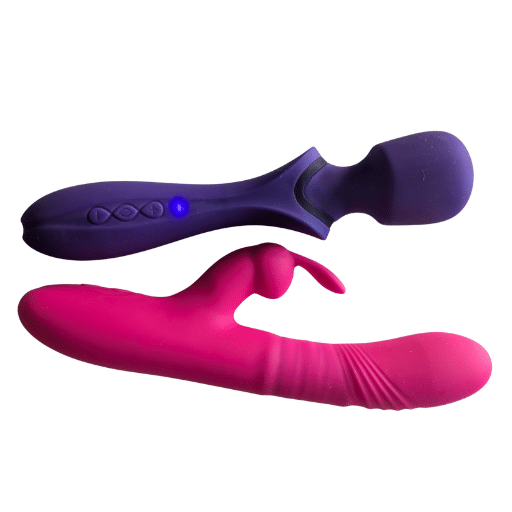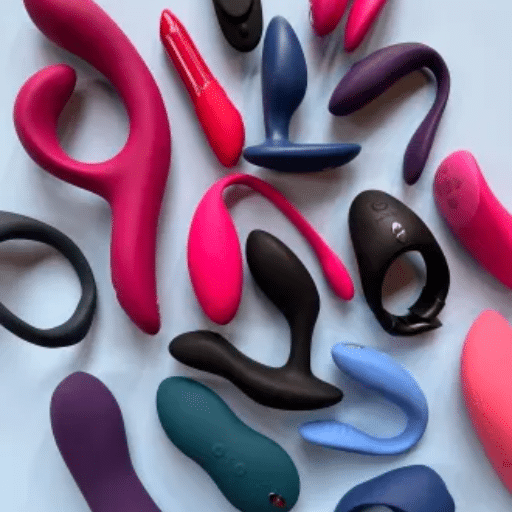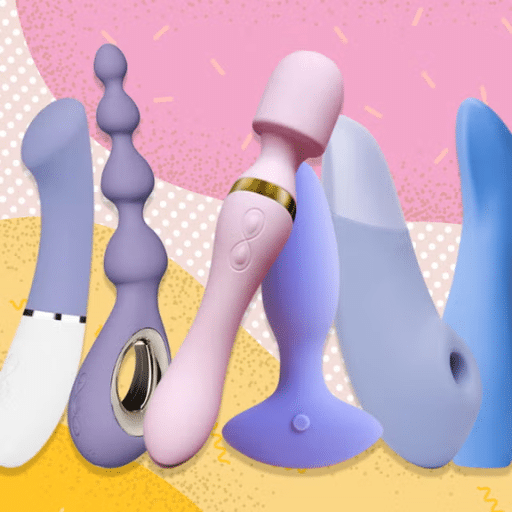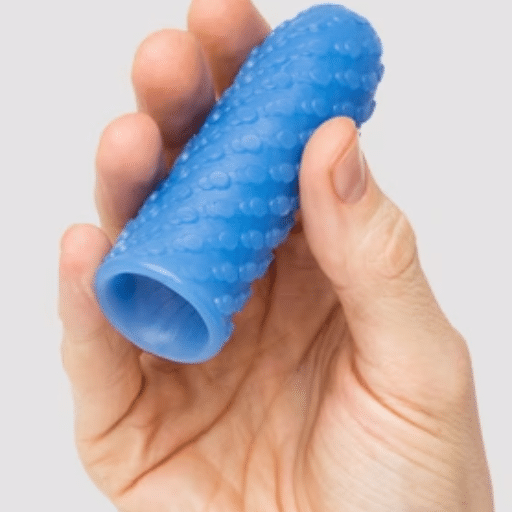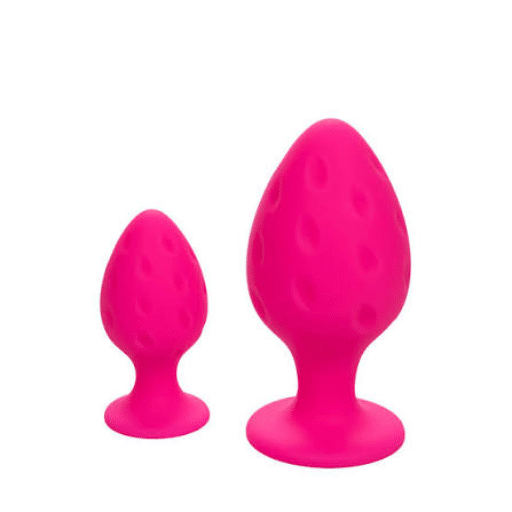

The most sustainable way to dispose of sex toys depends on the material type. Silicone toys go to specialized recycling programs or general waste. Glass and metal can often enter standard recycling streams. Motorized toys must be treated as e-waste. Batteries should always be removed and recycled separately through programs like Call2Recycle. Most people simply throw old toys in the trash. With the right knowledge, you can significantly reduce their environmental impact.
Here is a surprising number: the global sex toy market reached $19.78 billion in 2026, yet the vast majority of those products eventually end up in landfill. At Joyflick, we manufacture millions of devices annually, and we believe end-of-life responsibility is just as important as design. Whether you are a consumer cleaning out your drawer or a brand founder planning your next product line, this guide shows you exactly how to recycle sex toys the right way.
You will learn which materials can actually be recycled, where to find take-back programs, how to prepare toys for disposal, and what manufacturers should consider when designing for recyclability.
Key Takeaways
- Silicone sex toys have limited recyclability and usually require specialized programs like ScarletGirl or Love Not War; most go to general waste if no program is available.
- Motorized toys and vibrators are classified as e-waste under EU WEEE Directive and should never go in household trash due to lithium batteries and circuit boards.
- Glass and metal toys are the easiest to recycle through standard municipal programs, though borosilicate glass requires specialized handling.
- Retailer take-back programs exist in the US, UK, EU, and Australia, offering store credit or free mail-in recycling for qualifying products.
- Manufacturers can design for recyclability by using modular construction, pure materials instead of mixed compounds, and screw-accessible battery compartments.
Why Sex Toy Recycling Matters
The scale of the problem is bigger than most people realize. Global e-waste hit 65.3 million tonnes in 2025. Small electronic devices, which include vibrators and smart toys, made up 41% of that stream. Only 22.3% of all e-waste was formally recycled. The rest entered unregulated waste streams. Much of it ends up in developing countries, where unsafe dismantling releases toxic chemicals into soil and water.
Sex toys contribute to this problem in two ways. First, motorized products contain lithium-ion batteries, circuit boards, and motors. These components classify them as hazardous e-waste. Second, the industry relies heavily on mixed-material construction. A typical vibrator combines silicone sleeves over ABS plastic housings with metal contacts and electronic components. This material complexity makes standard recycling nearly impossible.
Regulatory pressure is mounting. The EU WEEE Directive mandates e-waste recycling across member states. The EU Green Claims Directive, effective in 2026, requires brands to substantiate any environmental claims with verified data. In the United States, the FTC Green Guides prohibit vague recycling claims. Brands must prove their products are actually recyclable through accessible programs. For manufacturers, ignoring end-of-life design is no longer just an environmental issue. It is becoming a compliance risk.
How to Recycle Sex Toys by Material Type
Not all toys are created equal when it comes to disposal. The recycling path depends entirely on what the product is made of. Here is a material-by-material breakdown.
Silicone Toys
Medical-grade silicone is durable, body-safe, and long-lasting. Unfortunately, those same properties make it difficult to recycle. Standard municipal recycling facilities do not accept silicone because it cannot be processed with conventional plastics. Silicone does not biodegrade either, so landfill is the default destination for most discarded silicone toys.
Some specialized programs do accept silicone. ScarletGirl, the longest-running US mail-in recycling program, accepts silicone toys along with other materials and offers a $10 store credit. Love Not War accepts its own silicone products back for factory recycling. A few emerging initiatives in the UK and EU are experimenting with silicone-to-silicone recycling for industrial applications, but consumer access remains limited.
For consumers: If you do not have access to a specialized program, clean the toy thoroughly and dispose of it in general waste. Do not attempt to burn silicone, as it releases harmful silica compounds.
For brands: Design products with modular silicone components that can be separated from electronics and hardware. Pure silicone is easier to recycle than silicone bonded to plastic or metal. If you want to learn more about choosing sustainable materials from the start, read our guide on sustainable materials for adult toys.
Glass & Metal Toys
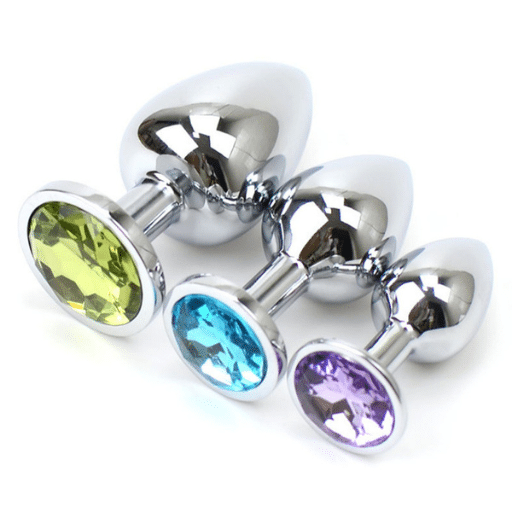
Glass and metal are the simplest sex toy materials to recycle. Non-borosilicate glass toys can often go into standard glass recycling bins, provided they are clean and any non-glass components are removed first. Metal toys, including those made from stainless steel or aluminum, can typically be taken to scrap metal recycling facilities or included in municipal metal recycling where accepted.
Borosilicate glass, which is used in higher-end products for its thermal resistance and durability, requires specialized recycling because it has a different melting point than standard container glass. Check with your local recycling facility before dropping borosilicate toys in the glass bin.
For brands: Using pure, uncoated metal and standard glass types makes end-of-life recycling straightforward for consumers. Avoid mixed-material designs like metal toys with silicone grips or glass toys with plastic bases, as these combinations force the entire product into landfill.
Motorized & Electronic Toys
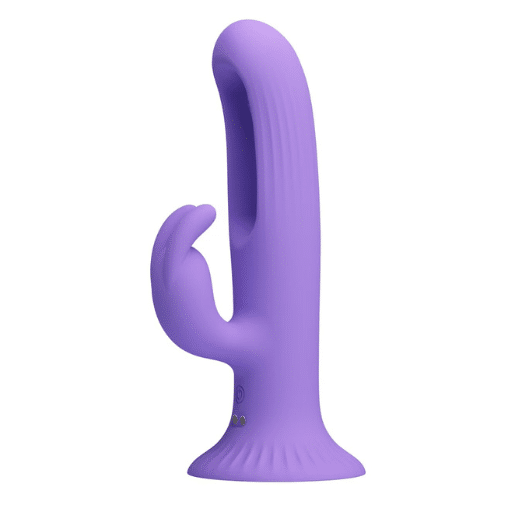
Vibrators, app-controlled toys, and any device with a motor or battery are classified as e-waste. This is the most critical category to get right. Lithium-ion batteries can cause fires if punctured or exposed to heat in waste compaction vehicles. Circuit boards contain heavy metals including lead, mercury, and cadmium that leach into groundwater when buried in landfill.
Before recycling any electronic toy, remove the battery if possible. Batteries should be recycled separately through programs like Call2Recycle in North America, or at designated e-waste collection points. The toy body itself should go to a WEEE-compliant e-waste facility. In the EU, most electronics retailers are legally required to accept small e-waste for recycling, even if you did not buy the product there.
For brands: Design battery compartments with visible screws rather than sealed glue joints. Sealed units make safe battery removal impossible and increase fire risk during waste handling. Our quality control guide covers how to test electronic components for safety and durability, which extends product life and reduces premature disposal.
Plastic Toys (ABS, PVC, TPE)
ABS plastic is technically recyclable, but sex toys made from ABS are rarely accepted in curbside programs because of their shape, size, and potential biohazard classification. If the ABS toy has no electronic components and is thoroughly sanitized, some municipalities may accept it through rigid plastic recycling streams. Always check local guidelines.
PVC, TPE, jelly rubber, and other soft plastics used in lower-cost toys are generally not recyclable through any standard program. These materials go to landfill. TPE has limited recycling potential through specialized industrial processors, but no consumer-facing programs currently exist.
For brands: The best strategy is to avoid PVC and jelly rubber altogether in favor of recyclable or durable alternatives. ABS can be a reasonable choice for non-porous, rigid components, but design for disassembly so consumers can separate plastic housings from electronics before disposal.
Batteries & Charging Cables
This is the easiest part to get right. Rechargeable batteries and charging cables should never go in household trash. In the United States, Call2Recycle operates over 20,000 drop-off locations for rechargeable batteries. The UK and EU have similar networks through WEEE compliance schemes. Many major retailers, including hardware stores and electronics chains, accept batteries and small electronics for free recycling.
USB charging cables can often be recycled through the same e-waste channels as the toys themselves, or through electronics retailers that accept cables and chargers.
Retailer & Manufacturer Recycling Programs
Several companies have stepped up to fill the recycling gap. These programs vary by region, materials accepted, and whether they offer incentives.
| Program | Region | Materials Accepted | Reward | Notes |
|---|---|---|---|---|
| ScarletGirl | US | All types | $10 store credit | Longest-running program; mail-in |
| Love Not War | US/UK/EU | Own brand products | Free recycling | Repair-first philosophy; factory recycling |
| The Natural Love Company | UK | All types | Free mail-in | Eco-brand focus |
| Passionfruit | Australia | All types | In-store drop-off | Melbourne-based; AU-focused |
| AdultToyMegastore | NZ | Glass, metal, silicone | Free drop-off | Limited materials |
ScarletGirl has been operating their mail-in program for over fifteen years, proving that consumer take-back can work at scale. Love Not War takes a different approach, designing their products for repair and offering end-of-life acceptance as part of their brand promise. The Natural Love Company provides prepaid mail-in labels for UK customers, removing the friction of finding a local facility.
For manufacturers considering their own programs, the business case is stronger than it appears. Take-back programs build customer loyalty. They also generate valuable material recovery data. These programs prepare brands for tightening Extended Producer Responsibility regulations. A well-designed program does not need to be expensive. Love Not War demonstrates that repair-first design reduces the volume of truly end-of-life products. That keeps program costs manageable.
If you are building a brand and want to integrate sustainability into your business model from day one, our private label brand guide covers how to position eco-friendly practices as a competitive advantage.
Step-by-Step Disposal Guide
Follow these steps for safe, responsible disposal:
- Clean and sanitize. Soak non-electronic components in a 10% bleach solution for ten minutes, then rinse and dry completely. For electronic toys, wipe down surfaces with a disinfectant wipe and allow to dry fully.
- Remove batteries. For toys with removable batteries, take them out and set aside for separate recycling. For sealed units, note the battery type for the e-waste facility.
- Disassemble if safe. Remove silicone sleeves from plastic housings, detach metal rings or glass inserts, and separate mixed materials. Only do this if the toy can be taken apart without breaking sharp pieces.
- Sort by material. Group glass, metal, plastic, silicone, and electronics into separate containers.
- Check local e-waste facilities. Use Earth911 in the US, Recycle Your Electricals in the UK, or your municipal website to find the nearest drop-off location.
- Mail to a retailer program. If you have access to ScarletGirl, Love Not War, or another mail-in program, package the cleaned toy and send it according to their guidelines.
- Wrap discreetly for general waste. If no recycling option exists, wrap the toy in a paper bag or newspaper before placing it in your household trash. This protects sanitation workers and maintains your privacy.
Regional Recycling Resources
United States
The EPA Electronics Recycling Database lists certified e-waste recyclers by state. Call2Recycle provides a locator tool for battery drop-off points. Earth911 maintains the most comprehensive directory of municipal recycling programs for non-electronic materials.
United Kingdom
Recycle Your Electricals operates a national campaign with a postcode-based locator for WEEE collection points. Many local councils offer free bulky waste collection that includes small electronics. Several major supermarkets now host battery recycling bins at store entrances.
European Union
All EU member states implement the WEEE Directive through national compliance schemes. In France, Eco-Systemes manages electronics collection. In Germany, Wertstoffhof centers accept small electronics. Most electronics retailers are required to accept one-for-one e-waste exchange even without a purchase.
Australia & New Zealand
Officeworks stores across Australia accept e-waste including small electronics and batteries. Many local councils run periodic e-waste collection events. In New Zealand, AdultToyMegastore operates a dedicated glass and metal recycling program.
Canada
Come As You Are in Toronto offers an innovative multi-material recycling approach and serves as a model for retailers considering similar programs. Most Canadian municipalities accept batteries at hazardous waste depots and electronics at designated drop-off locations.
Designing for Recyclability: A Manufacturer’s Guide
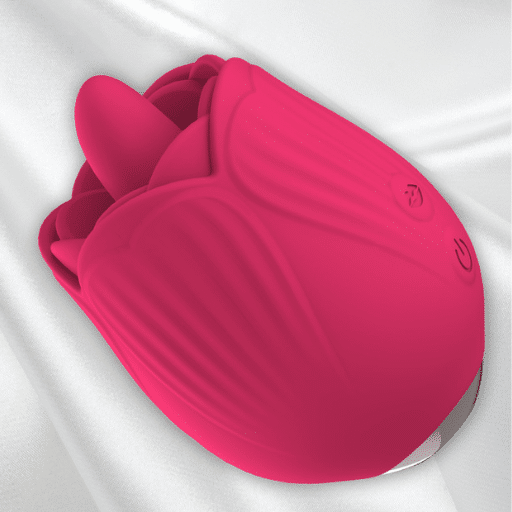
As a manufacturer, the decisions you make at the design stage determine whether a product ends up recycled or in landfill. Here are the core principles we follow at Joyflick.
Modular design. Products built from separable components are easier to recycle. Interchangeable heads, detachable battery packs, and snap-fit housings allow consumers or recyclers to separate materials without destructive disassembly. Love Not War’s modular vibrator system, where the motor unit accepts multiple silicone heads, is a leading example of this approach.
Material purity over mixed construction. A toy made entirely from one material is far more recyclable than a hybrid. If you must combine materials, design clear separation points. Avoid overmolding silicone directly onto plastic substrates, as this creates a permanent bond that standard recycling cannot process.
Replaceable batteries. Sealed battery designs force consumers to discard the entire product when the battery degrades. Screw-accessible compartments extend product life and enable safe battery removal before e-waste processing. The Womanizer Premium Eco demonstrated this with a fully replaceable battery in a disassemblable Biolene body.
Packaging matters too. Cornstarch-based packing peanuts, recycled cardboard, and soy-based inks reduce total waste footprint. AdultToyMegastore switched to cornstarch PLA packaging and made it a central marketing message. Sustainable operations are marketable.
Communicate disposal clearly. Every product should include brief end-of-life instructions. A simple line on the packaging, such as “Remove battery and recycle at an e-waste facility,” dramatically increases the chance of proper disposal.
For a deeper look at implementing sustainable manufacturing practices at the factory level, see our article on sustainable adult toy manufacturing.
Spotting Truly Sustainable Sex Toys
If you are shopping for new products and want to minimize future disposal problems, look for these indicators.
Certifications. The Global Recycled Standard (GRS) verifies recycled content claims. FSC certification applies to paper packaging. OEKO-TEX certifies that textiles and materials are free from harmful substances. These third-party validations matter more than vague “eco-friendly” labels.
Modular versus sealed designs. Products with replaceable parts last longer and recycle easier. A sealed vibrator with a built-in battery has a fixed lifespan. A modular product with a replaceable battery and interchangeable heads can stay in use for years.
Biodegradable materials. Biolene and BioFeel are plant-based alternatives to traditional plastics. They break down faster than petroleum-based materials under industrial composting conditions. However, they still require specialized facilities and do not biodegrade in landfill or home compost bins. The benefit is real but limited.
Durability-first argument. The most sustainable product is the one you do not need to replace. High-quality silicone, solid metal construction, and reliable electronics keep toys out of the waste stream longer. Extending the lifecycle of electronic products by just one year globally would reduce e-waste generation by an estimated 5 million tonnes.
Frequently Asked Questions
Can silicone sex toys be recycled?
Silicone toys cannot be recycled through standard municipal programs. They require specialized recycling initiatives like ScarletGirl or Love Not War. Without access to these programs, silicone toys should be cleaned and placed in general waste.
Are vibrators considered e-waste?
Yes. Any toy with a motor, battery, or electronic component is classified as e-waste under regulations like the EU WEEE Directive. Vibrators should never go in household trash because their lithium batteries pose fire risks and their circuit boards contain hazardous materials.
How do I dispose of sex toys discreetly?
Clean the toy thoroughly, wrap it in paper or place it in an opaque bag, and dispose of it in your general waste. For extra privacy, place the wrapped toy inside a box or larger container before putting it in your outside bin. Retailer mail-in programs like ScarletGirl also offer discreet packaging options.
Can I donate used sex toys?
No reputable charity or resale organization accepts used sex toys due to hygiene and safety regulations. Even thoroughly sanitized products cannot be legally resold in most jurisdictions. Recycling programs or responsible disposal are the only options.
What brands have recycling programs?
ScarletGirl accepts all brands with a $10 credit. Love Not War accepts their own products for free. The Natural Love Company offers UK mail-in recycling. Passionfruit provides in-store drop-off in Australia. AdultToyMegastore accepts glass and metal in New Zealand.
Are biodegradable sex toys really better for the environment?
Biodegradable materials like Biolene are better than conventional petroleum-based plastics when disposed of through industrial composting facilities. However, they do not break down in landfill and still require energy and resources to produce. Durability and recyclability generally have a larger positive impact than biodegradability for electronic products.
How should manufacturers communicate recycling to customers?
Include clear, brief disposal instructions on product packaging or inserts. Specify whether the product is e-waste, which components are recyclable, and whether the brand offers a take-back program. Avoid vague environmental claims unless they can be substantiated with certification or program details.
Conclusion
Recycling sex toys is not as straightforward as tossing a plastic bottle in a blue bin, but it is absolutely possible with the right knowledge. Consumers can make a real difference by separating materials, using retailer take-back programs, and treating electronic toys as the e-waste they are. Brands and manufacturers carry an equally important responsibility: designing products that are easier to recycle, communicating disposal clearly, and building take-back infrastructure that closes the loop.
At Joyflick, we believe sustainability starts at the drawing board. From material selection to modular design to end-of-life guidance, every stage of a product’s life matters. If you are building a brand and want to integrate recyclability into your product line, we offer ISO-certified sustainable manufacturing with low MOQs and expert material guidance.
Ready to design products your customers can feel good about, from purchase to disposal? Contact Joyflick today to learn how our sustainable manufacturing solutions can support your brand’s environmental goals.