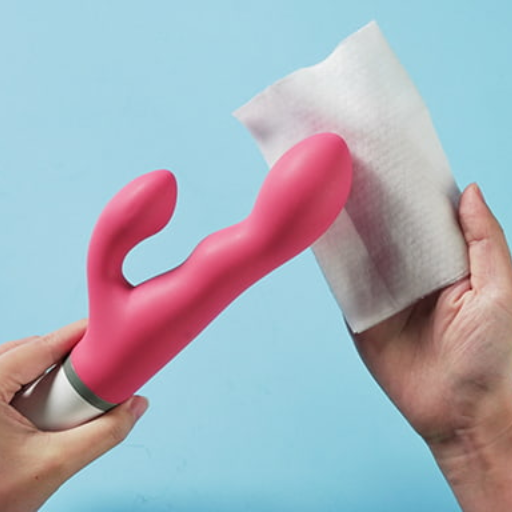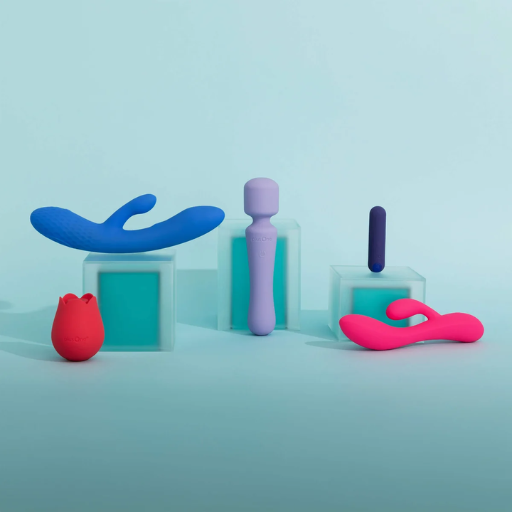

To start a private label adult toy brand, you need a three-phase framework. First, validate your concept with samples and a micro-order for 2,000- 5,000. Then build your brand with custom packaging and certifications for 2,000-5,000.Thenbuildyourbrandwithcustompackagingandcertificationsfor5,000-15,000. Finally, scale with product line expansion and paid marketing for $15,000 or more. This process takes 12-20 weeks from idea to first sale if you follow the right sequence.
Lafe Spietz thought he had it figured out. The Yale Ph.D. physicist raised $67,000 on IndieGogo in 2012 for a pressure-responsive vibrator called the Orgasmatron. Media coverage poured in from Playboy and Wired.
But within four years, his company filed for Chapter 7 bankruptcy with $55,000 in debt. The problem was not the product. The problem was trying to do too much too fast without validating demand first.
You are reading this because you want to avoid that fate. You want real numbers, not vague advice. You want to know which payment processors will actually accept your business, how much inventory to order first, and how to market when Google and Facebook reject your ads. This guide gives you a stage-based framework that protects your capital and validates before you scale.
Here is what you will learn. We will break down the exact startup costs for three budget levels. We will cover the legal requirements most guides skip.
We will explain why Stripe and PayPal will freeze your account, and which processors will not. We will show you how Crave raised $2.4 million and why Orgasmatronics failed. And we will give you an eight-step checklist from idea to first sale.
Key Takeaways
- Start with a $2,000-5,000 validation phase before committing to large inventory orders.
- Stripe and PayPal do not support adult businesses; use CCBill, SegPay, or PaymentCloud instead.
- Private label means branding an existing design; OEM means creating a completely new product from scratch.
- The full launch timeline is 12-20 weeks for private label and 20-40 weeks for custom OEM.
- Most new adult toy brands fail because they overspend on inventory before validating demand.
What Is a Private Label Adult Toy Brand?
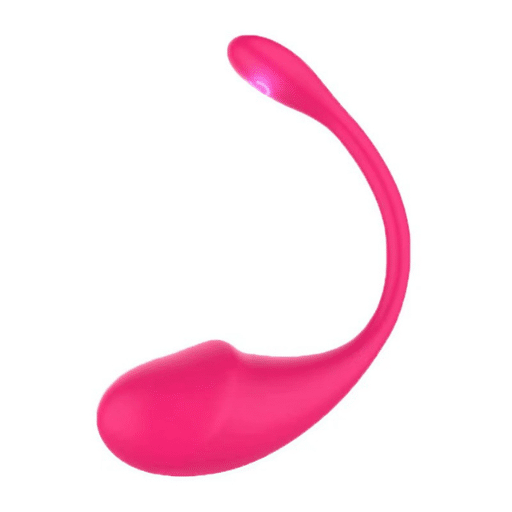
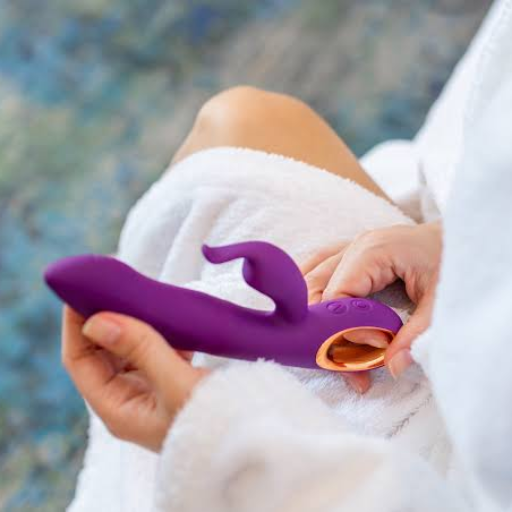
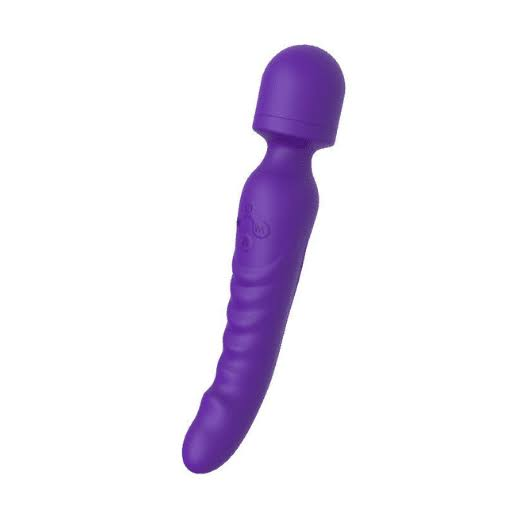
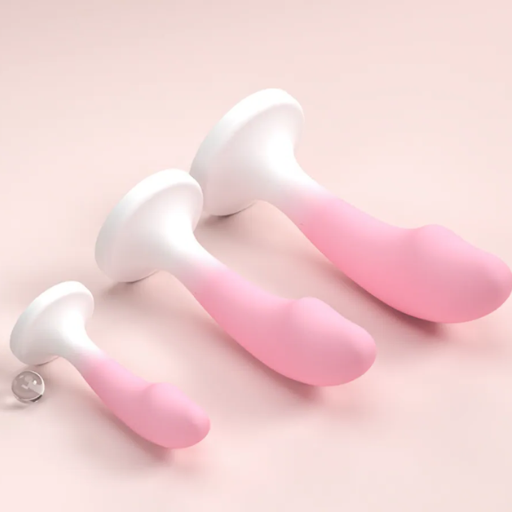
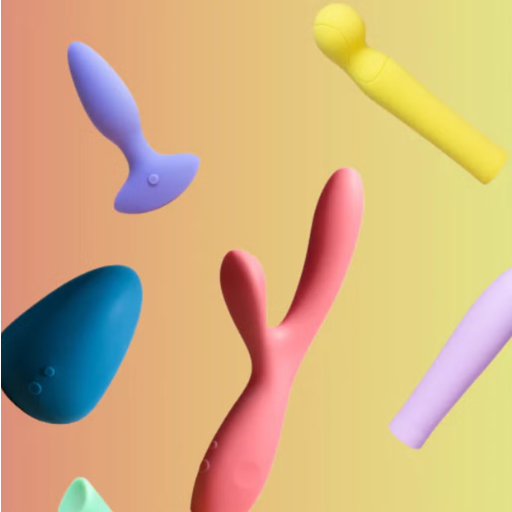
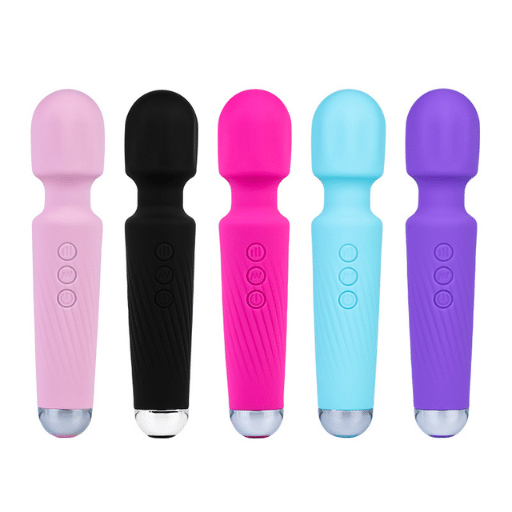
A private label adult toy brand sells products manufactured by a third party under your own brand name. You choose an existing product design from a manufacturer’s catalog. You add your logo, custom packaging, and brand colors. The factory handles production. You handle marketing and sales.
This is different from white label, OEM, and ODM. Many guides confuse these terms. Here is the clarity you need.
| Model | What You Get | Customization Level | Investment | Timeline |
|---|---|---|---|---|
| White Label | Existing product, no branding changes | Minimal (maybe a logo sticker) | $500-2,000 | 2-4 weeks |
| Private Label | Existing design with your branding | Moderate (logo, packaging, colors) | $3,500-15,000 | 8-16 weeks |
| ODM | Manufacturer’s design, heavily modified | High (shape, features, materials) | $7,000-25,000 | 12-24 weeks |
| OEM | Fully custom product from scratch | Complete control | $17,000-50,000+ | 20-40 weeks |
Private label sits in the sweet spot for most founders. You get brand ownership without the $17,000+ tooling costs of full OEM. You get to market faster than ODM. And you build real brand equity, unlike white label.
If you want a deeper comparison of manufacturing models, see our guide to OEM vs ODM manufacturing.
The Three-Phase Launch Framework
Most guides dump a twelve-step checklist on you and call it a day. That approach ignores cash flow. You do not need to spend $20,000 on day one. You need to validate at each stage before unlocking the next.
Phase 1: Validation ($2,000-5,000)
This phase answers one question: will anyone actually buy this?
Start with market research. Identify a niche with demand but weak competition. Look at pricing gaps on Amazon, Etsy, and independent adult retailers.
Choose one product category. Do not launch with a full catalog.
Next, handle legal setup. Form an LLC ($50-500 depending on your state). Get your EIN from the IRS for free. Apply for a seller’s permit if your state requires sales tax collection. This takes 1-2 weeks.
Then find three potential manufacturers and order samples from each. Budget $100-500 for samples and shipping. Test the products yourself. Check material quality, motor performance, and packaging. For a full vetting framework, read our guide on how to find a reliable adult toy manufacturer.
Place your first micro-order of 50-100 units. This should cost $1,500-3,000 depending on the product. Some manufacturers accept trial orders as low as 30 units. Ask explicitly for a “trial order” and expect to pay 10-20% more per unit than bulk pricing.
Finally, set up your payment processor. This is where most founders stumble. We cover the details in Step 6 below, but the short version is this: open a high-risk merchant account now, not later.
Phase 1 timeline: 6-10 weeks.
Phase 2: Brand Building ($5,000-15,000)
This phase answers the next question: can you build a brand people trust?
Invest in professional branding and packaging. Custom packaging design costs $300-1,000 for setup. Printing costs depend on order volume. For detailed packaging guidance, see our article on custom packaging for adult toys.
Acquire the certifications you need for your target markets. If you sell in the EU, you need CE marking. If you make medical-grade claims in the US, you need FDA compliance documentation. California requires Prop 65 warning labels. Our adult toy certifications explained guide breaks down exactly what you need by region.
Build your website with an age verification gateway. Shopify works for adult products, but you cannot use Shopify Payments. You will need a third-party high-risk processor integrated instead. WooCommerce offers more flexibility but requires more technical setup.
Place your first real production order of 200-500 units. At this stage, you have validated demand with your micro-order. You know the product sells. Now you build inventory.
Start your marketing foundation. Create SEO-optimized content. Build an email list. Reach out to sex educators and wellness influencers. Do not run Google or Facebook ads yet. They will reject adult product campaigns.
Phase 2 timeline: 8-16 weeks.
Phase 3: Scale ($15,000+)
This phase answers the final question: how big can this become?
Expand your product line with 2-3 complementary SKUs. If your first product was a vibrator, add a lubricant or a toy cleaner. Keep the line focused.
Invest in inventory forecasting and warehousing. Running out of stock kills momentum. Holding too much inventory kills cash flow. Use your sales velocity from Phase 2 to project needs.
Explore paid acquisition through adult-friendly networks. TrafficJunky, ExoClick, and JuicyAds accept adult campaigns. Influencer partnerships and affiliate programs also drive scalable traffic.
Consider retail and wholesale distribution. Boutiques, specialty shops, and online marketplaces that permit adult products can multiply your revenue. But negotiate payment terms carefully. Net-30 terms with retailers strain cash flow for young brands.
Phase 3 timeline: 6+ months.
Step-by-Step: From Idea to First Sale
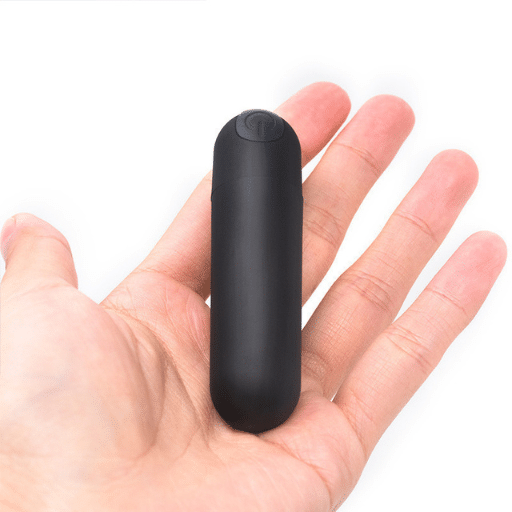
The three-phase framework gives you the big picture. These eight steps give you the exact checklist.
Step 1: Define Your Niche and Customer
Generalist adult toy brands struggle. The market is too crowded. You need a clear niche.
Research competitor pricing on Amazon, Etsy, and independent sites. Look for products with high review counts but low average ratings. That gap signals demand with poor execution. Target that gap.
Build a simple customer persona. Name them. Give them an age range, a budget, and a specific frustration with existing products. Every product decision you make should serve that person.
Step 2: Handle Legal and Business Setup
Form your LLC through your state’s Secretary of State website or a service like ZenBusiness. Get your EIN at irs.gov. Check with your city or county for business license requirements.
If you sell to customers in the EU, familiarize yourself with GDPR requirements. If you sell to California residents, you need CCPA compliance. These are not optional. Fines start at thousands of dollars.
Step 3: Find and Vet Your Manufacturer
Search Alibaba, Global Sources, and Made-in-China for manufacturers with adult product experience. Filter for verified suppliers and trade assurance.
Request samples from at least three manufacturers. Evaluate material quality, motor noise, charging reliability, and packaging. Check certifications. A legitimate manufacturer will provide ISO 9001, CE, and material safety documentation without hesitation.
Negotiate your first order MOQ. Most catalogs list 500-1,000 units, but manufacturers often accept 50-100 units for trial orders. Ask directly. The worst they can say is no. For negotiation tactics, read our guide on low MOQ adult toy manufacturing.
Step 4: Product Development and Sampling
Choose body-safe materials. Medical-grade silicone is the gold standard for vibrators and dildos. ABS plastic works for electronic housings. TPE is budget-friendly but requires phthalate-free certification.
Test samples for functionality, durability, and waterproofing. Charge and discharge the battery ten times. Submerge waterproof claims in water. If a sample fails, the production batch will too.
Approve a “golden sample” that becomes your quality benchmark. Every production run gets compared to this sample.
Step 5: Branding, Packaging, and Compliance
Design your logo and brand identity. Hire a designer on Fiverr or 99designs for $200-500. Keep the design clean and discreet.
Create packaging that protects the product and communicates your brand. Include care instructions, material composition, and any required warning labels. For EU sales, add CE marks and manufacturer details.
Set up discreet shipping. Use plain outer boxes with no identifiable branding. Include a return address that does not mention adult products.
Step 6: Payment Processing and E-commerce
Here is the reality no one tells you. Stripe, PayPal, Shopify Payments, and Square do not support adult toy businesses. Their terms of service prohibit most adult products. If you slip through initial approval, they will freeze your funds without warning.
You need a high-risk merchant account. CCBill is the most established adult industry processor. SegPay specializes in subscriptions. PaymentCloud works with high-risk businesses broadly. Epoch handles global payments. Expect rates of 2.9% to 7%+ per transaction.
Set up your e-commerce platform. Shopify works if you bypass Shopify Payments and use your high-risk processor. WooCommerce offers full control. BigCommerce also allows adult products with the right processor.
Integrate an age verification gateway. AgeChecker.net and Veratad offer API-based solutions. Some processors require age verification as a condition of service.
Use a discreet billing descriptor. Your customer’s credit card statement should show your LLC name, not your brand name. This reduces chargebacks from embarrassed partners or family members.
Step 7: Marketing Without Mainstream Ads
Google Ads and Meta reject most adult product campaigns. You need alternative channels.
SEO and content marketing are your foundation. Write buyer’s guides, comparison articles, and educational content. Target long-tail keywords like “best quiet vibrator for beginners” rather than broad terms.
Influencer partnerships drive immediate traffic. Sex educators, wellness creators, and adult content reviewers have built-in audiences who trust their recommendations. Offer free products for honest reviews.
Reddit and community marketing work well in subreddits like r/SexToys and r/AdultToys. Be transparent. Disclose your brand affiliation. Answer questions helpfully without hard selling.
Email marketing builds repeat customers. Offer a discreet newsletter with educational content. Segment your list by purchase history for targeted promotions.
Adult-friendly ad networks include TrafficJunky, ExoClick, and JuicyAds. These platforms accept adult campaigns but require higher budgets. Start with $500-1,000 test campaigns.
PR and media outreach can generate coverage in wellness and lifestyle publications. Pitch angles around sexual health, design innovation, or female entrepreneurship rather than explicit product focus.
Step 8: Launch and First Order Fulfillment
Run a pre-launch checklist. Test your entire checkout flow with a real credit card. Verify age verification works on mobile. Confirm shipping labels print correctly.
Set up customer service channels. Email is essential. Live chat helps conversion. Respond to inquiries within 24 hours.
Write a clear returns policy. Most adult retailers do not accept returns on used products for hygiene reasons. State this clearly upfront to avoid disputes.
Launch with a small audience first. Email your list. Post to your social channels. Send products to your influencer partners. Gather feedback obsessively for the first two weeks. Fix any issues before driving larger traffic.
Real Startup Cost Breakdown
Maya launched her private label brand in March 2026 with 4,200.Shespent4,200.Shespent400 on legal setup, 350onsamplesfromthreemanufacturers,350onsamplesfromthreemanufacturers,1,800 on a 75-unit trial order, 400onpackagingdesign,400onpackagingdesign,300 on a Shopify site, and $950 on initial marketing. By June, she had sold 62 units and reinvested the profits into a 250-unit second order. She validated before she scaled.
That is the Minimum Viable Launch path. Here are three budget scenarios.
Minimum Viable Launch ($3,500-6,500)
| Item | Cost |
|---|---|
| Legal setup (LLC, EIN, licenses) | $500 |
| Samples from 3 manufacturers | $300 |
| First trial order (50-100 units) | $1,500-3,000 |
| Packaging design | $300-500 |
| Website (Shopify + apps) | $200-500 |
| Payment processor setup | $100-300 |
| Initial marketing | $500-1,000 |
| Total | $3,400-6,100 |
Comfortable Launch ($8,000-15,000)
| Item | Cost |
|---|---|
| Everything in Minimum Viable | $3,500-6,500 |
| Professional branding package | $1,000-2,500 |
| Custom packaging production | $800-1,500 |
| Certification testing | $500-1,500 |
| Second production order (200-300 units) | $3,000-5,000 |
| Enhanced website + age verification | $500-1,000 |
| Influencer seeding (10-15 products) | $500-1,000 |
| Total | $8,800-18,000 |
Scale-Ready Launch ($20,000-35,000)
| Item | Cost |
|---|---|
| Everything in Comfortable Launch | $8,000-15,000 |
| Product line expansion (2-3 SKUs) | $5,000-10,000 |
| Warehousing or 3PL setup | $1,000-3,000 |
| Paid acquisition budget (3 months) | $3,000-6,000 |
| Product liability insurance (annual) | $1,500-3,000 |
| Total | $18,500-37,000 |
For a deeper cost breakdown by product category, see our complete guide to adult toy manufacturing costs.
Founder Case Studies
Success: Crave ($2.4 Million Raised, Design-First Approach)
Ti Chang and Michael Topolovac founded Crave in 2011. Chang was an industrial designer from the Royal College of Art. Topolovac was a Stanford product designer.
They saw an industry dominated by cheap, poorly designed products. They built a brand around female-led design and premium materials.
Their first product was a vibrator integrated with a USB memory drive. They crowdfunded it on a pre-Kickstarter platform and raised over 100,000from900donors.Thatvalidationgavethemtheproofpointtoraise100,000from900donors.Thatvalidationgavethemtheproofpointtoraise2.4 million in angel funding.
Crave was manufactured in San Francisco, not China. This choice increased costs but created a powerful differentiation story.
The brand positioned itself as the Apple of sex toys. The lesson for new founders is clear. Design differentiation and a compelling origin story can justify premium pricing.
But you do not need $2.4 million to start. You need a validated product and a clear niche.
Caution: Orgasmatronics ($67,000 Raised, Bankruptcy in 4 Years)
Lafe Spietz had credentials. He was a Yale Ph.D. physicist. He designed a pressure-responsive vibrator that adjusted intensity based on muscle contraction. It was genuinely innovative.
In 2012, he launched an IndieGogo campaign with two co-founders. They raised $67,000, nearly double their goal. Wired and Playboy covered the product. The future looked bright.
But Spietz tried to manufacture too many features at once. He could not meet component minimum orders from Chinese suppliers. He had no marketing budget beyond the crowdfunding campaign.
The company lost 70,000in2014and70,000in2014and120,000 in 2015. In 2016, Orgasmatronics filed Chapter 7 bankruptcy with $55,000 in debt.
Spietz later told reporters, “We tried to do a little bit too much too fast.” That quote should hang on every founder’s wall.
The lesson is brutal but simple. Media coverage does not replace paid acquisition. Innovation does not replace cash flow management.
Validate with small orders before you scale.
Success: Dame Products (Acquired Emojibator in 2024)
Dame Products took a different path. Founder Alexandra Fine launched with a single product, the Eva vibrator, and built a direct-to-consumer brand. She focused on women’s sexual wellness rather than titillation.
The brand expanded beyond toys into lubricants and even at-home STI testing kits. In 2024, Dame acquired Emojibator, another independent toy brand. This acquisition proved that brand equity in the adult space compounds over time.
The lesson is about focus. Dame did not launch with ten products. They launched with one excellent product, built a loyal customer base, and expanded from there.
Common Mistakes That Kill New Brands
- Skipping sample testing. A factory’s catalog photo means nothing. Order samples. Test them. If you place a 500-unit order based on a PDF, you deserve what happens next.
- Using Stripe or PayPal. They will freeze your account. Usually right after your first sales spike. Then you cannot access your revenue for 90-180 days. Use a high-risk processor from day one.
- Ignoring certification requirements. Selling in the EU without CE marking is illegal. Selling in California without Prop 65 warnings exposes you to lawsuits. Check requirements before you ship.
- Choosing a saturated niche without differentiation. Another generic rabbit vibrator with a pink logo is not a brand. It is a commodity. Find an angle: eco-friendly materials, LGBTQ+ inclusivity, disability accessibility, luxury design.
- Underestimating marketing costs. Organic reach in the adult industry is minimal. Instagram shadowbans adult accounts. TikTok removes adult content. You need a marketing budget from day one.
- Not securing mold ownership or IP protection. If you modify an existing design, get written confirmation that you own the mold. Without this, the factory can sell your design to competitors.
- Overspending on inventory before validating demand. This mistake killed Orgasmatronics. Start with 50-100 units. Sell them. Then order more.
Legal and Compliance Checklist
Use this checklist before you launch.
- LLC formation — File with your state. Cost: $50-500.
- EIN — Apply free at irs.gov.
- Seller’s permit — Required in most states for sales tax collection.
- Business license — Check city and county requirements. Cost: $50-400.
- CE marking — Required for electronic products sold in the EU.
- FDA compliance — Required if you make medical-grade or therapeutic claims in the US.
- Prop 65 compliance — Required for products sold in California.
- REACH/RoHS — EU chemical restriction compliance for electronic devices.
- Age verification system — Required by most payment processors and several jurisdictions.
- GDPR/CCPA privacy compliance — Required for EU and California customers.
- Import/export documentation — Work with a freight forwarder for customs paperwork.
- Product liability insurance — Protects against injury or defect claims. Cost: $1,500-3,000 annually.
Frequently Asked Questions
How much does it cost to start a private label adult toy brand?
A minimum viable launch costs 3,500−6,500.Thiscoverslegalsetup,samples,a50−100unittrialorder,packagingdesign,abasicwebsite,andinitialmarketing.Acomfortablelaunchwithprofessionalbrandingandlargerinventoryruns3,500−6,500.Thiscoverslegalsetup,samples,a50−100unittrialorder,packagingdesign,abasicwebsite,andinitialmarketing.Acomfortablelaunchwithprofessionalbrandingandlargerinventoryruns8,000-15,000.
Can I sell adult toys on Shopify?
Yes, but you cannot use Shopify Payments. Shopify allows adult products on its platform, but their built-in payment processor prohibits them. You must integrate a third-party high-risk processor like CCBill or PaymentCloud.
What payment processor should I use for adult toys?
CCBill is the most established adult industry processor. SegPay works well for subscription models. PaymentCloud supports high-risk businesses broadly. Expect transaction fees of 2.9% to 7%+. Avoid Stripe, PayPal, Square, and Shopify Payments for adult products.
How long does it take to launch a private label adult toy brand?
The full timeline from idea to first sale is 12-20 weeks for private label. This breaks down as 6-10 weeks for validation and 6-10 weeks for brand building. Custom OEM products take 20-40 weeks.
What is the minimum order quantity for private label sex toys?
Established designs with custom branding typically have MOQs of 50-100 units for trial orders. Standard private label MOQs are 200-500 units. Fully custom OEM products usually require 500-1,000+ units. Some manufacturers accept as few as 30 units for first-time founders.
Do I need FDA approval to sell sex toys in the US?
The FDA does not require pre-approval for most adult toys classified as novelty items. However, if you make medical-grade, therapeutic, or health claims, FDA compliance documentation is required. Body-safe material certifications are strongly recommended even if not legally mandated.
How do I market adult toys with advertising restrictions?
Focus on SEO, content marketing, influencer partnerships, email marketing, and adult-friendly ad networks like TrafficJunky and ExoClick. Google Ads and Meta generally reject adult product campaigns. Reddit communities, sex educator partnerships, and PR outreach to wellness publications are effective alternatives.
What is the difference between private label and white label adult toys?
Private label means branding an existing product design with your logo, packaging, and colors. You own the brand. White label means selling an unbranded or generically branded product with minimal changes. Private label builds brand equity; white label does not.
Conclusion
Starting a private label adult toy brand is not a mystery. It is a sequence of validated steps.
Validate first with samples and a micro-order. Protect your cash. Build your brand with professional packaging and the right certifications. Scale only after you have proven demand.
Learn from Crave’s focus on design differentiation. Learn from Orgasmatronics’ fatal mistake of scaling too fast. And learn from Maya’s patient approach of launching with $4,200 and reinvesting profits.
The market is growing. The global adult toy industry will reach $52.7 billion by 2026. E-commerce accounts for more than two-thirds of sales. The opportunity is real. But opportunity without discipline becomes expensive quickly.
If you are ready to start your private label journey, the first step is finding the right manufacturing partner. Joyflick offers low MOQs starting at 300 units, ISO-certified production, and full private label support from branding to shipping. Contact our team for a consultation and quote.