
Custom adult toy manufacturing lets you create proprietary products under your own brand through three main models: OEM (you own the design), ODM (you rebrand a factory design), and Modified ODM (a hybrid customization of an existing platform). Most successful brands start with ODM or private label to validate demand, then transition to Modified ODM or full OEM as they scale.
David learned this the hard way. An industrial designer with fifteen years of experience, he sketched an ergonomic wand vibrator he believed would revolutionize the category. He chose OEM because he refused to compromise his vision. He spent 4,000onprototypingand4,000onprototypingand3,200 on molds. Then he discovered his electronics supplier’s circuit board did not meet CE marking requirements under the new GPSR framework. He had to redesign the power system. That cost 2,800andaddedsixweeks. Then his REACH testing revealed borderline phthalate levels in his silicone. He switched suppliers.Another2,800andaddedsixweeks. Then his REACH testing revealed borderline phthalate levels in his silicone. He switched suppliers. Another 1,500 and four weeks lost.
By the time his product cleared customs, David had spent 22,000 and nine months. He had 500 units in the warehouse and 22,000 for nine months. He had a 500-unit sinaware house and 3,000 left in his business account. His first-month sales were 47 units.
If you are researching custom adult toy manufacturing for your brand, you have probably seen the same thin listicles and manufacturer directories. None of them tells you what each product category actually costs. None explain how certification timelines can add months to your launch. None show you how to validate demand before betting your savings on custom tooling.
This guide gives you the full picture. You will learn the step-by-step manufacturing process, real cost data for vibrators, dildos, BDSM products, and smart toys, how to choose the right manufacturing model for your budget, and the compliance requirements that can make or break your launch. By the end, you will have a clear roadmap from concept to shelf.
Key Takeaways
- Custom adult toy manufacturing uses three models: OEM (17K−17K−38K), ODM (3.7K−3.7K−6.9K), and Modified ODM (7.6K−7.6K−14.6K).
- A complete custom vibrator costs 5−5−75 per unit at scale, depending on electronics and materials.
- Certification adds 2K−2K−20K and 2-8 weeks to your timeline, with OEM brands bearing the full burden.
- Most successful brands use a phased approach: ODM to validate, Modified ODM to differentiate, OEM to scale.
- The global adult toy market is projected to reach $71.12 billion by 2035, growing at 8.2% annually.
What Is Custom Adult Toy Manufacturing?
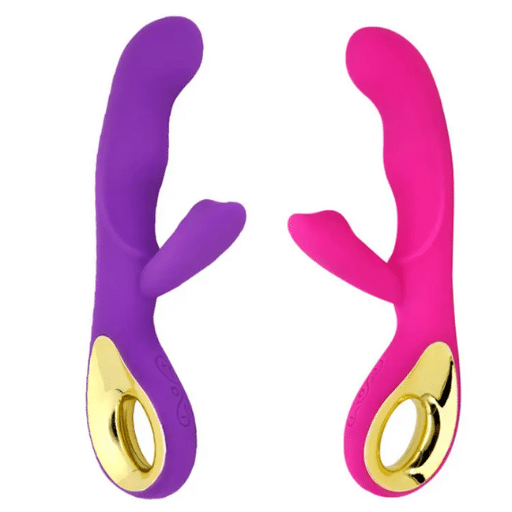
Custom adult toy manufacturing is the process of creating branded intimate wellness products through a production partner. You provide the concept, brand identity, and market requirements. The factory provides engineering, tooling, production, and compliance support. The result is a product that carries your logo, your packaging, and your brand promise.
This is not dropshipping. You own the inventory. You control the quality. You build the customer relationship. The trade-off is upfront investment and longer timelines compared to reselling existing products.
The Three Manufacturing Models
OEM (Original Equipment Manufacturing) means you provide complete design specifications and own the intellectual property. The factory manufactures to your exact requirements. You own the molds, the CAD files, and every patentable element. This is the model Apple uses with Foxconn. For adult toys, OEM means you decide every curve, every motor specification, and every material grade. You also pay for that privilege.
ODM (Original Design Manufacturing) means the factory has already designed, tooled, and tested a product. You choose from their catalog, add your branding, customize colors or packaging, and sell it under your label. This is private label manufacturing. Your differentiation comes from branding, customer experience, and marketing rather than product uniqueness. For emerging brands, ODM offers the fastest path to market.
Modified ODM, also called Joint Design Manufacturing or JDM, is the overlooked middle ground. You start with a factory’s existing platform and customize it meaningfully. You might change the motor for a different vibration profile, add a proprietary silicone texture, or redesign the handle while keeping the internal mechanics unchanged. You get more differentiation than pure ODM at less cost than full OEM.
Step-by-Step: From Concept to Finished Product
The manufacturing journey follows five distinct phases. Each phase has its own costs, timelines, and decision points. Understanding the full process helps you budget accurately and avoid the surprises that derail first-time founders.
Phase 1: Design and Specification
Every product starts as an idea. The question is how refined that idea needs to be before you approach a manufacturer.
With OEM, you need detailed specifications. Sketches with dimensions. Preferred materials with Shore hardness ratings. Motor requirements with torque and RPM targets. Battery specifications with voltage and capacity. If you do not have engineering expertise, you will need to hire a product designer. Design fees for a mid-range vibrator typically run 1,500−1,500−5,000.
With ODM, you need a brand concept and market positioning. You browse the factory catalog, select designs that align with your target audience, and specify colors, logos, and packaging. No engineering required.
With Modified ODM, you need a clear vision for customization. You might say: “I want this existing vibrator shape with a stronger motor, a custom texture pattern, and exclusive packaging.” The factory engineers evaluate the feasibility and quote the modifications.
For a deeper exploration of the design process, see our guide to custom sex toy design.
Phase 2: Prototyping and Sampling
Prototyping turns concepts into physical objects you can test. This phase is where you discover problems before committing to expensive tooling.
For silicone products, factories typically create hand-poured samples using temporary molds. These samples let you evaluate ergonomics, firmness, and surface finish. Costs range from 100−100−500 per sample, depending on complexity.
For electronic products, prototyping includes 3D-printed housings, functional circuit boards, and assembled samples. You test button placement, vibration patterns, charging functionality, and waterproofing. Electronics samples cost 300−300−800 each.
Most projects require two to three rounds of sampling. Each round takes two to three weeks. Rushing this phase is a common mistake. A flaw discovered in prototyping costs hundreds to fix. The same flaw discovered in production costs thousands.
Phase 3: Tooling and Mold Production
Tooling is where the largest upfront costs appear. Once you approve samples, the factory cuts steel molds for mass production.
A simple silicone dildo might need a mother mold plus five to ten production molds. Total tooling: 800−800−3,000. A vibrator with multiple components requires three to four separate molds for housing, cap, internal structure, and buttons. Total tooling: 3,000−3,000−8,000. An app-connected device with complex ergonomics can exceed $20,000 in mold costs alone.
Tooling timelines range from three to five weeks. Your contract must explicitly state that you own the molds and that they must be transferred if you switch suppliers. Some factories retain mold ownership even when you paid for the tooling.
Phase 4: Production and Quality Control
Production begins with a pilot run of 50 to 200 units. This validates that the molds perform correctly at scale, that assembly lines work efficiently, and that quality standards are achievable.
In-line quality control checks dimensions, material consistency, and functionality during production. Final inspection samples units from every batch for comprehensive testing. For electronic products, this includes vibration consistency, battery performance, and waterproof testing.
Third-party inspection by agencies like SGS or Intertek adds 500−500−2,000 but provides independent verification. For first-time orders, third-party inspection is strongly recommended.
Phase 5: Packaging, Compliance, and Shipping
Custom packaging transforms a generic product into your brand experience. Options range from simple polybags at 0.20perunittoluxuryrigidboxesat0.20perunittoluxuryrigidboxesat3-8perunit.Setupfeesforprintedpackagingtypicallyrun8perunit.Setupfeesforprintedpackagingtypicallyrun200-$3,000, depending on complexity.
Certification documentation must be complete before shipping. With ODM, factories often provide existing test reports. With OEM, you commission your own testing. For a deeper understanding of compliance requirements, see our complete guide to adult toy certifications.
Shipping methods vary by urgency and volume. Sea freight costs 2−2−5 per kilogram and takes 25-40 days. Air freight costs 5−5−12 per kilogram and takes 7-12 days. Express courier costs 8−8−20 per kilogram and takes 3-7 days.
Real Cost Breakdown by Product Category
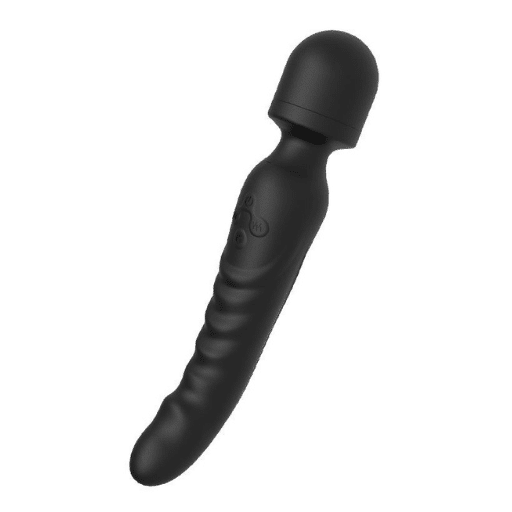
Numbers without context are useless. Here is what custom adult toy manufacturing actually costs for each major product category in 2026.
Vibrators (Basic to App-Connected)
Vibrators represent approximately 52% of total adult toy usage, making them the most common entry point for new brands.
A basic bullet vibrator with a simple motor and ABS housing costs 3−3−8 in materials and labor per unit at 500-unit MOQ. Mold costs run 3,000−3,000−6,000. Total first-product investment with packaging and certification verification: 8,000−8,000−15,000.
A mid-range silicone vibrator with multiple speed settings costs 8−8−15 per unit. Mold costs run 6,000−6,000−10,000. Electronics add 3−3−6 for the circuit board and 2−2−5 for the motor. Total first-product investment: 17,000−17,000−30,000.
An app-connected vibrator with Bluetooth, customizable patterns, and rechargeable lithium battery costs 15−15−35 per unit. Mold costs exceed 10,000.Electronicsandfirmwaredevelopmentadd10,000.Electronicsandfirmwaredevelopmentadd5,000-15,000.Certificationforwirelessdevicesadds15,000.Certificationforwirelessdevicesadds3,000-8,000forFCCPart15intheUS.Totalfirst−productinvestment:8,000forFCCPart15intheUS.Totalfirst−productinvestment:35,000-$75,000.
Silicone Dildos
Silicone dildos have lower electronics costs but require multiple molds for production efficiency.
A standard hand-poured silicone dildo costs 4−4−10 per unit at scale. The mother mold costs 150−150−300. Production molds cost 120−120−250 each, and you typically need five to ten for efficient rotation. Pigmentation and effects add 0.50−0.50−3 per unit. Total first-product investment: 3,000−3,000−8,000.
Custom artistic designs with complex color patterns or fantasy shapes cost 12−12−25 per unit. Mold costs run higher due to intricate detailing. Total first-product investment: 8,000−8,000−18,000.
For guidance on selecting safe silicone grades, see our guide to body-safe materials in adult toys.
BDSM and Leather Products
BDSM products typically have lower tooling costs but higher labor content.
Leather restraints and cuffs require cutting dies at 200−200−500. Unit costs run 5−5−15 per set, depending on leather grade and hardware quality. Total first-product investment: 2,000−2,000−6,000.
Metal impact toys and collars require CNC machining or casting molds at 300−300−800. Unit costs run 8−8−25. Total first-product investment: 3,000−3,000−8,000.
Full bondage sets with multiple components cost 25−25−75 per set to produce. Setup costs run 500−500−1,500. Total first-product investment: 4,000−4,000−12,000.
For category-specific manufacturing guidance, see our article on BDSM toy manufacturing.
Male Masturbators and Pocket Pussies
These products use TPE, TPR, or silicone for the sleeve material, with plastic housings for electronic versions.
A manual TPE sleeve costs 5−5−12 per unit. Mold costs run 2,000−2,000−4,000. Total first-product investment: 5,000−5,000−10,000.
A silicone sleeve with higher durability and body-safe certification costs 10−10−20 per unit. Mold costs run 3,000−3,000−6,000. Total first-product investment: 8,000−8,000−15,000.
An electric masturbator with suction, heating, or vibration costs 25−25−50 per unit. Mold costs run 8,000−8,000−15,000. Electronics add 5,000−5,000−10,000. Total first-product investment: 25,000−25,000−50,000.
App-Connected and Smart Toys
Smart toys represent the fastest-growing segment, with app-connected devices making up approximately 34% of new product launches.
The manufacturing cost premium comes from three areas: electronics hardware (sensors, motors, batteries), firmware and app development, and wireless certification. A basic Bluetooth-enabled device costs 35−35−60 per unit to manufacture. Advanced devices with AI, pressure sensors, or video syncing cost 100−100−250+ per unit.
Development timelines are also longer. App development can add 8-16 weeks to the project. Beta testing for connectivity stability across iOS and Android devices requires additional rounds.
Budget Scenarios
Startup ODM Launch: 4,250−4,250−11,500. Three catalog SKUs with custom colors and packaging. 100-300 units per SKU. Air freight. Basic certification verification.
Growing Brand OEM Transition: 29,000−29,000−75,000. Two custom designs with proprietary features. 500 units per SKU. Premium packaging. Full certification suite.
Established Premium Line: 115,000−115,000−320,000. One advanced product with app connectivity. 1,000+ units. Luxury packaging. Global certifications. Marketing campaign.
How to Find the Right Manufacturer
The right manufacturing partner is more important than the right product idea. A mediocre concept with a reliable factory will outperform a brilliant design with an incompetent partner.
Where to Search
Alibaba remains the primary search platform for adult toy manufacturers. Filter for Gold Suppliers with at least three years of history. Check transaction volumes and response rates. Request video factory tours before ordering samples.
Global Sources and Made-in-China offer alternatives with different factory mixes. Trade shows like the AVN Adult Entertainment Expo and Erotica Expo let you meet manufacturers in person and evaluate sample quality directly.
Twelve Questions to Ask Before Sending an RFQ
- Do you offer OEM, ODM, and Modified ODM services?
- What is your MOQ for standard versus fully custom products?
- What certifications do you hold?
- Can you provide samples, and what is the cost and timeline?
- What are your payment terms?
- Do you offer custom packaging and private labeling?
- Will you sign an NDA or NNN agreement?
- What quality control processes do you use?
- Can you ship discreetly to my target country?
- Can you share references from other clients?
- What is your policy on defects and returns?
- Who owns the molds if I pay for tooling?
Red Flags
Factories that refuse to provide sample pricing upfront often hide poor quality. Factories that demand 100% payment before production are either inexperienced or untrustworthy. Factories that cannot produce certification documentation for existing products will struggle with custom compliance.
Certifications and Compliance: What You Must Know
Certifications are not optional decorations. They are legal requirements that determine whether you can sell in your target markets.
CE Marking is required for electronic products sold in the European Union. For vibrators, this means compliance with the Low Voltage Directive and Electromagnetic Compatibility Directive. CE marking costs 2,000−2,000−5,000 and takes 2-4 weeks.
FCC Part 15 is required for wireless devices sold in the United States. App-connected toys must pass radio frequency testing. FCC certification costs 3,000−3,000−8,000 and takes 2-4 weeks.
REACH governs chemical safety in the EU. All materials must be screened for restricted substances. REACH testing costs 1,000−1,000−3,000.
RoHS restricts hazardous substances in electronics. Most reputable factories already comply, but verification costs 500−500−1,500.
FDA 21 CFR 177.2600 covers silicone and rubber materials for food contact in the US. While adult toys are not FDA-regulated as medical devices, many brands pursue material testing to market body-safe claims. Testing costs 1,000−1,000−3,000.
ISO 3533:2021 is the international safety standard specifically for adult toys. It covers mechanical safety, material requirements, and labeling. Certification costs 2,000−2,000−5,000.
With ODM, factories often hold existing certification reports for base designs. Your compliance cost drops to 500−500−2,000 for verification. With OEM, you bear the full burden. For electronic toys, this can add 8,000−8,000−20,000 and 2-4 months to your timeline.
For a complete breakdown of every certification, see our guide to adult toy certifications explained.
Material Selection for Custom Toys
Material choice affects safety perception, durability, manufacturing cost, and regulatory complexity.
Medical-grade silicone (platinum-cured) is the gold standard. It is non-porous, hypoallergenic, and durable. It costs 2−2−5 more per unit than lower-grade alternatives but commands premium pricing. Most successful brands lead with silicone.
TPE and TPR are softer and more flexible than silicone. They are popular for masturbators and realistic textures. However, they are porous and less durable. They require more careful cleaning instructions and have shorter product lifespans.
Borosilicate glass and stainless steel 316L are used for premium dildos and plugs. They are non-porous, easy to sterilize, and appeal to eco-conscious buyers. Unit costs run higher due to specialized manufacturing.
ABS plastic is used for electronics housings and hard-shell components. It is rigid, lightweight, and cost-effective. It must be paired with body-safe coatings for intimate contact surfaces.
For a complete guide to safe materials, see our article on body-safe materials in adult toys.
MOQs and How to Negotiate Them
Minimum order quantities are starting points for negotiation, not immutable laws.
Industry standards vary by product type. Simple silicone items often start at 100-300 units. Electronic vibrators typically require 500-1,000 units. Complex custom designs with new tooling may require 1,000-2,000 units.
Negotiation tactics that work: Offer a higher per-unit price in exchange for a lower MOQ. If the factory quotes 500 units at 8each,askfor300unitsat8each,askfor300unitsat10 each. Combine SKUs to meet combined thresholds. If a factory requires 500 units per mold, order 250 units each of two designs that share tooling.
Use sample orders as a bridge. Many factories accept 50-unit sample runs at prototype pricing. If those sell, you have use to negotiate the full production MOQ.
At Joyflick, our OEM and Modified ODM programs both start at 300 units. That is 60-70% lower than traditional adult toy OEM minimums. We believe emerging brands deserve the same manufacturing access as established ones.
For more tactics on negotiating minimums, see our guide to low MOQ adult toy manufacturing.
Prototyping and Sampling
Sarah had $8,000 and a hunch. She believed women over forty were underserved in the wearable vibrator market. She had no engineering background and no existing audience. She had a survey of 200 potential customers and a brand name.
She chose ODM. In March 2024, she selected three factory catalog designs, ordered samples, and ran them past her survey group. One design scored 40% higher than the others. She placed a 300-unit order with custom colors and packaging.
Eight weeks later, she had product in her garage and a Shopify store live. She sold 80 units in her first month through Instagram and email marketing. By month six, she had reordered twice and built a 3,000-person email list.
Eighteen months after launch, Sarah took her best-selling design back to the factory. She added a proprietary texture, a custom vibration motor, and exclusive packaging. She transitioned to Modified ODM. Her total investment to reach that point was under 15,000.Herrevenuewas15,000.Herrevenuewas87,000.
Sarah did not start with OEM. She started with proof.
When to Stop Iterating
Most founders iterate too long or not long enough. Two to three rounds of sampling is the sweet spot. The first round reveals major issues. The second round validates fixes. The third round is insurance. Beyond three rounds, you are usually procrastinating on the tooling commitment.
IP Protection for Your Designs
The most dangerous assumption in manufacturing is that your contract protects you. It might not.
NDA and NNN agreements are essential for OEM and Modified ODM projects. NNN (Non-Disclosure, Non-Use, Non-Circumvention) agreements are stronger than standard NDAs for Chinese manufacturing. Have them reviewed by a lawyer familiar with cross-border IP law.
Mold ownership clauses must be explicit. Your contract should state that molds are your property, that they must be returned or transferred if you switch suppliers, and that the factory cannot use them for other clients without permission.
Design patents cover ornamental appearance. Utility patents cover functional innovations. Both are harder to enforce across borders than most founders realize, but they still deter casual copying.
With ODM, the factory legally owns the base design. They can sell variations to your competitors while you are still building your brand. The strongest defense is not legal. It is brand building, customer experience, and community that competitors cannot replicate.
For more on protecting your intellectual property across manufacturing models, see our detailed guide to OEM vs ODM manufacturing.
The Stage-Based Decision Framework
The right manufacturing model depends on where your brand is today, not where you hope to be in five years.
Phase 1: Market Validation (0−0−10,000 Budget)
Choose ODM or private label. Your goal is not differentiation. It is proof. You need to know whether customers will actually buy your product before you invest in custom tooling. Timeline: 4-8 weeks from sample to sale. Risk: minimal.
Phase 2: Brand Building (10,000−10,000−50,000 Budget)
Choose Modified ODM. You have proven demand. Now you need meaningful customization that competitors cannot copy easily. Custom textures, proprietary motors, unique colorways, or exclusive packaging all create differentiation without the full cost of OEM. Timeline: 3-6 months. Risk: moderate.
Phase 3: Scale and Defend ($50,000+ Budget)
Choose full OEM for your core products. Maintain ODM for accessories and complementary items. At this stage, you have the capital, audience, and data to justify fully proprietary designs. You need IP ownership to protect market share. Timeline: 6-12 months. Risk: high upfront, low long-term.
Quick Decision Tree
- Budget under $10,000? Choose ODM.
- Have a unique design requiring custom engineering? Choose OEM.
- Need to launch in under three months? Choose ODM.
- Selling app-connected or electronic toys? OEM is usually necessary. ODM factories rarely support complex firmware customization.
- Testing your first product ever? Choose ODM.
- Relaunching a proven seller with strong sales data? Choose Modified ODM or OEM.
- Need to differentiate but cannot afford full OEM? Choose Modified ODM.
Sustainability in Adult Toy Manufacturing
Sustainability is moving from a marketing differentiator to a baseline expectation.
Eco-friendly materials include platinum-cured silicone (more durable than TPE, reducing replacement frequency), borosilicate glass, and stainless steel 316L (both recyclable and nearly indestructible). Some manufacturers are experimenting with biodegradable TPE alternatives, though performance and durability remain challenges.
Recyclable packaging is increasingly expected by consumers and retailers. Kraft cardboard, soy-based inks, and minimal plastic inserts reduce environmental impact. Sustainable packaging adds 20-40% to packaging costs but supports premium positioning.
Ethical labor is harder to verify than material claims. Look for factories with SA8000 or BSCI certifications. Request audit reports. Ask specific questions about working hours, overtime pay, and safety conditions.
Carbon footprint is heavily influenced by shipping method. Sea freight produces approximately 50x less CO2 per ton-kilometer than air freight. Planning inventory needs further in advance reduces both cost and environmental impact.
Common Mistakes to Avoid
Choosing OEM for your first product without validation. David’s story is not unique. Custom tooling and certification delays destroy more first-time founders than product failures.
Assuming ODM means zero upfront cost. Samples, branding customization, packaging design, and certification verification still add up to 3,000−3,000−7,000. Budget for it.
Ignoring certification timelines in your launch plan. A factory can produce ODM goods in four weeks. But REACH testing takes two weeks. Packaging design takes two weeks. Shipping takes three weeks. Your four-week launch is actually ten weeks.
Not securing mold ownership in OEM contracts. Some factories retain mold ownership even when you paid for tooling. Your contract must explicitly state that molds are your property.
Paying 100% upfront. Standard terms are 30% deposit, 70% after final inspection or against Bill of Lading. Never pay the full amount before production.
Skipping third-party inspection on first orders. In-line QC at the factory catches most issues, but an independent inspection provides verification and creates accountability.
How Joyflick Supports Every Stage
Joyflick is structured specifically for brands that want to grow from ODM to OEM without switching manufacturers.
Our ODM catalog includes 300+ proven designs across vibrators, dildos, anal toys, BDSM gear, and couple’s products. All catalog items carry existing certification documentation for major markets. MOQs start at 300 units.
Our Modified ODM program lets you customize motors, textures, colors, materials, and packaging on proven platforms. You get meaningful differentiation without full OEM investment. Typical timelines are 2-4 months.
Our OEM program supports full custom design from sketch to shelf. We provide in-house engineering, 3D prototyping, and mold production. With 50+ patents and ISO-certified production, we handle complex electronics, app connectivity, and ergonomic innovation. And our OEM MOQ starts at 300 units, not 1,000.
Compliance support is built into every engagement. We manage CE marking, FCC certification, REACH and RoHS documentation, and GPSR responsible person services. You focus on your brand. We handle the regulatory complexity.
For brands exploring packaging design, our team guides you through custom packaging for adult toys from concept through production.
Request a Manufacturing Consultation — Tell us your product idea, budget, and timeline. We will recommend the right model and provide accurate cost estimates.
Conclusion
Custom adult toy manufacturing is not a final choice. It is a stage in your brand’s evolution.
The global adult toy market is estimated at 34.77billionin2026andprojectedtoreach34.77billionin2026andprojectedtoreach71.12 billion by 2035. That growth creates opportunity for brands at every stage. But opportunity without execution is just a wish.
The founders who succeed treat manufacturing models as tools, not identities. They start with ODM to validate demand. They graduate to Modified ODM to build defensible differentiation. They invest in full OEM when the data justifies it.
Sarah proved her market for under 7,000.Davidnearlyfailedwith7,000.Davidnearlyfailedwith22,000. Priya built a hybrid portfolio that scales. All three made the right choice for their stage. The question is not which model is better. The question is which model is better for you right now.
Your product idea deserves the right manufacturing strategy. Start your consultation with Joyflick today and build a roadmap that matches your budget, timeline, and ambition.
FAQ
How long does custom adult toy manufacturing take?
ODM rebranding takes 4-8 weeks from sample approval to delivery. Modified ODM takes 2-4 months including customization and sampling. Full OEM takes 6-12 months from concept to shelf, depending on complexity and certification requirements.
What is the MOQ for custom adult toys?
MOQs vary by product and manufacturing model. ODM catalog items often start at 100-300 units. Modified ODM typically requires 300-1,000 units. Full OEM with custom tooling usually requires 500-2,000 units. At Joyflick, all programs start at 300 units.
How much does it cost to manufacture a custom vibrator?
A basic ODM vibrator costs 3−3−8 per unit at scale with 3,000−3,000−6,000 in mold costs. A mid-range OEM silicone vibrator costs 8−8−15 per unit with 6,000−6,000−10,000 in tooling. An app-connected vibrator costs 15−15−35 per unit with 10,000−10,000−20,000+ in development and tooling.
Do I need certifications before selling?
Yes. CE marking is required for electronic products in the EU. FCC Part 15 is required for wireless devices in the US. REACH applies to materials sold in the EU. With ODM, factories often provide existing documentation. With OEM, you commission your own testing.
Can I switch from ODM to OEM later?
Yes, and successful brands often do. The smart approach is to validate demand with ODM, then transition your best-selling designs to Modified ODM or full OEM as you scale. Negotiate transition terms upfront so you know which modifications are possible under your current agreement.
What is the difference between OEM and ODM?
With OEM, you own the design and the factory builds to your specifications. With ODM, the factory owns the base design and you rebrand it. OEM costs more and takes longer but gives you full control and IP ownership. ODM is faster and cheaper but offers less differentiation.