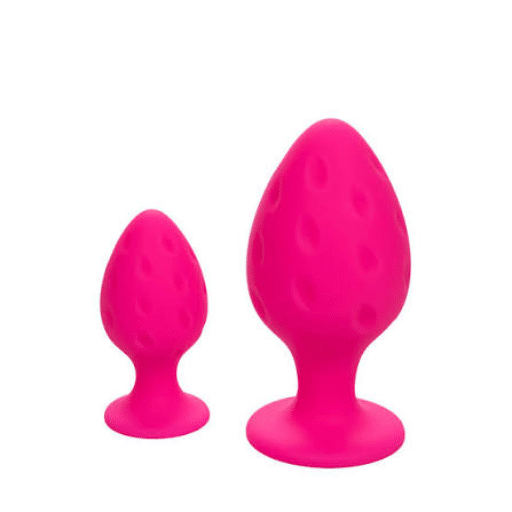

The adult toy industry has seen remarkable growth over the past decade, driven by evolving consumer attitudes, technological innovations, and a rising demand for personalized, high-quality products. At the heart of this thriving market lies OEM (Original Equipment Manufacturing), a process that allows businesses to design, develop, and produce adult toys tailored to specific brand requirements. This guide is designed to demystify the complexities of OEM in the context of adult toy manufacturing, offering valuable insights into the production process, critical considerations for quality assurance, and strategies for bringing unique products to market. Whether you’re an established entrepreneur, a startup, or simply curious about the intricacies of this industry, this article equips you with the technical knowledge and tools to better understand how OEM manufacturers transform concepts into tangible, market-ready innovations.
Understanding OEM and ODM in the Adult Toy Industry

What is OEM and ODM?
OEM (Original Equipment Manufacturer) and ODM (Original Design Manufacturer) represent two opposing business manufacturing methods in the manufacturing industry, particularly in sectors like the adult toy industry. While they both operate as models through which companies manufacture goods, the most important difference occurs about design responsibility and production oversight.
An OEM manufacturer works on products as per specifications and designs received from the client company. The client maintains confidential information regarding the product’s distinctive features, brand name, and intellectual property, while the OEM acts only on a manufacturing basis to produce the item according to specifications that were well defined beforehand. This model best fits companies that have already developed the concept for a product but do not retain the ability to manufacture it in-house.
Conversely, an ODM manufacturer makes a product and designs and produces it as well. Companies that work with ODMs tend to buy straight off the shelf or mix and match the product during the development phase to meet their needs. It is a very convenient and good way to cut down development time, but most of the time, the intellectual property rights or exclusive ownership of the design stay with the ODM, depending on how the contracting parties decide.
Benefits of OEM Manufacturing
OEM manufacturing provides several strategic advantages to companies across all industries. It primarily works to allow businesses to concentrate on their core competencies and let these special manufacturers do what they excel at. In the process of outsourcing production operations, more funds can be released to activities like marketing, sales, and product development, leading to faster growth of the business. On a cooperative basis, this arrangement assists in coming up with a quality product that ranks high in quality and functionality and stays true to the brand identity.
Another benefit is its cost-effective. OEM manufacturers cover production activities such as sourcing of raw materials, supply of labor, and specialized equipment, which largely reduces the cost of operation of the contracting party. Furthermore, due to the volume of production, OEMs also ensure economies of scale in terms of lower cost per unit, so they will be able to price competitively and maintain their profit margin.
OEM manufacturing gives access to state-of-the-art technologies and specific industry expertise. A fully established OEM normally invests in advanced machines, production methods, and quality control systems. Thus, partnering with such a manufacturer guarantees that the finished goods are produced employing the most up-to-date advances that improve performance and enduring factors. This access to specific capabilities can be of added value for those industries like electronics, automotive, and healthcare, where precision and innovation matter.
Differences Between OEM and ODM
OEMs are known for manufacturing goods that must precisely correspond to the design, specifications, and requirements given by the client. Most of the time, the manufacturers concentrate on production using their state-of-the-art facilities and expert know-how to develop products that meet the demands of the clients exactly in terms of product definition. The brand and intellectual property rights, therefore, generally rest with the client, not of the OEM.
ODMs, however, take one step further in that the product process is not just manufacturing but includes design, concept, and technical specifications. Thus, an ODM company is fully-fledged in launching ready-made products into the market, followed by minimal client modification, such as merely branding or packaging. This strategy reduces the time-to-market, a crucial benefit for businesses who want to get products into the channels quickly or cannot afford to invest in complex design and development processes.
The biggest difference, therefore, is between ownership and control of the design. With OEMs, clients retain full ownership and control over product design and intellectual property, making OEMs the perfect fit for businesses interested in products that are highly proprietary and custom-designed. ODMs, on the other hand, are best suited for businesses that choose to trade off efficiency and speed for further development with the manufacturer-developed designs. Both, however, have their pros relative to bringing down cost and time, with the least customization and innovation.
Market Growth and Consumer Preferences

Current Trends in Sex Toy Consumption
The increased destigmatization in society and the uptrend in sexual health and wellness have brought a paradigm shift in the public perception and acceptance of sex toys. Educational campaigns, the rise of influencers, and brands foregrounding topics of sexual wellness have further supported this shift. Consumers want things that address their key concerns, including “safe material,” ergonomic design, and sustainability.
Interestingly, premiumization is becoming common in the market. Consumers are willing to pay more for high quality that covers durability, application of new technologies, and silent operation. There is also an increasing demand for personalized and anatomically adjustable designs across the market that cater to a wide range of preferences and inclusivity.
Another dominant trend is the integration of technology since app-connected devices and remote control features provide an enriching experience with greater control, customization, and communication. Consumers are attracted to contemporary app-based technology supporting smart device compatibility that provides convenience and interaction. These trends mark what the evolving consumer values are while defining paths to even further innovation and overall market growth.
Shifts in Consumer Preferences for Adult Products
Shifts in adult product consumer preferences are increasingly influenced by the accessibility of information, enhancements in product design, and advances in technology themselves. A prominence is also being given to decisions involving safety, privacy, and health. Choosing consumers are becoming more aware about what goes into a product; it needs to be body-safe, non-toxic, and environmentally safe. This is in consonance with society’s ever-increasing concern over personal well-being and environmental responsibility, thereby pushing the manufacturers to innovate in ways that responsibly tackle these issues.
Secondly, there has been a paradigm shift brought about due to the rise in digital connectivity. App-controlled gadgets are setting the benchmark for highly customized experiences, whereby users get increased interaction plus remote control capabilities. This personalization is enhanced by big data insight gained from smart gadgets that let companies track trends, enhance features, and engage in hyper-targeted marketing approaches to consumer needs. With increased intelligence in devices comes a lot of curated recommendations and anonymous usage-based analysis on user behaviors, which in turn works as feedback for product improvement.
This aligns well with the industry’s embrace of e-commerce-based solutions, which provide both anonymity and convenience. Such foregoing is further enriched with relevant product information and reviews, allowing consumers to make fully informed buying choices. All of these factors signify a change in the market, where innovation and user-centric methods serve as the platform for the sustained growth of the adult product industry.
The Role of Market Research in Development
Market research is truly essential for the development of new products, services, or business strategies and allows organizations to get the right insights in terms of aligning their offerings with consumer needs and market trends. It ensures that the mind of research is data-driven to minimize risk and maximize entrance or even product launches into the market. Outlined below are five major ways market research aids in development:
- Consumer Behavior Analysis: Such studies involve analyzing patterns in buying behavior, preferences, and motivations that help in direct applications for the real-world customer needs of developing products or services. For example, surveys and focus groups may help understand consumer pain points or features they would want implemented.
- Competitor Benchmarking: It identifies the strengths and weaknesses of competitors, which can then be used as a reference to distinguish one’s products and services. This may include an examination of competitor price lists, promotional campaigns, and complaints received.
- Demand Forecasting and Trend Insights: Based on historical data and predictive analysis, market research supports business operators to predict a set product demand and to identify trends at an early stage. For instance, AI-driven analytic tools have now allowed various organizations to offer more accurate predictions for market changes.
- Product-Development Validation: Out of concept testing, through prototyping to the launch of new products in markets, they are all analyzed by market research for the feasibility of such products.
- Regional Market Exploration: Research on regional preferences and demographics helps segment the markets and strategize local operations. There are consumer reports specific to geography that uncover cultural or economic factors that shape demand.
By encompassing these into their development process, organizations can thereby ensure that they meet, if not anticipate, their customers’ needs, allowing for strong and sustainable growth in various markets.
Innovations in Product Design

Technological Advancements in Sex Toys
In recent times, the field of sex toy design has been greatly changed by rapid technological advances coupled with the growing diversity of customers. Today, sex toys have gone high-tech with Bluetooth connectivity, app integration, and advanced motorized systems for improved functionality and a very personalized user experience. For example, some of these app-based devices allow for long-distance use, uniting couples from different parts of the world and deepening their intimacy. On the other hand, material advances have promoted the emergence of body-safe, hypoallergenic materials like medical-grade silicone that are durable yet comfortable for the user and fulfill stringent safety requirements.
AI and machine learning may also make their entry into this industry to allow devices to reorient themselves according to individual preference over a period. Smart sex toys collect user inputs and can modify the intensity settings or even stimulation patterns based on subjective preference. So, not only does this presence assure a highly personal experience, but it is also a signal of the coalescence of wellness technology and intimate health. Based on data-driven insight, developers continuously improve their algorithms to ensure that their products are fitting to a wide range of users, including in areas of liking and disliking that had been left unexplored by conventional designs.
On the other hand, immersive technologies are going to alter these experiences together with haptic and VR advancements. VR-compatible sex toys engage users on multiple levels-not just tactile but also visually realistic. It can comprehensively provide vibration control and intricate vibration patterns in sync, thus putting these devices in the category of highly interactive ones. These innovations are changing entertainment, where aloneness and intimacy are discussed, and therapeutic use is also a consideration, for example, to treat sexual dysfunction or to assist in sexual education. Where human sexuality intersection with technology is rapidly developing, Innovation is blazing new trails.
Importance of Body-Safe Materials
Using body-safe materials during the manufacturing processes of intimate devices is essential for ensuring user safety and long-term well-being. Examples of such materials include medical-grade silicone, stainless steel, and ABS plastics, for are non-porous, hypoallergenic, and biocompatible. Non-porosity deters bacteria buildup, increasing chances of infections, and also eases proper cleaning and sanitization. For similar reasons, materials bearing ISO 10993 or FDA clearances are to be well respected, as measures certifying the safety of such materials and their ability for prolonged contact with human skin.
The need to adhere to strict material safety standards can hardly be overstated when considering chemistry in some materials. For instance, phthalates in cheaper plastics have been associated with a series of health issues, including endocrine disruption. Various scientific studies have repeatedly tried to stress the elimination of these harmful chemicals from any product intended to be used for intimate purposes. Since companies that emphasize body-safe materials are meeting consumer demand for top quality, they work alongside an emerging health legislator seeking to lessen health risks.
The use of body-safe materials in tandem with innovative designs has significantly improved product durability and efficiency. Silicone flexibility, temperature changes, and resistance to heavy wear are properties considered more important for superior ergonomic and comfortable performance of a device. These issues give substance to how in recent times material scientific learning has driven the safe and effective next-generation technologies designed for human interaction and well-being.
Customization Options for Unique Designs
The infusion of advanced material science with new manufacturing processes has opened up endless customization possibilities for unique designs. In short, manufacturers can now tailor materials such as silicone and other polymers for specific needs and properties, wherever a fine combination of flexibility, density, thermal resistance, etc., is required. The use of 3D printing and injection molding further allows structuring for intricate designs with detailed patterns, complex geometries, and flawless finishes.
Beyond these physical variations, color and texture variations, plus surface treatments, can further enhance aesthetics and functionalities. For example, an anti-slip coating or antimicrobial finish can be applied with the sole intention of improving functionality and hygiene in medical/wearable applications. Computational tools such as FEA and CAD software are used to simulate, test, and optimize designs before manufacturing, thereby significantly reducing costs and improving overall quality.
For these reasons, these innovations and the evolution of user-focused design will be a new touchstone for the next era of personalization in product design, thereby fostering innovative, durable solutions with optimal performance versus size requirements for age-old specificity in a wide range of industries comprising healthcare, consumer products, aerospace, and automobile sectors.
Emerging Trends in the Adult Toy Market

Sustainable Practices in Manufacturing
The adoption of sustainable practices within the manufacturing sector has been given critical attention with increasing environmental issues and evolving consumer demands. In the adult toy sector, manufacturing activities are becoming increasingly oriented towards the use of eco-friendly materials and energy-efficient production methods, therefore minimizing their environmental impact. Thus, the use of biodegradable materials such as cornstarch-based plastics or silicone substitutes or recycled materials decreases one side of waste while on the other side provides solutions for product lifecycle management. Besides, being manufacturing-oriented can support a far greater reduction in the emission of greenhouse gases, so it further aids this sector as per sustainability goals around the globe.
In addition to that, brands are figuratively stating the premium importance of sourcing raw materials in such a manner that would avoid degradation of the environment and human atrocities. It means they will work alongside suppliers that abide by strict ethical and environmentally-sound standards, such as certified sustainable forestry or fair-trade principles. The transitional new-age packaging, on the other hand, has ground to stand on-they have greatly reduced the need for plastic materials, encouraging recyclable, compostable, or bare minimum design alternatives. Such efforts are an answer to consumer demands for products that reflect their spirit of preservation and responsibility.
The very integration of circular economy principles places a transformation in the adult toy making environment. This entails companies establishing take-back/recycling programs whereby consumers can return used products to the company for safe recycling or component recovery. So, this design wastes less landfill and keeps the consumer engaged by putting their values on sustainability.
The Rise of Wearable Sex Toys
First of all, wearable sex toys stand for a major step in adult toys, wherein discretion and technology combine with state-of-the-art versatility for the modern-day consumer. Wearable devices bear stimulation while being hands-free and can sometimes claim to have features like app control, long-range control, or custom settings for the consumer. The innovation has seen developments in miniature motors, body-safe materials, and ergonomic designs to ensure the best working fun.
Wearable devices are becoming popular these days for their ability to mix well with the daily life of a user. Such devices are usually discreet as well as infrequently make much noise, thereby granting this flexibility to counter the busy lives that almost everyone now leads. Further, with the smartphone app integration, the user can have more precise control, work from a distance, or even sync vibrations and music with real-time feedback.
Market data seem to show that these wearable sex toys are selling not just for self-use but also in the service of increased intimacy between couples. Long-distance control functions, especially Wi-Fi or Bluetooth-enabled ones, allow two partners to connect and interact while apart physically. The fact that these toys are discreet has also helped normalize the use, bringing more consumers who value privacy into the fold.
The sustainable emphasis is then being put into the wearable category, with many manufacturers promoting the redesign of their products in a rechargeable manner and the usage of eco-conscious packaging. With the merged spirit of technical innovation, user-centric design, and eco-consciousness, the wearable sex toys have a stake in defining the very next chapter of the adult toy industry, giving pleasure without clashing with ethics and environmentalism.
Integration of Smart Technology in Adult Toys
The integration of smart technology into adult toys is acting as a disruptor toward greater customization and interactivity within the industry. Recent developments in wireless connectivity, including the evolution of Bluetooth and Wi-Fi, have made it possible for seamless device control via smartphone apps, thereby allowing the user to tailor the settings as they wish, such as vibration pattern and even level, which can be adjusted or synchronized with audio or some form of video content. These applications may further grant the remote-control feature, allowing partners to share their experiences from across great distances, thus matching trends in virtual intimacy.
Artificial intelligence (AI) is the other prime disruptive force working in the landscape of adult toys. Learning usage patterns allows an AI algorithm to adjust settings dynamically for a more intuitive and customized experience. Most modifications perform measurement and monitoring of physiological responses, such as those that measure heart rate or determine the level of arousal, and apply adjustments to the operation promptly based on feedback. Voice activation and smart home system integration are also gaining traction for such devices and allowing hands-free voice operation and interconnection with other home appliances.
Recent market data shows very rapid growth in this segment, with the compound annual growth rate (CAGR) exceeding 10% in smart adult products. The need keeps on rising with the advancements that make these smart products very appealing in terms of thought tech, ease of use, and connecting pleasure with data insights on the side in a secure way. These advancements, therefore, are forming a few criteria for innovation and satisfaction in the industry.
Choosing the Right OEM Manufacturer for Sex Toys

Key Factors to Consider
For decision-making, when selecting OEM manufacturers for sex toys, several factors should be critically considered to ensure the production of superior and marketable products. Here are the most critical ones:
- Regulatory Compliance and Certifications: These include necessary certifications such as ISO 13485 (Medical Devices Quality Management System) by numerous other industry standards applicable to health and safety in sex toy manufacturing; this assures not only compliance but consideration as well from both global and domestic markets.
- Material Expertise: Proper selection of materials is determined by the safety and satisfaction of users. See that the OEM manufacturer can prove working with body-safe, hypoallergenic materials, such as medical-grade silicone, ABS plastic, and many other materials considered safe and non-toxic. They should carry out safety testing according to international standards.
- Innovation and Technology Capabilities: Often, the basis of competitive differentiation in this industry is technological innovation. Avoid manufacturers blocking the integration of advanced features like IoT connectivity, app compatibility, and programmable modes. They should also accommodate custom designs to help differentiate themselves from other manufacturers.
- Production Scalability and Lead Time: Make sure the manufacturer can scale accordingly to your order volume during mass production, as well as in the initial launch. Short and guaranteed lead times are needed for inventory level maintenance and product launching time.
- Quality Control Processes: To build high-quality products, a thorough quality assurance system is required. Ensure that the manufacturer checks and certifies every phase of production with strict regulations from procurement of raw materials to final product testing to minimize product defects and ensure product consistency in performance.
- Confidentiality and Intellectual Property Protection: IP protection should be given utmost importance while sharing proprietary designs or new features. Choose a manufacturer having an established track record of protecting client IP from unauthorized use and replication with a well-drafted confidentiality agreement.
- Cost Competitiveness Without Sacrificing Quality: Price plays a big role; however, never sacrifice quality for a cheaper cost. The price should be competitive, provided that the manufacturer maintains uncompromising materials and production standards.
- Post-Production Services: A reliable manufacturer provides more than just manufacturing. It should include the development of product-supporting services such as warranty, repair, and enhancement services, and assistance with regulatory documentation for international shipping.
By focusing on these elements, one can build a reliable, long-term relationship with the OEM manufacturers to bring forth products that meet consumer expectations and lead in a fast-changing market.
Effective Communication and Collaboration
Communication and collaboration are legit pillars of a successful partnership with OEMs. Communication empowers all parties to be on the same page regarding project objectives, production time frames, design specifications, and compliance requirements. It could include using tools such as well-detailed contracts, documented processes, meetings, etc., supporting transparency and accountability. Also, consider digital collaborative environments through enterprise-grade project management software to allow easy organization and tracking of tasks, therefore reducing inefficiency and risk.
A good communication practice is the feedback loop. Such mechanisms make it possible that whenever hindrances occur, they could be pointed out and rectified immediately. As an illustration, a production progress-based real-time reporting tool could issue alerts whenever deviations are seen as being at odds with expected results. This way, stakeholders can help mitigate delays and maintain adaptability when flexibility hits a high-paced market. Having multiple channels of communication, including video conferencing, email, and messaging platforms, could preserve information that might be far too detailed in a conversation across multinational teams with varying time zones.
Collaboration strategies should be data-driven to bring about results. OEM manufacturers rely on the insights from advanced analytics tools and data integration processes in assessments and capacity planning according to market demands. Detailed analyses of supply chain KPIs like lead times, defect rates, or production efficiency make for a more knowledgeable decision that lessens the risk during the operations. When combined with access to fresh industry data, such as up-to-date compliance regulations and material cost forecasts, a client would be well encouraged to tackle those challenges. Thus, this only lays the groundwork for a prospectively rewarding relationship for both parties.
References
- Sex Toy Adult Soft Dildos – A manufacturer-focused site discussing adult products and OEM services.
- Selling Sex Toys: Marketing and the Meaning of Vibrators – An academic article discussing the marketing and historical context of sex toys.
Frequently Asked Questions (FAQ)
Q: What does OEM mean in the context of sex toy manufacturing?
A: OEM, or Original Equipment Manufacturer, refers to companies that produce products or parts that are later marketed under another company’s brand. For OEM sex toys, this typically involves designing and manufacturing adult products based on the specifications of a client, who then sells them under their branding.
Q: What materials are commonly used in OEM sex toys?
A: OEM sex toys are made from a variety of materials, with body-safe silicone, ABS plastic, and thermoplastic elastomers (TPE) being the most popular. These materials are chosen for their safety, durability, and compatibility with human skin. High-quality manufacturers often prioritize hypoallergenic and non-toxic materials to meet health and safety standards.
Q: How do customization options work in OEM sex toy production?
A: Customization options in OEM sex toys production allow clients to tailor designs, colors, materials, labeling, and packaging. Some manufacturers also offer features such as unique vibrating patterns, waterproofing, or app-connectivity options, enabling brands to create distinctive products that appeal to specific target audiences.
Q: Are OEM sex toys compliant with industry regulations?
A: Yes, reputable OEM manufacturers ensure compliance with industry and safety regulations, such as ISO standards, CE marking, and RoHS directives when required. These regulations focus on both the safety of the materials used and the overall design, ensuring the end product is safe for consumers. Clients should work with manufacturers who provide proper testing and certification.
Q: Why should brands choose OEM manufacturing for sex toys?
A: OEM manufacturing provides brands with the flexibility to create unique products without the need to invest in their production facilities. It allows businesses to scale quickly, maintain lower overhead costs, and leverage the expertise of experienced manufacturers. By outsourcing production, brands can focus more on marketing, branding, and customer service.
Q: How is product quality ensured in OEM sex toy manufacturing?
A: To ensure the quality of OEM sex toys, manufacturers often implement strict quality control processes, including physical inspections, durability testing, and material safety assessments. Many factories also follow internationally recognized certifications, like ISO 9001, to guarantee consistent quality in production.
Q: What are the minimum order requirements for OEM sex toys?
A: Most OEM manufacturers have a minimum order quantity (MOQ), which varies depending on the complexity of the design and production capacity. For instance, smaller manufacturers may require an MOQ of 500, while larger ones might set the bar closer to 2,000 or more. MOQs are important for cost efficiency in mass production.
Q: How long does it take to develop and produce OEM sex toys?
A: The timeline for developing and producing OEM sex toys can range from 4 to 12 weeks, depending on the complexity of the design and customization requirements. This includes initial consultations, prototyping, manufacturing, and final quality checks. More complex projects with advanced features might take longer to complete.
Q: Are eco-friendly options available in OEM sex toys manufacturing?
A: Yes, many OEM manufacturers now offer eco-friendly options, such as biodegradable materials, rechargeable batteries, and recyclable packaging. These options cater to growing consumer demand for sustainable and environmentally responsible products in the adult toy industry.
Q: What should clients look for when choosing an OEM sex toy manufacturer?
A: When selecting an OEM manufacturer, clients should prioritize experience, compliance with safety standards, quality assurance processes, and the ability to offer customization. Additionally, it’s essential to review the manufacturer’s track record, certifications, and production capabilities to ensure they meet the brand’s needs.