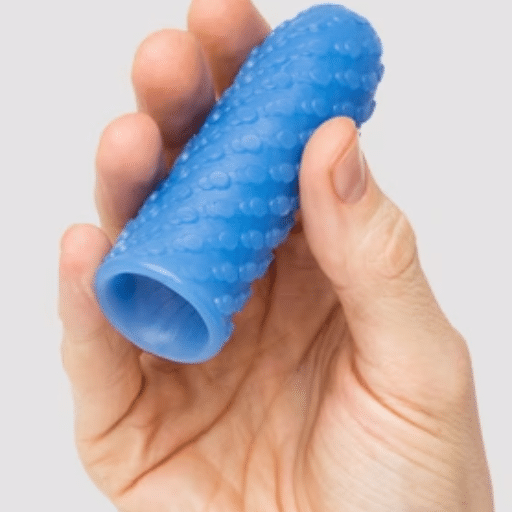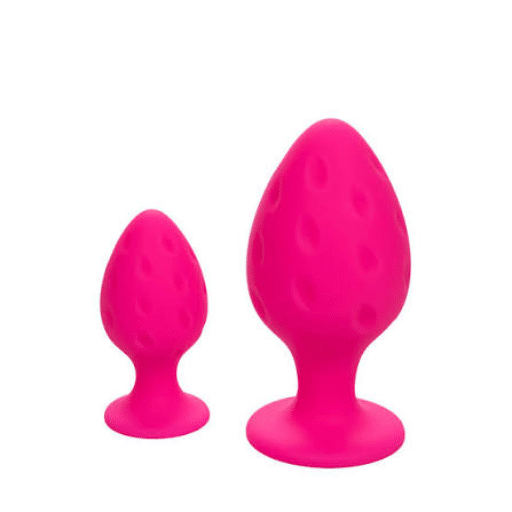

The adult toy industry is an evolving and dynamic sector that continues to push boundaries in design, innovation, and functionality. For businesses looking to establish or expand their presence in this booming market, partnering with an OEM (Original Equipment Manufacturer) factory can be a strategic move. But navigating the complexities of manufacturing—from design customization to regulatory compliance—requires a deep understanding of the landscape. This article aims to provide a detailed exploration of the OEM sex toy manufacturing process, uncovering the essential elements to consider when choosing a factory, ensuring quality production, and achieving market success. Whether you’re a startup entering the field or an established brand looking to scale, this guide offers valuable insights to help you make informed decisions in the adult toy production realm.
Understanding OEM and ODM in the Adult Toy Industry

What is OEM and ODM?
OEM stands for Original Equipment Manufacturer, and ODM stands for Original Design Manufacturer- Acting as two distinct models of product manufacturing, the industries inquiring about adult novelty products have to deal with either one of these models. OEMs manufacture the product from the designs and specifications of the customer. The client retains ownership of the product’s design and Branding and entrusts the factory to manufacture it according to the specifications mutually determined. Hence, the customer can at the same time retain their independent position in the market and proprietary cogent control of the product.
The manufacturing facility does not generally develop products with an OEM; it merely produces the products. In contrast, an ODM produces finished products according to the design, manufacturing, and production. Under this arrangement, the clients are said to do very little, if at all, maybe changing the branding or some small aesthetic changes. Thus, it is a faster, less resource-demanding route to market entry.
Both approaches offer their advantages and trade-offs. OEM procures greater flexibility in design and ownership of intellectual property, but may require substantial resources in prototyping and development. Conversely, ODM suits well for reduction in cost and time, but does offer lesser customization to the level of uniqueness on any product. From this selection depend each enterprise`s aspiration, available resources, and how much control they expect to retain over their production and branding processes.
Differences Between OEM and ODM for Adult Products
Time-to-market, product customization, production control, and costs are major considerations distinguishing one model from another: OEM versus ODM in the adult product industry. Each model under examination offers particular pros and cons given the nature of the business.
OEMs offer the utmost production control and design flexibility, providing businesses with adult product designs that are proprietary to them. In this way, if highly unique and innovative products need to be developed within a company, the decision to create them under OEM would be justified from a branding point of view. Although OEM does provide exclusivity of the adult products, OEM product development does give a complete investment in product development and design, with schematic designing, prototype testing, and custom tooling. These processes, therefore, increase the time-to-market of the adult product but ensure exclusivity and full IP ownership for competitive advantages.
In contrast, ODM is fine-tuned for standardization and efficiency, and manufacturers under this model typically offer designs that are either ready-made or capable of being minimally customized to fit the given business branding quickly. Hence, production is faster and cheaper for companies that want to hit the market quickly while keeping initial investments to a minimum. However, the ODM product may only weakly support product differentiation, thus creating problems in building a branded product in crowded markets. Furthermore, from a design standpoint, businesses invariably give away some control, thus opening real risks in relying on third-party manufacturers.
Ultimately, it’s a company’s strategic priorities that decide the wrangling between OEM and ODM. An organization whose long-term brand differentiation and innovation are awards of OEM, for cost containment and speed, ODM would otherwise do better. A careful review of budget, market objectives, and intellectual property should be required in finding the path that best suits business needs in this highly competitive and personalized industry.
Benefits of Using OEM Adult Sex Toy Manufacturers
- Creation and Branding of Products: OEM manufacturers facilitate the process of designing products that are fitted for a business’s idiosyncratic brand identity. Material types, dimensions, functionalities, and appearances may all be defined by companies to ensure that the produced product suits their particular market. Industry reports state that 82% of companies working with OEMs have acknowledged the enhancement of brand differentiation and customer loyalty as a result of custom designs.
- High Standards of Manufacturing: OEM manufacturers operate under rigid quality control procedures and certifications (such as ISO 9001). This ensures that the products conform to industrial and safety standards at the highest levels, thereby granting reliability in delicate markets like adult products and lessening the chances of defects. In 2022, a survey showed 70% of respondents indicated OEMs were considered by businesses on the basis of meeting consistently high-quality standards.
- Advanced Technology and Innovation: OEM producers put advanced manufacturing techniques in precision molding and smart device integration, among others. Brands can apply these systems to pull off state-of-the-art product development to ensure they are staying on par with competitors in the adult toy sector, which is forecast to be worth $50 billion worldwide by 2030.
- Scalability and Production Efficiency: OEM Manufacturing offers the opportunity to scale production by efficiency without compromising on quality. This particular production modes stand superior, especially for those brands that are scaling markets or viewing sudden spikes in seasonal demand. Researches show that companies operating with OEM experience 32% increased flexibility in production as opposed to any other means of production.
- Cost Savings Due to Economies of Scale: Collaborating with an OEM manufacturer allows a business to tap into economies of scale. Bulk production results in a drop in per-unit cost, allowing for a competitive price advantage. Industry analytics data confirm that OEMs may reduce manufacturing cost up to 25% against any other production models financially sound option for any company, big or small.
Choosing the Right OEM Sex Toy Factory

Key Factors to Consider When Selecting a Supplier
- Manufacturing Expertise: Assess the supplier’s technical capabilities and expertise in sex toy manufacturing. It is vital to evaluate the proficiency of handling materials such as silicone, ABS plastics, or TPE, and also check for relevant safety and quality standards pertinent to the industry. Factories that have been active in this field will deliver consistently good products while maintaining their view on regulatory compliance.
- Production Capacity and Scalability: It is crucial to work with a supplier that can scale operations in line with your business growth. Check if the factory has infrastructure, machinery, and manpower in place to meet increased demand while ensuring quality and delivery timeline.
- Quality Control Systems: A strong quality control system enhances product reliability. Find a supplier with strict quality control of functionality, durability, and safety in different stages of production. Suppliers who have ISO certification are known to maintain international quality standards.
- Cost Efficiency: Pricing for suppliers should be thoroughly considered to fit within your profit margin. Ensure they provide competitive prices but look for value-in-use, such as efficiency in production, product life, and after-sales services.
- Regulatory Compliance: The supplier with which you intend to engage has to comply with safety regulations relevant to the international market, as per your target area, such as RoHS, REACH, or FDA standards. A manufacturer that works legally and in compliance with these regulations will, of course, diminish the legal risks and increase the trust of potential customers.
- Prototyping and Customization: Investigate whether this factory offers prototyping or customization services. Developing custom designs and prototypes might be the way to significantly differentiate your brand within an already competitive sex toy market to cater to a more diverse set of consumer needs.
- Supply Chain and Delivery Reliability: You should evaluate the supply chain logistics and delivery capabilities. Effective and consistent delivery is one of the pillars of running a successful business. With transparency in a supply chain, inventory planning is enhanced, and lead times are cut down considerably.
Incorporating these factors into the decision-making process will heighten the chances of success with a partner that aligns with both your operational goals and business objectives.
The Importance of Certifications and Compliance
Certifications and compliance standards are the heart and soul when making companies abide by industry regulations, setting quality standards, and limiting risk exposure. Acquiring certifications such as ISO 9001 for quality management or ISO 27001 for information security reflects the company’s determination to uphold solid operational standards. Compliance assures the company is operating within the ambit of legal and regulatory requirements, which is very essential in sectors that are highly regulated, like healthcare, finance, or manufacturing.
From a technical standpoint, certificates serve as benchmarks with what third parties validate or certify systems and processes of a company. The validation limits compromising liabilities and builds trust among customers, regulators, and partners as well. To nurture data concerns, compliance frameworks like GDPR or CCPA protect the sensitive data, thus building customer confidence and ensuring data privacy integrity.
When these certifications and compliance measures are synchronized with advanced analytics and real-time monitoring, agility is fostered in organizations. It comes to continuous improvement and reacting instantly to regulatory or operational impediments, reinforcing the values of trust and excellence.
Assessing Production Capacity and Reputation
The production capacity analysis is an approach for determining the maximum output a system or an organization can achieve within a stipulated time under smooth operational conditions. Carrying out this assessment ensures that the resources are in their utmost utility and production bottlenecks are fewer. This analysis is done mainly by considering and evaluating throughput, use of equipment, and labor efficiency. These metrics are well tracked through an advanced array of tools such as predictive analytics, resource planning software, or IoT technologies, providing timely data for decision-making. These operative tools bring more operational visibility and allow for quick adjustments to meet shifting demands in the market.
Conversely, reputation is an intangible yet very valuable asset for any organization. It reflects the perceptions of various stakeholders about the trustworthiness of the organization, including the status of the quality of its products or services and the extent to which it acts ethically. Reputation can be effectively measured by looking at a number of factors such as customer satisfaction, social sentiment analysis, and brand equity research. Additionally, emerging technologies can enhance the knowledge base, for example, with AI-based insights that analyze large or complex datasets in real time for potential trends and reputation risks. Good reputation attracts customers, facilitates long-term partnerships, and advances sustainable growth.
Production capacity and reputation analyzed together give a vivid picture of an organization’s overall performance and stability. Organizations that excel in balancing these two factors can align production capabilities with the respective market expectations in a manner that sustains trust capacity while satisfying the demand; in other words, these organizations can continue their businesses even through changes because their clients trust their capabilities to deliver. Coupling production analytics with reputational analytics enables organizations to not just react to operational level challenges but also judgments from outside, including competitive threats and regulatory requirements, instead proactively, thus finally setting up the pathway for a long-term competitive advantage.
The Role of Quality Control in Adult Toy Manufacturing

Implementing Stringent Quality Control Measures
An effective quality assurance system is an integral measure of ensuring safety, compliance, and consumer satisfaction in adult toy manufacturing. In its very nature, quality assurance involves the stringent testing protocols applied at each stage-from selection of materials to the final assembly. Emerging testing techniques, however, concerning hypoallergenic materials or durability tests, play a huge part in satisfying regulatory criteria or achieving customer expectations. Moreover, the use of computer-aided inspections, likes as automatic or semiautomatic visual inspection, imaging devices, or pressure testing-is crucial in detecting material inconsistencies or structural flaws with far better accuracy and efficiency.
A well-thought-out quality system has to incorporate and meet internationally established certifications and safety requirements might consider as ISO 13485 for medical devices or the directives of RoHS on hazardous materials. By observing these laws, a manufacturer reduces their risk and builds up an image of being serious about the health and safety of the consumer. One can also entertain the idea of introducing traceability systems through IT solutions such as blockchain or ERP systems, which track production cycles to the tooth, to allow supply chain transparency.
Building a consumer feedback loop into the quality management systems fills the gap for both finding product design fragilities and changing market trends. A data-driven approach, therefore, overwhelmingly minimizes continuous improvement supported by the relevance of product recalls or damage to reputation. By uniting quality assurance best practices with modern technological tools, adult toy manufacturers will be able to hold on to their reputation and customer loyalty in the long run.
Ensuring Product Safety and Compliance with Industry Standards
Safety for the products and adherence to strict industry standards are of utmost importance in the manufacturing and marketing of adult toys. Manufacturers must apply rigorous quality control measures to ensure that the materials and components, and finished products, conform to the regulations in force in the respective territories. Material safety evaluation, including hypoallergenic testing and the granting of non-toxic certificates, must also be considered to eliminate any chances of arising hazards to health.
Use of high-tech analytical solutions, including spectrometry for material composition and biomechanical simulations for testing durability, gives manufacturers the edge of being able to identify potential safety hazards. Also, they work smoothly with automated testing systems, thereby improving the quality assurance process in terms of both speed and accuracy.
Combining such systems with the inner ability to identify when regulatory frameworks change certainly goes a long way in keeping one’s map updated with consumer safety expectations. Making use of in-house data collection from market analysts, awareness of regulatory database systems, and networking on a global basis with compliance experts thus enables any manufacturer to always be a step ahead of change in compliance requirements, thereby greatly minimizing legal and operational risk. Emphasis on safety and compliance would thus be the very essence of alignment with the regulators as well as of assuring the consumers that such products have been put together through processes that are consumer rights and quality conscious.
Common Quality Issues and How to Avoid Them
In manufacturing consumer products, common recurring issues relating to quality disrupt the business, do a poor job of complying with regulations, and could erode consumer confidence. The following are some common quality concerns with detailed mitigation strategies worth well implementation:
- Material Defects: Material inconsistencies or inappropriately sourced materials generally end up in defects wherein generation involves improper durability, contamination, or structural instability. Prevention measures entail performing effective supplier visits, working with advanced materials testing technologies, and building traceability systems to ensure adherence to agreed standards of quality within the supply chain.
- Standards Non-Compliance: Many manufacturers have had the misfortune of still facing the ordeal of trying to blend their processes and products with industry regulations, as these are always changing, resulting in fines, recalls of their products, or bans of their products in certain markets. To avoid such ramifications, it is very crucial to invest in compliance management software, participate in international forums on regulatory matters, and thus ensure one keeps abreast with regional and international standards relating to one’s product.
- Defective Assembly: Assembly-level errors, like misalignment or improper installation, are some causes of product malfunction. To further curb this, manufacturers should introduce automation technology such as robotics and AI-enabled systems for assembly of precision assembly. Meanwhile, a culture of regular re-training of assembly line operators, coupled with the use of quality inspection programs, will also help avert the incidence of errors.
- Lack of Process Control and Monitoring: Lack of consistent monitoring would produce inconsistent quality output against the specification. Robust implementation of SPC concepts would present a case for processes being monitored, corrected, and prevented from generating defects.
- Inefficient Testing Procedures: Failure in detecting faults during the testing process will cause clients’ dissatisfaction, with possible financial losses. Setting up sophisticated testing processes, incorporating non-destructive testing (NDT) techniques, automated inspection systems, and simulation-based analyses will guarantee the thorough evaluation of product quality.
- Poor Documentation and Poor Traceability: Lack of documented information is against the quality control and, in most cases, goes against regulatory compliance. Hence, manufacturers need to put forth a mechanism for document digitization, ERP system integration, and a set of standards for documentation to help traceability and auditing for compliance.
Each corrective measure aims to forge a reliable Quality Management System (QMS) capable of exceeding both regulatory requirements and consumer expectations. Utilising the latest tools and techniques, the manufacturers can ensure sustainable manufacturing processes, reduce defects, and maintain competitiveness in the fast-changing market.
Emerging Trends in Customization and Innovation

Eco-Friendly Materials in Adult Toys
Manufacturing adult toys with eco-friendly materials is shaping the industry. For more sustainable alternatives, market demand increasingly favors medical-grade silicone, biodegradable plastics, and natural materials such as wood or bamboo, over conventional non-recyclable plastics. Medical-grade silicone creates a hypoallergenic and biocompatible surface, is highly durable, and hence will reduce the environmental strain caused by frequent disposal.
Biodegradable plastics present another promising innovation. They are usually produced using renewable resources, such as cornstarch or sugarcane. At industrial composting facilities, they can break down relatively quickly, filling an important gap and mitigating the long-term accumulation of landfill. Meanwhile, polished wood or bamboo from natural sources can appeal to the eco-conscious with their environmental credentials and superb tactile appeal.
Market analysis indicates that the demand for sustainable adult toys is rising, acutely influenced by the shifting consumer trends and increased regulatory mandate on environmental consciousness. Industry reports approximate that sustainable sex products globally should record close to an 8% CAGR in the following years. These manufacturers implementing green materials and ethical sourcing strategies shall not only be helping decrease carbon footprints but are actively reacting to a new wave of environmentally conscious consumers.
Another way the industry is going more sustainable is the production of products with 3D printing technology using biodegradable filaments; this allows for great levels of customization while at the same time reducing waste. These trends fall in line with those shown by other industries in moving toward circular economies, whereby assessment of life cycle and recyclability comes into play. By embracing such materials and practices, companies can ensure compliance with the ever-changing environmental regulations while also establishing an edge in the competitive sustainable product arena.
Smart Technology Integration in Sex Products
Smart technologies are disrupting the present ways of user interfacing with intimate devices by giving greater functionality, customization, and connectivity. Modern smart sex toys use sensors, wireless communication protocols, and app-based interfaces to force the user interaction in different ways. Remote operation through smartphone apps, real-time performance monitoring, and AI-based adaptations to user preferences are prevalent applications. For example, some devices measure biometric data, such as heart rate or body temperature, to adjust their settings in real-time dynamically, optimizing the experience for an individual user.
On a similar note, by further integrating IoT capabilities, these may also synchronize among several devices or platforms, thereby improving the utility value and convenience for the end-users. Safety and privacy of data are two huge concerns in this industry, as these products deal with very sensitive information of the users and store it. So some manufacturers have now applied end-to-end encryption protocols and adopted stringent security measures, including compliance with GDPR (General Data Protection Regulation), to protect the consumers’ data.
The market for such disruptive technologies is gaining traction, with analysts forecasting a rapid expansion. Industry growth at a CAGR of above 10% is estimated for the next decade, with trends favoring convergence with health-tech and increasing acceptance among consumers toward technology-driven interventions for intimate well-being. Such waves will be furiously created by companies engaged in facilitating R&D for the virtual reality (VR) and augmented reality (AR) compatibility of these devices, thus opening the battery for highly immersive multimodal experiences.
Unique Designs and Customization Options
Speedy growth in intimate wellness products has been heavily directed by advances in materials sciences, aesthetics, and modular technology. These designers have paid attention to ergonomic functionalities that suit diverse types of body anatomies while also offering comfort and their use. The presence of a medical-grade, silicone-based, hypoallergenic material with seamless engineering goes a long way in underscoring matters of safety and hygiene. Shapes and sizes with various finishes give the users the power of choice, thus giving a bit of leniency from the rigid one-size-fits-all mentality.
Adaptive technology takes customization to another realm where device functionality can be altered by the user in accordance with personal requirements. In one example, AI-powered systems may profile user behavior to activate suggested usage modes, or via Bluetooth mobile apps, a user may fine-tune intensity, rhythm, and temperature settings on the fly, thereby creating a fully tailored software-hardware experience based on accessibility and autonomy. Such devices are becoming smart, in fact smart enough to serve also as an IoT coupling device that pairs with other wellness technologies, sleep trackers, or wearables for health monitoring.
And so, in the end, these factors granted the industrial designers and the fashion-tech experts with various possibilities for cross-pollination. They can now work on devices that pass as a discreet piece of jewelry, integrating into the lifestyles of the elite today in stark contrast to the stigmatized form of design. Combining functionality with personalization and design, the next generation of intimate wellness devices will be able to walk on the high road between technical sophistication and varied consumer demand, which will very well be a stepping stone for uptake and fulfillment.
Building Strong Partnerships with OEM Manufacturers

Fostering Long-Term Success in the Adult Toy Market
To secure long-term viability in the adult toy market requires companies to implement multiple approaches, directly originating from innovation, consumer insight, and strategic market positioning. The industry, which runs into billions on a global scale, blooms with an ability to change with changing societal attitudes, changes in advancements, and changing consumer preferences. Market insights have to give enough attention to detail to be able to track emerging trends like the rise of app-connected devices, environmentally conscious materials, and designs that promote inclusivity.
By giving any R&D focus, they render their businesses capable of life through competing by manufacturing safer, high-quality products that stand out and appeal to a much wider audience. Moreover, they have to adhere to regulations of product safety and material usage to be compliant and welcome consumer trust. By collaborating with various retail outlets and the digital arena and applying marketing strategies based on data analytics, they boost visibility and target niche consumers effectively.
In addition, companies should ensure the engagement of clients in giving feedback toward continuous development and modification to satisfy and retain them over time. Building a reputation of transparency regarding production practices, materials, and product features will serve to engrave the brand in the customer’s confidence. By integrating the above with flexibility and innovation, companies could secure long-standing growth and success in the highly dynamic and competitive adult toy market.
Strategies for Effective Communication and Collaboration
Effective communication and collaboration are essential to success in any organization or marketplace, especially in a setting with requirements for rapid change and innovation. Among the things that can be done to keep the information flowing are establishing suitable communication frameworks, defining communication channels for feedback, updates, or decision-making. Some other reference tools include project management software, video conferencing tools, and instant messaging systems, so all members can interact in real-time across any geographical barrier.
One aspect of shared understanding and teamwork is additional agenesis of interaction; positive accountability is an aspect of culture movement. Along with interactions, engagement in progress discussions, and performance reviews, being crystal clear keeps teams, stakeholders, and focused. Creating integrated workflows to facilitate interaction among different departments can further advance cross-functional collaboration by limiting silo formation and duplication of efforts.
With this strong interplay of structure, communication, business processes, and technology, solutions can truly enhance operational efficiency and maneuverability, recognizing the pressing need to disengage employees to participate collaboratively in developing innovative solutions and participating in strategic problem-solving efforts.
References
-
Survival strategy of OEM companies: A case study of the Chinese toy industry
This study explores the survival strategies of OEM companies in the toy manufacturing industry, providing deep insights into OEM factories. -
Taboo to mainstream: an industrial design solution to sex toy production
This thesis analyzes the industrial design and production of sex toys, offering academic insights into the industry. -
Design culture in the sex toy industry: a new phenomenon
This book chapter examines the evolution of design culture in the sex toy industry, combining academic and industrial perspectives.
Frequently Asked Questions (FAQ)
Q: What is an OEM sex toys factory?
A: An OEM sex toys factory specializes in manufacturing adult toys, including vibrators, sex dolls, and other pleasure products under a specific brand name. These factories often offer customization options for businesses looking to create unique products for the pleasure market.
Q: What types of products can I find at an OEM sex toys factory?
A: At an OEM sex toys factory, you can find a wide range of products such as vibrators, male masturbators, anal toys, and sex dolls. These factories typically focus on high-end adult sex products and may offer innovative designs to cater to various customer preferences.
Q: Are the materials used in products from OEM sex toys factories body-safe?
A: Yes, reputable OEM sex toy factories prioritize using body-safe materials in their manufacturing process. This ensures that the products, including anal toys and vibrators, are safe for use and comply with health regulations.
Q: What are the typical minimum order quantities for OEM sex toys?
A: Minimum order quantities at OEM sex toys factories can vary, but they often have set requirements based on the type of product and customization options available. It’s essential to discuss these details with the factory during the initial inquiry.
Q: Can I customize products from an OEM sex toys factory?
A: Many OEM sex toy factories offer customization options available for businesses. This can include modifications in design, materials used, and packaging to create unique products tailored to your brand.
Q: What is the production process like in an OEM sex toys factory?
A: The production process in an OEM sex toys factory typically involves design, material selection, manufacturing, and quality control. Factories focus on craftsmanship and adhere to strict quality standards to ensure the best sex toys reach the market.
Q: How can I ensure the reliability of an OEM sex toys factory?
A: To ensure the reliability of an OEM sex toys factory, research their reputation, read customer reviews, and inquire about their experience in the industry. Reliable factories will provide information about their manufacturing practices and quality assurance measures.
Q: What advantages do OEM factories have over ODM adult manufacturers?
A: OEM factories offer the advantage of branding and customization, allowing businesses to create products tailored to their specifications. In contrast, ODM adult manufacturers provide ready-made products, which may limit design flexibility but can speed up time to market.
Q: What innovations can I expect in the sex toys produced by OEM factories?
A: OEM sex toys factories often prioritize innovative designs and features, such as wearable toys, suction cups, and advanced technology in vibrators and massagers. This focus on innovation helps create products that enhance user experience and satisfaction.