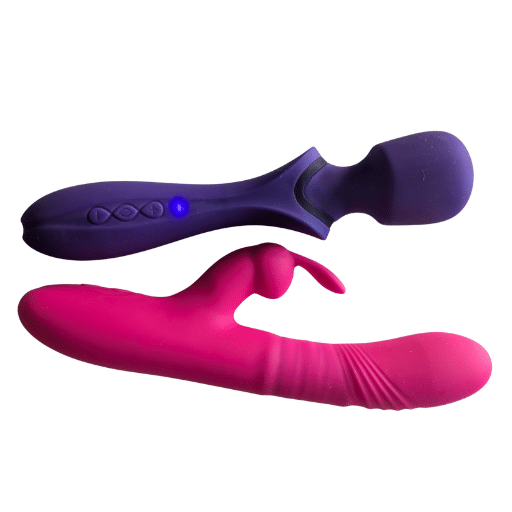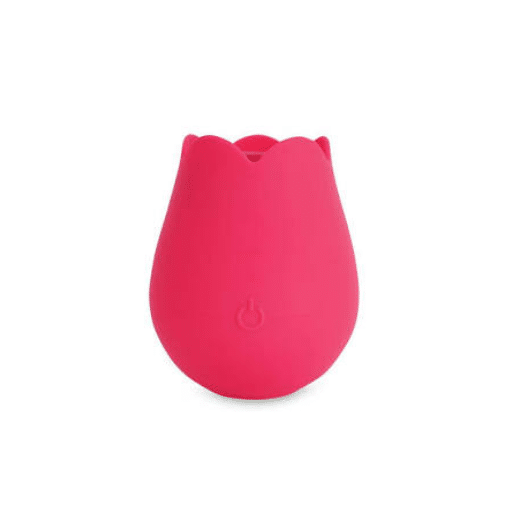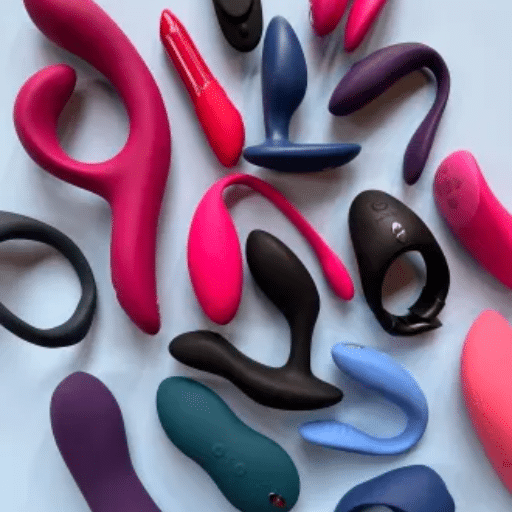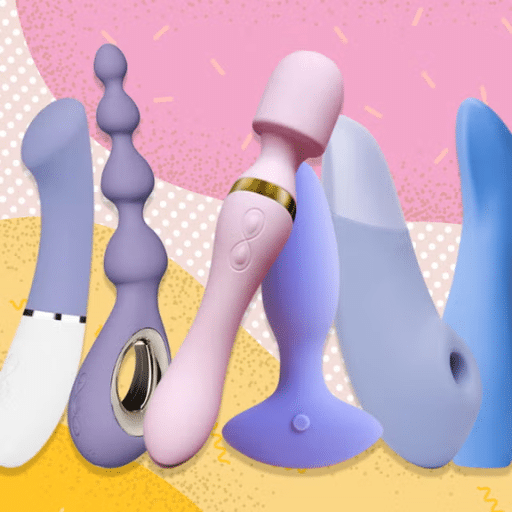

The adult toy industry is a rapidly growing market, backed by innovation, evolving societal attitudes, and a focus on personal wellness. But have you ever wondered how these products are designed, manufactured, and brought to market? Behind every adult toy lies a meticulous production process involving creativity, precision engineering, and stringent quality control. This article aims to take you behind the scenes, unveiling the operations inside adult toy factories and shedding light on the entire lifecycle of these products, from conceptual design to manufacturing and retail distribution. Whether you’re curious about the technologies used, the materials chosen, or the intricate logistics that bring these products to consumers, this in-depth exploration will provide a comprehensive look into one of today’s most dynamic industries.
What Is an Adult Toy Factory and How Does It Operate?

Understanding the Manufacturing Process
Just like any other piece of hardware, adult toys begin with design and modeling. Ideation begins from in-depth market analysis and innovative trends. Sophisticated 3D software is put to use to carve every detail regarding aesthetics and functionality while ensuring the safety of the user.
Moving on to the final stage: production. After securing approval for the design, the next step is to pick construction materials. Safe silicone, thermoplastic elastomers (TPE), or plastics like ABS are all durable and skin-friendly. Then, depending on what the client requires, different techniques are used, which include extrusion, injection molding, and even skilled manual work. Many modern factories are easier to work with since they offer enhanced automation systems that allow for precision while eliminating waste. Rigorous standards are followed for testing every single piece to guarantee safety, performance, and meeting international laws like RoHS, REACH, or even FDA guidelines.
After products have been made, logistics helps deliver them in an orderly fashion to retailers and distributors. During this step, packaging that contains instructions and necessary certifications is made in a way that safeguards the product while still meeting brand requirements. Several manufacturers also focus on sustainability by incorporating eco-friendly materials and mitigating carbon emissions throughout the supply chain. The overall process of creating adult toys is sophisticated due to the level of innovation, technical precision, and quality control needed to cater to global consumer demands.
Key Materials Used in Production
The creation of adult toys entails employing different materials based on their safety, durability, and multifunctionality. Medical-grade silicone, thermoplastic elastomers (TPE), and ABS plastic are some of the most frequently used materials. Medical-grade silicone’s popularity stems from its non-porous surface, hypoallergenic properties, and a skin-like texture, which makes it safe during long-term use. Because of its flexibility and low cost, TPE is also valued, but it often requires certain maintenance for long-lasting use. Because of its strength, light weight, and its ability to work with electronic parts, ABS is commonly used in rigid components.
Moreover, some manufacturers use stainless steel and aluminum to enhance the visual and structural integrity of the toys. Stainless steel is prized for its smooth surface and resistance to corrosion, providing hygiene and longevity at the same time. Certain designs also make use of glass, particularly borosilicate glass, due to its non-porous and easy to clean surface, and ability to retain temperature heightening sensory experience.
All materials utilized in the manufacturing process must follow strict global safety policies. Compliance with regulations guarantees that products contain no dangerous substances like phthalates or latex that can trigger allergies, skin irritation, or other health concerns. To ensure product safety and quality, manufacturers frequently perform extensive testing, such as biocompatibility testing and chemical analysis for safety, enabling consumers to purchase their products with assurance.
The Role of Technology in Manufacturing
Today’s manufacturing processes rely on technology to improve efficiency, accuracy, and scalability. The addition of automation and robots as an auxiliary to human workers has upgraded production lines. Humans perform fewer tasks, reducing potential mistakes while increasing the speed of output. Robotics systems can perform repetitive tasks with consistent accuracy, enhancing product quality and optimizing waste reduction. Furthermore, automated machines allow manufacturers to scale production quickly, depending on demand, without reliability or affordability concerns.
Decision-making in manufacturing based on data has also been optimized using IoT and AI technologies. Equipment integrated with IoT capabilities is equipped with sensors that gather data on processes being carried out, which can provide insights on equipment performance, quality checks, and energy use. AI algorithms then sift through these datasets to forecast maintenance, improve workflow, and reduce downtime. Manufacturers can counteract inefficiencies proactively, ensuring operational continuity in an increasingly competitive global marketplace.
Another modern production technique is referred to as 3D printing. These innovations, along with advanced materials, enable companies to quickly and affordably design and produce customized items or prototypes. Unlike traditional manufacturing, additive manufacturing builds products layer by layer, drastically minimizing material waste.
Moreover, skilled software applications allow industries as diverse as aerospace and healthcare to achieve high levels of precision within product design and facilitate instant changes. All these technologies provide new opportunities to further improve manufacturing flexibility and sustainability.
How Do Adult Toy Manufacturers Ensure Product Safety and Quality?

Implementing Quality Control Measures
Quality and safety for adult toys are ensured where manufacturers implement stringent quality control procedures which align with set regulations and industry standards. These processes involve comprehensive biomaterial testing to guarantee materials are non-sensitive, non-allergenic, and are FDA-approved medical-grade silicone or EU REACH compliant. Complex instruments like spectroscopic analysis and tensile testing are utilized to evaluate the material’s structure and ability to withstand various levels of stress.
Manufacturers utilize extensive simulations and real-world scenarios to evaluate the dependability and safety of prototypes. Furthermore, they thoroughly test each prototype through iterations until evaluating mass production changes. Consequently, product samples from each batch undergo random checks to eliminate defects and ensure constant quality throughout production. During manufacturing, compliance with hygiene standards is often maintained through the use of cleanroom environments and strict sterilization protocols.
In addition, thorough documentation is upheld where sourcing materials, conducting tests, and detailing the manufacturing processes enable easier tracking. These traceability measures enhance responsibility while simplifying product removal in the case where safety concerns arise. Utilizing advanced testing guidelines along with strategies centered around compliance improves products and trust from consumers in good faith without compromising the quality of their products.
The Importance of Medical-Grade Silicone
Medical-grade silicone is critical in the healthcare industry due to its biocompatibility, versatility, and durability. Like other types, this silicone has been made with particular medical silicons that pass rigorous tests of laws and legislations which makes it safe and fit for medical uses like prostheses, implants or other delicate tools. Since the silicone medical grade is still non-toxic and hypoallergenic, it is useful in life-saving interventions where tissue contact is needed because it does not cause adverse effects on the human’s body.
The distinguishing characteristic of this type of silicone is the fact that it can endure extreme temperatures, bodily fluids, sterilization processes, or anything one can throw without diminishing its performance. For medical devices that need long-term rehabilitation and continuous use, enabling them to sustain endurance to chemical changes and structural decay is important. Termed as fragmentation and chemical competence, both structure stability and constant alteration make medical-grade silicone ideal. Moreover, the need for state-of-the-art modification of performance and geometry for precision design fabrication is achieved due to the flexibility and moldability of the material.
The development of silicone remoldable materials and their subsequent testing has led to the expansion of their applications. Enhanced cross-linking techniques and strict purification protocols ensure compliance with international safety standards like the FDA and ISO. The purity of these materials is critical in applications where failure could result in catastrophic outcomes. Incorporation of these silicone materials into medical devices not only improves the reliability of these products but also improves the trust of physicians and users.
What Are the Latest Trends in the Adult Toy Industry?

Innovations in Vibrator Technology
The market for vibrators has changed significantly with new developments in materials technology, connectivity, and power economy. Modern-day vibrators now include medical-grade silicone, which is hypoallergenic and skin-safe. In addition, devices are increasingly adopting app-controlled features that allow vibration patterns and intensity to be changed through smartphones or other connected devices.
The adoption of Artificial Intelligence (AI) is also another major focus, granting more customized experiences through adaptive stimulation based on usage behavior with built-in sensors. Battery technology has also seen improvement, with high-capacity rechargeable lithium batteries reducing waste caused by disposable batteries.
Moreover, the devices have become quieter due to new advancements in sound reduction using advanced motors and damping systems which reduce noise levels. These combined with ergonomic design show the industry’s efforts to improve user experience and implement higher functionality.
Rising Popularity of Remote Control Toys
The increased use of remote control toys can be linked to technology improvements, their ease of access, as well as how attractive they are to a wide variety of people. Recent progress in radio frequency transmission, Bluetooth communication, and high-capacity rechargeable batteries greatly improves the performance and dependability of remote control toys. From starter models to advanced high-speed systems, there is something for everyone, casual users as well as dedicated hobbyists.
The market analysis indicates that there is growing interest from consumers, especially with the addition of novel immersive features like app controls, customizable features, and augmented reality (AR) integrations. Furnishing users with the ability to “step into” interactive play spaces where physical toys are blended with digital worlds is made possible through AR integration and increases user engagement. The resilience and longevity of the remote control toys can also be attributed to the great impact of plastics and lightweight metals, which enable the construction of the toys.
Considering the economics of the situation, it is evident that the market for remote control toys is growing voraciously, capping off its compound annual growth rate (CAGR) between the 10-12% range in recent years. Further building up on this growth story are trends like the evolving demand for RC drones and other remote-controlled vehicles with advanced features like high-definition cameras and GPS, showcasing their multifunctional appeal and innovative recreational potential. These trends highlight the evolution of remote control toys from sheer novelties to high-tech devices that captivate hobbyists, technophiles, and even professionals in fields like surveying and photography.
How Do Wholesale Adult Sex Toys Reach Consumers?

Benefits of Dropshipping in the Industry
The adult sex toy industry is now incorporating dropshipping as a major strategy. This is a great advantage for both the suppliers and retailers. The following are five primary benefits of dropshipping in the adult sex toy industry:
- Low Overhead Payments: With dropshipping, there is no need for a store to keep inventory which greatly reduces business costs. Merchants do not need big storage facilities and do not have to pay for inventory maintenance. Research suggests businesses can cut initial funding by 30% because of dropshipping as compared to traditional retailing.
- Business Growth: Business growth is very flexible with dropshipping. Retailers can surprisingly increase sales without the need to buy more storage space for inventory. For instance in one report, it was noted that businesses that are into dropshipping can expand their product range by around 200% which helps them match the varying needs of buyers.
- Product Catalog Comparison: Shopping without keeping stock allows great diversification, which in turn increases sales. This is particularly helpful for the adult sex toy industry since consumer needs differ fundamentally. As a result of diverse offerings, voters market resources as well as consumer satisfaction increases.
- Efficient Risk Management: The dropshipping method of fulfillment eliminates the risks associated with unsold inventory, as the retailer is only required to purchase an item after a successful sale. This ensures profit on every item sold. Furthermore, this business model provides protection from market fluctuations and evolving customer preferences.
- Streamlined Operations: Engaging suppliers to handle the storage, packaging, and shipping activities allows the retailers to concentrate on areas like marketing, customer relationships, and business expansion. Research suggests that dropshipping retailers spend 40% more time on strategic initiatives, which enhances customer satisfaction and drives long-term profitability.
These advantages explain the growing popularity of dropshipping in the adult sex toy industry, where key logistical problems can be efficiently addressed.
Exploring Factory Outlets and Direct Sales
The use of factory outlets and direct sales models cuts out intermediaries, reduces supply chain complexity, and reduces costs, giving outlets a competitive edge. This strategy enables manufacturers to directly sell goods to consumers, thus, lesser overheads are incurred when compared to retail networks. Industry data suggests that factory outlets offer their products at discounts ranging from 25% to 65% due to the absence wholesale markups and third-party distributors.
This, in turn, means lower prices for customers while maintaining quality standards. Embracing these practices, on the other hand, enables manufacturers to exert greater control over their pricing policies, garner valuable feedback, and thus strengthen brand-customer relationships. Real-time feedback enables quicker product iterations, allowing direct sales to sidestep the delays synonymous with multi-use distribution channels.
As e-commerce sites increasingly make it possible to sell goods directly to consumers, businesses are now adopting hybrid strategies that combine physical factory outlets with online ones. This combination enables businesses to extend their market reach without incurring high operational costs. The integration of digital sales with traditional factory outlet services is reshaping the retail world by combining these two elements: efficiency and versatility to meet changing consumer needs.
What Are the Key Challenges Faced by Sex Toy Factories?

Navigating Pricing and Cost Factors
Controlling costs and setting the optimal price is a major problem faced by factory producers of sex toys given profitability and competitiveness. One major reason is the raw material cost volatility which includes medical-grade silicone, thermoplastics, and even components like electronic parts. The price changes are most of the time affected due to global supply chain uproar, geopolitics, and even the availability of natural resources.
Apart from these, the ever-increasing manufacturing costs due to strict quality check processes, plus industry regulation compliance like RoHS, REACH, which ensure product safety as well as environmental protection, add overhead to the production budget, which is also part of implementing rigid quality control systems. Labor also significantly contributes as these factories try to streamline the balance in the level of technology applied and human intellect employed, especially in design and product testing.
Intense market rivalry is another strong value addition focus as it pushes the cuts for even lower prices, at best, with no or minimal loss in quality. A solution to this identified paradox is relying on lean production strategies along with modern technologies such as injection molds and 3D printing. With these optimized measures, sex toy factories will be able to reduce the financial challenge alongside the urge from consumers for more advanced products at lower prices.
Ensuring Privacy and Consumer Confidence
Privacy and trust concerns must be addressed while dealing with the intimate products industry. Discretion starts at the very top of e-commerce, starting from data protection. The safeguarding of vital information begins at the levels of granting systematic encryption skills as well as transcendental methods. Safeguarding sensitive personal transactions guards information from any abuse. Moreover, designing packaging as well as the delivery system must also prioritize concealing and preventing breaches of consumer privacy.
In addition, the compliance with consumers assures us of age restrictions, validating product safety, and unethical markings. Listening to customers through the monitoring of communication further solidifies their loyalty over time.
This enables the building of an ecosystem sensitive to consumer confidentiality while advancing cost-effective technologies.
References
Frequently Asked Questions (FAQ)
Q: How are adult toys, such as vibrators and dildos, produced in an adult sex toy factory?
A: Adult toys, including vibrators and dildos, are produced in specialized adult sex toy factories. The process involves design and production stages where raw materials are molded, assembled, and tested to ensure they meet high-quality standards. Factories often use advanced technology to create detailed features for maximum pleasure.
Q: What are the key factors considered by a sex toy manufacturer when designing a new product?
A: A sex toy manufacturer considers several factors, including user comfort, safety, functionality, and aesthetics. They also focus on materials that are body-safe and hypoallergenic, ensuring the toys meet CE certification requirements. Additionally, market trends and customer feedback are crucial in the design process to create relevant and innovative products.
Q: What is the role of custom design in adult product manufacturing?
A: Custom design plays a significant role in adult product manufacturing, allowing brands to create exclusive items tailored to specific preferences and market needs. This includes offering OEM services where manufacturers produce products with a brand’s logo and specifications, ensuring uniqueness and brand recognition in the market.
Q: How do adult toy factories ensure the quality of their products?
A: Adult toy factories ensure product quality through rigorous testing and quality control measures. This includes testing for durability, safety, and performance. Products often undergo various trials to certify they meet international standards, providing users with a safe and pleasurable experience.
Q: What types of adult toys are commonly produced by these factories?
A: Commonly produced adult toys include vibrators, dildos, rabbit vibrators, sucking vibrators, and male masturbators. These products cater to different preferences and are designed to enhance sexual pleasure, often featuring modes for vibration, thrust, and stimulation of the G-spot, clitoris, or other erogenous zones.
Q: What are the advantages of purchasing sex products in bulk from manufacturers?
A: Purchasing sex products in bulk from manufacturers offers several advantages, including reduced costs, exclusive pricing, and a consistent supply of inventory. Bulk purchases also allow businesses to negotiate better terms and maintain a steady stock of popular items, ensuring they can meet customer demands promptly.
Q: How important is technical support in the adult toy industry?
A: Technical support is crucial in the adult toy industry as it ensures that both sellers and customers have access to assistance regarding product functionality, troubleshooting, and after-sales service. This support helps maintain customer satisfaction and loyalty by addressing any issues with defective items or usage queries.
Q: What trends are currently influencing the design and production of adult toys?
A: Current trends in the design and production of adult toys include the incorporation of smart technology, eco-friendly materials, and customizable features. Innovations such as app-controlled devices, high-quality silicone, and ergonomic designs are shaping new product lines, aiming to enhance user experience and cater to diverse preferences.