
The world of product design is constantly evolving, yet some industries remain veiled in societal discomfort and stigma. Sex toy design, in particular, has faced years of taboo, limiting innovation and open discourse. However, in recent years, we’ve seen a remarkable shift as designers, engineers, and entrepreneurs break barriers to create products that champion inclusivity, functionality, and aesthetic appeal. This article explores how modern advancements in technology and design thinking are reshaping the world of intimacy products, challenging outdated perceptions, and meeting the diverse needs of users. Join us as we uncover how empowering sex toy design is sparking conversations about wellness, pleasure, and the importance of breaking societal taboos.
Current Trends in Sex Toy Design

Emerging Vibrator Technologies
The vibrator technology field is fast-paced with ever-growing materials and engineering integrated to keep the user experience in mind. One of the major trends is the integration of smart technology with app control applications and Bluetooth communication. This feature permits remote control that can either be tuned for specific vibration patterns or synced to music or a partner’s interaction time for a much more lively and personalized experience. Top manufacturers utilize these technologies to reach tech-savvy users and enable connectivity even over long distances.
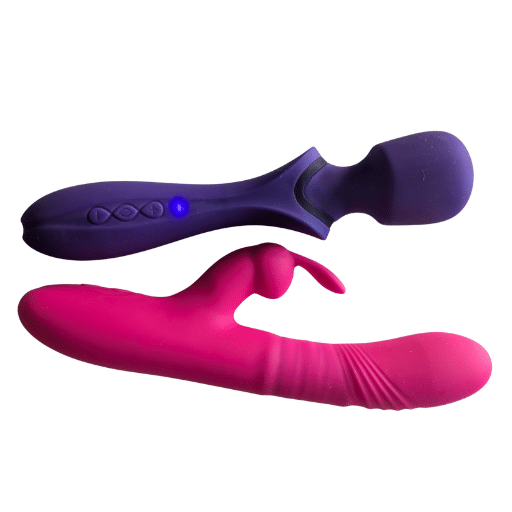
Another trend emphasizes the use of medical-grade materials and ergonomic designs that keep comfort and safety foremost in their minds. Most modern-day vibrators make use of hypoallergenic silicone, which is body-safe, non-porous, and easy to clean, hence mitigating any chance of bacterial growth and infections. Advanced modeling also brought about designs that cater to different body shapes so that they can be comfortable and accessible to a wide range of users.
Lastly, sustainability has found its way into vibrator development. To reduce any possible impacts on the environment, companies have started opting for rechargeable batteries, biodegradable packaging, and environmentally friendly production processes. This also satisfies the demand from customers who are increasingly wanting products that are sustainable but don’t compromise on their superior performance. These developments also demonstrate the industry’s determination to uphold innovation, user well-being, alongside environmental responsibility.
Luxury Sex Toy Market Insights
Over the last few years, the market for luxury sex toys has experienced significant growth, driven by the rising demand for premium products that offer exclusivity and superior quality. This segment caters to individuals willing to pay for darn designs, technical inputs, and superior material selection, often giving higher priority to the aesthetics of the product apart from its direct functionality. There is an increase in demand coming mostly from high-income groups, aided by increasing acceptance of self-care and wellness concepts in society.
Technology advancement is said to have been a driver that leads the market ogre. AI integration, app-based controls, and smart sensor activities have been standard features for luxury toys, creating data and highly personalized experiences. Manufacturers, though, do invest in such features to assure safety and comfort while providing discretion, such as the use of medical-grade silicone, hypoallergenic coatings, and motors that operate quietly. This goes toward creating a high-end, user-oriented experience that sets these luxury items apart from non-luxury ones.
However, Asia-Pacific is fast evolving to be another rapidly growing segment due to increased e-commerce penetration and awareness in urban centers. Projections of the market envisage sustained growth as innovations continuously respond to changing consumer needs, thus placing luxury sex toys alongside wellness and status items.
Consumer Preferences and Demands
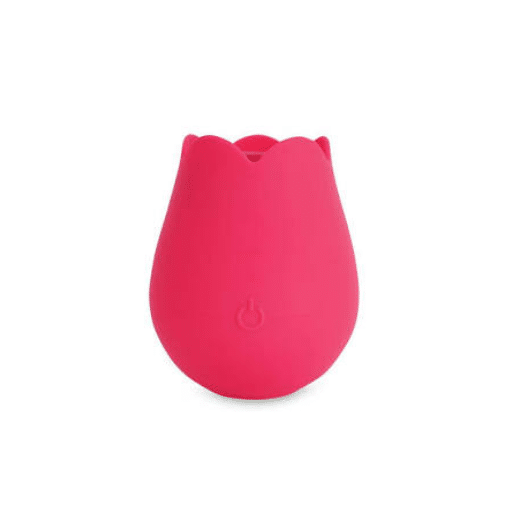
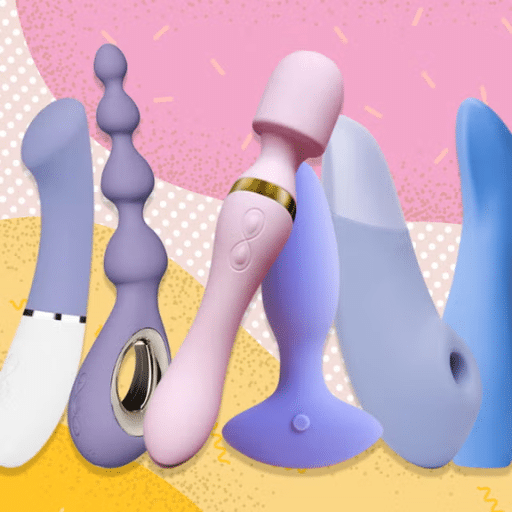
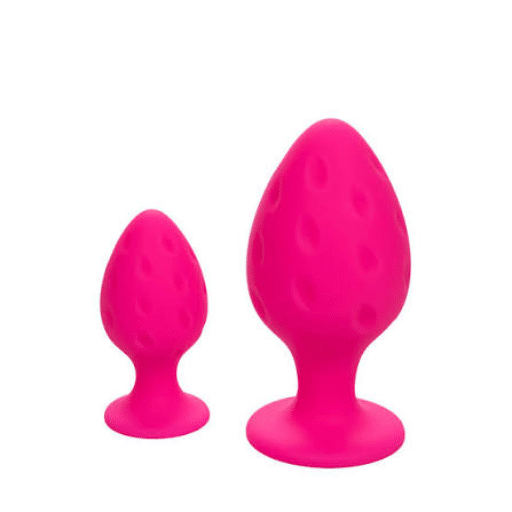
When consumers indulge in the luxury sex toy market, their preferences are influenced greatly by quality, design, and functionality. Clients of this segment want fine materials like medical-grade silicone, stainless steel, or glass, which provide safety, durability, and an enhanced sensory experience. Ergonomics is firmly considered, with comfort lying at the heart of such designs, while aesthetics are also considered. Easy-to-use designs become a priority along with modern aesthetics.
Technology features will also be groundbreaking in fulfilling consumer demand for app connectivity, customized vibrations, and being waterproof. All these features are not only designed for ease of use but also create a personalized user experience that fits the moving trend in the wellness industry to develop user-centered products. Besides, discreet operation, including quieter motors with less conspicuous designs, appeals to those consumers concerned about privacy.
Sustainability stays in play by further influencing buying decisions. Environmentally aware consumers want more products with environmental factors in mind regarding materials and packaging. This trend increasingly holds personal wellness on one side of the scalability equation with global sustainability on the other. It is an arena that allows brands pursuing ethical production practices to compete in earnest.
Innovative Materials in Toy Design

Body-Safe Silicone Applications
Body-safe silicone has become the material of choice in designing and manufacturing many products, given its excellent properties of biocompatibility, durability, and flexibility. This platinum-cured material finds frequent use in healthcare, child safety, and personal wellness industries. Body-safe silicone is hypoallergenic, unlike regular types of plastic or latex, thereby minimizing the occurrence of side effects such as allergic reactions or skin sensitivities triggered by the presence of harmful additives such as phthalates or BPA, or even latex proteins.
The advancement of silicone technology enabled the creation of other manufacturing techniques that are more experimental, such as liquid injection molding (LIM), which allows for precision in forming custom designs that have a high level of finish and good product performance. As an example, especially in the toy design arena, the points for that body-safe silicone are being increasingly considered for teething and play purposes since these materials are non-porous and, therefore, resist the growth of mold and bacteria. Additionally, silicone has high thermal and chemical stability, enabling the products to withstand sterilization processes and harsh environmental conditions, thus providing a greater guarantee of long-term applicability.
Statistical data testify to the growing demand for silicone products, with medical-grade silicone expected to witness a CAGR of symbolically 7.5% from 2023 through 2030. This is owing especially to increasing safety measures, regulatory compliance, and consumer awareness of the material composition in everyday articles. Body-safe silicone applications not only meet these tough consumer expectations but, in turn, also become the force of innovation in different sectors.
Eco-Friendly and Biodegradable Options
The demand for eco-friendly and biodegradable alternatives to silicones is burgeoning in many fields. Concern over plastic waste and its impacts on the environment has led many to the consideration of materials that offer a compromise between performance and sustainability. Silicone used to be synonymous with durability and resistance to environmental degradation; now, it is being ingeniously designed to be partly biodegradable: for example, some studies show that higher-grade formulations of silicones with bio-fillers may partially decompose under industrial composting conditions, with the emergence of a so-called green alternative solution in the global market.
One substantive feature of biodegradable versions of silicone lies in their retention of functionality while minimizing their environmental impact. Biodegradable silicones are being synthesized to disintegrate without harming either toxic micro-plastics into the environment, which makes them highly preferred for use in food-grade wraps, medical tools, and packaging. Manufacturers and researchers are thus looking at plants as the source of materials to create hybrid silicones that combine natural polymers with the high performance of conventional silicones. These innovations satisfy stringent environmental compliance regulations, thus providing a boost towards corporate responsibility activities that are aimed at reducing their overall carbon footprint.
Nevertheless, the scaling-up of these innovations without losing cost-efficiency and mass-market feasibility is a challenge legislated upon. Addressing some of these barriers has brought about collaboration between materials scientists, environmentalists, and commercial entities. By investing in advanced chemical recycling technologies, companies seek to be able to recover these silicone products and repurpose them after the end of their life cycle. The current innovations are also looking into possible avenues that could boost biodegradability without compromising on the heat resistance, flexibility, or inert properties that make silicone so indispensable. Such developments linking technological progress with sustainability aspirations indicate an evolving market that stands ready to revolutionize material science for a circular economy.
Smart Materials and Their Benefits
Smart materials, also called responsive or intelligent materials, possess properties that can change in a controllable manner when they undergo external stimulation. These stimuli may include temperature, pressure, light, pH, or electric fields. Working over a continuum of functionality that includes self-healing, shape memory, and adaptive responses, these materials have applications in various industries.
As an example, shape-memory alloys (SMAs) such as nickel-titanium (Nitinol), upon being heated under certain conditions, can return to their original shapes from deformed ones, hence being of great application for stents in medicine and also for aerospace instruments. Likewise, thermochromic materials change colors with temperature and are thus used in smart window applications, in textiles, or even as safety indicators.
They might be beyond fancy material names; however, the manifestations of smart materials are important for energy efficiency, sustainability, and performance optimization. For example, piezoelectric materials that produce electricity from mechanical pressure enable seismic sensors and energy-harvesting applications that lessen the power requirements of monitoring systems. Likewise, hydrogel-based materials, mostly applied in biomedicine, can swell or shrink when the environment changes, therefore setting the stage for adaptive drug delivery and wound care technologies.
The proliferation of smart materials is concomitant with the rapid upheaval in materials science to meet the present challenges of scarcity of resources, environmental sustainability, and technological commoditization. Capitalizing on the capacity of these materials to work with existing designs yet perform very specialized tasks will ensure a greater presence across diverse fields like healthcare, construction, and electronics manufacturing, leading to the transformation of industrial capabilities and the way consumers experience them.
User-Centric Design Approaches

Inclusivity in Sex Toy Design
The need for inclusivity has lately gained significance as manufacturers try to accommodate the many different identities, anatomies, and preferences of sex toy users. First and foremost, embracing inclusivity requires an awareness of varying physical needs, ergonomic considerations, and cultural sensitivities among users. For instance, developing products for inclusive sex toy design for people with disabilities naturally considers ease of grip in shapes, adaptable controls, and similar features that also allow for hands-free use. Products that are meant to be inclusive of gender often prioritize customizability or basic unisex designs, so that a greater audience may be entertained.
Separately, explicit market data reveals an increase in demand for flexible configurations, such as vibrators with modular attachments to accommodate certain preferences or harnesses for nonbinary or LGBTQ+ persons. Materials and products are further developed to be body-safe, hypoallergenic, and environmentally conscious: medical-grade silicones and recyclable components are obvious examples. In other words, this is a response to an increase in awareness among consumers about health and safety issues and environmental matters.
This, therefore, indicates the relevance of consumer research as well as an iterative cycle of development based on input from focus groups, forums, or user panels from the diversified community. Furthermore, inclusivity is not just an important consideration with regard to ethics but an important commercial consideration that should give the industries an edge to remain relevant amongst the conscientious market audience.
Accessibility for Diverse Preferences and Anatomies
Designing for accessibility is a very data-driven procedure that has to accommodate a wide variety of users across the globe who differ in preferences, needs, and even physical anatomies. This far extends compliance issues with all the connotations, into establishing feedback loops through data use, including demographic data, which creates a viable solution accounting for every change in physical ability, body dimension, culture, and mannerism of using the product.
So, for example, adaptive ergonomic consumer products are created with adjustable features or modular components aimed at satisfying ergonomic needs or deficiencies of persons with multiple physical characteristics, such as height, strength of grip, or reachability. Similarly, interface designs for digital products are increasingly using responsive technologies to ensure that no matter what device a user chooses or wants to interact with or what environment an application finds itself in, all interactions are smooth and workable for the user through their own choice of assistive technologies.
Keeping abreast of trends, recent instances have identified further flourishing uses of AI and machine learning in tailoring products to individual needs. From virtual fitting rooms that model body proportions to accessibility-centered software interfaces that observe user behavior in real time, it is precision adjustments enabled through such techniques that industries, eventually, seek to address the omnipresent need for personalization while not compromising on inclusivity and usability.
Emerging Technologies Impacting Accessible Design
Advanced technologies have brought about a fundamental transformation in accessible design. Among the most popular of technologies is voice recognition software with backend machine learning algorithms. These systems give more natural and dynamic models of interaction to a person who suffers from visual or motor impairment. Over time, they learn speech patterns of users, transcribing the input accurately, performing commands, or even predicting the intent of the user. More importantly, NLP advancements have created context-aware systems that pave the way to a much more intuitive, conversational front-end interface.
Another relevant new technology is haptic feedback technology, with growing use in touch-enabled interfaces tailored to help those with vision impairments. These systems offer tactile patterns by which a user can interact with the device without the need for visual feedback. For instance, smartphones and wearables use vibration patterns to personify alerts or directions through the navigation system. Similarly, haptic feedback also finds its applications within virtual reality environments to build an immersive experience for inclusive use cases.
Moreover, computer vision technology brings more disruptive accessibility innovations. In this context, image recognition and interpretation systems powered by convolutional neural networks describe a physical environment to visually impaired users of audio feeds in real time. Wearables and mobile applications with this functionality can find objects, read texts via Optical Character Recognition (OCR), and estimate distances of nearby obstructions. With the improvements in edge computing, these systems deliver fast localized processing, massively reducing latency and thus improving user experience. Altogether, these innovations depict the promise of emerging tools to evolve the concepts and practices of accessible design.
Balancing Functionality with Aesthetics
The main challenge in designing wearables and assistive technology is to make them a seamless amalgamation of function and beauty. Their primary goal is to enhance accessibility and usability for persons with diverse needs, but their adoption is also largely predicated upon their attractiveness and comfort level. Therefore, the more utilitarian a device is, the less probable its acceptance is among users who seek products that will blend easily with their personal style or social life. In other words, a wearable device integrated with state-of-the-art OCR must perform seamlessly while being subtle to the wearer.
Some advances in materials and industrial design now allow for the manufacture of thin, lightweight, and highly versatile wearables. By harnessing 3D printing technologies allied with smart fabrics, implications for product developers range from designing devices that may very well marry next-level capability with aesthetics that speak to very broad consumer trends. Being lightweight yet durable only bolsters user comfort, while modular approaches to design allow customization so that devices may serve diverse tastes. This blend of beauty with engineering reiterates the need for multidisciplinary collaboration so that devices exist not only in a functional paradigm but in a stylistic domain.
Thanks to the explosion of edge AI-powered processing and gesture-control interfaces, features like real-time analysis of scenes have not compromised the sleek, modern aesthetic. UX researchers stress that accessibility features should be integrated invisibly to heal the division historically created by social stigmas attached to most assistive devices. In general, by aligning technological advances with ergonomic and aesthetic considerations, their creators would not have stopped far short socially or functionally.
Sustainability in Sex Toy Manufacturing

Reducing Waste in Production Processes
Idle waste in producing sex toys is a combined effort in applying advanced technology in manufacturing and sustainable judgment in material selection. The implementation of closed-loop systems is pertinent. They are intended to minimize material excess through recycling scraps into useful items or sending byproducts back into the system for further manufacture.
Material innovations form another aspect of waste reduction. However, interface-mellowing substitutes for virgin plastics can be made with biodegradable ones or with recycling; such methods lower environmental impacts while fitting into consumer markets that are choosing more products of a sustainable nature. More and more producers are trying to manufacture toys and silicone and thermoplastic elastomers (TPEs) that meet both and standards of durability and the environment, and safety for intimate use.
The second and third aspects of environment and waste reduction consist of energy-efficient processes practiced in the facilities, renewable energy for the factory, and recycling of water sources. Proper waste segregation and disposal methods for landfill wastes should again be considered for a sustainable goal. One can now say that the infusion of all these aspects completes the trinity of innovation, efficiency, and environmental responsibility in the currently fast-paced production game.
The Rise of Eco-Conscious Brands
The transformation of contemporary consumer landscapes with environmental consciousness is fueled by the swelling population of environmentally conscious consumers and the demand for sustainable practices. In integrating sustainable innovations into the very core of their business models, these brands strive to remain balanced between ecology and profit. Taking practices that include biodegradable packaging, carbon-neutral methods of production, and ethical sourcing concerning global issues in curbing carbon footprints and resource depletion is an immediate consideration.
Recent industrial reports speculate changes in the preference of consumers, complaining that about 60% of consumers worldwide find paying a premium for sustainable goods acceptable. An eco-conscious business is considered to serve these environmentally conscious customers while forging the standard edge of this business ahead into the realm of setting standards by way of anticipating regulatory pressures and corporate social responsibility demands.
The phenomenon portrays the burgeoning amalgamation of sustainability with innovation, as brands deploy technologies such as blockchain for transparent supply chains, renewable energy for their operations, and advanced recycling technologies for waste minimization. In the process, eco-conscious brands foster environmental stewardship and establish standards for coexistence between sustainability and profitability in the modern economy.
Consumer Awareness and Market Impact
Consumers are becoming more aware of the many environmental and ethical issues arising in these modern times. With the increased access to information and climate change, depletion of resources, and social equity issues becoming dominant global topics, consumer awareness about such issues is at an all-time high. Recent studies report that for more than 70% of consumers, sustainability is an important consideration in purchasing and therefore can be a primary inducer in an actual purchase. Younger consumers help drive this change, with families such as Millennials and Gen Z showing their preferences; 62 percent of Gen Z prefer brands that promote sustainability over more conventional brands.
Market analysts observed that the return in the business side of things was realized by companies that go from investing dollars in sustainable initiatives, customer retention rates and long-term loyalty. Companies with integrated carbon disclosure frameworks report, for example, an average revenue growth forecast of 5% in the last fiscal year when analyzed, which already indicates the financial rewards that come with environmental accounting. These practices have profited industries in transforming their competitive environment and rewarding their integrators on circular economy principles and innovative eco-friendly technologies to stay relevant.
In addition to furthering their own brand identities, brands aligning their operations with ever-growing consumer demand for sustainability are enabling the actual realization of said sustainability efforts in the global climate and ethical quest.
Advancements in Technology for Sex Toys

App-Controlled and AI-Personalized Devices
In recent years, app-control and AI have headed the sex toy industry on a promising journey toward user customization and greater ease of use. With app controllers, you can set your device to employ specific vibration patterns, intensity levels, or duration to operate it smoothly through your smartphone or other app-compatible device.
Further down the road, AI personalization goes an extra mile by essentially learning and adapting to stimulation methods according to a client’s preferences and habits in real time. These devices go much further utilizing various sensors, machine-learning algorithms, and user data to ensure unique and customized experiences that evolve with time. For instance, some products adapt to an individual’s physiological feedback, like heart rate or skin sensitivity, to help tailor their responses to the device.
This fusion of app management and AI-powered technologies responds well to an increasingly discerning consumer base eager for smart and user-centered solutions and shows how innovation finds its way into sexual wellness. With privacy and data security issues still very much alive, the framework must maintain an ironclad form of cybersecurity to ensure that the sensitive user information these devices collect is not compromised.
Connectivity Features Enhancing User Experience
Sexual wellness devices of today are equipped with sophisticated connectivity features, which builders believe will enhance functionality while providing ease to integrate into their users’ daily lives. BLE technology, for instance, allows for efficient wireless communication with low power consumption. Those with Wi-Fi capabilities make it possible to synchronize data faster and facilitate real-time updates, usage tracking, or opportunities for virtual coaching or guided sessions through companion apps.
Further, common to these devices is the ability to maintain compatibility across platforms, ensuring consistent operation across different OSes and devices. Such integration with cloud-enabled systems enriches the user experience by offering backup for data and remote access to personalized settings. With AI-powered analytics, one could funnel actionable insights back to the end-users, depending on their preferences and behavioral paths.
Encrypted connections and secure API implementations are the first line of defense in the security ecosystem to safeguard user data while communicating with the device or an app. To keep user trust intact, one should also ensure strict compliance with the GDPR legislation and employ state-of-the-art authentication means to make them abide by some very stringent standards of data protection. The connectivity solutions, in union with all these recent improvements, present an obvious case for muting any discussions about the essentiality of a strong connectivity infrastructure within a smooth, data-driven, and secure user experience.
Future Innovations on the Horizon
The technological landscape is changing dynamically, powered by breakthroughs in machine learning, artificial intelligence, and edge computing technologies. One of the most powerful currents pounding through the tech sphere is the integration of quantum computing with clouds, offering computational speed that was never conceived of before and tackling problems too hard for classical computers.
Another fruitful domain remains IoT, where edge computing will permit real-time data processing nearer to source devices. In contrast to the traditional centralized system, edge systems see much less latency and victory from greater operational efficiency and support decision-making in scenarios where time is key. For instance, these developments have tremendous potential in the autonomous vehicle space due to the rapid data analysis at the edge that can be performed to enable safer navigation and respond fast to changes happening around the vehicle. The spread of 5G networks will, in turn, complement this emergence by providing the low-latency, high-capacity connectivity demanded by the IoT ecosystem.
Also, the increasing advancements in cybersecurity frameworks will prove necessary by further increasing volumes of digital interactions and their sensitivity. On the other hand, emerging technologies that include homomorphic encryption promise to see a breakthrough as they allow computation within encrypted data without exposing data to possible breaches. Enhanced zero-trust security architecture is fast becoming the topmost security architecture for granting access to resources irrespective of location or the user’s end device. These ordinal innovations, in line with global regulatory harmonization and privacy-first designs by the user, will successfully define another era of safe and efficient technological advancement, ensuring that systems and platforms survive attacks and threats of relevance to the new generation.
References
-
“Properly selling the improper”
This article discusses the design and marketing of sex toys, focusing on the social labor among sex toy makers. -
“Transcending traditional approaches to sexuality education”
This case study explores sex-positive sexuality education, including the role of sex toy retailers and their impact. -
“Gendered morality in the sex toy market”
This research examines gender dynamics in the sex toy market, particularly how design caters to specific demographics.
Frequently Asked Questions (FAQ)
Q: What is involved in the sex toy design process?
A: The sex toy design process involves several stages, including ideation, prototyping, and user testing. Designers brainstorm ideas based on individuals’ specific preferences and needs, then create 3D models using CAD software. This is followed by rapid prototyping, which allows for quick iterations and testing before full-scale manufacturing.
Q: How are personalized pleasure products created?
A: Personalized pleasure products are created by considering the unique preferences of each user. This involves conducting surveys or focus groups to gather insights on what features customers desire in a sex toy design. By understanding these needs, designers can refine their products to meet the specific demands of their target audience.
Q: What materials are commonly used in sex toy design?
A: Common materials in sex toy design include abs plastic and body-safe silicone. These materials are chosen for their durability, safety, and comfort, especially for people with sensitive skin. Ensuring that the toys meet safety standards is crucial for user satisfaction and health.
Q: How does user testing influence the design of adult toys?
A: User testing plays a vital role in the design of adult toys. It allows designers to gather feedback on the functionality and comfort of their products. By addressing issues identified during testing, designers can make necessary adjustments to improve the overall experience and ensure the toy works effectively.
Q: What role do safety regulations play in sex toy design?
A: Safety regulations are critical in sex toy design as they ensure that products are safe for consumer use. Manufacturers must adhere to rigorous testing and quality assurance processes to guarantee that their products meet established safety standards. This is essential for building trust with consumers.
Q: How can sex tech enhance the user experience of sex toys?
A: Sex tech can enhance the user experience of sex toys by incorporating innovative features such as app connectivity, customizable settings, and interactive functionalities. These advancements allow for new sensations and improve personalization, making the toys more appealing to a broader range of users.
Q: What is the importance of bright colors in sex toy design?
A: Bright colors in sex toy design can attract attention and create a more playful aesthetic. Many users appreciate vibrant designs, which can enhance the overall experience and make the products feel more inviting. Additionally, using a variety of colors can help users express their personal preferences.
Q: How does a sex toy company ensure product quality?
A: A sex toy company ensures product quality through a combination of rigorous testing, quality assurance, and adherence to safety regulations. This process involves evaluating the toys for durability, safety, and user satisfaction before they are released to the market.
Q: What are the latest trends in designing sex toys?
A: The latest trends in designing sex toys include the use of eco-friendly materials, customizable features, and the integration of technology. Designers are increasingly focused on creating products that cater to diverse preferences and promote inclusivity, enhancing the overall appeal of adult toys.