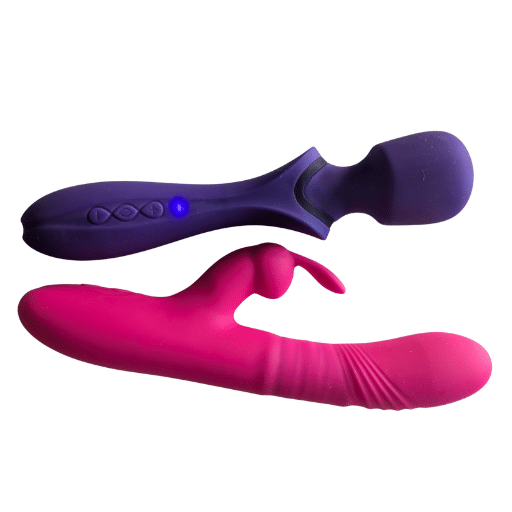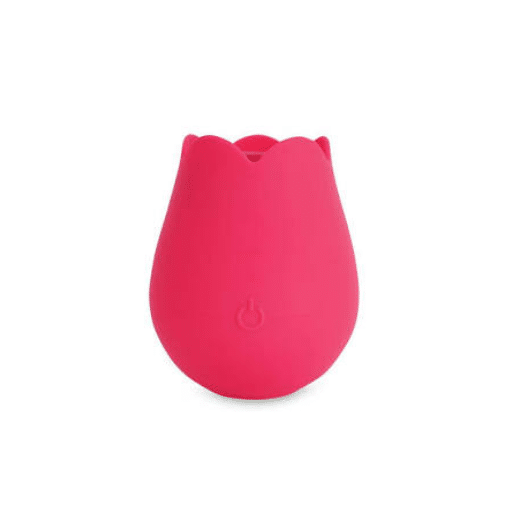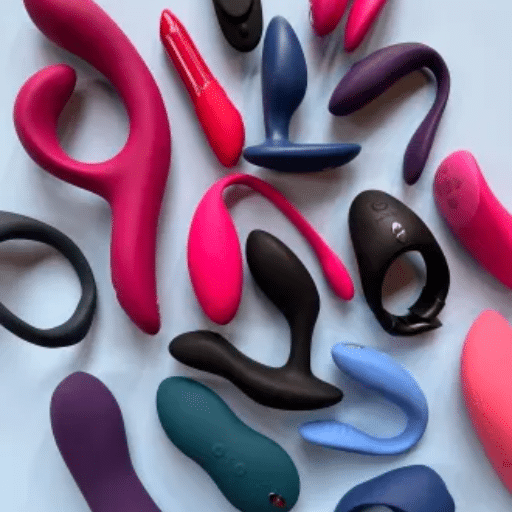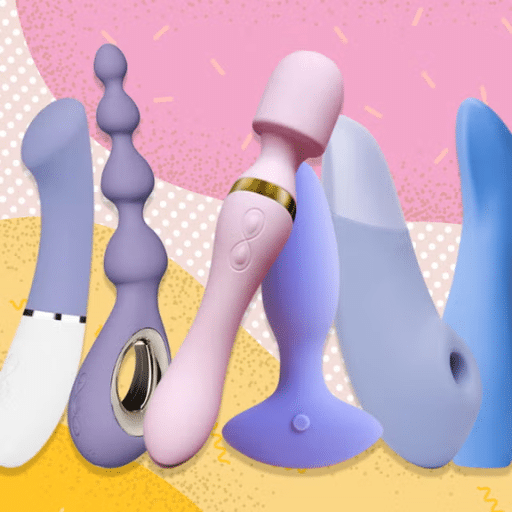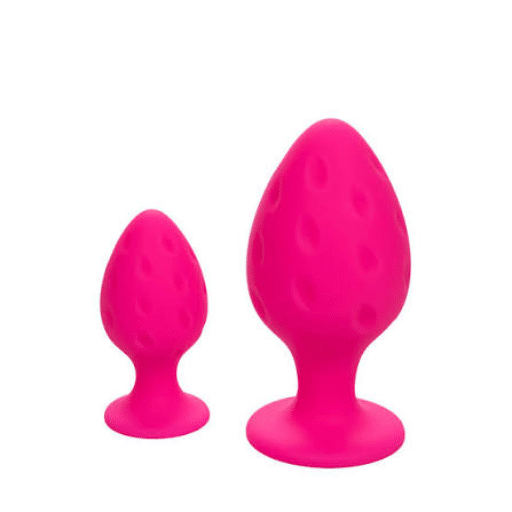

The adult toy industry has grown exponentially over the past decade, with innovation and craftsmanship at the forefront of its evolution. Behind the sleek designs and functions of every product lies a fascinating and meticulously planned manufacturing process that ensures quality, safety, and satisfaction for consumers. This article pulls back the curtain to provide an authoritative overview of how adult toys are brought to life—from the initial ideation to material selection, prototyping, and rigorous testing. Whether you’re curious about the craftsmanship involved or the industry standards that ensure these products cater to diverse needs, this deep dive explores the intricate world of adult toy manufacturing without sacrificing technical or informative rigor.
Understanding the Sex Toy Industry

Overview of the Adult Toy Market
The major client for the adult toy industry has witnessed tremendous growth over the last decades, owing to greater social acceptance, changing cultural mores, and technological advancement. As per the market research, the global adult toy industry was believed to be worth nearly $35 billion in 2022, with forecasts highlighting further expansion at a CAGR of more than 7% until 2030. Training in sexual wellness and the availability of distributors through e-commerce channels, as well as new product designs targeted at individual preferences, have led to bigger and better sales.
The range of customer demographics in this industry is diverse, covering all age groups, genders, and sexual orientations. Demand for these products was once mostly higher among distinct classes. Lately, however, events show actions of all segments. Changes in social perception of Asian masculinity have cell treatment, wherein access to educational resources becomes widespread–have allowed this domain to foster inclusiveness, where users now feel empowered to explore and take solo priority in their sexual health.
Segmentation is another facet of study that provides insights into the adult toy industry. Major product segments include vibrators, dildos, lubricants, BDSM accessories, and male-centric products, among others. Vibrators enjoy market leadership due to their highest adaptability and wide-ranging market appeal. Moreover, an innovative wave has risen through app control and climate-friendly materials, appealing to the modern consumer. Firms that pursue these trends while ensuring they match strict safety and quality parameters stand the best chance of remaining competitive throughout this growing world market.
Trends in Sex Toy Manufacturing
The sex toy industry is trending majorly in technological advances today, the adoption of smart technology, and a burgeoning trend of app-enabled products. The devices would allow the user to customize them or use them at a distance by remote control, but generally, they offer greater interactivity and may have features that include Bluetooth connectivity, data tracking, and AI-powered settings to give the end user a more personalized experience. In a way, such an innovation translates to user gratification and goes with the current trend of consumers inclined toward personalized and connected products.
Another trend that is far-reaching is the use of sustainable and body-safe materials in manufacturing processes. Definite materials such as medical-grade silicone; thermoplastic elastomer shine for their safety and durability, while their nonallergenic character is an added advantage. Coming over environmental concerns, the companies are also venturing towards using biodegradable materials and recycled substances to cut down on environmental pollution for the more environmentally conscious crowd. Manufacturers elevate the brand’s prestige and take a conscientious stance on safety and sustainability.
Lastly, diversity and inclusivity are keywords being put into practice in design and marketing. The focus is shifting toward making products that address more and more preferences, genders, and sexual orientations. Fuelling industry change by gender-inclusive designs, adaptive shapes, and inclusive marketing to represent various consumer needs. This emphasis on diversity essentially increases market penetration and builds goodwill toward companies that champion social equity and representation.
The Role of Toy Manufacturers in the Industry
Manufacturers of toys serve a primary role in directing innovation, maintaining safety standards, and fulfilling the changing tastes of today’s consumers while building the very toy industry. As an active force of creation and influence in determining trends that affect commerce and societal predispositions to play, creativity, and diversity, manufacturers develop toys signifying present-day values to integrate a more inclusive and imaginative experience for children.
To give the customer this sense of safety, all manufacturers must obey stringent safety regulations to ensure that all toys produced on the market are quality toys compliant with safety standards. They must follow guidelines for the safety of materials, maintain standards so hazardous materials are not used, and undergo strict testing procedures. In this effort, ensuring consumer safety is the most important factor in this competitive market, where parents and guardians would put the well-being of their children above everything.
Toy manufacturers also influence the discourse regarding representation and inclusivity within the industry. They assist with breaking stereotypes and aid both cognitive and social development for all children through gender-neutral designs, varied characters, and adaptable toys. Aside from catering to certain demographics, it reinforces their brand equity by standing for equal representation, which in turn generates brand loyalty in the long term.
The Adult Toy Manufacturing Process

Materials Used in Adult Toy Production
Materials that comprise adult toys are very important to ensure their safety, durability, and customer satisfaction. Body-safe silicone has been considered a preferred material for a great many manufacturers, attributing such consideration to the qualities it possesses of being hypoallergenic, non-porous, and sterilizable. Medical-grade silicone meets stringent safety requirements and is generally applied to lessen instances of irritation and contamination. Other than silicone, thermoplastic elastomer (TPE) is commonly used for its soft, flexible feel that can mimic tactile sensations practically while staying relatively inexpensive. However, TPE is more porous than silicone; thus, the use and maintenance instructions are to be carried out with care.
ABS plastics can be found in some adult toys, providing rigidity and durability to either an internal structure or an external casing. Stainless steel and aluminum alloys may adorn higher-end designs, prized for their ability to retain temperature as well as lend a sense of luxury. Glass and ceramic appear at times as well among atypical materials, which are non-porous, aesthetically beautiful, and require close quality monitoring to ensure their integrity.
Highest quality standards and regulations, such as FDA or EU REACH compliance, are to be implemented in selecting materials. They should be non-toxic and free of phthalates to ensure that adverse health effects are prevented. Even further promotion of biodegradable or recyclable options is in the making, which demonstrates a commitment to sustainability, in turn reinforcing the significance of environmentally conscious manufacturing.
Steps in the Manufacturing Process
The manufacturing process includes a range of major steps that guarantee quality, efficiency, and adherence to industry standards. It involves precision engineering and other advanced technologies to maximize material performance and product life.
- Material Selection and Preparation: It starts with choosing raw materials that satisfy a given set of specifications, including performance values and regulatory standards. They are checked for consistency, purity, or function, then are taken through pre-treatment processes such as cleaning, mixing, or compounding to render them more amenable to production.
- Forming or Shaping: Materials are shaped for the intended purpose by injection molding, extrusion, or casting, depending on the application. Selection of temperature, pressure, and mold design ensures correctness of geometry without infringement of structural strength.
- Machining and Finishing: To attain a higher tolerance level, machining may need to be done on the formed component. Finishing processes such as polishing, coating, or texturing increase appearance, corrosion resistance, and lifespan of materials.
- Assembly: Assembly of fitting multi-component systems may involve mechanical fastening, adhesive bonding, or sometimes welding, depending on the material or design needs. Automation and robotics are increasingly being used to add precision to the assembly and eliminate human errors.
- Quality Control and Testing: Products go through severe quality checks involving dimensional measurements, mechanical testing, and chemical analysis. Non-destructive testing, which includes ultrasound scanning or X-ray inspection, is carried out to locate internal defects. And compliance testing is carried out to confirm conformity with standards, be it ISO 9001 or ASTM specifications.
- Packaging and Distribution: In the end, the product is packed with environmentally friendly and protective materials to ensure that it goes on a smooth transit with a slight impact on the environment. Barcodes and traceability systems are incorporated to keep track of inventory and enhance operational transparency during distribution.
All these steps are of utmost importance, reinforced by continuous monitoring and data-driven decision-making, which very much notice the adoption of innovative practices in modern manufacturing. These workflows are further enhanced by emerging technologies, such as AI and Machine Learning, that identify inefficiencies and anticipate maintenance opportunities, keeping the system sustainable and competitive.
Quality Control Measures in Toy Manufacturing
Quality control in toy manufacturing maintains great importance in ensuring that all final products meet safety, durability, and performance standards at the highest levels. In this regard, selected raw materials are scrutinized so as to warrant them to be non-toxic and child-safe materials on par with international safety regulations such as ASTM F963 or EN71. During production, inspections are carried out at short intervals at each stage to detect defects arising from anything as simple as a structural weakness or casting flaw to discrepancies in coloring or assembly.
Advanced technologies are of paramount significance in the practices of modern quality control. In real-time, automated systems equipped with sensors and cameras carry out inspection, thus detecting imperfections even on the order of microns. For example, 3D scanning equipment is employed to verify dimensional accuracy, while various forms of stress-testing machines ascertain how resilient the toy is under differing conditions. The chemical analysis systems then ensure that paints, plastics, and adhesives used do not contain harmful substances like lead or phthalates, thus protecting the end users, children.
After production, rigorous physical tests are conducted on the toy, such as drop tests, bite tests, and tension tests to imitate real-life situations and ensure that it is safe enough to be used under general play conditions. Another testing process the toys undergo is an age group classification test to see if the toys are appropriately labeled for the intended groups. In integrating such stringent quality control withthe latest technology, companies stand not only to gain compliance with safety standards but also an increase in customer confidence in their brand and reputation in a fiercely competitive market.
Branding and Marketing in the Sex Toy Business

Building a Brand in the Adult Toy Industry
The finest mixture of innovation, transparency, and audience engagement creates an excellent brand in the adult toy industry. Defining the core brand value first and bringing it into alignment with clients’ wants and expectations forms the basis of any branding effort. Because of the sensitive nature of the industry and the stigmatized environment, brands must focus on communication and trust-building. This requires brands to be guided by insights gleaned from data in crafting inclusively worded discreet messaging, thus attaining a broader appeal while protecting consumer confidentiality.
Brands differentiate themselves by offering new approaches both in designing and packaging their products. The minimalist and smooth looks commonly appeal to the current generation of users who want their products to be functional and aesthetically pleasing all at the same time. The use of environmentally friendly materials and production processes stands as positive brand positioning, especially because consumers are increasingly making eco-friendly choices in their purchasing decisions.
The importance of digital marketing cannot be overemphasized in this field since search engine algorithms, together with social media platform advertising policies, prevent the use of overt advertising for adult products. Focusing instead on content marketing, such as blog posts, educational videos, and collaborations with influencers or experts from the industry, allows a company to sidestep limitations of regular advertising and establish itself as a niche authority. Not only will these avenues improve brand visibility, but they will also drive organic traffic toward value-laden content relevant to potential customers.
Leveraging consumer reviews for referrals, as well as user-generated content, has another side for building credibility. Transparent feedback systems and testimonials highlight product quality, lending the sense that one can trust the industry, thus ensuring long-term loyal customers in an environment where being discreet and authentic is synonymous. Through scrupulous brand building, filled with data, strategy, and creative thinking, adult toy companies can make that leap and effectively come up with a name for themselves in this very crowded market.
Packaging Solutions for Adult Toys
Effective packaging solutions for adult toys need to provide a good balance between discretion, functionality, and identity, all while considering the changing consumer expectations. Trend reports have, in recent times, given importance to the use of eco-friendly and sustainable materials to acknowledge the environmentally conscious consumers. Such materials could include recyclable paperboard, biodegradable plastics, or plant-based polymers that are renewable. Besides, a greater trend is leaning towards minimalistic, aesthetically pleasing packaging designs, which align with modern branding for a sleek look and better shelf presence.
Technical considerations involve tamper-evident seals along with durable packaging materials that ensure product protection during shipping. As per data from industry analyses, almost 35% of buyers prioritize discreet and unbranded packaging, especially in cases of direct-to-consumer e-commerce transactions. Including QR codes or NFC tags on packaging will take the consumer interaction off the digital realm to the physical world through product-dependent tutorials, care information, or warranties.
In the process of synergizing such user-centered design engineering with new-age material technology, the brands will also be upholding sustainability goals while making their mark in the competitive market.
Product Line Development for Sex Toys

Creating Diverse Product Lines
In building their product lines, in the highly competitive adult toy industry, an understanding of consumer behavior, technological advancements, and key trends in the sector is paramount. Companies must design products in different shapes, sizes, materials, and functions to accommodate a wide range of needs, desires, and body types. Incorporating the newest technology of app control, AI, or innovative materials like body-safe silicone, or even biodegradable materials, can enhance the user experience while maintaining safety and eco-friendliness.
Recent market analysis data suggest a growing demand for discreet, travel-friendly designs and products catering to gender inclusivity and non-binary options. This is a clear indication of shifting preferences towards inclusivity and personalization. Moreover, adjustable vibration patterns or modular components can significantly increase consumer satisfaction by accommodating very specific requests.
Having access to such in-depth consumer insight and combining it with clever design helps brands expand in product offerings while cementing their position in an environment that is rapidly becoming dynamic.
Consumer Insights and Product Design
Consumer insight integration into product design is another tremendous modern business strategy. Companies that actively exploit data from customer preferences, behaviors, and feedback are in a good position to design products that can touch their audiences. Through pattern analysis could be as purchase history, browsing habits, or even local purchase trends brand could create a pretty clear picture of consumer needs. Modern tools powered by advanced analytics, artificial intelligence, or even search engine trends can support identifying gaps in the market and predicting emerging demands. The use of such tools ensures a data-centric product journey, thereby reducing the risk of product failure and maximizing ROI.
Search data may facilitate the emergence of micro-trends-from alterations in keyword utilization to amplified attention to niche categories-aiding companies in constantly framing and refining their strategies. Refrain from relying on generic, phrase-based results and, rather, encourage designers to interpret deeper user intent and further nuances that may direct design. Search analytics can support direction for decisions on color, functionality improvements, and even the birth of completely new product categories stimulated by ever-changing user demands.
When paired with innovative design thinking, this insight converts into an increasingly agile and responsive product development process. Using this intelligence, teams develop modular, scalable, and customizable products directly responsive to consumer expectations. The loop of feedback and iterative design intervenes to keep new product iterations fresh and well considered. In closing, the balance between consumer insight and state-of-the-art search analytics will keep a company winning in consumer customizations that have proven feasible against ever-changing consumer preferences.
Responding to Market Demands
Meeting market requirements necessitates an occasion-driven approach that merges real-time data analytics with intense consumer behavior information. Advanced data-driven technologies offer businesses deep visibility into consumer choice, preference, and trend factors. Such layered insights allow firms to predict demand for the purposes of designing offerings currently in sync with or soon to be in sync with market preferences. Equally as important is establishing real-time feedback loops and choosing cloud infrastructure to ensure workflows remain agile and can react to changing market dynamics.
The interpretation of keyword patterns, search intent, and interest metrics by geography gives companies traction in fine-tuning market strategies and designing endeavours that resonate across the demographic spectrum. Such layers of search data complement the internal insights by providing an objective confirmation analysis or by pointing out areas where the current market strategies might be lacking. However, it becomes imperative to go beyond merely phrase-based search results to analyzing user behavior within context, along with AI tools. This approach would ensure that organizations will not remain glued to reactive behavior, but rather have a proactive approach where companies are enabled to shape their offerings through predictive modeling and hence stay relevant in volatile markets.
The other side of this equation calls for investments in cross-functional strategies that integrate marketing, the supply chain, and product development under one framework. Alignment of consumer-facing insights with backend capabilities, including supply forecasting and modular product design, is essential to building time,y valued solutions. By bearing watchful eyes on market demands and robust data points, companies guarantee smooth operations, with consumers truly engaged. This holistic analytical treatment fosters a more sustainable and competitively positioned business model ready to adapt to and help shape upcoming market trends.
Challenges and Opportunities in the Toy Industry

Regulatory Challenges for Adult Toy Manufacturers
Regulation of the adult toy industry remains a complex matter, especially as jurisdictions differ greatly across regions. Meeting consumer protection laws involves adhering to the compilation of standards of safety, materials, and labeling. Across international borders, materials used in creating adult toys must conform to very strict standards of non-toxicity. These restrictions apply to phthalates, latex, or heavy metals. They also have to be EMC-compliant in case any electromagnetic device is embedded into the trinket-which is often true in a modern setup of devices.
Misalignment among the local, national, and international trade laws is the cause of yet another macabre confusion in classification. In some jurisdictions, these products are considered medical devices; hence, compliance with medical-grade regulations is necessary. Others consider them consumer goods, for wherein different testing and certification requirements must apply.
Marketing and distribution stand equally obstructive if the platforms or payment processors have restrictive policies on the advertisement and sale of adult products. On the other hand, manufacturers still must maintain digital compliance, particularly data security standards, if app integration or IoT capabilities enter the equation. Full compliance failure across the globe can impose grave penalties, even recalls, and a detrimental reputation that accentuates why defining regulatory know-how and industry foresight becomes a must.
Innovation in the Sex Toy Market
In the wake of technological developments witnessed by the sex toys market, becoming highly complicated and advanced in their operations, user experience has been taken into consideration, and compliance standards have become much stricter. Therefore, incorporation of smart technologies such as IoT-enabled devices offers a high degree of personalization, enabling app-controlled settings, biometric feedback, and various modes of remote operations. Some devices even use AI to adjust themselves in real time to user preferences, creating more intuitive and personalized experiences.
Market trends show increasing customer demand for body-safe materials, and manufacturers are therefore increasingly employing hypoallergenic options such as medical-grade silicone or non-porous metals to uphold international safety standards and customer expectations. Simultaneously, sustainability is a new priority: focus is therefore on designing eco-friendly options with rechargeable batteries and recyclable materials.
On the regulatory front, it is highly crucial to ensure a strict data security framework abiding by the GDPR, CCPA, and other such regulations, given that these devices generally collect personal and sensitive information from their users. If the developers fail to comply with strong encryption standards or secure cloud-based integrations, heavy fines and loss of trust from consumers would be expected in return. This high-stakes environment forces manufacturers into an expensive race for compliance, cybersecurity, and transparent privacy measures.
Ongoing developments speak of a market that supports technology at the forefront and values all concerns of user safety and ethical responsibility, changing the narrative around these products and finding relevance in society and technology.
Future Trends in the Adult Toy Industry
The adult toy industry will be pushed to jump into major advancements as tech-front innovations, in tandem with consumer demand for personalization and wellness. One key trending AI integration allows adaptive and immersive user experiences. That is, the AI-enabled devices will feature more and more learning algorithms that define user preferences and customize vibration patterns and intensities or functionalities to suit them.
Another fit trend revolves around the booming development of teledildonics, whereby internet-connected technology allows remote intimacy. Its popularity can be expected with long-distance relationships becoming rather commonplace in this globalized world. Further privacy and security enhancements ought to continue as manufacturers make concerted efforts to address users’ encryption and anonymity concerns.
The other change is sustainability, where manufacturers opt for greener options like medical-grade silicone that is biodegradable or recyclable packaging. In other words, these changes track larger-stage consumer demands for green and environmentally conscious products.
Further emphasis is being given to sexual health and wellness by the industry. Therapeutic-use-based items, comprising those that help to strengthen the pelvic floor or facilitate post-operative recovery of the device, are increasingly meaningful right now. This evolution buttresses the positioning of adult toys as being in tune with the larger health tech and wellness market trends.
The market data also tends to show the continuing diversification of markets. Developing areas of Asia and Africa emerge as major consumer markets, while inclusivity in design has been increasingly foregrounded to accommodate different sexual orientations, physical abilities, and gender identities. These trends forecast a future in building accessibility and user-driven innovation with ethical responsibility in designing the next generation of adult toys.
References
-
Properly selling the improper – This article discusses aspects of sex toy manufacturing and certification.
-
Sex Toys in the City: Pleasure, Profit, and Sex-Positive Cultures in Portland – A thesis exploring the cultural and market dynamics of sex toys, including manufacturer perspectives.
-
The War on Sex Toys – This paper examines legal and societal aspects of sex toy sales and usage.
Frequently Asked Questions (FAQ)
Q: What should I look for in a sex toy manufacturer?
A: When selecting a sex toys manufacturer, it’s essential to consider factors such as the quality of their products, compliance with safety regulations, and the use of body-safe materials like silicone. Additionally, look for manufacturers with a solid reputation for exceptional customer service and those who offer discreet packaging for privacy.
Q: Are the materials used in sex toys safe for the body?
A: Yes, high-quality sex toys are often made from body-safe materials that do not contain harmful chemicals like phthalates. Reputable manufacturers prioritize product safety by using materials that enhance user experience while ensuring compliance with local regulations.
Q: How can I ensure the quality of adult pleasure products?
A: To ensure the quality of adult pleasure products, choose manufacturers known for their high-quality standards and who provide transparency about their materials and manufacturing processes. Look for products that are ergonomically designed and easy to clean, as these features can greatly enhance user satisfaction.
Q: What is the importance of discreet packaging in the adult novelty industry?
A: Discreet packaging is crucial for maintaining customer privacy. A reputable sex toys manufacturer will ensure that products are packaged in a way that conceals the contents, allowing customers to feel comfortable and secure when ordering adult products.
Q: How do sex toy companies keep up with industry trends?
A: Sex toy companies often conduct market research and stay engaged with customer feedback to understand industry trends. They may also participate in trade shows and collaborate with influencers to innovate and enhance their product offerings, keeping their brand identity relevant.
Q: What role does customer service play in the sex toys industry?
A: Exceptional customer service is vital for sex toys manufacturers as it helps build trust and loyalty among customers. Providing clear information, addressing inquiries promptly, and respecting customer privacy are key components of effective customer service in the adult industry.
Q: Can I find sex toys that cater to specific preferences?
A: Yes, many sex toys manufacturers offer a variety of products designed to cater to specific preferences, including different sizes, shapes, and features. By exploring various options available from reputable retailers, you can find products that suit individual tastes and enhance sexual experiences.
Q: What are the benefits of buying wholesale from a sex toy manufacturer?
A: Purchasing wholesale from a sex toy manufacturer can offer significant cost savings, making it an attractive option for retailers and entrepreneurs. Additionally, buying in bulk allows for better inventory management, enabling retailers to keep track of stock efficiently while offering a wider range of products to their customers.