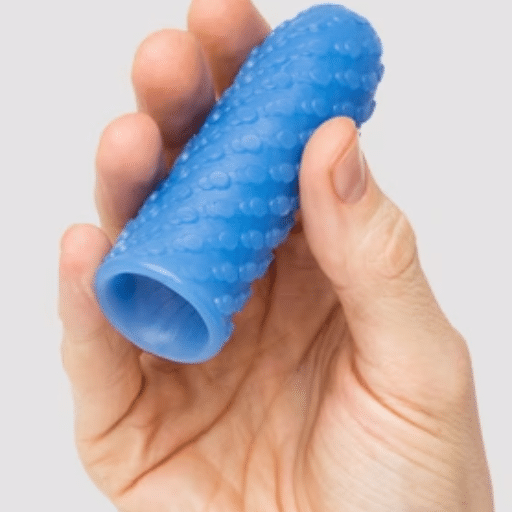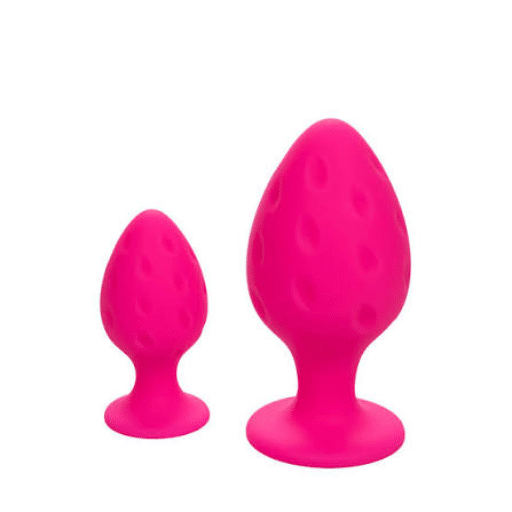
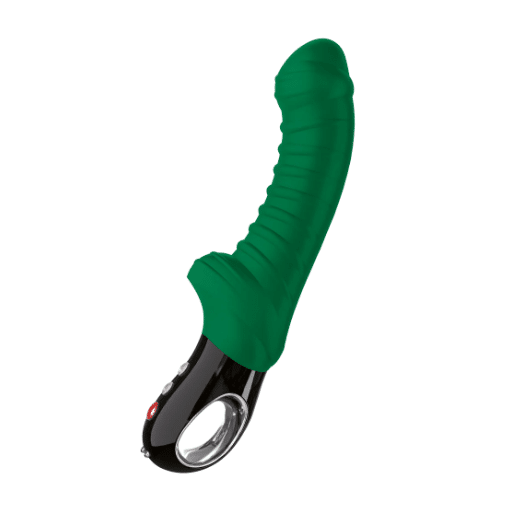
The adult toy industry has seen remarkable growth over the past decade, driven by evolving societal attitudes, advancements in technology, and increasing demand for personalized solutions. For designers and manufacturers looking to break new ground, the ability to create custom adult toys has emerged as both a challenge and an opportunity. This article serves as a comprehensive exploration into the intricacies of crafting bespoke adult products, blending design innovation with technical precision. Whether you are an industry professional or an aspiring creator, this deep dive will shed light on the manufacturing processes, material considerations, and design principles required to deliver products that are as functional as they are unique.
What is the adult toy manufacturing process?

Understanding the adult toy industry
In a world of constantly changing consumer preferences, technological developments, and a global acceptance of wellness-focused products, the adult toy industry is a budding and highly specialized sector. The main manufacturers seize all opportunities to redesign product concepts and bring innovation in design and functionalities, all while adhering to quality and safety standards put forth by regulatory agencies. The market covers all products, including vibrators, stimulators, and wearable devices, all of which consider end-user experience and ergonomic values in the design.
Compliance with regulatory standards is another dimension of the industry since the products are developed to be used for personal needs, and thus must follow very stringent health and safety standards. Materials commonly used are medical-grade silicone, ABS plastic, and stainless steel, all share the traits of non-toxicity, being hypoallergenic, and having good durability. Common manufacturing techniques include injection molding, vacuum forming, and fitting with electronic components so that products are satisfying to use and efficient to produce.
Hence, R&D is very important to ensure the firms keep pace with the competition-aided by relevant consumer inputs-to deliver new designs that are accepted by various consumer groups. App control, AI features, and sustainable manufacturing have just formed core trends that are reshaping the industry landscape. These improvements provide a healthier environment for product enhancement and consumer needs embrace, forming a dynamic yet socially valid adult toy industry’s marketing environment.
Steps involved in the manufacturing process
Manufacturing adult toys is a process comprising a number of critical steps to ensure the safety, quality, and functionality of the product. This process varies somewhat with the materials, design, or usage of the product, but generally follows a structured workflow. Below are detailed steps essential to execution:
- Conceptualization and Design: The first step is the concept stage, wherein designers and engineers create 3D models of the product in detail. Using CAD, engineers are considerate of ergonomic shape, user safety, and adherence to industry standards. This stage typically incorporates suggestions from potential users, collated via market research to give the design ideal functionality and aesthetic appeal.
- Material Selection: Materials are critically considered concerning health and safety regulations. Common choices may have included medical-grade silicone, ABS plastic, or stainless steel, all of which are durable, body-safe, and hypoallergenic. They are tested before being utilized in the manufacturing process to guarantee that they meet any global safety standards, such as REACH and RoHS certifications.
- Prototyping and Testing: After the prototype has been made, it is examined for the design, usability, and durability of the product. The step involves methods of rapid prototyping on a small scale, such as 3D printing or injection molding. Once the prototype has been made, it is then tested for functionality and undergoes a quality control test for vibration endurance, waterproofing, and electrical safety to ascertain that the standards of the manufacturer and consumers are met.
- Mass Production: Following the approval of the prototype, the manufacturing process is carried out on a much bigger scale through injection molding or extrusion. Materials are then shaped and assembled with the highest precision, in most casesdependent on automated machines to ensure consistency. Integration of some add-ons will take place at this stage, such as app connectivity or electronics ingress.
- Quality Control and Packaging: Once the final assembly is done, each product will then have another inspection to ensure its adherence to safety standards and performance criteria. They are then packaged using eco-friendly materials to reduce their environmental impact. Packaging includes instructions for safe use and maintenance.
- Distribution: Finished products find their way from manufacturers to wholesalers, retailers, and e-commerce outlets. Manufacturers ensure that the items are distributed according to regional regulations to ensure safe and wholesome markets for products.
Through these systematic steps, manufacturers are hence able to churn out a dependable yet innovatively designed toy that will satisfy consumer demand and meet government regulations, prioritizing safety, ecology, and technological aspects through the entire process.
Importance of quality control in production
Quality control is paramount in the production process, as it sets forth standards relating to safety, functionality, and reliability. An effective control system helps manufacturers address defects or inconsistencies as soon as they arise, early in the production cycle, thereby minimizing instances where faulty products make their way to the customers. This vastly improves customer satisfaction and helps build the reputation of a good brand aggregation for manufacturers in a very competitive market.
Another important reason that depicts the significance of quality control is to ensure regulatory compliance. The products that are down-level in any way to the standards set forth by legislation or industry norms could result in penalties or recalls, or even legal ventures, which could cast an unbearable burden on the manufacturer, not to mention the blow it could pose to consumer confidence. Keeping it short, regular and random tests should be carried out for each production stage to make sure that regulatory requirements are met, thus shielding both the manufacturer and the users from further risks.
Apart from giving that assurance, quality control engenders cost effectiveness by cutting down on wastages and enhancing production methods. The moment issues are pinpointed and resolved, raw materials, labor, and time are better spent on. Thus, this methodical approach cuts down on expenses resulting from reworks or returns and engulfs producing worthy and reliable products to hit consumer confidence and sustain long-run progress.
How does customization work for custom adult toys?

Exploring customization options
Custom clinic experiences are all about giving users the ability to choose according to their preferences. Usually, the choices begin from the most basic: size, material, and color, so the client may decide according to their comfort level and aesthetic appeal. Some manufacturers will go the extra mile by providing online tools or 3D applications for product previews to assist in decision-making.
Further and more advanced customizations can include particular textures, features, or functional changes for that rare effect. Useful services are also available wherein a bit of engraved text, patterns, or even a silhouette make the cosmetic artwork inimitable. Changes in 3D printing have increased options for personalization, enabling the exact adjustment of shapes and layouts for anatomical or ergonomic needs.
These are implemented to work towards improving user satisfaction, comfort, and enjoyment. The brands work their way through materials that focus both on quality and on future functioning. Safety and industry-compliant standards remain an emphasis for reliable producers throughout the process, so the final product is not only customized to personal preference but also durable and safe.
The role of personal preferences in custom design
Since personal whims sway custom design away from specific functionality or aesthetics, designers must notably consider design peculiarities so that the process remains practical and sustains the perception of the individual. Generally, there are five domains in which interests intersect with custom design:
- Aesthetic Appeal: The customer usually wants to see colors, patterns, and finishes in a sample product to meet aesthetic requirements. Studies reveal 85% of consumers view colored products as a primary factor in purchase consideration.
- Material Selection: As for the preference of materials in wood, steel, or whatever the other, all considerations address durability, feel, or moral principle, for example, the eco-conscious consumer’s request for eco-friendly materials.
- Functionality and Features: Customized orders may ask for operational features from adjustable cabins to smart integration to match their own methods and technical requirements.
- Size and Dimensions: Custom dimensions are vital for items like furniture or wearable products to ensure compatibility with unique physical needs or spatial constraints. For example, ergonomic designs often prioritize anthropometric data for optimal comfort.
- Budgetary Constraints: Cost-related limitations make up the most important portion of the custom design, as often the user would define the budget range within which all materials, fertilizers, manufacturing, and features would be fixed. Trade-offs between quality and price levels, hence, will have to be carefully prioritized and resources allocated accordingly.
Having all these factors in particular accounted for will ensure that the custom design process produces a product which resonates appreciably with the people involved and makes satisfaction its legacy concept, while technically acknowledging the constraints of legal and safety regulations.
From prototype to final product: Ensuring user satisfaction
From the very beginning—and, essentially, all the way until the delivery of the finished product—there needs to be clear communication. Reiterative testing, as well as absolute precision in execution, comes second. The working prototype then becomes the first step: it needs refining of the concept and discovery of possible design flaws. Early and frequent user involvement is the name of the game at this stage. Development teams will find themselves in a double bind should they not address, during early development, issues relating to usability, gaps in functionality, or changes in aesthetic appeal; late-stage change orders can be extremely costly.
Conformance testing must be done to ensure the product meets the performance specifications under various operating conditions. Usability testing challenges the product, checking for ease of use and suitability for the target users; that is all conducted during and after the prototype phase, so it stays within the boundary set by the user’s expectations. Engaging end users during these testing phases facilitates a better understanding of their needs and potential pain points, and the collaboration also allows for smooth modifications to user experience and product reliability.
In the ramp-up phase to mass production, quality assurance equipment ensures there is no deviation between the prototype and the final product. Specifications, materials, and compliance with industry standards are the tools used to guarantee that the final product meets the intended design and function. Truthfully, building trust with end users, through transparency and placing their needs as a priority, culminates in a product that truly fulfills its purpose.
What materials are used in adult toy manufacturing?

The benefits of silicone in sex toy production
Silicone is considered to be the most extensively used material for the manufacture of adult toys owing to its peculiar properties and advantages. Silicone is preferred by manufacturers and end-users for being safe to use, versatile, and functional. Here is a detailed list of the main advantages of silicone in sex toy manufacture:
- Body-Safe and Non-Toxic: Silicone can be said to be made unsafe for human body purposes because it is non-porous, hypoallergenic, and free of toxic chemicals like phthalates and BPA. Being non-porous, it does not let bacteria build up, which makes it easy to clean and safer for use, thereby posing less risk of infections.
- Durability and Longevity: Silicone holds great durability and is resistant to abrasion hazards. Such materials retain their properties when used for a long time under different conditions and cleaning. Silicone toys will remain in shape better and stay fit beyond other materials, thus giving good long-term value.
- Soft and Skin-Like Texture: It offers a fused soft, flexible, and smoothly finished surface to one side and a hard outer surface on the other side, which feels like skin in direct contact with the user, thus a big plus in user comfort and overall benefit. This feature stands manufacturers in good stead in creating designs that truly simulate reality and provide a more natural kind of pleasure.
- Heat Resistance and Temperature Retention: Silicone imparts great heat resistance, which supports implementing diverse cleaning methods, including boiling or using disinfectant solutions. Keeping this advantage adds further delight, as the material holds a heat sensation during use and thus gives a warm feeling to the user.
- Wide Range of Customization: Silicone can be manufactured into different shapes, sizes, and textures according to the needs and choices of the user. Also, it is offered in beautiful colors and finishes that greatly enhance the beauty of the product.
Such advantages make silicone one of the finest choices among materials used in sex toy manufacturing to assure the highest level of safety, quality, and user experience.
Ensuring product safety with body-safe materials
In sex toy manufacturing, product safety hangs upon the utilization of body-safe materials that comply with strict industry standards. These materials include, among others, medical-grade silicone, which is considered to be non-porous, hypoallergenic, and bacteria-resistant. The FDA and ISO, among other regulatory bodies, have established regulations concerning materials that could be deemed fit for intimate use. For instance, medical-grade silicone must be subject to further tests to verify that it contains no harmful materials that could leach into the human system, such as phthalates, BPA, and other toxic chemicals.
Despite the material developments, the science of materials has provided alternative body-safe choices that include thermoplastic elastomers (TPE) and borosilicate glass under similar safety standards. Manufacturers usually go through material-specific analyses, such as cytotoxicity and sensitization tests, that observe any biological response of these materials when in prolonged contact with human skin to establish safety.
RoHS certification (Restriction of Hazardous Substances) and CE marking ensure manufacturing goes through standardized procedures of safety applicable worldwide. This transparency in materials sourcing further cements consumer confidence and equips them to make informed choices. Employing state-of-the-art safety measures combined with highly rigorous material protocols, the industry continues to put the interest of the users at the top while remodeling and innovating products.
Comparing ABS plastic and other materials
In a general sense, printable ABS plastics are contrasted with materials such as PP, PE-HD, PC, PLA, nylons, and acrylics, each of which possesses characteristic properties favorable for specific applications.
The following table makes a concise comparison:
|
Material |
Strength |
Flexibility |
Heat Resistant |
Impact Resist |
Cost |
UV Resist. |
Chemical Resist. |
Transparency |
Applications |
|---|---|---|---|---|---|---|---|---|---|
|
ABS |
High |
Moderate |
Moderate |
High |
Low |
Low |
Moderate |
Opaque |
Toys, Auto, Elec. |
|
PP |
Moderate |
High |
High |
Moderate |
Very Low |
Moderate |
High |
Opaque |
Containers, Auto |
|
HDPE |
Moderate |
High |
Moderate |
Moderate |
Low |
Moderate |
High |
Opaque |
Packaging, Pipes |
|
PC |
Very High |
Moderate |
High |
Very High |
High |
High |
Moderate |
Transparent |
Lenses, Shields |
|
PLA |
High |
Low |
Low |
Low |
Low |
Low |
Low |
Transparent |
Hobbyist, 3D Print |
|
Nylon |
Moderate |
Very High |
Moderate |
Very High |
Moderate |
Low |
High |
Opaque |
Industrial, Gears |
|
Acrylic |
Moderate |
Low |
Moderate |
Moderate |
Moderate |
High |
Moderate |
Transparent |
Displays, Lights |
How do quality control and quality assurance impact adult toys factory operations?

Implementing quality standards in production
Quality standard implementation is an important factor to guarantee the constant production of higher-grade adult toys. ISO 9001 and ASTM standards provide a strong framework for optimizing production processes, finding production faults, and setting quality checkpoints for each stage involved in the production life cycle. They specify key control activities from raw material procurement to the final product assembly to ensure that each unit meets the safety, reliability, and performance criteria specified. These certificates serve as evidence that the manufacturer strives to produce products that comply with the standards and are safe to use, while also serving as a market discriminator.
Quality standard implementation also involves the use of state-of-the-art inspection techniques and process optimization equipment. NDTs such as ultrasonic and infrared thermography are often used to determine material properties without destroying the material. Automated platforms incorporating AI algorithms aid in faster and accurate detection and measurement of defects, thereby helping factories minimize errors and waste. By using such technologies along with a thorough supply-chain tracking system, manufacturers have the ability to detect abnormalities in raw material or components well before actual production starts, so as to reduce their risk of non-conformance.
Also, a solid Continuous Quality Improvement (CQI) framework must be maintained to remain dynamic with the changes in customer expectations and statutory requirements. This entails tracking the key quality indicators, supplying relevant information back into post-market analysis, and holding all workers accountable. Training further forms the core of ensuring competency by imparting sufficient knowledge to staff on the importance of adhering to quality standards. Having these extensive systems in place and utilizing the best technologies to their full advantage helps manufacturers ensure that their products stand for quality in the market while backing consumer confidence and brand image as well.
Maintaining product quality through rigorous testing
Because quality products must meet laid-down standards, testing is at the core of ensuring that these standards are met and that products function well in their intended applications. Manufacturers employ precise testing techniques validated by scientific methods for detecting defects, determining material performance, and considering both industry regulations and customers’ expectations. Testing processes include simulations of treatments using non-destructive and destructive evaluation techniques, such as stress testing, thermo analysis, fatigue, corrosion resistance, and so forth. This process helps to increase the reliability of products and further keeps away any fall in performance while subjected to practical use.
Quality control may witness a further rise if the final testing stage uses advanced technology. Automated testing systems, machine learning algorithms, and real-time data analyses give manufacturers an edge to from recognizing anomalies to stronger predictions of probable problems. For instance, the automated optical inspection (AOI) system in electronics manufacturing combines high-resolution image acquisition with AI-based image analysis to identify defects for ensuring the integrity of the circuit board, whereas, in aerospace, ultrasonic testing detects internal defects without damaging the structural materials. This puts manufacturers at the best of speed and accuracy, greatly reducing errors by human factors and allowing much quicker time-to-market.
Also, tests performed all along the production processes will guarantee a continuously consistent quality. Therefore, a “Total Quality Management (TQM)” approach makes sure that testing is done at every point from raw materials supply to assembly to the post-production testing audits. This setup gives traceability and accountability, as from seasoning to end output, every component gets quality monitoring and documentation. Also, testing feedback becomes the driving factor behind such improvement; this feedback aids manufacturers to improve design, select materials, and streamline manufacturing processes to ensure a quality product every time, standing against gritty competition in the market.
Achieving high-quality results with effective quality control
Any effective quality control requires not only the established methodologies but also data-driven insight to maintain accuracy and flexibility in the field. Using advanced data analytics and real-time monitoring systems, potential defects and inefficiencies at every stage of production may be identified, thereby reducing waste and preventing costly product recalls. One such implementation is to use Statistical Process Control (SPC) tools to constantly monitor variations in critical parameters so that a process does not stray beyond an acceptable limit.
Additionally, modern algorithms in machine learning can harness the power of predictive analytics by predicting upcoming issues and thus mitigating impacts through preemptive action. For example, embedded sensors can capture granular data from manufacturing equipment, which, when analyzed, allows decision makers to realize when maintenance is warranted or faults arise. The collective fusion of these datasets with decision activities improves operational excellence and guarantees uniformity in product quality.
A quality control design that hopes to retain its competitive advantage must keep evolving alongside new technologies and intertwine traditional inspection methods with digital age solutions. This partnership guarantees that products come out robust with high performance that satisfies predefined industrial standards and ever-evolving customer expectations.
How to contact for custom adult toy inquiries?

Steps to create a custom adult toy
Custom Adult Toys for Uniqueness: The highest level of engineering, design, and materials has been applied to maximize functionality and meet the required safety standards. Consider the following processes to achieve it:
- Initial Concept and Design: Assign a purpose, target market, and specific features to the adult toy. It involves brainstorming, initial sketches, and then 2D or 3D mockups using CAD. Consider ergonomics for comfort in the design.
- Material Selection: Ensure to choose truly body-safe materials that are medical-grade silicone or ABS plastic. Such materials will be non-porous, hypoallergenic, and easy to clean. Assess the environmental impact of the materials and opt to use recycled or at least environmentally friendly ones wherever possible.
- Prototyping: With 3D printing or CNC machining, create and improve upon your prototypes. This typically involves testing and an all-around assessment of looks, function, and other mechanical considerations. Any drawback discovered must be remedied by tweaking the design before going into production.
- Testing for Functionality and Quality Assurance: Put the prototype through stringent tests for the assurance of durability, water resistance, if applicable, and safety. Further, electrical components such as motors or batteries should conform to accepted safety standards such as CE or RoHS for consumer electronics. Conduct vibration testing, tensile strength tests, and all other quality assurance tests to finally ascertain that the prototype meets and exceeds the regulatory as well as customer acceptability criteria.
- Customization Features: There should be features allowing customization for sizes that vary, intensities that can be changed from the app, and the option of controlling through the phone via Bluetooth or Wi-Fi. Allowing IoT for interaction might tremendously enhance the overall and customized user experience.
- Mass Production and Packaging: Once sure, the finalized design is produced in large quantities, attention is shifted to automation and precision of the manufacturing process to guarantee the complete uniformity of the product. The packaging should be discreet, informative, and eco-friendly, and include certification and clear user instructions.
- Feedback and Iterations: Make use of test groups for feedback to identify features that need improvement. Through the use of analytics or surveys, such feedback could lead to better versions of the product to emphasize continuous innovation.
This series of detailed steps aims to infuse creativity and technology, thereby nurturing a meticulous yet innovative approach to making custom adult toys that take into consideration safety, function, and consumer happiness.
Understanding OEM and ODM options
When traversing the landscape of product manufacturing, it is essential to bear in mind the differences and advantages posed by OEM and ODM. OEM is are product manufactured according to specifications and design parameters given by the client company. The main advantage of OEM is allowing a company to maintain all controls over design and branding of the product while utilizing the manufacturing capabilities of a third party outside the company; hence, it is more suitable for a company that has specific technical requirements or wishes to produce an entirely unique proprietary product.
ODM, on the other hand, is a manufacturer’s production of a product based on already existing designs that the company owns. ODM companies stand to cut down significantly on design development time and costs as product design would already have been done; therefore, it is the best option for businesses that want to bring products to market quickly with as little investment into R&D as possible.
Recent trends show an upsurge in the increased use of OEM and ODM strategies, mainly in the electronics, personal care, and consumer goods industries. The data show that by using these models, companies can reduce their production time by 30 percent and also reduce overhead costs. The choice between OEM and ODM is largely dependent on the goals of the company, the budget, and the degree of customization they want for their product offerings.
If properly understood and strategically embraced, OEM and ODM can allow companies to become increasingly efficient, innovate better, and execute well in the market today.
Guidance on creating customized adult toys to fit specific needs
Creating customized sex toys to meet individual requirements demands a clear understanding of consumer behavior, advanced design techniques, legal, and safety concerns. The entire technical process of manufacturing can therefore be segmented into several issues of a technical and strategic nature:
- Material Selection: Material selection is a critical consideration affecting product quality and user safety. Silicones, ABS plastics, and other non-porous, hypoallergenic materials are preferred because of their durability and ease of cleaning. It is also preferable for the manufacturer to ensure that all materials comply with regulatory standards, such as FDA requirements.
- Ergonomic Design and Prototyping: A very important factor for customization requires ergonomic recognition to maximize comfort and functionality for the user. Design can be generated to exact specifications on advanced 3D modeling or CAD software, with prototypes prepared for evaluation.
- Innovative Features and Technology: Application of new technology, including app-controlled functionality, voice activation, or heating features, stands to increase the attractiveness of the product. Bluetooth or IoT integration can be catered for the ultimate personalized experience, while ensuring that cybersecurity is robust enough to prevent any breach of user data.
- Market Research and Customer Insights: Deep research into the targeted demographic helps identify particular preferences or trends that are rising. Using online surveys, social-to-media analytical tools, and focus group discussions all direct toward gaining tangible data on the end-user needs. In these preferences, matters like size, type of vibration, noise level, and looks, among others, widely differ in customer segments.
- Manufacturing and Compliance: Precision manufacturing methods such as injection molding or CNC machining are employed to maintain a high standard of consistency in product quality. Adhering to applicable safety standards and obtaining certification, such as the CE mark or RoHS compliance not only builds credibility but also develops trust for any global market.
- Testing and Quality Assurance: Robust tests on durability, water resistance, and battery life can offer reliability. They also have the added advantage of skin-sensitivity tests to prevent allergic reactions in end users.
By coupling technical know-how and market research, the manufacturers can bring about cutting-edge adult toys that reach the highest standards with regard to safety, functionality, and satisfaction. This will keep the company in competition and actively meet the various needs of its users.
References
-
Changing Design Aesthetic: Trends, and Social Organizations of the Growing Toy Market for the Adult Collector – Discusses trends and cultural aspects of adult toy markets.
-
Toys, the Toy Industry, and the Socialization of the Young: A History of the American Toy Industry, 1945-1970 – Explores toy production and marketing factors, including adult toy trends.
-
Toys: More Than Trifles for Play – Reviews the toy industry, safety standards, and manufacturing considerations.
Frequently Asked Questions (FAQ)
Q: What is the process of custom adult toy manufacturing?
A: Custom adult toy manufacturing involves several steps, including design consultation, material selection, prototyping, testing, and final production. This process ensures that the product meets individual needs and provides comfort and pleasure for users.
Q: How can I design my custom sex toy?
A: To design your custom sex toy, you can start by contacting a sex toy factory or a company specializing in custom sex toy design. They will guide you through the process of choosing the right materials and features to create a unique adult toy that suits your preferences.
Q: What materials are commonly used in producing adult toys?
A: The materials used in producing adult toys often include silicone, rubber, glass, metal, and sometimes high-grade plastic. These materials are chosen for their safety, durability, and ability to provide comfort and pleasure.
Q: Are custom sex toys safe to use?
A: Yes, custom sex toys are safe to use as long as they are manufactured by reputable adult toy manufacturers who comply with safety standards such as those set by the Consumer Product Safety Commission. Always ensure that the materials used are body-safe and non-toxic.
Q: What makes a sex toy a personal adult product made for individual needs?
A: A sex toy becomes a personal adult product made for individual needs when it is tailored to the user’s specific preferences in terms of size, shape, material, and function, ensuring personalized pleasure and satisfaction.
Q: How do market trends influence the design of custom adult toys?
A: Market trends in the adult toy market influence the design of custom adult toys by highlighting consumer preferences and emerging technologies. Manufacturers use this information to innovate and create products that align with current demands for personalized pleasure products.
Q: What is the benefit of choosing a custom sex toy over a standard one?
A: Choosing a custom sex toy over a standard one offers the benefit of a product made to fit your specific desires and body type, enhancing the overall experience of comfort and pleasure. It allows for personalized features that may not be available in mass-produced items.