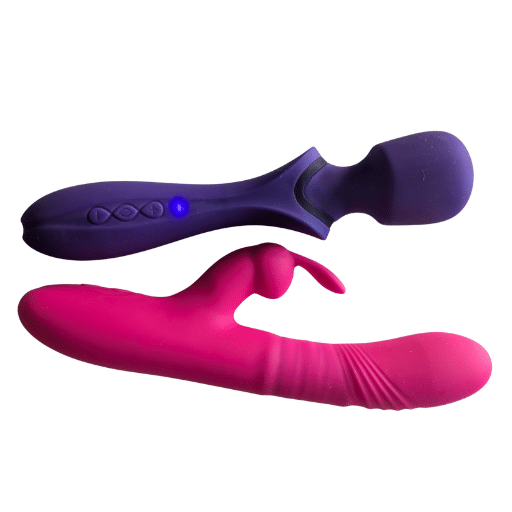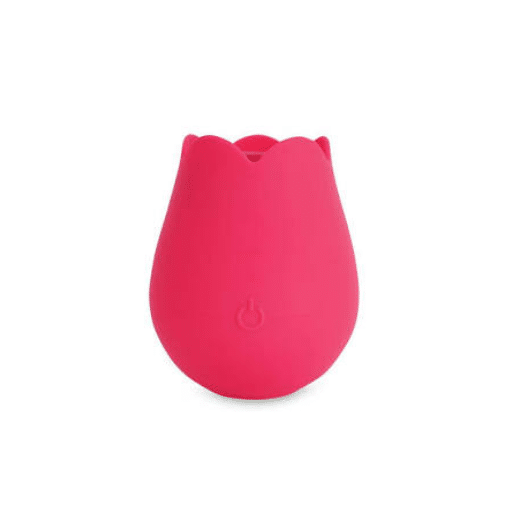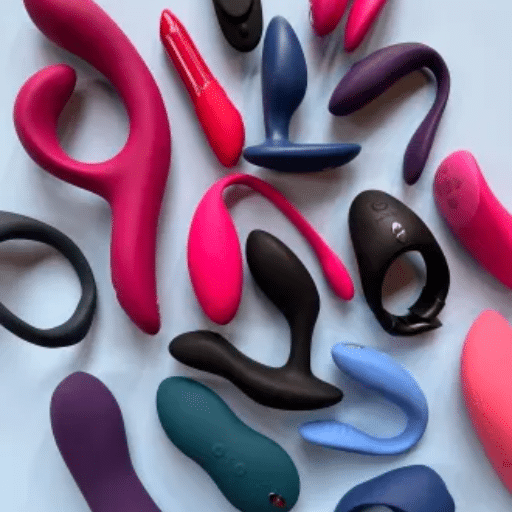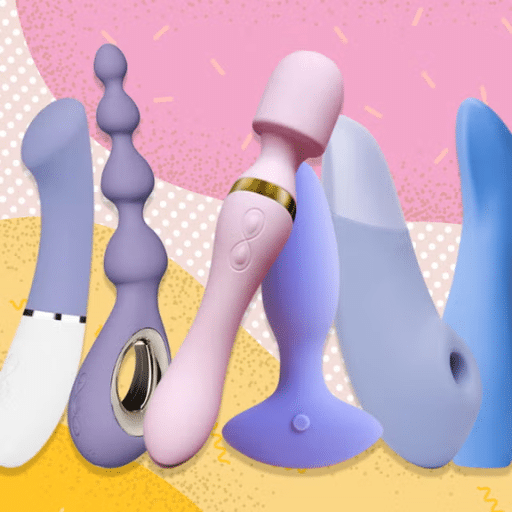
The adult toy industry represents a dynamic intersection of innovation, craftsmanship, and consumer satisfaction, making the role of Original Equipment Manufacturer (OEM) partnerships crucial to its success. This article explores the intricate process behind creating high-quality adult toys, highlighting the precision engineering, advanced materials, and strict regulatory compliance that define the standards of excellence in the industry. Whether you’re a business seeking to develop a custom line of products or a curious observer interested in the behind-the-scenes craftsmanship, this guide will shed light on the art and science of OEM in adult toy manufacturing. Prepare to gain insights into the meticulous efforts and groundbreaking technology that drive this unique sector forward while meeting the diverse needs of a global market.
What is an OEM and ODM in the Adult Toy Industry?

Understanding OEM and ODM Models
OEM (Original Equipment Manufacturer) and ODM (Original Design Manufacturer) are two production modes that have always been undertaken in the adult toy sector to respond to the varied needs of consumers and businesses alike. While both entail the collaboration of a manufacturing company and a client, they differ essentially in matters of design ownership, customization, and extent of production.
The manufacturing procedure under OEM stipulates that a company must manufacture goods according to the designs and specifications provided by the client. In other words, or simply put, the client retains the product’s design, branding, and other important features of the product, for which the OEM merely manufactures the physical item. So, for companies that already possess a Say-Custom product design but don’t have the resources or facilities to manufacture the item on a large scale, this process works best.
ODM considers engineering and design as an integral part of a complete manufacturing service. The clients present a concept, which is then developed by the manufacturer into a finished goods product. This model is helpful, especially for companies lacking a design function in-house and wishing to rapidly enter the market with a minimum of initial input. The ODM can usually present designs that are ready for customization to some extent on behalf of their clients’ branding and process, thus shortening the turnaround time compared with the OEM.
Each offers its own set of benefits depending on the issue at hand. While OEM is oriented toward those companies wishing to keep control of the design and branding, the ODM alternative is most suitable for a quick and efficient market entry. Hence, businesses in the adult toys arena usually throw these two models into their cauldron to get the best recipes for cutting production costs, controlling product quality, and providing product adaptability for their fast and ever-morphing competitors.
Benefits of OEM and ODM for Adult Toy Manufacturers
OEM and ODM come with their respective benefits, giving adult toy manufacturers a competitive edge in a fast-moving market. These production models allow flexibility to meet diverse business needs while maintaining effective utilization of resources.
Undergoing an OEM setup means choosing to maintain some of the highest considerations of product design and protection of intellectual property rights. The company must therefore develop unique products, having their own brand identity, and bear their own image, to meet market demands. As opposed to other manufacturing methods, OEM production allows for very high product-level customization that gives the company unique features to foster brand recognition.
On the other hand, ODM provides a workable way of getting quick item entry along with design and production. It drastically offers low development costs and low time to market, thus suitable for enterprises interested in launching products instantly or new product lines with minimal investments. In addition to this, usually, the manufacturers that provide ODM services have a great deal of experience, and their quality assurance systems work well in production and regulatory enforcement. Using these models suitably, adult toy manufacturers have become highly scalable; with increased innovation, they can compete with the best in the market.
Key Differences Between OEM and ODM
Operating framework, intellectual property issues, and considerations on customization are among the key elements that should be taken into account while trying to discern the differences between an OEM and ODM model.
- Product Design and Development: OEM is highly dependent on customer-supplied design, in which an enterprise gives the company very detailed specifications and technical documents for manufacturing. This model serves companies that want full control over their product design and IP. On the other hand, ODM manufacturers have pre-designed products ready for production, thus simplifying the development process. ODMs target businesses looking to get into the market quickly without having to engage in the lengthy process of product design.
- Customization Freedom: OEM suppliers grant greater customization freedom to buyers, enabling them to modify products to satisfy specific technical, aesthetic, or functional requirements. ODM promotes some visibility customization of its products (branding, e.g., logos, packaging design) but restricts deeper levels of product customization.
- Cost Implications: The OEM model is often more costly than ODM at the initial stage due to time spent on engineering and prototype development to execute designs specified by clients. ODMs, by contrast, significantly reduce upfront costs by offering a ready-made product concept that can go straight into mass production, thereby fitting well into any working environment that places heavy emphasis on cost reduction.
- Time-to-Market: The ODM model is more capable of shortening the time-to-market since it has designs that have already been validated and are now ready for manufacturing and distribution. OEM partners tend to take longer for multifold projects due to the iterative nature of new product development cycles and approvals.
- Intellectual Property Ownership: OEM clients own the IP related to the product design, whereas ODM manufacturers, by default, own the design IP, which in turn disadvantages a company from being able to differentiate or protect the products without consulting the manufacturer.
- Industry Applicability: Both models are present in the fields of consumer electronics, medical devices, and adult toys. OEM sits well with firms that value innovation and exclusivity, while ODM suits companies that value cost-effectiveness and quick entry into a highly competitive and high-demand market.
Understanding these differences enables businesses to choose the model that best fits their strategic objectives, balancing customization needs with cost implications and market demands.
How Does a Sex Toy Manufacturer Ensure Quality Control?

Quality Control Processes in Adult Toy Manufacturing
Quality assurance in adult toy manufacturing is a long and rigorous operation established to comply with the standards of industry, regulatory bodies, or customer needs. At each stage of production, advanced testing methods and strict oversight are applied to ensure that the product is safe, durable, and functional.
- Material Selection and Verification: This process begins with raw materials selection. Manufacturers have to work with body-safe, non-toxic materials such as silicone, ABS, and TPE that have been tested against standards such as RoHS, REACH, or FDA approvals. Material verification may be in terms of chemical composition to confirm that materials do not contain harmful substances like phthalates, heavy metals, and allergens.
- Prototype Testing: In the pre-production phase, prototypes are subjected to stress tests, heat resistance tests, and endurance tests to make sure that the design of the product is reliable and efficient under real-life conditions. The prototypes might also be tested for ergonomic functionality and user safety to attain and confirm compliance with design specifications.
- Production Line Inspections: Quality assurance checks also apply to the assembly process on the production line. At every checkpoint in the process, both manual and automatic inspections detect defects, wrong assembly, or inconsistencies in materials. The real-time monitoring can apply advanced imaging techniques to ensure pinpoint precision in defect detection.
- Electrical Safety Testing: For electrical adult toys, testing for electrical compliance is paramount among the tests. This process involves impedance threshold measurements and evaluation of EMI, as well as endurance tests measuring the endurance of the device during prolonged cycles. The properties that are measured are those that guarantee a safe application and unobstructed function as outlined within IEC 60335 and other international standards.
- Hygienic Testing and Sterilization: After final polishing, sterilization follows to rid the product of any contaminants that may remain. Processes can employ UV treatment for sterilization or more intense sterilization through autoclaving, or antimicrobial coatings, depending on the material of construction and subsequent usage. Long-term resistance to microbial growth is also evaluated.
- Compliance from Certifying Bodies: Certification by third-party laboratories to check testing of products for conformity to global safety and quality standards is an important factor. Often, products achieve certifications to CE, ISO 9001, UL, etc., the very affirmation of commitment to high standards.
- Packaging and Label Verification: Finally, quality assurance tests are applied to the actual packaging methods that protect the product from damage during shipping. The labeling is reviewed thoroughly for correct information related to use, safety instructions, and material composition to ensure transparency toward the consumer.
Such a stringent product quality control regime ensures the safety of the product alongside easy attainability of brandworthiness in a fiercely competitive scene. Equipped with cutting-edge technology, such as AI-based defect detection and real-time analytics, manufacturers are constantly refining their quality to meet an ever-evolving industry.
Materials Used in Manufacturing: Silicone and TPE
Silicone and thermoplastic elastomers have wide applications in many industries due to their unique chemophysical properties. Silicone, which is a synthetic polymer derived from silicon, oxygen, carbon, and hydrogen, is prized for heat stability, resistance to UV, and biocompatibility, among others. It is suited for use in medical devices, food-grade products, and precision industrial components due to these factors. Silicone retains mechanical properties at temperature extremes, from about -60°C to 250°C, being dependable in the harsh working environments.
The advantage that TPE offers in manufacturing efficiency comes from its having the elasticity of rubber and the processability of plastics. TPEs are flexible, fatigue-resistant, and recyclable because of their thermoplastic nature. These features are needed in sectors such as automotive, consumer goods, and electronics, where adaptability and sustainability are crucial. Also, advanced TPE grades are engineered to provide specialized performance properties, such as enhanced durability, slip resistance, and chemical resistance.
By capitalizing on the benefits of both materials, superior performance can be delivered while adhering to strict safety and environmental considerations. The smart use of silicone and TPE is crucial in the design of high-quality, durable, and safe products for the market in a variety of industries.
Testing and Compliance in the Sex Toy Industry
Testing and certification must accompany the sex toy industry to ensure product safety and regulatory compliance. Material perfection is subjected to thorough chemical analysis verification to ensure that substances such as phthalates, heavy metals, or allergens are absent from silicone, TPE, and other polymers.
Mechanical testing follows next and considers tensile strength, tear resistance, and longevity under repeated use, validating the product’s endurance and comfort. Electrical testing covers compatibility with electromagnetic interference (EMC testing) for international safety standards such as UL or CE for high-tech devices that have vibration or heating capabilities.
From time to time, microbiological tests are performed by independent laboratories to verify that products can be sanitized with minimal effort and do not encourage bacterial growth very definition for intimate items. Ethical areas, such as ensuring that hypoallergenic materials and testing are entirely free of animal cruelty, are highlighted to dovetail with contemporary consumer expectations.
Lastly, some traceability actions are built into production chains to guarantee transparency and accountability so that, in case of product quality issues, manufacturers will quickly intervene. Through the strength of appropriate quality controls and adherence to international standards, manufacturers in the sex toy industry can work toward producing high-quality products, with due consideration for safety, durability, and customer gratification.
What Are the Steps in Adult Toy Manufacturing?

From Design to Production: The Manufacturing Process
The manufacturing process for adult toys begins with the conceptualization phase, during which designers work with engineers to create detailed design schematics for each product. The design process involves 3D modeling using advanced CAD (computer-aided design) software, enabling utmost precision and consideration of design feasibility. The digital prototypes are then taken through various simulation tests to establish structural soundness, user ergonomics, and other requisite functions.
Upon design validation, manufacturers finalize their choice of materials with serious consideration toward regulatory issues and desired product characteristics. Commonly regarded materials would be medical silicone, ABS plastic, or stainless steel, considering that they could then be deemed in various ways: durable, safe, and hypoallergenic. The consideration for selection of material will also be contingent on whether the material will be safe to contact with skin or not, appropriate thermal capacity, and wear and tear capacity.
Once the materials are procured, production begins, engineered with advanced manufacturing systems that fabricate parts by way of injection molding, extrusion, or 3D printing. The assembly lines are ingrained with QA checkpoints that embrace both automated and manual inspections for spotting flaws or deviations from required specifications.
While applying surface finishing (polishing or texturing) is another final step for the adult toys, the next step might be the integration of certain electronic components if applicable to the design. Product sterilization follows packaging procedures, confirming the products’ purified state. Certification is then affixed to the packaging before labeling for compliance with market-specific regulatory frameworks such as RoHS (Restriction of Hazardous Substances) or REACH (Registration, Evaluation, Authorization, and Restriction of Chemicals).
On the contrary, advanced technologies and stringent quality controls assure the manufacturer that safety and reliability standards are sustained, certifying that the end product is at par with industry certifications and consumer satisfaction.
Customization Options for Adult Toys
Customization within the adult toy industry has greatly expanded due to the advances in material sciences, consumer tastes, and digital manufacturing technologies. Today, manufacturers present an array of options to cater to each individual’s needs, thereby creating a more personalized and gratifying experience for the user. These customization options include:
- Material Selection: Often, the user will be particular about the materials because of considerations regarding durability, sensation, and hypoallergenic qualities. Silicone, thermoplastic elastomers (TPE), and ABS plastics are the common choices, while medical-grade and body-safe certifications ensure materials achieve the highest safety standards.
- Functional Features: Today’s toys for adults could allow for a range of features to be adjusted, including vibration patterns, intensity, and heating, to maximize the pleasure felt by the user. Further to that, the control via application allows precision, whereby variation of the features can be controlled in real time.
- Design and Aesthetics: Personalization can extend to the design, giving selections of shape, color, and even engraved patterns. 3D printing has made the production of individualized items less time-consuming and more accommodating to user-specific requests.
- Size Variability: Size changes, for example, adaptiveness for comfort. Users thus choose the specific dimension that fulfills their anatomical and functional demands for safety and usability.
- Smart Technology Integration: Bluetooth connectivity and AI-generated feedback systems heighten interactivity further. Such interactive designs also allow for the possibility of wearable interfaces and remote-control functionality.
This combination of customizable features has enhanced users’ capacity to avail themselves of a product that fits them not just physically but also with respect to aesthetic and functional preferences. Manufacturers use data analytics and feedback loops to tweak these offerings even further, always balancing safety, reliability, and personal satisfaction criteria.
Trends in Adult Toy Manufacturing
In recent years, the adult toy manufacturing industry has notably evolved with the advancement of technology, shifts in societal norms, and changing consumer demand for product personalization and inclusivity. We have witnessed an extraordinary trend of integrating smart technology in the design of products. App-controlled products and Bluetooth connectivity also allow programmable settings for multitasking and the customization of user experience. Such modern tools, using IoT frameworks, provide synchronized controls or even remote controls sought after by modern-day, tech-savvy consumers.
Material innovations form another focal area. In a bid to maintain user safety and long-term reliability, manufacturers are turning toward medical-grade or hypoallergenic, or body-safe materials. Also, environmentally conscious production processes are gaining traction-pursued through the use of recyclable components, reduction of packaging waste, and green manufacturing methods.
Also, inclusivity and diversity front these developments in product design philosophies and practices. Thus, companies produce products that encompass a wider spectrum of anatomical, gender, and sensory preferences into modular products with adjustable settings to meet the demand for unisex use. Along with the mainstream evolution, digital platforms are being tapped to gain consumer feedback on design refinement and commercialization avenues that reflect the consumers’ expectations.
Another rising trend is present: the use of augmented and virtual reality to boost the immersive components of user experience. These technologies heighten engagement by simulating actual locations or scenarios that run parallel with real-world use of devices. Industry gurus opine that advancements in AR and VR tech will umbrella and vernacularize the adult toy industry across newer interactive avenues.
Thus, this indicates a fast innovation pace with the highest response level to consumer preferences and technological possibilities. Innovation and user-friendliness combined are the features manufacturers employ to lure an increasingly sophisticated and diverse crowd.
Why Consider OEM Services for Sex Toy Customization?

Advantages of Customizing Adult Toys
- Personalized User Experience
Customizing adult toys, manufacturers aim to address specific consumer needs and deliver a more personalized and satisfying experience. Statistics further underline this demand, as 78% of consumers said that they were more willing to buy products that were tailored to their needs.
- Strong Market Differentiation
Unique designs and features will provide differentiation in an overcrowded market. Customization essentially allows a brand to build distinct products with customer loyalty and brand recognition.
- Enhanced Technological Integration
With the inclusion of smart connectivity, voice control, biometric data analysis, and the like, customization empowers manufacturers to imbue products with state-of-the-art technology that will attract the tech-savvy generations. It was reported that 63% of users look for products that incorporate advanced technology features.
- Adaptation for Different Demographics
Customization tends to build products for different cultures, genders, and orientations to remain inclusive. This flexibility caters to the needs of a world market and helps to acquire a larger customer base. Sustainability and Ethical Practices
- Sustainable and Ethical Production
Custom designs may include eco-friendly materials and practices in order to gear towards the increased demand for environmentally conscious products. Studies show that 54% of consumers prefer to buy from brands that consider sustainability key,” turning this approach into an important edge for the market.
Working with an OEM Factory for Bespoke Products
Collaborations with an OEM factory bear various unique advantages when searching for bespoke creations. OEMs specialize in adjusting production processes in line with design and functionality requirements. With the help of their knowledge and know-how, companies can go for manufacturing with absolute precision but lower cost by means of economies of scale. OEM factories stand on machinery and know-how-driven methods that permit the production of quality items that meet stringent market demands.
A crucial advantage of working with OEMs is the feasibility of shortening the product development period. By having dedicated facilities for their work, OEMs can speed up prototyping and testing, which in turn brings a quick time-to-market without any compromises in quality. Industry data suggest that brands collaborating with an OEM have experienced a lead time drop of about 30% in recent years, much bigger than that of the traditional “factory”-based manufacturing route.
Another strategic option is the possibility of customizing materials and sourcing. The OEM factories usually enjoy a far-reaching supplier network, thus enabling the insertion of sustainable and innovative materials in the production line. This capability welcomes upcoming consumer trends, who are lately favoring ethical and green products, thereby building a brand’s image and reputation.
Similarly, OEMs allow for relatively easy management of risks associated with production scalability for brands. OEMs can take small prototype production batches as well as large-market orders for production, hence flexible to meet any changes in market demand as revenue streams grow. Aside from allowing brands to ease logistical blues behind them, it also carries a lot of potential for expansion in the long term.
Incorporating these technical advantages with company-specific market research and analytics, organizations stand fully equipped to inject a customized product into the market that fits customer expectations, indeed even exceeding them. This fusion will put brands into the limelight in competitive, innovation-driven domains.
What Are the Latest Innovations in Vibrator and Adult Sex Toy Design?

Emerging Trends in Vibrator Technology
The adult sex toy industry has witnessed several breakthroughs in the recent era, as it is considered a tech-led industry and is again changing consumer perceptions. Remote control vibrators have become an important trend in the adult toy world, being able to remotely control settings on vibration patterns, intensity, etc. Bluetooth or Wi-Fi connectivity, for instance, makes an interactive device that can sync with other interactive technologies, including music or partner-controlled interfaces.
Another trend has to do with advanced materials. Many new vibrators are being developed using body-safe, hypoallergenic silicone, improving on the previous generation in durability and tactile qualities, always keeping comfort in mind while implementing strict medical-grade standards. In addition to this, sustainability is becoming a major concern for manufacturers; hence, there is research into biodegradable materials and methods of minimizing environmental impact.
Haptic feedback technologies have also entered the field of vibrator design, allowing for a targeted sensation that more truly replicates the feeling of being touched, in contrast to a traditional motor. This development fits with the need for individualized pleasure experiences, fulfilling their desires perfectly.
More and more, all types of AI are moving onto the market and allowing “smart” vibrators to learn and adapt to preferences as time goes on. These devices use data-driven patterns to provide a fully immersive, responsive experience.
Moreover, wearable and discreet vibrators provide flexibility and privacy for users. Such designs and embodiments allow integration into daily life while functioning in their purpose, making the claim for practical, user-focused innovations. Conjointly, all these advancements mark a paradigm that considers the industry continually pushing the technological and design boundaries to meet a diverse and sophisticated consumer demand.
Innovative Features in Modern Sex Toys
The contemporary sex toy industry is going through a rush of technologies and design innovations that straddle both a utilitarian aspect and a user experience. Smart technology provides one clear thrust into innovation, encompassing Bluetooth and app-controlled devices. These allow one to program vibration patterns and intensities, to match the vibrations to musical beats, or even share control with a loving partner over a long distance. Apart from these conveniences, these features promise an interactive and personalized user experience.
Another major development to mention is the advent of body-safe, hypoallergenic materials, such as medical-grade silicone, which emphasize user safety but provide a silky yet comfortable texture. In addition, waterproofing devices or even making devices submersible adds to their versatility and ease of use across settings.
As manufacturers push for discretion, quiet motor technology has arisen as another design arena to consider. Employing new motor designs and noise-dampening techniques, modern sex toys produce much less noise, yet they never compromise on strong vibration.
In the final step, AI-implemented features have uplifted sex toys into the hall of full personalization. Some robots are now equipped with learning algorithms that adapt to a user’s preference with time to produce a truly customized feel. So, these advances tend to show the improvement of these technologies in design to address diverse needs that bring inclusivity and push design and technology to the next level.
Future of Adult Toys: What to Expect
The development of the adult toy sector is rapidly affected by the growth of technology and changes in focus on user experience. One important trend in this respect is the increase of the teledildonics concept of devices applied with Internet technologies for remote connectivity and synchronization. These innovations can facilitate long-distance relationships, allowing partners to interact with each other in real-time while separated by geography and distance. Moreover, these ventures will lead the way in integrating haptic feedback and VR (Virtual Reality) as they offer immersive, multi-sensory experiences that closely resemble real-world interactions.
Another promising avenue is AI-driven customization. Next-generation devices may use machine learning to process user behavior and biometric information in real time to continually fine-tune settings for a truly deserving personalized experience. Actualized by the accompaniment of biometric sensors, these toys may pick up wind in a heartbeat, record body temperature, and measure stress levels to dynamically change the stimulation patterns accordingly.
The adult toy industry is also turning toward sustainable materials and processes as much as possible. As consciousness about environmental issues is raised, the producers are setting their sights on alternatives such as biodegradable silicones and recyclable packaging to reduce the impact on the environment. Wireless charging solutions and power-conserving design options would surely only aid this sustainable cause.
Last but not least, expect regulatory and cultural factors to become the gunpowder that will blow up this market. Scalability, happening with acceptance and destigmatization, will promote research, development, and availability through retail, thus increasing access and affordability globally. Technology joins hands in hand with inclusivity and sustainability to carve further milestones for the adult toy industry in the arenas of innovation and consumer delight.
References
-
Survival strategy of OEM companies: A case study of the Chinese toy industry – This study explores the challenges and strategies of OEMs in the toy industry, including insights into labor costs and product levels.
-
Market analysis, strategy diagnosis, and opportunity recognition in the toy industry – Discusses market strategies and the role of OEMs in the toy industry, with a focus on R&D investments.
-
Learning from toys: Lessons in managing supply chain risk from the toy industry – Provides insights into supply chain risks and manufacturing practices in the toy industry.
Frequently Asked Questions (FAQ)
Q: What is OEM Excellence in the context of adult toy manufacturing?
A: OEM Excellence refers to the outstanding manufacturing practices and quality management in the production of adult products, such as vibrator sex toys, ensuring they meet specific personal preferences and standards for safety and performance.
Q: How do sex toy OEM services benefit manufacturers and consumers?
A: Sex toy OEM services allow manufacturers to produce customized sex toys for women and men, ensuring products meet individual needs and preferences, while also providing consumers with unique, high-quality items at competitive best prices.
Q: What materials are commonly used in creating adult toys?
A: Common materials used in creating adult toys include silicone for its safety and flexibility, as well as other body-safe materials that ensure the dildo, vibrator for women, and other products are safe for use.
Q: How do I choose the best sex toy for women?
A: Choosing the best sex toy for women involves considering factors like personal preferences, body-safe materials, and the specific function you desire, such as a clitoral stimulator or a g-spot vibrator.
Q: What should be considered when buying sex toys for men?
A: When buying sex toys for men, consider products like masturbators and anal plugs that cater to personal preferences, ensuring they are made from high-quality, body-safe materials.
Q: What are the benefits of using a wand massager sex toy?
A: A wand massager sex toy provides powerful vibrations that can relieve tension and enhance pleasure, making it a popular choice for those seeking versatile stimulation for the clitoris and other sensitive areas.
Q: Are there specific considerations for anal sex toys?
A: Yes, when selecting anal sex toys, look for options specifically designed for anal use, such as anal plugs, ensuring they have a flared base for safety and are made from materials suitable for anal sex.
Q: How do ODM services complement OEM in sex toy production?
A: ODM services complement OEM by offering design and development expertise, enabling companies to create innovative sex toy products that meet market demands while maintaining a commitment to quality.
Q: How do manufacturers ensure the quality of sex doll products?
A: Manufacturers ensure the quality of sex doll products through rigorous quality management practices, utilizing high-quality materials and technologies to create life-like, durable, and safe dolls for consumers.