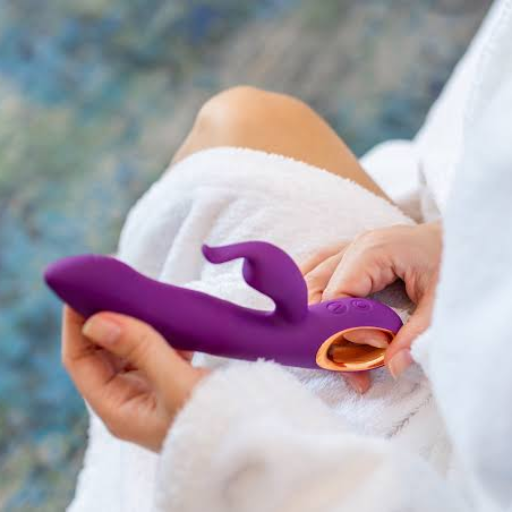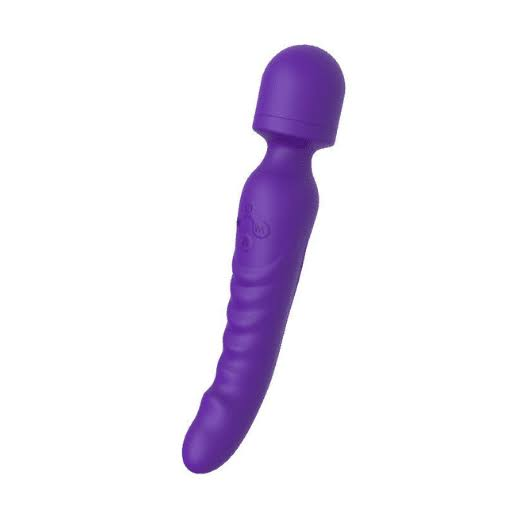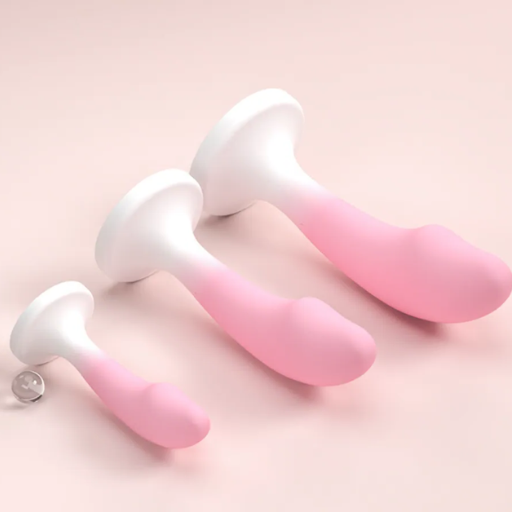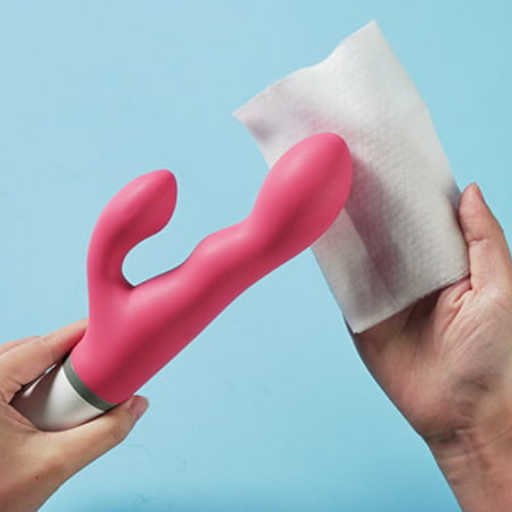
To tell if a sex toy is real silicone, you can run seven quick checks at home: smell it, pinch it, stretch it, feel for tackiness, test it with heat, examine the label and price, and, if you can sacrifice a small edge, try the flame test. Real silicone is odorless, doesn’t turn white when pinched, springs back when stretched, and stays smooth.
Those tests tell you what a toy is probably made of. They can’t prove it. Only lot-specific lab documentation proves what a material actually is.
That gap between “probably” and “proven” is where most buyers get burned. The adult toy industry is lightly regulated, so a box can legally say “100% medical-grade silicone” on a product that is mostly something else. Learning the tests helps you screen. Learning where they fail helps you avoid expensive mistakes.
And expensive mistakes do happen. In early 2026, Dana ordered a custom dildo from a marketplace listing that promised “premium 100% silicone.” The price was a third of what her usual supplier charged. When the toy arrived, it smelled faintly of tires and turned chalky-white at the bend. She wanted to believe the label. The smell told a different story.
This guide gives you the seven tests, ranks how reliable each one really is, and then shows you, from a manufacturer’s perspective, what genuine proof looks like. If you run a brand or buy on its behalf, the last two sections are the ones that protect your business.
Key Takeaways
- Seven at-home tests can screen a toy for real silicone, but none of them prove it. Smell, pinch, stretch, and feel are the most practical.
- The flame test is the most talked-about method, yet it is destructive, easy to misread, and unreliable on coated or two-layer toys.
- Blended and “silicone gel/jelly” products can pass basic tests while containing filler. Labels are not regulated proof.
- Genuine proof comes from lot-specific Certificates of Analysis, third-party biocompatibility testing (ISO 10993), and FTIR spectroscopy.
- Porous materials trap bacteria and cannot be fully sanitized. A 2014 study found HPV persisted on TPE but not on silicone 24 hours after cleaning.
First, Why “Silicone” on the Label Doesn’t Guarantee Silicone
The word “silicone” on a package is a marketing claim, not a certified fact.
No agency polices the term the way it polices “organic” on food or “FDA-approved” on a drug. A manufacturer can print “100% silicone” or “phthalate-free” without submitting a single test. Retailer guides have noted that toys sold as silicone can contain as little as 10% silicone, with the rest made up of cheaper fillers and extenders.
A few phrases should put you on alert:
- “Silicone gel” and “silicone jelly.” These are not pure silicone. They usually describe a blend with softer ingredients that can be porous.
- Tin-cured silicone. A lower-grade curing chemistry used in industrial products, not typically intended for prolonged body contact.
- “Silicone blend” or “silicone-infused.” A blend, by definition, is not 100% silicone.
- Two-layer toys. A soft outer skin over a firmer inner core. The outer layer may be silicone, but the adhesive holding the layers together is a separate question.
None of these words mean the toy is unsafe. They mean the label is not proof, and you should ask what the material actually is. For a full breakdown of what safe materials look like, see our guide to body-safe materials in adult toys.
Want to see how real documentation looks? We walk through the reports a legitimate supplier shares on request.
How to Tell If a Sex Toy Is Real Silicone: 7 At-Home Tests
These tests work best together. No single one is conclusive, but a toy that fails several is almost certainly not pure silicone. Run them on a part of the toy you are willing to risk, and wash the toy before and after.
Here’s the short version of what each material should do:
| Signal | Real silicone | TPE | PVC / jelly |
|---|---|---|---|
| Smell | Odorless or faint | Rubbery, sometimes perfumed | Strong chemical smell |
| Pinch | Holds color | May whiten | May whiten |
| Stretch | Springs back | Stretches far, deforms | Stretches, tears easily |
| Feel | Smooth, not tacky | Oily or sticky | Oily or sticky |
| Boiling water | Unchanged | Softens or warps | Warps or degrades |
| Burn residue | White/gray ash | Black oily residue | Black tar |
| Porosity | Non-porous | Porous | Porous |
1. The Smell Test
Real silicone is essentially odorless. Bring the toy to your nose and take a slow breath.
A rubber, plastic, or perfumed chemical smell usually points to TPE, PVC, or a heavily plasticized blend. Some cheap products add fragrance to mask the base material, which is its own warning sign. A faint neutral scent is fine. A strong smell is not.
2. The Pinch and Twist Test
Pinch a small section of the surface between your thumb and forefinger, or twist it gently.
Pure silicone holds its color under pressure. If the spot you pinch turns white or chalky, that whitening suggests the material has been heavily extended with fillers. It is one of the simplest signals that you are not holding 100% silicone.
3. The Stretch and Rebound Test
Grab two points on the toy and pull gently, then let go.
Real silicone stretches a little and snaps back to its original shape. It has good rebound with very little permanent deformation. TPE stretches much further, sometimes to several times its length, but it has weaker tear strength and can rip if you pull hard. A stretchy toy that sags and stays stretched is a clue, not a verdict, but it is a useful one.
4. The Touch and Stickiness Test
Run your fingers along the surface.
Silicone feels smooth, slightly velvety, and not tacky. It may pick up a little dust because of a light surface layer, which is normal. TPE and jelly materials often feel oily or sticky, and that tackiness tends to get worse over time as the material leaches oil. Stickiness after cleaning is a strong hint you are not dealing with silicone.
5. The Flame Test (and Its Serious Limits)
The flame test is the most famous method online, and the most misunderstood. The idea is simple: touch a lighter to a small edge and watch what happens.
- Real silicone tends to burn with white smoke, a uniform flame, and a white or gray powdery ash. It often self-extinguishes when you remove the flame.
- TPE or PVC tends to burn with black smoke, leave a black oily residue, and give off a sharp chemical smell.
The problem is everything around that simple description. The test destroys part of the toy, and it produces fumes you should not breathe.
An untrained eye can also misread smoke color or flame shape. A silicone blend with fillers can produce a confusing result, and a coated toy only tells you about its coating. Treat the flame test as a last-resort confirmation on a sacrificial edge, not a routine check.
6. The Boiling Water Test
Silicone tolerates high heat. TPE generally does not.
If a toy is fully waterproof (no motor, no battery, no electronics), you can submerge it in boiling water for a few minutes. Real silicone comes out unchanged: same shape, same color, same texture. TPE can soften, warp, or degrade. One caution: never boil a motorized toy, and never assume “waterproof” means “boil-safe.” When in doubt, skip this test. For more on material behavior, see our comparison of TPE vs silicone sex toys.
7. The Label, Price, and Certification Check
Finally, read the packaging with a skeptic’s eye.
Look for clear wording like “100% silicone” or “medical-grade silicone,” and look for a reference to a real standard such as ISO 10993 for biocompatibility. Then apply a reality check on price. Silicone raw material costs several times more than TPE, so finished silicone toys are usually priced well above bargain listings. If a large toy claims premium silicone at a rock-bottom price, the math is telling you something.
Labels can lie, price is only a signal, and a certification logo on a box proves nothing until a supplier can produce the report behind it. That is exactly where we turn next.
Why These Tests Are Screening Tools, Not Proof
Think of a screening test like a smoke detector. It tells you something might be wrong. It does not tell you what is wrong or how serious it is.
Each at-home test has a blind spot:
- Blends pass smell and feel checks. A formula with extra filler can be nearly odorless and smooth, yet not be pure silicone.
- The flame test confirms “elastomer-ish,” not safe or pure. It tells you the material burns like rubber, not what grade it is.
- Coatings and two-layer construction defeat surface tests. You are testing the skin, not the core.
- Skin contact tells you nothing about the interior. A toy can have a silicone topcoat over a porous filling.
For a person checking one toy they already own, “probably silicone” may be good enough to decide whether to use a condom. For a brand ordering 3,000 units, “probably” is not a specification.
That distinction matters, and it’s where most of the confusion online comes from. Consumer blogs present the flame test as a verdict. It isn’t. A supplier who tells you otherwise is either misinformed or hoping you stay misinformed.
Ready to move from guessing to knowing? The next section covers what genuine proof looks like.
What Actually Proves It: The Manufacturer’s View
Real verification doesn’t happen in your kitchen. It happens in documents and labs.
Lot-Specific Certificates of Analysis
A Certificate of Analysis (COA) is a report tied to a specific batch of material. To be worth anything, it must match three things: your batch or lot number, your product or model, and a current test date. A one-page certificate with no batch number and a generic logo proves nothing.
Third-Party Biocompatibility Testing
Safety claims should be backed by tests from an accredited lab, not the supplier’s own in-house department. The relevant standards include ISO 10993 for biocompatibility and USP Class VI. In the United States, food-contact and body-contact rubber is often tested against FDA 21 CFR 177.2600, and ISO 10993 defines how a material is assessed for biological safety.
FTIR Spectroscopy
For confirming what a material actually is, the professional standard is Fourier-transform infrared (FTIR) spectroscopy. A lab sends infrared light through a sample and reads the material’s chemical fingerprint. FTIR can distinguish silicone from TPE and detect fillers that basic tests miss. It is the closest thing to a definitive answer that exists.
We cover the full verification process, including how to read a COA and commission FTIR testing, in our guide on how to verify medical-grade silicone. That article is the deep dive. This one is the screening layer in front of it.
Why It Matters: Hygiene and Safety Consequences
The material is not just a texture preference. It affects whether you can actually keep a toy clean.
Silicone is non-porous. Its surface doesn’t trap bacteria, and it can be disinfected or sterilized. TPE, PVC, and jelly are porous. They trap dirt and microbes in tiny surface pockets that cleaning can’t reach, which is why health educators recommend a condom every time on porous toys you share.
The clearest evidence comes from a study published in Sexually Transmitted Infections (Anderson et al., 2014). Twelve women used two vibrators, one TPE and one silicone. After standard cleaning, HPV was still detectable on the porous TPE vibrators, but not on the silicone ones 24 hours later (BMJ, 2014). The study was small, so it is a signal rather than the final word, but it lines up with everything material science predicts about porous surfaces.
This is why mislabeled “silicone” is a real problem and not a nitpick. A buyer who pays for silicone’s hygiene benefits deserves to actually get them.
Consumers vs Brands: What to Do With This
The right next step depends on who you are.
If You’re a Buyer
- Run the smell, pinch, and stretch tests before you trust a toy.
- If it is porous or you are not sure, use a condom and clean it thoroughly after every use.
- Replace any toy that stays sticky, holds odors, or changes color even after washing.
- Buy from shops and brands that can talk about materials in specifics, not slogans.
If You’re a Brand or Retailer
- Stop relying on the label. Ask every supplier for a lot-specific COA tied to your order.
- Request third-party biocompatibility reports and match the batch numbers.
- Budget for independent testing on each new supplier. It costs a fraction of a failed shipment.
- Document your materials so a customer or a customs officer can verify your claims.
Nora runs a small online shop and used to take supplier labels at face value. After a customer complaint about a “silicone” toy that smelled like plastic, she changed her process.
Now she asks every supplier for a COA with her batch number before she places an order, and she dropped two suppliers who couldn’t produce one. Her return rate fell, and her product descriptions got sharper. Documentation became a selling point, not a chore.
That’s the shift worth making: treat material claims the way you treat any other business claim, as something that has to be proven.
Conclusion
Learning how to tell if a sex toy is real silicone starts with seven practical tests: smell, pinch, stretch, feel, heat, label and price, and, rarely, the flame test. Used together, they can screen a toy and flag the obvious fakes. Used alone, any one of them can fool you.
The honest takeaway is the one most guides skip. At-home tests screen. Documentation proves. Blends, coatings, and two-layer construction can pass every kitchen test while failing the only test that counts: a lab report tied to your exact batch.
So run the tests, and then ask for the paperwork. Request a lot-specific Certificate of Analysis, check for ISO 10993 biocompatibility testing, and confirm the batch numbers match. That is how you move from “probably silicone” to “provably silicone,” whether you are checking one toy or building a product line.
At Joyflick, we produce body-safe toys with medical-grade silicone and documented materials, backed by ISO-certified production and testing through accredited labs. If you want to source products whose material claims can survive an audit, talk to our team about an OEM/ODM partnership. We share reports on the first call, not the third.