
Private label vs white label sex toys comes down to one question: how much control do you want over the product? White label lets you rebrand an existing item fast. Private label gives you deeper customization and stronger brand ownership.
The adult toy market is projected to reach $71.12 billion by 2035. It is growing at 8.2% annually, according to Business Research Insights. Over two-thirds of those transactions happen online.
That growth creates room for new brands, but it also creates pressure to stand out. The sourcing model you choose at launch will shape your margins and lead times. It will also determine how hard it is to compete when ten other sellers list the same shape.
In this guide, you’ll learn exactly how white label and private label differ. You’ll see real numbers for startup costs, MOQs, and margins. You’ll get a decision framework based on your budget and risk tolerance. And you’ll see a three-phase roadmap that lets you start with white label, then scale into private label without wasting capital.
Key Takeaways
- White label sex toys cost 500–500–2,000 to launch, ship in 2–4 weeks, and allow only basic branding like logos and packaging.
- Private label adult toys cost 3,500–3,500–25,000+, take 8–16 weeks, and offer colors, materials, packaging, and sometimes exclusive molds.
- Private label margins are typically 40–70%, while wholesale/white label margins sit around 20–35%.
- White label is best for testing demand; private label is best for building brand equity.
- A hybrid roadmap, white label → private label → ODM/OEM, reduces risk while creating long-term differentiation.
Video Quick Take: Watch our 3-minute breakdown of private label vs white label sex toys below.
[YouTube embed: private label vs white label sex toys overview]
What Are White Label Sex Toys?
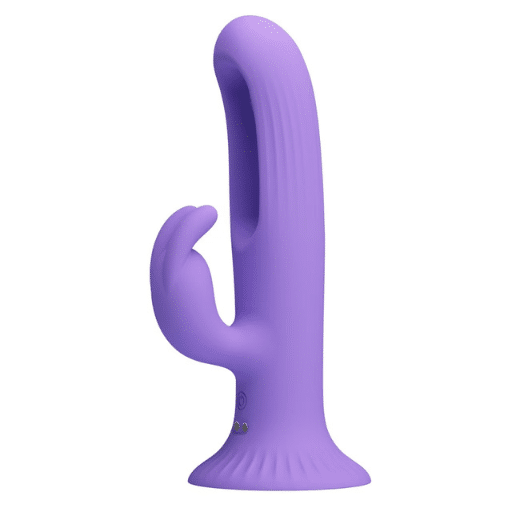
White label sex toys are pre-made products sold under your brand with minimal changes. The factory already owns the design, the mold, and the inventory. You pick a catalog item, add your logo, and choose packaging. That’s the model.
A white-label program might let you change the color, apply a branded sticker, or include a neutral insert card. It won’t let you alter the motor, the shape, or the material. The same product can appear under many brand names because the base unit is identical.
This model works well when speed matters more than differentiation. You can launch a storefront in weeks, not months. It’s also the lowest-risk way to test demand because you don’t pay for tooling or large minimum orders.
CTA: Want to see which catalog items work best for a white-label launch? Browse Joyflick’s low-MOQ adult toy manufacturing options.
Typical White-Label Customization
- Logo printing or sticker application.
- Branded retail box or polybag.
- Neutral user manual replaced with your insert.
- Basic color selection from existing options.
Maya, a founder in Austin, launched her brand this way. She ordered 50 units of a bullet vibrator, added her logo to the box, and listed them on her Shopify store. Within six weeks she knew which colors sold and which price point converted. Her total investment was under $1,200.
The downside is clear. When a competitor buys the same unit and undercuts your price, you have no technical advantage. You’re competing on marketing, packaging, and customer experience rather than on product uniqueness.
What Are Private Label Sex Toys?
Private label sex toys are produced exclusively for your brand, usually based on an existing factory design that’s modified for you. You don’t pay for a brand-new mold from scratch, but you do get more control than white label allows.
Typical private-label changes include custom colors, material finishes, packaging design, insert cards, and minor feature tweaks. Some factories also offer mold exclusivity if you meet a higher MOQ or pay a mold-ownership fee. That means competitors can’t sell the exact same shape.
This model suits founders who want to build brand equity. Customers begin to associate a specific look, feel, or feature set with your company. You also earn higher margins because the product is harder to copy.
David, a brand-builder in Berlin, took this path. He committed to 300 units of a silicone vibrator with a custom color, a softer touch finish, and packaging that matched his brand photography. His landed cost per unit was higher than Maya’s, but his retail price was too. After three months, his repeat-purchase rate was double the industry average.
The tradeoff is time and capital. Private label orders usually require 100–500+ units and 8–16 weeks of production. If your design doesn’t sell, you’re left with inventory that’s harder to liquidate than a generic white-label unit.
CTA: If you’re ready to explore custom colors, materials, and packaging, contact Joyflick for a private-label quote.
Private Label vs White Label Sex Toys: Side-by-Side Comparison
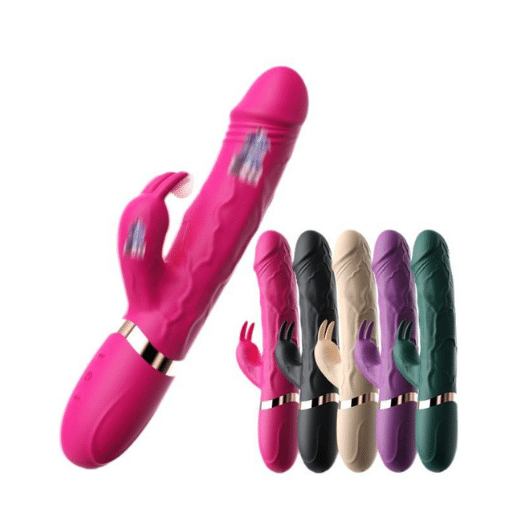
The fastest way to choose is to compare the factors that matter most at launch. The table below shows how the two models stack up on customization, exclusivity, cost, speed, and risk.
| Factor | White Label Sex Toys | Private Label Adult Toys |
|---|---|---|
| Customization | Logo, packaging, insert card | Colors, materials, packaging, features, molds |
| Exclusivity | None; others can sell the same product | Possible with mold ownership or exclusivity terms |
| MOQ | 1–100 units | 100–500+ units |
| Startup cost | 500–500–2,000 | 3,500–3,500–25,000+ |
| Lead time | 2–4 weeks | 8–16 weeks |
| Typical margin | 20–35% | 40–70% |
| Brand equity | Low; interchangeable | High; builds recognition |
| Risk level | Low | Medium |
| Best for | Testing demand | Building a differentiated brand |
This comparison is why the private label vs white label debate isn’t really about which is better. It’s about which fits your current stage. White label is a low-cost experiment. Private label is a brand-building investment.
Cost, MOQ, and Timeline Breakdown
Numbers drive most decisions at this stage. Here is what you can expect in practice.
White label:
- MOQ: Often 1 unit for dropshipped goods, 10–100 units for branded inventory.
- Startup cost: 500–500–2,000 covers samples, branding, packaging, and a small first order.
- Lead time: 2–4 weeks from order to delivery, sometimes faster if the item is in stock.
Private label:
- MOQ: 100–500+ units, depending on the factory and the complexity of the product.
- Startup cost: 3,500–3,500–25,000+ covers tooling deposits, samples, packaging design, and the first production run.
- Lead time: 8–16 weeks for sampling, revisions, production, and shipping.
At Joyflick, trial orders start at 300 units. That threshold is designed to give emerging brands a realistic entry point without forcing them into mass-production commitments they aren’t ready for.
If you need a fully custom design from scratch, you’re moving into OEM or ODM territory. Those projects can run 15,000–15,000–100,000+ and take 20–40 weeks. They aren’t the same as private label, but they’re the natural next step after private label succeeds.
Customization, Exclusivity, and Brand Control
The biggest practical difference between the two models is how much of the product you actually own.
With white label adult products, you own the brand and the customer relationship. You don’t own the product design. Any other founder can source the same unit, price it lower, and copy your packaging within weeks.
With private label, you can negotiate exclusivity on a specific design or colorway. You can also pay for mold ownership, which prevents the factory from using that mold for other clients. This matters if your product becomes a bestseller. Without it, a competitor could ask the same factory for the same shape the day after your launch.
Brand control also extends to packaging and inserts. Private label lets you design retail-ready boxes, user manuals, cleaning guides, and storage pouches. White label usually limits you to a sticker or a basic box.
This is where adult toy certifications become important. The more you customize, the more you need to verify that your materials and electronics still meet CE, RoHS, REACH, and FDA-related standards.
Compliance, Certifications, and Marketing Restrictions
The adult industry has rules that generic private-label guides rarely cover. If you ignore them, you can lose your merchant account, your ad accounts, or your ability to ship into key markets.
Product compliance:
- CE marking is required for the European Economic Area.
- RoHS limits hazardous substances in electronic toys.
- REACH regulates chemicals in products sold in the EU.
- FDA-related compliance applies to products marketed in the United States.
Reputable factories will provide test reports and certificates. Ask for them before you order. If a supplier cannot produce documentation, move on.
Payment processing:
Adult products are classified as high-risk by most payment processors. You’ll likely need a high-risk merchant account. Standard Stripe or PayPal business accounts may freeze your funds if they discover your product category.
Advertising restrictions:
Mainstream platforms restrict or ban adult product ads. Meta, Google, and TikTok have strict policies around sexual wellness content. Most successful adult brands rely on SEO, email marketing, influencer partnerships, and Reddit communities rather than paid social.
This is why content and organic search matter so much in this industry. A strong article like this one can drive qualified traffic for years without ad spend.
Which Model Should You Choose?
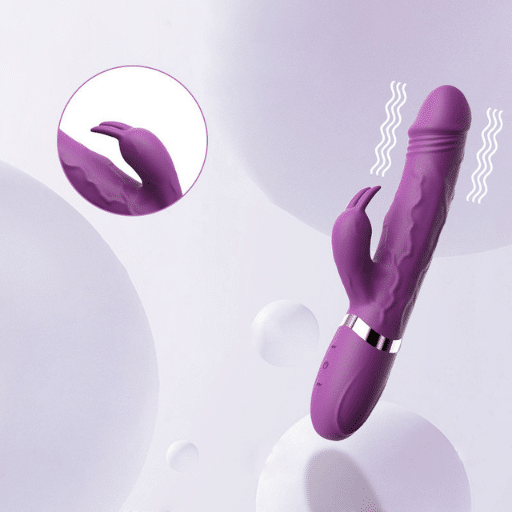
Your choice depends on three things: budget, risk tolerance, and long-term goals.
The Tester Founder
You have 1,000–1,000–3,000 and you want to validate demand before committing. Choose white label sex toys. Launch fast, learn what sells, and gather customer feedback. Don’t worry about exclusivity yet.
The Brand-Builder
You have 5,000–5,000–25,000 and you want a product that feels like yours. Choose private label adult toys. Invest in custom colors, packaging, and a clear brand story. This is the path to higher margins and repeat buyers.
The Scale-Up Brand
You already sell private-label products and you want true defensibility. Move toward ODM or OEM. Develop proprietary shapes, app-connected features, or patented technologies that competitors can’t copy.
Ask yourself these questions before you decide:
- How much capital can I risk on the first order?
- Do I need revenue in 30 days, or can I wait 90–120 days?
- Is my competitive advantage marketing, product design, or price?
- Am I building a long-term brand or testing a niche?
If your answers point to speed and low risk, white label wins. If they point to differentiation and long-term value, private label is the better choice.
CTA: Still unsure which model fits your budget? Request a sourcing consultation with Joyflick and we’ll map the right path for your brand.
The Hybrid Roadmap: Start White Label, Scale to Private Label
You don’t have to pick one model forever. The safest path for most founders is a staged approach.
Phase 1: Validate with White Label (Weeks 1–6)
Launch a small white-label catalog. Test price points, audiences, and messaging. Spend less than $2,000. Your goal is data, not perfection.
Phase 2: Launch a Private-Label Hero SKU (Months 3–6)
Once you know what sells, design a private-label version of your bestseller. Add custom colors, better packaging, and a small feature improvement. Order 200–500 units depending on confirmed demand.
Phase 3: Move to ODM/OEM for True Differentiation (Months 9–18)
After your hero SKU is profitable, invest in proprietary design. This could mean a new shape, a unique motor pattern, app connectivity, or eco-friendly materials. This is where you build a moat.
This roadmap lets you use white-label cash flow to fund private-label development. It also reduces the chance that you’ll sink $15,000 into a product nobody wants.
A good private label sex toy manufacturer will support you through all three phases. They’ll offer low MOQs for early tests, custom options for brand-building, and R&D support for advanced designs.
Frequently Asked Questions
What is the difference between private label and white label sex toys?
White label products are pre-made and rebranded with your logo. Private label products are modified or produced exclusively for your brand, often with custom colors, materials, packaging, or features.
Is white label cheaper than private label?
Yes. White label startup costs are usually 500–500–2,000, while private label starts around 3,500–3,500–25,000+. White label also ships faster, typically 2–4 weeks versus 8–16 weeks.
What MOQ do I need for private label sex toys?
Private-label MOQs typically range from 100 to 500+ units. Some manufacturers, like Joyflick, offer trial orders starting at 300 units.
Can I white label sex toys with my logo?
Yes. Most white-label programs allow logo stickers, branded packaging, and neutral insert cards. You usually can’t change the product shape or materials.
Which is more profitable: private label or white label?
Private label is usually more profitable long-term. Margins of 40–70% are common, compared to 20–35% for wholesale or white-label products. The tradeoff is higher upfront cost and longer lead time.
How long does private label sex toy production take?
Private label production typically takes 8–16 weeks from sampling to delivery. Fully custom OEM/ODM projects can take 20–40 weeks.
Do I need certifications for white label adult toys?
Yes. Even white-label products must comply with market regulations such as CE, RoHS, REACH, and FDA-related standards. Always request certificates from your supplier.
Conclusion
The private label vs white label sex toys decision is really a decision about timing and risk. White label lets you test the market quickly with minimal capital. Private label lets you build a brand that customers remember and competitors struggle to copy.
If you’re just starting out, launch with white label to learn. If you’ve validated demand and capital, move into private label to capture higher margins and stronger brand equity. The hybrid roadmap, white label → private label → ODM/OEM, gives you the best of both worlds.
Joyflick supports brands at every stage, from low-MOQ trial orders to fully custom OEM/ODM development. If you want help choosing the right model, contact Joyflick for a sourcing consultation and we’ll build a plan that matches your budget and goals.