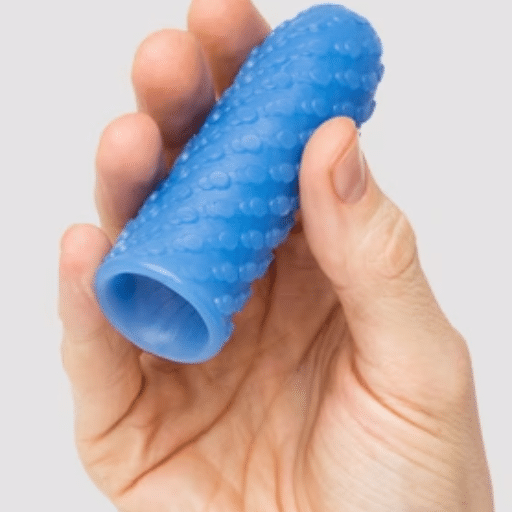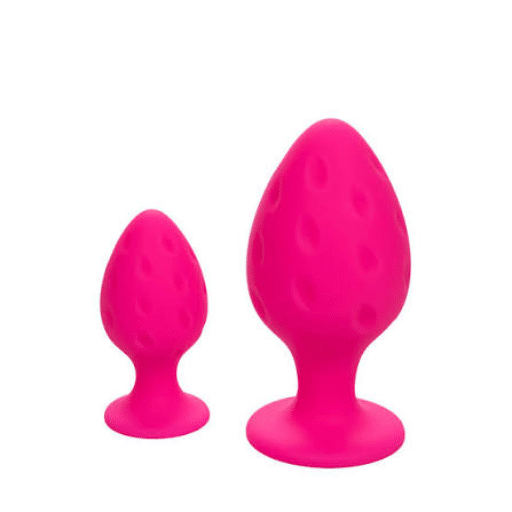

Glass and metal sex toys are two of the most sustainable options available today because both materials are fully recyclable, extremely durable, and free from the petroleum-based chemicals common in cheaper products. A single borosilicate glass wand or medical-grade stainless steel toy can replace dozens of disposable plastic items over its lifetime.
That matters more than it might first appear. The global sex toy market is expected to reach roughly $54 billion by 2035, and much of that growth still relies on plasticized materials that end up in landfills.
Meanwhile, eco-friendly sex toys now make up about 5% of the market and are growing at roughly 20% per year. Consumers are paying attention to materials. Brands that ignore this shift risk looking outdated.
Not all “sustainable” claims are equal, though. A product can be marketed as eco-friendly while still carrying a significant manufacturing footprint. This guide looks at the real sustainability profile of glass and metal sex toys, including where they excel, where they fall short, and what both buyers and manufacturers should consider before making a choice.
Key Takeaways
- Borosilicate glass and medical-grade stainless steel are fully recyclable and can last for decades with proper care.
- Glass production requires furnace temperatures around 1,650°C, making it energy-intensive to manufacture.
Key Takeaways
- Stainless steel is the most recycled material in the world, and up to 70% of new steel contains recycled scrap.
- The strongest environmental argument for glass and metal toys is durability: replacing fewer products over time reduces total waste.
Key Takeaways
- Both materials are non-porous and sterilizable, which improves hygiene and eliminates the need for frequent replacement.
What Makes a Sex Toy Material Sustainable?
Sustainability in sex toys isn’t about finding a perfect material. It’s about balancing several factors across the full lifecycle of the product.
Durability is the most important factor. A toy that lasts 15 years will almost always beat a toy that lasts 2 years, even if the longer-lasting toy requires more energy to produce. Recyclability matters because it determines what happens at end of life.
Manufacturing energy shapes the initial impact. Chemical safety affects both human health and environmental contamination. Packaging and shipping add their own footprint, especially for heavy items like metal.
For consumers, the practical question is simple: does this product reduce waste and harm over the time you own it? For manufacturers, the question is more complex. Material choice affects tooling, cost, certifications, shipping, and marketing claims. A sustainability strategy that looks good on a product page may not hold up under lifecycle scrutiny.
For a broader look at what makes intimate products eco-friendly, see our guide to sustainable materials for adult toys.
Borosilicate Glass Sex Toys: A Sustainability Profile
What Is Borosilicate Glass?
Borosilicate glass is a type of glass that contains silica and boron trioxide. The boron content gives it much higher thermal shock resistance than ordinary soda-lime glass. It can move from hot water to cold water without cracking, which is why it is also used in laboratory glassware, cookware, and high-quality drinking vessels.
For sex toys, borosilicate glass is typically hand-blown or molded into smooth, body-safe shapes. High-quality pieces are annealed, a controlled cooling process that removes internal stress and reduces the risk of breakage. Not all glass toys are borosilicate, and not all are made to the same standard. Lower-quality glass toys may be made from tempered soda-lime glass, which is less durable and more prone to shattering.
Environmental Benefits
The case for borosilicate glass starts with its composition. It is made from abundant natural materials: silica from sand, boron from mineral deposits, and small amounts of alumina and other oxides. Unlike silicone or plastic, it does not rely on petroleum feedstocks.
Glass sex toys are also fully recyclable. A worn or unwanted glass toy can be crushed, melted, and formed into new glass products. In theory, this cycle can repeat indefinitely without loss of material quality.
Durability is another major advantage. A well-made borosilicate toy can last for decades if it is not dropped on a hard surface. This longevity reduces the total number of products a consumer needs over a lifetime. From a waste perspective, one glass toy that lasts 15 years replaces multiple silicone or plastic toys that wear out or fall out of favor.
Glass is also non-porous and chemically inert. It does not leach chemicals into the body or the environment. It can be sterilized by boiling, which eliminates bacteria and extends usable life. It does not degrade into microplastics or release volatile compounds.
Environmental Drawbacks
The main downside of glass is manufacturing energy. Borosilicate glass must be melted at temperatures around 1,650°C (3,002°F). Maintaining that temperature requires large amounts of energy, usually from fossil fuels. Artisan production, common in premium glass toys, can add transportation and labor emissions.
Recycling also has practical limits. Borosilicate glass must be separated from ordinary soda-lime glass before recycling. Mixing the two can ruin a batch of recycled glass. Many municipal recycling programs do not accept borosilicate, so consumers may need to find specialized facilities or mail-back programs.
Breakage is the other obvious concern. A glass toy that chips or shatters becomes waste. While borosilicate is far more resistant to thermal shock than ordinary glass, it is not indestructible. Dropping a glass dildo on a tile floor can end its life in an instant.
Mini-story: Lena in Copenhagen
Lena bought a borosilicate glass wand in 2012 for about €55. She still uses it in 2026. Over the same period, she estimates she discarded four silicone toys that either developed surface damage, retained odors, or simply stopped appealing to her.
The glass wand has outlasted all of them. When she recently moved, she packed it carefully rather than throwing it away.
Her only regret was dropping a second glass toy in 2019. It survived a few falls, but one unlucky landing on bathroom tile cracked the base. She kept the pieces for a few months hoping to recycle them.
Then she learned her local facility could not process borosilicate. The broken toy went to landfill, but she still considers the overall environmental balance favorable compared with her previous plastic purchases.
Stainless Steel Sex Toys: A Sustainability Profile

What Is Medical-Grade Stainless Steel?
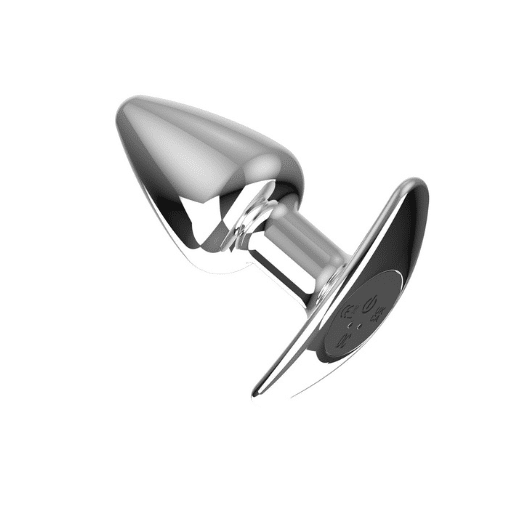
Quality stainless steel sex toys are typically made from 316 or 316L stainless steel. This is the same grade used in surgical instruments, marine equipment, and food processing. It contains iron, chromium, nickel, and molybdenum.
The chromium forms a passive oxide layer that prevents rust and corrosion. The molybdenum improves resistance to chlorides and acids.
Some lower-cost metal toys use 304 stainless steel, which is still food-safe and durable but slightly less corrosion-resistant than 316. Consumers with severe nickel sensitivities may prefer matte-finish toys or products explicitly labeled as low-nickel, though medical-grade 316L is generally considered hypoallergenic for most users.
Environmental Benefits
Stainless steel has one of the strongest recycling stories of any material. It is the most recycled material in the world by weight. Estimates suggest that up to 70% of new stainless steel contains recycled scrap.
Unlike plastic, steel can be recycled repeatedly without losing structural properties. This creates a near-circular material loop.
Durability is equally impressive. A stainless steel toy is effectively permanent under normal use. It will not crack, degrade, or wear out.
It can be sterilized indefinitely by boiling, autoclaving, or running through a dishwasher without detergent. This makes it one of the few products in the category that can genuinely be described as “buy it for life.”
Steel is also non-porous and free from coatings, plasticizers, or phthalates. It does not absorb lubricants or bacteria. For consumers concerned about chemical exposure, this is a significant advantage over porous or petroleum-based materials.
Environmental Drawbacks
The upfront environmental cost of stainless steel is high. Mining iron ore, chromium, and nickel disturbs land and consumes energy. Smelting and refining those ores releases carbon dioxide. CNC machining, polishing, and finishing a steel toy requires additional energy and generates metal waste.
Shipping weight is another factor. A stainless steel toy is much heavier than a silicone equivalent. If a product is shipped by air from a distant manufacturer, the transportation footprint can be substantial.
This matters less for sea freight or regional distribution, but it is still part of the lifecycle calculation.
There is also a transparency gap. Some sustainability reviewers have noted that it can be difficult to find stainless steel toy manufacturers that clearly disclose country of origin or environmental and labor protections. A material can be recyclable while its supply chain remains opaque.
For more on choosing safe materials, read our body-safe materials guide.
Glass vs Stainless Steel vs Silicone: A Sustainability Comparison
The fairest way to compare these materials is across the full lifecycle, not just at the point of purchase.
| Factor | Borosilicate Glass | Medical-Grade Stainless Steel | Platinum-Cure Silicone |
|---|---|---|---|
| Primary raw materials | Silica, boron oxide | Iron, chromium, nickel, molybdenum | Silica, petroleum-derived polymers |
| Manufacturing energy | High (~1,650°C melting) | High (mining + machining) | Moderate (molding/casting) |
| Recyclability | Fully recyclable, but needs separation | Fully recyclable, widely accepted | Difficult; not curbside recyclable |
| Expected lifespan | 10–20+ years if not dropped | Effectively indefinite | 5–10 years |
| Cost per year (estimated) | ~$3.70 (€55 over 15 years) | ~6.00(6.00(120 over 20 years) | ~8.60(8.60(60 over 7 years) |
| End-of-life leaching | None | None | Possible if landfilled |
| Breakage risk | Moderate | Very low | Low |
| Weight | Moderate to heavy | Heavy | Light |
When Glass Is the Better Choice
Glass works well for consumers who want a lightweight, temperature-responsive toy and are confident they can store and handle it safely. It is ideal for products that rely on artistic shape, color, or transparency. For brands, glass offers strong visual differentiation and a premium positioning story.
When Stainless Steel Is the Better Choice
Stainless steel suits consumers who want maximum durability and weight. It is particularly popular for products where heaviness is a feature, such as certain plugs or wands. For brands, steel offers a clear recyclability narrative and long-term value proposition.
When Silicone Still Makes Sense
Silicone remains the best choice for flexible, textured, or motorized products that cannot be made from rigid materials. It is lighter to ship and often cheaper to manufacture. The environmental trade-off is shorter lifespan and limited end-of-life options.
Mini-story: Marcus in Toronto
Marcus ran a small brand that launched with silicone products in 2022. By 2024, customer feedback showed that many buyers wanted longer-lasting, lower-waste options. He added a line of stainless steel plugs and glass wands.
The steel line cost more to produce per unit, but return rates were lower and customer reviews emphasized durability. His sustainability marketing became more credible because he could point to specific materials rather than using vague “eco-friendly” language. Sales of the metal and glass line grew 34% in their first year, while silicone sales remained steady.
The shift also simplified his compliance documentation. Stainless steel and glass were easier to certify under REACH and RoHS than some of the complex silicone blends he had used. The lesson was that sustainability and quality assurance often reinforce each other.
End-of-Life: How to Recycle or Dispose Responsibly
The sustainability of glass and metal toys depends partly on what happens when they are no longer wanted. Disposal options vary by material and location.
Recycling Glass Toys
Check whether your local recycling program accepts borosilicate glass. Many programs only accept container glass, which is a different composition. If curbside recycling refuses borosilicate, look for specialized glass recyclers, art supply studios that accept scrap glass, or mail-back programs. Some manufacturers also offer take-back schemes for their own products.
Recycling Metal Toys
Stainless steel is much easier to recycle than glass. Most scrap metal dealers accept stainless steel. In some areas, curbside recycling programs accept small metal items.
If the toy contains no electronic components, it can usually go straight to metal recycling. Electronics, motors, or batteries must be removed and handled separately.
Repurposing Before Recycling
Because both materials are durable and aesthetically neutral, some consumers repurpose old toys as decorative objects, paperweights, or massage tools before recycling. This extends the useful life of the product and delays its entry into the waste stream.
Certifications and Quality Standards for Glass and Metal Toys
Material choice is only one part of sustainability. Certifications help ensure that the product is actually safe and responsibly made.
- ISO 10993 evaluates biocompatibility for materials that contact the body.
- CE marking indicates compliance with EU health, safety, and environmental requirements.
- FDA compliance applies to materials used in food-contact or medical applications.
- REACH compliance restricts hazardous chemicals in the EU.
- RoHS compliance limits hazardous substances in electronic components.
For glass, manufacturers should verify that the material is genuinely borosilicate and not lower-quality soda-lime glass. For metal, they should confirm the grade of stainless steel and test for nickel release where relevant.
A full overview of certifications is available in our eco-friendly sex toy certifications guide.
What Manufacturers Should Consider
Brands thinking about adding glass or metal products face practical decisions beyond marketing appeal.
Tooling and Production
Glass toys often require artisan blowing or specialized molds. Stainless steel requires CNC machining, polishing, and finishing. Both are more capital-intensive than silicone molding, especially for low volumes. However, Joyflick’s low MOQ starting at 300 units can help brands test these materials without committing to large production runs.
Packaging and Shipping
Glass requires protective packaging to prevent breakage. Metal is heavy, which increases shipping costs and emissions. Both materials benefit from minimal, recyclable packaging rather than plastic inserts or foam.
Marketing Claims
Avoid vague language like “planet-friendly” or “green.” Be specific. Say “made from 316L stainless steel, 100% recyclable” or “borosilicate glass, designed for lifetime use.”
Under the EU Empowering Consumers for the Green Transition Directive, generic environmental claims will be banned starting September 27, 2026. Brands should prepare substantiated, specific claims now.
For guidance on avoiding misleading sustainability claims, see our greenwashing in the sex toy industry guide.
Consumer Education
Glass and metal toys require different care instructions than silicone. Consumers need to know how to clean, store, and inspect these products. Clear instructions reduce breakage, extend product life, and support the sustainability story.
If you are considering glass or metal for your product line, Joyflick offers custom adult toy manufacturing with material verification, third-party testing support, and low MOQs starting at 300 units.
Frequently Asked Questions
Are glass sex toys eco-friendly?
Yes, high-quality borosilicate glass toys are eco-friendly because they are made from natural materials, fully recyclable, and extremely durable. The main environmental trade-off is the high energy required to melt glass during manufacturing.
Can you recycle stainless steel sex toys?
Yes. Stainless steel is one of the most recyclable materials in the world. Most scrap metal dealers accept stainless steel toys, and many curbside programs accept small metal items without electronic components.
Are glass toys safe if dropped?
Borosilicate glass is more resistant to thermal shock than ordinary glass, but it can still break if dropped on a hard surface. Inspect glass toys regularly for chips or cracks, and discard any damaged piece.
Which is more sustainable: glass or metal?
Both are highly sustainable in different ways. Stainless steel has a stronger recycling infrastructure and lower breakage risk. Glass has a lower raw-material impact but higher energy use during production and more fragile end-of-life handling. The best choice depends on the specific product and use case.
Why are glass and metal toys more expensive?
Higher production costs, specialized labor or machining, and the durability of the materials all contribute to higher prices. Over time, the cost per year of use is often lower than cheaper disposable alternatives.
How do I sterilize glass and metal toys?
Both materials can be sterilized by boiling for 3–5 minutes, running through a dishwasher without detergent, or wiping with a 10% bleach solution followed by thorough rinsing. Always check manufacturer instructions first.
Should manufacturers switch from silicone to glass or metal?
Not necessarily. Silicone remains the best choice for flexible, textured, or motorized products. Glass and metal are excellent options for rigid, premium, or long-lasting designs. Many successful brands offer a mix of materials to serve different customer preferences.
Conclusion
Glass and metal sex toys sustainability comes down to a simple idea: the most sustainable product is often the one you do not have to replace. Borosilicate glass and medical-grade stainless steel both require significant energy to produce, but their extreme durability and full recyclability make them strong alternatives to disposable plastic toys.
For consumers, the choice between glass and metal depends on handling habits, weight preferences, and recycling access. For manufacturers, the choice depends on product design, cost structure, and the ability to substantiate sustainability claims with certifications and testing.
The sex toy industry is moving away from novelty-grade plastics toward materials that last. Brands that lead this shift with transparent, verified claims will be better positioned as the market matures.
At Joyflick, we help brands evaluate material options, verify certifications, and manufacture glass, metal, and silicone products that meet global standards. Whether you are exploring a single premium line or redesigning your entire catalog, our OEM/ODM team can guide you from material selection to final delivery. Contact us today to request a quote or explore our custom adult toy manufacturing services.