

Greenwashing in the sex toy industry happens when brands use vague, unverified, or misleading environmental claims to sell intimate products. Common examples include labeling a toy “eco-friendly” because the box is recyclable while the device itself contains petroleum-based PVC, or claiming a product is “phthalate-free” without independent lab testing to back it up.
Sustainability marketing in this category is growing fast. Eco-friendly sex toys now make up about 5% of the global market and are expanding at roughly 20% per year. That growth attracts both genuine innovators and opportunistic marketers who understand that words like “natural,” “green,” and “body-safe” sell products, even when those words have no legal definition.
For consumers, the risk is paying a premium for a product that is not meaningfully better. For manufacturers and brand owners, the risk is sharper. New regulations, especially the EU Empowering Consumers for the Green Transition Directive, take full effect on September 27, 2026, and penalties for unsubstantiated environmental claims can reach 4% of annual turnover.
This guide explains what greenwashing looks like in the sex toy industry, why it is so common, how regulations are changing, and what both buyers and brands can do to separate real sustainability from marketing fiction.
Key Takeaways
- Greenwashing in the sex toy industry relies on vague terms like “eco-friendly,” “natural,” and “body-safe” that have no universal legal meaning.
- The EU’s Empowering Consumers for the Green Transition Directive bans generic environmental claims without proof starting September 27, 2026.
Key Takeaways
- Penalties in the EU start at 4% of annual turnover; UK rules allow fines up to 10% of global turnover.
- Consumers should look for specific certifications, material grades, and third-party lab reports rather than marketing buzzwords.
Key Takeaways
- Manufacturers must substantiate every claim, distinguish product from packaging sustainability, and avoid self-created “eco” labels.
- Genuine alternatives include platinum-cure medical-grade silicone, FSC-certified packaging, and verified compostable materials.
What Is Greenwashing in the Sex Toy Industry?
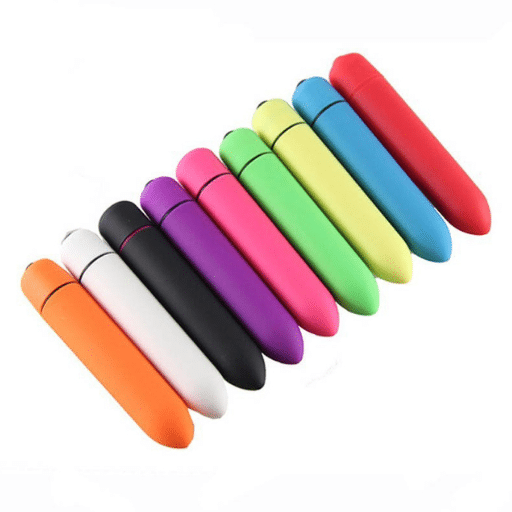
Greenwashing in the sex toy industry is the practice of making a product appear more environmentally responsible or safer than it actually is. It can be as subtle as a green color scheme and leaf-shaped logo, or as direct as an unqualified “100% sustainable” claim on packaging.
The term comes from environmental activist Jay Westerveld in 1986, who criticized hotels that encouraged guests to reuse towels while expanding their operations without regard for broader environmental impact. In the decades since, greenwashing has evolved into a sophisticated marketing technique. It thrives in industries with weak regulation, complex supply chains, and emotionally charged purchasing decisions. The sex toy industry checks all three boxes.
A product marketed as “eco-friendly” might have a recyclable cardboard sleeve while the toy itself is made from plasticized PVC that will persist in landfill for centuries. A lubricant might come in a green bottle with “natural” on the label while still containing parabens and petroleum derivatives.
A brand might invent its own “green certified” badge without any independent verification. These are not edge cases. They are the most common forms of greenwashing in this market.
Mini-story: Lena in Amsterdam
Lena bought a vibrator advertised as “sustainable” and “body-safe” in late 2024. The packaging was kraft paper with soy-based ink, and the brand highlighted its tree-planting initiative. When the toy arrived, she noticed a strong chemical smell.
She contacted the company for material test reports. They could not provide them. The device was made from TPR with undisclosed additives, and the “sustainability” story applied mostly to the box.
She returned the product and later chose a brand that published REACH and RoHS test results. The lesson was clear: packaging can be green while the product is not.
Why the Sex Toy Industry Is Especially Vulnerable to Greenwashing
Several structural factors make the sex toy industry a prime environment for misleading environmental and safety claims.
The “Novelty Use Only” Loophole
In the United States, most sex toys are classified as “novelty items” rather than medical devices. This classification means they are not subject to the same pre-market testing, material disclosure, or safety standards that apply to products intended for internal medical use. The FDA does not review sex toys before they reach consumers. The Consumer Product Safety Commission regulates them under the same weak framework as massage devices and back scratchers.
This regulatory gap allows manufacturers to use cheap, porous, or chemically unstable materials and still sell them for intimate contact. It also allows them to make claims like “body-safe” or “non-toxic” without needing to prove either.
Unregulated Marketing Terms
Terms like “body-safe,” “phthalate-free,” “eco-friendly,” and “natural” have no standardized legal definition in the sex toy industry. A company can print them on packaging without testing, certification, or even a clear understanding of what they mean.
Independent testing has repeatedly found products labeled “phthalate-free” that still contained phthalates. Studies have measured plasticizer concentrations in plastic toys at an average of 39% by weight, with some samples reaching 77%.
For context, children’s toys are restricted to 0.1% under US law. The difference is not a matter of degree. It is a matter of regulatory attention.
Complex, Opaque Supply Chains
Many brands are not manufacturers. They source white-label products from overseas factories, add their branding, and sell through e-commerce or retail channels. Without direct control over material selection or testing, they may repeat supplier claims they have not independently verified. A factory might say a silicone is “medical-grade,” and the brand passes that claim to consumers without ever seeing a lab report.
Growing Consumer Demand
The push for sustainability is real. Surveys suggest 58% of global buyers express interest in eco-friendly sex toys, and 70% of Australian consumers prefer them. Gen Z and Millennial buyers in particular prioritize body-safe materials and transparent brands. That demand creates pressure to appear sustainable, even when the product does not fully deliver.
Common Misleading Claims and What They Actually Mean
Understanding specific claim types is the best defense against greenwashing. Here are the most common misleading claims in the sex toy industry and how to evaluate them.
| Claim | What It Sounds Like | What It Often Means |
|---|---|---|
| “Eco-friendly” | Better for the environment | Vague marketing term with no standard definition |
| “Natural” | Made from natural substances | May still contain synthetic additives, fragrances, or dyes |
| “Phthalate-free” | Safe from hormone-disrupting plasticizers | May contain substitute plasticizers with limited safety data |
| “100% medical-grade silicone” | Entire product is premium silicone | Often refers to only part of the toy; other components may be cheaper materials |
| “Carbon neutral” | Net-zero environmental impact | Usually relies on offset purchases rather than actual emissions reduction |
| “Biodegradable” | Will break down naturally | Requires specific industrial composting conditions that most consumers cannot access |
| “Body-safe” | Safe for intimate use | Unregulated term; no required testing or certification |
| “Chemical-free” | Contains no chemicals | Scientifically impossible; all materials are made of chemicals |
The “Eco-Friendly” Lube Case
A well-documented example involves a lubricant brand that repackaged its existing formula in a green bottle with “Eco-friendly!” printed on the front. The formulation remained unchanged. It still contained parabens and petroleum derivatives. The only thing that became greener was the marketing.
This is cosmetic greenwashing. It changes perception without changing the product. Under the EU’s new rules, this type of claim will be presumptively deceptive unless backed by recognized certification or specific, verifiable evidence.
Partial Material Claims
Some products advertise “100% medical-grade silicone” when only the insertable portion meets that description. The handle, motor housing, or charging port may be made from ABS plastic, TPR, or other materials. While blended construction is not inherently bad, presenting the entire product as medical-grade silicone is misleading.
Self-Created Sustainability Labels
A brand might create its own “Pure Earth Certified” or “Green Choice” badge. These labels look official but have no independent oversight. Under the EU ECGT Directive, self-created sustainability labels are prohibited starting September 27, 2026.
How to Spot Greenwashing: A Consumer Checklist

Consumers can protect themselves by looking past packaging and marketing language. Here is a practical checklist for evaluating sustainability claims.
1. Demand Specifics
Vague terms should trigger skepticism. A claim like “made with sustainable materials” is weaker than “made with FSC-certified cardboard and platinum-cure medical-grade silicone.” The more specific the claim, the easier it is to verify.
2. Look for Third-Party Certifications
Genuine claims are usually backed by recognized certifications:
- ISO 10993 for biocompatibility
- REACH compliance for EU chemical restrictions
- RoHS compliance for hazardous substances in electronics
- FDA compliance for materials used in medical or food-contact applications
- FSC for responsibly sourced paper and wood fiber packaging
- OK Compost / EN 13432 for industrial compostability
- GOTS or OEKO-TEX Standard 100 for textile components
If a brand makes a claim but cannot name the standard or provide documentation, treat it as unverified.
3. Check Material Grades
“Silicone” is not enough. Look for:
- Platinum-cure medical-grade silicone (highest standard for intimate products)
- FDA-grade silicone (verified for specific applications)
- Specific hardness ratings when relevant
Avoid toys labeled only as “jelly,” “rubber,” “skin-safe rubber,” or unspecified “soft plastic.” These terms often hide PVC or TPR blends with undisclosed additives.
4. Distinguish Product from Packaging
A brand might ship a conventional plastic vibrator in a recycled cardboard box and call the entire product “eco-friendly.” Sustainable packaging is valuable, but it does not make an unsustainable product sustainable. Read carefully to see whether the claim applies to the toy, the packaging, or both.
5. Watch for Green Imagery Without Substance
Leaf logos, earth tones, and nature photography can create an impression of sustainability without any underlying claim. This is sometimes called “green sheen.” Ask what the imagery is actually promising.
6. Research the Brand Beyond the Product
Genuinely sustainable brands often publish information about their supply chain, manufacturing partners, and environmental goals. Look for:
- Repair or take-back programs
- Rechargeable designs that reduce battery waste
- Published sustainability reports
- Transparent ingredient or material lists
If the only evidence of sustainability is the product page, the claim may be thin.
For a deeper look at which materials are genuinely safer, see our body-safe materials guide.
Regulations That Are Changing Greenwashing Rules
Regulators in major markets are closing the gap that has allowed misleading environmental claims to flourish. Sex toy brands that sell internationally need to understand the new rules.
EU Empowering Consumers for the Green Transition Directive
The EU Directive 2024/825, commonly called the ECGT Directive or “greenwashing directive,” entered into force on March 26, 2024. Member states must transpose it into national law by March 27, 2026, and the rules apply from September 27, 2026.
The directive bans several specific practices outright:
- Generic environmental claims without recognized certification or excellent environmental performance, including terms like “eco-friendly,” “green,” “natural,” and “sustainable”
- Product-level climate claims based on carbon offsetting, such as “carbon neutral” or “climate positive”
- Self-created sustainability labels or certification schemes
- Claims about an entire product when only a part of it meets the standard
- Presenting legal requirements as special environmental features
- Future environmental performance claims without clear, measurable, and verifiable commitments
Penalties for widespread infringements start at a minimum of 4% of annual turnover in the relevant member state, or €2 million where turnover cannot be established. National enforcement bodies can add additional fines.
FTC Green Guides in the United States
The Federal Trade Commission’s Green Guides provide the framework for evaluating environmental marketing claims under Section 5 of the FTC Act. While the guides themselves are not law, the FTC uses them to bring enforcement actions against deceptive claims.
Key principles relevant to sex toys include:
- Competent and reliable scientific evidence is required for health and environmental claims
- Unqualified general benefit claims like “eco-friendly” are presumptively deceptive
- “Free-of” claims are deceptive if another substance poses a similar risk or if the substance was never associated with the product category
- “Non-toxic” claims must specify what the product is non-toxic to and be supported by evidence for both human health and environmental impact
Recent enforcement trends have focused on carbon neutral claims, biodegradable claims, and “free-of” claims. Sexual wellness products making environmental or safety claims fall under the same scrutiny as personal care products.
UK Digital Markets, Competition and Consumers Act 2024
The UK DMCC Act strengthens enforcement against misleading environmental claims. Civil penalties can reach up to 10% of global turnover for the most serious infringements. The Act works alongside existing rules from the Competition and Markets Authority and the Advertising Standards Authority.
State-Level Action in the US
California’s Unfair Competition Law and False Advertising Law allow consumers and regulators to challenge misleading environmental claims. Washington State requires disclosure of certain chemicals in adult products. These state-level rules create additional compliance layers beyond federal guidance.
Mini-story: Tom in Berlin
Tom ran a small brand that sold vibrators marketed as “eco-friendly” and “carbon neutral.” In early 2025, a German distributor asked for documentation supporting the carbon neutral claim. Tom discovered that the claim was based entirely on offset purchases from a third-party provider with weak verification standards.
He removed the “carbon neutral” language and replaced generic “eco-friendly” claims with specific material facts. Then he commissioned independent testing for phthalates and heavy metals.
The reformulation and testing cost roughly €8,000. The changes allowed him to keep selling in the EU and reduced his legal exposure before the September 2026 deadline.
What Manufacturers Should Do to Avoid Greenwashing
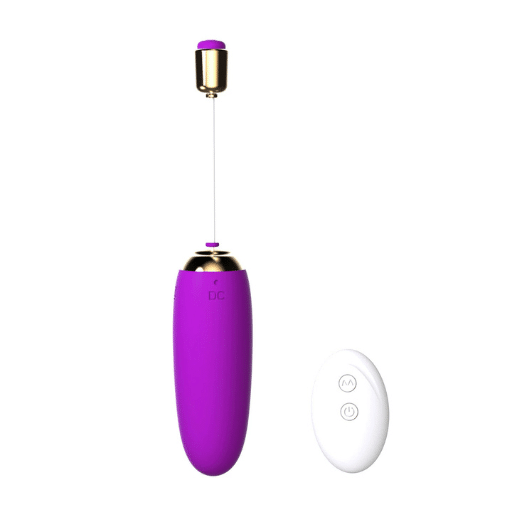
Brand owners and manufacturers face the greatest financial and legal risk from greenwashing. Here is a practical framework for staying compliant and credible.
Substantiate Every Claim Before Marketing
Before printing “phthalate-free,” “sustainable,” or “body-safe” on packaging, collect evidence. This usually means independent lab testing through recognized bodies such as SGS, TÜV, or Intertek. Testing should cover:
- Phthalates and substitute plasticizers
- Heavy metals (lead, cadmium, mercury, hexavalent chromium)
- Volatile organic compounds
- Material composition for silicone or bioplastic claims
Use Specific, Qualified Language
Avoid generic environmental claims. Instead of “eco-friendly,” say “packaging made from FSC-certified recycled cardboard” or “product made from platinum-cure medical-grade silicone.” Instead of “non-toxic,” specify “tested for phthalates, lead, and cadmium.”
Distinguish Product from Packaging Claims
Make it clear which sustainability attributes apply to the product and which apply to the packaging. A customer should not assume a recyclable box means the toy inside is biodegradable.
Avoid Self-Created Labels
Do not invent certification badges or sustainability seals. Only display certifications that genuinely apply to the specific product or component, and maintain chain-of-custody documentation where required.
Prepare Compliance Documentation
For EU markets, prepare a technical file or Declaration of Conformity that supports environmental claims. For the US, maintain records of the competent and reliable scientific evidence behind each claim. This documentation protects against regulatory action and builds retailer confidence.
Train Marketing and Legal Teams
Many greenwashing cases originate in marketing departments that do not understand substantiation requirements. Establish a review process where environmental claims are approved before publication.
If you are looking for a manufacturing partner that supports verified, compliant claims, Joyflick offers custom adult toy manufacturing with material verification, third-party testing support, and low MOQs starting at 300 units.
Genuine Sustainability: What to Look For Instead
Greenwashing makes the sex toy industry look worse, but many real improvements are available. Here are the attributes that signal genuine environmental responsibility.
Material Quality Over Marketing Language
Platinum-cure medical-grade silicone is the leading body-safe and durable option. It does not require plasticizers, does not leach chemicals under normal use, and lasts for years. Glass and stainless steel are also non-porous, sterilizable, and recyclable.
For a full comparison of safer materials, read our guide to body-safe materials for adult toys.
Verified Packaging
Sustainable packaging should carry recognized certifications such as FSC for cardboard, GOTS for organic cotton pouches, or OK Compost for compostable films. Avoid brands that call packaging “green” without naming a standard.
Our sustainable sex toy packaging guide explains how to design compliant, discreet, and genuinely lower-impact packaging.
Durability and Repairability
A product that lasts five years is usually better for the environment than one that lasts six months, even if the longer-lasting product uses a more energy-intensive material. Rechargeable designs, replaceable batteries, and repair programs reduce waste.
Transparent Supply Chains
Brands that publish supplier information, factory certifications, and annual sustainability reports are generally more trustworthy than those that rely on front-of-package buzzwords.
Certifications Matched to Claims
The certification should match the claim. FSC applies to paper and wood fiber. ISO 10993 applies to biocompatibility. REACH applies to EU chemical compliance.
A brand that displays the right certification for the right component is more likely to be genuine.
For a complete overview of certifications, see our eco-friendly sex toy certifications guide.
Frequently Asked Questions
What is greenwashing in the sex toy industry?
Greenwashing in the sex toy industry is the use of misleading or unverified environmental and safety claims to make products appear more sustainable or body-safe than they are. Common examples include vague “eco-friendly” labels, self-created certification badges, and “phthalate-free” claims without testing.
Is “body-safe” a regulated term?
No. “Body-safe” is a marketing term with no legal definition or mandatory testing requirement in the United States or most other markets. Consumers should look for specific material grades and third-party certifications instead.
How can I tell if a sex toy is genuinely eco-friendly?
Look for specific claims backed by recognized certifications, such as FSC-certified packaging, platinum-cure medical-grade silicone, or OK Compost certification. Avoid vague terms like “natural” or “green” without supporting evidence.
What certifications should I look for?
Key certifications include ISO 10993 for biocompatibility, REACH for EU chemical compliance, RoHS for hazardous substance restrictions in electronics, FDA compliance for materials, FSC for packaging, and GOTS or OEKO-TEX for textiles.
What happens to brands that greenwash after September 2026?
In the EU, brands making unsubstantiated environmental claims after September 27, 2026, face penalties starting at 4% of annual turnover. The UK DMCC Act allows fines up to 10% of global turnover. The United States relies on FTC enforcement, which can result in consent orders and civil penalties.
Can a product be plastic-free and still not sustainable?
Yes. A product can avoid plastic while using materials with high environmental footprints, poor durability, or limited end-of-life options. Sustainability depends on the full lifecycle, not just one material choice.
What should manufacturers do to comply with greenwashing rules?
Manufacturers should substantiate every environmental claim with independent testing, avoid generic and self-created labels, distinguish product claims from packaging claims, and maintain compliance documentation for each target market.
Conclusion
Greenwashing in the sex toy industry thrives because the market is lightly regulated, emotionally driven, and increasingly focused on sustainability. Vague claims, self-created labels, and green packaging let brands appear responsible without doing the work to prove it. That era is ending.
The EU’s Empowering Consumers for the Green Transition Directive, combined with stronger UK and US enforcement, means that unverified environmental claims will soon carry real financial and legal risk. Brands that adapt now by testing materials, qualifying claims, and matching certifications to specific products will be better positioned than those scrambling after September 2026.
For consumers, the best protection is skepticism. Look past the leaves and earth tones. Ask what a claim actually means, who verified it, and whether it applies to the product or just the box.
At Joyflick, we help brands navigate this shift. From material selection and third-party testing to compliant packaging and certification documentation, our OEM/ODM team supports manufacturers who want to make sustainability claims they can defend. Contact us today to request a quote or explore our custom adult toy manufacturing services.