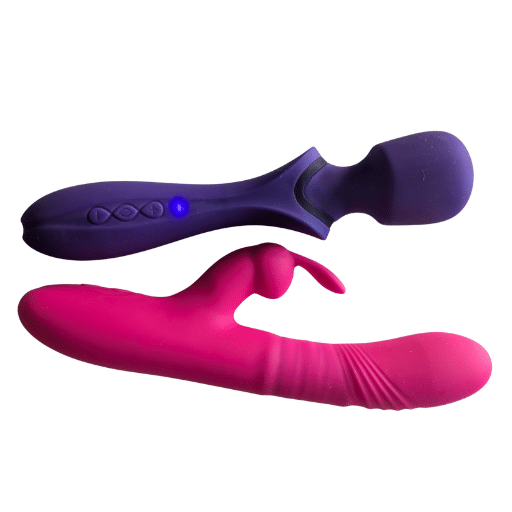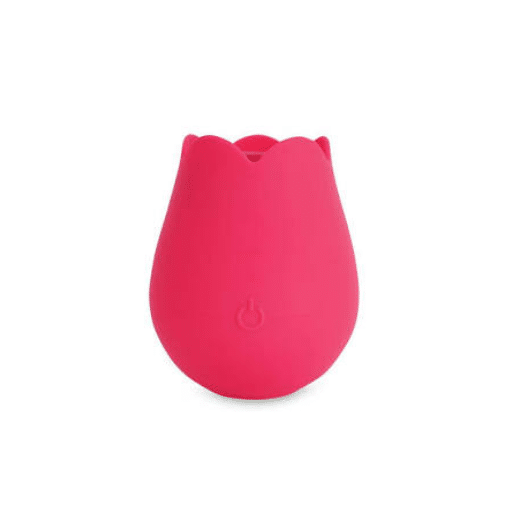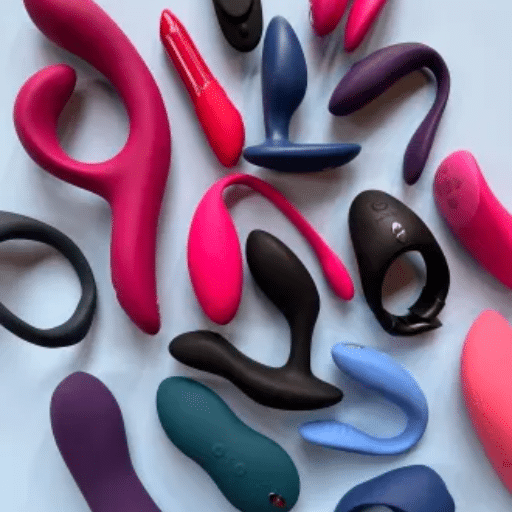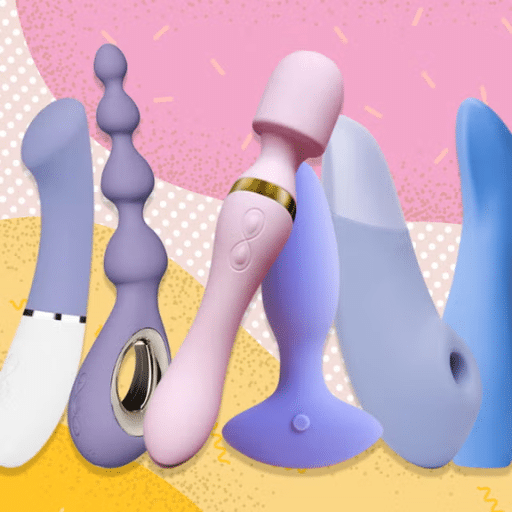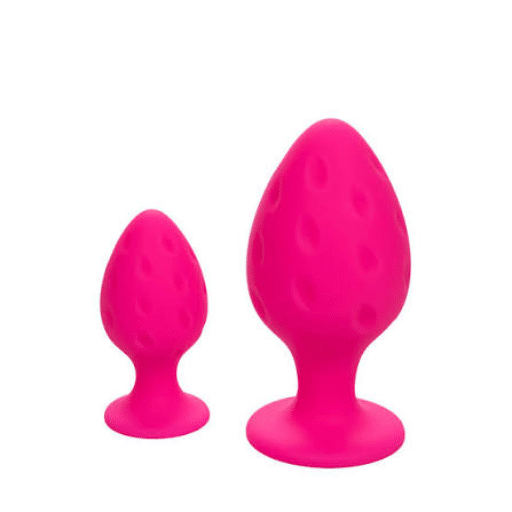

The environmental impact of PVC jelly sex toys extends far beyond the bedroom. These products are made from polyvinyl chloride softened with phthalate plasticizers, materials that release toxins during production, can leach chemicals during use, and persist for centuries in landfills after disposal.
Most consumers choose jelly toys because they are soft, colorful, and cheap. The hidden cost shows up elsewhere: in factory emissions, in potential health risks, and in waste streams that lack a safe exit route. For brands, continuing to use PVC in 2026 is both a liability and a missed opportunity as the market shifts toward body-safe silicone and certified alternatives.
This guide explains the full lifecycle impact of PVC jelly sex toys. You will learn what these toys are made of, why they matter for human and environmental health, how regulations leave gaps, and what consumers and manufacturers can do instead.
Key Takeaways
- PVC jelly sex toys rely on phthalate plasticizers linked to hormone disruption, and they can leach chemicals during use.
- PVC production releases dioxins and heavy metals, while disposal contributes to microplastic pollution and hazardous landfill leachate.
- Medical-grade silicone and other body-safe materials offer lower environmental and health risks over a longer lifespan.
- Adult sex toys are not regulated the same way as children’s toys, so “phthalate-free” claims often go unverified.
- Specialized recycling programs exist, but most PVC jelly toys still end up in general waste or landfill.
- Manufacturers who phase out PVC can reduce compliance risk and meet rising consumer demand for safer products.
What Are PVC Jelly Sex Toys?
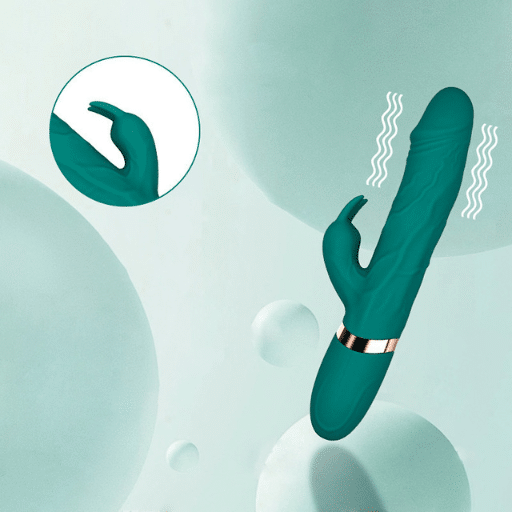
PVC jelly sex toys are products made from polyvinyl chloride, a petroleum-based plastic, softened with chemical additives called plasticizers. The most common plasticizers are phthalates, which give the material a squishy, flexible texture.
The term “jelly” is marketing language, not a scientific material category. It usually means a softened PVC blend that may also contain pigments, fragrances, and stabilizers. These toys are often transparent or brightly colored and sold at lower price points than silicone alternatives.
On a product label, you may see terms like “jelly rubber,” “PVC,” “TPR,” “soft plastic,” or “skin-safe rubber.” These labels do not guarantee safety. Without third-party testing, it is impossible to know exactly what is in the material.
Mini-story: Maya in Los Angeles
Maya bought a translucent pink vibrator online for $12 in early 2025. It arrived with a strong chemical smell that faded after a few washes. After two weeks of use, she noticed irritation and burning. A dermatologist suggested the toy might contain plasticizers her skin could not tolerate.
Maya replaced it with a medical-grade silicone option. The irritation stopped, and the new toy is still in use a year later. The cheap jelly toy went into the trash because no recycling option was available.
The Environmental Cost of PVC Production
PVC begins as a fossil fuel feedstock. The manufacturing process converts vinyl chloride monomer into solid plastic, a reaction that releases dioxins and other organochlorine byproducts. Dioxins are persistent environmental pollutants that accumulate in soil, water, and living tissue.
To make PVC flexible enough for toys, manufacturers add plasticizers, usually phthalates. They also add stabilizers such as lead, cadmium, or barium compounds to prevent degradation. These additives create a material mix that is difficult to recycle cleanly because the base polymer and the additives separate poorly during reprocessing.
The contrast with silicone is significant. Platinum-cure medical-grade silicone is derived from silica, which comes from sand. Its production is not emission-free, but it does not rely on the same toxic feedstocks or release persistent pollutants at comparable levels.
For brands, the choice of material is a supply-chain decision with measurable environmental consequences. A product line made from PVC carries a heavier upstream footprint than one made from silicone, stainless steel, or glass.
Health Risks: Phthalates and Chemical Leaching
Phthalates are endocrine-disrupting chemicals. They interfere with hormone systems and have been associated with reproductive issues, developmental delays, and other health concerns in peer-reviewed studies.
The problem with phthalates in sex toys is that they are not chemically bonded to the PVC. They can migrate out of the material over time, especially when the toy is heated, stretched, or vibrated. Studies have shown that vibration can accelerate this leaching, increasing exposure during normal use.
Several independent tests have found high phthalate concentrations in jelly and PVC toys:
| Study | Finding |
|---|---|
| Greenpeace (2006) | 7 of 8 tested toys contained phthalates at 24% to 51% by weight |
| Danish EPA (2006) | Phthalates found in 10 of 15 toys; concentrations up to 70.2% |
| Dutch VWA (2009) | Half of tested items were plasticized PVC; DINP measured at 6% to 77% |
| Bavarian State Ministry (2011–2012) | PVC toys contained up to 49% DIDP and 48.8% DEHP |
Other additives have also been detected, including toluene, phenol, and trimethyltin chloride. These substances raise additional concerns about neurological, developmental, and reproductive toxicity.
The health risk is higher for products used internally or held against mucous membranes, where chemical absorption is more efficient than through skin. This is why consumer advocates and health educators recommend avoiding porous, plasticized toys for intimate use.
Why PVC Jelly Toys Are Hard to Clean and Recycle
PVC jelly toys are porous. Microscopic openings in the material trap bodily fluids, bacteria, and cleaning residue. Even thorough washing cannot fully sterilize them. Over time, the surface can become sticky, discolored, or odorous, signs that the material is breaking down.
This porosity creates two problems. First, it shortens the useful life of the product, which increases replacement frequency and waste volume. Second, it makes recycling impractical. Mixed plastics with chemical additives are not accepted by standard municipal recycling programs.
When PVC jelly toys reach landfill, they do not biodegrade. Estimates suggest PVC can persist for 450 years or more. As it slowly degrades, it can release additives and fragment into microplastics that enter soil and waterways.
Incineration is not a clean alternative. Burning PVC releases hydrogen chloride gas and dioxins.
For manufacturers, this end-of-life problem is becoming a brand issue. Consumers increasingly ask how to dispose of products responsibly, and few companies have a good answer for PVC-based items.
PVC vs Silicone: Environmental and Safety Comparison
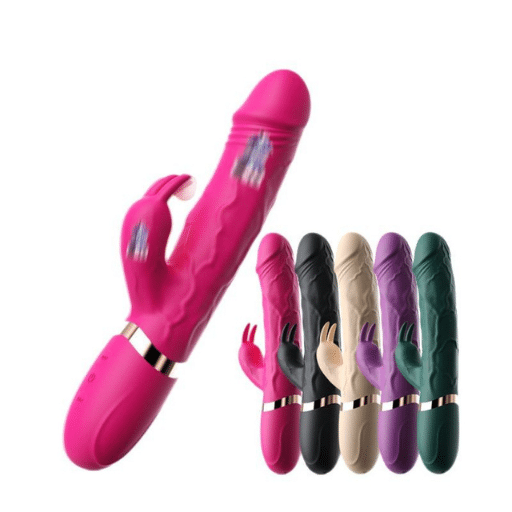
Silicone has become the preferred alternative to PVC for good reason. The table below compares the two materials across the full product lifecycle.
| Factor | PVC Jelly | Medical-Grade Silicone |
|---|---|---|
| Raw material | Petroleum-based | Silica (sand) |
| Production emissions | Dioxins, organochlorides | Lower-toxicity byproducts |
| Plasticizers | Phthalates or substitutes | None required |
| Porous | Yes | No |
| Sterilizable | No | Yes (boil, bleach, dishwasher) |
| Typical lifespan | Months | Years |
| Recyclable | Rarely | Possible through specialized programs |
| Landfill behavior | Leaches additives, fragments | Inert, stable |
| Incineration risk | Releases dioxins and HCl gas | Safer combustion profile |
The comparison shows why the market has shifted. According to industry trend data, more than 78% of products now use medical-grade silicone or other phthalate-free polymers, up from less than 50% before 2018. Consumer surveys support this shift: 55% of buyers say they prioritize body-safe silicone over cheaper materials.
If you are comparing materials for a product line, our platinum silicone vs bioplastics guide offers a deeper technical breakdown.
The Regulatory Gap: Why Adult Toys Are Less Regulated
In the United States, the Consumer Product Safety Improvement Act of 2008 restricts eight phthalates to no more than 0.1% in children’s toys. The European Union has similar rules under REACH and the Toy Safety Regulation. These protections apply to children’s products, not adult products.
This regulatory gap means that a PVC formulation banned in a child’s teething toy can legally be used in an adult vibrator. Some states, including California and Washington, require disclosure of certain chemicals in adult products, but federal law does not mandate testing or labeling for sex toys.
The result is a market where “phthalate-free” claims are often self-reported and unverified. A toy labeled phthalate-free may still contain other plasticizers, such as DOTP, with limited long-term safety data. Without independent lab testing, brands and consumers cannot be certain what they are buying.
For manufacturers selling into the EU, additional obligations apply under REACH for general consumer products. Enforcement specifically targeting adult toys remains inconsistent. This creates both legal exposure and reputational risk for brands that rely on low-cost PVC.
How to Dispose of PVC Jelly Sex Toys Responsibly
Disposal is one of the hardest parts of the PVC jelly toy lifecycle. Most curbside recycling programs do not accept these items. Specialized options are limited but growing.
Several companies now offer sex toy recycling or take-back programs:
| Program | Region | Notes |
|---|---|---|
| Scarlet Girl | US | $10 store credit for mailed-in toys |
| The Natural Love Company “Second Coming” | UK | Free recycling for electronic toys |
| Love Not War | International | Repair-first approach, then factory recycling |
| Ilo | Australia | Accepts silicone toys from any brand |
| Adult Toy Megastore | New Zealand | Voucher for approved returned items |
For toys that cannot be recycled, follow these steps:
- Remove batteries and recycle them separately.
- Clean the toy thoroughly.
- Wrap it in paper or place it in an opaque bag.
- Dispose of it in the general waste.
- Never incinerate PVC toys.
Electronic toys with motors should be treated as small electrical waste under WEEE regulations where applicable. For more guidance, see our guide on how to recycle sex toys.
Mini-story: Tom in Berlin
Tom ran a small brand that used PVC for budget vibrators. In 2024, a retailer in Germany asked for documentation proving the products met REACH chemical restrictions. Tom could not provide verified test reports.
He spent six months reformulating the line with TPE and silicone, added SGS testing, and updated packaging. The switch raised per-unit cost by 18%, but the retailer doubled its order, and customer return rates fell by 40%.
Better Alternatives for Consumers and Manufacturers
The safest environmental and health choice is to avoid PVC jelly toys entirely. Better options exist at multiple price points.
Medical-Grade Silicone
Platinum-cure medical-grade silicone is non-porous, hypoallergenic, and durable. It can be sterilized by boiling, bleaching, or running through a dishwasher. It does not require plasticizers and does not leach chemicals under normal use.
TPE and TPR
Thermoplastic elastomer and thermoplastic rubber are softer than silicone and often phthalate-free. They are still porous and cannot be sterilized fully, so they are a middle-ground option rather than an equivalent replacement.
Glass and Stainless Steel
Borosilicate glass and medical-grade stainless steel are non-porous, sterilizable, and recyclable. They are heavier and less flexible, which suits some product categories better than others.
Certifications to Look For
- ISO 10993 for biocompatibility
- FDA compliance for materials used in medical or intimate applications
- REACH compliance for EU chemical restrictions
- RoHS compliance for restricted hazardous substances in electronics
- OEKO-TEX Standard 100 for textile components
For a full overview of safer materials, read our body-safe materials guide.
What Manufacturers Should Know About Phasing Out PVC
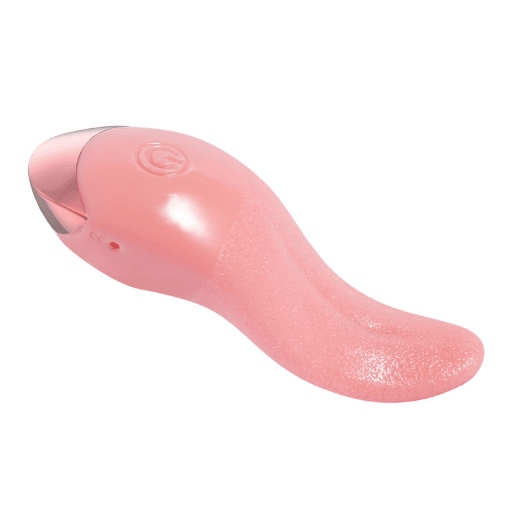
Brands that still use PVC in 2026 face three pressures: consumer preference, retailer requirements, and regulatory risk. Phasing out PVC is not just a materials change. It affects supplier selection, testing budgets, packaging claims, and product design.
Reformulation costs. Moving from PVC to silicone or TPE typically raises material costs by 15% to 40%, depending on the product. Tooling and mold designs may also need updates.
Testing requirements. Independent testing through labs such as SGS, TÜV, or Intertek adds cost but provides documentation that protects against liability. Testing should cover phthalates, heavy metals, and volatile organic compounds.
Marketing claims. Terms like “body-safe,” “non-toxic,” and “phthalate-free” must be substantiated. Unverified claims can lead to regulatory action in the EU under the Empowering Consumers for the Green Transition Directive and similar rules elsewhere.
Design implications. Silicone behaves differently during molding and finishing than PVC. Partnering with an experienced OEM/ODM manufacturer can reduce trial-and-error and speed up the transition.
At Joyflick, we help brands move from PVC to certified, body-safe materials through our custom adult toy manufacturing services. Our low MOQs start at 300 units, and our quality control process includes material verification and compliance documentation.
Frequently Asked Questions
Are PVC jelly sex toys safe to use?
PVC jelly sex toys are generally not considered the safest option. They are porous and often contain phthalates or substitute plasticizers that can leach during use. Safer alternatives include medical-grade silicone, glass, and stainless steel.
What are phthalates and why are they in sex toys?
Phthalates are chemicals added to PVC to make it soft and flexible. They are endocrine disruptors that can interfere with hormone systems. They appear in sex toys because they are cheap and effective plasticizers, not because they are necessary for function.
How can I tell if a toy contains phthalates?
Look for material labels and third-party testing documentation. Avoid toys labeled “jelly,” “PVC,” or “rubber” without verification. A strong chemical odor, sticky surface, or rapid discoloration are warning signs of plasticizer breakdown.
Is silicone better for the environment than PVC?
Silicone is generally better across the lifecycle. It is derived from silica rather than petroleum, lasts longer, does not leach additives, and behaves more safely at end of life. Neither material is biodegradable, but silicone is inert in landfills and recyclable through specialized programs.
How do I dispose of a PVC jelly sex toy?
Remove batteries first and recycle them separately. Clean the toy, wrap it discreetly, and place it in general waste. Specialized recycling programs exist in some regions, but most PVC toys cannot be recycled through curbside programs.
Why are adult toys not regulated like children’s toys?
Most product safety laws for phthalates and chemicals were written for children’s products. Adult products were not included in those rules, leaving a gap that varies by country and state. Some jurisdictions now require disclosure, but comprehensive safety testing is not mandatory.
What should manufacturers use instead of PVC?
Medical-grade silicone is the leading replacement. TPE is a lower-cost alternative with some limitations. Glass and stainless steel work well for non-vibrating products. The best choice depends on product function, target price, and the regulatory market.
Conclusion
The environmental impact of PVC jelly sex toys is a lifecycle problem. Production releases persistent pollutants. Use can expose people to migrating plasticizers. Disposal creates long-lasting waste with few recycling options.
The good news is that the industry has already begun to move. Consumer demand, retailer requirements, and tightening chemical regulations are pushing brands toward medical-grade silicone, certified TPE, and other body-safe materials. Manufacturers that make the shift now can reduce risk, improve product quality, and align with where the market is heading.
At Joyflick, we help brands design and manufacture adult toys with body-safe, environmentally preferable materials. Whether you need to reformulate an existing line or launch a new product with the right certifications, our OEM/ODM team can guide you from material selection through production. Contact us today to request a quote or explore our custom adult toy manufacturing services.