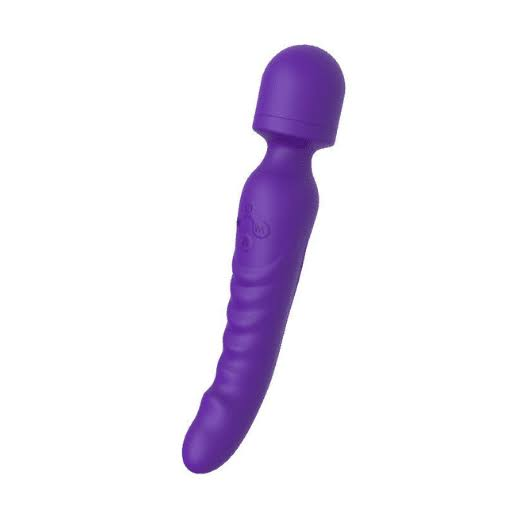

The adult toy industry has evolved significantly over the past decade, driven by rapid technological advancements, shifting societal attitudes, and a growing emphasis on promoting sexual wellness. This once-taboo market has transformed into a thriving sector of innovation, catering to diverse preferences and prioritizing inclusivity, functionality, and safety. From the integration of smart technology and app-controlled devices to the use of sustainable materials, manufacturers are redefining what it means to empower individuals in their intimate lives. In this article, we will explore the cutting-edge trends shaping the industry, the latest breakthroughs in design and technology, and how manufacturers are responding to consumer demands with creative and thoughtful solutions. Whether you’re interested in the mechanics behind the products or the larger cultural implications, this exploration will provide a comprehensive look into the fascinating world of sex toy innovation.
Manufacturing Processes in the Adult Toy Industry

Key Stages of Production: Design to Quality Control
Manufacturing follows a strict manufacturing approach and process implementation to ensure the product’s safety, durability, and functionality. The manufacturing cycle begins with the conceptual design of the product. During the design phase, developers are responsible for outlining the intent of the product, its shape, and features concerning variables that may affect the product from the point of consumer preference and market trend analysis. In this stage, ergonomics, material compatibility, and sensory effects are all analyzed to develop designs that meet usability standards and regulatory compliance. The prototyping processes are very important at this stage, with 3D printing and other technological methods allowing product-based testing to be performed in iterations to develop the correct form and features.
After design selection, the attention turns to picking the materials and production processes. To meet safety standards under OSHA, REACH, or FDA regimes, with additives made safe for the body, common materials include medical-grade silicone, stainless steel, and ABS plastic. These are precision-built products; hence, injection molding or pressure casting helps to ensure the precision of shape and texture, with the fourth step, worrying about eliminating defects while maintaining the solidarity and integrity of the structure. The electronic or mechanical parts, on the other hand, are assembled and put through the test of functionality.
The final step in the process is an inspection for quality assurance, checking that every unit conforms to safety and performance standards established at the outset. Multi-tiered testing is carried out, including mechanical stress testing, electrical safety assessment, material endurance evaluation, and vigorous product testing, before they comply with international health and safety certifications. Random batch checks and user feedback from prototypes also help to validate the products’ performance before they go into production. By the time a product reaches the consumer, it must have been through a thorough vetting process that guarantees that the product delivers a pleasurable, safe experience.
Material Selection and Its Importance
Being a crucial stage in product development, material selection impacts functionality, strength, and safety. It is important to choose the right materials so that the product can perform as needed in varied situations while holding the structure together. For example, in aerospace and medical devices, materials holding some specific characteristics, like tensile strength or biocompatibility, have to be taken into consideration. Therefore, by carrying out rigorous analysis of thermal resistance, chemical stability, and so forth, one can optimize the design relative to practical issues and user desirability.
Material choice has a say in matters of sustainability and environmental impact. The lesser environmental footprint would be ensured if materials are chosen for are environmentally friendly and recyclable. Developments in materials science have yielded lightweight composites and biodegradable alternatives, which are much advertised as solutions for curbing environmental damage. Furthermore, utilizing materials that are renewable or recycled holds onto the corporate sustainability program and on the legislation level, where such concern of environmental responsibility is fast gaining ground.
A material choice also determines the product’s whole lifecycle, starting from manufacturing and going on until disposal. Since in terms of design considerations alone, a material must meet cost requirements, legal requirements, and market needs, failure to choose the right sort of material will adversely affect the performance of the product and can even cause its recall, legal action, and in extreme cases, leading to a tarnished brand image. Thus, materials must outrightly determine the safety, functionality, and sustainability of modern products, firmly placing their significance in the landscape of engineering and manufacturing.
Prototyping and Testing for Safety
Prototyping and testing courage and assurance for the birth of a product. In prototyping, engineers create physical or virtual models of the problem to look for design weaknesses and test the functionality. Iterations will then take place to fix the safety-critical aspects before the production of a bulk lot. Common techniques are finite element analysis (FEA), stress test, and rapid prototyping methods like 3D printing to verify structural integrity under simulated conditions.
Safety testing entails a thorough examination of the product in a variety of circumstances in order to ensure its compliance with industry and regulatory requirements. However, products are subject to environmental testing, mechanical stress tests, and sometimes even destructive testing to establish the limits at which they fail. For example, crash testing is one of the paramount tests wherein occupant protection systems are verified in the automotive industry. Establishing safety involves testing that assures adherence to standards such as ISO 26262 functional safety for electronic systems, on which risk assessments are conducted methodically.
Merging state-of-the-art testing methods with innovative prototyping could streamline risk mitigation and bolster safety to the point where trust can be attained among customers. Also, rapid simulation technology has enabled less costly and faster software test runs and evaluation of code, so that a proper compromise on safety standards can still be made. This showcases how safety, being incorporated within product development all the way from conceptualization, lays the foundation for a trusted vendor source.
Impact of Technology on Sex Toy Manufacturing

Advancements in AI and Product Functionality
Recent technological evolution has defined the sex toy functionality and the user experience of the modern age. Now, AI provides customization and adaptability heretofore considered impossible, setting forth responses by the user’s preferences and behavior. Using machine learning algorithms, these devices interpret pattern recognition results to apply changes in their operational settings, such as intensity of vibration, temperature, or movement, providing an entirely individualized user experience.
From there, advanced sensory instruments further help coordinate these features. An AI sensor might detect, for example, changes in pulse rates or muscle contractions and provide real-time feedback to adjust performance. Next comes an ecosystem of connected devices offering remote control of the products through mobile apps, which adds long-distance interactivity and programmable customizations.
Manufacturers use AI-enabled feedback loops for iterative solution design and functionality improvements; for instance, analyses from data collection (in aggregate and anonymized form for privacy protection) can help identify trends in usage or targets for development so that better, more efficient, and user-oriented designs can be produced. These improvements bring one phase of gratification to the users and signal the thought of AI being the key to the future of intimacy technologies.
3D Printing and Customization Opportunities
This change marked an era of unheard customization opportunities in a highly personalized industry. Manufacturing enables the sculpting of intricate designs with minute detail of personal requirements, hence empowering this paradigm shift toward bespoke solutions. Being able to print an object layer by layer from computer files, – stereolithography (SLA) and selective laser sintering (SLS), used to be much more time-consuming and expensive for prototyping and small-batch production.
Basically, 3D printing has the advantage of its place in versatility. So, depending on the materials used, products can exhibit special qualities such as hardness, flexibility, or biocompatibility. For instance, custom prosthetics and implants came under the reputation of the health sector, where an emphasis is laid on precision and patient-specific geometry. Also, in the consumer goods sector, 3D printing facilitates the production of customized products- from ergonomic accessories to made-for-wearables.
More recent data reflect a trend toward the greater integration of 3D printing with customer-centric platforms. According to market analytics, the global 3D printing market is expected to cross $60 billion by 2030. This growth will be fueled by customer demands for localized production and customization. All of these advancements enable businesses to react to their customers’ wants in no time, while avoiding overproduction and wastage, hence being true to the set goals of sustainability. With further customization, 3D printing will change industries by providing solutions that blend efficiency with personalization.
Enhancing Customer Experience with Innovative Technologies
Through the deployment of innovative technologies, the relationship of businesses with their customers has changed with a strong emphasis on personalized and efficient experiences. AI, ML, and IoT enable companies to gather and analyze an enormous amount of customer data and then act upon it. For example, AI-based chatbots now provide round-the-clock support to customers, responding immediately to queries and ensuring the smoothest possible service experience. On the other hand, all IoT-capable devices enable businesses to track their customer behavior and preferences in real time so that they can offer solutions and recommendations proactively.
AR and VR create and extend the concept of great engagement experiences. They create great enhancements for e-commerce, where users place products in a virtual environment before buying. Industry reports suggest that the global AR & VR market could reach more than 450 billion dollars by 2030, with hardware and software development fueling this growth.
By combining this suite of technologies with heavy data analysis tools and predictive algorithms, companies can very accurately predict customer needs. This strategic implementation not only builds convenience but also drives brand loyalty, thus placing businesses at the forefront of customer-centric innovation.
Challenges Facing Sex Toy Manufacturers

Regulatory Hurdles and Compliance Issues
Stringent frameworks face the global sex toy industry. Regulations vary from region to region-that makes things difficult for manufacturers wishing to comply with them. These regulations, generally stipulated by safety standards, material certifications, and labeling requirements, are telling of their rigidity. For example, in many jurisdictions, manufacturers have to ensure that their goods are not contaminated with unsafe substances.
In addition to such safety standards, the classification of sex toys sometimes casts doubts upon the status of such products in law-and in certain regions, some products are regarded as medical devices and, accordingly, are required to comply with increased levels of quality certification such as ISO 13485. The situation becomes exponentially challenging once import-export activities enter the field. Then the matter of tariffs, import and export restrictions, and appropriate documentation invades all aspects of day-to-day life.
Further restrictions on advertising increase complexity-the laws forbid explicit marketing of the product or limit such promotions to very few platforms. All of this made it necessary to forge new-millennial methods for engagement while still conforming to the advertising policies of the major online platforms. Keeping on top of regulatory changes from time to time to keep risks at bay and ensure market accessibility is required from manufacturers; they would need to set up internal teams or engage external consultants as the need arises to adequately navigate these challenges.
Competition in a Growing Market
Continuous innovation, broadening of product varieties, and ever-changing consumer demands characterize the rivalry in this growing market. Competing companies try to leverage state-of-the-art tech such as artificial intelligence (AI) and machine learning, which helps reduce operating costs and create those personalized experiences for the customer. Market leaders then use data analytics to foresee demand trends and fine-tune supply chain management to ensure sustained growth and profitability.
The emerging players find a way to create niche segments focusing on unique value propositions such as sustainability or specialized product attributes. Hence, this competition calls for strategic positioning and heavy research and development as well as agile business models to keep up with the fast-paced industry evolution.
The same is being attained through the consolidation of market players by mergers and acquisitions, keeping scaling operations, extending geographical footprints, or improving technological capabilities in view. Any entity that can innovate while maneuvering through regulatory demands stands a better chance at grabbing the market share of the fiercely competitive environment.
Sustainability Efforts in the Adult Toy Industry

Eco-Friendly Manufacturing Practices
The incorporation of ecological manufacturing into the adult toy sector marks an important turning point towards sustainability and environmental responsibility. Manufacturers are increasingly using materials that are biodegradable and recyclable, such as silicone alternatives derived from plant-based sources or bioplastics derived from renewable resources. Hence, such materials reduce the carbon footprint and also serve the purpose of consumers wanting products made through ethical means.
More energy-efficient processes are being employed, which mostly include renewable electricity generation through solar or wind to give a reduced load on fossil sources. Closed-loop water systems are another idea that could minimize water wastage in manufacturing plants. On the other hand, packaging companies are looking at sustainable packaging options, including the banning of single-use plastics in favor of compostable or recyclable materials for product packaging.
For being more credible and being transparent via certification, many manufacturers have acquired the Global Organic Latex Standard (GOLS) or Forest Stewardship Council (FSC) certification for materials used in production. It is indeed a big incentive of reducing environmental impact while outwardly aiming to meet the expectations of an increasingly environmentally conscious clientele.
Reducing Waste and Promoting Sustainable Materials
The use of sustainable materials and the reduction in waste within industrial and consumer processes is one prime step toward achieving environmental sustainability. Up until recently, the bravo was on adopting the principles of the circular economy that emphasize designing products that are long-lasting, reusable, and recyclable. Industry data suggests that around 91% of global plastic waste remains unrecycled, raising alarms to improve waste management systems and promote the usage of alternative materials.
Innovations like biodegradable polymers, mushroom packaging, and recycled ocean plastics are revolutionizing material science and providing highly scalable routes to minimize reliance on virgin resources. Moreover, material choices are being increasingly guided by complementary factors from lifecycle assessment (LCA), which measure the environmental footprint and prioritize the least harmful alternative. On one hand, minimizing waste from processes by methods of advanced manufacturing technologies such as additive manufacturing and lean manufacturing techniques helps conserve resource usage and reduce the output of unnecessary material.
On the other hand, when this is combined with digital tools for supply chain transparency and advanced analytics to track material provenance, companies can also explicate sustainability certificate compliance. These strategies go beyond environmental impact mitigation in creating resale environmental esprit that occupies competitive markets.
Manufacturer Initiatives for Environmental Responsibility
Many initiatives are presently being considered by manufacturers who place the environment and sustainability at the very centre of their discipline, using either traditional means or cutting-edge technologies. One such policy is the circular economy concept, wherein waste produced during manufacturing processes may be put to the use of making new materials, worked upon by minimizing the waste or even completely. With the newer industries coming up, more and more companies embrace advanced control systems to take resource consumption under control-they perfectly discount raw materials when needed and do so when there is energy-requiring use.
Importantly, supply chain digitization has promoted end-to-end transparency for manufacturers. For example, blockchain can be used to track goods immutably and verify that materials are sustainably sourced and ethically produced. Wind turbines and solar panels have often topped the list among the renewable energy generation options to alleviate fossil fuel dependence and carbon footprints.
Recent industry reports help show the quantifiable outcomes of such practices. For example, companies integrating energy-efficient production systems have witnessed an energy consumption reduction of 25% within 10 years. Placing priority on those environment-conscious measures will create opportunities for makers to fulfill certain compliance criteria as well as establish some brand image in the sustainability-marketed milieu.
Adapting to Customer Needs in the Sex Toy Market

Personalization and Customization Trends
Changing demands of the sex toy clientele, therefore, gave rise to the need for personalization and customization. Materials, design software, and manufacturing technologies of our time, including 3D printing, give manufacturers the ability to customize to the specifics of user preferences. For example, now companies can make sizes, textures, and functions variable based on direct inputs from the users through digital interfaces.
Studies show that when it comes to personalized items, they often lead to customer satisfaction as individual choice and unique physiological requirements tend to be met. Moreover, the development of smart technology integration-from apps to Bluetooth-connectivity users to change vibration intensities, vibration patterns, and temperature controls right on the fly, allowing for a very dynamic experience.
The data points to the willingness of customers to pay more for the cause, as a McKinsey report suggests that more than 70% of customers are prone to favor an enterprise that provides a tailored experience. This trend finds its resonance in the sex toy industry, wherein inclusivity and catering to disparate customer needs forge a direct path toward brand loyalty and market growth. Adopting such innovation gives companies a leg up in catering to the subtle needs of a worldwide tech-savvy clientele.
Innovation in Product Offerings
The sex toy industry’s product innovation is evolving rapidly due to scientific discoveries and shifting consumer expectations. Smart devices, such as app-controlled offerings and AI-governed functionality, create bespoke and interactive experiences for the end user. The usage of body-safe material like medical-grade silicone and eco-friendly alternatives points toward health and sustainability practices that the industry adheres to.
The current market data states that the world sexual wellness market is anticipated to achieve $45 billion by 2027, pointing toward the rising demand for a technological and inclusive approach to product design. Modular parts, customizable features, and ergonomic designs are some of the trends shaping product innovation in this sector. In recent times, advances in product development have improved the functions but also appeal to a wider demographic, implying that inclusivity has become the backbone for product development today.
On the strategic front, companies using consumer data to innovate better meet the changing needs of their customers. Analytics and knowledge of consumer behavior-based assurance of launching the latest innovations serve market demand while securing a valid competitive differentiation for running. The matrix that will dictate future offerings in this industry will be formed by technology, inclusivity, and sustainability, thereby laying down an account that guarantees fast growth.
Improving Accessibility for Diverse Preferences
Addressing different customer preferences entails a strategic approach marrying innovation with inclusivity. Using technology to trace and comprehend consumer patterns helps business organizations identify where their services are lacking and prioritize accessibility at every touchpoint. This shall require, for instance, advanced data analysis to identify the finer needs of different demographic groups pertaining to varying physical abilities, cultural expectations, or technological proficiency. These insights allow organizations to quantify and represent user-centric solutions on an even larger scale.
For one thing, the design of digital platforms must take into consideration diverse user needs and ensure the use of assistive technologies such as screen readers or voice-recognition software. Multi-language support and more universal design practices could provide additional hermeneutics. That aside, physically inclusive products may require accommodating ergonomics decisions, options tailored for customization, or modular solutions that suit differences in ability and preference. Additionally, incorporating continuous feedback loops in the lifecycle of the product ensures that it is continuously improved in line with user expectations.
Lastly, the promotion of accessibility fosters economic and societal benefits. Since consumers traditionally favored socially responsible brands, an organization that upholds inclusivity will build more loyal customers. This leads to revenue production and increases market presence. Equally important, these measures towards inclusivity contribute to the uplifted goal of society in carving out fewer barriers and basing equal opportunities for engagement on the fact that products and services should be accessible to all segments of society.
References
-
Taboo to Mainstream: An Industrial Design Solution to Sex Toy Production
This thesis explores the industrial design and manufacturing aspects of sex toys, supported by university-based sociological and sexual studies. -
Design Culture in the Sex Toy Industry: A New Phenomenon
This book discusses the ethics and design research in the sex toy industry, highlighting academic and industrial contributions. -
Getting the Government in Bed: How to Regulate the Sex-Toy Industry
This article examines regulatory frameworks and consumer spending in the sex toy industry, with insights from academic organizations. -
Vibrator Nation: How Feminist Sex-Toy Stores Changed the Business of Pleasure
This book provides a historical and cultural perspective on the evolution of sex toy businesses, with academic insights. -
Now More Than Ever: Sex Toys and Social Justice in the Digital Age
This article explores the intersection of sex toy manufacturing, social justice, and digital advancements, rooted in feminist and educational contexts.
Frequently Asked Questions (FAQ)
Q: What are the key factors to consider when choosing sex toy manufacturers?
A: When selecting sex toy manufacturers, it’s essential to consider product safety, the use of body-safe materials like silicone, and compliance with industry standards. Additionally, assess the manufacturer’s reputation, customer service, and shipping policies to ensure a reliable partnership.
Q: How do sex toy manufacturers ensure the safety of their products?
A: Sex toy manufacturers prioritize safety by using body-safe materials, such as silicone and glass, and conducting rigorous testing on their products. They also adhere to strict guidelines and regulations to ensure that their pleasure products are safe for consumers.
Q: What types of products do sex toy companies typically offer?
A: Sex toy companies often provide a wide range of adult novelty items, including dildos, vibrators, and other pleasure products. They may also offer items made from body-safe materials, ensuring a safe experience for users.
Q: How can I find reputable sex toy manufacturers?
A: To find reputable sex toy manufacturers, consider researching industry reviews, seeking recommendations from influencers or retailers, and checking for certifications that validate the use of body-safe materials. Attending adult novelty trade shows can also be beneficial.
Q: What role does discretion play in the sex toy industry?
A: Discretion is vital for many customers when purchasing sex products. Manufacturers and retailers often implement privacy policies to ensure that orders are shipped in unmarked packaging, safeguarding customer privacy and enhancing the overall buying experience.
Q: Are there specific materials that are recommended for sex toys?
A: Yes, materials such as silicone, glass, and other body-safe materials are highly recommended for sex toys. These materials are not only durable but also non-porous, making them safe and easy to clean, which is crucial for safe sex practices.
Q: How do sex toy manufacturers handle shipping and returns?
A: Sex toy manufacturers typically have policies in place for shipping and returns, which can vary by company. Many prioritize discreet packaging and offer customer-friendly return policies to address any concerns regarding product satisfaction or safety.
Q: What educational resources do sex toy manufacturers provide?
A: Many sex toy manufacturers offer educational resources through their websites or customer service channels. These resources may include guides on product usage, safety tips, and information about the components used in their pleasure products to enhance customer knowledge and experience.
Q: How can adult pleasure products impact a person’s sexual health?
A: Adult pleasure products can enhance sexual health by promoting safe sex practices, increasing intimacy, and helping individuals explore their desires. When made from body-safe materials, these products can be a positive addition to one’s sexual wellness routine, provided they are used responsibly.
Q: What should I look for in a wholesale sex toys distributor?
A: When searching for a wholesale sex toys distributor, consider their range of products, the quality of their offerings, customer service, and their return policy. It’s important to ensure that they source from reputable sex toy manufacturers that prioritize product safety and use body-safe materials.