Most guides tell you which nipple clamps to buy. Few explain why clamp design determines safety, or what happens inside the mechanism when you tighten a screw.
If you are new to nipple clamps, the gap between exciting and safe can feel overwhelming. One blog says “just go slowly.” Another says “use them for ten minutes.” A third never mentions time limits at all. Learning how to use nipple clamps safely should not require guesswork.
This guide closes that gap with manufacturer-level insight into clamp mechanics, body-safe materials, and a step-by-step protocol backed by sexual health educators and manufacturer safety standards that keeps play safe. By the end, you will know exactly which designs are safest for beginners, how to apply and remove clamps correctly, how long to wear them, and what aftercare actually looks like. Whether you are exploring solo or with a partner, the principles here are the same: start informed, monitor closely, and respect your body’s signals.
What Are Nipple Clamps?
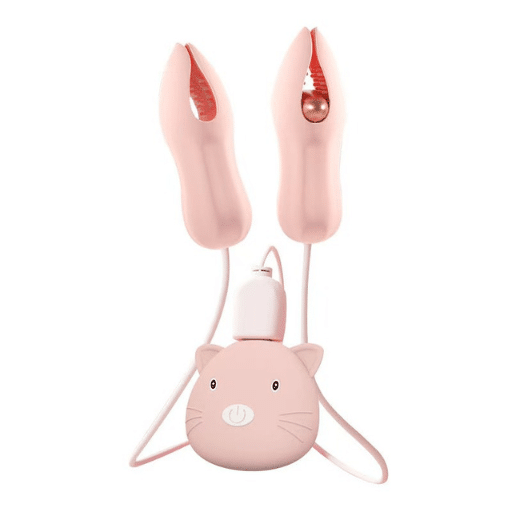
Nipple clamps are pressure-based accessories that apply controlled compression to the nipples, temporarily restricting blood flow to increase sensitivity and sensation. They consist of two jaws or arms that squeeze together, held in place by a spring, screw, magnet, or sliding ring. Designs range from gently adjustable tweezer styles to intense, non-adjustable clover clamps. For beginners learning how to use nipple clamps, the key is starting with an adjustable mechanism that lets you control pressure precisely.
Choosing the Right Nipple Clamps: A Safety-First Approach
Not all nipple clamps are created equal. The difference between a safe first experience and an uncomfortable one often comes down to mechanism design, something you cannot see in a product photo. At Joyflick, we engineer clamps with adjustable pressure mechanisms. Fixed-pressure designs offer no escape valve if the sensation becomes too intense. Understanding how to use nipple clamps safely starts with choosing a design that puts you in control.
Beginner-Safe Clamp Types (Ranked by Safety)
1. Tweezer or Slider Clamps
These are the gentlest entry point. Two slender arms squeeze together, and a sliding ring adjusts tension by moving up or down the arms. The pressure range is wide, from barely perceptible to firm, and you can adjust it in seconds without removing the clamp. For first-timers wondering how to use nipple clamps without discomfort, this style offers the most forgiving learning curve.
2. Screw-Adjustable Alligator Clamps
These feature a small screw that lets you set the exact gap between the jaws before applying them. Once positioned, the screw holds that setting steady. This precision matters: you can find your ideal pressure and lock it in, rather than guessing with a spring-loaded mechanism. Look for models with soft silicone or rubber tips, which distribute pressure across a wider surface area and reduce pinching.
3. Soft-Tipped Spring Clamps
Spring-loaded clamps use a fixed spring to generate pressure. Models with broad, cushioned silicone tips are reasonable for beginners, but the spring tension itself is not adjustable. If the spring is too strong for your sensitivity level, your only option is to remove the clamp entirely.
Clamp Types to Avoid as a Beginner
Clover or Butterfly Clamps tighten automatically when you pull the chain. The harder the tug, the tighter the grip. This self-tightening behavior makes them unpredictable for beginners and unsafe until you understand your exact pain tolerance.
Magnetic Clamps apply a fixed, strong force between two magnetic bars. You cannot adjust the pressure, and the strong magnetic force can make them difficult to pull apart quickly if you need immediate removal. If you are researching how to use nipple clamps for the first time, save magnetic styles for after you have built experience with adjustable mechanisms.
Heavy Weighted Clamps add traction through chains or weights. The extra pull increases tissue stress and raises the risk of bruising or capillary damage when you are still learning your limits.
Material Matters: What to Look For
The metal and coating touching your skin matters as much as the mechanism. At Joyflick, we manufacture clamps using medical-grade 304 or 316 stainless steel and body-safe silicone coatings because they are hypoallergenic, non-porous, and easy to sterilize. These materials also resist corrosion, which means they will not degrade with repeated cleaning.
Avoid clamps made from nickel-plated mystery metals or with PVC rubber tips. Nickel is a common skin allergen, and low-grade rubber can contain phthalates or other plasticizers that irritate sensitive tissue. If a product listing does not specify the metal grade, that is a red flag. For a deeper look at what makes materials truly body-safe, see our guide to nipple clamp materials and safety certifications.
If you are browsing options and want to compare styles, our complete guide to nipple clamp types for beginners breaks down every design with manufacturing notes on complexity and safety.
Pre-Use Safety Essentials
Before you learn how to use nipple clamps in practice, run through a quick safety checklist. These steps take five minutes and eliminate most common first-time problems.
Hygiene Protocol
Wash your clamps with warm water and mild soap, or a dedicated toy cleaner, before and after every use. Dry them completely before storage. Even “clean” clamps can harbor bacteria if they have been sitting in a drawer. Your skin should also be clean and dry; moisture can increase friction and irritation under pressure.
Health Screening: Who Should Avoid Nipple Clamps
Nipple clamps restrict blood flow. For most healthy adults, temporary restriction is safe within time limits. But certain conditions raise the risk of tissue damage or complications. Avoid nipple clamps, or consult a physician first, if any of the following apply:
- Pregnancy or breastfeeding: Hormonal changes increase nipple sensitivity and tissue fragility.
- Circulatory disorders: Diabetes, peripheral vascular disease, or Raynaud’s disease impair blood flow recovery.
- Bleeding disorders or blood thinners: Reduced clotting raises bruising and hematoma risk.
- Nerve conditions or reduced sensation: Neuropathy means you may not feel dangerous pressure levels.
- Recent breast surgery, implants, or active nipple piercings: Tissue is still healing and vulnerable to pressure trauma.
- Skin conditions in the area: Eczema, psoriasis, open wounds, or sunburn can worsen under clamp pressure.
The Fingertip Test
Before applying a clamp to your nipple, test its pressure range on your fingertip or earlobe. Squeeze to the tightest setting you think you can handle, then back it off slightly. That backed-off setting is your starting point. This simple test prevents the shock of discovering a clamp is too intense after it is already on one of your most sensitive areas.
Set the Scene
Choose an environment where you will not be interrupted. If you are playing with a partner, establish a safe word or non-verbal signal before starting. Agree on a check-in rhythm, every few minutes, ask “how is the pressure?”, and commit to stopping immediately if the signal is given. Communication is part of learning how to use nipple clamps responsibly.
Step-by-Step: How to Use Nipple Clamps for the First Time
Follow this protocol exactly for your first experience. Each step builds on the last, and skipping any of them increases risk unnecessarily.
Step 1: Warm Up
Gently massage, roll, or stimulate your nipples to encourage erection and blood flow. Warm tissue responds better to pressure and makes application easier. Cold or unaroused nipples are harder to position correctly and more prone to pinching.
Step 2: Start at the Loosest Setting
If you’re using adjustable clamps, and you should be, open the mechanism fully. Slide the ring to the bottom before approaching your skin. Starting loose gives you room to tighten gradually. You can always add pressure. Reversing an overly tight clamp is harder and more jarring.
Step 3: Position at the Base of the Nipple
Open the clamp fully and place it around the base of the nipple, just behind the nipple bud, so it lies flat against the areola. Clamping only the very tip causes two problems: the clamp slips more easily, and the pressure concentrates on a smaller surface area, which feels sharper. The base placement distributes force across more tissue and keeps the clamp stable.
Step 4: Tighten Slowly
Gradually increase pressure, slide the ring upward, turn the screw, or compress the spring slowly. Pause after each tiny adjustment and assess the sensation. The feeling should be intense pressure, tingling, or a dull ache.
Sharp, stabbing, or burning pain means you have gone too far. Back off immediately. Learning how to use nipple clamps is about finding the edge of intensity. Don’t cross into genuine pain.
Step 5: Breathe
Inhale as you apply or adjust the clamp. Shallow breathing increases muscle tension, which amplifies discomfort. Slow, deep breaths help your nervous system process the sensation calmly.
Step 6: Monitor Color and Sensation Every 3 to 5 Minutes
This is the step most beginners skip, and it is the most important. Set a timer on your phone. Every 3 to 5 minutes, check your nipple color and temperature:
- Pink or reddish: Normal. Blood flow is restricted but not dangerously so.
- Pale or white: Warning. Blood supply is severely reduced. Loosen or remove.
- Blue or purple: Danger. Circulation is critically impaired. Remove immediately.
- Cold to the touch: Warning. Tissue temperature drop signals poor circulation.
If you feel numbness, escalating pins and needles, or sharp pain at any point, remove the clamps. Don’t wait for the timer.
Maya’s first time: Maya, a 28-year-old trying clamps for the first time, set a five-minute timer on her phone before applying a pair of tweezer-style clamps. At minute four, she noticed her left nipple had turned paler than the right. She loosened the left clamp slightly, color returned within thirty seconds, and she completed her first session without incident.
That small adjustment, made because she was checking, was the difference between a safe session and potential tissue stress.
How Long Can You Wear Nipple Clamps? Time Limits by Experience Level
Time limits are not suggestions. They are physiological boundaries based on how long nipple tissue can tolerate restricted blood flow before oxygen deprivation risks tissue damage. The community mantra is simple: set a timer and stick to it. Endorphins and arousal will make you think you can handle more. Your body doesn’t agree.
| Experience Level | Maximum Continuous Wear | Why This Limit |
|---|---|---|
| Beginner (first 1-3 sessions) | 5–10 minutes | Tissue is not conditioned; nerve response is unpredictable |
| Intermediate (4+ sessions) | 10–15 minutes | You know your baseline; monitor color closely |
| Experienced | 15–20 minutes | Maximum recommended even with full conditioning |
| Absolute maximum (any user) | 30 minutes | Hard ceiling; never exceed regardless of experience |
Never sleep with nipple clamps on. Unconscious wear means zero monitoring, and a shifted clamp can compress tissue for hours without you noticing.
Why Time Limits Matter
Nipple clamps work by restricting venous return, the blood leaving the nipple, more than arterial inflow. This creates pressure and sensitivity.
But if restriction continues too long, oxygen supply drops. Cells begin to stress. In extreme cases, prolonged oxygen deprivation can cause tissue damage or necrosis. These outcomes are rare only when time limits are respected.
If you want to play longer than 15 minutes, remove the clamps completely for at least 3 to 5 minutes. Massage the area, confirm normal color and temperature have returned, and then reapply if desired. Multiple short rounds are always safer than one long session.
When to Remove Immediately (Regardless of Time)
Remove your clamps right away if you notice any of the following, even if you have only worn them for two minutes:
- Pale, white, blue, or purple discoloration
- Cold temperature in the clamped area
- Numbness or loss of sensation
- Sharp, burning, or escalating pain
- Swelling spreading beyond the nipple
Safe Removal and Aftercare
How you remove nipple clamps matters almost as much as how to use nipple clamps during wear. Abrupt removal can shock tissue. Proper technique lets blood flow return smoothly.
How to Remove Nipple Clamps Safely
First, loosen the mechanism completely before touching the clamp. Don’t pull it off while it’s still tight.
For screw clamps, back the screw out fully. For tweezer clamps, slide the ring all the way down. For spring clamps, open the jaws wide. Once loose, slide the clamp off slowly over 10 to 20 seconds. A gradual release lets blood return in a controlled wave rather than a sudden rush.
Expect an intense sensation as circulation resumes. Many experienced users call this “the rush,” and some find it the most pleasurable part of the experience. It should feel intense but not agonizing. If the rush causes genuine pain or the color does not return to normal pink within 2 to 3 minutes, circulation was restricted too severely.
Restore Circulation
After removal, gently massage the nipples and areolas for 30 to 60 seconds. Use your fingertips in small circular motions. This manually pushes blood back into compressed capillaries and speeds recovery. If the area feels especially cool, press a warm compress or warm washcloth against the skin for a minute or two.
Soothe and Protect
If the skin feels tender, apply a light, fragrance-free moisturizer, aloe vera gel, or a small amount of coconut oil. Avoid fragranced lotions or alcohol-based products, which can sting irritated tissue.
Check for bruising or swelling over the next 12 to 24 hours. Minor redness that fades within an hour is normal. Bruising or swelling that persists longer suggests you used too much pressure or time.
Rest Between Sessions
Tissue needs time to rebound. Wait at least 24 hours before clamping again. If you experienced any bruising or prolonged soreness, wait until fully healed. Repeated clamping on stressed tissue increases the risk of cumulative damage and reduced sensitivity over time.
Emotional Aftercare for Partner Play
Physical aftercare should always be paired with emotional check-ins. Talk about what felt good, what felt too intense, and what you might adjust next time. Cuddling, reassurance, and open discussion help both partners process the experience and build trust for future sessions.
Jake’s surprise: Jake, clamping for the first time with his partner, was startled by the intensity of the rush when they removed the clamps after eight minutes. “It felt like my whole chest woke up at once,” he said.
His partner had read about the rush beforehand and talked him through slow breathing while massaging the area. Within two minutes, the sensation normalized, and Jake described the overall experience as “intense in a good way.” Knowing what to expect turned a potential panic moment into a manageable part of the experience.
Understanding the Risks: What Can Go Wrong
Nipple clamps are safe when used correctly. But understanding the risks, rather than ignoring them, is what makes correct use possible. Here is an honest assessment of what can go wrong and how to prevent it.
Circulation Restriction and Tissue Damage
The primary risk is cutting off blood flow for too long. When oxygen-starved, tissue cells begin to break down. This progresses from temporary numbness to bruising, and in extreme cases, to tissue damage. Sexual health educators consistently warn that prolonged restriction of circulation is the leading cause of clamp-related injury. The prevention is simple: follow time limits, monitor color, and remove immediately if warning signs appear.
Lena’s lesson: Lena, a seasoned kink enthusiast, once ignored her timer during an intense scene and left clamps on for nearly 45 minutes. When she finally removed them, her nipples stayed pale and cold for over 10 minutes despite massage. The numbness lingered for two days. “I knew the rules,” she said. “I just thought I was experienced enough to trust my body. I wasn’t.” She now sets a loud timer for every session, regardless of how long she has been playing.
Nerve Compression
Excessive pressure can compress the dense network of nerve endings in the nipple. Temporary numbness usually resolves within minutes to hours. But repeated nerve compression without adequate recovery time can lead to prolonged or semi-permanent desensitization. Limit session frequency to 2 to 3 times per week maximum, with rest days in between.
Bruising and Broken Capillaries
Small capillaries under the skin can burst under sustained pressure. This causes visible bruising or red dots (petechiae). Mild bruising heals on its own within a few days. Severe or recurrent bruising means you are using too much pressure or wearing clamps too long.
Infection Risk
Clamps that are not cleaned properly can introduce bacteria to cracked or irritated skin. Always clean clamps before and after use. If you develop redness, warmth, swelling, or drainage after a session, treat it as a potential infection and seek medical advice.
When to Seek Medical Attention
Stop using nipple clamps and consult a healthcare provider if you experience any of the following after removal and aftercare:
- Persistent numbness or tingling that lasts more than a few hours
- Discoloration (pale, blue, or purple) that does not resolve within 5 minutes of removal
- Significant bruising, blistering, or open wounds
- Burning or stinging that persists for more than an hour
- Discharge or drainage from the nipple
These symptoms are uncommon when you know how to use nipple clamps with proper protocols, but they should never be ignored. For more detail on material safety and what certifications to look for in quality clamps, see our deep dive into body-safe materials and global certifications.
FAQ
How do I know if nipple clamps are too tight?
If you feel sharp, burning, or genuinely painful pressure, as opposed to intense sensation, they are too tight. Numbness, coldness, or color change to pale, white, blue, or purple are also clear signals to loosen or remove them immediately.
Can I use nipple clamps with piercings?
Avoid clamps on or around healing piercings. For fully healed piercings, position the clamp behind the jewelry at the base of the nipple, never on the piercing itself. Jewelry can concentrate pressure and trap the clamp awkwardly, increasing trauma risk.
Are vibrating nipple clamps safe for beginners?
If you’re learning how to use nipple clamps for the first time, vibrating clamps can be a safe next step after you master basic adjustable styles. The vibration itself does not increase physical risk, but the added sensation can mask pressure discomfort. Start with vibration off, set your pressure, then add vibration at low intensity. Never exceed the same time limits as standard clamps.
How do I clean and store nipple clamps?
Wash with warm water and mild soap or a dedicated toy cleaner after every use. Dry completely. For metal clamps, occasional sterilization by boiling (if the design allows) or wiping with 70% isopropyl alcohol provides extra hygiene. Store in a clean, dry pouch or container away from dust and direct sunlight.
What if my nipples stay numb after removal?
Mild numbness or tingling that fades within 10 to 30 minutes is normal after compression. If numbness persists for several hours, you likely applied too much pressure or wore the clamps too long. Give the tissue a full week to recover before clamping again, and start at a lighter pressure next time.
Conclusion
Learning how to use nipple clamps safely comes down to five simple rules. Choose an adjustable, body-safe design. Start at the loosest setting. Position at the base of the nipple. Wear them for 10 minutes or less as a beginner. Perform thorough aftercare, including massage and a 24-hour recovery period.
Follow these rules, and clamps become a controlled, enjoyable addition to your routine. They don’t have to be a source of anxiety.
Safety is built into the design. It lives in the mechanism, the metal grade, the coating, and the quality control that happens long before a clamp ever reaches your hands. At Joyflick, we manufacture clamps with medical-grade 304/316 stainless steel, soft silicone tips, and adjustable screw mechanisms. Those design choices are what make first-time use safe.
If you are exploring for yourself, remember that knowledge is your best tool. Set a timer. Check the color. Start loose. Remove slowly. Massage afterward. Respect the recovery time. These habits turn a potentially risky experiment into a safe, repeatable experience.
If you are a retailer or brand looking to offer your customers clamps engineered with these safety principles from the ground up, see our complete guide to nipple clamp manufacturing to learn how we build body-safe, adjustable designs at scale. And if you are ready to explore options, browse our curated collection of the best nipple clamps selected with beginner safety in mind.