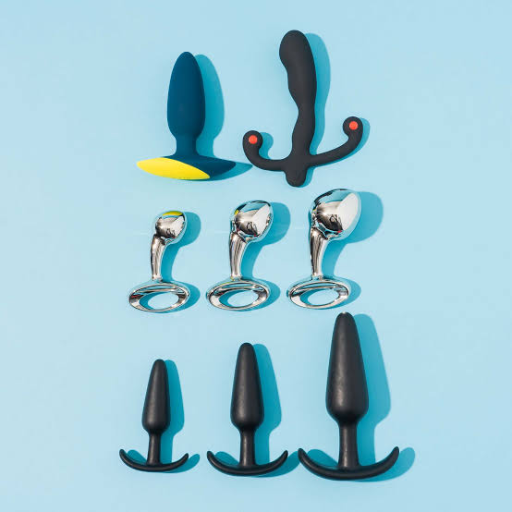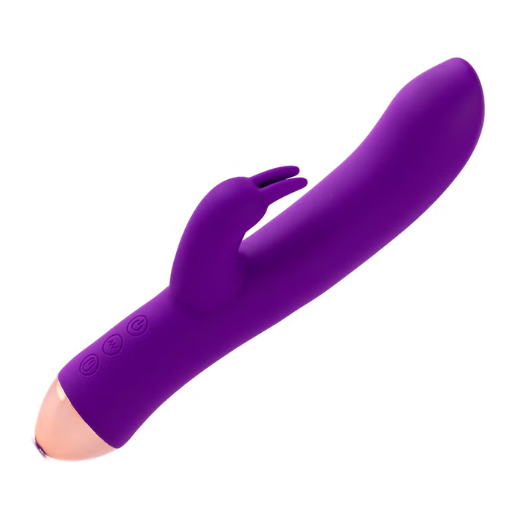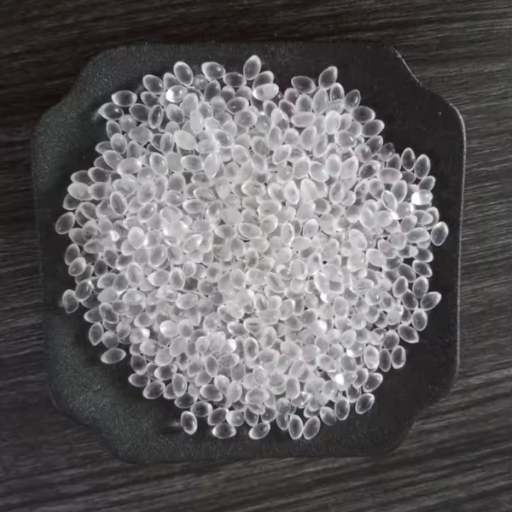

Yes, if the toy has no motor or battery and is made of 100% silicone, borosilicate glass, or stainless steel. Put it on the top rack, use no detergent, skip heated dry, and pull it out the moment the cycle ends. A dishwasher sanitizes. It does not sterilize.
That answer comes with a catch most guides skip: the same question gets opposite answers from adult-toy manufacturers themselves. LELO and TENGA say yes, with conditions. BMS Factory prints “do not put the product in the dishwasher” on its instructions. Both camps are describing their own bill of materials, and both are right about it.
So the useful question is not whether sex toys can go in the dishwasher. It is whether your toy can, and what the machine is actually doing to it while it runs. That is what this guide settles, plus the part nobody writes about: whether it is fine to run a toy through with your plates.
Key Takeaways
- Non-motorized 100% silicone, borosilicate glass, and 316L stainless steel are dishwasher safe: top rack, no detergent, no heated dry.
- A certified dishwasher reaches 150 °F (65.5 °C) on the final rinse of a sanitize cycle, which is sanitizing. Sterilizing needs about 250 °F.
- Detergent and rinse aid cause more damage than the water, leaving film and residue on a surface that goes in a body.
- Waterproof is not dishwasher safe. An IPX7 rating covers room-temperature immersion for 30 minutes, not hot detergent spray.
- Boiling is a stronger home method for the same non-motorized silicone toys, and takes 5 minutes.
Building a product line and deciding what to print on the care card? Talk to our team about care instructions and packaging support
Can You Put Sex Toys in the Dishwasher? The Short Answer
| Toy | Dishwasher safe? | Conditions |
|---|---|---|
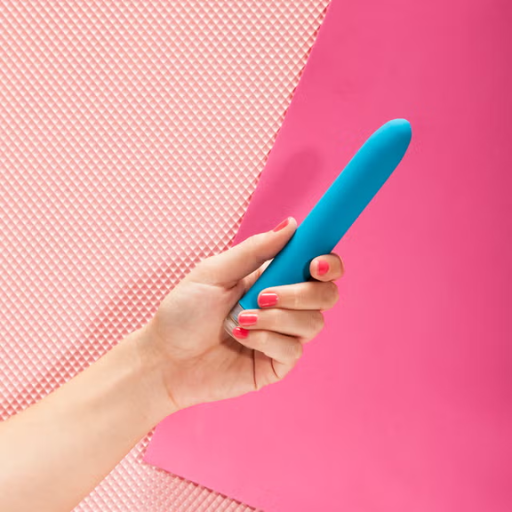
| 100% silicone, no electronics | Yes | Top rack, no detergent, no heated dry |
| Borosilicate glass (Pyrex) | Yes | Top rack, check for chips first, no thermal shock |
| 316L stainless steel | Yes | Top rack, dry immediately to avoid water spots |
| ABS or hard plastic housings | Check the label | Softening starts near 80 to 100 °C on most grades |
| Dual-density or bonded silicone | Check the label | Adhesive and core construction vary by product |
| TPE, TPR, PVC, jelly, “silicone blend” | No | Heat deforms it, detergent strips plasticizer |
| Anything with a motor, battery, or charging port | No | Even at IPX7 or IPX8 |
If the table says “check,” the label wins. A care card or product page that names the dishwasher is the only permission that counts, and a toy without one should be washed by hand.
So when someone asks whether their sex toys are dishwasher safe, the honest answer is that the material gets them most of the way there and the construction decides the rest. A silicone dildo with no hardware passes. The same silicone bonded to a motorized core does not.
100% Silicone: Yes, With Conditions
Silicone is non-porous and stable across a working range of roughly -60 °C to 200 °C. A dishwasher never gets close to that ceiling. The conditions are not about the silicone at all. They exist because of what else is in the machine and what else is molded into the toy.
Glass and Steel: Yes
Borosilicate glass and 316L stainless steel handle the heat without complaint. The risk with glass is thermal shock, so let it cool before moving it from a hot rinse to a cold surface. Check the rim for chips before every cycle, because a chip turns a smooth insertable into a sharp edge.
TPE, PVC, Jelly, and Blends: No
Soft porous materials deform in hot water, and alkaline detergent pulls plasticizer out of the surface. The material comes out tacky, cloudy, or warped. Porosity also means the cycle cannot make it hygienic anyway, so there is nothing to gain. How to clean TPE sex toys covers the hand-wash routine these products need.
Anything With a Motor or Battery: No
This is the rule people break, and it is the most expensive one to break. See the vibrator question in the FAQ for why a waterproof rating does not cover you.
How to Put Sex Toys in the Dishwasher: The 5-Step Protocol
- Pre-wash by hand. Rinse off lubricant and residue under warm water with a drop of mild soap. A dishwasher is a sanitizing step, not a cleaning one.
- Top rack only. The bottom rack sits near the heating element, where local temperatures run well above the rinse temperature.
- Zero detergent, zero rinse aid. Not a reduced amount. None. Rinse aid leaves a film that is designed to sheet water off glassware, and it does not stop at your toy.
- No heated dry. Pull the rack out before the drying phase, or set the machine to air dry.
- Dry completely, inside and out. Water trapped in a suction cup recess, a hollow cavity, or deep texture is where odor starts.
Why “No Detergent” Is Not a Suggestion
Dishwasher detergent is built to attack organic film on ceramic and glass, and it is strongly alkaline. On silicone it leaves a chalky haze that does not rinse away in the same cycle. On a body-contact surface, that residue is the thing you least want left behind.
TENGA and LELO’s cleaning guide both specify a no-soap cycle for this reason. RodeoH goes further and warns that dishwashing soap leaves residue on the toy. If your machine will not run without detergent, hand-wash instead.
What the Sanitize Cycle Actually Delivers
A residential dishwasher certified to NSF/ANSI 184 must hit a 150 °F (65.5 °C) final rinse and achieve a 99.999% reduction in bacteria. It may only claim sanitization when run on the sanitize cycle. That is a real, measurable standard, and it is the strongest thing a home dishwasher can do.
It is also not sterilization. Sterilizing an instrument takes an autoclave at about 121 °C (250 °F) under pressure. Nothing in a kitchen reaches that.
Why the Advice on Sex Toys in the Dishwasher Conflicts
Two different questions get answered as if they were one. One is “will this damage my toy?” The other is “will this get my toy clean enough?” A retailer answering the first question can honestly say yes while ignoring the second. A manufacturer answering the second can honestly say no while ignoring the first.
That is why the guidance splits. It is also why quoting a single source and stopping is a bad idea.
A Dishwasher Sanitizes, a Pot Sanitizes Harder
Boiling water is 212 °F (100 °C) at sea level, and it holds that temperature for as long as you keep the heat on. A dishwasher’s hottest moment is a brief final rinse that most people never trigger, because most cycles are not the sanitize cycle.
For non-motorized silicone, a 5-minute boil is the stronger home method and it costs nothing. The dishwasher wins on convenience and on awkward shapes like large glass pieces. It does not win on performance.
Waterproof Is Not Dishwasher Safe
An IPX7 rating means the device survives 1 meter of room-temperature water for 30 minutes. That number says nothing about 65 °C water driven at pressure, and nothing about alkaline detergent working on the seals.
Picture a typical version of this, the kind brands write to us about. A customer owns a $160 waterproof vibrator, reads “fully submersible” on the box, and runs it through a normal cycle with detergent. It comes out clean. It also comes out silent, and the charging port has a white crust that never comes off. The warranty does not cover it, because the care card said hand wash only.
That is the failure mode in one story: a correct waterproof rating, read as a permission it never gave.
The Manufacturers Who Say No
BMS Factory’s instructions are blunt: do not put the product in the dishwasher or microwave. Newtop Silicone advises no dishwasher without manufacturer approval, because detergent and heat can degrade even durable compounds. HANX warns that most silicone will not take a hot cycle, and points at detergent residue as a cause of irritation.
None of these brands is wrong about its own product. A bonded core, a printed logo, or a hollow chamber changes the answer, and the safest default for a maker who has not tested a cycle is to forbid it.
Can You Put Sex Toys in the Dishwasher With Your Dishes?

Nothing in the public health literature addresses this directly, which is why no retailer or clinic answers it. Here is the honest reasoning.
A dishwasher does not recirculate dirty water onto clean items indefinitely. It filters, drains, and finishes with a clean rinse. Food residue leaves the machine, and the final rinse water is cleaner than the wash water. The toy is generally the item of concern in this pairing, not the plates.
That said, skip the shared load if any of the following apply: someone in the house is immunocompromised, there is an active infection being treated, or the toy is a shared item between partners. In those cases, boil it in a dedicated pot or use a basin you do not also use for food.
One practical rule covers the rest. Pre-wash the toy, run a full load rather than a half-empty one, and use the sanitize cycle if the machine has it.
Can You Put Sex Toys in the Dishwasher, or Is Boiling Better?
| Method | What it achieves | Time | Best for |
|---|---|---|---|
| Boiling | Strongest home sanitization | 5 minutes | Non-motorized silicone, glass, steel |
| 10% bleach soak | High-level disinfection | 10 minutes | Glass and steel only |
| Toy cleaner | Surface cleaning | Seconds | Daily use, electronics |
| Mild soap and water | Surface cleaning | 1 minute | The everyday default |
| Dishwasher | Sanitization, if the cycle runs | 2 hours | Large glass or metal pieces |
Boiling is the odd one out in that table: it is both the strongest and the cheapest, and it needs nothing but a pot. It also fails on the same toys the dishwasher fails on, for the same reason. Electronics and porous materials cannot take either.
The complete guide to cleaning silicone sex toys walks through each method with dilution ratios and timings, if you want the full comparison.
What Happens to Sex Toys in the Dishwasher Over Time
Silicone is durable, not indestructible. Watch for these signals, which build up over months rather than appearing after one wash:
- A chalky or cloudy surface that will not rinse clear. Detergent film is bonding to the surface.
- Tackiness in the areas that touch the rack. Heat and alkaline exposure are breaking the surface down.
- A lifted seam on a dual-density toy. Water has reached the bond line.
- Faded or flaking print. If your logo is coming off, the decoration was never rated for a wash cycle.
- A warped base. The material exceeded its heat distortion temperature.
Any one of these means the toy is done as a body-safe product. Surface breakdown creates places for bacteria to sit, which undoes the point of washing it in the first place.
Designing and Labeling Dishwasher-Safe Toys
This section is for the people making the product, and it is where the industry conversation usually stops too early. “Dishwasher safe” is a specification, not a marketing adjective.
Three things have to be true before a brand prints it:
- The body polymer holds its properties above the machine’s peak temperature, with margin left over.
- Every bond, insert, and printed element survives the same cycle. The weakest component sets the rating.
- The geometry drains. A toy that holds water will grow something, no matter how clean the rinse was.
Then the label has to be specific. “Dishwasher safe” alone is the phrase that produces a one-star review and a warranty claim. Write it as a full instruction: top rack, no detergent, no heated dry. Or write “hand wash only” and mean it.
ISO 3533:2021 requires manufacturers to supply cleaning and maintenance instructions with the product, so the care card is a compliance document rather than decoration. Brands choosing materials with a wide heat margin give themselves room to rate a product dishwasher safe and stand behind it. Our body-safe materials guide covers how those choices get made during development.
Here is the failure this produces at scale. A launch run of 4,000 units ships with a single line on the insert: “Dishwasher safe.” Nine months later, a share of buyers report clouding, and the reviews blame the material rather than the instruction. The fix takes one sentence, printed on the next run.
Water-trapping features deserve their own mention. Hollow chambers, suction-cup recesses, magnetic charging contacts, and air valves in stroker sleeves all hold water after a cycle. If the design cannot drain, it should not be rated for the machine.
FAQ
Can you put a vibrator in the dishwasher?
No. A motor, a battery, or a charging port rules it out regardless of the waterproof rating. Wipe the body with a damp, soapy cloth, keep the port dry, and use a toy cleaner.
Does a dishwasher sterilize sex toys?
No. A certified machine reaches a 150 °F final rinse on the sanitize cycle, which sanitizes. Sterilization needs an autoclave at roughly 250 °F, and no home method reaches it.
Can you put sex toys in the dishwasher without soap?
That is the only way to do it. Detergent and rinse aid leave film and residue on silicone. If the cycle cannot run detergent-free, wash the toy by hand instead.
Can TPE toys go in the dishwasher?
No. Heat deforms soft TPE and detergent pulls plasticizer out of the surface, leaving it tacky. TPE is porous, so the cycle cannot make it hygienic either.
What happens if you put a waterproof toy in the dishwasher?
It may survive the water and still fail on the seals, the charging port, or the finish. Waterproof ratings cover room-temperature immersion, not hot pressurized detergent spray.
Is boiling better than the dishwasher?
For non-motorized silicone, glass, and steel, yes. Boiling reaches 212 °F for a sustained 5 minutes, against a brief 150 °F rinse. The dishwasher is easier for large or awkward pieces.
The Bottom Line
Yes, you can put sex toys in the dishwasher when four conditions hold: no motor or battery, a non-porous body material, top rack placement, and a detergent-free cycle with no heated dry.
Anything else gets washed by hand. That includes every porous material, every bonded build the maker has not tested, and every product whose care card stays quiet about the machine.
The distinction that matters most is the one most guides blur. A dishwasher sanitizes. It does not sterilize.
Treat it as a convenience for the parts of your collection that are genuinely built for it, and keep boiling in reserve for the rest. If you’re choosing materials for your own product line, that margin is a design decision you make long before anyone opens the box.