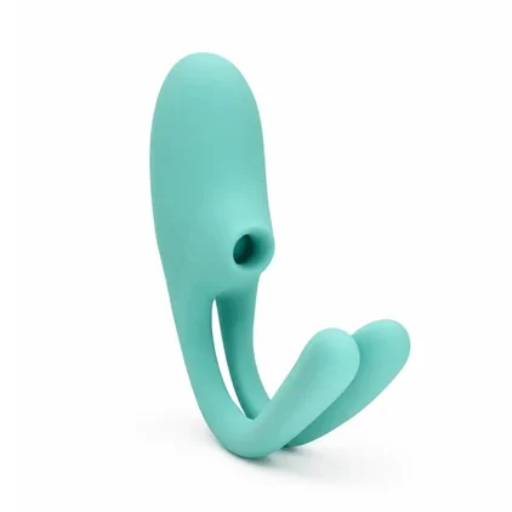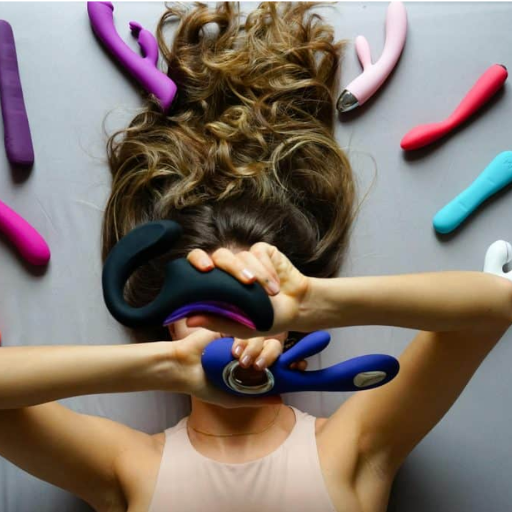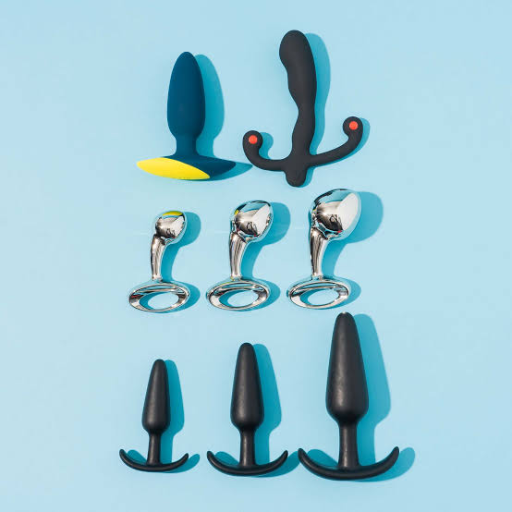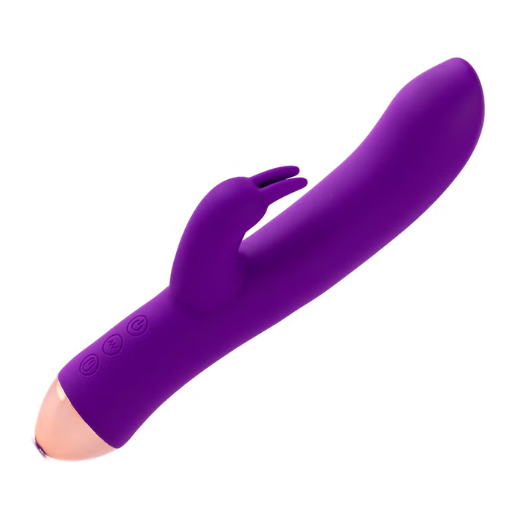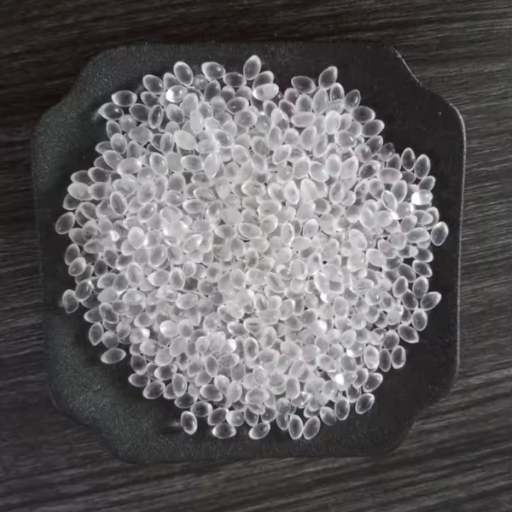

Sex toy material selection starts with the shape, not the material. Insertables are usually silicone because they need a non-porous solid surface. Strokers and sleeves are usually TPE because they need extreme softness in a thin, deep-cavity part. Vibrators split the decision between a silicone body and a rigid housing. Plugs, packers, and couples toys are where the convention gets interesting.
That ordering surprises people. Most material guides start with a ranking: silicone is best, TPE is a compromise, avoid jelly. It’s a tidy story, and it isn’t how products actually get specified.
Materials are chosen because a part has to come out of a mold intact, survive its own use case, and hit a price. A solid insertable and a hollow sleeve are different engineering problems. They resolve to different materials for reasons that have nothing to do with marketing tiers.
This guide works through sex toy material selection by product type. For each one, you get the convention, the reason behind it, and the cases where the convention breaks. We build in both silicone and TPE, so we have no stake in one winning everywhere.
If you want the two-way comparison first, our guide to TPE vs silicone sex toys covers feel, cost, and care in depth. This article assumes that groundwork and goes straight to product fit.
Key Takeaways
- Material choice follows part geometry. Thin-walled, deep-cavity parts lean TPE. Solid insertables lean silicone.
- Strokers are TPE because soft silicone tears at the cavity rim during demolding, not just because TPE is cheaper.
- Vibrators are really two material decisions: body surface and internal housing.
- Packers are the most contested category. Wear duration changes the argument that applies to insertables.
- A premium silicone stroker is a real, sellable product. It’s harder to make, not impossible.
Sex Toy Material Selection: The Short Answer
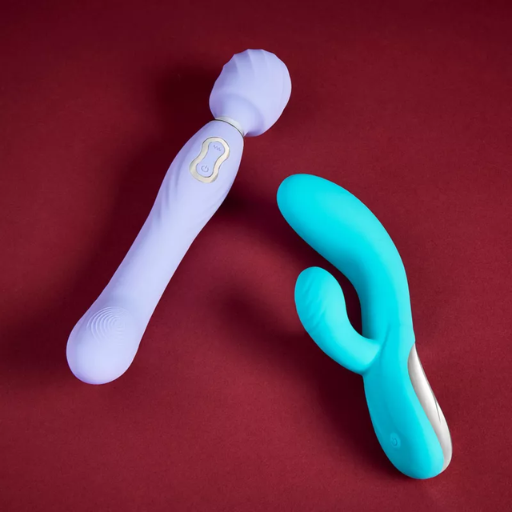
| Product type | Default material | Why it wins | Watch out for |
|---|---|---|---|
| Dildos and insertables | Platinum-cure silicone | Solid mass, non-porous, sterilizable | Soft grades tear at thin edges |
| Vibrators | Silicone over ABS housing | Skin needs cleanability; housing needs rigidity | Bonding failures at the overmold seam |
| Strokers and sleeves | TPE | High elongation in a thin, deep-cavity part | Oil migration and a shorter service life |
| Plugs | Silicone, firm base | Retained shape plus a non-porous surface | Base must be firm enough to retrieve safely |
| Packers | Silicone or soft TPE | Softness versus wear duration | TPE lifespan under daily skin contact |
| Couples and wearables | Hybrid construction | Rigid core, soft skin, stretch where needed | More tooling, more failure points |
Read the table by the “why” column, not the material column. The material is the output. The geometry and the use case are the inputs.
Building a product line and unsure which rows apply? Send us your product brief, and we will map it against these categories before you commit to tooling.
Why the Geometry Decides, Not the Category
Here is the mechanism that explains most of the table.
A stroker sleeve is a thin wall wrapped around a deep cavity. To mold it, the material has to flow into a narrow annulus and then stretch over a long core to release. That’s a high-elongation job. Soft TPE stretches to several times its length without tearing. Soft silicone, at the same hardness, tears at the cavity rim during demolding.
You can make a silicone stroker. It just needs a different wall thickness, a different core design, or a harder grade than the market expects. That’s a tooling answer to a tooling problem.
A dildo is the opposite shape. It is a solid mass with a surface. There’s no deep cavity to demold from and no extreme elongation demand. That opens the door to silicone, which brings the property that matters for an insertable: a non-porous surface you can actually clean.
So the rule is not “silicone is better.” It is:
- Thin wall, deep cavity, high stretch → TPE usually wins
- Solid mass, body-contact surface → silicone usually wins
- Rigid body plus soft exterior → hybrid construction
Once you see it this way, the exceptions stop looking like exceptions.
Marta, who runs a small brand in Portugal, learned this the expensive way in early 2025. Her team specified a soft silicone sleeve for a new stroker because silicone was the brand’s material story. The first tooling round produced parts that tore at the internal rim on roughly one in four demolds. The fix was not a better silicone. It was a redesigned core and a thicker wall, which changed the feel enough that the original concept no longer worked.
They relaunched the product in TPE and kept silicone for the insertable range. “We stopped treating material as a brand value and started treating it as a process constraint,” she told us. The second launch shipped on schedule.
Dildos and Insertables: Silicone by Default
Solid insertables resolve to silicone for one dominant reason: the surface is non-porous, so it can be washed properly and, where the design allows, sterilized.
That property matters more than softness, color, or cost, because it’s the one thing that can’t be fixed later. A porous surface stays porous for the life of the product.
Soft grades are available and increasingly common. Dual-density construction, where a firm inner core carries a softer outer layer, gets close to the feel people associate with TPE without giving up the cleanable surface. The trade-off is process complexity, not material capability.
The failure mode to watch is thin edges. Fingertip details, suction-cup rims, and very thin flanges are where soft silicone tears. If your design has those features, expect the tooling conversation to focus on edge radius and draft rather than on the material itself.
For the full production path, including tooling, MOQs, and cost structure, see our guide to custom silicone dildo manufacturing.
Vibrators: Material Choice Is Really a Housing Decision
A vibrator is two products in one shell. The outer surface touches the body. The inner structure holds a motor, a battery, and a control board.
Those two jobs want different materials. The skin wants silicone, because it is cleanable and skin-comfortable. The housing wants something rigid, dimensionally stable, and moldable around electronics, which usually means ABS.
That’s why most silicone vibrators are overmolded: a silicone exterior bonded to a rigid internal chassis. The material decision is really a bonding decision.
Three things go wrong in overmolding, and all three are process problems rather than material problems:
- Poor adhesion at the seam, which opens a gap that traps fluid
- Differential shrinkage between the two materials, which warps the part
- Silicone bleeding over the button or charging port area, which compromises function
Specify the bond, the seam location, and the masking for ports before tooling. Retrofitting any of the three after the mold is cut is expensive.
Vibrator-specific tooling and electronics integration add a further layer, because the housing has to be molded around components that cannot tolerate the process temperatures used for the skin.
Strokers and Sleeves: Why TPE Wins, and When It Doesn’t
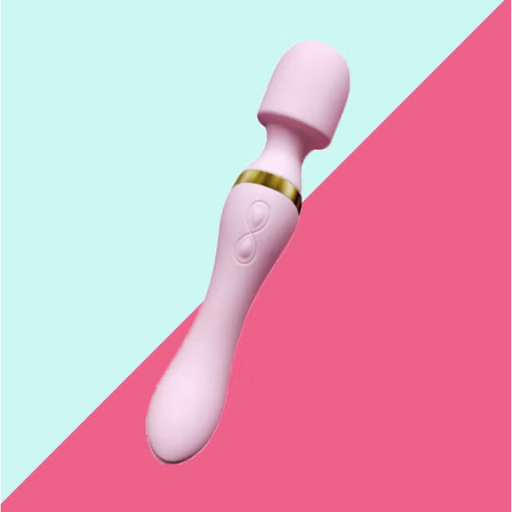
This is where the TPE vs silicone masturbator question actually gets decided. It’s also the most-searched product-type question in this category.
TPE wins for strokers on three counts, and only one of them is cost:
- Elongation. A sleeve has to stretch over its own internal geometry during use and during demolding. TPE handles that; soft silicone at the same hardness does not.
- Achievable softness. The internal texture that defines a good stroker needs to be very soft. TPE reaches that softness range more easily.
- Cycle time. TPE molds in minutes without post-cure. Silicone needs longer cycles and a post-cure step, which matters at volume.
The cost advantage is real, but it’s third on the list. Brands that lead with cost in their reasoning usually end up with a product that fails on feel.
Silicone strokers do exist, and they are a legitimate premium play. They last longer, they clean more thoroughly, and they support a care story that TPE cannot match. The constraint is manufacturing: expect a redesigned core, a thicker wall, and a firmer feel than the TPE equivalent.
For the full silicone-side process, see silicone male masturbators. For the TPE production path, our guide to TPE sex toy manufacturing covers formulation and molding.
Choosing between the two for a specific sleeve design? Ask for a material comparison against your geometry, not against a generic spec sheet.
Plugs, Packers, and Couples Toys: Where the Convention Breaks
Plugs: firm base, soft body
A plug has a safety requirement that a dildo does not: the base has to be firm enough and wide enough to retrieve. That pushes toward a firmer silicone grade or a hybrid with a rigid base and a softer body.
Softness in the body is a comfort feature. Firmness in the base is a safety feature. Don’t let a softness brief compromise the base.
Packers: the contested case
Packer material is genuinely unsettled, and most guides skip it.
Soft TPE is common because packers are worn for appearance and comfort, and TPE delivers the softness and drape at a low price. But a packer sits against skin for hours at a time, repeatedly, which is a different exposure pattern than a toy used briefly and cleaned.
Silicone is more durable, holds shape better, and does not shed oil onto clothing or skin. It costs more and feels firmer.
The honest answer is that both are defensible. The choice should follow wear duration and how the product is marketed. A daily-wear packer and a costume piece are not the same specification.
Couples toys and wearables
Products that stretch to fit, like cock rings and wearable couples toys, are the clearest case for hybrid construction. The part that stretches wants TPE or a very elastic silicone. The part that transmits vibration wants rigidity. Molding them as one material forces a compromise on both.
Expect more tooling and more failure points at the material interface. That is the price of getting both properties.
How to Specify Material for a Product Line
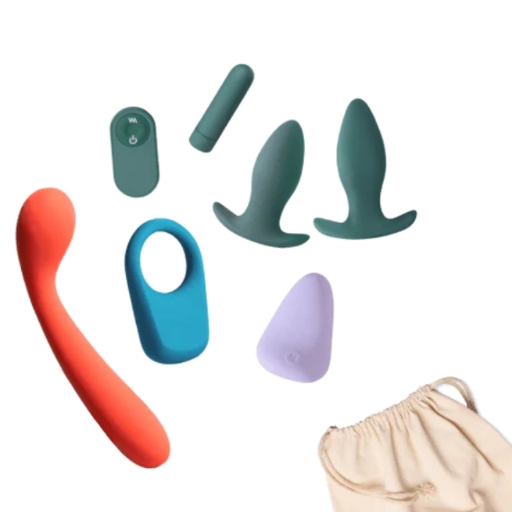
Once the product type is settled, the specification is what protects you. Four things belong in writing:
- The material family and grade, not just “silicone” or “TPE.” Shore hardness range, cure system if silicone, base polymer if TPE.
- The test file. A batch-linked certificate of analysis, a safety data sheet for the raw material, and migration or volatile testing matched to your target market.
- The care claim. What cleaning and storage you will tell customers, because the claim has to match what the material can actually survive.
- The standard you are referencing. ISO 3533:2021 sets design and safety requirements for products in direct contact with genitalia or the anus. It’s a design framework, not a market authorization, and it should be cited accurately.
For silicone components, ISO 10993-1 is the usual biocompatibility reference. For repeated-use rubber articles, FDA 21 CFR 177.2600 is a material-compliance reference that suppliers may discuss. Neither means the FDA has approved a finished adult toy as a medical device.
One note on language. “Medical-grade silicone” is not a regulated grade. If a supplier uses the phrase without naming a cure system and a test report, ask what they mean.
Cost sits alongside all of this. We keep the numbers in our breakdown of material cost by product type so this article can stay on fit.
Frequently Asked Questions
What material are sex toys made of?
Most sex toys use one of five materials: platinum-cure silicone, TPE or TPR, ABS plastic, borosilicate glass, or stainless steel. Silicone and TPE dominate soft products. ABS is common in rigid housings and handles. Glass and steel suit insertables where rigidity and sterilization matter.
Is TPE or silicone better for a masturbator?
TPE is the better default for strokers because the thin-walled, deep-cavity geometry needs high elongation and very soft grades. Silicone is the better choice when durability and cleanability matter more than softness. Silicone strokers are harder to manufacture but are a legitimate premium product.
Why are dildos usually silicone?
Because a dildo is a solid mass with a body-contact surface, and silicone gives that surface a non-porous, cleanable finish. There is no deep cavity to demold from, so the elongation constraint that pushes strokers toward TPE does not apply.
Can you make a silicone stroker?
Yes. It requires a redesigned internal core, a thicker wall, and usually a firmer grade than a TPE equivalent. The result is more durable and easier to clean, but it will not feel identical to a soft TPE sleeve. Plan for an extra tooling round.
What material is best for a butt plug?
Silicone is the usual choice, with a firm base and a softer body. The base needs enough rigidity to retrieve safely, which is a safety requirement rather than a comfort preference. Glass and steel are also suitable if the product is designed for them.
Are packers better in silicone or TPE?
It depends on wear pattern. Soft TPE gives better drape and a lower price, which suits occasional wear. Silicone holds shape, lasts longer, and does not shed oil onto skin or clothing, which suits daily wear. Match the material to how often the product is worn.
Conclusion
Sex toy material selection is a process decision wearing a marketing costume. The material falls out of the geometry, the use case, and the price, in that order.
The practical version: insertables and anything shared lean silicone, because the surface has to be cleanable. Strokers and sleeves lean TPE, because the geometry demands elongation and softness that silicone struggles to deliver at the same wall thickness. Vibrators are an overmolding problem. Plugs need a firm base. Packers are a judgment call. Wearables want hybrids.
Wherever you land, the specification is what makes it real. A material name on a purchase order is not a specification. A grade, a test file, and a care claim that match are.
If you are weighing the two main materials across a full product line, start with our breakdown of how TPE and silicone compare, then bring the specific geometry to a supplier who will answer the tooling questions in writing.