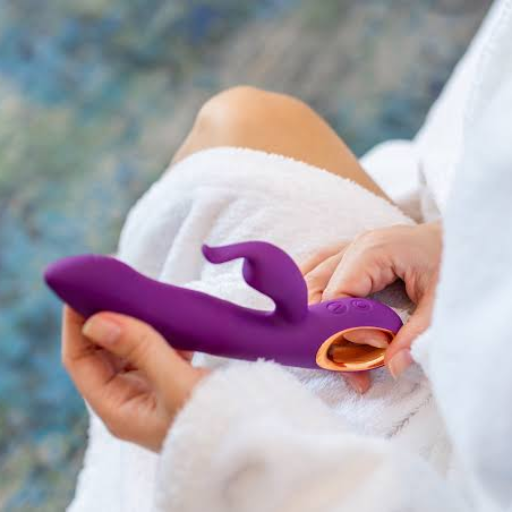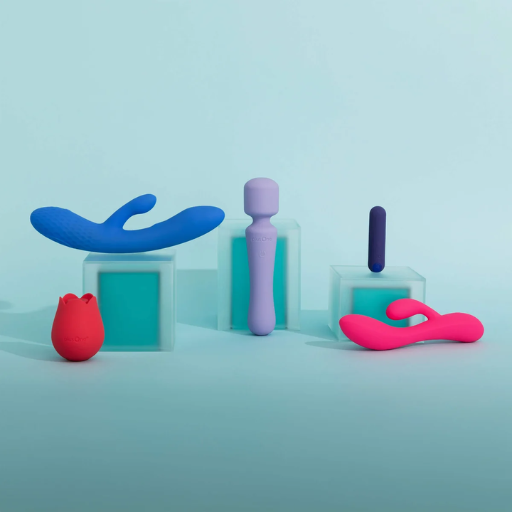
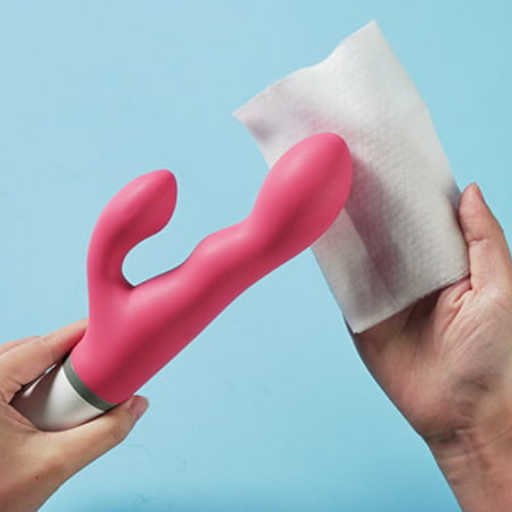
The best way to clean TPE sex toys is to wash them within about 15 minutes of every use with warm water and a mild, fragrance-free soap or a dedicated toy cleaner, rinse until residue-free, and dry them completely, inside and out. Once dry, dust the surface with a cornstarch-based renewing powder and store the toy separately in a cool, dark, dry place. Never boil TPE or use alcohol, bleach, or acetone. TPE is porous, so it can be cleaned but never fully sterilized.
That last sentence is the one most guides bury, and it changes every rule that follows. Get the routine right and a soft TPE sleeve or stroker stays comfortable and hygienic for months. Get it wrong, and you’ll meet the two failures TPE is famous for: a surface that turns tacky, and bacteria that cleaning alone can’t remove.
If you’re searching for how to clean TPE sex toys, you’re likely holding two questions. The first is practical: what do I actually do tonight? The second is subtle: why does TPE need different care than silicone, when every other guide treats them the same? This article answers both, then shows brands how to ship the right care instructions so their customers never have to guess.
Key Takeaways
- Clean TPE within about 15 minutes of every use with warm water and a mild, fragrance-free cleanser, then dry it completely, including internal channels.
- Never boil TPE, and skip alcohol, bleach, acetone, vinegar, and the dishwasher. These degrade the material and can’t sterilize a porous surface anyway.
- TPE is porous, so it can be cleaned but not sterilized. Use a condom for shared or internal use, and replace the toy when it degrades.
- A light dusting of talc-free cornstarch renewing powder, applied only after the toy is fully dry, restores a smooth surface and fixes stickiness.
- Store TPE separately, away from heat, sunlight, and other materials. With the right care, a TPE toy lasts roughly 6 to 18 months of regular use.
Building a TPE product line and want care instructions you can print on the box? Talk to Joyflick about designing hygiene guidance into your packaging
Why TPE Needs Different Care Than Silicone
Most cleaning advice online was written for silicone, and its rules are the opposite of what TPE needs. Silicone is non-porous, so it can be boiled, bleached, and dishwasher-cleaned. TPE is porous, so none of that is safe. The material comparison is the starting point for everything else, and our guide to TPE vs silicone sex toys walks through it in full.
TPE Is Porous: What That Actually Means
Porous means the material has microscopic surface structures that can trap moisture, lubricant, and residue below the surface. When you wash silicone, you remove everything on the surface. When you wash TPE, you clean the surface but can’t reach what has sunk in.
This is not a reason to panic. It’s a reason to treat the routine as non-negotiable. A clean, well-documented TPE toy is a sensible, comfortable choice. The material simply demands more consistency than silicone does.
Cleaned, Not Sterilized: The One Rule That Shapes Everything
Because TPE is porous, it cannot be fully sterilized. That single fact explains why you don’t boil it, why you replace it sooner than silicone, and why a condom matters for shared use. It’s also why the cleaning routine is about reducing risk, not eliminating it.
We’ve covered the safety science behind this in depth in our guide on whether TPE sex toys are safe. Here, we’ll focus on the practical side: what to do, and in what order.
The Hygiene Stakes (and the Statistics Most People Don’t Know)
The gap between what people do and what TPE needs is wide. Research by Ohdoki found that only 1 in 5 adults cleans their sex toys after every use, and 1 in 10 doesn’t know how to clean them at all. A Condoms UK survey found 1 in 7 Britons has never cleaned a sex toy.
The consequences aren’t abstract. Porous materials can absorb bacteria, and a 2021 study found HPV could linger on sex toy surfaces for up to 24 hours without proper cleaning. Bedsider notes that porous materials like TPE “can only be cleaned and not sanitized.” That’s not a scare tactic. It’s the reason the routine below is worth doing properly.
How Often Should You Clean TPE Sex Toys?
Clean TPE before first use and within about 15 minutes of every use after that. Prompt cleaning matters more for TPE than for any other material, because residue that dries into a porous surface becomes far harder to remove.
The “Within 15 Minutes, After Every Use” Rule
Warm fluid and lube are easy to rinse away. Left to dry, they sink into the surface and feed the stickiness TPE is known for. A quick wash right after use is the single habit that prevents most problems.
Cleaning Before First Use
New toys need a wash too. Even a clean factory can leave dust, mold-release residue, or packaging debris on the surface. A 60-second wash before the first use removes it.
When You Need a Deeper Clean
Unlike silicone, there’s no boil or bleach round for TPE. A deeper clean means a longer, more careful wash: extra attention to internal channels, a second rinse, and a full dry. If the toy was used anally or shared, use a fresh condom as a barrier rather than relying on cleaning alone.
The 5-Step TPE Cleaning Routine
The daily routine takes about a minute. The order matters, especially the drying step.
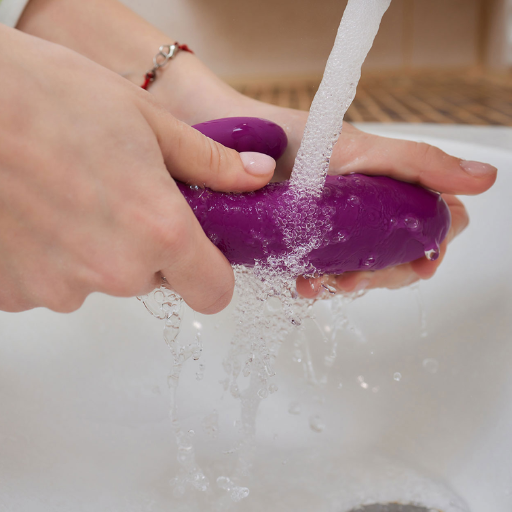
Step 1: Rinse With Warm, Not Hot, Water
Rinse the toy under warm running water. Keep the water below roughly 40°C (104°F). Hot water can soften and stress the material, and there’s no benefit to it, because TPE can’t be sterilized by heat anyway.
Step 2: Lather With a Mild, Fragrance-Free Cleanser
Apply a small amount of mild, unscented soap or a dedicated toy cleaner. Fragrance-free matters here, because added perfumes can irritate sensitive tissue and leave residue behind. Avoid dish soap, heavily scented body wash, and anything labelled antibacterial unless your manufacturer says otherwise.
Step 3: Clean the Channels, Crevices, and Texture
Work the lather into every groove with your fingers or a soft cloth. TPE sleeves and strokers have internal channels that trap the most residue, so flush them thoroughly. Use a soft-bristled brush or your fingertips, never a rough scrubber or your fingernails, which create micro-tears that harbour bacteria.
Step 4: Rinse Until Residue-Free
Rinse again under warm water until no soap remains. Leftover cleanser can irritate skin, so this step is worth taking slowly. If the surface still feels slick after rinsing, wash and rinse once more.
Step 5: Dry Completely, Inside and Out
Moisture is the enemy of TPE. Dry the surface with a lint-free cloth, then let it air-dry fully. For sleeves and strokers, use a drying stick or a moisture-absorbing insert to draw water out of internal channels. A toy stored even slightly damp will develop odour or mold.
Quick contrast: If you also own silicone, our guide to how to clean silicone sex toys covers boiling and bleach protocols that are safe for silicone and dangerous for TPE. Keep the two routines separate and never treat a TPE toy with silicone rules.
What Never to Use on TPE (and Why)
The wrong cleaner damages TPE faster than any amount of careful washing can protect it. Here’s what to keep away from the material.
| Method or product | Safe for TPE? | Why |
|---|---|---|
| Warm water + mild, fragrance-free soap | Yes | The daily standard |
| Dedicated toy cleaner (pH-balanced, unscented) | Yes | Convenient, gentle, good for splash-proof toys |
| Cornstarch renewing powder | Yes | Finishing powder only, applied after full drying |
| Boiling or hot water (over 60°C / 140°F) | No | Deforms TPE and shortens its life |
| Bleach, acetone, hydrogen peroxide | No | Degrades the material and can’t sterilize a porous surface |
| Vinegar | Avoid | Too acidic, leaves odour, offers no sterilization benefit |
| Dishwasher | No | Heat and detergent destroy soft TPE |
| Scented or dish soap | No | Leaves residue and can irritate skin |
| Rough scrubbers or fingernails | No | Create micro-tears that trap bacteria |
The uncomfortable truth underneath the table: even a perfect wash can’t sterilize porous TPE. That’s why the routine is paired with condom use for shared or internal use, and with timely replacement.
The Alcohol and Vinegar Question: What to Actually Do
This is where online advice genuinely contradicts itself. Western guides, including WikiHow’s popular cleaning method, warn against alcohol and vinegar on porous toys. Meanwhile, some manufacturers and non-Western sources recommend a 75% alcohol spray for TPE. Both positions exist for real reasons, and neither is safe to follow blindly.
Why the Advice Conflicts
Alcohol and vinegar are effective on non-porous surfaces, where they sit on top and evaporate or rinse clean. On TPE, they can dry and stress the surface over time, and they still can’t reach microbes trapped below it. Some TPE grades tolerate a light alcohol wipe; others dull or crack. The material label alone doesn’t tell you which.
A Decision Framework
Use this sequence instead of a blanket rule:
- Check the manufacturer’s instructions first. If they specify a cleaner, follow it. That guidance is written for that exact formula.
- Know your grade. A documented, plasticizer-free TPE from a reputable supplier is far more predictable than an unbranded blend.
- Test a hidden patch. Before applying anything new to the whole toy, test it on a small, unseen area and check for dulling or tackiness.
- Use alcohol sparingly, if at all. Reserve it for occasional disinfection of a non-visible area, not daily cleaning, and never on a soft, low-durometer sleeve.
- Skip vinegar entirely. It adds acidity and odour without a sterilization payoff on a porous surface.
Daily cleaning should always be warm water and a mild cleanser. The contested chemicals are a backup, not a routine.
Drying and Preventing Mold

Drying is the step most people rush, and it’s the one that decides whether a TPE toy stays fresh. Mold and odour need moisture, so a damp toy stored in a drawer will develop both.
Why “Completely Dry” Is Non-Negotiable
TPE holds water in its pores and internal channels longer than the surface suggests. Touch the outside, feel dry, and the inside may still be wet. That trapped moisture is where problems start.
Tools That Help
A lint-free cloth handles the surface. For sleeves and strokers, a drying stick or an absorbent insert draws water out of the channel. Air-drying on a clean, well-ventilated surface finishes the job. Avoid leaving the toy in direct sunlight, which damages TPE.
Spotting and Preventing Mold
Check internal channels for discoloration or a musty smell before each use. If mold has taken hold, discard the toy rather than trying to clean it. Mold means the material is compromised, and no wash makes a porous TPE toy safe again after that.
If persistent stickiness or moisture problems are your main issue, our deep-dive on why TPE sex toys get sticky explains the material science in detail.
Fixing a Sticky TPE Toy: Renewing Powder and Cornstarch
A tacky surface is the most common TPE complaint, and it’s often reversible.
Why TPE Gets Sticky (Brief)
Repeated washing, heat, sunlight, and contact with incompatible lubricants pull the softening oil toward the surface, leaving it tacky. It’s the material’s way of signalling that it needs maintenance. The full chemistry is in the sticky-toy article linked above.
How to Apply Renewing Powder
Once the toy is fully dry, dust a small amount of talc-free cornstarch or a dedicated renewing powder across the surface and spread it with your hands or a soft cloth. Shake off the excess before use. Cornstarch restores the smooth, velvety feel and reduces surface friction.
Two rules matter. Use cornstarch, never talc, because talc is a respiratory and safety concern. And remember that renewing powder is a finishing powder, not a cleaner, so always wash and dry first.
A customer named Daniel once wrote in, convinced his favourite TPE stroker was ruined. The surface had gone sticky after months of use and a few washes with hand soap. He switched to a fragrance-free cleanser, dried the sleeve with a stick, and dusted it with cornstarch. Within two uses, the toy felt close to new. The material hadn’t failed. The routine had been missing a step.
How to Store TPE Sex Toys So They Last
Storage is where careful owners extend a TPE toy’s life, and where careless ones shorten it.
Keep It Separate, Cool, Dark, and Dry
Store TPE in a breathable pouch or its original packaging, in a cool, dark, dry place. Keep it away from heat, direct sunlight, and humidity, all of which accelerate oil migration and stickiness.
What to Store It In
A cotton pouch or a breathable bag lets the material settle without trapping moisture. Avoid airtight plastic bags, which can hold residual dampness against the surface.
What Damages Stored TPE
Store TPE separately from silicone, PVC, and jelly toys. Some materials interact on contact and can soften or melt into each other. Keep the toy away from chemical vapours, too, including camphor and perfume, which can degrade the surface even without direct contact.
Cleaning by Product Type: Sleeves, Strokers, Packers, and Soft Dildos
Different TPE products concentrate residue in different places. Here’s where to focus for each.
| Product type | Main cleaning focus | Extra steps |
|---|---|---|
| Sleeves and strokers | Internal channel and texture | Use a drying stick; flush the channel twice |
| Soft TPE dildos | Full surface and base seam | Check seams for trapped residue |
| Packers and pack-and-plays | Exterior only, plus base | Gentle wash; avoid soaking adhesives |
| Mixed-material toys | TPE portion only | Remove the TPE sleeve before cleaning when possible |
If you’re choosing between materials for a new product, our guide to body-safe materials in adult toys explains where TPE fits and when silicone is the better call.
Sharing, Condoms, and Cross-Contamination
Because TPE can’t be fully sterilized, sharing rules are stricter than for silicone. If a TPE toy is shared or used internally, put a condom on it, and use a fresh one for each person and each body part. That barrier is the highest-impact safety step available, because it keeps a porous surface and everything it has absorbed away from the body.
Never move a TPE toy from anal to vaginal use without changing the condom. Cleaning alone can’t guarantee the surface is free of what the pores have taken in. When you pair TPE with lubricant, use water-based lube only, since silicone-based formulas can degrade the surface. Our guide to the best lube for TPE sex toys covers the compatibility details.
When to Replace a TPE Sex Toy
A TPE toy isn’t built to last forever, and knowing when to retire one is part of caring for it.
The Signals
Stop using a TPE toy when it:
- Stays sticky no matter how often you powder it
- Shows cracks, tears, or pitting on the surface
- Discolours or develops a persistent odour after cleaning
- Grows mold in the internal channel
- Feels different, softer, or slimy compared to new
These aren’t cosmetic issues. They mean the material is breaking down, and a damaged porous surface can no longer be cleaned reliably.
A Realistic Lifespan
With proper care, a TPE toy typically lasts around 6 to 18 months of regular use. That range is a general industry guideline, not a warranty. Treat any of the signals above as the real cue to replace, regardless of how long you’ve owned the toy.
How Joyflick Builds Care Instructions Into TPE Products
If you sell TPE products, this entire topic sits upstream of your brand’s reputation. A single review thread about a sticky or smelly toy can follow a product for years, and most of those complaints trace back to missing or wrong care guidance.
At Joyflick, care is designed into the product, not bolted on after. We help brand clients select the right TPE grade for the intended use, specify the formula, and document it for each batch. We also help brands publish the care instructions customers actually need, because the international standard for intimate products, ISO 3533:2021, expects cleaning and maintenance guidance to reach the user.
Marcus runs a mid-size wellness brand that added a printed TPE care card to every box after a rough quarter of stickiness complaints. The card was one page: wash within 15 minutes, no boiling, dry fully, powder, store separately. Returns tied to surface issues fell the next quarter, and reviews shifted from frustration to relief. The product hadn’t changed. The instructions had.
That’s the pattern we see again and again. Better-documented products generate fewer hygiene complaints and stronger reviews, which is a lower total cost than the cheapest care instructions suggest. Our work on custom packaging and care cards turns a compliance requirement into a customer-trust moment, and with low MOQs starting at 300 units, even emerging brands can launch with the same documentation rigor as established names.
FAQ
Can you boil TPE sex toys?
No. Boiling deforms TPE and shortens its life, and because the material is porous, it wouldn’t sterilize the toy anyway. Clean TPE with warm water and a mild, fragrance-free soap instead.
Can I use alcohol, bleach, or vinegar on a TPE toy?
Bleach and vinegar should be avoided on TPE. Alcohol is contested: some manufacturers permit a sparing wipe, while many guides advise against it. Test a hidden patch first, follow your manufacturer’s instructions, and keep daily cleaning to warm water and mild soap.
How often should I clean a TPE toy?
Clean it before first use and within about 15 minutes of every use. Prompt cleaning prevents residue from drying into the porous surface, which is what causes most stickiness and odour.
What soap is safe for TPE?
A mild, fragrance-free soap or a dedicated toy cleaner is the safest choice. Avoid scented, antibacterial, and dish soaps unless the manufacturer says otherwise, and rinse thoroughly so no residue remains.
How do I dry a TPE toy completely?
Pat the surface with a lint-free cloth, then air-dry it fully. For sleeves and strokers, use a drying stick or absorbent insert to draw water out of the internal channel. Never store the toy damp.
Why does my TPE toy get sticky, and how do I fix it?
Heat, repeated washing, and incompatible lubricants pull softening oil to the surface, leaving it tacky. Once the toy is fully dry, dust it with talc-free cornstarch or renewing powder to restore a smooth finish.
How long do TPE sex toys last?
With proper care, roughly 6 to 18 months of regular use. Replace the toy when it stays sticky, cracks, discolours, or develops a persistent odour, regardless of age.
Can you share a TPE sex toy safely?
TPE is porous, so it can’t be fully sterilized. For shared or internal use, put a condom on the toy and use a fresh one for each person and body part. Cleaning alone isn’t enough for porous materials.
Conclusion
Learning how to clean TPE sex toys comes down to one principle: TPE is porous, so it can be cleaned but never fully sterilized. That single fact drives every rule. Wash within about 15 minutes of use with warm water and a mild, fragrance-free cleanser. Rinse until residue-free.
Then dry completely, inside and out. Dust with cornstarch once it’s dry, and store it separately in a cool, dark place. Four conditions keep a TPE toy in good shape: prompt cleaning, the right cleanser, complete drying, and honest replacement timing. Skip any one, and you’ll meet stickiness, odour, or mold. Honor all four and a soft, affordable TPE product stays comfortable and hygienic for a year or more. Never boil it, never bleach it, and never treat it like silicone.
If you’re building a TPE product line and want customer care handled properly from day one, Joyflick can help you specify the material, test the finished product, and ship the ISO 3533-aligned care instructions your customers need. Start a conversation with our team, and we’ll help you bring a product to market that customers trust to keep them safe long after they open the box.