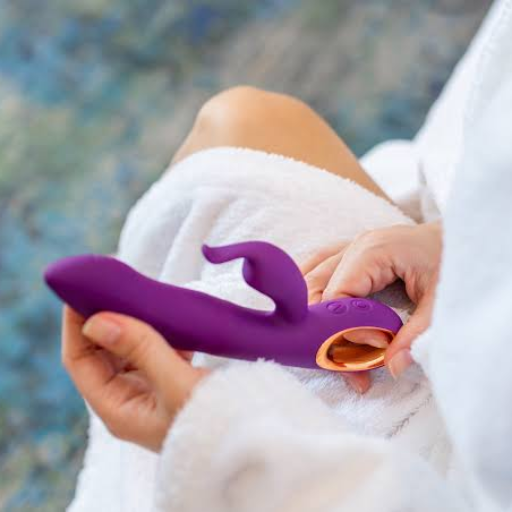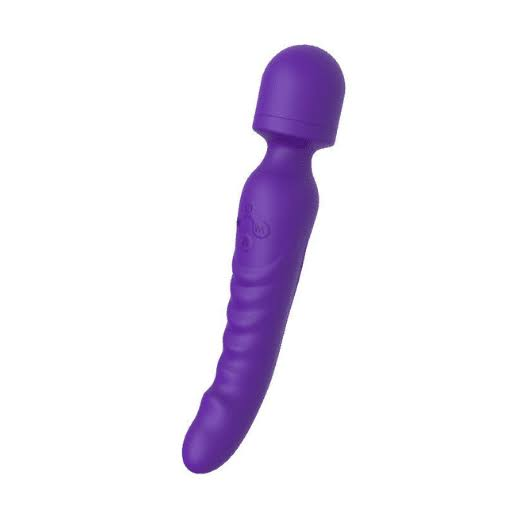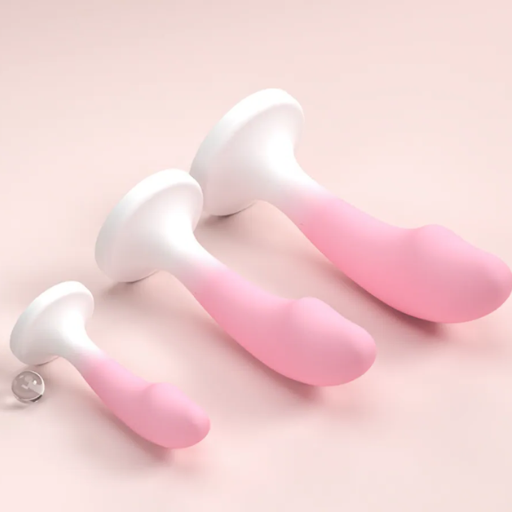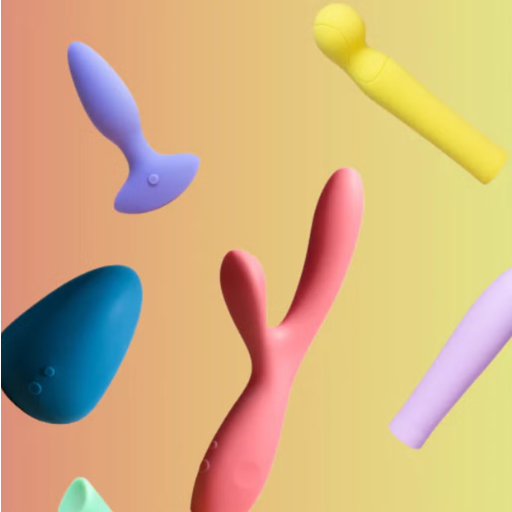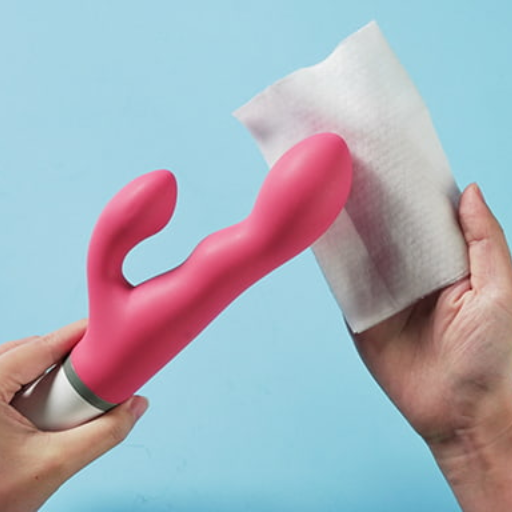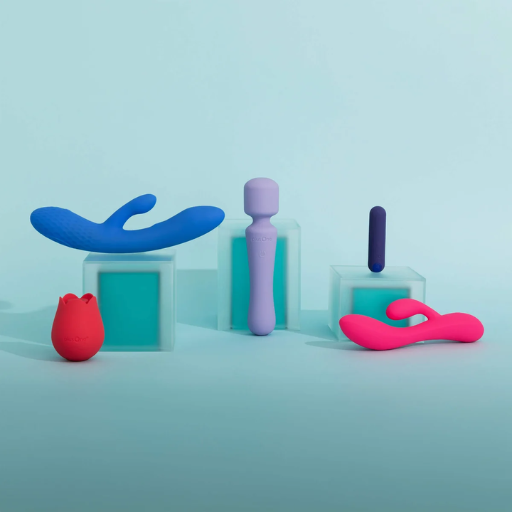

Private label sex toys are intimate products manufactured by a third-party factory and sold under your own brand name, logo, and packaging. They let founders launch a branded product line without building a factory, designing from scratch, or risking six figures on custom molds.
But here’s the trap most first-time founders miss: private label is not a free pass. The same hurdles that kill full OEM brands, payment processor shutdowns, compliance gaps, over-ordering inventory, and marketing under ad restrictions, can sink a private-label launch just as fast. The difference is that private label gives you a lower-cost way to learn those lessons before you scale.
In this guide, we’ll cover what private label sex toys really are, how they differ from white label and OEM/ODM models, what it costs to launch, how to find a manufacturer, and how to handle the operational realities that most competitor guides gloss over.
Key Takeaways
- Private label sex toys let you launch a branded line for 3,000−3,000−7,000, roughly one-third the cost of a lean OEM launch.
- The model works best when you treat it as a validation phase: test demand, refine branding, then move up the customization ladder.
- Mainstream payment processors like Stripe and PayPal routinely freeze adult businesses; a high-risk merchant account is non-negotiable.
- Google, Meta, and TikTok restrict adult-product ads, so SEO, influencer partnerships, and community marketing drive most early growth.
- Joyflick supports private-label launches with MOQs starting at 300 units, ISO-certified production, and OEM/ODM upgrades when you’re ready.
What Are Private Label Sex Toys?
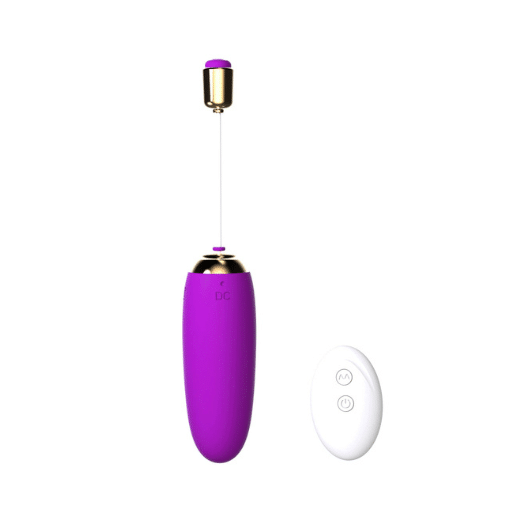
Private label sex toys are existing product designs produced by a manufacturer exclusively for your brand. You choose the base product, customize the branding, packaging, and sometimes colors or materials, and sell it under your own name. The factory handles production; you handle the brand, store, and customer relationship.
This model sits in the middle of the adult product sourcing spectrum. On one end, white label products are generic, unbranded items that multiple retailers can resell. On the other end, OEM and ODM projects create entirely new designs from scratch. Private label offers more brand control than white label but lower cost and risk than full custom development.
The key distinction is exclusivity. A true private-label arrangement should give your brand exclusive rights to that specific product configuration within your market. In practice, many suppliers use “private label” loosely to mean “logo printing on a catalog item.” Founders need to read contracts carefully and ask whether the same base design is being sold to other brands.
Meet Clara. In early 2026, she wanted to launch a wellness-focused vibrator brand but had only 6,000.Shefoundamanufacturerofferingprivate−labelsiliconebulletswitha100−unitMOQ.Herfirstordercost6,000.Shefoundamanufacturerofferingprivate−labelsiliconebulletswitha100−unitMOQ.Herfirstordercost1,800, packaging design 400,andherShopifystore400,andherShopifystore300. Within 10 weeks she had her first 47 customers, and enough data to decide whether to expand the line or pivot.
Why Private Label Sex Toys Make Sense in 2026
The adult toy market is projected to reach $71.12 billion by 2035, with e-commerce accounting for the majority of transactions. Private label brands are well-positioned to capture part of that growth because they combine three advantages that matter right now.
Lower Barrier to Entry
Starting a private label sex toy brand typically costs 3,000−3,000−7,000 for a lean launch. That covers legal setup, samples, a small first order, basic packaging, and a simple store. A comparable OEM launch with custom molds can start at 15,000−15,000−30,000 and climb quickly.
This lower entry cost matters because the adult industry has unique risks. Payment processing is harder. Marketing is restricted. Customer acquisition costs are higher. Private label lets founders test product-market fit without betting the business on one design.
Faster Time to Market
A private-label launch can move from supplier selection to first sale in 6-10 weeks. OEM projects often take 20-40 weeks because of design, prototyping, tooling, and iteration cycles. For founders watching trends like app-connected toys or inclusive wellness products, speed can be the difference between capturing a trend and missing it.
Brand Control Without Factory Ownership
Private label gives you control over the elements customers actually see: brand name, packaging design, product colors, insert cards, and messaging. You can build a recognizable brand and customer loyalty even if you don’t yet own the underlying mold or design.
This is enough for many founders. A strong brand story, polished packaging, and excellent customer experience can command premium pricing even when the base product is available elsewhere in different configurations.
Want to understand how private-label manufacturing connects to full custom production? Our OEM/ODM partner guide explains the full manufacturing spectrum.
Private Label vs White Label vs OEM vs ODM
These four terms are often used interchangeably, but they represent very different sourcing models. Choosing the wrong one is one of the most expensive mistakes a new founder can make.
| Model | Design Ownership | Customization Level | Typical MOQ | Startup Cost | Best For |
|---|---|---|---|---|---|
| White Label | Manufacturer | Logo only | 50-100 units | 1,000−1,000−3,000 | Testing demand quickly |
| Private Label | Manufacturer (or negotiated) | Logo, packaging, colors, materials | 100-500 units | 3,000−3,000−15,000 | Building a branded line |
| OEM | Brand (with contracts) | Full specs based on existing or new designs | 1,000-3,000+ units | 15,000−15,000−50,000+ | Proprietary products |
| ODM | Usually manufacturer | New product developed from concept | 2,000-5,000+ units | 30,000−30,000−100,000+ | Unique market differentiation |
White Label: Fastest, Least Differentiated
White label products are pre-made generic items. You add your logo and sell them. The same product may be sold by dozens of other brands. This is the fastest way to test a market, but it offers the weakest long-term brand equity.
Private Label: The Sweet Spot for Most Founders
Private label typically starts with an existing design but adds customization beyond a simple logo. You might choose the silicone color, packaging style, insert card design, and even minor feature adjustments. The product feels like yours even if you don’t own the mold.
OEM: Full Control, Higher Investment
In the adult toy industry, OEM usually means you provide detailed specifications and the factory produces to your design. You can own the mold and prevent the factory from selling the same product to others. This is the right choice once you’ve validated demand and want true exclusivity.
ODM: Factory-Designed, Brand-Led
ODM means the factory designs the product based on your concept or market brief. This can produce unique products, but IP ownership must be negotiated explicitly. Without clear contracts, the factory may retain the design and sell it to others.
The Three-Phase Private Label Launch Framework
Most founders approach launching a sex toy brand as a single event: find a supplier, place an order, open a store. That approach burns capital and leaves little room to learn. A better model breaks the launch into three phases.
Phase 1: Validate (2,000−2,000−5,000)
The goal of Phase 1 is to prove that real customers will buy from your brand. This is not the time for custom packaging, large orders, or complex operations.
- Niche selection: Pick a specific audience and product category. “Vibrators for women” is too broad. “Discreet bullet vibrators for first-time buyers” is specific enough to target.
- Supplier sampling: Order samples from 3-5 manufacturers. Test material quality, motor function, charging reliability, and packaging.
- First micro-order: Place a 50-100 unit order to test demand. Some suppliers advertise MOQs as low as $100; factory-level partners often require 300-500 units.
- Basic store setup: Use Shopify or WooCommerce with an age-verification app, clear policies, and discreet billing descriptors.
- Payment processor setup: Open a high-risk merchant account before you launch. Do not rely on Stripe or PayPal for adult products.
Timeline: 6-10 weeks from supplier contact to first sale.
Phase 2: Build (5,000−5,000−15,000)
Once you have sales data, reinvest into brand assets that drive repeat purchases and higher margins.
- Custom branding and packaging: Move beyond generic boxes. Design retail-ready packaging that reflects your brand voice.
- Certification documentation: Gather CE, RoHS, and any FDA-related documentation for your target markets.
- Larger production order: Increase to 200-500 units per SKU to reduce per-unit cost.
- SEO and content marketing: Start publishing educational content to attract organic traffic, since paid ads are restricted.
- Email marketing setup: Build a list from day one. Email is one of the few channels adult brands can own outright.
Timeline: 8-16 weeks.
Phase 3: Scale ($15,000+)
Scale only after Phase 1 and Phase 2 prove demand. Scaling too early is where most founders lose money.
- Product line expansion: Add complementary SKUs based on customer feedback.
- Inventory forecasting: Use sales velocity to plan reorders and avoid stockouts or overstock.
- Influencer and community marketing: Partner with sex educators, wellness creators, and Reddit communities.
- Adult-friendly ad networks: Test networks that explicitly allow adult products.
- Retail or wholesale distribution: Approach boutiques or online retailers once your brand has traction.
Meet Mateo. He skipped Phase 1 and ordered 2,000 units of a rabbit vibrator because the per-unit price was attractive. Three months later, he had sold 180 units and was paying warehouse fees on the rest. His mistake wasn’t the product, it was scaling before validating. He later relaunched with a 100-unit test order, sold out in four weeks, and used that data to place a confident 500-unit reorder.
Startup Costs for a Private Label Sex Toy Brand
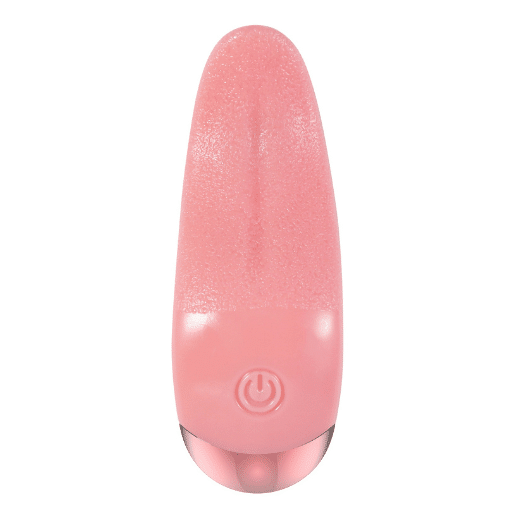
Real cost data is the gap almost every competitor guide ignores. Here are three launch scenarios based on actual supplier pricing and founder reports.
Lean Launch (3,000−3,000−7,000)
| Item | Cost |
|---|---|
| Legal setup (LLC, EIN, permits) | $500 |
| Samples from 3-5 suppliers | $300 |
| First order (50-100 units) | 1,500−1,500−3,000 |
| Basic packaging design | 300−300−500 |
| Shopify store + apps | 200−200−500 |
| High-risk payment processor setup | 100−100−300 |
| Initial marketing | 500−500−1,000 |
This scenario assumes you do much of the branding and store setup yourself. It’s the right choice for founders validating demand on a tight budget.
Comfortable Launch (10,000−10,000−25,000)
This tier adds professional packaging design, a larger first order, basic certification support, and a modest content marketing budget. Expect 200-500 units per SKU, custom inserts, and paid influencer outreach.
Scale-Ready Launch (30,000−30,000−60,000)
At this level, you’re launching multiple SKUs with full branding, professional product photography, a content agency or in-house marketer, and a structured email program. This is for founders who have already validated demand and are ready to capture market share.
Note on hidden costs: One financial model for online sex toy businesses estimated that while initial CAPEX might be 60,000,totalfundingtobreakevencouldapproach60,000,totalfundingtobreakevencouldapproach784,000 over a 15-month runway because of marketing spend. Plan for ongoing customer acquisition costs, not just launch costs.
How to Find and Vet a Private Label Sex Toy Manufacturer
Finding a manufacturer is the step that makes or breaks a private-label brand. The cheapest quote is rarely the best quote.
Where to Search
- Alibaba and Global Sources: Largest pool of suppliers, but vetting is essential.
- Trade shows: AVN Adult Entertainment Expo, Erotica Expo, and Canton Fair allow in-person supplier meetings.
- Referrals: Ask other brand founders in private communities or industry groups.
- Specialized adult-product manufacturers: Companies focused exclusively on adult toys often understand compliance, discretion, and quality better than general factories.
Vetting Checklist
Before placing any order, confirm:
- Certifications: ISO 9001, CE, RoHS, FDA registration status, and material safety documentation.
- MOQ and pricing: Unit price, mold fees (if any), setup fees, and sample costs.
- Customization options: What can you change? Colors, materials, packaging, logos, insert cards?
- Exclusivity terms: Will the factory sell the same product to your competitors?
- Production timeline: Sample time, production time, and shipping time.
- Communication quality: Slow or unclear responses before you pay usually get worse after you pay.
- Quality control process: Ask for defect rates, inspection protocols, and return policies.
Red Flags
- No certification documentation or refusal to share it
- Prices far below market average
- Pressure to pay large deposits before samples
- Vague answers about material composition
- No clear production timeline
Branding, Packaging, and Product Customization
Private label gives you control over how customers experience your brand. Packaging is often the first physical touchpoint, so it deserves serious attention.
Customization Options
- Logo placement: Printed on the product, engraved, or on a logo plate
- Color and material choices: Pantone matching, silicone grades, surface finishes
- Packaging design: Custom boxes, sleeves, or pouches
- Insert cards: Instructions, brand story, care guides, QR codes
- Discreet shipping: Plain outer packaging with no brand or product identifiers
Packaging Costs
| Customization | Added Cost |
|---|---|
| Single-color logo print | 0.15−0.15−0.30 per unit |
| Laser engraving | 0.40−0.40−0.60 per unit |
| Logo plate-making fee | 50−50−80 |
| Custom color box | 0.50−0.50−1.50 per unit |
| Custom packaging design fee | 100−100−500 |
Good packaging does more than protect the product. It justifies premium pricing, builds unboxing shareability, and communicates quality before the customer ever uses the toy.
Learn more about packaging options in our custom packaging for adult toys guide.
Legal Requirements and Compliance
Selling adult products legally requires more than a business license. Requirements vary by region, but every founder should address the basics.
Business Setup
- Form an LLC or equivalent business entity
- Obtain an EIN or tax ID
- Register for sales tax where required
- Secure any local business licenses
Product Safety and Certifications
- ISO 3533: The international safety standard specifically for sex toys
- CE marking: Required for products sold in the EU
- RoHS: Restricts hazardous substances in electronic components
- REACH: EU regulation on chemical safety
- FDA: May apply if you make medical or therapeutic claims in the US
- Prop 65: California labeling requirement for products containing certain chemicals
Website and Operational Compliance
- Age verification: Gate entry to your site with an 18+ or 21+ confirmation
- Privacy policy: Required for email collection and customer data
- Terms of service, shipping, and return policies: Must be clear and accessible
- Discreet billing descriptor: Customers should not see explicit names on credit card statements
Always consult a lawyer familiar with adult industry regulations in your target markets. This guide is educational, not legal advice.
Payment Processing for Private Label Sex Toy Businesses
This is the operational detail that derails more launches than almost any other. Mainstream payment processors classify adult products as high-risk. Stripe, PayPal, Square, and most standard merchant accounts either prohibit adult transactions or freeze accounts once they detect them.
Why Adult Products Are High-Risk
- Higher chargeback rates than average retail
- Regulatory scrutiny and age-restriction requirements
- Reputational risk for banks and processors
- Subscription and recurring billing models common in the industry
High-Risk Processors to Consider
- CCBill
- SegPay
- Epoch
- PaymentCloud
- NetBilling
- SMB Global
Typical Costs
- Transaction fees: 3.5%-6% + $0.30 per transaction
- Monthly gateway fees: 25−25−100
- Setup fees: 100−100−500+
- Rolling reserve: 5%-10% of revenue held for 90-180 days
Set up your high-risk account before you launch. Do not wait until you have orders coming in. A frozen payment account can kill momentum and damage customer trust.
Marketing Private Label Sex Toys with Ad Restrictions
Google, Meta, TikTok, and most mainstream platforms restrict or prohibit adult-product advertising. That constraint forces private-label brands to build marketing channels they actually own.
SEO and Content Marketing
Organic search is one of the most valuable channels for adult brands. Educational content about product care, buying guides, and wellness topics attracts qualified traffic without relying on paid ads. This pillar page itself is an example of that strategy.
Influencer Partnerships
Sex educators, wellness creators, and body-positive influencers can introduce your brand to engaged audiences. Focus on micro-influencers with strong trust in their communities rather than large accounts with broad but shallow reach.
Reddit and Community Marketing
Subreddits related to sexual wellness, relationships, and adult products can drive highly targeted traffic. The key is genuine participation, not spam. Answer questions, share expertise, and mention your brand only when relevant.
Email Marketing
Email is one of the few channels adult brands can fully control. Build your list from day one through quizzes, guides, and exclusive offers. Segment by interest and purchase history to keep messages relevant.
Adult-Friendly Ad Networks
Several networks accept adult-product advertising, including TrafficJunky and Exoclick. These require careful targeting and compliance, but they can scale once your unit economics are proven.
Best Private Label Sex Toy Niches and Products for 2026
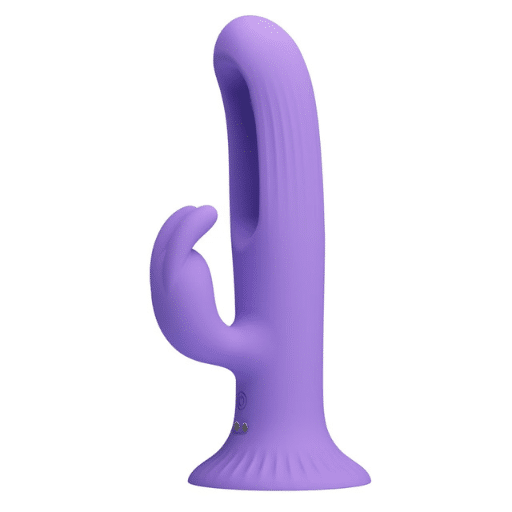
Not all categories are equally suited to private label. The best niches balance demand, margin, compliance complexity, and customization potential.
Vibrators and Wand Massagers
Vibrators remain the largest category. Bullets, wands, and rabbit-style toys offer established demand and relatively simple customization.
Male Wellness Devices
Strokers, sleeves, and prostate massagers are growing fast. This category benefits from strong repeat purchase potential and higher average order values.
Anal Toys
Butt plugs, anal beads, and prostate stimulators have loyal customer bases. Flared-base safety and clear sizing guidance are essential.
Couples and App-Connected Toys
Remote-controlled and app-connected toys are trending. These offer higher price points but also require more technical support and firmware updates.
Pelvic Floor and Wellness Devices
Kegel trainers, pelvic wands, and recovery-focused products position your brand in the wellness space rather than purely novelty. This can open different marketing angles and customer segments.
Gender-Inclusive Designs
Products designed for all bodies, modular toys, and harness-compatible options are resonating with younger consumers. Inclusivity is becoming a brand differentiator, not just a niche.
For more on sustainable and body-safe material trends, see our guide to sustainable materials for adult toys.
Common Mistakes New Private Label Brands Make
- Skipping samples and placing large first orders. Always test before you scale.
- Using Stripe or PayPal, They will freeze your account. Use a high-risk processor from day one.
- Ignoring certification requirements, EU and US distributors will ask for documentation.
- Choosing a saturated niche without differentiation, Specific audiences beat broad categories.
- Underestimating marketing costs, Organic growth is slower and more competitive than it looks.
- Not securing exclusivity, Without a contract, your “private label” product may be sold to competitors.
- Over-ordering inventory, Cash tied up in unsold stock is cash you can’t spend on marketing.
Meet Priya. She launched a private-label couples toy and assumed Instagram ads would drive sales. After her ad account was banned twice, she shifted to SEO and email. It took six months, but her organic traffic became her most profitable channel. Her lesson: in adult products, owned channels are not optional; they are the business.
Frequently Asked Questions
What are private label sex toys?
Private label sex toys are products manufactured by a third-party factory and sold under your own brand name, logo, and packaging. The factory produces the item; you handle branding, marketing, and sales.
What is the difference between private label and white label sex toys?
White label products are generic items that multiple brands can resell, often with only a logo change. Private label products typically involve more customization and may be exclusive to your brand within a specific market.
How much does it cost to start a private label sex toy brand?
A lean launch costs 3,000−3,000−7,000. A comfortable launch ranges from 10,000−10,000−25,000. A scale-ready launch with multiple SKUs and professional marketing can reach 30,000−30,000−60,000 or more.
What is the minimum order quantity for private label sex toys?
Entry-level suppliers may offer MOQs as low as $100 or 50-100 units. Factory-level manufacturers typically require 300-500 units. Joyflick offers private-label support starting at 300 units.
How long does private label production take?
From supplier selection to first sale, expect 6-10 weeks for a lean private-label launch. This includes sampling, customization, production, and shipping.
Can I sell private label sex toys on Shopify?
Yes, Shopify allows adult products in many regions, but you must use a payment processor that supports high-risk categories. Shopify Payments itself generally does not support adult products.
What payment processor should I use for adult toys?
Use a high-risk merchant account provider such as CCBill, SegPay, Epoch, or PaymentCloud. Avoid Stripe, PayPal, and Square for adult-product transactions.
Do I need FDA approval to sell sex toys in the US?
Sex toys are generally not FDA-approved as medical devices unless you make specific medical or therapeutic claims. However, you should ensure materials are body-safe and comply with relevant safety standards.
How do I market sex toys with advertising restrictions?
Focus on SEO, content marketing, influencer partnerships, email marketing, Reddit/community engagement, and adult-friendly ad networks. Avoid relying on Google, Meta, or TikTok ads.
Should I start with private label or OEM?
Most founders should start with private label to validate demand and learn the market. Move to OEM or ODM once you have proven sales, customer feedback, and the capital to invest in proprietary designs.
Conclusion
Private label sex toys offer one of the most practical entry points into the adult product industry. You get the brand control of a proprietary line without the capital risk of full custom manufacturing. But the model only works if you treat it as a learning phase, not a shortcut.
Start small. Validate demand with a low-cost test order. Set up your payment processing and compliance before you launch. Build marketing channels you own, because mainstream advertising will not be available. And plan your path up the customization ladder once you have data.
The brands that win in this space are not the ones with the biggest first orders. They are the ones that learn fastest, protect their capital, and scale only after they have proof.
Ready to launch your private label sex toy brand? Contact Joyflick for a free consultation. With MOQs starting at 300 units, ISO-certified production, and full OEM/ODM upgrade paths, we help founders turn a first product into a lasting brand.