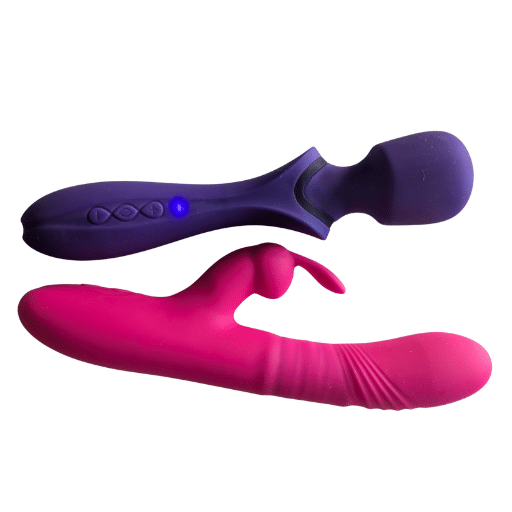

The most important eco-friendly sex toy certifications include body-safety standards like ISO 10993 and USP Class IV, chemical compliance marks such as REACH and RoHS, electrical safety certifications including CE and FCC, and sustainability labels like FSC and GRS. No single certification covers every aspect of safety and sustainability. Brands need a portfolio of certifications that matches their product type, target market, and material choices.
When Lena, a procurement manager at an Amsterdam-based wellness brand, received her first supplier quote, she noticed the factory proudly listed “FDA Approved” on every product sheet. She assumed this meant the silicone vibrators had passed rigorous medical device review.
Three months later, her regulatory consultant explained the truth. The factory was merely “FDA Registered,” which means the facility notified the agency of its existence. It says nothing about whether the products inside meet any specific safety standard. Lena had built her quality claims on a misunderstanding that could have exposed her brand to liability.
This confusion is not unusual. The sex toy industry sits at the intersection of personal care, electronics, and sustainability. Certification requirements vary by material, product function, and sales region.
For brands entering this space, the question is not whether to certify, but which certifications genuinely matter and which are marketing noise. This guide provides a manufacturer-level breakdown of every certification category, what each actually tests, and how new EU regulations will change what brands can claim starting September 2026.
Key Takeaways
- ISO 10993, REACH, and CE marking are the three non-negotiable certification categories for electronic sex toys sold in the EU. No single badge covers all three.
- The EU ECGT (Empowering Consumers for the Green Transition) becomes enforceable on September 27, 2026. It bans generic environmental claims like “eco-friendly” and “green” without scientific proof. Penalties reach 4% of annual turnover.
- “FDA Approved” and “FDA Registered” are not the same. The FDA does not approve sex toys as a category. Facility registration alone proves nothing about product safety.
- The 2023 BfR study found 28 of 32 CE-marked vibrators contained phthalate levels exceeding REACH limits by over 1,300 times. CE marking is self-declared and not always backed by testing.
- FSC, GRS, and OEKO-TEX are legitimate third-party eco certifications. Self-created “clean standards” or in-house eco-badges will violate the ECGT.
What “Certified” Actually Means in the Sex Toy Industry
Certification language in the adult product industry is deliberately confusing. Factories, brands, and retailers use overlapping terms that mean very different things. Understanding the hierarchy is essential before evaluating any claim.
Factory certifications apply to the manufacturing facility, not the products it makes. ISO 9001 certifies that a factory has quality management systems in place. ISO 13485 certifies medical device quality management. These are valuable signals about production consistency, but they do not test whether a specific silicone formulation is body-safe.
Product certifications apply to the finished item or its materials. ISO 10993 tests whether a material causes skin irritation, sensitization, or cytotoxicity. REACH tests for restricted chemicals like phthalates. These certifications require actual laboratory testing of the product or material batch.
Self-certification means the brand or factory declares compliance without independent verification. CE marking for many product categories is self-declared. A manufacturer can legally affix the CE mark if they believe their product meets EU directives. The problem is that belief is not always backed by testing, as the BfR phthalate study demonstrated.
Third-party certification means an independent accredited body has conducted testing and verified compliance. ISO 10993 testing by SGS, TUV, or Intertek carries more weight than a factory’s own declaration. FSC certification for packaging requires chain-of-custody auditing by accredited bodies.
The distinction matters because consumers and procurement managers often treat all claims equally. They are not.
Want to understand which materials actually need certification? Our body-safe materials guide breaks down medical-grade silicone, TPE, ABS, and the testing each requires.
Body-Safety Certifications: The Non-Negotiables
Body-safety certifications test whether materials are biocompatible for intimate contact. These are not optional for any brand that values customer safety and legal protection.
ISO 10993 — Biocompatibility Testing
ISO 10993 is the international standard for biological evaluation of medical devices. For sex toys, the most relevant sub-tests are cytotoxicity (whether the material kills cells), skin irritation (whether it causes inflammation), and sensitization (whether it triggers allergic reactions).
Testing involves exposing cell cultures and animal or human skin models to the material extract. Results are graded on a standardized scale. A passing result means the material is suitable for prolonged body contact under normal use conditions.
ISO 10993 testing costs approximately 800 to 2,500 dollars per material depending on the number of sub-tests. Turnaround is typically 4 to 8 weeks. Brands should require a Certificate of Analysis for each resin batch, not just a one-time test on a sample from two years ago.
USP Class IV
The United States Pharmacopeia (USP) Class IV standard is the highest grade for materials that contact the human body. It requires more extensive testing than lower USP classes, including implantation tests in living tissue.
For most sex toys, USP Class IV is above the necessary threshold. ISO 10993 is generally sufficient for external and internal body contact without implantation. However, some premium brands pursue USP Class IV certification as a differentiation strategy. It signals the highest possible safety margin.
FDA Registration and CFR 177.2600
The FDA does not approve sex toys as a product category. No sex toy on the market carries FDA product approval in the way a pacemaker or surgical implant might. What suppliers often mean is one of two things.
FDA facility registration means the manufacturing location is listed in the FDA’s database. It requires an annual fee and basic notification. It proves nothing about product quality.
FDA CFR 177.2600 is a regulation for rubber articles intended for repeated food contact. Some manufacturers use this standard to demonstrate that their silicone or TPE meets extraction limits. It is a reasonable proxy for body safety, but it is not designed for intimate products.
Brands should ask suppliers specifically which FDA standard applies and demand test reports, not just registration numbers.
ISO 13485 — Medical Device Quality Management
ISO 13485 is a factory-level certification for quality management systems specific to medical devices. It covers traceability, risk management, documentation, and corrective action procedures.
A factory with ISO 13485 certification is more likely to produce consistent, traceable batches than one with only ISO 9001. For brands positioning in the premium or medical-adjacent segments, requiring ISO 13485 from suppliers adds a layer of confidence.
Chemical Safety Compliance: REACH, RoHS, and Beyond
Chemical safety certifications restrict hazardous substances in products and materials. These are legally mandated in major markets and carry significant penalties for non-compliance.
REACH (EU)
REACH (Registration, Evaluation, Authorisation and Restriction of Chemicals) is the EU’s comprehensive chemical safety regulation. For sex toys, REACH Annex XVII lists the restricted substances with specific concentration limits.
Phthalates are the most critical group for adult products. REACH restricts DEHP, DBP, BBP, DINP, DIDP, and DNOP to 0.1% by weight in toys and childcare articles.
The 2023 study by Germany’s Federal Institute for Risk Assessment (BfR) tested 32 vibrators with CE marks. Twenty-eight contained DEHP levels exceeding the limit. One product exceeded it by over 1,300 times.
This failure rate is alarming. It demonstrates that CE marking alone is not a reliable indicator of chemical safety. Brands must require independent REACH testing from accredited laboratories, not accept supplier declarations at face value.
REACH testing for phthalates and restricted substances typically costs 300 to 800 dollars per product. Testing should be repeated whenever materials, suppliers, or formulations change.
RoHS
RoHS (Restriction of Hazardous Substances) applies to electronic and electrical equipment. It limits lead, mercury, cadmium, hexavalent chromium, polybrominated biphenyls (PBB), and polybrominated diphenyl ethers (PBDE).
For motorized sex toys, RoHS compliance is legally required in the EU and increasingly expected in other markets. Circuit boards, solder joints, and battery contacts are the most common failure points. A reputable electronics assembly partner should provide RoHS compliance documentation as standard.
California Proposition 65
Proposition 65 requires warning labels on products sold in California that contain chemicals known to cause cancer or reproductive harm. The list includes over 900 chemicals, including phthalates and certain heavy metals.
Brands selling into the US market must either ensure their products contain no listed chemicals above safe harbor levels, or include the required warning label. Many brands choose to formulate products below the thresholds to avoid the stigma of a warning label on intimate products.
PFAS-Free Commitments
Per- and polyfluoroalkyl substances (PFAS), known as “forever chemicals,” are emerging as a new regulatory focus. The EU has proposed restrictions on PFAS in consumer products. Several US states have enacted or are considering bans.
Smile Makers was among the first in the sex toy industry to publicly commit to PFAS-free manufacturing. As regulations tighten, PFAS-free status will likely become a standard expectation rather than a premium differentiator.
Electrical and Product Safety Certifications
Electronic sex toys must comply with electrical safety regulations in every market where they are sold. These certifications address shock hazard, electromagnetic interference, and safe submersion.
CE Marking (EU/EEA)
CE marking is legally required for all electronic products sold in the European Economic Area. For sex toys, it typically covers the General Product Safety Directive, the Low Voltage Directive (LVD) for electronics, and the EMC Directive for electromagnetic compatibility.
The CE mark is self-declared in many product categories. The manufacturer affixes it after conducting internal testing and preparing a technical file. Technical files must be retained for 10 years for market surveillance.
The critical issue is that CE marking does not require pre-market approval from a notified body for most sex toys. This is why the BfR study found such high failure rates. The mark indicates intent to comply, not verified compliance.
For brands, the safest approach is to work with a notified body or accredited test lab to verify CE compliance before products reach the market. This adds cost but eliminates regulatory risk.
FCC Compliance (US)
The Federal Communications Commission requires electronic devices to comply with electromagnetic emissions limits. FCC compliance prevents electronic toys from interfering with other devices like radios, Wi-Fi networks, and medical equipment.
FCC testing is typically bundled with CE EMC testing since the standards are similar. Most reputable electronics manufacturers include FCC compliance documentation as standard for products destined for the US market.
IPX7 Waterproof Rating
IPX7 certifies that a device can be submerged in water up to 1 meter for 30 minutes without water ingress. For sex toys, this rating is important for both safety and hygiene. It enables thorough cleaning without damaging internal electronics.
IPX7 testing costs approximately 500 to 1,000 dollars per product design. The rating applies to the specific design tested. Any change to seals, housing geometry, or button placement requires retesting.
Sustainability and Eco Certifications
Sustainability certifications verify environmental claims about materials, packaging, and manufacturing processes. Under the EU ECGT, only certifications from approved third-party schemes can be referenced in marketing.
FSC (Forest Stewardship Council)
FSC certification ensures that wood, paper, and wood-based packaging materials come from responsibly managed forests. For sex toy brands, FSC applies primarily to cardboard packaging, paper inserts, and any wooden products.
Rocks Off, a UK-based manufacturer, switched to 100% plastic-free FSC-certified packaging in 2020. The change reduced packaging volume by 30% and cut their carbon footprint by 40%. FSC certification is product-specific and requires chain-of-custody documentation from forest to finished package.
GRS (Global Recycled Standard)
GRS verifies recycled content in products and tracks it through the supply chain. It applies to recycled ocean plastic, post-consumer recycled silicone, and other reclaimed materials.
Ohhcean by Sinful uses GRS-certified recycled ocean-bound plastic in their product line. For brands using recycled materials, GRS certification provides substantiation that would satisfy the ECGT’s requirement for proof behind environmental claims.
OEKO-TEX Standard 100
OEKO-TEX tests textiles and materials for harmful substances. In the sex toy industry, it is most relevant for fabric components like storage bags, harnesses, bondage gear, and textile packaging.
OEKO-TEX certification is batch-specific and must be renewed annually. Brands can verify certification validity using the label check tool on the OEKO-TEX website. This transparency makes it a strong trust signal for consumers.
GOTS (Global Organic Textile Standard)
GOTS certifies organic textiles and applies to cotton components, organic lubricants, and massage oils. It is less common in sex toy hardware but relevant for brands with wellness or spa-adjacent product lines.
Cradle to Cradle
Cradle to Cradle certifies products designed for circular economy principles. It evaluates material health, renewable energy use, water stewardship, and social fairness. No major sex toy brand currently holds Cradle to Cradle certification, but the standard represents the highest bar for sustainable product design.
B Corp
B Corp certification measures overall social and environmental performance across the entire business. It is not product-specific but brand-wide. The Natural Love Company has pursued B Corp status as part of their sustainability positioning.
Looking for a deeper dive into sustainable materials? Our sustainable materials guide covers platinum silicone, bioplastics, recycled metals, and how to evaluate supplier environmental claims.
Compostable and Biodegradable Certifications
Compostable certifications apply to materials that break down under specific conditions. For sex toys, these certifications are relevant to bioplastic housings, PLA packaging, and compostable shipping materials rather than finished electronic products.
EN 13432 (EU Industrial Composting)
EN 13432 is the definitive EU standard for industrial compostability. To certify, a material must convert at least 90% of its organic carbon to CO2 within 180 days in controlled composting conditions. It must also disintegrate so that more than 90% of the material passes through a 2mm sieve within 12 weeks.
The standard includes strict limits on heavy metals including lead, cadmium, chromium, mercury, copper, nickel, zinc, molybdenum, selenium, and arsenic. Compost produced from the material must pass ecotoxicity tests using barley and cress plants.
OK Compost (TUV Austria)
OK Compost INDUSTRIAL certifies compliance with EN 13432 for industrial composting facilities at 55 to 60 degrees Celsius. OK Compost HOME certifies compostability in home compost heaps at lower temperatures, based on additional standards including EN 14995 and NFT 51-800.
Both certifications require four mandatory tests: biodegradation, disintegration, ecotoxicity, and heavy metals content. Brands using PLA or other bioplastics should specify whether they hold INDUSTRIAL or HOME certification, as consumer access to industrial composting varies dramatically by region.
ASTM D6400 (US)
ASTM D6400 is the US standard for compostable plastics. It requires at least 60% CO2 conversion within 180 days, which is less strict than EN 13432’s 90% requirement. ASTM D6400 certification is not accepted for EU labeling.
For brands selling in both markets, pursuing EN 13432 or OK Compost covers more jurisdictions than ASTM D6400 alone.
The Reality Check
No commercially available sex toy currently carries EN 13432 or OK Compost certification as a finished product. These standards were designed for packaging and single-use items, not durable goods with electronic components. Womanizer’s Biolene and Blush’s BioFeel are marketed as biodegradable, but the claims refer to material properties under industrial composting, not certified product-level compostability.
Brands should be precise about what is certified. Packaging can be certified. Bioplastic housings can be certified. A complete vibrator with circuit boards and batteries cannot.
For more on bioplastic materials and their real-world limitations, see our biodegradable sex toy materials guide.
Navigating the EU ECGT: What Changes in September 2026
Two EU directives govern environmental claims. Only one is moving forward. Understanding the difference is critical for every brand selling into the EU.
The Empowering Consumers for the Green Transition (ECGT), Directive 2024/825/EU, amends the Unfair Commercial Practices Directive and the Consumer Rights Directive. It becomes enforceable on September 27, 2026. This is the regulation that matters.
The Green Claims Directive was a separate, more detailed proposal. The European Commission withdrew it in July 2025 due to concerns about disproportionate burdens on micro-enterprises. It is no longer proceeding.
When Marcus, a Berlin-based brand founder, first heard about the ECGT in early 2026, he assumed it was the same stalled Green Claims Directive he had read about the previous year. He delayed action.
In April, his regulatory advisor corrected the misunderstanding. Marcus spent three weeks auditing every product page, packaging design, and marketing email to remove generic claims and replace them with specific, substantiated statements.
What the ECGT Prohibits
Generic environmental claims without proof are banned. Terms like “eco-friendly,” “green,” “natural,” “biodegradable,” and “sustainable” cannot appear on packaging or marketing unless they are supported by recognized scientific evidence and a life-cycle perspective.
Self-created sustainability labels are prohibited. A brand cannot design its own “eco-badge” or use unverified third-party logos. Only labels from public authorities or certified third-party schemes meeting strict requirements are permitted.
Carbon neutrality claims based on offset purchases are flatly banned at the product level. A brand cannot label a vibrator as “carbon neutral” because they bought credits. Only claims based on actual value chain emissions reductions are acceptable.
Unapproved sustainability labels are prohibited. Labels must come from schemes with third-party verification, transparent standards, stakeholder consultation, ISO-certified auditors, and open access to all compliant traders.
Penalties and Documentation
Penalties reach up to 4% of annual turnover in affected member states. Brands must maintain scientific evidence for any environmental claim, review it at least every 5 years, and make it publicly accessible via QR code, weblink, or physical form.
For sex toy brands, the immediate action items are clear. Audit all marketing materials and remove unsubstantiated generic claims. Replace them with specific, measurable statements. Verify that any eco-labels used come from approved third-party schemes. Prepare documentation systems that can withstand regulatory scrutiny.
How to Spot Fake or Misleading Certifications
Greenwashing in the sex toy industry takes specific forms. Brands and consumers should watch for these red flags.
Vague material descriptions are a warning sign. Terms like “rubber silicone,” “food-grade silicone,” “silicone-blend,” or misspelled “silicon” indicate that the product is not medical-grade platinum-cure silicone. True medical-grade silicone should specify the cure type and list biocompatibility standards.
Self-created “clean standards” are increasingly common. Bloomi markets a “Clean Standard” that sounds authoritative but is an in-house framework. Under the ECGT, such self-certifications will become compliance risks, not marketing assets.
Packaging performativity occurs when a brand heavily markets recycled cardboard while the product itself contains PVC, undisclosed fillers, or petroleum-based plastics. The sustainability story should match the product, not just the box.
Conflating body-safe with eco-friendly is a frequent tactic. A toy can be non-toxic for human use while being environmentally problematic in production or disposal. Medical-grade silicone is body-safe but not biodegradable. Both claims can be true, but they are not the same claim.
Unverifiable certifications should be checked against official databases. OEKO-TEX, FSC, and GRS all maintain online verification tools. If a certification cannot be verified independently, it should not be trusted.
Missing importer addresses in the EU are another red flag. CE-marked products sold in the EU must identify a responsible EU importer. Virtual offices or absent addresses suggest lack of accountability.
Certification Strategy by Product Type and Market
The right certification portfolio depends on what you make and where you sell it.
| Product Type | EU Market | US Market | UK Market |
|---|---|---|---|
| Silicone vibrator | CE, REACH, RoHS, LVD, EMC | FCC, Prop 65 | UKCA, REACH |
| Non-electronic silicone | REACH | Prop 65 | REACH |
| Bioplastic toy | CE, REACH, compostable cert | FCC, Prop 65 | UKCA, REACH |
| Metal or glass toy | REACH | Prop 65 | REACH |
| Packaging only | FSC, recycled content | FSC | FSC |
For emerging brands with limited budgets, prioritize based on your primary sales region. If you sell 80% in the EU, CE and REACH are mandatory. If you sell primarily in the US, FCC and Prop 65 take priority. ISO 10993 is recommended for all body-contact products regardless of market.
Need guidance on quality control during certification? Our quality control guide explains how to test electronic components, validate material batches, and maintain traceability through production.
Frequently Asked Questions
What certifications are legally required for sex toys in the EU?
CE marking is required for electronic products. REACH compliance is required for all products containing restricted chemicals. RoHS applies to electronic components. These are legal requirements, not optional certifications.
What is the difference between FDA-registered and FDA-approved?
FDA-registered means a manufacturing facility is listed with the FDA. It requires annual notification and a fee. It proves nothing about product safety.
FDA-approved means the FDA has reviewed clinical data and approved a specific product for a specific use. The FDA does not approve sex toys as a category.
Can a brand create its own eco-label?
Under the EU ECGT effective September 2026, self-created sustainability labels are prohibited. Brands can only use labels from public authorities or certified third-party schemes with independent verification, transparent standards, and ISO-certified auditors.
How much do certifications cost?
ISO 10993 biocompatibility testing costs 800 to 2,500 dollars per material. REACH phthalate testing costs 300 to 800 dollars per product. IPX7 waterproof testing costs 500 to 1,000 dollars per design. FSC certification for packaging costs 2,000 to 10,000 dollars annually depending on supply chain complexity.
How long does certification take?
Laboratory testing typically takes 4 to 8 weeks. Factory audits for ISO 9001 or ISO 13485 take 2 to 5 days on-site plus report preparation. Certification renewals are usually annual for product-level testing and every 3 years for factory-level certifications.
What is the difference between ISO 10993 and USP Class IV?
ISO 10993 tests biocompatibility for external and internal body contact. It is the standard for most sex toys. USP Class IV is a higher grade that includes implantation testing. It is appropriate for products claiming medical-grade status but is often unnecessary for standard intimate products.
How do I verify a certification is real?
Check official databases. OEKO-TEX provides a label check tool on its website. FSC maintains a certificate database.
GRS certificates can be verified through Textile Exchange. For ISO certifications, request the certificate number and verify it with the issuing registrar.
Conclusion
Eco-friendly sex toy certifications are not marketing decorations. They are compliance tools, liability shields, and trust signals. The brands that thrive in the post-2026 regulatory environment will be those that understand the difference between self-declared claims and verified certifications, between factory registration and product testing, and between the ECGT that is coming and the Green Claims Directive that is not.
For consumers, the message is simple. Verify claims independently. Look for specific certification names, not vague adjectives.
Check databases. Ask questions.
For brands, the path is clear. Audit your certification portfolio against your target markets. Remove unsubstantiated environmental claims before September 27, 2026.
Build documentation systems that can prove every claim you make. Partner with manufacturers who maintain current, verifiable certifications and who understand that compliance is not a one-time event but an ongoing responsibility.
At Joyflick, we maintain ISO-certified production with CE, FDA, and RoHS compliance. We provide Certificates of Analysis for every material batch and help brands navigate the certification landscape for their specific product lines. Our low MOQs starting at 300 units make it possible to test and validate certified products before committing to scale.
Ready to build a certification strategy your customers can trust? Contact Joyflick today to discuss which certifications your product line needs and how to implement them from day one.